2027 Best Accredited Online Technical Communication Master's Programs With Asynchronous Classes: No Set Class Times

Co-Founder and Chief Data Scientist
Choosing an online technical communication master's is difficult when "100% online" does not always mean no required meeting times. This guide is for working professionals and career changers who need an accredited, flexible degree without sacrificing academic quality. The U.S. Bureau of Labor Statistics reports a $91,670 median annual wage for technical writers, showing the value of advanced communication and technology skills in specialized roles. Learn how to verify a program's format, compare costs and curriculum, and select an option that fits your schedule and career goals.
Key Things You Should Know
- Look for institutional accreditation, then confirm that the specific technical communication curriculum is delivered online; this field generally does not require a separate programmatic accreditor.
- "Asynchronous" usually means no required live lectures, not no deadlines: most 30- to 36-credit master's programs use weekly modules, team projects, and term-based due dates.
- Technical writers had a U.S. median annual wage of $91,670 in 2024, but the degree's return depends on your portfolio, domain expertise, location, and target role - not format alone.
What Does "Asynchronous" Mean in an Online Technical Communication Master's Program?
An asynchronous online technical communication master's program lets students access lectures, readings, discussion boards, recorded demonstrations, and assignments at times they choose. There are usually no mandatory weekly video classes at a particular hour. This format can work well for professionals with rotating shifts, caregiving responsibilities, or work travel.
Asynchronous does not necessarily mean self-paced. Most graduate programs still use academic terms, fixed course start and end dates, weekly discussion deadlines, and due dates for usability studies, documentation projects, reports, or presentations. A course may be fully asynchronous while requiring students to submit work every Sunday evening.
The distinctions below matter because schools use online-learning labels differently. Ask for a sample syllabus rather than relying on a marketing label.
| Format | Typical scheduling | Best fit | Potential limitation |
| Fully asynchronous | No required live class meetings; fixed assignment deadlines are common | Students needing maximum weekly scheduling control | Requires strong self-management |
| Partially synchronous | Mostly online work plus required live sessions, presentations, or office hours | Students who value regular real-time contact | May conflict with shift work or time zones |
| Hybrid | Online coursework plus campus meetings, residencies, or local requirements | Students near campus who want in-person learning | Not suitable for many distant students |
| Self-paced | Students may progress at varying speeds within broader enrollment rules | Highly independent learners with variable availability | Less common for cohort-based graduate degrees |
A technical communication master's may be an MA, MS, or professionally titled degree. MA programs often emphasize rhetoric, writing, editing, and research; MS programs may place more weight on information design, content systems, usability, or technology. The actual curriculum, capstone expectations, and faculty expertise are more informative than the degree letters alone.
How Can Students Verify Accreditation for an Asynchronous Online Technical Communication Master's Program?
Start with the institution, not the program webpage. For most technical communication master's degrees, institutional accreditation is the central accreditation check because there is no universal professional accreditor comparable to those used in fields such as nursing or engineering. Institutional accreditation supports the credibility of the degree, eligibility for federal aid when other requirements are met, and potential credit recognition.
Use this practical verification sequence before paying an application fee:
- Find the university's accreditor on its official accreditation or institutional research page.
- Confirm the accreditor's recognition through the U.S. Department of Education or the Council for Higher Education Accreditation directories.
- Verify that the online master's is an official graduate degree offered by the accredited institution, rather than a noncredit training product.
- Ask whether the online and campus versions have the same degree title, transcript notation, faculty oversight, and learning outcomes.
- For employer-facing credibility, review faculty backgrounds, curriculum currency, capstone requirements, and portfolio support.
Do not confuse institutional accreditation with professional affiliation. A program may align with professional communication standards or employ experienced practitioners without holding a separate programmatic accreditation. That is not automatically a red flag in this discipline. The concern is an institution that cannot clearly identify its recognized accreditor or explain who awards and oversees the degree.
Students moving from a technical field should also assess whether the degree complements existing expertise. Someone who writes software documentation, for example, may benefit from comparing an engineering online degree with a communication-focused master's, depending on whether the goal is deeper technical specialization or better documentation, UX, and content strategy skills.
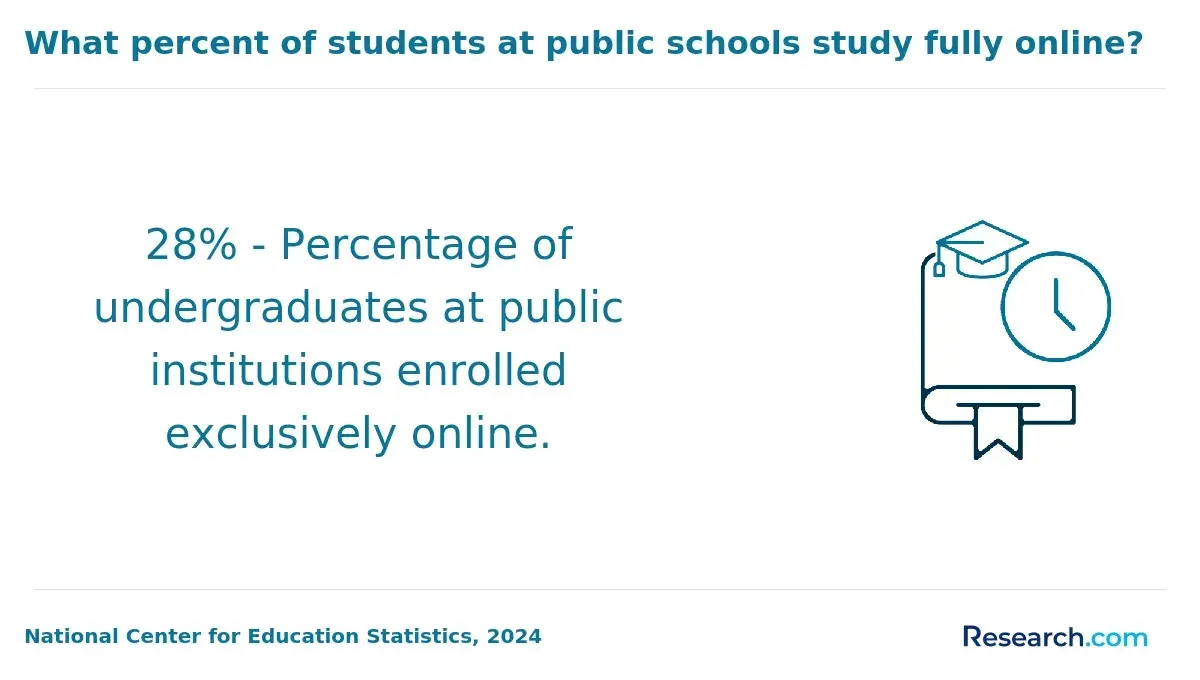
How Can Students Tell If an Online Technical Communication Master's Program Truly Has No Set Class Times?
The phrase "online" only describes location; it does not promise schedule freedom. "No set class times" should mean that required instructional activities can be completed without attending live sessions at prescribed times. Some programs are asynchronous in most courses but require a live orientation, virtual defense, client presentation, residency, or proctored assessment.
Before enrolling, request a written answer from admissions or the program director covering the following points:
- Are live lectures, webinars, office hours, workshops, or cohort meetings required in any core or elective course?
- Are capstone presentations, thesis defenses, internship check-ins, or team meetings scheduled at fixed times?
- Do quizzes or exams have a multi-day completion window, or must they be taken at a specified time?
- Do faculty use asynchronous discussion and recorded feedback, or are real-time meetings expected for participation?
- Can students complete every required course from another U.S. time zone without regular attendance conflicts?
Ask for two recent syllabi: one introductory core course and one capstone or advanced elective. This is more revealing than a single admissions statement because delivery requirements can differ by instructor and course. Also ask whether format information applies to the entire degree plan, including electives that may be offered less frequently.
A common mistake is treating "100% online" and "fully asynchronous" as interchangeable. A program can be completed remotely and still require evening video meetings. Conversely, a term-based asynchronous program can have no set class times while maintaining demanding weekly deadlines.
How Flexible Are Asynchronous Online Technical Communication Master's Programs for Working Professionals?
For full-time employees, asynchronous study is often practical because it moves learning around work rather than requiring work to fit a class schedule. It is especially useful for documentation specialists, engineers, analysts, healthcare professionals, editors, instructional designers, and government employees who need graduate education without leaving their roles.
Flexibility is greatest when a program offers part-time enrollment, predictable term calendars, several elective choices, and recorded course materials. It is lower when courses use group projects with narrow turnaround times, lock students into a cohort sequence, or require an internship with daytime availability. An internship or client-based practicum can provide valuable portfolio evidence, but it should be evaluated as a scheduling commitment rather than assumed to be virtual or flexible.
This comparison can help applicants match enrollment intensity to realistic available time.
| Study approach | Typical load | Likely advantage | Main trade-off |
| Part-time, one course at a time | Often 3 credits per term | More manageable beside full-time work | Longer completion timeline |
| Part-time, two courses | Often 6 credits per term | Balances progress and continued employment | Can be difficult during peak work periods |
| Full-time | Often 9 or more credits per term | Faster path to graduation | May reduce work and family flexibility |
| Accelerated terms | Compressed course duration | Can shorten calendar time to completion | Weekly reading and writing load is concentrated |
An accelerated option makes sense when you can protect substantial study time every week and need the credential soon. A traditional-length program is often safer for professionals managing unpredictable workloads. If speed is the priority, compare the workload and credit transfer rules of an online master rather than assuming a shorter advertised timeline is automatically less expensive or easier.
How Do Asynchronous Online Technical Communication Master's Programs Handle Faculty Interaction and Group Work?
Strong asynchronous programs replace live classroom contact with intentional communication systems. Faculty may provide annotated drafts, audio or video feedback, discussion-board responses, virtual appointments by request, peer-review structures, and clear grading rubrics. The absence of required live lectures should not mean the absence of instructor access.
Technical communication is collaborative by nature. Students may work on documentation plans, content audits, usability testing, proposal development, information design, or content strategy projects. Group work can create scheduling friction even when class sessions are not required, particularly when classmates work across time zones—a factor to consider whether taking full degrees or short certificate programs.
Before deciding that a no-set-time program is the best fit, evaluate its collaboration design. Look for:
- Published faculty response-time expectations for questions and draft feedback.
- Group projects with structured roles, shared workspaces, and milestones rather than vague coordination requirements.
- Alternatives or accommodations when work schedules make recurring student meetings impractical.
- Opportunities for optional live office hours without penalties for students who cannot attend.
- Portfolio mentoring, career coaching, or capstone supervision that is available asynchronously.
Applicants who learn best through spontaneous discussion, immediate feedback, and live demonstrations may prefer a partially synchronous program. Maximum scheduling flexibility is valuable only if the program's communication structure still supports your learning style and professional network goals.
How Do Course Deadlines and Pacing Affect an Asynchronous Online Technical Communication Master's Degree?
Most asynchronous technical communication master's degrees are instructor-paced rather than self-paced. Students generally move through the same modules as classmates, contribute to discussions by specified dates, complete peer reviews, and submit major projects according to a shared calendar. This structure supports feedback and collaboration but limits the ability to pause during a busy work season.
Estimate workload from the syllabus, not just credit count. A graduate writing or research course can involve reading scholarly material, drafting and revising documents, conducting user research, producing visual content, and responding substantively to peers. Capstone courses may require more time because students build a polished portfolio artifact or complete an applied research project.
These pacing models create different practical experiences.
| Pacing model | How it works | Who it suits | Watch for |
| Term-based cohort | Students take sequenced courses with the same group | Students who value structure and peer continuity | Limited ability to skip a required course |
| Term-based individual progression | Students select from available courses each term | Working professionals needing course-load control | Electives may not run every term |
| Accelerated term | Same or similar content delivered in fewer weeks | Students with consistent study availability | Rapid deadlines and limited recovery time |
| Competency or self-paced model | Progress is less tied to weekly class movement | Independent students with fluctuating schedules | Uncommon for specialized communication master's programs |
Avoid overloading your first term. Taking one course first can reveal how much time you need for readings, writing, technology tasks, and peer work. Ask whether leaves of absence, reduced loads, and course withdrawal deadlines are available if employment demands change.
How Do Exams, Projects, and Technology Requirements Work in an Asynchronous Online Technical Communication Master's Program?
Assessment in technical communication graduate programs commonly emphasizes applied work rather than high-stakes exams. Students may create user guides, API documentation samples, content strategies, usability reports, accessibility audits, proposals, research papers, or digital portfolios. These assignments can be completed asynchronously, but project milestones are normally scheduled.
Technology requirements vary by course. At minimum, students usually need a reliable computer, current browser, broadband internet, webcam and microphone for occasional appointments, and access to a learning management system. Programs may also introduce collaborative writing platforms, content management systems, screen-capture tools, visual design software, version-control environments, or accessibility-testing tools.
Confirm these operational details before enrollment:
- Whether required software is supplied through university licensing, available at a student discount, or paid for separately.
- Whether proctored exams are used and, if so, whether remote proctoring has a flexible testing window.
- Whether live client interviews, user tests, presentations, or thesis defenses are required.
- Whether students must arrange their own internship, practicum, or project client.
- Whether the program provides technical support outside standard business hours.
Artificial intelligence is also changing technical communication work, especially drafting, content reuse, search optimization, and documentation workflows. A current curriculum should address responsible AI use, accuracy checking, source attribution, privacy, accessibility, and human review. Programs should not imply that AI eliminates the need for skilled writers; it increases the importance of judgment, audience analysis, and quality control.
How Rigorous Are Asynchronous Online Technical Communication Master's Programs Compared With Campus-Based Programs?
A well-designed asynchronous master's can be as rigorous as a campus-based degree when it uses comparable admissions standards, credit requirements, faculty oversight, assessment methods, and learning outcomes. Delivery mode changes when students engage with course materials; it should not lower expectations for research, revision, analysis, or professional-quality deliverables.
Rigorous programs typically require students to explain audience and purpose decisions, use evidence, revise after feedback, apply accessibility and usability principles, and complete substantial final work. A thesis track may better suit students considering doctoral study or research-heavy careers. A non-thesis capstone is often a stronger fit for professionals who want a portfolio-ready applied project. Neither path is universally better; choose based on your next academic or career step.
Use the following signs to distinguish meaningful flexibility from a thin online experience.
| Quality indicator | What it suggests | Possible concern |
| Detailed learning outcomes and syllabi | Clear academic expectations | Vague course descriptions with no assessment detail |
| Faculty with relevant scholarly or industry expertise | Current subject-matter guidance | Little information about instructors or advising |
| Capstone, thesis, or portfolio requirement | Opportunity to demonstrate advanced work | No clear culminating assessment |
| Transparent online support services | Resources for research, writing, accessibility, and technology | Support limited to enrollment logistics |
Do not assume a highly flexible program is easier. The discipline required to plan weekly work, seek feedback, and participate in written discussions can make asynchronous learning more demanding for students who prefer externally scheduled structure.
What Career Value Does an Asynchronous Online Technical Communication Master's Degree Provide?
An asynchronous technical communication master's can build advanced capabilities in professional writing, information design, content strategy, UX research, editing, documentation management, accessibility, and communication for specialized audiences. The credential is most valuable when paired with demonstrable work samples and relevant domain knowledge in areas such as software, engineering, healthcare, manufacturing, government, finance, or science.
The U.S. Bureau of Labor Statistics lists a 2024 median annual wage of $91,670 for technical writers. That figure describes a broad occupation, not a guaranteed outcome for graduates, and pay varies substantially by industry, experience, geography, responsibilities, and technical specialization. Use it as context for evaluating the field, then compare it with job postings in your target market.
Common roles and the capabilities an advanced degree may strengthen include the following:
| Possible role | Typical responsibilities | Relevant graduate-level strengths |
| Technical writer | Create and maintain product, process, or policy documentation | Audience analysis, editing, structured authoring |
| Content strategist | Plan governance, workflows, and content systems | Content auditing, taxonomy, information architecture |
| UX writer or content designer | Develop interface content and user guidance | Usability, plain language, accessibility, testing |
| Medical or science writer | Translate complex subject matter for defined audiences | Research synthesis, ethics, regulatory awareness |
| Documentation manager | Lead documentation processes and contributors | Project management, standards, stakeholder communication |
For career changers, evaluate transferable expertise honestly. A teacher, for example, may bring audience awareness and instructional design strengths but may need a portfolio showing workplace documentation or digital content skills. A transition such as teacher to speech pathologist illustrates why changing fields requires checking the distinct education, supervised-practice, and licensure rules of the target profession; technical communication generally has different employer-driven requirements.
Before enrolling, identify five to 10 target job descriptions and map recurring skills to the curriculum. If employers seek tools or subject knowledge the degree does not teach, plan complementary projects, certificates, or workplace experience rather than expecting the credential alone to close every gap.
How Should Students Compare the Best Asynchronous Online Technical Communication Master's Programs?
The best program is not necessarily the lowest-priced, fastest, or most flexible option. It is the accredited program whose delivery model, total cost, curriculum, and career preparation fit your specific objective. Because tuition, course rotation, and live-session policies can change, verify current details directly with each institution before making a deposit.
Potential programs may be housed in English, rhetoric, communication, professional writing, information design, or technical communication departments. Compare degree titles cautiously: an MA in professional writing can be a better match than an MS in technical communication if its courses and capstone align more closely with your target role.
This comparison framework focuses on the decision factors that most often affect real-world fit.
| Comparison factor | What to verify | Why it matters |
| Accreditation | Recognized institutional accreditation and official degree status | Supports credibility, aid eligibility, and future study options |
| Asynchronous coverage | Whether every required course has no mandatory live meetings | Prevents unexpected schedule conflicts |
| Curriculum | Documentation, UX, content strategy, accessibility, research, or science/medical writing options | Determines alignment with target work |
| Degree structure | Credits, thesis or capstone, electives, internship, and course sequence | Shapes time commitment and portfolio outcomes |
| Total cost | Per-credit tuition, required fees, software, books, and travel expenses | Shows the full financial commitment |
| Career preparation | Portfolio review, employer projects, alumni network, and career services | Helps translate coursework into job evidence |
Build a short list, then contact each program with identical questions so answers are comparable. Ask for the current tuition schedule and calculate total tuition by multiplying the per-credit rate by required credits; then add mandatory fees and likely technology costs. Lower tuition can be a sound choice when course quality, support, and career alignment are comparable, but a higher-cost option may be justified if it offers specialized coursework, stronger portfolio guidance, or access to a relevant professional network.
Use this final screening process to make a defensible choice:
- Eliminate institutions that cannot clearly verify recognized accreditation and official graduate-degree status.
- Remove programs with required live activities that conflict with your work, caregiving, or time-zone needs.
- Compare the remaining curricula against target job postings and identify the program that best fills your skill gaps.
- Review sample syllabi, capstone expectations, faculty biographies, and online student support.
- Calculate total out-of-pocket cost after employer assistance, scholarships, and aid eligibility, without assuming borrowing is risk-free.
- Choose the pace that you can sustain through the capstone, not merely the fastest advertised completion path.
Red flags include unclear accreditation language, no answer about required live sessions, unexplained extra fees, an outdated curriculum, or a portfolio requirement with little faculty feedback. A transparent school should be able to explain what is asynchronous, what is scheduled, what students produce, and how the program supports them from enrollment through graduation.
Other Things You Should Know About Technical Communication
Not always. Many programs accept applicants from writing, humanities, education, business, and technical fields. However, applicants without industry experience may need to demonstrate strong writing ability and should plan to build samples in a target domain such as software, healthcare, or manufacturing.
A useful portfolio shows more than polished prose. Include audience-focused documents, process explanations, revisions based on feedback, visual or information-design work, and a brief explanation of your role, tools, constraints, and decision-making. Remove confidential employer information or use approved anonymized samples.
Requirements vary. Some programs offer a thesis option, while others use a capstone project, comprehensive exam, or portfolio. A thesis can fit students considering doctoral study or research; an applied capstone may better serve professionals seeking work samples for employers.
It can provide relevant foundations in audience analysis, usability, content design, governance, editing, and ethics. Employers may also expect tool familiarity, product knowledge, and a portfolio tailored to the role, so review job descriptions and select electives or projects accordingly.
References
- Online Master's in Technical Communication Programs in 2025 https://www.mastersincommunications.org/online-technical-communication/
- Most Popular Online Communication Master's Degrees https://www.onlineu.com/degrees/masters-communications
- How Long is an Online Master's in Communication Program? https://www.onlineeducation.com/communication/faqs/how-long-to-earn-a-communications-masters-degree-online
- MSE - Technical Communication Management | Program Requirements https://engineering.mercer.edu/academic-programs/graduate-programs/technical-communication-management-ms/program-requirements/
- Master's in Technical Communication & Science Communication Programs (2025 Update) https://www.mastersincommunications.com/specializations/technical-communication
- Average Cost of a Master's Degree: 2025 Analysis https://educationdata.org/average-cost-of-a-masters-degree
- Master of Science in Technical Communication Management https://financialaid.mercer.edu/cost-of-attendance/graduate-and-professional/school-of-engineering/master-of-science-in-technical-communication-mgmt/
- 11 tuition-free universities in the US for master's degrees https://studyinternational.com/news/tuition-free-universities-in-the-us/