2027 Are Online Psychopharmacology Master's Degrees Respected by Employers? Hiring Trends & Career Outcomes

Co-Founder and Chief Data Scientist
Consider a licensed mental health professional weighing an online psychopharmacology master's degree against a traditional program while applying for advanced clinical roles. Employers often scrutinize online credentials, questioning their rigor and institutional credibility. Recent data shows that 47% of healthcare employers increasingly prioritize program accreditation and graduate outcomes over delivery mode. Such skepticism can affect hiring decisions and salary negotiations. This article examines how accreditation, program rigor, and alumni success influence employer respect for online psychopharmacology degrees. It provides a data-driven framework to help prospective students assess these programs and understand the career implications of earning an online master's credential.
Key Benefits of Knowing Whether Online Psychopharmacology Master's Degrees Are Respected by Employers
- Employer acceptance of online psychopharmacology master's graduates has grown, with over 70% of healthcare employers recognizing such degrees as equivalent to traditional formats.
- Graduates often demonstrate comparable workplace performance and competencies, contributing to equal eligibility for promotions and salary increases within clinical and pharmaceutical settings.
- Strong program accreditation and skill-based hiring practices enhance career prospects, enabling online degree holders to compete effectively in research, prescribing, and policy roles.
How Have Employer Perceptions of Online Psychopharmacology Master's Degrees Changed Over the Past Decade?
Employer attitudes toward online psychopharmacology master's degrees have evolved markedly since the early 2010s. Initially, skepticism was widespread due to concerns about program rigor and quality, especially with many online offerings coming from for-profit colleges. These institutions often prioritized enrollment growth over academic standards, leading many employers to distrust online credentials, particularly in specialized fields such as psychopharmacology.
Surveys from that era consistently showed hiring managers favoring traditional, on-campus degrees when making decisions.
The COVID-19 pandemic accelerated change by forcing universities and training programs to embrace remote learning. This large-scale shift offered employers firsthand experience with online education, leading to a reassessment of prior biases. As remote instruction became normalized, many organizations adjusted their hiring trends for online psychopharmacology graduates, recognizing the legitimacy of virtual degrees supported by strong academic frameworks.
Champlain College's 2023 survey revealed that 84% of employers are now more accepting of online education compared to pre-pandemic levels, underscoring this significant transformation.
- Early Skepticism: In the 2010s, employers distrusted online degrees due to associations with less reputable for-profit colleges and doubted their rigor in fields like psychopharmacology.
- Pandemic Impact: COVID-19 accelerated adoption of remote learning, prompting many employers to reassess and often improve their perceptions of online credentials across disciplines.
- Growing Acceptance: Recent surveys show a notable shift, with a majority of hiring managers now viewing online education more favorably than before the pandemic.
- Quality Over Format: Accreditation status and the reputation of issuing institutions are critical factors employers consider beyond whether a degree was earned online or on campus.
- Field-Specific Nuances: Rigorous curricula and demonstrated skills remain essential in psychopharmacology for graduates to overcome lingering doubts about online degree value.
Today, accreditation and institutional prestige are the primary criteria differentiating reputable online psychopharmacology master's programs in the eyes of employers. Emphasis on program quality over delivery format reflects a nuanced hiring landscape where verified competencies matter most.
Prospective students might also explore related fields; for example, those interested may consult the quickest DNP program to compare various online health-related graduate options.
What Do Hiring Managers Actually Think About Online Psychopharmacology Graduate Credentials?
Employer perceptions of online psychopharmacology master's degrees have shifted notably, according to surveys from the National Association of Colleges and Employers (NACE) and the Society for Human Resource Management (SHRM). While early skepticism focused on the degree format, many employers now prioritize program quality and outcomes over whether credentials were earned online or on campus.
Hiring managers emphasize practical experience and competencies, reflecting a broader trend toward skills-based hiring in psychopharmacology and related fields.
Acceptance varies across sectors, company sizes, and regions. Larger healthcare and pharmaceutical firms in urban areas with strong digital infrastructure tend to be more open to candidates with online psychopharmacology degrees. In contrast, smaller employers and those in regions where in-person education remains dominant show more caution, often placing greater trust in institutional reputation and accreditation.
- Sector Variability: Large healthcare and pharmaceutical companies tend to accept online credentials more readily, while smaller organizations remain cautious due to limited exposure to remote education.
- Institutional Reputation: Accredited, well-known universities help online degree holders overcome lingering doubts about program format.
- Skills Over Format: Employers increasingly focus on clinical experience, practical skills, and portfolio quality rather than online or campus-based degree delivery.
- Regional Differences: Hiring managers in digitally advanced regions are more open to online credentials, reflecting broader acceptance of remote learning.
- Changing Employer Mindsets: Recruiters emphasize competencies and applied knowledge, marking a shift from skepticism to recognition of online psychopharmacology as a valid pathway.
Geographically, companies located in innovation hubs along the West Coast and Northeast display greater acceptance of online graduate credentials compared to more conservative markets in the Midwest and South. Despite this variability, professional licensure boards increasingly recognize online programs that meet rigorous standards, lending credibility to these degrees nationwide.
Students exploring their options should also consider affordability and related healthcare training pathways, such as pursuing a medical billing and coding course, which complements psychopharmacology expertise.
Does Accreditation Determine Whether an Online Psychopharmacology Master's Degree Is Respected?
When evaluating online psychopharmacology master's programs, the type of accreditation held is a primary focus for employers and credentialing bodies. Regional accreditation assesses the institution's overall quality, making it an essential benchmark for hiring managers. Conversely, programmatic or professional accreditation targets specific disciplines, such as psychology or pharmaceutical education, assuring rigorous, specialized standards within the psychopharmacology field.
Employers typically prioritize regional accreditation first but recognize programmatic accreditation as an added layer of credibility, especially where practical or research competencies are concerned.
Prospective students should confirm accreditation through trusted resources like the U.S. Department of Education's Database of Accredited Postsecondary Institutions and Programs (DAPIP) and the Council for Higher Education Accreditation (CHEA) directory. These tools help verify that schools meet recognized standards and avoid unaccredited or diploma mill programs.
Although no universal programmatic accreditation governs all psychopharmacology degrees, related specialized accrediting agencies can significantly impact employer perception.
- Regional Accreditation: Confirms institutional quality and serves as the initial filter in employer evaluations.
- Programmatic Accreditation: Offers specialist validation that can enhance a program's credibility beyond institutional recognition.
- Verification Resources: Utilize DAPIP and CHEA directories to ensure program legitimacy and avoid risks linked to unaccredited degrees.
- Consequences of No Accreditation: Unaccredited degrees typically hold little professional value and may limit advancement opportunities.
- Growing Employer Acceptance: Accredited online degrees are gaining broader acceptance, reinforcing the importance of proper vetting.
Degrees from unaccredited programs generally lack acceptance among employers and can seriously hinder career growth and salary negotiations. It's vital for candidates to scrutinize accreditation before enrollment to secure both their financial investment and professional future.
Recent data suggests over 70% of U.S. employers now regard accredited online degrees more favorably than they did a decade ago, illustrating increased legitimacy and market acceptance.
Institutional reputation plays a crucial role in the employment value of an online psychopharmacology master's degree. This "brand premium" means employers often associate program quality and rigor with the name on the diploma, regardless of whether the student studied online or on campus. Leading universities like Johns Hopkins and the University of Southern California have launched flagship online psychopharmacology programs that retain identical faculty, curriculum, and standards as their traditional offerings, boosting graduates' competitiveness in hiring pipelines.
According to National Association of Colleges and Employers (NACE) surveys, recruiters consistently consider school reputation a significant filter alongside skills and experience when evaluating candidates. This aligns with the institutional reputation impact on online psychopharmacology master's degree employment, reinforcing how degree-granting schools influence hiring decisions and salary negotiations.
While prestige is important, prospective students should also examine accreditation, career placement success, and employer connections. Online programs from well-accredited mid-tier universities with strong industry partnerships often deliver better employment outcomes than some elite schools without effective career services.
Balancing these factors ensures candidates maximize their degree's value in the job market.
- Brand Premium: Known institutions lend immediate credibility to online degrees, enhancing graduates' perceived program quality and employability.
- Flagship Online Programs: Universities like Johns Hopkins offer fully equivalent online psychopharmacology tracks, preserving academic rigor and faculty expertise.
- Employer Influence: NACE data shows hiring managers weigh institution reputation alongside candidate skills in recruitment decisions.
- Accreditation Matters: Mid-tier accredited programs with strong industry networks can outperform prestigious schools lacking career support.
- Balanced Evaluation: Students should consider program quality, reputation, and career outcomes rather than prestige alone when selecting online degrees.
For those comparing options, it may also help to review related fields such as the cheapest online BSN programs, where affordability and quality intersect. This approach encourages an informed evaluation beyond school name alone.
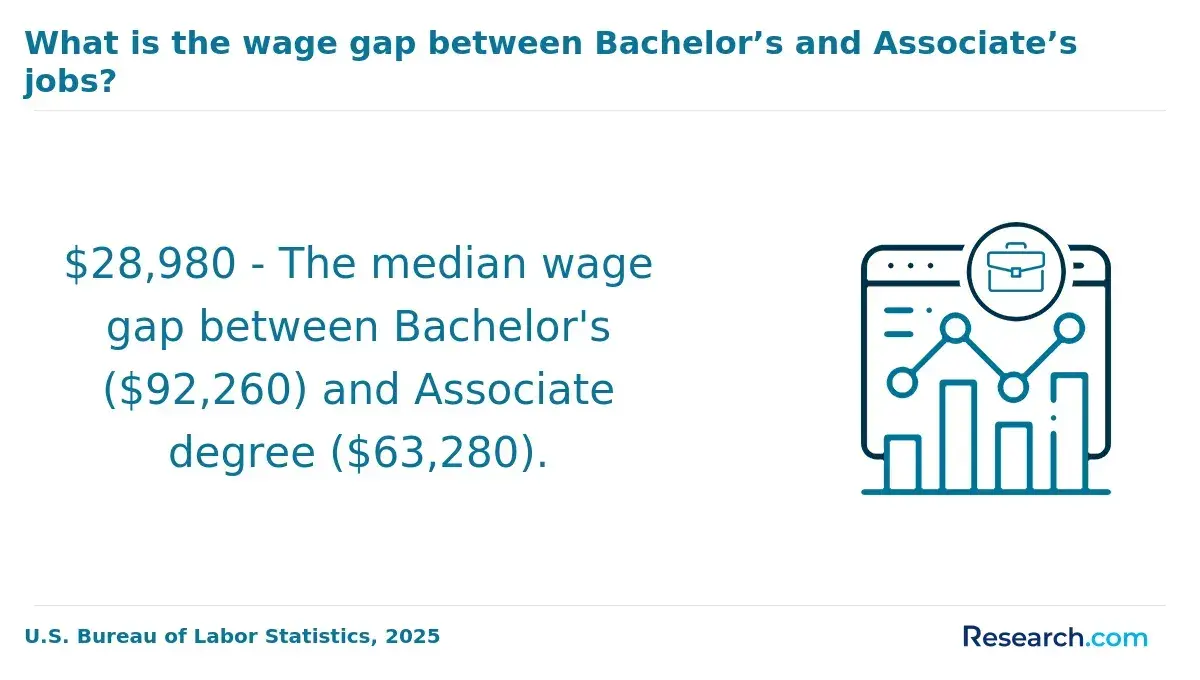
The 2024 U.S. Bureau of Labor Statistics "Education Pays" report shows that individuals with a master's degree earn notably higher median weekly wages than those holding only a bachelor's degree, along with enjoying lower unemployment rates. Within psychopharmacology, BLS Occupational Outlook Handbook data reveal that master's degree holders typically receive median salaries about 15-25% greater than bachelor's graduates in the same field. This wage premium reflects the broader trend of advanced education improving earning potential and job security.
Research from institutions like New York University's School of Professional Studies confirms that whether a psychopharmacology master's degree is earned online or on campus has minimal influence on salary outcomes, provided the program's reputation and field remain consistent. Employers increasingly emphasize demonstrated expertise and skills rather than delivery format when evaluating candidates.
- Salary Premium: Master's graduates in psychopharmacology earn 15-25% more than bachelor's holders, according to BLS data.
- Delivery Format Parity: Salaries differ little between online and on-campus degrees when controlling for institution and field.
- Reduced Unemployment Risk: Advanced degree holders face lower unemployment rates, enhancing career stability.
- Return on Investment: Typical program costs and completion times are balanced by a salary increase that pays off tuition within a few years.
- Employer Acceptance Growth: A 2023 NACE survey reveals 74% of recruiters accept online master's credentials on par with traditional ones.
Evaluating the return on investment is crucial when considering program costs, which usually range from $20,000 to $40,000, and typical completion times of 1.5 to 2 years. Given the salary boost after graduation, many students can expect their tuition investment to be recouped within three to five years, combining both financial and career advancement benefits.
Supporting this trend, a recent 2023 survey by the National Association of Colleges and Employers (NACE) found that nearly three-quarters of employers now view online master's credentials as equivalent to traditional degrees.
Industries that intersect with psychopharmacology show varied acceptance levels toward online master's degrees. The healthcare and biotechnology sectors lead in welcoming online credentials, prioritizing relevant expertise and program quality rather than the educational format. Government agencies have also become more open, valuing accredited programs and practical skills demonstrated by candidates.
In contrast, some private consulting firms and traditional nonprofits maintain a preference for degrees earned through in-person, campus-based programs, although this stance is gradually softening. A significant factor influencing this shift is the move toward skills-based hiring, as highlighted by the NACE Job Outlook 2026 survey, which reports that 70% of employers emphasize demonstrated abilities over educational delivery method.
This approach helps online graduates compete effectively by showcasing competencies in data analysis and clinical pharmacology.
- Sector Acceptance: Healthcare, biotech, and government sectors lead in accepting online psychopharmacology degrees, focusing on skills and accreditation more than delivery methods.
- Skills-Based Hiring: With 70% of employers adopting skills-focused recruitment, online graduates compete through verified competencies rather than campus attendance.
- Employer Variability: Fortune 500 healthcare firms and innovative startups often waive strict degree format preferences, though some consulting and nonprofit organizations remain cautious.
- Accreditation Importance: Recognized accreditation and rigorous curricula strongly influence employer willingness to hire online program graduates.
- Evidence-Based Evaluation: Candidates should consult documented hiring guidelines and employer statements to gauge acceptance accurately, avoiding reliance on rumors.
Large Fortune 500 companies within healthcare and pharmaceutical fields often explicitly recruit from reputable online programs accredited by recognized authorities, reflecting more flexible degree-format policies. Smaller businesses and startups, especially in tech and health innovation, likewise emphasize current skill sets and adaptability rather than traditional credentials, thus showing strong support for online degree holders.
Students should rely on clear, verifiable employer information and documented hiring policies instead of anecdotal evidence when assessing job market prospects. Accreditation, institutional reputation, program rigor, and alumni career success are crucial factors influencing how employers perceive online psychopharmacology master's degrees.
Many online psychopharmacology master's programs offered by established universities maintain strict curriculum equivalency with their on-campus counterparts. These programs utilize identical syllabi, the same faculty members, and consistent assessment methods, ensuring academic rigor is uniform across delivery formats. This consistency matters greatly to employers who depend on reliable indicators of candidate preparedness.
Regional and programmatic accreditation agencies require all programs-online or in-person-to meet minimum quality standards covering curriculum content, faculty qualifications, and student outcomes. These accreditation benchmarks reassure employers that a degree from an accredited online program signals the same academic achievement as traditional options.
Addresses concerns about reduced peer interaction have led many online programs to incorporate synchronous learning sessions, virtual cohorts, and project-based activities. These elements replicate the collaborative environment essential to psychopharmacology education, fostering communication and teamwork skills.
- Curriculum Consistency: Online programs often use the same syllabus, faculty, and assessments as on-campus versions, ensuring no loss of academic rigor.
- Accreditation Standards: Regional and programmatic accreditation enforce quality requirements regardless of delivery method, safeguarding degree legitimacy.
- Peer Collaboration: Synchronous classes, virtual cohorts, and group projects replicate crucial in-person learning dynamics to enhance student engagement.
- Clinical Requirements: Hands-on components are fulfilled through local practicum placements or hybrid program options, addressing discipline-specific needs.
- Enrollment Trends: The rise in online graduate enrollment highlights growing recognition and support for rigorous online psychopharmacology education.
While some specialization tracks may require hands-on lab work or clinical placements, reputable online programs accommodate such needs through local practicums or hybrid formats, bridging potential gaps in practical training. Data from the National Center for Education Statistics shows a 15% growth in online graduate enrollments between 2018 and 2022, reflecting increasing acceptance and institutional investment in maintaining academic standards in remote education.
The evolution of employer perception toward online psychopharmacology master's degree job readiness shows a clear shift from skepticism to acceptance. Online learning fosters self-directed study habits, digital collaboration tools, and asynchronous communication-core aspects of the National Association of Colleges and Employers (NACE) career readiness framework. These elements build competencies in project management, digital literacy, and time management, which are increasingly demanded in psychopharmacology careers.
By design, online programs integrate activities that mirror professional environments, encouraging students to manage virtual projects, utilize specialized data analysis software, and collaborate across differing time zones.
Graduate outcome data and employer feedback reveal that alumni from accredited online psychopharmacology master's degree programs frequently demonstrate practical skills on par with or surpassing those of on-campus graduates. While networking opportunities, in-person mentorship, and campus recruiting events can be less accessible to online students, proactive efforts often bridge these gaps.
Prospective students should also consider program rigor and institutional reputation, as well-designed curricula ensure the development of essential skills aligned with hiring trends emphasizing competency over pedigree.
- Self-Directed Learning: Online programs cultivate initiative and discipline, fostering independent problem-solving skills sought by employers needing adaptable psychopharmacology professionals.
- Digital Collaboration: Virtual teamwork refines communication and project management abilities, preparing graduates for remote or hybrid work environments increasingly common in health sciences.
- Competency Development: Curriculum aligns with NACE's core career readiness competencies, blending technical expertise with professional skills essential for career success.
- Employer Confidence: Data indicate employers trust online credentials as online alumni enter the workforce with comparable or even superior practical skills to campus-educated counterparts.
- Networking Challenges: Online students must proactively seek mentoring and professional connections to counterbalance fewer on-campus networking events, crucial for career advancement.
For working professionals exploring options, online degrees represent viable pathways that reaffirm long-term professional growth and salary negotiation potential. Prospective students interested in other flexible educational paths might also explore nursing programs that don't require TEAS, expanding career options without traditional exam barriers.
Graduate employment outcomes and alumni data offer crucial insights beyond broad statistics when assessing online Psychopharmacology master's degree programs. Prospective students should actively request official placement rates, median salaries, and lists of employer partners directly from programs before enrolling. This information helps verify how well graduates transition into relevant careers and the competitiveness of their compensation.
Drawing comparisons using the National Center for Education Statistics (NCES) Integrated Postsecondary Education Data System (IPEDS) graduation rates alongside the National Association of Colleges and Employers (NACE) graduate outcomes benchmarks provides a valuable external frame of reference. Students can determine if a program's outcomes exceed, meet, or fall below these sector averages.
One key consideration is that many institutions report self-reported outcomes data, which may be subject to bias or inflation. Programs that undergo third-party verification-such as audits by external accounting firms or validation through independent NACE surveys-offer more reliable and transparent indicators of graduate success.
This enhanced accountability is especially important given shifting employer perceptions, as rigorously accredited programs with verified student outcomes gain more recognition in hiring decisions.
- Direct Program Data: Request official placement rates, median salaries, and employer partners lists to confirm graduate market success.
- External Benchmarks: Use NCES IPEDS graduation rates and NACE benchmarks to objectively compare program outcomes.
- Verification Importance: Favor programs audited by third parties or validated by independent surveys to ensure data trustworthiness.
- Self-Reporting Limits: Understand that unverified, self-reported figures can be biased or inflated and require cautious interpretation.
- Employer Perception Shift: Acknowledge growing acceptance due to accreditation, program rigor, and skills-based hiring emphasizing verified outcomes.
The evolution of graduate career outcomes for psychopharmacology master's students reflects growing acceptance of online degrees in the labor market. Employer demand favors candidates from institutions with strong accreditation, reputable academic standards, and demonstrated alumni achievements in career advancement and salary negotiation.
Recognizing this trend empowers prospective students in evaluating programs effectively. Also worth exploring are other related fields such as online medical billing and coding schools that accept FAFSA, which illustrate broader patterns in online healthcare education.
Several misconceptions have long hindered employer acceptance of online psychopharmacology master's degrees. One widespread myth claims that online education reflects weaker academic standards, despite many programs adhering to rigorous admissions and curricula comparable to traditional campus offerings. In fact, a 2022 survey by Excelsior College and Zogby found that 83% of executives now regard online degrees as equally credible.
Another persistent belief is that online degrees lack proper accreditation; however, numerous reputable programs hold recognized regional or national accreditation, ensuring academic quality and eligibility for licensure. Additionally, some assume online degrees are easier or faster to earn, but leading institutions emphasize equivalent clinical hours and comprehensive training demanding high levels of discipline and time management.
Lastly, there is an outdated view that online learners show less professionalism or dedication. The normalization of remote work, accelerated by the pandemic, has since challenged this perception, highlighting adaptability and self-motivation as valuable traits.
- Improved Employer Views: Recent polls report that most executives now acknowledge the legitimacy of online degrees, signaling decreased skepticism in hiring decisions.
- Accreditation Assurance: Many respected online psychopharmacology programs meet rigorous accreditation standards, dispelling doubts about academic validity.
- Equal Program Rigor: Online curricula match traditional clinical and coursework demands, requiring dedication and strong self-discipline.
- Remote Work Influence: Growing acceptance of telecommuting has normalized virtual education and emphasized professional commitment regardless of setting.
Occupations closely related to psychopharmacology, such as mental health counselors, substance abuse counselors, and clinical psychologists, generally require or benefit from a master's degree. The U.S. Bureau of Labor Statistics (BLS) projects growth rates for these fields between 10% and 16% through 2032-2034, well above the average for all careers. Median salaries in these roles range from approximately $48,000 to $82,000 annually, with experienced professionals often earning higher wages.
According to the BLS Monthly Labor Review, professionals with advanced degrees in psychopharmacology-related areas see an average salary increase of about $24,588 per year-from roughly $69,459 before the degree to around $94,047 afterward. This reflects the enhanced expertise and value that a master's credential brings to specialized healthcare roles.
- Strong Projected Growth: Key psychopharmacology-related roles are expanding faster than average, creating more job opportunities.
- Notable Salary Gains: Advanced degrees typically boost annual earnings by over $24,000, supporting long-term financial benefit.
- Credential Credibility: Once established, professionals' accomplishments matter more than degree format in career advancement.
- Employer Trust: Increasing online graduate enrollment reflects greater confidence in quality online education.
- Market Relevance: Growing demand for psychopharmacology expertise sustains strong career potential across behavioral health sectors.
Over time, the distinction between online and traditional degree formats diminishes as employers prioritize demonstrated skills, experience, and outcomes. Promotion committees and hiring managers increasingly view the quality of work and career accomplishments as more important than where or how the degree was earned.
Enrollment data from the National Center for Education Statistics (NCES) highlights that 2,506,983 graduate students attended exclusively online programs in 2023-24. This confirms that online graduate education, including psychopharmacology master's degrees, has become mainstream with rising acceptance in the labor market.
What Graduates Say About Employer Reception to Their Online Psychopharmacology Master's Degree
- Tony: "When I brought up my online psychopharmacology master's degree to my employer, I was pleasantly surprised by how open and supportive they were. It really boosted my confidence in applying what I learned directly to clinical settings. I believe having an accredited program behind my degree made a significant difference in their positive reception."
- Denver: "Reflecting on my decision to pursue an online psychopharmacology master's degree, I realize how crucial accreditation was in gaining my employer's trust. They viewed my degree as a serious commitment to advancing my expertise, which opened doors for more specialized roles. This experience affirmed my belief that a reputable program can greatly impact career progression."
- Kai: "Switching careers wasn't easy, but my online psychopharmacology master's degree helped make it smoother. Although some employers were hesitant initially, once they understood the rigor and accreditation of my program, their attitude shifted positively. This degree truly empowered me to move into a new field with confidence and credibility."
Other Things You Should Know About Psychopharmacology Degrees
Employers often expect documented clinical experience, and many roles prefer at least 150 to 300 supervised practicum hours. In 2027, candidates should be ready to show site evaluations, supervisor verification, and any state-required internship or postmaster’s supervised practice tied to licensure or certification.
Skills-based hiring emphasizes practical knowledge and competencies over the mode of education delivery. For psychopharmacology roles, this trend benefits online degree holders who acquire up-to-date clinical and pharmacological skills. Employers increasingly value demonstrable expertise and relevant clinical experience alongside academic credentials, which helps online graduates compete effectively.
In 2027, online psychopharmacology master's degrees are increasingly respected by employers, especially from accredited institutions. The rise of telemedicine and remote work has helped normalize online education, provided that the program offers rigorous curriculum and clinical training opportunities that meet industry standards.
- Are Online Master’s Degrees Respected? https://www.snhu.edu/about-us/newsroom/education/are-online-masters-degrees-respected
- What is the Future Job Outlook for Careers with an Online Degree in Psychology? https://www.onlinepsychologydegree.info/faq/what-is-the-future-job-outlook-for-careers-with-an-online-degree-in-psychology/
- Clinical Psychologist Careers and Salary https://teach.com/online-ed/psychology-degrees/online-masters-in-clinical-psychology/salary-and-career-outlook/
- Top 10 Most In-Demand Master's Degrees https://www.accreditedschoolsonline.org/online-degrees/masters/in-demand/
- Psychology Accreditation: What you need to know https://www.onlinepsychologydegrees.com/articles/accreditation/
- Industry Optimism Outweighs Personal Job Security | Pharmaceutical Technology https://www.pharmtech.com/view/industry-optimism-outweighs-personal-job-security
- Can e-learning in psychology help with professional development? https://www.umu.com/ask/a11122301573853831924
- Chapter 75: Common Misconceptions About Psychopharmacology In Undergraduate Psychology And Pharmacy Students https://www.europeanproceedings.com/article/10.15405/epsbs.2017.10.75
- Clinical Psychopharmacology Salary 2025: MSCP Degree Earnings https://psydprograms.org/salary-outlook-masters-clinical-psychopharmacology/
- Clinical Psychopharmacology MS https://www.fdu.edu/program/ms-clinical-psychopharmacology-post-doctoral/