
2027 Are Online Psychiatric Mental Health Nurse Practitioner Doctorate Degrees Respected by Employers? Hiring Trends and Career Outcomes

Co-Founder and Chief Data Scientist
Many nurses considering a psychiatric mental health nurse practitioner doctorate want one clear answer: will employers respect an online degree? In most cases, yes-if the program is accredited, clinically rigorous, and aligned with licensure and board certification expectations.
The timing matters because the U. S. Bureau of Labor Statistics projects nurse practitioner employment to grow 46% from 2023 to 2033, making credential quality increasingly important. This guide helps RNs, APRNs, and PMHNPs compare ROI, salary impact, employer perceptions, and smarter alternatives before committing to a doctoral program.
Key Things You Should Know
- Employers usually care more about accreditation, APRN licensure, PMHNP board certification, clinical preparation, and institutional credibility than whether doctorate coursework was completed online.
- The strongest ROI typically comes when the doctorate supports a higher-value goal such as PMHNP practice authority, clinical leadership, executive roles, faculty work, policy, or specialized behavioral health program development.
- BLS data shows nurse practitioners earned a median annual wage of $129,210 in May 2024, but a doctorate does not automatically raise pay if the employer pays MSN- and DNP-prepared PMHNPs the same for the same clinical role.
What Is the True ROI of an Online Psychiatric Mental Health Nurse Practitioner Doctorate?
The true ROI of an online psychiatric mental health nurse practitioner doctorate is not just the difference between tuition and future salary. It is the combined value of employer recognition, licensure eligibility, clinical scope, leadership access, schedule flexibility, professional network, and the opportunity cost of studying while working.
For most students, the relevant doctorate is a Doctor of Nursing Practice, or DNP, with a PMHNP focus or post-master's PMHNP pathway. A DNP is a practice-focused doctorate designed for advanced clinical practice, quality improvement, systems leadership, and evidence-based care. A PhD in nursing is more research-focused and is usually better suited to academic research, grant-funded scholarship, and university tenure-track goals.
Employers tend to respect online PMHNP doctorates when the degree is from a properly accredited institution, the nursing program has recognized programmatic accreditation, and the graduate meets state APRN licensing requirements. Online delivery alone is rarely the deciding factor. A weak program with poor clinical support may have limited value even if it is campus-based, while a strong online program with verified clinical placements and strong outcomes can be competitive.
Students comparing online nurse practitioner programs should evaluate total cost against the career goal the degree is meant to unlock. The same doctorate may be highly valuable for a nurse seeking PMHNP certification and practice authority, but only marginally valuable for an already certified PMHNP whose employer does not reward doctoral preparation.
The table below summarizes the factors that most strongly affect employer respect and ROI. Use it to separate meaningful quality signals from marketing claims.
| ROI factor | Why it matters to employers | How it affects value |
| Institutional accreditation | Shows the school meets recognized higher education standards | Often required for financial aid, transfer credit, hiring review, and graduate study |
| Programmatic nursing accreditation | Signals that the nursing program meets professional education standards | Strengthens employer confidence and may affect licensure or certification eligibility |
| PMHNP certification eligibility | Employers need assurance that graduates can become credentialed psychiatric APRNs | Critical for clinical ROI because many PMHNP roles require board certification |
| Clinical placement quality | PMHNP competence depends heavily on supervised behavioral health experience | Strong placements can improve confidence, references, and job readiness |
| Local employer recognition | Hiring practices vary by health system, state, and region | A program known to target employers may produce better practical returns |
| Doctorate type | DNP and PhD degrees prepare graduates for different outcomes | Choosing the wrong doctorate can weaken ROI even if the school is reputable |
A common mistake is assuming that "online" is the risk. In practice, the larger risk is enrolling in a program that does not clearly support licensure, certification, clinical training, or the type of employer recognition needed for the student's target role.
How Much Does an Online Psychiatric Mental Health Nurse Practitioner Doctorate Increase Earning Potential?
An online PMHNP doctorate can increase earning potential, but the effect is usually indirect. The degree may help a nurse qualify for PMHNP practice, move into higher-acuity psychiatric care, lead behavioral health programs, teach in graduate nursing, or compete for executive roles. It does not automatically increase pay when the job description, payer model, and employer salary band are the same as those for master's-prepared PMHNPs.
The strongest salary signal comes from the occupation itself. According to BLS occupational data, nurse practitioners had a May 2024 median annual wage of $129,210. For readers comparing regional compensation, a state-by-state psychiatric nurse practitioner salary review can be more useful than national averages because PMHNP pay varies significantly by state practice rules, rural demand, employer type, and psychiatric provider shortages.
For earning potential, the key question is not "Will a doctorate raise my salary?" but "Will this doctorate move me into a role or market where doctoral preparation is rewarded?" A DNP may improve compensation if it helps a student enter PMHNP practice from another nursing role, qualify for leadership responsibilities, or negotiate in a high-demand market. It may produce a smaller financial return for a PMHNP who already has strong experience, a high salary, and no employer pay differential for the doctorate.
The table below shows common situations in which a doctorate may or may not improve earnings. It is designed to help readers think in terms of career change, not just credential level.
| Professional situation | Likely salary impact | Reason |
| RN moving toward APRN psychiatric practice | Potentially strong | The degree path may support entry into a higher-paid advanced practice role if licensure and certification requirements are met |
| MSN-prepared PMHNP in direct patient care | Variable | Some employers pay by role rather than degree level |
| PMHNP pursuing clinical director or service-line leadership | Moderate to strong | Doctoral preparation can signal readiness for systems improvement, quality, and leadership responsibilities |
| Nurse aiming for full-time faculty work | Variable | Doctorates are often preferred or required, but academic salaries may not exceed clinical PMHNP earnings |
| PMHNP pursuing independent or group practice | Market-dependent | ROI depends on state scope-of-practice rules, business skills, payer contracts, and local demand |
Students should also consider employer reimbursement. If a health system, government employer, or clinic network offers tuition support, the earnings threshold needed for a positive ROI becomes lower. Without support, the borrower must consider tuition, fees, interest, lost hours, and the possibility that salary increases may take several years to appear.
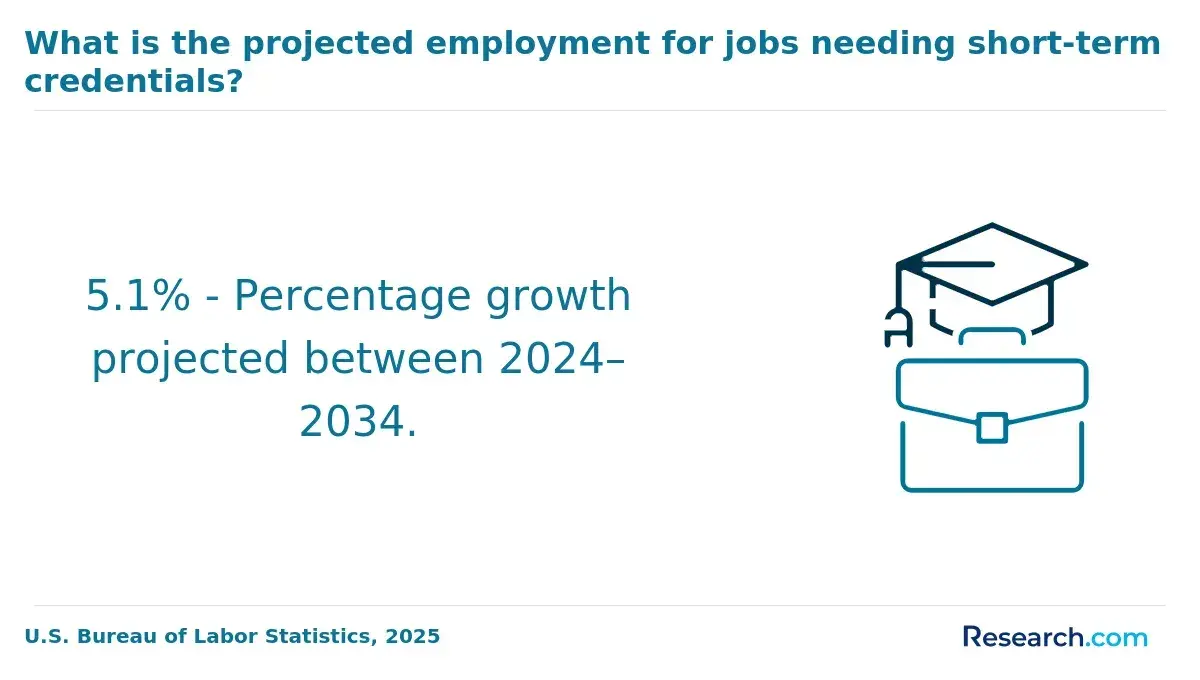
Which Careers Provide the Best Financial Return With an Online Psychiatric Mental Health Nurse Practitioner Doctorate?
The best financial return usually comes from roles where psychiatric expertise, prescriptive authority, leadership responsibility, and measurable outcomes intersect. In behavioral health, employers are often looking for clinicians who can manage medication, collaborate across care teams, improve access, and support integrated mental health services.
Not every PMHNP doctorate holder works in the same setting. Career value varies across hospitals, outpatient psychiatry practices, community mental health centers, telepsychiatry providers, correctional health systems, veterans' services, academia, and executive administration. The table below compares common doctorate-aligned paths and the type of return they may offer.
| Career path | Typical responsibilities | Doctorate value | Financial return potential |
| Clinical PMHNP | Assessment, diagnosis support, medication management, therapy-informed care, care coordination | Valued when it strengthens clinical credibility and certification readiness | Strong when moving from RN or non-PMHNP roles into advanced practice |
| Behavioral health clinical director | Program oversight, staffing models, quality metrics, patient access, interdisciplinary leadership | Often useful because DNP training emphasizes systems improvement | Strong when leadership pay bands exceed direct-care compensation |
| Integrated care or population health leader | Designing behavioral health services in primary care, community clinics, or accountable care models | Useful for evidence-based program development and outcomes evaluation | Moderate to strong depending on employer size and responsibility level |
| Graduate nursing faculty | Teaching, clinical supervision, curriculum design, student evaluation | Often preferred and sometimes required for long-term academic advancement | Variable because academic pay may trail clinical PMHNP pay |
| Policy, quality, or compliance specialist | Clinical standards, regulatory readiness, safety initiatives, behavioral health quality measures | Useful when paired with leadership experience and data skills | Moderate, with stronger returns in large health systems or consulting |
| Independent or group practice owner | Clinical care, operations, payer relationships, compliance, hiring, business development | Helpful but not sufficient on its own | Highly variable and dependent on state rules, market demand, and business execution |
Financial return is highest when the doctorate solves a concrete career problem: qualifying for PMHNP practice, reaching a leadership tier, meeting a faculty requirement, or building credibility in a specialized behavioral health niche. It is weakest when the student already has the desired job and the employer has no degree-based promotion or pay structure.
How Does an Online Psychiatric Mental Health Nurse Practitioner Doctorate Affect Career Advancement?
An online PMHNP doctorate can affect career advancement by signaling advanced clinical preparation, leadership ability, and commitment to psychiatric care. However, employers rarely evaluate the doctorate in isolation. They usually assess the full profile: licensure, board certification, supervised clinical experience, prescribing competence, communication skills, patient safety record, and ability to collaborate with physicians, psychologists, social workers, and other clinicians.
Doctoral preparation may be especially useful in organizations that are expanding behavioral health access, building telepsychiatry services, integrating mental health into primary care, or improving outcomes for high-risk patient populations. These employers may value DNP training in quality improvement, evidence translation, and care redesign.
To turn the degree into advancement, students should deliberately build evidence of capability while enrolled. The following steps help make the credential more visible and credible to employers:
- Choose a doctoral project tied to a real psychiatric care problem, such as follow-up adherence, depression screening workflows, substance use comorbidity, crisis stabilization, or medication safety.
- Keep measurable outcomes from clinical and quality improvement work, including access improvements, workflow changes, patient education results, or reduced process delays.
- Develop leadership experience through committee work, precepting, interprofessional projects, or behavioral health service planning.
- Ask target employers whether they prefer a DNP, PhD, PMHNP certification, specific clinical hours, or prior psychiatric nursing experience for the roles you want.
- Present the degree on a résumé by emphasizing licensure, certification eligibility, clinical population, doctoral project, and outcomes rather than simply listing "online DNP."
A major red flag is relying on the degree title alone. Employers respect doctorally prepared PMHNPs most when they can connect the credential to practical clinical judgment, safe prescribing, leadership maturity, and measurable contributions to patient care.
How Does the Cost of an Online Psychiatric Mental Health Nurse Practitioner Doctorate Affect Its Overall Value?
Cost has a direct effect on the value of an online PMHNP doctorate because the salary benefit may be delayed, uneven, or dependent on career movement. A lower-cost accredited program can produce a stronger ROI than a more expensive program if both support licensure, certification, strong clinical training, and employer recognition in the student's target market.
Borrowing costs are especially important. For federal graduate Direct Unsubsidized Loans first disbursed in the 2024-25 award year, the fixed interest rate is 8.08%. That means students who finance most of a doctorate should evaluate not only tuition but also accrued interest, fees, and repayment timeline.
When comparing costs, students should look beyond the advertised per-credit rate. Online programs may reduce relocation and commuting costs, but they can still include technology fees, clinical compliance expenses, travel for intensives, background checks, drug screening, malpractice insurance, certification exam preparation, and state authorization limitations.
The table below outlines major cost categories and how each one can influence ROI.
| Cost factor | What to verify | ROI implication |
| Tuition and required fees | Total program cost, not just per-credit tuition | Higher cost requires a clearer salary, leadership, or licensure payoff |
| Clinical placement expenses | Whether the school secures placements or expects students to find them | Weak placement support can delay graduation and reduce practical value |
| Residency or campus intensives | Travel, lodging, missed work, and required dates | Online programs may still carry in-person costs |
| Loan interest | Loan type, interest rate, origination fees, and repayment plan | Borrowing can increase the true cost well beyond tuition |
| Employer tuition assistance | Annual caps, service commitments, eligible programs, and grade requirements | Can substantially improve ROI if conditions are manageable |
| Time away from paid work | Reduced shifts, lost overtime, or delayed promotions | Opportunity cost can be as important as tuition |
Choosing the cheapest program is not always wise, but choosing an expensive program without evidence of clinical quality, graduate outcomes, and employer recognition is risky. The best value is usually an accredited program that meets licensure requirements, supports strong placements, fits the student's schedule, and avoids unnecessary debt.
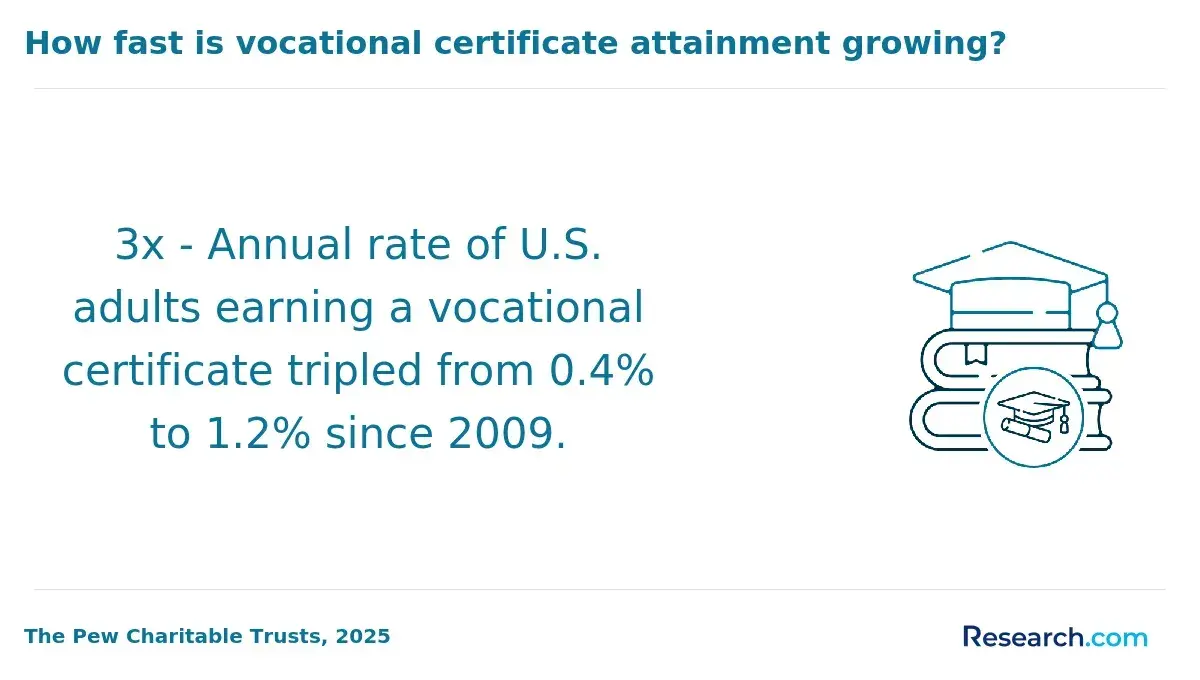
How Does the Time Commitment of an Online Psychiatric Mental Health Nurse Practitioner Doctorate Affect Its ROI?
The time commitment of an online PMHNP doctorate affects ROI because every semester has a cost: tuition, study hours, clinical hours, reduced flexibility, and delayed access to the next career step. Online delivery can make the schedule more manageable, but it does not make doctoral clinical preparation easy or passive.
Many post-BSN DNP pathways take longer than post-master's DNP pathways because they include advanced practice preparation, PMHNP clinical training, doctoral coursework, and a scholarly or quality improvement project. Post-master's students who are already APRNs may finish faster, but timing depends on transfer credits, part-time versus full-time status, clinical placement availability, and school-specific requirements.
Students should evaluate time as an ROI variable using the following sequence:
- Confirm whether the program is post-BSN, post-MSN, or post-master's certificate plus DNP, because each pathway has a different timeline.
- Ask how many clinical hours are required and whether prior APRN hours can be applied.
- Calculate how many work hours you may need to reduce during clinical semesters.
- Identify any required campus visits, synchronous class sessions, or weekday clinical obligations.
- Estimate when the degree will realistically lead to the role you want, not just when coursework ends.
Time commitment can improve ROI when the program allows students to keep working, maintain benefits, and apply learning immediately in clinical settings. It can weaken ROI when clinical placement delays, unclear schedules, or excessive work reductions extend the timeline without improving outcomes.
Does an Online Psychiatric Mental Health Nurse Practitioner Doctorate Have the Same Career Value as a Campus-Based Degree?
An online PMHNP doctorate can have the same career value as a campus-based degree when the program meets the same academic, accreditation, licensure, and clinical standards. Employers generally do not reject a doctorate simply because coursework was online, especially in healthcare systems that already use virtual training, telehealth, and hybrid professional education.
That said, online and campus-based programs can differ in ways that affect career outcomes. The important distinction is not the classroom format itself, but the quality of clinical education, faculty access, local network, preceptor support, and employer familiarity with the program.
The table below compares online and campus-based doctorate formats from an employer-recognition perspective.
| Comparison point | Online PMHNP doctorate | Campus-based PMHNP doctorate |
| Employer perception | Usually respected when accredited and clinically rigorous | Usually respected when accredited and clinically rigorous |
| Clinical training | Quality depends heavily on placement support and local preceptors | May benefit from established regional clinical partnerships |
| Networking | Requires intentional effort through faculty, alumni, conferences, and clinical sites | May offer more built-in face-to-face networking |
| Flexibility | Often better for working nurses and students outside major metro areas | May be less flexible because of commute and class scheduling |
| Technology alignment | Can strengthen comfort with telehealth, virtual collaboration, and digital documentation | May offer more in-person simulation and campus resources |
| Career value | Comparable when outcomes, accreditation, and clinical quality are strong | Comparable when outcomes, accreditation, and clinical quality are strong |
Students should be cautious of any program, online or campus-based, that cannot clearly explain accreditation status, certification eligibility, clinical placement policies, graduate outcomes, state authorization, and faculty qualifications. Those factors matter more to employers than whether lectures were streamed or delivered in a classroom.
How Does an Online Psychiatric Mental Health Nurse Practitioner Doctorate Compare With Other Career Advancement Options?
An online PMHNP doctorate is not the only path to advancement. Depending on the student's background and target role, a master's-level PMHNP program, post-master's certificate, leadership certificate, MBA, PhD, or focused clinical credential may offer a better return.
The smartest comparison starts with the job requirement. If the target role requires PMHNP certification, a program that leads to eligibility for that credential matters more than the prestige of the doctorate. If the target role is executive leadership, a DNP may compete with an MBA, MHA, or leadership-focused graduate certificate. If the target role is university research, a PhD may be more appropriate than a DNP.
Students looking for a less complex entry point may compare an easiest NP program search with a stricter evaluation of accreditation, clinical placement, and certification outcomes. Ease should never outweigh licensure eligibility or employer credibility.
The table below compares common advancement options for nurses considering psychiatric mental health careers.
| Option | Best fit | When it may beat a PMHNP doctorate |
| MSN PMHNP program | RNs seeking advanced psychiatric practice | May be faster and less expensive if a doctorate is not required for the target role |
| Post-master's PMHNP certificate | APRNs adding psychiatric specialization | May provide certification eligibility without completing a full doctorate |
| DNP PMHNP doctorate | Nurses seeking advanced practice plus doctoral leadership preparation | Best when clinical, leadership, and long-term advancement goals align |
| Post-master's DNP | Certified APRNs seeking doctoral preparation | Useful if the nurse already has certification but wants systems leadership or faculty options |
| PhD in nursing | Nurses pursuing research-intensive academic careers | Better for funded research, theory development, and tenure-track scholarship |
| MBA or MHA | Nurses targeting executive administration | May be stronger for finance, operations, strategy, or nonclinical leadership roles |
A common mistake is choosing a doctorate because it sounds like the highest credential, without checking whether it is the most efficient credential for the intended outcome. Higher education level does not always equal higher ROI.
Which Professionals Benefit Most From an Online Psychiatric Mental Health Nurse Practitioner Doctorate?
The professionals who benefit most from an online PMHNP doctorate are those who can connect the degree to a specific career move. The degree is usually strongest for working nurses who need flexibility but still want a respected clinical doctorate with psychiatric specialization.
Strong candidates often include experienced psychiatric RNs, family nurse practitioners adding mental health specialization, APRNs pursuing DNP-level leadership, rural or underserved-area nurses seeking advanced behavioral health roles, and nurses interested in teaching PMHNP students. These students can often apply doctoral projects, clinical training, and leadership coursework directly to real workplace needs.
The degree may be a weaker fit for students who are unsure they want psychiatric practice, cannot meet clinical hour requirements, need the fastest possible credential, or are primarily motivated by the assumption that "doctor" status will automatically produce higher pay. It may also be a poor fit for applicants who have not researched state APRN rules, prescribing authority, clinical placement availability, or employer preferences in their region.
The following profile-based guidance can help readers assess fit before applying:
- A psychiatric RN seeking APRN practice may benefit if the program leads to PMHNP certification eligibility and offers strong clinical placement support.
- An MSN-prepared PMHNP may benefit if the doctorate supports leadership, faculty, policy, or quality improvement goals that the current credential does not fully support.
- A nurse executive may benefit if the DNP project and coursework align with behavioral health operations, access, safety, and measurable outcomes.
- A research-focused nurse may be better served by a PhD if the goal is academic research rather than advanced clinical practice.
- A student with heavy debt or limited schedule flexibility should be cautious unless the program has clear cost controls, employer support, and a realistic completion plan.
Employer respect is strongest when the student's background, degree type, clinical training, and target job all point in the same direction. Misalignment is what weakens value, not the online format by itself.
How Can Students Decide Whether an Online Psychiatric Mental Health Nurse Practitioner Doctorate Is Worth It?
Students can decide whether an online PMHNP doctorate is worth it by working backward from the employer and role they want. The right question is not "Is this online doctorate respected in general?" but "Will this specific program help me meet the hiring, licensure, certification, clinical, and advancement expectations of my target employers?"
A practical evaluation should include accreditation, outcomes, cost, clinical placement, faculty expertise, state authorization, certification eligibility, and local employer recognition. Students comparing the best PMHNP programs online should prioritize clinical placement quality and credential outcomes over rankings alone.
Before enrolling, ask schools and employers direct questions that reveal whether the degree is likely to produce real career value:
- Is the institution accredited by an agency recognized by the U.S. Department of Education or the Council for Higher Education Accreditation?
- Is the nursing program accredited by a recognized nursing accreditor such as CCNE or ACEN?
- Does the program meet educational requirements for PMHNP certification eligibility and APRN licensure in my state?
- Who is responsible for finding clinical placements, and what happens if a placement falls through?
- What are the program's graduation, certification exam, employment, and clinical placement outcomes?
- Which employers commonly hire graduates, and are there alumni working in my target role or region?
- How many students reduce work hours during clinical semesters, and what is the typical time to completion?
- What is the full estimated cost, including fees, travel, clinical compliance, books, and interest if borrowing?
- Do target employers treat DNP-prepared and MSN-prepared PMHNPs differently for salary, promotion, or leadership eligibility?
- How will the program help me build evidence of leadership, quality improvement, and psychiatric clinical competence?
Readers should watch for red flags: vague accreditation language, unclear certification eligibility, poor clinical placement support, limited state authorization information, no published outcomes, aggressive admissions promises, or claims that the doctorate guarantees promotion. A respected online doctorate should withstand detailed questions.
The best decision is the one that matches credential level to career goal. For some nurses, an online PMHNP doctorate is a respected and worthwhile investment. For others, a master's program, certificate, employer-funded DNP, or different graduate pathway may produce a better return with less debt and less delay.
Other Things You Should Know About Psychiatric Mental Health Nurse Practitioner
Prescribing authority depends on state APRN licensure rules, national certification, and employer privileging-not simply the online format of the degree. Students should confirm state requirements before enrolling.
Yes. Even when coursework is online, PMHNP preparation requires supervised clinical experiences with approved preceptors. Some programs may also require campus intensives, simulations, or skills assessments.
No. List the institution, degree, specialty, graduation date, license, certification, and relevant clinical or doctoral project experience. Unless an employer asks, there is usually no need to label the degree as online.
No. A DNP is practice-focused and usually fits advanced clinical, leadership, and quality improvement roles. A PhD is research-focused and is generally better for academic research and scholarly careers.
References
- Alternative Careers for Nurse Practitioners https://www.bartonassociates.com/blog/nontraditional-career-paths-one-nps-experience/
- MSN vs DNP Degree - What’s the Difference? https://nursinglicensemap.com/nursing-degrees/dnp-degree-programs/msn-vs-dnp/
- Online Psychiatric Nurse Practitioner PMHNP Degree Programs https://teach.com/online-ed/healthcare-degrees/online-psychiatric-nurse-practitioner-programs/
- Psychiatric-Mental Health Nurse Practitioner DNP https://www.rushu.rush.edu/college-nursing/programs-admissions/psychiatric-mental-health-nurse-practitioner-dnp
- 10 different career options for NPs https://comphealth.com/resources/career-options-nps
- Types of Mental Health Professionals | NAMI https://www.nami.org/treatments-and-approaches/types-of-mental-health-professionals/
- Career Paths for Nurses With a DNP https://www.allnursingschools.com/dnp/career-paths/
- Psychiatric Nurse Practitioner vs. Psychiatrist Guide: Role, Education, Scope of Practice, and Current Salary Comparison https://nightingale.edu/blog/psychiatric-np-vs-psychiatrist.html
- Home https://www.husson.edu/online/blog/2022/04/life-as-PMHNP
- Top Online PMHNP Programs 2026 (Comprehensive Rankings) https://www.npschools.com/rankings/all-online-pmhnp-programs


