2027 Accelerated Online Cloud Computing Degree Programs VS Weekly Start Online Degrees: Which Is Faster

Co-Founder and Chief Data Scientist
Many prospective students struggle to choose between accelerated online cloud computing degree programs and weekly start online degrees due to unclear information on completion times. According to recent studies, 65% of online cloud computing students aim to finish their degrees within two years. Accelerated programs promise faster completion by condensing coursework, while weekly start options offer greater flexibility but may affect pacing. This article analyzes which format truly enables faster degree completion based on program structures, student commitment, and workflow demands. It aims to provide clarity and actionable insights to help future learners make informed decisions about time-efficient online cloud computing education.
Key Benefits of Accelerated Online Cloud Computing Degree Programs vs Weekly Start Online Degrees
- Accelerated online cloud computing degrees typically shorten completion times by 25% to 40%, unlike weekly-start programs which often extend overall duration with flexible pacing.
- They minimize idle periods between courses, ensuring continuous learning; weekly-start models may have gaps caused by varying course availability and start dates.
- Graduation timelines in accelerated formats are more predictable, aiding planning and career transitions, whereas weekly-start programs' variable schedules can delay degree completion.
How Long Does It Take to Finish an Accelerated Online Cloud Computing Degree vs Weekly Start Online Degree?
Program structure and start format significantly influence the time it takes to complete an online cloud computing degree. These elements impact course pacing, credit accumulation, and ultimately, graduation speed.
Accelerated Online Cloud Computing Degrees
- Course Length: Courses are condensed to 5 to 8 weeks, allowing faster credit completion.
- Enrollment Pacing: Fixed start dates with heavier course loads push students toward rapid progress.
- Class Load: Students often take 2-3 classes simultaneously, increasing workload but shortening duration.
- Breaks Between Terms: Minimal breaks help maintain momentum and speed up graduation.
- Overall Completion Timeline: Designed to finish typically within 12 to 18 months, making them more time-efficient.
Weekly Start Online Cloud Computing Degrees
- Course Length: Traditional 8 to 16-week classes extend the overall timeline.
- Enrollment Pacing: New classes begin weekly, offering flexibility but longer total program duration.
- Class Load: Students usually take fewer simultaneous classes, which suits varied schedules.
- Breaks Between Terms: Minimal breaks occur, but longer courses slow credit acquisition.
- Overall Completion Timeline: Programs often last 18 to 24 months or longer, emphasizing flexibility over speed.
Research indicates students pursuing an accelerated online cloud computing degree have a 30-40% faster time to completion than those in weekly start programs. This difference makes accelerated programs appealing for those prioritizing a shorter time to complete accelerated online cloud computing degree. Prospective students balancing flexibility with duration may benefit from exploring options, including many fields such as online SLP master's programs, to find the best fit for their goals.
How Are Accelerated Online Cloud Computing Degree vs Weekly Start Online Degrees Structured?
Program structure plays a crucial role in helping students choose between faster-paced and more flexible online degree options. Understanding the differences can assist in aligning study plans with personal and professional commitments. Below is a comparison of key features in accelerated online cloud computing degree program structure versus weekly start formats.
Accelerated Online Cloud Computing Degree Structure
- Academic Terms: Courses typically run for 5 to 8 weeks, condensing traditional semester lengths into shorter, intensive periods.
- Course Length: Each course is shorter than usual, often half the typical 15-week duration.
- Enrollment Start Dates: Fixed start dates aligned to semesters or terms limit flexibility but provide structured pacing.
- Pacing: Fast-paced workload requires steady weekly commitment to meet accelerated deadlines.
- Workload Expectations: High intensity aimed at completing degrees within 12 to 18 months.
Weekly Start Online Cloud Computing Degree Structure
- Academic Terms: Courses retain standard lengths, usually between 8 and 12 weeks, allowing for deeper engagement per course.
- Course Length: Maintains traditional course durations, providing a more familiar pace.
- Enrollment Start Dates: New courses begin every week or biweekly, offering flexible entry points.
- Pacing: Students can adjust course loads and pacing to fit personal schedules and commitments.
- Workload Expectations: More balanced workload that supports continuous enrollment without waiting for formal terms.
Those exploring options may also consider CACREP online counseling programs as an example of specialized online degrees with varying formats to suit different learner needs.
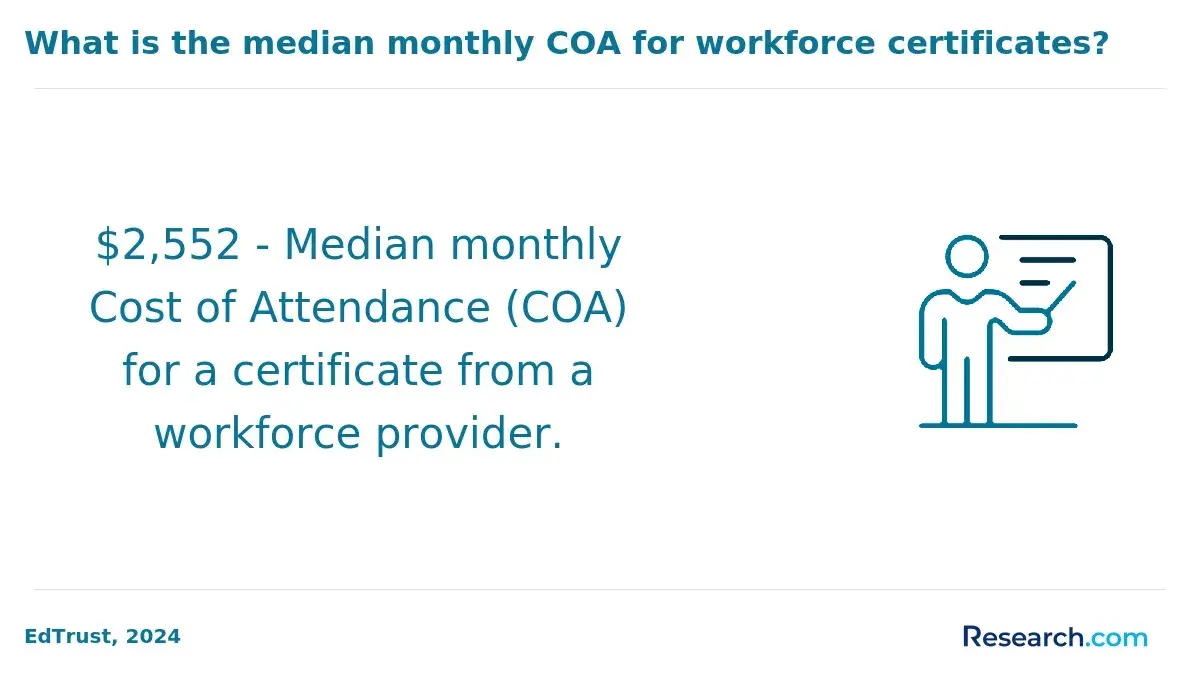
Is the Workload Heavier in Accelerated vs Weekly Start Online Cloud Computing Degrees?
Balancing course demands with work or personal life requires clear awareness of workload intensity. This factor significantly influences academic success and wellbeing. Comparing accelerated online cloud computing degrees with weekly start formats helps highlight key workload differences.
- Weekly time commitment: Accelerated programs demand many more hours weekly-often twice as much compared to weekly start courses-due to compressed schedules.
- Assignment frequency: Deadlines in accelerated formats come rapidly and assignments or tests occur more often, leaving less downtime.
- Pacing: The curriculum progresses at a brisk pace, affording minimal time to absorb or revisit material before moving forward.
- Expectations: Consistent effort is critical; falling behind in accelerated courses can have a greater negative impact on overall success than in weekly start programs.
A professional who completed an accelerated online cloud computing degree shared insights when asked about the workload. He described navigating the program as "constantly intense" with "very little breathing room between deadlines." Managing work alongside this "relentless flow of assignments" required him to "improve time management drastically." He noted feeling stressed at times but emphasized that staying ahead was essential to avoid falling behind. Despite challenges, he found the faster pace rewarding because it enabled him to finish his degree sooner than peers in traditional programs. He reflected, "It wasn't easy, but the intense focus made me more disciplined and better prepared for high-pressure environments."
Accelerated online cloud computing degree programs demand a high level of commitment due to their condensed course timelines, often spanning just 5 to 8 weeks. These programs require intense weekly engagement, as coursework proceeds at roughly double the pace of traditional formats. Students must maintain strict discipline and effective time management to keep up with the rigorous workload, which is distributed unevenly to match the faster progression.
Start dates for these programs may be limited compared to other formats, reducing flexibility in choosing when to begin. Overall, accelerated programs suit learners who can dedicate longer periods continuously and prefer to complete their studies in a shorter timeframe.
Weekly start online cloud computing programs offer greater flexibility by allowing students to enroll frequently, sometimes every week or few weeks throughout the year. This structure provides multiple starting points, making it easier for learners to align course enrollment with personal and professional responsibilities.
Courses typically run longer, about 10 to 16 weeks, resulting in a lighter workload each week and more evenly distributed assignments. Such pacing supports working professionals better as it enables pauses or adjustments in their study plans. These programs prioritize adaptability over speed, making them ideal for those balancing education with other commitments.
Starting an online degree program promptly is crucial for students aiming to enter the workforce quickly or continue their education without interruption. Delays between acceptance and course commencement can hinder career progression and reduce momentum in skill development. Below is a comparison of how accelerated and weekly start cloud computing programs impact students' ability to begin their studies rapidly.
- Start Date Frequency: Accelerated programs follow traditional academic schedules with limited fixed start dates aligned to semesters or quarters, resulting in potential waiting periods of several weeks or months before classes begin.
- Enrollment Flexibility: Weekly start programs feature rolling enrollment, often opening new seats weekly or every few weeks, which permits students to enroll and start courses nearly immediately after registration.
- Time to Begin Coursework: Students in accelerated programs may face delays prior to starting due to batch-based enrollment, whereas weekly start formats enable near-instant access to classes, reducing overall wait time.
- Program Completion Pace: While accelerated programs condense coursework to finish faster once started-typically within 12 to 18 months-the weekly start structure usually offers more evenly paced progress but prioritizes quick enrollment.
Industry data indicates that programs with rolling weekly start dates experience up to 30% higher enrollment rates, reflecting students' preference for immediate access. Thus, although accelerated cloud computing degrees reduce total study length, weekly start programs generally allow students to embark upon their education sooner after admission.
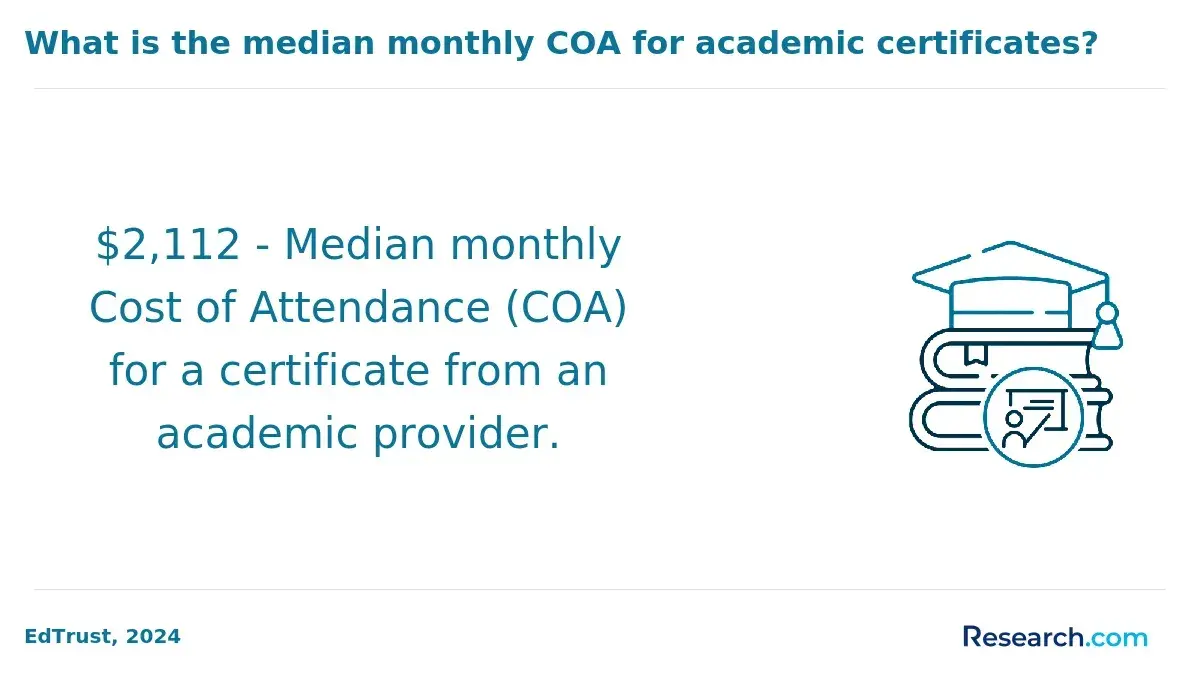
An accelerated online cloud computing degree is not necessarily more expensive than a weekly start online degree, though costs vary depending on program structure and length. On average, tuition for online cloud computing courses ranges from $300 to $600 per credit hour, regardless of pacing, but accelerated programs can shave months off completion time, potentially lowering overall expenses. Below are key cost factors to consider when comparing these two formats.
- Program duration impacts total cost - Accelerated programs condense coursework into shorter timeframes, allowing students to pay tuition for fewer terms, which may reduce living and opportunity costs related to prolonged study.
- Per-credit tuition rates are usually consistent - Most institutions charge similar tuition per credit hour for both formats, so the main cost difference stems from how many credits are taken each term and the total number of terms.
- Additional fees affect the final price - Application fees, technology fees, and materials costs apply regardless of pacing but may add up over extended enrollment periods typical in weekly start programs.
- Flexibility can influence financial strategy - Weekly start degrees offer frequent enrollment dates and pacing control, allowing students to spread out credits to balance work and study, which might lower immediate expenses though extend total duration.
When I spoke with a graduate from a weekly start online cloud computing degree program, she emphasized how the format's flexibility helped her minimize costs effectively. She explained that by carefully planning her course load, she avoided full-time tuition charges in any single term and was able to maintain her job without interruption. Although her program took longer to finish than an accelerated option, she saved money by not incurring extra living expenses or needing loans for time off work. Reflecting on her experience, she noted, "It was about making my education affordable in the long run, even if that meant a slower pace. The weekly start setup gave me the control to do just that." This personal insight illustrates how weekly start programs can offer cost advantages through strategic pacing and work-study balance.
Financial aid plays a crucial role for students deciding between accelerated online cloud computing degree programs and weekly start online degrees, as it directly impacts their ability to manage educational expenses. According to the National Center for Education Statistics, nearly 60% of online students use some form of financial aid, highlighting the widespread necessity for financial assistance in online learning. Below are key differences in how financial aid operates within these two program formats.
- Aid eligibility: Accelerated online cloud computing degree financial aid often requires students to maintain full-time enrollment and demonstrate continuous progress due to the condensed schedule. In contrast, weekly start programs generally offer more flexibility by accepting part-time attendance, which can accommodate different financial aid qualifications.
- Disbursement schedules: In weekly start online cloud computing programs, financial aid is typically disbursed more frequently, reflecting multiple enrollment dates throughout the year. Accelerated programs, however, tend to provide aid in larger sums but with fewer disbursements over the shorter term.
- Program length and intensity considerations: The faster pace of accelerated courses means financial resources must be budgeted for a condensed timeframe, potentially requiring more upfront financial planning. Weekly start programs allow funding to be spread out, easing financial management but possibly extending total program duration.
Students exploring their options could also benefit from reviewing related fields, such as online masters psychology, to understand financial aid possibilities across diverse disciplines.
Transfer credits are essential for students who want to shorten the length of an online cloud computing degree and reduce overall tuition expenses. By applying previously earned credits toward degree requirements, students can avoid repeating courses and accelerate completion. Consider these key aspects of how transfer credits are evaluated and how program format impacts their acceptance:
- Evaluation criteria: Institutions primarily assess accreditation, course content alignment, and minimum grade thresholds when approving transfer credits. Courses must closely match the target program's requirements to be accepted, making detailed syllabi crucial for review.
- Impact of program format: Accelerated online cloud computing degree transfer credits often benefit from more structured curricula and alignment with traditional academic calendars. This predictability can make transferring credits smoother than in weekly start programs, which admit students more frequently but with more varied scheduling and transfer policies.
- Transfer credit policies for weekly start cloud computing degrees: These programs prioritize enrollment flexibility, allowing students to start courses often. They may be more accommodating for students seeking quick entry rather than extensive transfer evaluations, but credit articulation can be less straightforward.
- Strategies to maximize credit acceptance: Students should gather course syllabi early, maintain communication with admissions advisors, and ensure their previous coursework matches the target program's content. Proactive planning is critical to making the most of transfer opportunities.
Students exploring options should weigh both formats' benefits and limitations in relation to their prior academic history. Additionally, those seeking an affordable online bachelor's degree program may find that understanding transfer credit policies significantly influences cost and time savings when pursuing cloud computing degrees.
Career placement support is an essential factor for students deciding between accelerated online cloud computing degrees and weekly start online degrees, as it can significantly impact employment outcomes. Data from the National Association of Colleges and Employers (NACE) shows that 75% of online graduates who engage with comprehensive career services find employment within six months. Below are key factors that differentiate the career placement options offered by these two program formats.
- Career Services Intensity. Accelerated online cloud computing degree career outcomes often hinge on intensive, short-term career support tailored to the program's compressed schedule. Students typically receive targeted workshops, resume reviews, and interview coaching concentrated within a limited timeframe.
- Networking Opportunities. Weekly start cloud computing degree job placement rates benefit from extended networking prospects, allowing students to build sustained relationships with career advisors and peers. This ongoing engagement supports participation in frequent job fairs and employer events throughout the program duration.
- Employer Connections. Weekly start programs generally foster deeper employer partnerships by providing longer access to collaborative projects and recruitment events. In contrast, accelerated programs may have limited exposure to employer networks due to shorter course timelines.
- Job Placement Success Factors. Research suggests that job placement rates depend more on the availability and quality of career services than on program pace alone. Students in weekly start online degrees often have an advantage thanks to consistent support, while accelerated degree graduates benefit from quicker entry into the workforce but less prolonged career guidance.
Students seeking the fastest degree to get online should weigh these placement differences carefully when choosing between accelerated and weekly start models to ensure alignment with their career goals.
Choosing between an accelerated online cloud computing degree and weekly start online degree programs depends on individual learning preferences and schedules. Accelerated cloud computing degrees typically condense coursework into a shorter timeframe, demanding more intensive study but allowing faster completion.
Weekly start programs offer continuous enrollment opportunities and smaller course loads, providing greater flexibility for students balancing work or other commitments. Those seeking to enter the workforce quickly might prefer the accelerated path, while learners who need a paced schedule to manage their time effectively may find weekly start formats more suitable.
When selecting a program, students should consider their learning style and availability alongside program features. Self-motivated learners who thrive under pressure often benefit from accelerated degrees, whereas those needing regular deadlines and support might prefer weekly start models.
It is essential to verify accreditation to ensure academic quality and future credibility. Reviewing curriculum relevance, availability of student support services, and multiple start dates can help tailor the choice to personal needs and optimize the educational experience.
What Graduates Say About Their Accelerated Online Cloud Computing Degree Programs vs Weekly Start Online Degree
- Tristan: "Choosing the accelerated online cloud computing degree was a game-changer for me. The flexibility to start weekly and the average cost of attendance fit perfectly with my tight budget and busy schedule. Since graduating, I've landed a role in a top tech firm where I'm applying what I learned every day-truly worth the investment."
- Jesiah: "I decided on the weekly start online cloud computing program because I needed a professional path that adapted to my unpredictable work hours. The cost was surprisingly affordable compared to traditional degrees, which eased my financial worries. Reflecting back, this focused learning pace boosted my skills efficiently, leading to a significant promotion last quarter."
- Christopher: "The accelerated format of the online cloud computing degree appealed to my professional mindset-direct, efficient, and cost-effective, with attendance fees clearly justified by the curriculum. This degree sharpened my technical expertise and accelerated my career progression faster than I anticipated. I recommend it to anyone serious about advancing in the IT landscape."
Other Things You Should Know About Cloud Computing Degrees
Yes, if the curriculum matches the exam blueprint and includes the needed networking, security, and cloud labs. Cisco and CompTIA do not accredit degrees themselves, but employers often value programs that prepare for Cisco CCNA, CompTIA Security+, or AWS certification exams alongside the degree.
Employers generally recognize both accelerated and weekly start online cloud computing degrees equally, provided the program is accredited and from a reputable institution. The format of the program typically does not affect employer perception as much as the school's reputation and the student's demonstrated skills. Both paths can lead to similar career opportunities in cloud computing.
Accelerated online cloud computing programs in 2027 typically have a fixed, intense schedule with fewer breaks. While less flexible than weekly start degrees, they are designed to minimize downtime and enable faster completion by requiring commitment to a continuous rigorous coursework pace.
- Online Information Technology Degrees: What You Need to Know https://www.ucumberlands.edu/blog/online-information-technology-degrees-what-you-need-know
- Learn Cloud Computing- 6 Appealing Reasons? (Updated 2025) https://www.igmguru.com/blog/learn-cloud-computing
- Top 15 Cloud Computing Bootcamps | Highest Pay Job Guarantee https://www.quickstart.com/blog/bootcamps-blog/top-15-cloud-computing-bootcamps-with-highest-pay-job-guarantee/
- Accelerated Online Programs https://www.stcloudstate.edu/financialaid/accelerated-online-programs.aspx
- AWS Training: Junior Colleges vs Accelerated Courses | Campus https://campus.edu/blog/cloud-administration/aws-training-college-vs-courses
- What are the Best Online Schools for Transferring Credits | UoPeople https://www.uopeople.edu/blog/what-are-the-best-online-schools-for-transferring-credits/
- 10 Surprising Benefits of Online Learning in 2025 https://www.coursera.org/articles/benefits-of-online-learning
- Online Master's Degree: Cloud Computing Systems https://www.umgc.edu/online-degrees/masters/cloud-computing-systems
- Online Cloud Computing Degree & Certificate Programs https://www.onlineengineeringprograms.com/computer/cloud-computing
- Cloud Computing Training Online | CCI Training Center https://ccitraining.edu/cloud-computing-training/