2027 FAFSA vs Private Loans for Psychiatric Mental Health Nurse Practitioner Degree Master's Students

Co-Founder and Chief Data Scientist
Imagine a registered nurse poised to switch careers by pursuing a psychiatric mental health nurse practitioner degree master's, yet facing the challenge of financing up to $80,000 in tuition and living expenses. Nearly 60% of nurse practitioner students enter the field as career changers, often lacking financial support from employers or families. With limited savings, they must decide between FAFSA-based federal loans-offering lower fixed interest rates but strict eligibility-and private loans, which provide quick access but carry variable rates and fewer protections.
This article explores these loan options, comparing benefits and risks while guiding students on prioritizing financial aid strategies tailored to their unique career transitions.
Key Benefits of Comparing FAFSA vs Private Loans for Psychiatric Mental Health Nurse Practitioner Degree Master's Students
- Understanding eligibility differences helps psychiatric mental health nurse practitioner students access federal loans with income-based criteria and avoid credit checks common in private loans.
- Federal loans generally offer lower fixed interest rates and income-driven repayment plans, reducing financial strain compared to higher-cost, less flexible private loans.
- Federal loans include borrower protections and forgiveness options, whereas private loans carry higher default risk and limited post-graduation refinancing opportunities, impacting long-term financial health.
What Is the Difference Between FAFSA and Private Loans for Psychiatric Mental Health Nurse Practitioner Master's Students?
Choosing the right financial aid is crucial for prospective Psychiatric Mental Health Nurse Practitioner master's degree students seeking to fund their education. Exploring the difference between FAFSA and private loans for psychiatric mental health nurse practitioner master's students reveals key distinctions that can shape borrowing and repayment experiences. Below are important points to consider:
- FAFSA Is a Form, Not a Loan: FAFSA serves as the gateway to federal financial aid programs, including Direct Unsubsidized Loans and Graduate PLUS Loans. Completing the form allows access to federal aid but does not itself provide funding.
- Federal Loans Have Fixed Terms and Protections: Federal loans offer set interest rates determined by the government, flexible repayment plans tailored to graduates, and eligibility for forgiveness programs. These features provide predictable and safer borrowing compared to private loans.
- Private Loans Are Credit-Based and Less Flexible: Provided by banks, credit unions, or online lenders, private loans depend heavily on creditworthiness or require co-signers. Interest rates may be variable or fixed but tend to be higher, with repayment schedules dictated by lender contracts rather than federal rules.
- Eligibility Requirements Differ: Federal aid requires FAFSA completion and U.S. citizenship or eligible non-citizen status, while private loans impose stricter credit and income standards and do not require FAFSA. However, private loans lack federal benefits and protections.
- Graduate Borrowing Trends: According to the National Postsecondary Student Aid Study, over 70% of graduate students rely on federal loans, though private loan use has increased by 15% recently due to gaps in federal aid availability.
This overview of psychiatric mental health nurse practitioner loan repayment options FAFSA vs private highlights fundamental factors affecting students' financial decisions. Upcoming sections will delve into interest rates, forgiveness programs, credit qualifications, total cost comparisons, the consequences of default, refinancing strategies, and more. For those interested in accelerated healthcare training, exploring programs such as a medical.assistant program can also provide valuable context on educational funding pathways.
How Does FAFSA Eligibility Work for Psychiatric Mental Health Nurse Practitioner Master's Degree Candidates?
Prospective psychiatric mental health nurse practitioner master's degree students need to be aware of specific federal student aid requirements to maximize their financial support options. This section outlines crucial FAFSA eligibility criteria and application details that directly impact aid availability. Key factors include citizenship, enrollment status, academic progress, and the graduate-level student classification, all of which influence federal financial aid access.
Consider these important points for federal aid eligibility:
- Citizenship and Residency Requirements: Students must be U.S. citizens or eligible non-citizens, such as permanent residents, to qualify for federal aid. This compliance aligns with federal guidelines essential for access to government funding.
- Enrollment Status: Being enrolled at least half-time in an eligible psychiatric mental health nurse practitioner master's program is mandatory. Full-time enrollment can qualify students for larger aid amounts, while part-time students receive reduced aid based on credits taken.
- Satisfactory Academic Progress (SAP): Maintaining SAP, which includes meeting minimum GPA standards and completing a certain percentage of coursework, is necessary to continue receiving aid. Graduate students in specialized programs are closely monitored to uphold these standards.
- Graduate Student Classification: Graduate students automatically qualify as independent borrowers on the FAFSA, eliminating parental income considerations. This classification often increases federal loan eligibility and decreases reliance on private loans with higher interest rates and fewer protections.
- FAFSA Filing and the Student Aid Index (SAI): The FAFSA application opens every October for the upcoming academic year and must be filed annually. Graduate students' SAI focuses on their own income and assets rather than family contributions, shaping aid eligibility.
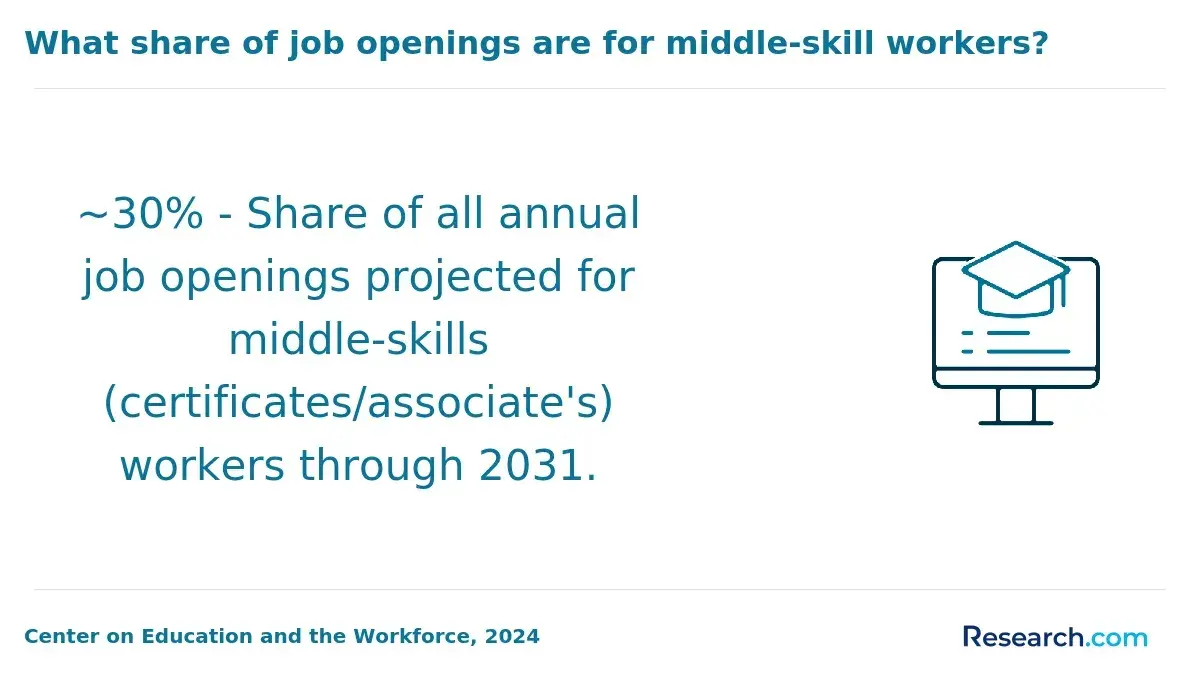
According to recent Department of Education data, nearly 65% of graduate students apply for federal aid through FAFSA to obtain low-interest direct loans, highlighting FAFSA's critical role for psychiatric mental health nurse practitioner master's students.
For those researching financing options, exploring the easiest bsn program to get into can be a step toward reducing overall costs before advancing to graduate studies.
What Federal Loan Types Are Available to Psychiatric Mental Health Nurse Practitioner Graduate Students Through FAFSA?
Graduate students pursuing a psychiatric mental health nurse practitioner master's degree can access crucial federal loan options via FAFSA that offer favorable terms compared to private lending. Below are significant features of these loan types and additional benefits designed to support borrower success.
- Direct Unsubsidized Loans: These loans allow graduate students to borrow up to $20,500 annually. Interest starts accruing immediately at a fixed rate of 7.05% for the 2023-2024 academic year, with an origination fee of about 1.057%. The cumulative borrowing limit including undergraduate debt is $138,500.
- Graduate PLUS Loans: Designed to cover remaining educational costs after other aid, these loans offer a fixed 8.05% interest rate for 2023-2024 and carry a higher origination fee near 4.228%. Approval requires a credit check, which differs from Direct Unsubsidized Loans.
- Income-Driven Repayment Plans: Both loan types qualify for income-driven repayment (IDR), adjusting monthly payments according to income and family size. This flexibility is vital for graduates entering fields with variable earnings like psychiatric mental health nursing.
- Public Service Loan Forgiveness Eligibility: Borrowers working in qualifying public service roles-including many healthcare settings relevant to this specialty-can have remaining loan balances forgiven after 120 qualifying payments under an IDR plan. This benefit applies only to federal loans.
- Deferment and Forbearance Options: Federal loans provide protections allowing temporary postponement or payment reductions during times of financial hardship, enrollment, or other circumstances, aiding those who might face career interruptions.
One professional who transitioned into the psychiatric mental health nurse practitioner field through an online master's program recalled the complexity of navigating financial aid initially. "I remember feeling overwhelmed by all the loan options and worried about managing payments while studying," he shared. However, he appreciated how the availability of income-driven plans eased some concerns about affordability. He also valued the loan forgiveness possibility tied to public service roles, which reinforced his commitment despite the financial uncertainty. His experience demonstrated how understanding federal loan structures empowered him to pursue a second career without undue financial strain.
Prospective Psychiatric Mental Health Nurse Practitioner master's students should carefully evaluate FAFSA-based aid to balance its benefits and drawbacks. Below are key factors to consider when navigating federal student loans and grants in these programs:
- Fixed Interest Rates and No Credit Check: Federal unsubsidized loans provide stable, unchanging interest rates throughout repayment, allowing borrowers to plan finances reliably. These loans do not require a credit check, making them accessible regardless of credit history.
- Flexible Repayment and Loan Forgiveness Options: Federal loans offer income-driven repayment plans that adjust payments based on earnings. Eligible psychiatric mental health nurse practitioners may qualify for specialized loan forgiveness programs designed to reduce long-term debt burdens.
- Borrowing Limits and Loan Fees: Federal loan caps often fall short of covering the full costs of Psychiatric Mental Health Nurse Practitioner programs, necessitating alternate funds. Additionally, mandatory origination fees slightly increase borrowing costs by reducing net loan amounts.
- Graduate Student Restrictions on Subsidized Loans: Unlike undergraduate aid, subsidized loans are unavailable to graduate students, so interest begins accruing immediately, increasing total debt.
- Interaction with Institutional Aid: Assistantships, fellowships, and program-specific scholarships commonly reduce federal loan eligibility or need-based awards via adjusted cost of attendance calculations.
Approximately 74% of graduate students rely on federal student loans, highlighting the importance of understanding these pros and cons of FAFSA for Psychiatric Mental Health Nurse Practitioner master's students. When federal aid is insufficient, students should look into supplemental funding, including scholarships or private loans. For examples of affordable financing options, prospective students may explore affordable fnp programs as a guide to managing educational costs effectively.
For students pursuing a Psychiatric Mental Health Nurse Practitioner master's degree, private student loans offer an alternative when federal aid doesn't cover all education costs. Below are important aspects illustrating how these loans function:
- Lender Categories: Private loans come from national banks, credit unions, fintech companies, and school-affiliated lenders, each providing distinct options for graduate borrowers needing supplemental funding beyond federal assistance.
- Underwriting Factors: Approval hinges on credit scores, debt-to-income ratios, and employment histories. Since many Psychiatric Mental Health Nurse Practitioner students lack extensive credit records, adding a co-signer often improves chances of approval and results in more favorable interest rates.
- Loan Process: Candidates submit applications followed by credit checks and school enrollment verification. Once authorized, funds go directly to the institution or borrower. Many loans offer deferment while studying, delaying repayment until after graduation.
- Term Differences: Interest rates, fees, and repayment schedules vary widely. Some lenders offer fixed rates, others variable; repayment may start immediately or be postponed. Careful comparison of terms is crucial before signing any agreement.
- Consideration Advice: Because private loans lack federal protections like forgiveness programs, students should evaluate at least three lenders to find the best fit for their graduate program needs.
A psychiatric mental health nurse practitioner who completed her master's shared that navigating private loans "felt overwhelming at times, especially balancing credit concerns and timing the application." She explained how seeking a co-signer "opened doors to better terms," helping her focus on studies rather than finances. Though cautious at first, she now views the decision as a stepping stone in her career, emphasizing the importance of thorough research and early planning to manage the financial commitment responsibly.
For prospective psychiatric mental health nurse practitioner master's degree students exploring private loan options, it's important to weigh both benefits and drawbacks. Below are key considerations to help inform smart borrowing decisions.
- Flexible Borrowing Limits: Private loans often enable borrowing up to the entire cost of attendance, encompassing tuition, fees, and living expenses that federal loans might not fully cover. This allows students to secure additional funds when federal aid falls short.
- Variable and Fixed Interest Rates: These loans typically offer a choice between fixed rates, providing payment stability, and variable rates, which may start lower but can increase, leading to higher repayment costs over time.
- No Federal Forgiveness Eligibility: Unlike federal loans, private loans do not qualify for forgiveness programs, such as Public Service Loan Forgiveness, which can be especially challenging for graduates entering lower-paying public sector roles.
- Limited Repayment Flexibility: Private lenders usually lack income-driven repayment options and borrower protections, making it tougher for graduates to manage payments if income is delayed or reduced after entering the workforce.
- Risk of Aggressive Collections: Defaults on private loans can result in stringent collection efforts that negatively affect credit scores, with fewer opportunities for rehabilitation or restructuring compared to federal loans.
While private loans may provide faster processing times and often come without origination fees-benefits that appeal to some students-they should generally be considered only when federal aid and scholarships have been fully utilized. Due diligence is essential for psychiatric mental health nurse practitioner students contemplating this option, ensuring they understand the long-term financial commitments and risks involved.
Prospective Psychiatric Mental Health Nurse Practitioner master's degree students must carefully compare federal and private loan interest rates to plan their educational financing effectively. Understanding the differences in rate structures and repayment implications helps students estimate long-term costs and choose the best borrowing options. The key points below provide a focused overview.
- Federal Loan Fixed Rates: Direct Unsubsidized Loans currently carry a fixed interest rate around 7.05%, while Grad PLUS Loans are higher, near 8.05%. These rates are set annually by the U.S. Department of Education and remain constant throughout the loan term, offering predictable payments.
- Private Loan Variable Rates: Private lenders typically tie variable rates to benchmarks such as the Secured Overnight Financing Rate (SOFR) or the Prime Rate. These loans may start with lower rates than federal loans but can increase over time, which makes repayment costs less predictable.
- Impact of Rate Fluctuations: While private variable loans may have attractive initial rates, rising benchmarks can significantly increase monthly payments and total interest paid. This volatility can complicate budgeting during graduate study and early career phases.
- Total Cost Comparison: Borrowing $30,000 on a federal Direct Unsubsidized Loan at 7.05% over 10 years leads to roughly $40,500 total repayment. A private loan starting at 5% variable that rises to 8% could exceed $45,000 in total repayment, illustrating the financial risk of private loans.
- Rate Updates and Research: Federal rates adjust yearly, so students should verify current rates at StudentAid.gov. Private loan rates vary widely by lender and borrower credit profile, making comparison shopping essential.
Prospective psychiatric mental health nurse practitioner master's students must navigate a variety of repayment plans when financing their education, significantly impacting their financial well-being after graduation. Evaluating federal and private loan repayment flexibility is essential, especially for those balancing early career earnings and loan obligations. Below are key points detailing these options.
- Federal Loan Repayment Plans: Federal loans provide multiple structured options like Standard, Graduated, and Extended plans. Income-driven plans-such as Income-Based Repayment (IBR), Saving on a Valuable Education (SAVE), Income-Contingent Repayment (ICR), and Pay As You Earn (PAYE)-adjust payments based on income, easing cash flow pressure for psychiatric mental health nurse practitioner graduates with varying salaries.
- Private Loan Repayment Options: Private student loan repayment plans for psychiatric mental health nurse practitioner master's students typically offer only fixed monthly payments or interest-only payments during school. The absence of income-driven plans or long-term flexibility can strain finances during the critical transition to full-time practice.
- Deferment and Forbearance Flexibility: Federal loans allow deferment and forbearance, including temporary protections like COVID-19 payment pauses and interest waivers. Private lenders rarely match this level of flexibility, often requiring borrowers to refinance or rely on savings during hardship.
- Impact on Cash Flow and Financial Planning: Income-driven repayment options help balance loan costs with living expenses, reducing default risks. In contrast, private loans' limited plans may compel graduates to explore refinancing post-graduation to maintain financial stability.
- Recent Trends and Data: Approximately 27% of federal student loan borrowers use income-driven repayment plans, highlighting demand for such flexibility among graduate degree holders, including those in psychiatric mental health nursing fields.
Including a table comparing repayment flexibility for a hypothetical psychiatric mental health nurse practitioner graduate at various income levels can clarify these differences. Understanding these factors helps students prioritize free money, exhaust federal options second, and consider private loans only as a carefully evaluated last resort. Additionally, exploring phd nursing programs may present alternative pathways with different funding opportunities.
For psychiatric mental health nurse practitioner master's graduates, Public Service Loan Forgiveness (PSLF) plays a vital role in managing federal student loans. Knowing eligibility criteria and how career choices affect PSLF qualification can help students evaluate financial aid wisely. Below are essential points to consider:
- PSLF Eligibility Requirements: Borrowers must make 120 qualifying monthly payments while enrolled in an income-driven repayment plan. Employment must be with a qualifying 501(c)(3) nonprofit or government employer to meet program standards.
- Common PSLF-Qualifying Employers: Graduates working at nonprofit hospitals, community health centers, public universities, or government healthcare agencies typically qualify for PSLF, aligning well with public service loan forgiveness goals.
- Non-Qualifying Career Paths: Job roles in private hospitals, for-profit clinics, or private practice generally do not qualify for PSLF, impacting loan forgiveness eligibility and financial planning.
- Private Loans Are Ineligible: Only federal student loans qualify for PSLF. Students relying on private loans for psychiatric mental health nurse practitioner programs forfeit access to this forgiveness, making federal loans a stronger choice for public or nonprofit career paths.
- Resources and Program Changes: Using the official PSLF Help Tool on StudentAid.gov helps verify current eligibility. The limited PSLF waiver shows program rules may change, so staying informed is crucial for maximizing benefits.
Only about 25% of applicants have their loans forgiven under PSLF, emphasizing strict adherence to its requirements is essential for success.
Choosing between federal loans through FAFSA and private loans involves more than just interest rates or repayment options. Prospective students in psychiatric mental health nurse practitioner master's programs should prioritize free money like scholarships, then federal loans offering protections such as PSLF, and lastly consider private loans as a last resort, weighing credit requirements and refinancing carefully. For those considering alternatives, exploring online medical coding programs may offer additional financial aid options and career flexibility.
Private loans for psychiatric mental health nurse practitioner master's students often require careful credit evaluation, impacting those with limited credit experience, such as recent graduates. Examining credit score obstacles and loan options helps students prepare strong applications. Consider these key factors when navigating private and federal loan differences:
- Minimum Credit Score Benchmarks: Most private lenders look for a FICO score between 650 and 700 to offer competitive terms. New graduates frequently face challenges due to thin credit histories, which may restrict loan availability or increase interest rates.
- Co-Signer Benefits and Risks: A financially responsible co-signer can improve approval chances and secure better interest rates. Co-signer release policies allow borrowers to assume full liability after consistent repayments, but missed payments can harm the co-signer's credit as well.
- Federal Loan Credit Standards: Direct Unsubsidized Loans don't require credit checks, making them accessible regardless of credit history. Grad PLUS Loans involve an adverse credit review that is less stringent than private lenders, providing another federal borrowing alternative.
- Credit-Building Tactics: Applicants should work on establishing positive credit several months before applying by paying bills punctually, lowering existing debts, and possibly using secured credit cards. These steps can enhance loan eligibility and reduce costs.
For students pursuing a Psychiatric Mental Health Nurse Practitioner master's degree, grasping how the total cost of attendance (COA) shapes borrowing choices is crucial. Below are essential points clarifying how COA interacts with federal and private loan options.
Key details include:
- Components of COA: Institutions factor in tuition and mandatory fees, room and board, books and supplies, transportation, and personal expenses to calculate the COA for Psychiatric Mental Health Nurse Practitioner programs.
- Federal Borrowing Limits: Direct Unsubsidized Loans offer up to $20,500 annually regardless of COA, while Grad PLUS Loans can cover the difference up to the full COA minus other aid but often carry higher interest rates.
- Private Loan Certification: Private lenders typically approve loans up to the school-certified COA after accounting for other aid, enabling access to higher amounts than federal limits, though with fewer borrower protections and variable rates.
- Average COA Estimates: Public Psychiatric Mental Health Nurse Practitioner programs average about $30,000 yearly, private programs may exceed $50,000, and online options vary broadly between $25,000 and $40,000.
- Borrowing Implications: Financing the full COA via federal loans maximizes access to repayment plans and loan forgiveness, whereas relying heavily on private loans increases financial risk due to credit requirements and limited repayment flexibility.
What Graduates Say About Comparing FAFSA vs Private Loans for Their Psychiatric Mental Health Nurse Practitioner Master's Degree
- Lydia: "Choosing FAFSA to fund my Psychiatric mental health nurse practitioner master's degree was a strategic decision to reduce my immediate financial burden. While the cost was significant, the ability to manage low-interest federal loans made the investment feel more achievable. Completing the program has profoundly impacted my career trajectory, allowing me to specialize in mental health care and fulfill my personal goal of making a difference in underserved communities."
- Jude: "I opted for private loans to finance my Psychiatric mental health nurse practitioner master's degree mainly because I needed access to funds quickly and with fewer application hurdles. The program's cost was daunting, but this route helped me avoid delays in my education. Reflecting on the journey, I can confidently say that this degree has opened professional doors and enabled me to balance work, family, and continuing education effectively."
- Marion: "My decision to use FAFSA loans for my Psychiatric mental health nurse practitioner master's degree was based on careful consideration of repayment options and long-term financial planning. The tuition was a meaningful investment in my future, and the support I received during the program was invaluable. Graduating has not only propelled my career forward but also given me a renewed sense of purpose in advancing mental healthcare services."
Other Things You Should Know About Psychiatric Mental Health Nurse Practitioner Degrees
Psychiatric Mental Health Nurse Practitioner master's students in 2027 should explore both FAFSA and private loans. FAFSA provides federal aid, offering lower interest rates and flexible repayment plans. Private loans, from banks or credit unions, can fill funding gaps but may have less favorable terms. Evaluating the pros and cons of each source is crucial for informed borrowing.
Private lenders usually look for a credit score of about 650 to 680, plus stable income or a creditworthy cosigner. Federal FAFSA loans do not use a credit score for eligibility. Graduate students can borrow up to the school’s cost of attendance through unsubsidized federal loans.
Refinancing federal loans into private loans is generally not recommended because it sacrifices federal protections like income-driven repayment and forgiveness programs. However, some graduates with strong credit and stable income in the psychiatric mental health nurse practitioner field might consider refinancing to secure lower interest rates. This decision should weigh the benefits of cost savings against the loss of federal benefits.
- Federal vs Private Loans for Nursing Students: Pros, Cons & What to Pick – FRESHRN https://www.freshrn.com/federal-vs-private-loans-nursing-students/
- The Guide to Student Loan Forgiveness for Nurse Practitioners https://www.studentloanplanner.com/the-guide-to-student-loan-forgiveness-for-nurse-practitioners/
- About Graduate Programs | APNA https://www.apna.org/resources/about-graduate-programs/
- Federal student loan forgiveness for special situations https://www.salliemae.com/blog/student-loan-forgiveness-programs/
- Pros and cons of private student loans https://finance.yahoo.com/news/pros-cons-private-student-loans-223614212.html
- Scholarship Guide for Nurse Practitioner Schools - Rewards & Eligiblity https://www.npschools.com/blog/scholarships-for-np-students
- Pros and Cons of Private Student Loans https://nurse.org/education/private-student-loans-pros-cons/
- Federal vs Private Loans: 5 Key Differences https://joinjuno.com/financial-literacy/student-loans/federal-vs-private-student-loans
- Master of Science Nursing/Psychiatric Mental Health Nurse Practitioner (MSN/PMHNP) https://www.westernu.edu/financial/student-budgets/msn-pmhnp/
- Financing Your Education - Psychiatric Mental Health Nurse Practitioner, DNP | University of San Francisco https://www.usfca.edu/nursing/programs/graduate/psychiatric-mental-health-nurse-practitioner/financing-your-education