2027 FAFSA vs Private Loans for Finance Degree Master's Students

Co-Founder and Chief Data Scientist
Many prospective finance degree master's students face a critical funding dilemma. Career changers often find themselves balancing the desire to advance with the burden of existing debt, while navigating shifting loan landscapes. For example, recent data shows that nearly 40% of finance master's graduates carry more than $60,000 in student debt, complicating early career financial stability.
Choosing between FAFSA-based federal loans and private loans impacts borrowing costs, repayment options, and long-term financial health. This article explores these differences in depth, guiding readers through loan eligibility, interest rates, and forgiveness programs to optimize financing strategies for a finance master's degree.
Key Benefits of Comparing FAFSA vs Private Loans for Finance Degree Master's Students
- Understanding FAFSA eligibility helps finance master's students access lower interest federal loans and forgiveness options unavailable with private loans.
- Private loans often carry higher costs and stricter credit checks but offer more repayment flexibility tailored to career changers or international students.
- Awareness of default risks and refinancing options informs smarter borrowing, prioritizing federal aid to reduce long-term debt burden after graduation.
What Is the Difference Between FAFSA and Private Loans for Finance Master's Students?
Prospective finance master's degree students face multiple options when financing their education, making it essential to distinguish between FAFSA and private loans. These choices affect borrowing costs and repayment flexibility. Below are critical differences to keep in mind:
- FAFSA Is a Financial Aid Application, Not a Loan: FAFSA, or the Free Application for Federal Student Aid, serves as the gateway to federal financial aid but does not provide funds by itself. Completing it enables access to Direct Unsubsidized Loans and Graduate PLUS Loans tailored specifically for graduate students in finance.
- Federal Loans Offer Fixed Terms and Borrower Protections: Loans accessed through FAFSA come with government backing, fixed interest rates, and benefits such as income-driven repayment plans, deferment options, and potential forgiveness programs that help manage debt post-graduation.
- Private Loans Are Credit-Based and Less Regulated: Issued by banks, credit unions, or online lenders, private loans rely heavily on creditworthiness and often require a cosigner. Their terms vary substantially and generally lack federal borrower protections or income-driven repayment flexibility.
- Interest Rates and Total Cost Differ: Federal direct unsubsidized loans typically have lower fixed rates compared to private loans, which may carry variable rates influenced by market conditions and borrower risk, affecting the total cost of attendance.
- Distinct Eligibility and Application Processes: FAFSA requires annual completion and financial disclosure, while private loans focus on credit checks and offer expedited application timelines but with less flexibility.
Nearly 70% of graduate students rely on some form of federal student aid, underscoring the importance of understanding federal student loans vs private loans for finance master's students. This article will also explore how repayment plans, credit requirements, loan forgiveness options, and refinancing post-graduation influence borrowing strategies.
Students can learn how to prioritize free aid first, exhaust federal options second, and consider private loans only as a carefully evaluated last resort. For students evaluating graduate finance funding, considering options like the cheapest MBA programs may also provide alternative financial benefits.
How Does FAFSA Eligibility Work for Finance Master's Degree Candidates?
Prospective finance master's degree students exploring federal financial aid need to know the specific FAFSA qualification criteria for graduate finance programs. These eligibility benchmarks determine access to federal student loans and grants, forming a preferred financing path before private loans are considered. The key elements of federal student aid eligibility are outlined below for graduate applicants seeking to understand how their status affects aid availability.
- Citizenship and Residency Requirements: To qualify for federal student aid, applicants must be U.S. citizens or eligible noncitizens, including permanent residents. International students are generally ineligible for FAFSA but should seek alternative funding sources such as scholarships or private loans.
- Enrollment Status: Graduate students must enroll at least half-time in an eligible finance master's program. Full-time enrollment can increase loan limits, while part-time study may reduce aid amounts or delay disbursement schedules.
- Satisfactory Academic Progress (SAP): Maintaining SAP as defined by the academic institution-including minimum GPA and course completion rates-is critical. Falling short risks losing federal aid eligibility until SAP requirements are met again.
- Degree-Level Classification and Dependency Status: Graduate students are always classified as independent on the FAFSA. This means parental income and assets do not impact the Student Aid Index (SAI), often leading to higher federal loan limits versus undergraduate counterparts.
- FAFSA Filing Timeline and Student Aid Index (SAI): The FAFSA application opens October 1 each year for the following academic year. Timely submission is vital as the SAI-which replaces the Expected Family Contribution (EFC)-is calculated primarily from the student's own financial data, guiding aid allocation.
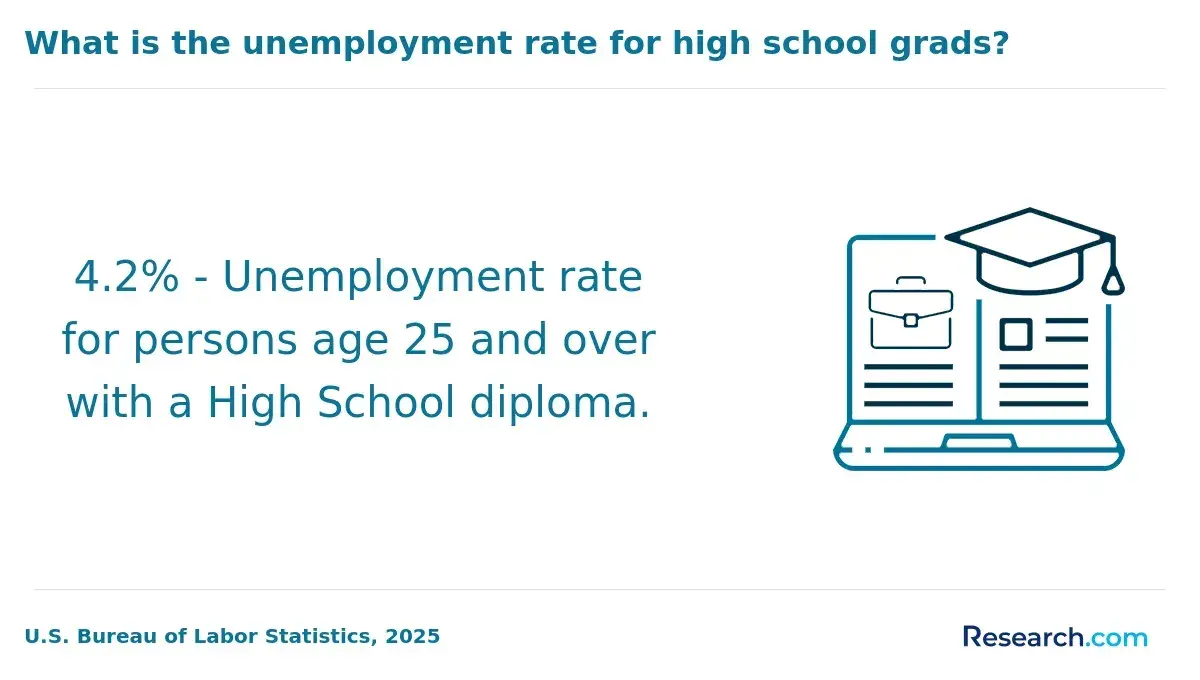
Nearly 60% of graduate students rely on federal loans as a primary funding source for their degree programs. Exploring FAFSA-approved online certificate programs can provide flexible options for those balancing study with other commitments.
What Federal Loan Types Are Available to Finance Graduate Students Through FAFSA?
Graduate students pursuing a master's in finance can leverage two main types of federal loans through FAFSA to support their education expenses. These options differ in borrowing caps, fees, and approval requirements, making it important to understand the distinctions. Below are key aspects of these federal loans and the repayment benefits they offer:
- Direct Unsubsidized Loans: Available for up to $20,500 annually for graduate students, these loans carry a fixed 7.54% interest rate for the 2023-2024 academic year and include an origination fee of about 1.057%. Interest accrues during school, and total borrowing across undergrad and graduate studies is capped at $138,500.
- Graduate PLUS Loans: These loans cover remaining education costs after other financial aid and carry a fixed interest rate of 8.05% with an origination fee near 4.228% for 2023-2024. Unlike Direct Unsubsidized Loans, Graduate PLUS loans require a credit check and approval based on creditworthiness.
- Income-Driven Repayment Plans: Federal loans offer flexible repayment options that adjust monthly payments to income and family size, easing financial pressures after graduation-a benefit typically absent in private loans.
- Public Service Loan Forgiveness Eligibility: Borrowers employed in qualifying public service roles can have outstanding federal loans forgiven after 120 timely payments, a significant advantage exclusive to federal student loans.
- Deferment and Forbearance Options: Federal loans provide opportunities for temporary payment suspension or reduction due to hardship, school attendance, or military service, helping borrowers maintain good credit standing.
One professional who transitioned into finance through an online master's degree reflected on his financing journey, sharing, "Navigating federal loans was daunting at first, especially understanding how credit checks affected my options. The income-based repayment plans gave me confidence that I wouldn't be overwhelmed after graduating, which was a huge relief." He added that despite initial worries about accumulating debt, knowing about deferment options provided a safety net during unforeseen financial challenges, making the decision to enroll feel much more manageable.
Prospective finance master's students must weigh the advantages and challenges of federal aid when planning their educational funding. Recognizing FAFSA advantages and disadvantages for finance master's students helps clarify how federal loans can support graduate studies. Below are key points to consider about federal student loan benefits and limitations for finance graduate programs:
- Fixed Interest Rates: Federal loans offer stable, fixed interest rates, protecting borrowers from market volatility and enabling consistent repayment planning.
- No Credit Check for Unsubsidized Loans: Graduate students can obtain unsubsidized federal loans without credit checks or cosigners, though subsidized loans are unavailable at this level.
- Flexible Repayment and Forgiveness: Various income-driven repayment plans and loan forgiveness options are available, benefiting those pursuing careers in public service or nonprofit sectors.
- Borrowing Limits and Fees: Graduate federal loans impose annual and aggregate borrowing caps that might not fully cover all tuition and living expenses, with mandatory loan fees slightly lowering the net funds received.
- Interaction with Institutional Aid: Scholarships, fellowships, or assistantships can decrease costs but may affect federal loan eligibility or awards, requiring careful coordination.
More than 60% of graduate students rely on federal loans, yet finance master's candidates often find that FAFSA-based aid alone does not cover total expenses. Such circumstances may call for supplementing with private loans or alternative funding sources. For comparisons on cost-effective options, consider reviewing resources like the cheapest executive MBA programs to balance financing strategies effectively.
Prospective finance master's students often consider private student loans when federal aid falls short of covering expenses. These loans come from various sources and have distinct qualification standards. Below are key aspects that clarify how private loans operate for graduate finance applicants.
- Types of Lenders: Private loans originate from national banks, credit unions, fintech companies, and sometimes programs affiliated with schools. Each lender offers unique interest rates, benefits, and application procedures, making it important to explore multiple options.
- Underwriting Criteria: Approval typically depends on credit scores, debt-to-income ratios, and employment history. Applicants with weaker credit profiles can often improve their chances and secure better rates by adding a creditworthy co-signer, such as a parent or relative.
- Loan Process: The procedure begins with submitting an application and undergoing a credit check. Schools must verify enrollment before funds are dispersed, which usually goes directly to the institution. Many lenders allow payment deferral during schooling, postponing repayment until graduation.
- Repayment Options and Variability: Terms, interest rates, and borrower protections differ widely across lenders. Unlike federal loans, private options rarely offer income-driven repayment or forgiveness, so comparing terms from at least three lenders is advisable before committing.
A finance professional who recently completed a master's program reflected that navigating private loans was initially intimidating due to the variety of lenders and eligibility nuances. She recalled how securing a co-signer simplified approvals and lowered interest rates, easing financial stress.
While the repayment terms demanded careful budgeting, understanding the process empowered her to make informed decisions, ultimately supporting her career growth with manageable debt. "It was about balancing risk and opportunity," she noted, emphasizing the importance of evaluating every detail before borrowing privately.
Prospective finance master's degree students often face complex decisions when considering private loans as a funding option. Weighing the benefits and drawbacks is essential before choosing this path. Key points to consider include the following:
- Borrowing Flexibility: Private loans may cover the entire cost of attendance, including tuition and living expenses, which is helpful when federal aid falls short or has been fully used.
- Interest Rate Choices: Borrowers can select fixed or variable rates. While fixed rates offer predictable payments, variable rates might start lower but can increase over time, potentially raising total repayment costs.
- Quicker Access to Funds: Some lenders provide faster loan approval and disbursement compared to federal loans, delivering timely resources when immediate funding is necessary.
- Limited Repayment Options and Protections: Unlike federal loans, private loans lack income-driven repayment plans and federal forgiveness programs, making repayment more challenging, particularly for graduates entering lower-paying roles.
- Risk of Aggressive Debt Collection: Defaulting on private loans can trigger intense collection efforts, including legal action and credit damage, since federal safeguards do not apply.
While private loans can offer advantages like no origination fees and access to full-cost borrowing, they should generally be considered only after maximizing federal aid. Finance students must carefully evaluate these loans' terms and risks, ensuring informed decisions align with their financial circumstances and career prospects.
Prospective finance master's students must carefully evaluate how interest rates on federal and private loans affect the total cost of borrowing. Below are the key considerations to understand these differences and their financial impact during a graduate program:
- Federal Loan Interest Rates: Direct Unsubsidized loans currently have a fixed interest rate near 6.54%, while Grad PLUS loans carry a higher fixed rate around 7.54%. These rates are set annually for new borrowers but remain fixed for each loan's duration.
- Private Loan Rate Structures: Private graduate loans often feature variable interest rates tied to benchmarks such as the Secured Overnight Financing Rate (SOFR) or the Prime Rate. These initial rates can start lower than federal ones but may rise over time depending on market conditions.
- Impact of Rate Fluctuations: Variable rates on private loans mean borrowers face uncertainty, as increases during the program can significantly raise total repayment costs. In contrast, fixed federal rates offer more predictable payments.
- Sample Cost Comparison: Borrowing $30,000 over 10 years at a 6.54% federal fixed rate results in roughly $41,800 in total repayment. A private loan starting at 5.5% with variable rates could cost between approximately $39,000 and $45,000, depending on interest rate changes over the repayment period.
- Annual Rate Updates and Resources: Federal rates adjust annually and vary by loan type and disbursement date. Prospective students should always check StudentAid.gov for the latest rates and compare them carefully with private lenders' offers to make informed decisions.
For prospective finance master's students, selecting the right loan repayment plan is vital for managing finances after graduation. FAFSA loan repayment plans offer numerous federal options that provide adaptable terms, while private student loan repayment options for graduate finance borrowers are usually more rigid. Below are key distinctions to consider when evaluating these loan types.
- Federal Repayment Plans Variety: Federal loans include Standard, Graduated, Extended, and income-driven plans such as Income-Based Repayment (IBR), Saving on a Valuable Education (SAVE), Income-Contingent Repayment (ICR), and Pay As You Earn (PAYE). These income-driven plans adjust monthly payments based on earnings, providing essential flexibility as graduates begin their careers.
- Private Loan Repayment Simplicity: Private loans commonly limit borrowers to either fixed monthly payments or interest-only payments during school. Without income-based options, this can put pressure on early cash flow when income is uncertain or variable.
- Impact on Cash Flow After Graduation: Income-driven federal plans help ease financial strain during early career stages or further credentialing, while private loans' fixed payment schedules may lead to higher burdens regardless of income changes.
- Deferment and Forbearance Availability: Federal loans provide broader access to deferment and forbearance, including temporary relief provisions introduced during the COVID-19 pandemic. In contrast, private lenders did not uniformly adopt these protections, reducing options during financial hardship.
- Recent Trends and Borrower Protections: A Consumer Financial Protection Bureau report found that 62% of federal student loan borrowers used income-driven repayment plans, underscoring the value of federal flexibility for graduate students.
Understanding these differences helps finance master's students prioritize federal funding first when considering eligibility, interest rates, and forgiveness programs before turning to private loans. For detailed funding strategies including scholarship alternatives and post-graduation refinancing, exploring resources such as a doctorate in leadership online program can provide valuable insights into managing total cost of attendance and long-term financial planning.
Finance master's degree students seeking federal loan forgiveness programs should carefully evaluate Public Service Loan Forgiveness (PSLF) eligibility. This program offers significant relief but requires meeting strict criteria. The following points highlight essential details prospective students need to consider regarding federal loan forgiveness eligibility for graduate finance students:
- Eligibility Requirements: Borrowers must make 120 qualifying monthly payments while enrolled in a federal income-driven repayment plan and work full-time for a qualifying employer, such as a government agency or 501(c)(3) nonprofit organization.
- Qualifying Employers: Common finance career paths that lead to PSLF include roles in public universities, government financial agencies, nonprofits, and other public service institutions. Positions in private sector finance or corporate jobs generally do not qualify for PSLF.
- Private Loans Ineligible: Private student loans do not qualify for any form of PSLF, emphasizing the importance of federal loans for finance students aiming at public or nonprofit sector careers.
- Official Resources and Waivers: Students should use the PSLF Help Tool on StudentAid.gov to verify their eligibility and remain informed of updates, including the limited PSLF waiver expanding qualifying payment counts and employment types temporarily.
- Statistical Insight: As of 2023, approximately 19% of applicants have successfully received PSLF, underscoring the program's strict requirements and the critical need for precise planning.
In addition to understanding PSLF, finance master's students should explore all options for funding their degree. Prioritizing scholarships and federal loans before considering private loans offers the best framework to manage debt. Private loans lack forgiveness benefits and often come with higher interest rates and stricter credit requirements. Students must consider how these differences impact total cost of attendance, repayment options, and refinancing decisions post-graduation.
For those seeking more information on financing education, pursuing an online accounting degree may offer flexible alternatives in related finance fields that facilitate federal funding advantages while minimizing debt risks.
Prospective finance master's students should be aware that private loan approval heavily depends on credit history, unlike most federal financial aid options. Below are essential considerations about credit scores, loan types, and credit-building tactics before applying for private loans.
- Minimum Credit Score Benchmarks: Private lenders typically require a FICO score around 650 to 700 or above. Recent graduates often face challenges due to limited credit histories, making qualification tougher and often resulting in higher interest rates.
- Thin Credit Files Impact: A sparse credit record can lead to loan denial or increased costs, as lenders view less credit activity as a higher risk, particularly affecting students fresh out of undergraduate programs.
- Role of Co-Signers: A qualified co-signer can enhance loan approval odds and secure more favorable interest rates. Co-signers, however, carry full legal responsibility and some lenders offer co-signer release after several on-time payments or after the loan reaches a certain age.
- Federal Loan Credit Checks: Direct Unsubsidized Loans do not consider creditworthiness, making them accessible regardless of score, while Grad PLUS Loans require a limited review to screen for adverse credit but are easier to access than private loans.
- Credit-Building Strategies: To improve private loan terms, students should establish credit by responsibly using secured credit cards, paying bills promptly, and minimizing new debt months ahead of loan applications.
For prospective finance master's students, knowing how the total cost of attendance (COA) influences borrowing options is essential for planning finances effectively. Below are key aspects to understand when evaluating COA and available loan limits.
- Components of Cost of Attendance: Institutions include tuition, mandatory fees, room and board, books, transportation, and personal expenses in the COA calculation. Tuition and fees typically dominate, but living costs vary by program type and location.
- Federal Loan Limits: Direct Unsubsidized Loans are capped at $20,500 annually, regardless of COA size. Meanwhile, Grad PLUS Loans can cover the remainder of the COA after accounting for other financial aid, providing access to federal funds up to the full certified cost.
- Private Loan Certification: Private lenders usually base loan approvals on the school-certified COA, allowing for loans that may exceed federal limits. This flexibility is crucial for students in costly private or out-of-state finance programs.
- Average COA by Program Type: Public finance master's programs average about $30,000 per year, private programs often surpass $50,000, and online programs vary widely, impacting borrowing needs accordingly.
- Consequences of Borrowing Full COA: Taking out loans for the entire COA can result in significant debt. Federal loans offer protections like income-driven repayment and potential forgiveness, while private loans tend to have higher interest rates and fewer borrower benefits.
What Graduates Say About Comparing FAFSA vs Private Loans for Their Finance Master's Degree
- Noah: "Choosing FAFSA to fund my finance master's was a strategic decision; it offered lower interest rates and more flexible repayment options compared to private loans. The overall cost of the program was substantial, but manageable with the aid of federal support. Completing the degree has been transformative, opening doors to leadership roles and allowing me to align my career with my passion for sustainable investing."
- Aditi: "I opted for private loans to finance my finance master's due to the limited availability of federal aid and the urgency to start my studies. While the cost was high, the specialized curriculum and network opportunities made the investment worthwhile. Looking back, this degree was crucial in forging a successful path in corporate finance and gave me the confidence to pursue entrepreneurial ventures."
- Joanna: "Reflecting on my journey, the decision to use FAFSA loans was grounded in securing affordable education and manageable payments. The finance master's program was intensive and came with a significant price tag, but it dramatically enhanced my analytical skills and market understanding. This degree has been instrumental in achieving my professional goals and balancing a fulfilling personal life."
Other Things You Should Know About Finance Degrees
Most private lenders look for a credit score around 670 to 700, plus stable income or a creditworthy cosigner. FAFSA does not use a credit score for federal Direct Unsubsidized Loans, but private loan approval, rate, and cosigner requirements are set by the lender.
In 2027, Finance master's students with federal loans face risks like damaged credit scores and wage garnishment if they default. Private loans, however, may lead to even higher immediate financial pressures, as lenders can pursue legal action for repayment, leading to severe financial strain.
Refinancing federal loans into private loans may reduce interest rates if the borrower has strong credit and a stable income. However, it eliminates federal protections such as income-driven repayment and loan forgiveness. Students should carefully assess their financial situation and career prospects before refinancing to avoid losing federal benefits.
- Paying for college in 2026: federal vs. private loan options https://www.desertfinancial.com/en/financial-well-being/blog/financial-education/paying-for-college
- Your Guide to Public Service Loan Forgiveness https://claremontlincoln.edu/news-blog/public-service-loan-forgiveness/
- Do Private Student Loans Require a Credit Check? - Experian https://www.experian.com/blogs/ask-experian/do-private-student-loans-require-credit-checks/
- Federal vs. Private Graduate Student Loans - ELFI https://www.elfi.com/federal-graduate-student-loans-vs-private-graduate-student-loans/
- Federal vs. Private Loans: Which is Best for Your MBA? https://business.rice.edu/admissions-blog/federal-vs-private-loans
- NASFAA | 4 Times Private Student Loans Are Better Than Federal Ones, According to Experts https://www.nasfaa.org/news-item/34430/4_Times_Private_Student_Loans_Are_Better_Than_Federal_Ones_According_to_Experts
- Student Loan Forgiveness and Grad Students: What You Need to Know https://louisiana.edu/graduateschool/blog/student-loan-forgiveness-and-grad-students-what-you-need-know
- Does FAFSA Pay for Masters Programs? State Aid, Employer Assistance & Tax Credits https://www.tuitionhero.org/resources/fafsa/can-fafsa-cover-graduate-school
- Am I Eligible for Public Service Loan Forgiveness? - Saving For College https://www.savingforcollege.com/article/which-jobs-qualify-for-public-service-loan-forgiveness
- Loans for Graduate School: Best Options and How to Secure https://www.princetonreview.com/grad-school-advice/grad-school-loans-finance-your-degree