Best Welding Training Programs & Trade Schools - Top Welding Schools in Phoenix for 2026

Co-Founder and Chief Data Scientist
Choosing the right welder trade school in Phoenix can shape your future career and open doors to exciting opportunities. This article introduces the best welder trade school programs for 2026, featuring a ranking developed by the Research.com team of data scientists.
By exploring this guide, you’ll gain valuable insights to help you make an informed decision about which programs stand out. Earning a welder diploma or certification can boost your skills and confidence, setting you on a rewarding path in a high-demand trade.
Key benefits of finishing welder trade school in Phoenix
- Graduates from welder trade schools in Phoenix can expect starting salaries around $20.86 per hour, with opportunities to earn up to $97,640 annually in specialized roles like contract rig welding.
- Career paths include construction, manufacturing, and repair services, offering diverse options for graduates to grow and find rewarding jobs in a stable industry.
- Completing a welder trade school online offers flexibility and convenience, helping students balance learning with personal commitments while gaining skills valued by local employers.
- Best Welding Training Programs & Trade Schools - Top Welding Schools in Phoenix for 2026
- What can I expect from welder trade schools in Phoenix?
- Where can I work after finishing welder trade schools in Phoenix?
What can I expect from welder trade schools in Phoenix?
Enrolling in a welder trade school program in Phoenix means expecting a balanced mix of classroom theory and hands-on lab work. Graduates from popular local schools often share how they gained confidence through extensive practice on industry-standard equipment, learning welding techniques like GMAW, SMAW, FCAW, and GTAW. These programs typically last seven to nine months, with some structured as 36-week courses that offer flexibility through morning, evening, or weekend classes-ideal for students managing work or family commitments.
Students frequently highlight the value of instructors with real-world welding experience who emphasize safety protocols aligned with OSHA standards. Many programs prepare learners for certification exams from the American Welding Society and provide an OSHA 10 Safety card, boosting employability right after graduation.
Cost considerations are important; some programs charge around $18,945, covering textbooks and certification fees. Graduates describe feeling well-equipped and motivated to pursue welding careers in Phoenix's construction and manufacturing sectors, appreciating the practical skills and credentials earned.
Where can I work after finishing welder trade schools in Phoenix?
Graduates of welder trade school programs in Phoenix find diverse employment opportunities across industries like manufacturing, construction, aerospace, automotive, and semiconductors. Many start their careers at local family-owned welding shops or quickly move into roles at large regional manufacturers and service centers. For example, graduates from popular Phoenix trade schools often share how hands-on training helped them confidently join companies specializing in structural steel or precision TIG welding for aerospace projects.
The job market actively seeks welders skilled in MIG, TIG, and Stick welding, with hundreds of openings posted regularly. Many graduates report securing positions as fabricator/welders or structural steel welders, where they work on building bridges or assembling automotive components. The average pay of $19.18 per hour, about 5% above the national average, combined with employer benefits, makes these roles attractive.
Real-life success stories from Phoenix trade school alumni include rapid employment due to industry certifications and diverse skill sets, enhancing both job security and career growth.
Graduates of welder trade school programs in Phoenix typically start with an average hourly wage around $20.86, based on August 2025 data from ZipRecruiter. This means a full-time welder can expect to earn approximately $43,000 annually, with many reporting satisfaction in reaching this solid entry-level pay soon after finishing their training at well-known Phoenix trade schools.
New welders often begin as apprentices earning about $19.44 per hour, gradually increasing their wages as they gain hands-on experience and certifications. Many graduates share that the practical skills they acquire during their schooling directly boost their confidence and earning potential on the job.
Wage ranges in Phoenix vary from around $13.29 per hour for beginners to nearly $29.28 for highly skilled welders. Most welders in the area earn between $17.55 and $23.22 per hour, reflecting strong opportunities for growth as expertise develops. Employers in Phoenix value trained welders from local trade schools, often rewarding their graduates with competitive pay and steady work.
- Welding programs in Phoenix typically require applicants to be at least 16 or 18 years old and have a high school diploma or GED; no prior welding experience is needed.
- Program lengths range from six weeks to nine months, with about 287 to 300 hours of training in various welding techniques such as MIG, TIG, stick, and flux-cored welding.
- Most schools prepare students for American Welding Society (AWS) certification and may also offer OSHA 10 Safety certification and a diploma.
- Tuition costs range from $5,000 to $30,000, with comprehensive 287-hour programs costing around $18,945, including books and certification fees.
- Entry-level welders in Phoenix earn about $40,000 to $45,000 per year, with higher earnings possible for experienced welders and those with advanced certifications.
Completing a welder trade school program in Phoenix typically takes between six months to one year, depending on the intensity and type of program chosen. Many students at well-known Phoenix trade schools report finishing hands-on training and certification within this timeframe, allowing them to quickly enter the workforce.
For example, graduates often describe their experience as immersive yet manageable, balancing classroom instruction with practical welding projects that simulate real job conditions. This approach helps build confidence, as students see tangible progress each week. One common scenario involves mastering different welding techniques-like MIG and TIG-within a few months, which graduates recall as both challenging and rewarding.
Programs in Phoenix also frequently offer flexible scheduling options, including evening and weekend classes, which accommodate students working part-time. This flexibility enables many to complete their training faster without sacrificing quality.
Overall, the accessible timeline combined with a supportive learning environment at Phoenix trade schools contributes to a positive, motivating experience for aspiring welders.
The fundamental difference between online and on-campus welder trade school programs in Phoenix centers on hands-on training versus theoretical learning. Graduates from on-campus programs at well-known Phoenix schools often describe the immediate feedback they receive while working directly with welding equipment in fully equipped labs. This hands-on approach, supervised by experienced instructors, builds confidence and practical skills essential for welding careers. One graduate shared how collaborating with peers in these labs enriched their learning experience and prepared them for real-world challenges.
Online programs, favored for their flexibility, primarily cover welding theory, blueprint reading, and safety codes through virtual lessons. Students balancing work or family appreciate this convenience. Hybrid models in Phoenix, like those offered by top trade schools, combine online theory with mandatory on-campus labs, ensuring skill mastery.
Innovations such as virtual welding simulators provide valuable practice but do not replace physical training, which remains a state licensing requirement in Arizona. Overall, Phoenix students benefit from programs that blend flexibility with essential hands-on experience.
The average cost of a welder trade school program in Phoenix varies widely depending on the institution and the program duration. For example, graduates from Mesa Community College's Associate in Applied Science (AAS) in Welding program typically pay around $5,100 to $5,610 in tuition, based on $85 per credit hour for Maricopa County residents and the requirement of 60-66 credit hours. This cost does not include additional expenses such as fees, books, supplies, and uniforms, which students often find manageable with careful budgeting. Many students share how this balance helped them feel confident investing in their education without overwhelming debt.
More intensive programs like Vern Lewis Welding Supply's 20-week certificate course cost about $15,000 for tuition alone, charged at $75 per hour. Graduates commonly describe the hands-on experience as rewarding, reinforcing their enthusiasm for working in welding fields immediately after completion. However, the higher price reflects the accelerated pace and specialized focus of the curriculum.
At the higher end, The Refrigeration School, Inc. offers a Welding Specialist program totaling around $18,700, including course materials, lab fees, and equipment. This comprehensive approach appeals to students wanting an all-in-one package that minimizes unexpected costs and delivers confidence in preparedness for the trade.
Schools like Gateway Community College, meanwhile, provide more affordable options with tuition around $4,725 for county residents for foundational welding skills, making it accessible for many local learners eager to start their career path. Students often remark on their satisfaction navigating these more budget-friendly pathways without sacrificing essential instruction quality.
It's important for prospective students to keep in mind that these figures can change and may exclude some expenses such as safety gear, equipment, or living costs. Far from being isolated budgeting challenges, many Phoenix students successfully manage these costs through a mix of financial aid, part-time work, and local resources, feeling optimistic about their investment in a skilled trade.
For those exploring various options, especially outside traditional campuses, reviewing the most affordable online maintenance technician trade school programs can provide flexibility and cost savings aligned with their personal circumstances.
Welder trade school students in Phoenix have access to several financial aid options that make education more affordable. Federal grants, such as the Pell Grant, are highly valued because they do not require repayment. Graduates from programs at schools like Universal Technical Institute often share how completing the FAFSA each year unlocked these crucial funds, easing the burden of tuition and supplies.
Scholarships also play a vital role. The American Welding Society Foundation allocates over $15,000 annually within Arizona's District 21, with awards typically between $1,000 and $2,500. Many students at UEI College find these scholarships especially helpful, as they can apply year-round and receive support tailored to shorter certificate programs.
Student loans, both federal and private, provide additional options. Federal Direct Subsidized Loans are popular because interest and repayment are deferred until after graduation, helping students focus on their training without immediate financial pressure.
Military benefits and flexible payment plans offered by Phoenix trade schools further expand access, often making the path to certification feel achievable and less stressful for veterans and active service members.
Enrolling in a welder trade school program in Phoenix typically requires a high school diploma or GED, ensuring students have a foundational level of education. Many programs also expect proficiency in basic math and reading skills, which are crucial for understanding welding blueprints and safety protocols.
Applicants often undergo an initial skills assessment or placement test to gauge their readiness. For example, graduates from well-known Phoenix trade schools recall how this step helped them identify areas needing improvement before hands-on training began, boosting their confidence.
Other common prerequisites include:
- Proof of legal residency or citizenship status
- Minimum age requirement, usually 18 years old
- Physical ability to handle welding equipment safely
- Completion of a safety orientation or introductory workshop
Many Phoenix students find that meeting these prerequisites sets a positive tone for their studies, making the transition into practical welding tasks smoother and more enjoyable. This preparation aligns with the rigorous standards upheld by respected trade schools in the area, ensuring graduates feel equipped and motivated throughout their training journey.

Welder trade school programs in Phoenix systematically cover a range of essential courses that blend theory with practical application, preparing students for real-world welding jobs. Graduates from popular local schools often highlight starting with Introduction to Welding, Safety and Careers, where they quickly grasp workplace safety, OSHA standards, and career paths. This foundation builds confidence and awareness, crucial for thriving in industrial settings.
Core welding techniques taught include:
- Gas Metal Arc Welding (GMAW): Hands-on MIG welding practice on various metals, helping students gain precise control.
- Shielded Metal Arc Welding (SMAW): Learning stick welding with electrode selection and joint positioning.
- Flux-Cored Arc Welding (FCAW): Focused on welding thicker materials, ideal for construction roles.
- Gas Tungsten Arc Welding (GTAW/TIG): Advanced skills for stainless steel and aluminum, often praised by graduates for its challenge and payoff.
Students also engage in lab sessions with multiple weld positions, including pipe welding techniques widely used in manufacturing. Many find the Engineering and Fabrication courses particularly valuable, as blueprint reading and welding symbols directly translate to everyday job tasks. This comprehensive approach, common in Phoenix trade schools, equips students with both skill and confidence for immediate employment.
Welding trade school programs in Phoenix typically provide specialized training in several core welding processes essential for industry readiness. Graduates from popular programs like the Welding Technologies program at Paradise Valley Unified and West-MEC consistently mention hands-on experience with techniques such as Shielded Metal Arc Welding (SMAW), Gas Metal Arc Welding (GMAW), Flux-Cored Arc Welding (FCAW), and Gas Tungsten Arc Welding (GTAW). These welding technology programs in Phoenix emphasize practical skills, including blueprint reading and thermal cutting equipment operation, which are critical for entry-level positions.
Specialized welding courses Phoenix students find beneficial include structural, pipe, and pipeline welding, as highlighted by students from Refrigeration School, Inc. This program focuses on combining SMAW and GTAW techniques with real-world projects, helping students build confidence in diverse environments. Common processes taught across these programs also include Oxy-Fuel Cutting, addressing various industry demands.
Students eager to understand what is a vocational program recognize these specializations offer a clear pathway to a rewarding welding career in Phoenix through practical, industry-aligned skills.
Choosing the best welder trade schools in Phoenix requires evaluating several critical factors. Graduates from popular Phoenix programs often highlight the value of comprehensive hands-on training with techniques like GMAW and GTAW, which builds confidence and practical skills. Accreditation by recognized bodies, such as ACCSC, ensures the curriculum meets industry demands, helping students access financial aid and employer recognition.
How to choose best welder trade school program in Phoenix also means considering instructor experience. Many students appreciate learning from instructors with real-world welding expertise, which enhances mentorship quality and prepares them effectively for the workforce. Job placement assistance is another vital aspect; schools with strong networks often boost employment prospects immediately after graduation.
Financial aid and transparent program costs matter greatly. Successful Phoenix students often cite accessible scholarships and clear fee structures as key to managing education expenses. Finally, understanding the skill requirements for a welder helps align training with career goals, making your choice in these schools more strategic and future-proof.

Graduates of welder trade school programs in Phoenix find diverse welding jobs in Phoenix AZ, with more than 400 openings reflecting steady demand. Many secure entry-level positions focused on fabrication and assembly, where skills in steel and aluminum welding translate to hands-on work building components for manufacturing and construction. For example, graduates often describe assembling complex steel frameworks, gaining confidence from interpreting technical drawings while working with popular Phoenix trade schools.
Specialized welder career opportunities in Phoenix include roles like TIG welding in aerospace and semiconductor industries, handling materials such as stainless steel and titanium. These positions require precision and certifications, opening doors to higher pay and advanced job stability. Industrial maintenance roles, including pipe welding and ironworking, provide additional pathways with competitive hourly wages near $35-$40, benefiting graduates ready for hands-on, well-paying jobs.
Welders also explore automotive, maritime, and oil sectors, often involving travel or contract work. Many graduates highlight how pursuing voluntary AWS certification boosted their credentials and expanded career options. For students seeking easy trades to learn that pay well, these welding jobs offer strong growth prospects across multiple Phoenix industries.
Welder trade school graduates in Phoenix benefit from a vibrant market fueled by the city's expanding construction, manufacturing, and infrastructure projects. Graduates often share positive experiences about finding steady employment soon after completing their programs at popular local trade schools. Entry-level welders can expect a starting hourly wage of around $21.26, progressively increasing with skill development and experience. This makes welder job opportunities in Phoenix promising for newcomers seeking growth and stability.
Many graduates report competitive welding salary in Phoenix Arizona, with an average annual wage near $46,520. Skilled welders, including those in union roles, see rates close to $20.86 per hour, while top earners can command up to $32.50 hourly. Approximately 22% of workers make between $38,000 and $40,305, while nearly 15% exceed $51,827 annually, showing clear paths for advancement.
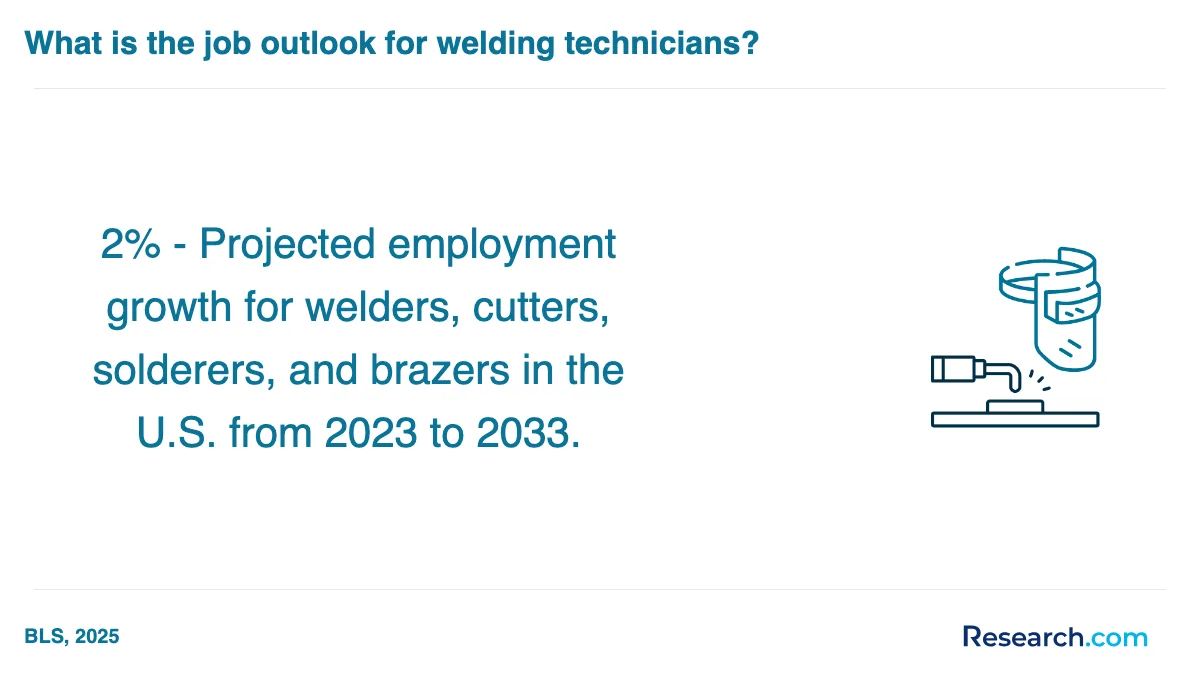
The local demand often exceeds the national welder job growth rate of 2% (2018-2028), reflecting Phoenix's strong regional development. Graduates with specialized skills or union membership experience further wage boosts. To explore more about high paying trade school jobs, including welding, consulting reputable career sources can enhance decision-making.
Best Welding Training Programs & Trade Schools - Top Welding Schools in Phoenix for 2026
# 1 position
Refrigeration School Inc - Welding Technology/Welder.
certificate or diplomaThe Welding Technology/Welder program at Refrigeration School Inc offers a hybrid format with some distance-education options. It prepares students to apply technical skills in various welding methods, including arc welding, resistance welding, and high-energy beam welding. Instruction covers welding metallurgy, structural design, safety, and relevant codes. Graduates have median earnings of $35,808 one year after completion. The program is accredited by the Accrediting Commission of Career Schools and Colleges.
# 2 position
GateWay Community College-Central City - Welding Technology/Welder.
certificate or diplomaThe Welding Technology/Welder program at GateWay Community College-Central City offers hybrid instruction combining in-person and distance learning. It prepares students with technical skills in various welding methods, including arc welding, brazing, and high-energy beam welding. The curriculum covers materials, welding metallurgy, safety, and industry codes. Graduates earn a median income of $25,087 one year after completion. The program is accredited by the Higher Learning Commission.
Frequently Asked Questions about welder
After completing a welder trade school in Phoenix, preparing for the job market involves several key steps. First, obtaining industry-recognized certifications, such as those from the American Welding Society (AWS), significantly boosts employability. Employers in Phoenix often prioritize candidates with these credentials. Networking is also important; joining local trade unions or professional groups can provide job leads and mentorship.
Additionally, developing a strong resume highlighting hands-on training and any specialized welding techniques learned is essential. According to the U.S. Bureau of Labor Statistics, the demand for welders in Arizona is projected to grow by 5% through 2031, indicating a stable job market.
Internships or apprenticeships offered by local companies provide valuable real-world experience and can often lead to full-time positions.
Employers in Phoenix seek welder trade school graduates with strong technical skills, including proficiency in various welding techniques such as MIG, TIG, and stick welding. According to the U.S. Bureau of Labor Statistics, practical experience with welding equipment and safety standards is crucial for job readiness. Additionally, attention to detail and the ability to read blueprints accurately are highly valued, as these skills impact the quality and precision of welds.
Effective communication and teamwork are also important, as welders often collaborate on construction or manufacturing projects. Local industry reports emphasize that graduates who demonstrate problem-solving abilities and adaptability perform better in Phoenix's evolving job market.
Finding internships relevant to welder trade school programs in Phoenix involves several practical steps. Start by contacting your trade school's career services, as many schools maintain partnerships with local businesses for internship placements. Companies in Phoenix's manufacturing and construction sectors often offer hands-on opportunities for welding students.
The Arizona Office of Economic Opportunity reports steady growth in welding jobs, increasing demand for skilled interns. Utilize local job boards like Arizona@Work and trade-specific platforms to find openings. Networking through industry events and local unions can also lead to valuable internship prospects.
Applying early and preparing a solid resume highlighting welding certifications improves chances of securing an internship in this competitive field.
Obtaining a welder trade school diploma in Phoenix significantly enhances career mobility and advancement opportunities. According to the U.S. Bureau of Labor Statistics, welders in Arizona earn a median annual wage of approximately $44,000, with certified welders often earning more. Trade schools provide essential hands-on training that meets industry standards, making graduates more competitive in local job markets.
Employers in Phoenix value diplomas as proof of skill proficiency, often leading to faster promotions and access to specialized welding roles. Additionally, many trade schools offer job placement assistance that connects students with local manufacturers and construction firms, facilitating smoother transitions into the workforce.
Certification and diplomas also enable welders to qualify for higher-paying positions or supervisory roles, which are critical for long-term career growth in Phoenix's expanding industrial sectors. Data from the Arizona Commerce Authority highlights a steady demand for skilled welders, indicating positive prospects for diploma holders seeking upward mobility.
Students attending welder trade schools in Phoenix can benefit from part-time jobs that provide hands-on experience. Common opportunities include working as welding assistants or helpers in local fabrication shops, where practical skills complement classroom learning. According to the U.S. Bureau of Labor Statistics, Phoenix has a growing demand for welders, with a 7% projected employment increase through 2030 in the region.
Other relevant roles include machine operators or metal assemblers in manufacturing facilities, which often offer flexible hours suitable for students. These positions help develop familiarity with welding equipment and safety protocols. Additionally, construction laborer jobs can expose students to welding applications on-site, enhancing real-world understanding while earning income.
To find the best welder degree program near you, consider searching for community colleges, technical institutions, and trade schools that offer welding courses or certifications. When looking for programs near Phoenix, AZ, take into account attributes like curriculum quality, instructor experience, and facilities by visiting the campuses or contacting admissions offices. Additionally, utilizing resources such as Research.com can help you evaluate and compare different welding programs to find one that suits your location and professional goals.
- Best Welding Training Programs & Trade Schools - Top Welding Schools in Long Beach for 2026
- Best Welding Training Programs & Trade Schools - Top Welding Schools in Midland for 2026
- Best Welding Training Programs & Trade Schools - Top Welding Schools in Santa Rosa for 2026
- Best Welding Training Programs & Trade Schools - Top Welding Schools in Salina for 2026
- Best Welding Training Programs & Trade Schools - Top Welding Schools in Pasco for 2026
- Best Welding Training Programs & Trade Schools - Top Welding Schools in Kansas City for 2026
- Welding School in Phoenix | Vocational Training Institute https://myvocationaltrainingaz.com/welding-training/
- Welding Training | Arizona Combination Welding Trade Program https://www.aai.edu/programs/combination-welding/
- How to Become a Welder | UEI College https://www.uei.edu/guides/vocational-education/how-to-become-welder/
- How to Become a Welder in Arizona https://www.best-trade-schools.net/locations/arizona/welder-in-az/
- Professional Welding Training Certification | Tulsa Welding School https://www.tws.edu/programs/professional-welding-training/
- A Guide to Skilled Trades Apprenticeships and Internships | BestColleges https://www.bestcolleges.com/trades/guide-to-skilled-trades-apprenticeships-internships/
- How to Select an Accredited Welding Training Program - New Castle School of Trades https://www.ncstrades.edu/blog/what-to-look-for-in-a-trade-school-welding-program/
- Internship Training Guide - Welding Engineering Technology - School of Design and Manufacturing - College of Engineering Technology https://www.ferris.edu/CET/design-mfg/welding/internship/Training-Guide.htm
- How to Get a Welding Apprenticeship https://tallo.com/careers/apprenticeships/how-to-get-welding-apprenticeship/
- High School Student Welding Internship Program | Yes To Youth https://yestoyouth.com/high-school-student-welding-internship-program/