
Best Welding Training Programs & Trade Schools - Top Welding Schools in Muskegon for 2026

Co-Founder and Chief Data Scientist
Choosing the right welder trade school in Muskegon can shape your future career and open doors to rewarding opportunities. This article presents a welder trade school programs ranking created by the Research.com team of data scientists to help you make an informed and confident decision.
By exploring these top programs, you’ll discover valuable options that fit your goals and learning style. Earning a diploma or certification in welding can boost your skills, increase job prospects, and provide a strong foundation for a successful career.
Read on to find the best schools worth considering in 2026 and take a positive step toward your future.
Key benefits of finishing welder trade school in Muskegon
- Graduates from welder trade schools in Muskegon can expect an average hourly wage around $21.31, leading to an annual salary of about $44,300, which is a strong start in a growing local industry.
- A typical graduate from a popular Muskegon trade school can pursue diverse welding careers, such as certified welder, MIG specialist, or combination welder, offering flexibility and steady job opportunities.
- Completing welding training online provides convenience and affordability, allowing students to balance work and study while gaining skills that match traditional programs, as shown by successful online graduates from Muskegon schools.
- Best Welding Training Programs & Trade Schools - Top Welding Schools in Muskegon for 2026
- What can I expect from welder trade schools in Muskegon?
- Where can I work after finishing welder trade schools in Muskegon?
What can I expect from welder trade schools in Muskegon?
Students enrolling in a welder trade school program in Muskegon can expect a hands-on, practical learning experience that prepares them for entry-level welding jobs. Programs, such as those at the Muskegon Area Career Tech Center, combine classroom instruction with real-world practice in fully equipped welding labs. Graduates often recall mastering key welding techniques like MIG, TIG, Stick, and Flux-Core welding, along with essential skills like blueprint reading and safety protocols.
The curriculum typically includes training on industry-standard tools and welding inspection, ensuring students build confidence in both skill and workplace safety. Evening and part-time options make it possible for many to balance school with other commitments, while shorter courses provide quick skill refreshers. Many local programs offer pathways to certificates or associate degrees, with some credits transferable to Muskegon Community College, enhancing academic flexibility.
Students often appreciate the strong job placement support and connections with local employers, which help them transition smoothly into the workforce. Financial aid availability and a focus on practical math skills further boost accessibility and success for aspiring welders in Muskegon.
Where can I work after finishing welder trade schools in Muskegon?
After completing a welder trade school program in Muskegon, graduates find a variety of rewarding career paths immediately available. Many enter manufacturing plants, working on automotive or industrial equipment, where hands-on skills learned in local schools translate directly to daily tasks. Others join construction companies, applying welding techniques to structural steel projects, often experiencing the satisfaction of seeing their work support large-scale builds.
Metal fabrication shops in Muskegon also hire trade school graduates, valuing their ability to handle custom projects and repairs with precision. Maintenance departments in factories or large facilities frequently seek newly trained welders to ensure smooth operations, offering stable, full-time employment.
Graduates from popular Muskegon trade schools report positive experiences securing entry-level roles such as MIG welder or fabricator, with some advancing to specialized positions like Gas Tungsten Arc welding. Employers appreciate their up-to-date training and certifications, often offering flexible shifts to match personal schedules, making the transition from student to professional both accessible and fulfilling.
Graduates of welder trade school programs in Muskegon can expect to earn competitive wages that reflect both their training and the local job market. Many who complete popular programs here report starting hourly wages between $18.86 and $21.31, with certified welders often seeing the higher end of this scale. For instance, those specializing in MIG welding commonly earn around $20.10 per hour, a rate supported by recent local job postings.
Experienced welders who build on their skills after graduation can see their pay rise significantly-some earn up to $41.04 per hour in specialized roles. This growth is typical for those who continue gaining certifications or move into industries like manufacturing and fabrication in Muskegon.
Annual salaries generally range between $38,078 and $62,118, which aligns well with state averages. Many graduates from well-known local trade schools share stories of securing stable jobs offering overtime and benefits, further boosting their income and job satisfaction.
- Program options in Muskegon include certificate courses, associate degrees, and short-term training for both high school students and adults.
- Most programs require a high school diploma or GED and emphasize basic math skills like algebra and geometry for admission.
- Tuition ranges from about $135 to $354 per credit at community colleges, with certificate programs costing between $2,137 and $3,102.
- Starting wages for welders in Muskegon typically range from $18 to $22 per hour, with a median annual wage around $47,000 in Michigan.
- Many programs offer financial aid and have strong connections with local employers to support job placement and career growth.
Completing a welder trade school program in Muskegon typically takes between six months and one year, depending on the intensity and structure of the course. Many local trade schools offer accelerated programs that allow students to gain hands-on welding skills quickly, often finishing in as little as six months. Graduates from these programs often describe the experience as both challenging and rewarding, emphasizing how the focused training helped them confidently enter the workforce faster than they expected.
Other schools provide part-time or extended options lasting up to a year, accommodating students who balance work or family commitments alongside their studies. Those who chose this path often highlight the supportive environment in Muskegon's trade schools, where instructors provide personalized guidance, making the learning process engaging and accessible.
For example, graduates frequently share stories of welding projects that mirror real-world scenarios, such as fabricating steel structures or pipe welding, which boost their confidence and job readiness. This practical approach ensures students not only complete the program efficiently but also feel prepared and excited about their welding careers in Muskegon's growing industrial job market.
In Muskegon, the key difference between online and on-campus welder trade school programs centers on how students gain hands-on experience. Graduates from popular local trade schools often highlight that on-campus programs immerse them in practical training, with about 80% of their time spent working directly with welding equipment in well-equipped labs under expert supervision. This direct access allows students to build confidence quickly by practicing real welding tasks and receiving immediate feedback, which many find motivating and essential for mastering complex techniques.
Conversely, online or hybrid programs offer greater schedule flexibility, letting students complete theory courses like safety and blueprint reading from home. However, these programs still require students to attend in-person sessions for hands-on labs or assessments, often arranged at designated facilities near Muskegon. Graduates appreciate the convenience but emphasize that self-discipline is crucial to balance remote learning with mandatory practical hours. The hybrid approach suits those juggling work or family commitments while still aiming to meet industry certification standards that demand proven welding skills.
When exploring the average cost of welder trade school in Muskegon, prospective students often look to Muskegon Community College (MCC) for its comprehensive Welding Technology program. While MCC does not publicly list specific tuition fees, graduates commonly note that costs include not only tuition but also materials and lab fees. This can make budgeting crucial for those aiming to complete the Associate in Applied Science degree efficiently. Students appreciate MCC's range of financial aid options, which helps ease the initial financial commitment.
Graduates from Muskegon's welding programs frequently compare their experiences with peers at other Michigan institutions to highlight the relative affordability. For instance, Washtenaw Community College charges in-state tuition fees around $2,640, while Oakland Community College offers rates near $2,900 for in-state students. These numbers provide helpful context for those considering the tuition fees for welding programs in Muskegon Michigan, as trade schools here tend to align with similar competitive pricing.
Many who have completed their welding education describe the investment as worthwhile, noting that skilled trade jobs offer steady income and rewarding career paths. To better understand the financial and career benefits, it's valuable to explore resources on how to be a welder, which connects training costs with long-term earning potential and job prospects in the welding field.

Welder trade school students in Muskegon have access to multiple financial aid options that ease the cost of training. Graduates from Muskegon Community College often share how completing the FAFSA early helped them secure Pell Grants and federal student loans, providing a clear path to funding their education without overwhelming debt. These federal grants and loans, combined with work-study programs, give students flexible ways to manage expenses while gaining hands-on experience on campus.
The Muskegon Area Promise Scholarship is a standout resource for local students, covering tuition and fees at MCC and Baker College of Muskegon when eligibility criteria are met. Many welders recall the relief of this scholarship, which requires maintaining a GPA and FAFSA completion, making it easier to focus on skill-building rather than finances.
Private scholarships also play a key role, with programs like the Horatio Alger National Career & Technical Scholarship offering up to $2,500. These funds often mean the difference between postponing training and starting a welding career with confidence.
On-site financial aid advisors at Muskegon trade schools guide students through these opportunities, turning what can feel like a daunting process into a manageable, hopeful step toward a rewarding career.
Enrolling in a welder trade school program in Muskegon typically requires applicants to meet several key prerequisites that ensure readiness and safety for hands-on training. Most schools ask for a high school diploma or GED as a foundational requirement. This baseline education helps students grasp essential math and reading skills crucial for interpreting welding blueprints and safety protocols.
Applicants often must demonstrate basic physical fitness since welding demands stamina and good hand-eye coordination. For example, graduates from popular Muskegon trade schools recall initial physical assessments that prepared them for the rigors of welding practice.
Several programs also require applicants to pass a placement test or complete a basic skills assessment. This ensures students can keep pace with technical instruction and practical exercises without feeling overwhelmed.
Additional prerequisites may include:
- Proof of legal residency or citizenship
- Completion of a safety orientation or introductory workshop
- Basic understanding of tools and machinery
Students often describe their early days at Muskegon trade schools as empowering, where meeting these prerequisites made them feel confident and prepared to start their welding careers.

Welder trade school programs in Muskegon typically include a structured combination of essential courses that prepare students for real-world welding careers. Graduates from popular Muskegon trade schools often highlight the balance between theory and hands-on practice, which builds confidence and skill.
Core courses commonly offered include:
- Gas Metal Arc Welding (MIG), Gas Tungsten Arc Welding (TIG), Shielded Metal Arc Welding (Stick/SMAW), and Flux-Cored Arc Welding, each providing practical experience with widely used welding techniques.
- Introductory classes like "Welding I" focus on gas, arc, and oxyacetylene cutting processes, often involving around 44 hours of lab training where students actively weld and cut metal.
- Welding Shop Safety and Occupational Health, emphasizing personal protective equipment and OSHA standards to ensure a safe work environment.
- Blueprint reading and welding symbols interpretation, teaching students how to accurately understand and apply technical drawings in fabrication tasks.
- Equipment maintenance and use of measuring tools, crucial for producing quality welds and maintaining safety.
Many programs also incorporate advanced topics such as plasma and thermal cutting, pipe welding, fabrication, and robotic welding, reflecting Muskegon employers' evolving demands. Students appreciate the opportunity to gain articulated college credit, enabling a smooth transition to associate degrees at institutions like Muskegon Community College. This comprehensive curriculum equips graduates to confidently enter diverse welding roles across industries.
Welding technology specializations in Muskegon trade schools typically include core processes such as Gas Metal Arc Welding (MIG), Gas Tungsten Arc Welding (TIG), Shielded Metal Arc Welding (Stick), and Flux-Cored Arc Welding. Graduates from local programs often highlight hands-on training in these techniques, which prepare them effectively for roles in manufacturing and construction. Many students appreciate that these Muskegon welder training program options also extend beyond basic welding to plasma and thermal cutting, essential skills for fabricating complex metal parts.
Popular trade schools frequently offer targeted pathways in specialized fields, including:
- Pipe fitting for heavy industry
- Sheet metal work for precision projects
- Iron working related to structural welding
- Millwrighting and underwater welding for niche career paths
Evening courses cater to adult learners wishing to refine safety and tool usage skills or pivot into new specialties. Short-term introductory programs focus on beginner skills, which provide a strong foundation appreciated by graduates entering the workforce confidently. Many programs in Muskegon also facilitate articulated college credit, enabling students to pursue associate degrees or advanced certificates. For individuals exploring flexible learning, some consider diploma programs online to complement in-person training and expand their expertise.
Choosing the best welder trade schools in Muskegon involves evaluating programs that offer strong accreditation and hands-on training. Graduates from Muskegon Community College often highlight the value of its American Welding Society (AWS) accreditation, which ensures the curriculum meets industry standards. This accreditation provides students with confidence in their skillset when entering the workforce.
When choosing a welder trade school in Muskegon, it is essential to consider the curriculum's depth. Look for programs that cover essential welding techniques such as SMAW, GMAW, FCAW, and GTAW, as seen at Muskegon Community College. Students benefit from experienced instructors who bring real-world insights, greatly enhancing the learning environment and mentoring process.
Flexibility and financial considerations are also important. Many students appreciate programs offering part-time or accelerated options to balance work and study. Investigate costs carefully and explore financial aid options. For additional savings, consider low cost online maintenance technician trade programs that may complement your welding education path.
Job placement support is another key factor. Graduates from local schools often report positive experiences with career services that connect them to employers, helping smooth the transition into secure welding positions.
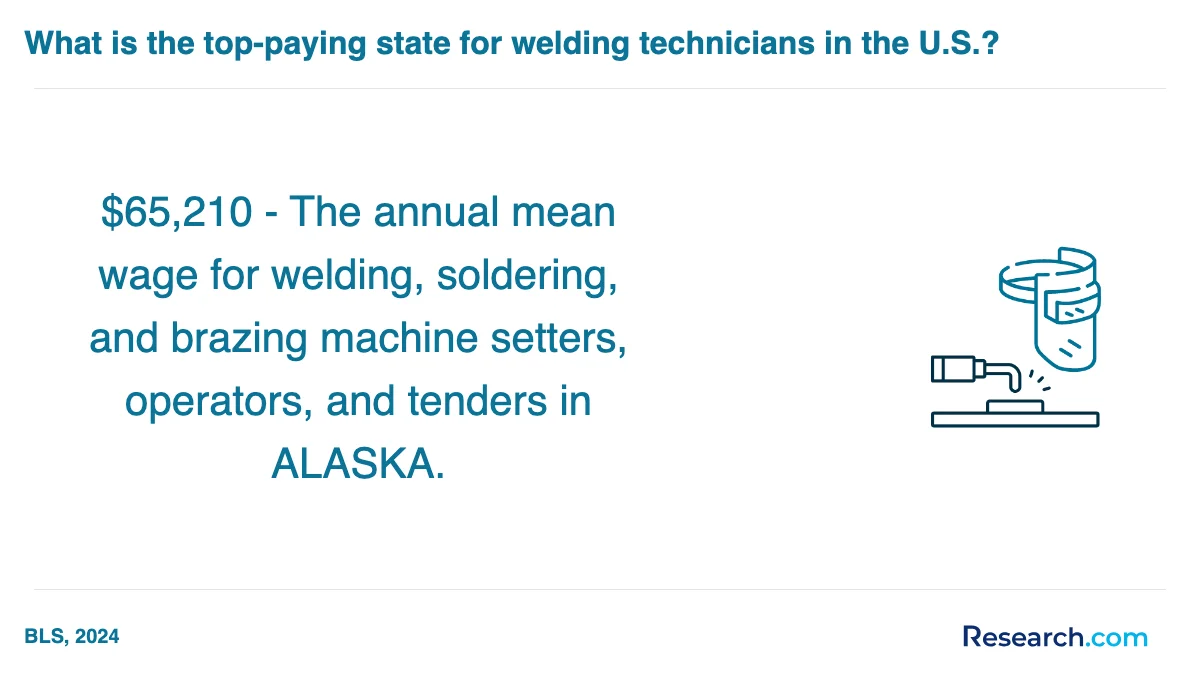
Welder trade school graduates in Muskegon find diverse and rewarding career paths available locally and beyond. Many graduates from Muskegon Community College and similar programs quickly secure roles such as fabricator/welder, MIG welder, or maintenance technician at manufacturing plants and construction sites. These positions benefit from in-demand technical skills and certifications gained from accredited Muskegon programs.
Some graduates advance into specialized areas like pipe welding or structural welding, often working with materials like stainless steel or aluminum. Others use their experience to become welding inspectors or instructors at local trade schools, sharing their passion and expertise. The strong local market includes opportunities in mechanical contracting and production facilities, where over 100 welding-related jobs are currently open.
Real-life experiences from Muskegon trade school alumni highlight the daily satisfaction of hands-on work combined with steady pay that ranges from $17.75 to $23.25 per hour. Career advancement also opens doors to supervisory roles or niche specialties such as underwater welding.
Considering the extensive options and current growth, those in Muskegon interested in welding careers benefit from exploring the latest trades that are in demand, helping align training with strong job market needs.
The job market for welder trade school graduates in Muskegon offers strong and consistent opportunities. Currently, there are over 100 welding job openings in Muskegon MI, reflecting healthy demand across various industries including manufacturing, construction, and shipbuilding. Graduates from popular local trade schools find themselves in a vibrant employment environment, often landing roles as MIG welders, maintenance technicians, and entry-level welders within months of completing their training.
Welders enjoy competitive compensation, with an average salary around $43,472 annually. Entry-level hourly wages typically range from $16 to $24, providing new graduates with promising earning potential. Local employers such as Hackman Capital Partners and 1894 & Co. frequently seek skilled welders, illustrating the region's ongoing need for qualified tradespeople.
Graduates appreciate this market because it offers:
- Continuous job postings throughout the year
- Multiple employers with diverse industry exposure
- Strong potential for career advancement with experience and certifications
Those weighing their educational paths can learn more about trade vs vocational programs, helping them make the best decision before entering this favorable job market. These factors contribute to a reliable future for those entering the welding field in Muskegon, where welder salary and demand in Muskegon ensure rewarding career prospects.
Best Welding Training Programs & Trade Schools - Top Welding Schools in Muskegon for 2026
# 1 position
Muskegon Community College - Welding Technology/Welder.
associateMuskegon Community College offers a Welding Technology/Welder program with a hybrid format that includes some distance-education options. The program prepares students to apply technical skills in various welding methods such as arc welding, resistance welding, and high-energy beam welding. It covers welding metallurgy, safety, and applicable codes. Annual in-state tuition is $6,990. The program is accredited by the Higher Learning Commission.
# 2 position
Muskegon Community College - Welding Technology/Welder.
certificate or diplomaMuskegon Community College offers a Welding Technology/Welder program with a hybrid format that includes some distance education. The program prepares students to apply technical skills in various welding methods such as arc welding, resistance welding, brazing, soldering, and high-energy beam welding. Instruction covers welding metallurgy, safety, structural design, and relevant codes and standards. The annual in-state tuition is $6,990. The program is accredited by the Higher Learning Commission.
Frequently Asked Questions about welder
After completing a welder trade school in Muskegon, preparing for the job market involves several key steps. First, obtaining industry-recognized certifications such as those from the American Welding Society (AWS) can significantly improve employment prospects. Muskegon's manufacturing sector, including shipbuilding and automotive industries, often requires these credentials.
Networking is also essential. Attending local job fairs and connecting with employers through school partnerships can lead to job opportunities. According to Michigan's Bureau of Labor Market Information, welding jobs in the Muskegon area are projected to grow by 5% through 2028, reflecting steady demand.
Additionally, building a strong resume highlighting hands-on skills gained during training is crucial. Many employers value practical experience alongside formal education.
Employers in Muskegon seek welder trade school graduates with strong technical skills, including proficiency in various welding techniques such as MIG, TIG, and stick welding. According to the U.S. Bureau of Labor Statistics, welders in Michigan must often demonstrate precision and the ability to read blueprints accurately. Practical experience with welding equipment and safety protocols is highly valued to reduce workplace accidents.
Additionally, good hand-eye coordination and physical stamina are important, as welding can be physically demanding. Communication skills and teamwork are also essential, especially in industrial settings common in Muskegon, like manufacturing and shipbuilding. Industry reports emphasize that certified welders typically have higher job placement rates locally.
Finding internships related to welder trade school programs in Muskegon involves connecting with local employers and educational institutions. Start by contacting Muskegon-area trade schools, such as Muskegon Community College, which often have partnerships with regional manufacturers and fabrication shops offering internships. These opportunities provide hands-on welding experience essential for skill development.
Additionally, explore listings on Michigan's Talent Connect website, the state's official job and internship portal, which regularly features openings in skilled trades including welding. According to Michigan's Department of Labor, manufacturing and construction sectors in Muskegon have shown steady growth, increasing internship availability.
Networking through local unions and trade associations like the International Brotherhood of Boilermakers can also lead to internships. Finally, attending career fairs in Muskegon focused on skilled trades can connect students directly with employers seeking welding interns.
Obtaining a welder trade school diploma in Muskegon significantly enhances career mobility and advancement opportunities. The diploma demonstrates practical skills and knowledge, which local employers in manufacturing and construction highly value. According to the U.S. Bureau of Labor Statistics, welders in Michigan earn a median annual wage of approximately $47,000, with increased earnings potential for those holding formal credentials.
Trade school graduates often find faster job placement compared to those without formal training. The Muskegon workforce development reports a steady demand for certified welders, driven by regional industrial growth.
Additionally, a diploma can be a stepping stone to advanced certifications, leading to supervisory roles or specialized welding techniques, further boosting career prospects.
Part-time job opportunities in Muskegon that complement welder trade school education often include positions such as welding assistant, metal fabricator helper, or general laborer in manufacturing facilities. These roles provide hands-on experience with tools and materials common in welding trades.
According to the U.S. Bureau of Labor Statistics, Muskegon's manufacturing sector employs a significant number of welders, reflecting steady local demand. Gaining part-time experience in these environments helps students build practical skills while attending school.
Additionally, local construction companies sometimes offer entry-level roles that expose students to welding-related tasks, fostering valuable industry connections.
Yes, there are welding degree programs available near Muskegon, MI, offered by community colleges and trade schools. These programs typically include courses in welding technology, safety practices, and material science, equipping students with hands-on experience and theoretical knowledge. To find the best program "near me," prospective students can explore resources like Research.com to compare the offerings of different institutions.
- Welding training - Warsaw, Kraków, Wrocław, Łódź, Poznań https://kurso.eu/en/training-and-courses/welding-courses/welding/
- Welding Trade School | Summit College https://summitcollege.edu/programs/trade-technical/welding/
- Welding | ontariocolleges.ca https://www.ontariocolleges.ca/en/programs/professions-and-trades/welding
- Welder https://www.sait.ca/apprenticeships-and-trades/programs/welder
- Welding Technology | Clover Park Technical College https://www.cptc.edu/programs/welding
- Best Welding Schools - Elite Welding Academy https://eliteweldingacademy.com/
- Welding Trade Schools: Ignite Your Future With Hands-On Training https://www.trade-schools.net/trades/welding
- Welder Cover Letter Examples - Templates & Writing Tips https://www.resume-now.com/cover-letter/examples/metal-work/welder
- Sample Student Cover Letter – Welding – Technical Writing for Technicians https://openoregon.pressbooks.pub/ctetechwriting/chapter/sample-student-cover-letter-for-welding-week-9/
- 8+ Welder Cover Letter Examples & Templates https://www.jobhero.com/cover-letter/examples/metal-work/welder


