Best Welding Training Programs & Trade Schools - Top Welding Schools in Nevada for 2026

Co-Founder and Chief Data Scientist
Choosing the right welder trade school in Nevada can shape your future career and open doors to rewarding job opportunities. This article presents a welder trade school programs ranking created by the Research.com team of data scientists to help you make an informed decision about which programs truly stand out.
By exploring these top programs, you’ll gain insight into the best options for earning a diploma or certification. Whether you’re starting fresh or advancing your skills, this guide supports your journey toward a fulfilling trade career.
Key benefits of finishing welder trade school in Nevada
- Graduates from welder trade schools in Nevada can expect starting salaries around $47,154 per year, with the potential to earn over $63,000 annually as experience grows.
- A popular Nevada trade school graduate shared how their welding skills opened doors to careers in construction, manufacturing, and specialized welding projects, offering diverse job opportunities.
- Completing a welder trade school online allowed another graduate to balance work and study, gaining hands-on skills faster and entering the workforce without the time and cost of a traditional degree.
- Best Welding Training Programs & Trade Schools - Top Welding Schools in Nevada for 2026
- What can I expect from welder trade schools in Nevada?
- Where can I work after finishing welder trade schools in Nevada?
What can I expect from welder trade schools in Nevada?
Students enrolling in welder trade school programs in Nevada can expect a balanced mix of hands-on training and classroom instruction tailored to prepare them for entry-level welding careers. For example, graduates from Western Nevada College often describe spending extensive hours in welding labs mastering techniques like Shielded Metal Arc Welding (SMAW) and Gas Metal Arc Welding (GMAW), alongside learning to read blueprints and understand welding theory. This combination builds confidence in both practical skills and technical knowledge.
Many find the emphasis on safety and environmental awareness particularly valuable, as these are critical in real-world welding jobs. Schools such as the Welding School of Nevada offer accelerated programs-like a 200-hour course over 10 weeks-that challenge students but provide a fast track to industry certification, which graduates appreciate for its intensity and focus.
Students should also anticipate coursework covering industry standards from organizations like the American Welding Society (AWS) and American Petroleum Institute, which helps them prepare for certification exams. Graduates often mention that while the physical demands are real, the structured environment and career services offered make the journey rewarding and directly relevant to Nevada's manufacturing and construction sectors.
Where can I work after finishing welder trade schools in Nevada?
After completing a welder trade school program in Nevada, graduates often find themselves with diverse employment opportunities. Many start in manufacturing plants or fabrication shops, welding metal parts and assembling equipment. Others become field welders, working on construction sites building bridges or pipelines, especially around urban centers like Las Vegas. Some graduates recall feeling accomplished when securing roles in mining operations, repairing heavy machinery essential to Nevada's economy.
Trade schools in Nevada prepare students for roles in industries ranging from construction and mining to maintenance and government public works. For example, graduates frequently share how hands-on training with MIG and TIG welding techniques helped them confidently apply for positions requiring those skills. The ability to weld on-site or in workshops broadens career pathways, allowing new welders to choose environments that suit their preferences.
Wages typically range from $19 to $40 per hour, reflecting experience and specialization. Many graduates appreciate that some employers support further certifications, which can lead to advanced roles and pay increases, adding a motivating factor to the career journey.
After finishing a welder trade school program in Nevada, graduates often see starting wages between $22 and $27 per hour, reflecting entry-level positions in cities like Henderson and North Las Vegas. Many graduates from popular Nevada trade schools share how their early paychecks felt rewarding, especially when starting near the $22 mark but quickly rising with gained skills.
More experienced welders in Nevada can expect to earn up to $31 per hour or even higher depending on specialization and location. For instance, structural welders in Tonopah report annual salaries around $70,787, which is significantly above the state average. This demonstrates how local demand and expertise can boost earnings considerably.
Annual salaries vary widely, with averages around $57,357, but many graduates appreciate that with additional certifications or experience, salaries can climb close to $73,000. The competitive job market encourages continuous learning, something many Nevada-trained welders embrace enthusiastically to increase their value and income.
- A high school diploma or GED is required, and applicants must be at least 17 or 18 years old with valid ID and a social security card.
- Programs combine hands-on welding training with classroom instruction on techniques, safety, and blueprint reading.
- Certification exams from the American Welding Society (AWS) are commonly prepared for but not mandatory.
- Program lengths range from 10-week courses to two-semester certificates, costing between $5,000 and $15,000.
- The average starting salary for welders in Nevada is about $48,000 per year, with experienced welders earning up to $65,000 or more.
- Job prospects are strong due to ongoing construction and industrial projects, and many schools offer job placement services.
Completing a welder trade school program in Nevada typically takes between six months and one year, depending on the intensity and structure of the course. Many Nevada-based trade schools offer flexible options that accommodate both full-time and part-time students, allowing graduates to balance work and study effectively.
Graduates from popular Nevada trade schools often share that the six-month accelerated programs felt immersive yet manageable, providing hands-on welding practice alongside essential safety training. This approach helped them build confidence quickly, preparing them for real-world welding jobs without prolonged classroom time.
Other students who chose longer programs appreciated the additional time to master advanced welding techniques and certifications, which opened doors to specialized welding careers. For example, some trade schools in Nevada integrate live projects that simulate workplace challenges, making the learning experience highly practical and engaging.
This combination of flexible timelines and practical training makes welding programs in Nevada appealing for those eager to enter the workforce swiftly while gaining solid skills.
The primary difference between online and on-campus welder trade school programs in Nevada lies in the balance of hands-on training versus virtual learning. Graduates from Western Nevada College often recall spending hours in physical workshops, welding metal pieces, and receiving direct feedback from instructors-experiences they describe as invaluable for building confidence and real-world skills. In contrast, students enrolled in Nevada State University's online welding courses appreciate the flexibility of virtual labs that simulate welding tasks and safety protocols, allowing them to learn theory and practice basic skills on their own schedule.
However, many online students note the challenge of lacking true hands-on practice, which they found essential for mastering welding techniques. Those who took hybrid courses recognized the benefit of combining online theory with on-campus labs, giving them both convenience and tactile experience. For Nevada learners, this difference often shapes not only their daily routine but also their preparedness for certification and employment in the welding industry.
The average tuition for welding programs in Nevada reflects a clear divide between in-state and out-of-state students. For residents, the cost typically ranges from $3,000 to $4,000 annually at public colleges, making trade school a financially accessible option for many aspiring welders. Graduates from institutions like Truckee Meadows Community College in Reno often describe their experience as a rewarding investment that led directly to promising job opportunities and skill development within their communities.
Out-of-state students, however, face significantly higher fees, with costs ranging from $10,000 to $13,000 per year at colleges such as Great Basin College in Elko or Western Nevada College in Carson City. These figures represent the average tuition for welding programs in Nevada but exclude extra expenses. Fees for equipment, books, and supplies can add substantially to the overall cost, which is an important consideration for anyone budgeting their education. Many graduates emphasize how hands-on learning and practical certifications balance out these expenses by improving their employability and career potential.
Understanding the total cost of welding certification in Nevada also entails exploring affordable and flexible options. For students interested in lowering costs while still acquiring essential skills, programs like cheap maintenance technician training online can complement traditional schooling or provide alternative pathways, especially for those balancing work and study. Realistic budgeting for trade school is crucial, and direct contact with schools can provide the most accurate and up-to-date financial information.

Welder trade school students in Nevada benefit from a variety of financial aid options that can significantly reduce the cost of education. Many graduates from Western Nevada College share how applying for the American Welding Society (AWS) Foundation scholarships made a tangible difference in their ability to afford tuition and certification fees. These scholarships, ranging from $1,000 to $5,000 or more, are awarded through national and district programs, with District 21 offering at least 25 scholarships of $1,000 each annually for short-term certificate programs.
Beyond AWS, students attending the Welding School of Nevada often find support through grants from organizations like Employ NV and the Mike Rowe Works Foundation. One graduate described how accessing Employ NV's One Stop Career Hub helped cover both tuition and necessary materials, easing financial stress during training.
Federal and state aid, accessed via FAFSA, also plays a critical role, especially for those enrolled in accredited community colleges. These aid programs, including Pell Grants and work-study opportunities, help students focus on skill-building without overwhelming debt.
Enrolling in a welder trade school program in Nevada typically requires meeting several practical prerequisites that ensure students are prepared for the hands-on and technical nature of the training. Most trade schools emphasize a foundational level of education, often asking for a high school diploma or GED. This baseline requirement reflects the need for students to grasp essential math and reading skills used in welding calculations and blueprint reading.
Graduates from Nevada's well-known trade schools often mention how a basic understanding of algebra helped them confidently handle measurements and angles, which are crucial in welding.
Other common prerequisites include:
- Being at least 18 years old to comply with safety regulations and legal working age.
- Passing a basic welding aptitude test or physical assessment to demonstrate manual dexterity and stamina.
- Providing proof of immunizations or health screenings, especially for programs involving intense physical activity or exposure to hazardous materials.
Students share that meeting these prerequisites made their transition into rigorous welding labs smoother and boosted their confidence, knowing they were ready to tackle real-world welding challenges in Nevada's competitive job market.
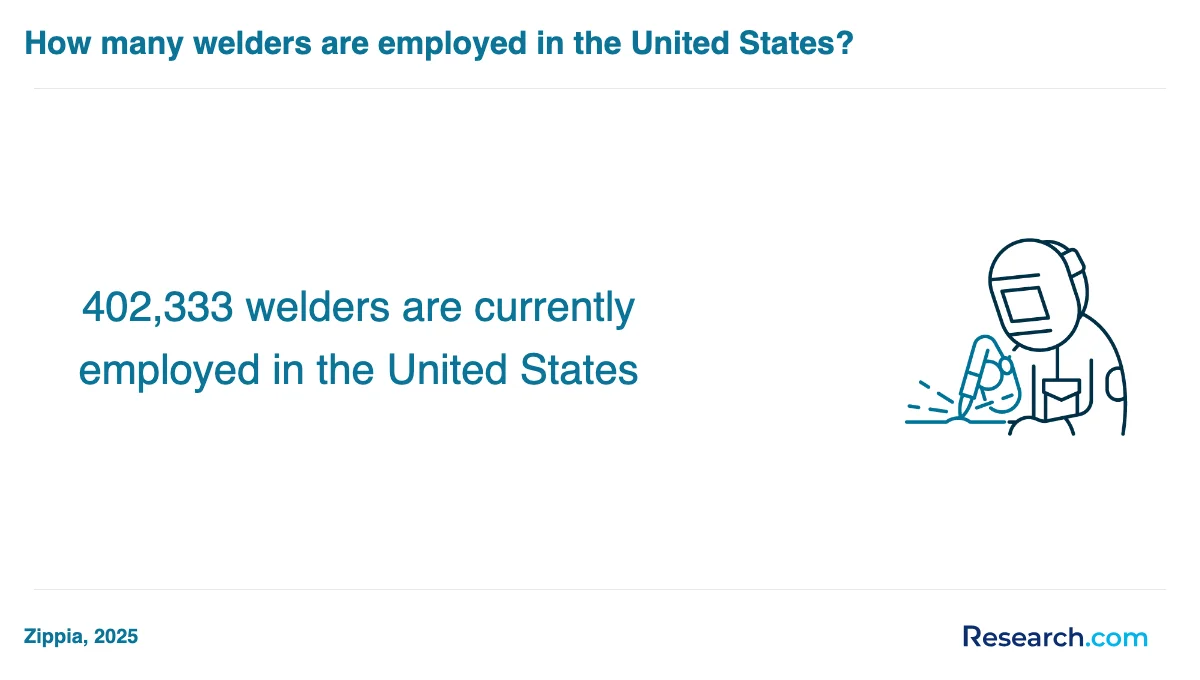
Welder trade school programs in Nevada typically include a combination of foundational and advanced courses tailored to prepare students for real-world welding careers. Graduates from well-known Nevada schools often describe their early weeks immersed in Welding I and II, where they learn essential skills like striking and maintaining the arc, adjusting equipment, and mastering processes such as Shielded Metal Arc Welding (SMAW) and Gas Metal Arc Welding (GMAW). This hands-on training is paired with important safety procedures, ensuring students feel confident working in industrial settings.
Many programs emphasize blueprint reading for industry, teaching students how to interpret technical drawings-an invaluable skill when fabricating complex structures or piping systems. Courses in math and communication are also common, helping students perform precise measurements and collaborate effectively on job sites.
Advanced coursework or electives often cover specialized techniques like plasma arc cutting and pipe welding. Some Nevada schools, following the AWS SENSE curriculum, offer intensive 200-hour programs over 10 weeks, culminating in certifications recognized by employers.
- Fundamental welding techniques and safety
- Blueprint reading and technical interpretation
- Math and communication skills for industry
- Advanced welding processes and certification prep
Graduates frequently mention how internships and on-the-job training integrated within these programs provide invaluable real-world experience, boosting their confidence and employability in Nevada's competitive job market.
Students enrolling in Nevada welder trade school programs often find a variety of welding specializations offered in Nevada trade schools, reflecting the diverse demands of local industries. For instance, graduates from Western Nevada College frequently praise their hands-on training in core methods like shielded metal arc welding (SMAW) and gas tungsten arc welding (GTAW), which build a strong foundation for many career paths. This focus ensures they master essential techniques used daily in construction and manufacturing across Nevada.
Moreover, many programs emphasize Nevada welder certification programs and courses that prepare students for key industry credentials. At institutions like the College of Southern Nevada, students benefit from instruction aligned with American Welding Society (AWS) standards, helping them confidently pursue code certifications sought by employers. The modular learning approach at places such as the Las Vegas Institute of Welding allows learners to target specific skills, like pipe welding or blueprint reading, fitting varied career ambitions.
- Major welding processes (SMAW, GMAW, GTAW, FCAW)
- Code certification preparation (AWS, API, ASME)
- Pipe welding and cutting
- Blueprint reading and metal identification
- Welding safety and workplace practices
- Metal fabrication techniques
Those wondering is it better to go to a trade school or a vocational school benefit from comparing Nevada's welder trade schools that skillfully balance practical experience with certification readiness, helping graduates enter the workforce with confidence and specialization suited to Nevada's dynamic job market.
When choosing the best welder trade school program in Nevada, prioritize accreditation to ensure your certification holds industry value. Graduates from recognized programs, such as the College of Southern Nevada, frequently praise the comprehensive curriculum and hands-on training that mirror real work environments. Many appreciate how the program's flexibility allows balancing studies with other life commitments, especially when part-time options are available.
Look for programs that provide access to well-equipped facilities as practical experience is essential. For example, alumni of Western Nevada College highlight how the up-to-date equipment prepared them for certification exams and real job conditions. Also, consider schools with strong industry connections; graduates often find that job placement support significantly eases the transition into the workforce.
Opting for the top welder training schools in Nevada that are conveniently located can reduce daily stress and increase focus on learning. Investing time in research can also uncover programs offering access to financial aid, making it more affordable. Those aiming to enter trade school jobs that pay well benefit greatly from institutions that emphasize industry standards and practical readiness.

Welder trade school graduates in Nevada can explore a variety of welder job opportunities in Nevada that span several industries including manufacturing, construction, and mining. For many, starting roles as welders or fabricators involve hands-on tasks such as MIG, TIG, and stick welding, often working on projects related to infrastructure or automotive repair. Graduates from popular trade schools in Nevada commonly share that gaining proficiency in blueprint reading and equipment safety unlocks roles like pipefitter or structural welder.
With experience, progression to senior welder, supervisor, or quality control positions is typical, allowing graduates to lead teams and ensure weld safety on large-scale projects. Many find voluntary certifications, including the AWS credential, significantly boost their chances for higher wages and better roles.
- Entry-level jobs with plenty of overtime options and competitive benefits
- Career advancement into inspection, sales, and technical training roles
- Positions supporting Nevada's mining sector through heavy machinery maintenance
Those looking for flexible learning paths might consider most affordable online welding courses, complementing hands-on experience while expanding career possibilities. The diversity of welding careers in Las Vegas and Nevada makes this trade both robust and adaptable for newcomers and seasoned professionals alike.
The job market for welder trade school graduates in Nevada offers a mixed picture. While the average welder salary in Nevada is a competitive $30.33 per hour as of August 2025, wages can vary widely from $15.18 to $46.26 depending on experience and location. Graduates from popular trade schools in Nevada often share that securing entry-level positions paying around $22.67 per hour feels encouraging, especially given the state's steady industrial demand from mining, construction, and manufacturing sectors.
However, welding job demand in Nevada remains relatively modest, with job postings described as "not very active." This means graduates might face a tighter local market compared to other states, despite the increasing national need driven by retirements and industry growth. Many welders find success by leveraging their formal training and seeking opportunities in niche areas.
- Welders with specialized skills tend to find better pay and quicker advancement.
- Networking through local trade schools helps graduates connect with regional employers.
- Keeping up with certifications can open doors in advanced manufacturing.
Those exploring trade careers should consider the broader U.S. outlook, which highlights about 80,000 new welding roles opening annually. Graduates interested in expanding job prospects beyond Nevada may find insight by exploring resources on the easiest trades that pay well.
Best Welding Training Programs & Trade Schools - Top Welding Schools in Nevada for 2026
# 1 position
College of Southern Nevada - Welding Technology/Welder.
associateThe Welding Technology/Welder program at College of Southern Nevada offers a hybrid format with some distance-education options. It prepares students to apply technical skills in welding and cutting metal surfaces, covering arc welding, resistance welding, brazing, soldering, and more. The curriculum includes welding metallurgy, structural design, safety, and relevant codes. Annual in-state tuition is $4,110. The program is accredited by the Northwest Commission on Colleges and Universities.
# 2 position
Truckee Meadows Community College - Welding Technology/Welder.
associateTruckee Meadows Community College offers a Welding Technology/Welder program with a hybrid format, including some distance education. The program prepares students to apply technical skills in welding processes such as arc welding, resistance welding, brazing, soldering, and high-energy beam welding. It covers materials, metallurgy, structural design, safety, and relevant codes. The annual in-state tuition is $3,144. The program is accredited by the Northwest Commission on Colleges and Universities.
# 3 position
Western Nevada College - Welding Technology/Welder.
associateWestern Nevada College offers a Welding Technology/Welder program with a hybrid format, including some distance-education options. The curriculum covers arc welding, resistance welding, brazing, soldering, high-energy beam welding, and cutting. Students learn about welding metallurgy, safety, structural design, and relevant codes and standards. Annual in-state tuition is $3,920. The program is accredited by the Northwest Commission on Colleges and Universities.
# 4 position
Career College of Northern Nevada - Welding Technology/Welder.
certificate or diplomaThe Welding Technology/Welder program at Career College of Northern Nevada offers a hybrid format with some distance-education options. It prepares students to apply technical skills in various welding techniques such as arc welding, resistance welding, brazing, soldering, and high-energy beam welding. The curriculum covers welding metallurgy, structural design, safety, and industry codes and standards. Median earnings one year after completion are $40,705.
# 5 position
Great Basin College - Welding Technology/Welder.
certificate or diplomaGreat Basin College offers a Welding Technology/Welder program with a hybrid format, including some distance-education options. This program prepares students to apply technical skills in various welding methods such as arc welding, resistance welding, brazing, soldering, and cutting. Instruction covers welding metallurgy, safety, structural design, and applicable codes. The annual in-state tuition is $3,855. The program is accredited by the Northwest Commission on Colleges and Universities.
# 6 position
College of Southern Nevada - Welding Technology/Welder.
certificate or diplomaThe Welding Technology/Welder program at College of Southern Nevada offers a hybrid format with some distance-education options. It prepares students to apply technical skills in welding and cutting metal surfaces, covering arc welding, resistance welding, brazing, soldering, and more. Instruction includes welding metallurgy, safety, structural design, and applicable codes. The program’s annual in-state tuition is $4,110. It is accredited by the Northwest Commission on Colleges and Universities.
# 7 position
Truckee Meadows Community College - Welding Technology/Welder.
certificate or diplomaTruckee Meadows Community College offers a Welding Technology/Welder program with a hybrid format that includes some distance-education options. The program prepares students to apply technical knowledge and skills in various welding techniques such as arc welding, resistance welding, brazing, soldering, and high-energy beam welding. The annual in-state tuition is $3,144. The program is accredited by the Northwest Commission on Colleges and Universities.
# 8 position
Western Nevada College - Welding Technology/Welder.
certificate or diplomaWestern Nevada College offers a hybrid Welding Technology/Welder program that prepares students to apply technical skills in welding and cutting metal surfaces. The curriculum covers arc welding, resistance welding, brazing, soldering, cutting, welding metallurgy, and safety standards. The program is accredited by the Northwest Commission on Colleges and Universities. Annual in-state tuition is $3,920, with some distance-education options available.
Frequently Asked Questions about welder
After completing a welder trade school in Nevada, preparing for the job market involves several key steps. Graduates should obtain industry-recognized certifications such as the American Welding Society (AWS) credentials, which enhance employability. Nevada's construction and manufacturing sectors often seek certified welders, with the Nevada Department of Employment reporting a 5% growth in welding jobs through 2028.
Building a strong resume and gaining practical experience through apprenticeships or internships can significantly improve job prospects. Networking with local unions and employers in Reno, Las Vegas, and Carson City is also beneficial. Staying informed about safety regulations and technology advancements ensures competitiveness in this evolving field.
Employers in Nevada's welding industry prioritize a combination of technical and soft skills when hiring graduates from welder trade schools. Proficiency in various welding techniques such as MIG, TIG, and Stick welding is essential, as these are commonly required in local manufacturing and construction sectors. According to the U.S. Bureau of Labor Statistics, welders in Nevada must also demonstrate strong blueprint reading skills to interpret technical drawings accurately.
Moreover, attention to safety protocols is critical due to the hazardous nature of welding work. Employers value candidates who understand OSHA regulations and can maintain a safe work environment. Communication and teamwork skills are also important, as welders often collaborate with engineers and other tradespeople on-site.
Finding welding internships in Nevada involves a combination of research, networking, and leveraging school resources. Many welder trade schools in Nevada maintain partnerships with local businesses and unions, which can provide internship opportunities. Contacting your school's career services or internship coordinator is a crucial first step.
Additionally, the Nevada Department of Employment, Training and Rehabilitation (DETR) offers job placement assistance and lists apprenticeship programs that often include paid welding internships. According to DETR, the demand for welders in Nevada is expected to grow by 10% through 2030, increasing internship availability.
Networking with local welding contractors, unions like the International Brotherhood of Boilermakers, and attending industry job fairs can also open doors to internships relevant to welding students in the state.
Obtaining a welder trade school diploma in Nevada significantly enhances career mobility and advancement opportunities within the state's robust manufacturing and construction sectors. According to the U.S. Bureau of Labor Statistics, Nevada's welding employment is projected to grow by 7% from 2021 to 2031, faster than the national average. A diploma signals to employers that graduates possess essential skills in various welding techniques, increasing their chances of hiring and promotion.
Many Nevada employers prioritize candidates with formal training, as diplomas often include certifications like AWS (American Welding Society) standards. This credentialing can lead to higher wages and eligibility for specialized roles. Additionally, trade school graduates can more easily transition into supervisory or inspection positions, supporting upward mobility within their careers.
Part-time jobs in Nevada that complement welder trade school education often include positions such as welding assistants, metal fabrication helpers, and maintenance workers. These roles provide hands-on experience with welding equipment and techniques, reinforcing classroom learning. According to the U.S. Bureau of Labor Statistics, Nevada's welding sector is expected to grow by 5% through 2031, reflecting steady demand for skilled workers.
Many students find opportunities at construction sites or manufacturing plants in cities like Las Vegas and Reno, where part-time welding support roles are available. These jobs also help students build professional networks and develop safety skills crucial for full-time welding careers.
To find the best welder degree program near me, consider exploring local community colleges and vocational schools that offer comprehensive welding programs, often designed to meet industry standards. Near Nevada, institutions like truckee meadows community college provide welding certifications and associate degree options which are highly regarded in the field. Additionally, consulting resources like Research.com can provide insights into top-rated welding programs and facilities in your area.
- Best Welding Training Programs & Trade Schools - Top Welding Schools in Idaho for 2026
- Best Welding Training Programs & Trade Schools - Top Welding Schools in Arizona for 2026
- Best Welding Training Programs & Trade Schools - Top Welding Schools in Montana for 2026
- Best Welding Training Programs & Trade Schools - Top Welding Schools in Wyoming for 2026
- Best Welding Training Programs & Trade Schools - Top Welding Schools in Colorado for 2026
- Best Welding Training Programs & Trade Schools - Top Welding Schools in New Mexico for 2026
- Best Welding Training Programs & Trade Schools - Top Welding Schools in South Dakota for 2026
- Best Welding Training Programs & Trade Schools - Top Welding Schools in North Dakota for 2026
- Best Welding Training Programs & Trade Schools - Top Welding Schools in Iowa for 2026
- Best Welding Training Programs & Trade Schools - Top Welding Schools in Arkansas for 2026
- Welder salary in Nevada ‐ CareerExplorer https://www.careerexplorer.com/careers/welder/salary/nevada/
- Welders, Cutters, Solderers, and Brazers : Occupational Outlook Handbook: : U.S. Bureau of Labor Statistics https://www.bls.gov/ooh/production/welders-cutters-solderers-and-brazers.htm
- Welder Jobs in Nevada (Hiring Now!) - Zippia https://www.zippia.com/welder-nevada-jobs/
- What Education Is Needed for a Welding Career? | Tulsa Welding School https://www.tws.edu/blog/welding/what-education-is-needed-for-a-welding-career/
- What to Consider When Choosing a Welding School | Pennco Tech https://www.penncotech.edu/questions-to-ask-when-considering-welding-schools/
- How to Become a Welder | UEI College https://www.uei.edu/guides/vocational-education/how-to-become-welder/
- Welding Trade School | Edvisors https://www.edvisors.com/plan-for-college/careers/welding-trade-school/
- Welding | ontariocolleges.ca https://www.ontariocolleges.ca/en/programs/professions-and-trades/welding
- How to Become a Welder | UTI https://www.uti.edu/blog/welding/how-to-become-a-welder
- What to Expect in Welding School or Welding Classes https://www.youtube.com/watch