
Best Welding Training Programs & Trade Schools - Top Welding Schools in Nebraska for 2026

Co-Founder and Chief Data Scientist
Choosing the right welder trade school in Nebraska can shape your future career and open doors to rewarding opportunities. This article presents a welder trade school programs ranking developed by the Research.com team of data scientists to guide you in making an informed decision.
Whether you’re starting fresh or seeking to upgrade your skills, earning a diploma or certification in welding offers valuable hands-on experience and industry credibility. Explore the best programs designed to fit your goals and take confident steps toward a skilled trade career.
Key benefits of finishing welder trade school in Nebraska
- Graduates of welder trade schools in Nebraska can expect to earn around $44,836 per year on average, with opportunities to make up to $57,292 annually as they gain experience and skills.
- Career paths for graduates include roles in construction, manufacturing, and repair, as seen with alumni from popular Nebraska trade schools who quickly find rewarding jobs with strong growth potential.
- Completing a welder trade school online offers flexibility and convenience, allowing students to balance work and study, much like graduates from well-regarded Nebraska online programs who successfully enter the workforce without traditional degree timelines.
- Best Welding Training Programs & Trade Schools - Top Welding Schools in Nebraska for 2026
- What can I expect from welder trade schools in Nebraska?
- Where can I work after finishing welder trade schools in Nebraska?
What can I expect from welder trade schools in Nebraska?
At a welder trade school in Nebraska, you can expect an engaging blend of hands-on technical training and classroom learning that prepares you for real welding careers. Imagine yourself mastering MIG, TIG, SMAW, and FCAW welding techniques, just like graduates from Western Nebraska Community College who build confidence welding mild steel and aluminum in varied positions. You'll gain skills in reading blueprints, operating welding robots, and fabricating metal, all while strictly following safety standards upheld by organizations like the American Welding Society.
Many Nebraska programs offer flexible pathways, allowing you to earn certificates, diplomas, or associate degrees tailored to your goals. Central Community College students often share how balancing evening classes helped them advance their careers without giving up their day jobs. Scholarships available at these schools can ease financial worries, letting you focus fully on learning. With dedication, you'll leave ready for rewarding opportunities in manufacturing, construction, or government roles, feeling proud of your technical expertise and new career direction.
Where can I work after finishing welder trade schools in Nebraska?
After finishing a welder trade school program in Nebraska, graduates find themselves stepping into a world full of opportunity and growth. Many alumni from well-known Nebraska trade schools share stories of landing jobs in manufacturing plants where they fabricate metal parts for agricultural machinery or commercial vehicles. These roles often come with competitive pay and the chance to develop hands-on skills that employers highly value.
Others find rewarding careers as maintenance technicians or equipment welders, working on everything from tractor repairs to infrastructure projects like bridges and buildings. The feeling of contributing to essential industries-whether in construction, transportation, or agriculture-gives many graduates a strong sense of pride and purpose.
Specialized certifications earned during training open doors to advanced positions such as pipefitting or preventative maintenance technician, where graduates tackle complex, high-demand tasks. With over 270 welding jobs available across Nebraska and employers offering benefits like health insurance and tuition reimbursement, the future looks bright for those who pursue this path.
After finishing a welder trade school program in Nebraska, graduates are stepping into a field where hard work truly pays off. Many new welders start earning around $21.22 per hour, which means an annual salary close to $44,836. Imagine graduating from a well-known Nebraska trade school and quickly landing a job where you can support yourself and your family with pride.
Entry-level welders often see wages between $17.88 and $23.61 per hour, but those who push a little harder and gain extra certifications can earn even more. For example, welders in Omaha share stories of making upwards of $54,000 annually, turning their passion into a rewarding career. Employers like Valmont Industries offer starting wages between $23 and $27 per hour for skilled welders, showing how learning additional skills pays off.
Graduates from Nebraska's top trade schools find motivation in knowing their new skills open doors to steady jobs and growth. With every weld, they build not just metal, but a future filled with opportunity and pride.
- Admission usually requires a high school diploma or equivalent, with some schools allowing enrollment based on skills in math, science, and mechanical drawing.
- Programs range from certificate courses to Associate of Applied Science degrees, typically involving around 43 credits combining general education and core welding classes.
- Welding certification through the American Welding Society is legally required and involves passing written and practical exams.
- Tuition costs for one-year programs range from $4,000 to $10,000, excluding additional expenses for tools and safety equipment.
- Starting salaries for welders in Nebraska range from $40,500 to $71,240 per year, depending on experience and certification.
Completing a welder trade school program in Nebraska typically takes between six months to one year, depending on the intensity and type of course chosen. Many graduates from well-regarded Nebraska trade schools share how their focused training allowed them to quickly develop hands-on skills, preparing them to confidently enter the workforce within a year. Imagine spending your days mastering welding techniques in a supportive environment, where instructors guide you through real-world projects that mirror what you'll face on the job site.
One common path is enrolling in a full-time program that covers essential welding processes, safety protocols, and blueprint reading, all designed to get you career-ready efficiently. Graduates often describe the experience as empowering, transforming their initial excitement into pride as they weld their first pieces successfully. Trade schools in Nebraska emphasize practical skills alongside theory, so students feel prepared and motivated from day one.
For those balancing work or family commitments, part-time or evening classes extend the completion time but still deliver comprehensive training. These flexible options help students maintain their daily lives while steadily advancing toward their career goals. The journey through a Nebraska welder trade school is not just about time spent but the rewarding growth and future opportunities that come with it.
Choosing between online and on-campus welder trade school programs in Nebraska means deciding how you want to learn and grow as a future welder. Online programs, like the Welder Technician course at Western Nebraska Community College, offer incredible flexibility. Graduates often recall the freedom to study at their own pace and revisit virtual labs on fire safety or gas metal arc welding anytime within a year. This suits those balancing work or family, making progress from home while building solid theoretical knowledge.
On the other hand, graduates from on-campus programs, such as those at Central Community College, cherish the hands-on experience they gained in real welding labs. Feeling the heat of the torch, mastering muscle memory with expert guidance, and using industry-standard tools gave them confidence employers value. Many found that this immersive environment helped them earn certifications and strengthened their job prospects.
Hybrid models now blend these strengths, letting students benefit from online theory and on-campus practice, creating a well-rounded welding education in Nebraska's supportive trade schools.
The average tuition fees for welding programs in Nebraska typically range from $6,000 to $15,000 for certificate courses, with associate degree options costing between $10,000 and $20,000. Many graduates from well-regarded trade schools, like Metropolitan Community College Area in Omaha, praise how affordable in-state tuition-around $3,060-helped them begin their welding careers without overwhelming debt. Out-of-state students also find value, with reasonable rates around $4,590 that still compare favorably to other states.
Graduates often talk about managing total expenses for welder certification courses in Nebraska by planning ahead for additional costs such as books and supplies, which could range from $500 to $1,500. Some students highlight how investing in quality equipment and safety gear paid off in hands-on skills and confidence during their training.
Central Community College in Grand Island is another popular choice, offering in-state tuition near $3,300 and out-of-state at approximately $4,710, making it accessible for many Nebraskans. Beyond tuition, financial aid options including federal aid, state grants, and scholarships from local trade unions give prospective welders reassurance that the path to their dream career is within reach.
Many welding students appreciate Nebraska's supportive network and often recommend exploring resources thoroughly. If you're curious about career prospects and emerging trades, check out this list of skilled trades in-demand. This information can inspire dreamers ready to build a rewarding future through welding education in Nebraska.

Students pursuing welding careers in Nebraska find a wealth of financial aid opportunities that turn dreams into reality. Many graduates from schools like Mid-Plains Community College share how scholarships such as the Dorothy Yont Scholarship and the John & Mary Hunter Technical Scholarship have lightened their financial load, providing awards between $500 and $2,000 annually. These funds offer real relief, making it easier to focus on hands-on learning and skill mastery.
The American Welding Society (AWS) Foundation is another incredible resource, granting national and district scholarships that often range from $1,000 to $2,500 or more. Nebraska residents benefit from exclusive awards like the Karl Fogleman - District 16 Scholarship, which supports those with financial need and fuels their passion for welding.
Beyond scholarships, federal aid through FAFSA unlocks access to Pell Grants, work-study, and loans, vital for students at accredited Nebraska trade schools. Many graduates recall how these programs bridged gaps in funding, empowering them to complete their training and step confidently into the workforce.
Local workforce grants and state-based aid also brighten the path, especially in high-demand fields like welding. Students are encouraged to connect with their school's financial aid office to uncover every available opportunity and keep their welding goals within reach.
To enroll in a welder trade school program in Nebraska, aspiring welders typically need to meet a few straightforward prerequisites that open the door to an exciting career. Most Nebraska trade schools ask for a high school diploma or GED, ensuring you have a solid foundation to build your welding skills. Some programs may require basic math and reading proficiency, essential for understanding welding techniques and blueprints.
Graduates from well-known Nebraska trade schools often share how their determination and hands-on attitude helped them excel beyond these initial requirements. A few schools encourage applicants to complete a simple welding aptitude test or an interview, giving you a chance to showcase your passion and commitment early on.
Common prerequisites include:
- High school diploma or GED
- Basic math and reading skills
- Passing a welding aptitude test or interview (varies by school)
- Physical ability to perform welding tasks safely
These requirements are designed with your success in mind, ensuring that you're ready to thrive in Nebraska's dynamic welding programs and step confidently into the workforce.

In Nebraska's welder trade schools, students dive straight into hands-on learning that builds confidence and skill from day one. Graduates often recall how mastering welding safety transformed their approach, making every workshop a place of focus and respect for the craft.
Core courses typically include:
- Blueprint reading that unlocks the ability to interpret complex designs, essential for real-world projects.
- Multiple welding processes like Oxyacetylene Welding (OAW), Shielded Metal Arc Welding (SMAW), and Gas Metal Arc Welding (GMAW or MIG), allowing students to work confidently with different metals and techniques.
- Cutting and brazing classes, where students learn precise torch and plasma cutter handling, skills that open doors to diverse welding jobs.
Many Nebraska programs also offer advanced training in welding codes and standards like AWS and ASME, preparing students to meet industry certification requirements. Graduates often highlight how courses in welding robotics and inspection gave them a competitive edge, equipping them with modern skills sought after by employers across manufacturing and construction sectors.
Nebraska welder trade school programs offer dynamic specializations that prepare students for success across the welding industry. Popular programs in Nebraska dive deeply into key skills like Shielded Metal Arc Welding (SMAW), Gas Metal Arc Welding (GMAW), Gas Tungsten Arc Welding (GTAW), and Flux Cored Arc Welding (FCAW). Students not only master these essential welding techniques but also gain expertise in blueprint reading, welding codes and standards, and safety practices-foundational knowledge that builds confidence for any welding career.
Graduates from Central Community College celebrate how their training in SMAW, GMAW, GTAW, FCAW, and welding codes and standards gave them the hands-on experience needed to stand out on job sites. Meanwhile, Northeast Community College's emphasis on safety and technical schooling inspires students to bring precision and care to every weld, preparing them for diverse roles in construction and manufacturing.
Mid-Plains Community College offers focused training in pipe welding and welder certification-skills highly sought after in Nebraska's industrial sectors. Exploring these welder training programs Nebraska opens doors to rewarding jobs where craftsmanship and technical knowledge come together.
For those seeking low cost maintenance technician training online, these Nebraska programs provide a stellar foundation with varied, practical specializations tailored to real-world needs.
Choosing the best welding programs in Nebraska means focusing on schools that offer strong hands-on training and are accredited by reputable organizations like the American Welding Society's SENSE Accreditation Program. Graduates from Northeast Community College often share how their experience with Gas Tungsten Arc Welding (TIG) and Shielded Metal Arc Welding gave them the confidence to excel on the job. It's essential to find programs that combine practical skills with classes in metallurgy, OSHA safety, and blueprint reading to prepare you fully for real-world challenges.
Comparing welding schools Nebraska cost is just as important. Many students find that tuition varies widely, so exploring financial aid and scholarships can make a big difference. Some Nebraska students recommend looking into low cost welding training programs online to supplement in-person learning without breaking the bank. Choosing a school near your home or one that offers flexible schedules can also help balance life and study.
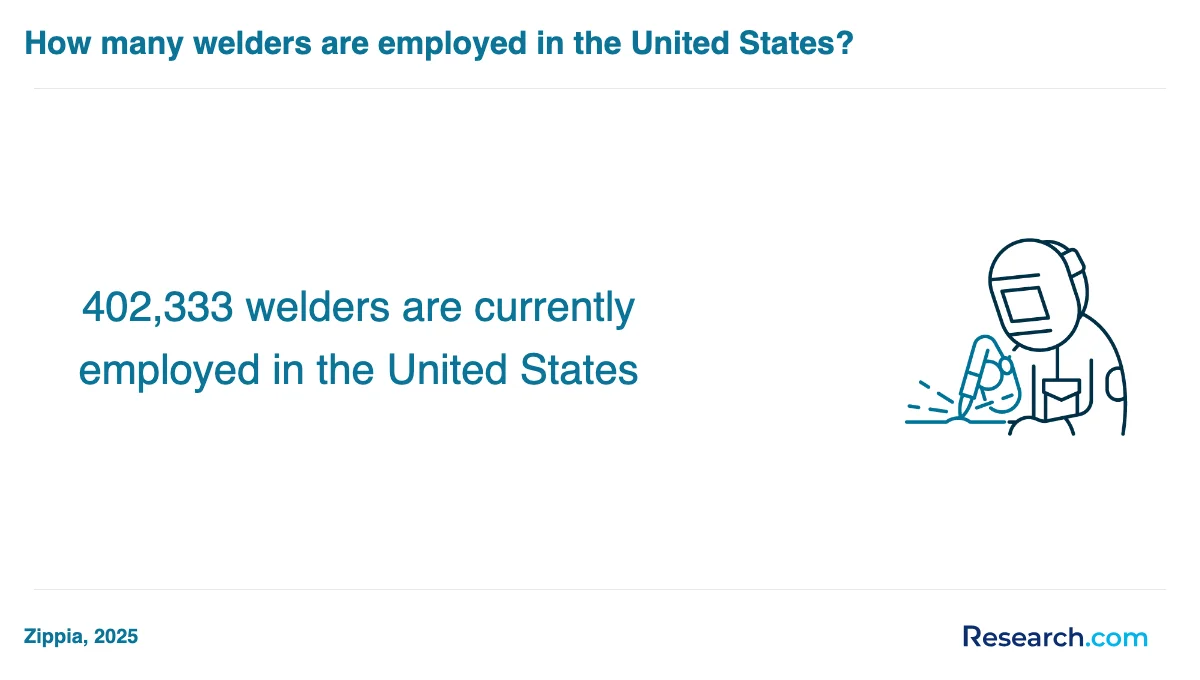
Graduates of welder trade schools in Nebraska discover a vibrant array of welding career opportunities Nebraska offers across multiple industries. Many find rewarding welding jobs in Nebraska within manufacturing, construction, and agriculture. Popular trade schools equip students with skills in MIG, TIG, and Stick welding, preparing them to tackle real-world projects from metal fabrication to infrastructure repairs.
Beyond entry-level roles, graduates often step into specialized positions like metal fabricator, rig welder, or pipefitting technician, applying advanced knowledge learned at Nebraska's top programs. Leadership roles such as fence foreman or crew leader provide career growth by managing teams on exciting job sites. Agricultural careers include pen maintenance technician and tractor mechanic/welder, blending welding with hands-on equipment repair.
Welders from Nebraska trade schools share inspiring stories of quick employment and steady raises.
- Strong demand for certified welders who hold AWS credentials
- Hourly wages reaching $31, plus benefits like health insurance and retirement plans
- Opportunities to advance with experience and additional credentials
For students eager to enhance their skills further, exploring the best certificate programs online can open doors to new welding jobs in Nebraska and beyond, making this trade an exciting gateway to a fulfilling career.
The welding job outlook in Nebraska shows a mix of challenges and bright opportunities for graduates from local trade schools. While the current job market may feel "not very active," many graduates who studied at popular Nebraska trade schools share stories of landing rewarding positions by leveraging hands-on skills and certifications. The average welder salary here is $21.22 per hour, slightly below the national median, but growth in construction and manufacturing sectors-projected to increase by 13% and 8% respectively-signals steady future demand.
Graduates find that success often comes from embracing continuous learning and exploring specialized certifications. Many have moved beyond Omaha or Lincoln's immediate metro areas, uncovering hidden roles in transportation or agriculture industries throughout the state.
Key reasons to stay motivated include:
- Strong long-term demand as industries adapt and grow
- Potential for increased earning power with experience and skills
- Access to well-regarded training at Nebraska trade schools geared for real-world welding jobs
For students deciding between different vocational paths, understanding the welder salary and employment trends Nebraska offers is vital. Exploring the trade school and vocational school comparison can help you choose the best program to launch your welding career in Nebraska.
Best Welding Training Programs & Trade Schools - Top Welding Schools in Nebraska for 2026
# 1 position
Southeast Community College Area - Welding Technology/Welder.
associateThe Welding Technology/Welder program at Southeast Community College Area offers a hybrid format with some distance-education options. The program prepares students to apply technical skills in various welding methods, including arc welding, resistance welding, brazing, soldering, and more. It covers safety, welding metallurgy, structural design, and relevant codes. Annual in-state tuition is $3,540. Graduates have a median earning of $49,114 one year after completion. The program is accredited by the Higher Learning Commission.
# 2 position
Southeast Community College Area - Welding Technology/Welder.
certificate or diplomaThe Welding Technology/Welder program at Southeast Community College Area offers a hybrid format with some distance learning options. Annual in-state tuition is $3,540. The program trains students in various welding methods, including arc welding, resistance welding, and brazing. It covers welding metallurgy, safety, structural design, and applicable codes. Graduates earn a median salary of $49,114 one year after completion. The program is accredited by the Higher Learning Commission.
# 3 position
Central Community College - Welding Technology/Welder.
associateCentral Community College offers a fully online Welding Technology/Welder program that prepares students to apply technical skills in welding and cutting metal surfaces. The curriculum covers arc welding, resistance welding, brazing, soldering, and high-energy beam processes, as well as welding metallurgy, safety, and structural design. Annual in-state tuition is $3,360. Graduates earn a median income of $39,409 one year after completion. The program is accredited by the Higher Learning Commission.
# 4 position
Central Community College - Welding Technology/Welder.
certificate or diplomaCentral Community College offers a fully online Welding Technology/Welder program preparing students to apply technical skills in various welding methods, including arc welding, brazing, and high-energy beam welding. The curriculum covers welding metallurgy, safety, structural design, and relevant codes. Annual in-state tuition is $3,360. Graduates have a median earnings of $39,409 one year after completion. The program is accredited by the Higher Learning Commission.
# 5 position
Northeast Community College - Welding Technology/Welder.
certificate or diplomaThe Welding Technology/Welder program at Northeast Community College offers a hybrid format with some distance education options. It prepares students with technical skills in arc welding, resistance welding, brazing, soldering, cutting, and welding metallurgy. The program covers safety, structural design, and applicable codes. Annual in-state tuition is $3,840. Graduates earn a median salary of $38,353 one year after completion. The program is accredited by the Higher Learning Commission.
# 6 position
Mid-Plains Community College - Welding Technology/Welder.
associateMid-Plains Community College offers a Hybrid Welding Technology/Welder program that prepares students to apply technical skills in welding and metal cutting. The curriculum covers arc welding, resistance welding, brazing, soldering, high-energy beam welding, and welding metallurgy. Instruction includes safety, structural design, and applicable codes and standards. The program’s annual in-state tuition is $3,600 and it is accredited by the Higher Learning Commission.
# 7 position
Mid-Plains Community College - Welding Technology/Welder.
certificate or diplomaMid-Plains Community College offers a Welding Technology/Welder program with a hybrid format, including some distance-education options. The program prepares students with technical knowledge and skills in various welding methods such as arc welding, resistance welding, brazing, soldering, and cutting. Instruction covers welding metallurgy, safety, structural design, and applicable codes and standards. The annual in-state tuition is $3,600. This program is accredited by the Higher Learning Commission.
# 8 position
Metropolitan Community College Area - Welding Technology/Welder.
associateThe Welding Technology/Welder program at Metropolitan Community College Area offers hybrid learning with some distance-education options. It prepares students to work with various welding techniques, including arc welding, brazing, cutting, and welding metallurgy. The program covers safety, structural design, and industry codes and standards. Annual in-state tuition is $3,285. The program is accredited by the Higher Learning Commission.
# 9 position
Western Nebraska Community College - Welding Technology/Welder.
associateWestern Nebraska Community College offers a Welding Technology/Welder program with a hybrid format including some distance education. The program trains students in various welding techniques such as arc welding, resistance welding, brazing, soldering, and cutting. It covers welding metallurgy, safety, codes, and structural design. Annual in-state tuition is $3,000. The program is accredited by the Higher Learning Commission.
# 10 position
Metropolitan Community College Area - Welding Technology/Welder.
certificate or diplomaThe Welding Technology/Welder program at Metropolitan Community College Area offers a hybrid learning format, combining in-person and distance education. The curriculum covers arc welding, resistance welding, brazing, cutting, welding metallurgy, structural design, safety, and applicable codes. Annual in-state tuition is $3,285. The program is accredited by the Higher Learning Commission and prepares students to apply technical welding skills across various metalworking processes.
Frequently Asked Questions about welder
After completing a welder trade school in Nebraska, graduates should focus on building a strong resume that highlights their certifications and hands-on experience. According to the U.S. Bureau of Labor Statistics, welders in Nebraska earn a median annual wage of around $44,000, with demand expected to grow steadily through 2032.
Networking is crucial; joining local unions or industry groups like the American Welding Society can provide valuable job leads and professional development. Many employers also prefer candidates with AWS (American Welding Society) certifications, so pursuing those can improve employability.
Additionally, Nebraska's growing manufacturing and agricultural sectors offer diverse job opportunities for welders, making regional job market research important.
Employers in Nebraska highly value welder trade school graduates who demonstrate strong technical skills and safety awareness. Proficiency in various welding techniques, including MIG, TIG, and stick welding, is essential. According to the U.S. Bureau of Labor Statistics, welders with certifications from recognized institutions tend to have better job prospects. Additionally, Nebraska employers emphasize the importance of blueprint reading and metal fabrication skills, which are critical for accuracy and efficiency on the job.
Workplace safety is another top priority, as welders must handle hazardous materials and equipment carefully. Communication and problem-solving abilities are also sought after, enabling graduates to adapt to different welding environments and team settings effectively.
Finding internships relevant to welder trade school programs in Nebraska involves several practical steps. Start by contacting the career services offices at local trade schools, which often maintain partnerships with regional employers. Many Nebraska manufacturers and construction firms seek welding interns to support their projects.
The Nebraska Department of Labor provides resources and job listings specifically for skilled trades, including welding internships. Checking their official site can help identify up-to-date opportunities.
Additionally, joining local chapters of trade organizations such as the American Welding Society (AWS) can connect students with industry professionals and internship openings. Networking at job fairs and union halls in Nebraska is also effective.
According to recent data from the Nebraska Workforce Development, welding internships in the state typically pay between $15 and $20 per hour, reflecting strong demand for skilled welders.
Obtaining a welder trade school diploma in Nebraska significantly enhances career mobility and advancement opportunities. According to the Nebraska Department of Labor, welders with formal training typically earn 15-25% higher wages compared to those without credentials. A diploma certifies practical skills and safety knowledge, making graduates more competitive for specialized roles such as pipeline welding or structural welding.
Employers in Nebraska often prefer candidates with accredited diplomas, as these programs align with industry standards set by organizations like the American Welding Society. This preference translates into faster promotions and access to higher-paying positions.
Furthermore, trade schools frequently provide apprenticeships and connections to local industries, which are crucial for career growth in Nebraska's manufacturing and agricultural sectors.
Students enrolled in welder trade schools in Nebraska can benefit from part-time jobs that build practical skills and industry knowledge. Common opportunities include working as welding assistants or helpers at local fabrication shops, which provide hands-on experience with materials and equipment. According to the Nebraska Department of Labor, entry-level welding positions in the state pay between $15 and $20 per hour, making these jobs financially supportive while studying.
Other complementary roles include metal fabrication, machine operation, and maintenance technician positions. These jobs help students understand related trades and improve their technical versatility. Additionally, some students find part-time work in construction sites or manufacturing plants, sectors that actively hire welders. Such roles not only enhance welding skills but also improve workplace safety awareness and teamwork.
To choose the best welder degree program near Nebraska, first assess the curriculum and ensure it aligns with your career goals, focusing on programs that offer comprehensive hands-on training. Consider factors like accreditation, faculty expertise, state-of-the-art facilities, and job placement rates in welder programs near me, as these elements are crucial for a solid educational foundation. Research.com can be a helpful resource to compare different programs and universities available in your area.
- Best Welding Training Programs & Trade Schools - Top Welding Schools in South Dakota for 2026
- Best Welding Training Programs & Trade Schools - Top Welding Schools in Iowa for 2026
- Best Welding Training Programs & Trade Schools - Top Welding Schools in Colorado for 2026
- Best Welding Training Programs & Trade Schools - Top Welding Schools in Wyoming for 2026
- Best Welding Training Programs & Trade Schools - Top Welding Schools in North Dakota for 2026
- Best Welding Training Programs & Trade Schools - Top Welding Schools in Illinois for 2026
- Best Welding Training Programs & Trade Schools - Top Welding Schools in Arkansas for 2026
- Best Welding Training Programs & Trade Schools - Top Welding Schools in Wisconsin for 2026
- Best Welding Training Programs & Trade Schools - Top Welding Schools in New Mexico for 2026
- Best Welding Training Programs & Trade Schools - Top Welding Schools in Indiana for 2026
- 5 Common Challenges in Combination Welding and How to Overcome Them - South Texas Vocational Technical Institute https://www.stvt.edu/5-common-combo-welding-challenges/
- High school students report challenges in accessing skilled trades training https://www.k12dive.com/news/high-school-students-report-challenges-accessing-skilled-trades-training/733627/
- Challenges & Rewards of Welding: Is It a Tough Trade? https://www.redriver.team/is-welding-a-tough-trade-demystifying-the-challenges-and-rewards/
- The Future of the Welding Industry | My Vocational Training https://myvocationaltrainingaz.com/blog/the-future-of-the-welding-industry/
- Welding training - Warsaw, Kraków, Wrocław, Łódź, Poznań https://kurso.eu/en/training-and-courses/welding-courses/welding/
- Welding & Trade School in the U.S. | Tulsa Welding School https://www.tws.edu/
- Welding Trade Schools: Ignite Your Future With Hands-On Training https://www.trade-schools.net/trades/welding
- Combination Welding Technology Program & Trade School | Apex https://apexschool.com/programs/combination-welding-technology/
- Best Welding Schools - Elite Welding Academy https://eliteweldingacademy.com/
- Welder https://www.sait.ca/apprenticeships-and-trades/programs/welder


