Most Affordable Welding Schools & Training - Budget-Friendly Welding Trade Programs in Fort Worth for 2026

Co-Founder and Chief Data Scientist
Choosing the right welder trade school in Fort Worth can feel overwhelming, but it doesn’t have to be. This article introduces a welder trade school programs ranking created by the Research.com team of data scientists to help you make an informed choice.
Discover affordable options that match your goals and budget while gaining valuable skills for a rewarding career. Whether you’re starting fresh or looking to advance, a welder diploma or certification opens doors to steady work and personal growth.
Explore your possibilities with confidence and take the next step toward a bright future in welding.
Key benefits of finishing welder trade school in Fort Worth
- Graduates from a welder trade school in Fort Worth can expect starting salaries between $37,576 and $61,300 annually, with many earning around $44,179 in their first full-time job.
- Career paths include manufacturing, construction, and specialized welding, as seen with graduates from Fort Worth's popular trade schools who quickly find roles that match their skills and interests.
- Completing a welder trade school online offers flexibility and fast entry into the workforce, as experienced by online graduates who balance learning with work or family commitments effectively.
- Most Affordable Welding Schools & Training - Budget-Friendly Welding Trade Programs in Fort Worth for 2026
- What can I expect from welder trade schools in Fort Worth?
- Where can I work after finishing welder trade schools in Fort Worth?
What can I expect from welder trade schools in Fort Worth?
Enrolling in a welder trade school program in Fort Worth means engaging in a focused, hands-on experience designed to build real-world skills. Graduates often recall the intensity of 31 to 43 weeks of training, where small class sizes-typically around 15 students per instructor-ensure personalized guidance. Day and evening schedules offer flexibility, allowing students to balance life while mastering welding techniques.
Students can expect to work extensively with core welding processes like gas metal arc welding (GMAW), shielded metal arc welding (SMAW), flux-cored arc welding (FCAW), and gas tungsten arc welding (GTAW). Instruction covers welding in multiple positions and on various materials, preparing students for diverse job settings. Many recall the challenge and pride of fabricating projects, often competing in SkillsUSA events, which deepens their confidence and craftsmanship.
Classes also cover blueprint reading, project planning, and welding-related math, skills graduates find essential when interpreting welding symbols and completing precise fabrications. Physical demands and strict safety protocols are emphasized, reflecting the realities of working with heavy materials and hazardous conditions. Fort Worth students leave equipped for roles in construction, manufacturing, aerospace, and more, often boosted by certifications that enhance employability.
Where can I work after finishing welder trade schools in Fort Worth?
After completing a welder trade school program in Fort Worth, graduates find themselves well-positioned for a variety of rewarding career paths. Many secure full-time roles in industries like manufacturing, construction, and metal fabrication, where skills in TIG, MIG, and Flux Core welding are highly sought after. Graduates often share how training at popular Fort Worth schools gave them confidence to step directly into jobs working with stainless steel, aluminum, and carbon steel products.
Employment opportunities include entry-level positions such as fabricators or MIG welders, as well as advanced roles like senior welder/fabricator or specialized aluminum TIG welding. Some graduates even pursue certifications like AWS to access niche markets, such as aircraft welding or high-precision fabrication.
Local companies, including fabrication shops and manufacturing plants, regularly seek skilled welders, offering competitive hourly wages and benefits. Many graduates appreciate the stability and growth potential they experience, often describing their first jobs as fulfilling and a vital step toward a long-term career in Fort Worth's thriving welding industry.
After completing a welder trade school program in Fort Worth, graduates typically start earning between $42,000 and $49,000 annually. This range reflects entry-level positions such as Welder I, where many find themselves working in construction, manufacturing, or industrial environments. For example, graduates from well-known local trade schools often share how their first jobs paid around $21 per hour, allowing them to quickly gain confidence and financial independence.
Hourly wages in Fort Worth generally begin near $18 to $21 for new welders, with many advancing to $24 per hour when specializing in manufacturing or obtaining additional certifications. Some graduates have reported starting salaries closer to $47,000 annually, reflecting the demand for skilled welders in this region. Experienced welders and those who pursue supervisory roles may see salaries rise up to $60,000 or more.
These earnings make welding trade schools in Fort Worth a practical choice for students eager to enter a steady, rewarding career with tangible growth potential and real-world application.
- Applicants need a high school diploma or GED and must be at least 18 years old to enroll in most welding trade programs.
- Programs range from short certificate courses lasting 8 weeks to 9 months to associate degrees that take up to two years.
- Training includes hands-on welding techniques like GMAW, SMAW, FCAW, and GTAW, along with safety, blueprint reading, and fabrication skills.
- Tuition for a Basic Welding Certificate at Tarrant County College is about $1,628, while an Associate of Applied Science degree costs around $4,440 for in-county students.
- Starting salaries for entry-level welders in Fort Worth are typically between $35,000 and $45,000 per year, with experienced welders earning $50,000 to $65,000 or more.
- Many schools have strong job placement rates and partnerships with local employers to assist graduates in finding work quickly.
Completing a welder trade school program in Fort Worth typically takes between six months and one year, depending on the specific course intensity and schedule. Many students at popular Fort Worth trade schools find that accelerated programs allow them to gain hands-on welding skills quickly, enabling them to enter the workforce sooner. For example, graduates often share how immersive daily practice and real-world projects helped them build confidence in their welding techniques within just a few months.
Others who choose part-time or evening classes appreciate the flexibility, balancing work or family commitments while steadily progressing through the curriculum over a longer period. This approach still leads to solid skill mastery but with a more manageable pace. Graduates frequently describe a sense of accomplishment as they complete their certifications and secure job opportunities in Fort Worth's thriving construction and manufacturing industries.
The practical training combined with knowledgeable instructors ensures students are not only prepared for certification exams but feel ready to meet the challenges of welding careers right after graduation.
The key difference between online and on-campus welder trade school programs in Fort Worth lies in how welding skills are developed and practiced. Online programs focus primarily on theoretical knowledge, covering subjects like welding safety, blueprint reading, and welding codes. This flexible format suits working adults who appreciate studying at their own pace but often lacks the hands-on training essential for mastering welding techniques.
Graduates from on-campus programs at schools like Tulsa Welding School and Universal Technical Institute often describe the confidence gained from working directly with industry-grade equipment under expert supervision. These programs emphasize hands-on experience in processes such as GMAW and SMAW, where immediate feedback and instructor guidance accelerate skill mastery.
Many students at Fort Worth institutions like Tarrant County College highlight the value of in-person labs that build physical coordination and safety awareness-skills difficult to acquire fully online. For aspiring welders, on-campus training provides a practical, immersive environment crucial for career readiness in the welding industry.
The average cost of welder trade school in Fort Worth varies widely depending on the program and institution chosen. For example, graduates from Tarrant County College (TCC) typically invest around $4,140 for the Associate of Applied Science in Welding Technology, which covers 60 semester credit hours. Those opting for shorter programs like TCC's Level 1 Welding Certificates report paying between $1,380 and $1,518, depending on whether they pursue the Basic or Advanced track. These options appeal to students looking for affordable and efficient paths to enter the workforce quickly.
Many students share a sense of accomplishment completing programs at institutions like Universal Technical Institute (UTI), where the 36-week Welding Technology diploma program costs approximately $23,570. This comprehensive fee includes tuition, books, uniforms, and equipment, providing a clear budget picture for those committed to hands-on, immersive training. Similarly, Lincoln Tech's 52-week diploma program, totaling about $40,128, offers a detailed and structured education with all necessary fees and materials included, which some graduates describe as a worthwhile investment for their long-term career goals.
Considering tuition fees for welding programs in Fort Worth, programs such as the Combination Welding Program at MT Training Center, priced around $22,500, highlight a mid-range option that balances expense with depth of training. Many students express relief at discovering financial assistance options to help offset these costs and note that each program has varying inclusions, emphasizing the importance of careful budgeting.
Prospective students interested in exploring options further can research the most affordable online welding certification programs as well, helping them make informed decisions about balancing costs with training quality and career readiness.

Welder trade school students in Fort Worth have access to a variety of financial aid options that make their training more affordable and manageable. Many graduates recall how completing the FAFSA opened doors to federal aid like the Federal Pell Grant, which provided crucial funds without the pressure of repayment. Others benefited from Federal Direct Loans, choosing subsidized options to reduce interest costs while studying. For veterans or active-duty military members, specialized programs such as Veterans Educational Assistance and Trade Adjustment Assistance offer tailored support, easing the transition into skilled trades.
Locally, Texas residents often utilize state workforce grants and assistance from the Office of Vocational Rehabilitation, especially students overcoming disabilities. For example, those attending Tarrant County College have praised its affordable tuition structure, with the basic welding certificate costing approximately $1,628 for in-county students in 2024-2025. Some students also highlight private scholarships and school-hosted competitions, like Tulsa Welding School's annual event, which award full tuition to promising candidates.
Many Fort Worth students appreciate flexible payment plans that spread costs over time and part-time work opportunities coordinated by schools, which help balance finances and gain real-world experience during training.
Enrolling in a welder trade school program in Fort Worth typically requires a few key prerequisites designed to ensure student success. Most schools expect applicants to have a high school diploma or GED, which lays the foundation for understanding technical concepts and safety protocols.
Applicants should also demonstrate basic math skills, as welding involves precise measurements and calculations. Many Fort Worth programs recommend or require passing an entrance assessment that covers reading comprehension and math to prepare students for the hands-on training ahead.
Physical fitness is another common prerequisite-graduates from popular Fort Worth trade schools often recall how stamina and good hand-eye coordination helped them excel during extended welding sessions. Schools may require a physical exam or ask about any conditions that could affect safety.
Personal experiences from graduates highlight the advantage of being punctual, motivated, and ready to engage in both classroom and workshop environments. Some programs encourage prior exposure to metalworking or mechanical work, but this is not mandatory.
- High school diploma or GED
- Basic math proficiency
- Passing entrance assessments
- Physical fitness and coordination
- Motivation and readiness for hands-on learning
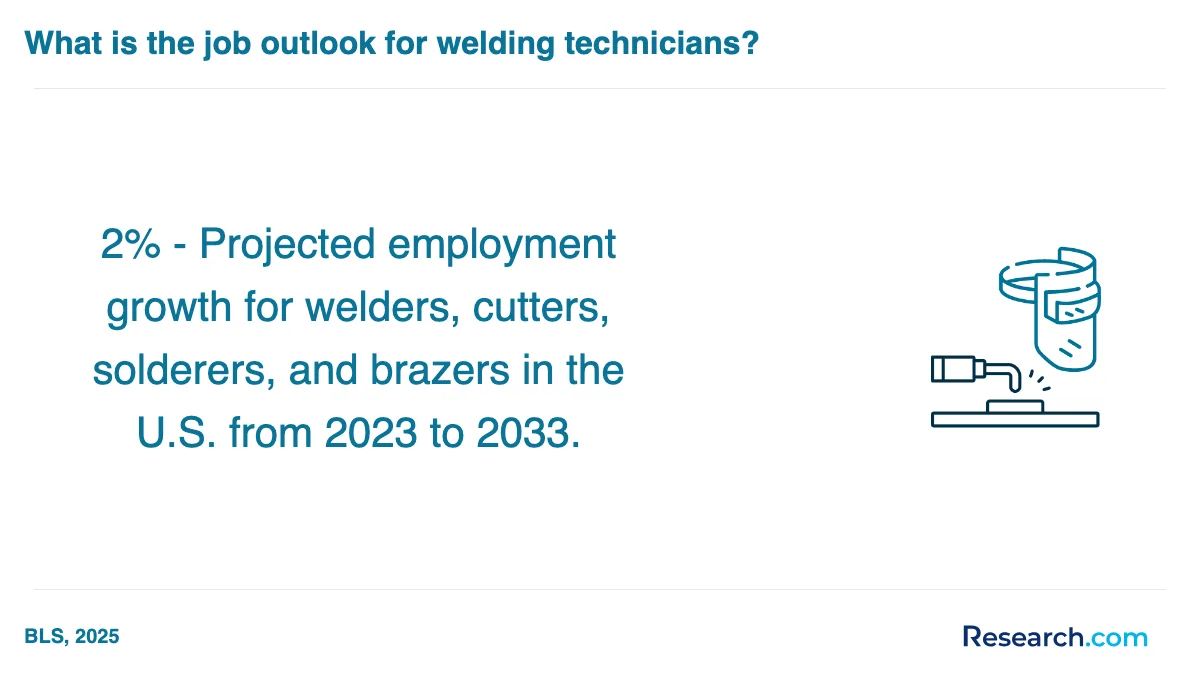
Welder trade school programs in Fort Worth typically include a well-rounded set of courses designed to equip students with both theoretical knowledge and practical skills. Graduates from institutions like Tarrant County College often highlight the value of foundational classes such as Introduction to Welding, Safety and Careers, which cover essential shop safety practices aligned with OSHA standards and clarify career pathways.
Students also engage in technical courses including:
- Core welding processes: Shielded Metal Arc Welding (SMAW), Gas Metal Arc Welding (GMAW), Flux Cored Arc Welding (FCAW), and Gas Tungsten Arc Welding (GTAW) to master industry-standard techniques.
- Blueprint reading and interpretation: Learning to accurately read technical drawings, a critical skill for fabricating parts to precise specifications.
- Engineering and fabrication: Project planning and construction of weldments, simulating real-world tasks.
- Mathematics for welders: Applying practical math skills such as measurements and calculations directly related to welding tasks.
Advanced courses often include pipe welding, weld testing and inspection, and metallurgy, preparing students for specialized roles. Hands-on labs cover welding in all positions-flat, horizontal, vertical, and overhead-building confidence to handle diverse work environments encountered in Fort Worth's manufacturing and construction sectors.
Many graduates recall the rewarding experience of plasma and oxyfuel cutting training, along with equipment maintenance and teamwork communication classes, which enhance their readiness for the workforce. These immersive programs reflect the comprehensive, career-focused education offered by Fort Worth's leading welding trade schools.
Welder trade school programs in Fort Worth typically offer specializations that align with both industry demand and student career goals. Popular welding specializations in Fort Worth trade schools include Shielded Metal Arc Welding (SMAW), Gas Metal Arc Welding (GMAW/MIG), Gas Tungsten Arc Welding (GTAW/TIG), Flux-Cored Arc Welding (FCAW), and Pipe Welding, each taught with hands-on training to master various welding positions like flat, vertical, and overhead. Graduates from institutions such as Tarrant County College gain practical experience applying these techniques, making them confident in construction and manufacturing roles.
Many programs also integrate curriculum components like blueprint reading, metallurgy, and weld inspection, enhancing readiness for Fort Worth welding certification programs. This combination empowers students to pursue certifications such as the American Welding Society Exam or advance into supervisory roles.
Students can further specialize by industry sector-construction, shipbuilding, or aerospace-tailoring skills for regional job markets. Those pursuing welding enjoy strong job prospects, as Fort Worth is recognized for some of the highest demand trades nationally.
Choosing the best welding schools in Fort Worth involves assessing accreditation and curriculum to ensure comprehensive hands-on training with industry-standard equipment. Graduates often emphasize how programs with experienced instructors helped them gain confidence by working directly on modern welding machines, mirroring real-world conditions.
Affordable welding programs in Fort Worth frequently offer flexible schedules, accommodating those balancing work or family commitments. Many students appreciate accelerated courses that allow faster entry into the workforce, without compromising skill mastery or safety training.
Additionally, evaluating a school's job placement rates and industry connections can significantly impact career prospects. Positive testimonials from alumni reflect the value of local internships and employer partnerships provided by top trade schools, which ease the transition from education to employment.
Understanding the difference between a trade school program and a vocational program is also vital for selecting the right path to suit your goals in the welding industry.

Welder trade school graduates in Fort Worth find diverse career paths that match their skills and interests. Many graduates secure welder jobs in Fort Worth TX, including roles like structural steel and iron welder, pipeline welder, manufacturing welder, and shipyard welder. Local trade schools emphasize core welding techniques such as gas metal arc welding (GMAW) and gas tungsten arc welding (GTAW), equipping students to confidently step into positions with employers across vehicle manufacturing, aerospace, construction, and custom metal fabrication industries.
Graduates often describe feeling empowered after mastering blueprint reading and safety protocols, which prepare them for specialized roles and supervisory opportunities. Those focusing on pipe welder careers in Fort Worth benefit from hands-on experience with pipeline construction and maintenance projects, a sector highlighted for steady demand. Many students mention the competitive wages and career growth possibilities motivating their persistence.
Additionally, some locals explore top paying trade jobs that are easy to learn to complement their welding skills and enhance employment flexibility.
The welding job market in Fort Worth is very active and offers strong prospects for graduates of local trade schools. Many students, upon completing their training, find entry level welder salaries Fort Worth to be competitive, typically ranging between $14.63 and $19.22 per hour. As graduates gain experience, their earnings can increase significantly, with some reaching $20.61 or more per hour. Top welders in the area may earn as much as $35.43 hourly, illustrating clear advancement opportunities within the field.
Graduates from well-regarded Fort Worth trade schools often share positive experiences about rapidly securing employment thanks to the steady demand generated by Fort Worth's thriving manufacturing and construction industries. This demand ensures welding job opportunities in Fort Worth remain plentiful, supporting career growth and financial stability.
Key benefits for new welders include:
- Access to steady work in construction, manufacturing, and energy sectors
- Competitive starting wages with clear pathways to higher pay
- Opportunities for skill advancement and certification to boost income
For those exploring ways to enter this field affordably, programs like cheap online maintenance technician trade school programs can be worth considering as part of a broadening skill set to complement welding training.
Most Affordable Welding Schools & Training - Budget-Friendly Welding Trade Programs in Fort Worth for 2026
# 1 position
Tarrant County College District - Welding Technology/Welder.
associateTarrant County College District offers a Welding Technology/Welder program with a hybrid format, including some distance-education options. The program prepares students to apply technical skills in various welding methods such as arc welding, resistance welding, brazing, and cutting. It covers welding metallurgy, safety, structural design, and applicable codes. Annual in-state tuition is $1,728. The program is accredited by the Southern Association of Colleges and Schools Commission on Colleges.
# 2 position
Tarrant County College District - Welding Technology/Welder.
certificate or diplomaThe Welding Technology/Welder program at Tarrant County College District offers a hybrid format with some distance-education options. The program prepares students to apply technical knowledge and skills in various welding methods, including arc welding, resistance welding, brazing, soldering, and high-energy beam welding. Instruction covers welding metallurgy, safety, structural design, and applicable codes. Annual in-state tuition is $1,728. The program is accredited by the Southern Association of Colleges and Schools Commission on Colleges.
Frequently Asked Questions about welder
After completing a welder trade school in Fort Worth, preparing for the job market involves several key steps. First, obtaining industry-recognized certifications such as those from the American Welding Society (AWS) can significantly improve job prospects. These certifications validate skills and are highly regarded by local employers in Texas' growing manufacturing and construction sectors.
Networking is also important. Graduates should attend local trade shows and join professional groups like the AWS Fort Worth Chapter to connect with potential employers. According to the U.S. Bureau of Labor Statistics, welding jobs in Texas are projected to grow 6% from 2022 to 2032, indicating steady demand.
Additionally, creating a strong resume highlighting hands-on training and internships gained during school can help graduates stand out.
Employers in Fort Worth seek welder trade school graduates who demonstrate strong technical skills, including proficiency in various welding methods such as MIG, TIG, and stick welding. According to the U.S. Bureau of Labor Statistics, attention to detail and the ability to read blueprints accurately are critical for job success. Practical experience with welding equipment and safety protocols is highly valued, as workplace safety is a top priority in this industry.
Communication skills also matter since welders often work in teams or with supervisors. Local industry reports highlight that adaptability to new technologies and welding techniques can give candidates a competitive edge in Fort Worth's evolving job market.
Finding internships in Fort Worth relevant to a welder trade school program involves a strategic approach. Start by contacting local trade schools, such as Tarrant County College, which often have partnerships with area employers. These connections can provide internship opportunities tailored to welding students.
Additionally, explore job boards like the Texas Workforce Commission and local industry groups such as the Fort Worth Welding Association. These platforms frequently list internships or entry-level positions in welding.
Networking through trade events and career fairs in Fort Worth can also be effective. According to the U.S. Bureau of Labor Statistics, welding internships improve job placement rates for graduates by up to 20%.
A welder trade school diploma in Fort Worth significantly enhances career mobility and advancement opportunities. According to the U.S. Bureau of Labor Statistics, certified welders in Texas earn a median wage higher than non-certified workers, reflecting increased earning potential. Fort Worth's growing manufacturing and construction sectors actively seek skilled welders, making formal training a key asset for job stability and promotions. Trade school diplomas often qualify graduates for certifications such as the AWS (American Welding Society), which are highly regarded by employers locally. This credential can open doors to specialized welding roles and supervisory positions, improving long-term career prospects in the region.
Fort Worth offers several part-time job opportunities that can complement a welder trade school education effectively. Positions such as welding assistant, metal fabrication helper, or maintenance technician can provide valuable hands-on experience while attending classes. According to the Texas Workforce Commission, the demand for welders in Fort Worth remains steady, with an average hourly wage of around $18 to $22, making part-time roles financially viable for students.
Additionally, jobs in related fields like construction labor or manufacturing support can enhance practical skills relevant to welding. Local employers often value candidates who combine formal education with real-world experience, improving post-graduation employment prospects.
To find the most affordable welder degree program near me, I can explore local community colleges and technical schools, which often offer competitive tuition rates. Near Fort Worth, TX, institutions such as Tarrant County College and Texas State Technical College may have welding programs that provide both quality and value. Research.com can be a helpful resource for comparing program offerings and expenses among various colleges and universities.
- Most Affordable Welding Schools & Training - Budget-Friendly Welding Trade Programs in Denison for 2026
- Most Affordable Welding Schools & Training - Budget-Friendly Welding Trade Programs in Elgin for 2026
- Most Affordable Welding Schools & Training - Budget-Friendly Welding Trade Programs in Phoenix for 2026
- Welder Cover Letter Examples - Templates & Writing Tips https://www.resume-now.com/cover-letter/examples/metal-work/welder
- 8+ Welder Cover Letter Examples & Templates https://www.jobhero.com/cover-letter/examples/metal-work/welder
- Sample Student Cover Letter – Welding – Technical Writing for Technicians https://openoregon.pressbooks.pub/ctetechwriting/chapter/sample-student-cover-letter-for-welding-week-9/
- 5 Professional Welder Cover Letter Examples and Template for 2025 | Enhancv https://enhancv.com/cover-letter-examples/welder/
- Welder Apprentice Cover Letter Examples - QwikResume https://www.qwikresume.com/cover-letters/welder-apprentice/
- Welder/Fitter Cover Letter: Expert Guide & Customizable Templates https://resume-example.com/cover-letters/welderfitter
- Welding Salary Trends: How Much Do Welders Earn Today? | YesWelder https://yeswelder.com/blogs/yeswelder/welding-salary-trends-how-much-do-welders-earn-today
- Welder | Explore Careers | National Careers Service https://nationalcareers.service.gov.uk/job-profiles/welder
- How Much Do Welders Make? Welding Salary Guide | Goodwin University https://www.goodwin.edu/enews/welder-salary-information/
- Salaries for Welder I with a Associate's Degree | Salary.com https://www1.salary.com/Salaries-for-Welder-I-with-a-Associates-Degree