Most Affordable Welding Schools & Training - Budget-Friendly Welding Trade Programs in Seattle for 2026

Co-Founder and Chief Data Scientist
Looking to start a rewarding career as a welder in Seattle? Finding the right trade school is essential to gain the skills and certification that employers value. This article introduces a welder trade school programs ranking created by the Research.com team of data scientists to help you make an informed decision.
By exploring top affordable options, you can choose a program that fits your budget and career goals. Earning a welding diploma or certification opens doors to steady jobs and personal growth. Dive in to discover schools that can set you on a successful path.
Key benefits of finishing welder trade school in Seattle
- Graduates from Seattle welder trade schools can expect an average starting salary around $20.33 per hour, with experienced welders earning up to $33.46 per hour, making it a rewarding career choice.
- Career paths for trade school graduates include roles like fabricator & welder, which can pay as much as $88,344 per year, offering diverse opportunities in construction, manufacturing, and industrial sectors.
- Completing a welder trade school online provides flexibility and faster completion times, allowing graduates to enter the workforce sooner and balance learning with personal commitments effectively.
- Most Affordable Welding Schools & Training - Budget-Friendly Welding Trade Programs in Seattle for 2026
- What can I expect from welder trade schools in Seattle?
- Where can I work after finishing welder trade schools in Seattle?
What can I expect from welder trade schools in Seattle?
At a welder trade school program in Seattle, you can expect to dive into hands-on training that truly prepares you for the workforce. Imagine working directly in welding shops, mastering techniques like Shielded Metal Arc Welding and Gas Tungsten Arc Welding alongside instructors who know the industry inside and out. Graduates from popular schools like Bates Technical College and Green River College often share how the real-world projects and shop experience gave them the confidence to excel on the job from day one.
Certification preparation is a major focus, with schools guiding you through both written and practical exams offered by the American Welding Society and Washington Association of Building Officials. Many students find this structured support invaluable as it opens doors to well-paying jobs in Seattle's shipbuilding and maritime sectors.
Flexibility is key for many students balancing life and work; programs offer day and evening classes, and some even allow enrollment at the start of any academic quarter. You'll also gain skills beyond welding, like blueprint reading and safety procedures, making you a well-rounded professional ready to thrive in a competitive market.
Where can I work after finishing welder trade schools in Seattle?
Graduates from welder trade schools in Seattle find themselves stepping into a vibrant job market filled with exciting opportunities. Many begin their careers in manufacturing plants, where their ability to read blueprints and work with metals like stainless steel or aluminum becomes invaluable. Imagine joining a team building intricate machinery or consumer products, where every weld you make contributes to something tangible and essential.
Others find rewarding paths in Seattle's aerospace industry, crafting aircraft components for major companies. The pride of knowing your skills help build the future of flight excites many recent trade school grads. Construction sites and maritime shipyards also welcome new welders eager to work on bridges, buildings, or ships, often starting as fabricators or welding technicians.
Seattle trade school graduates often share how earning AWS or WABO certifications opened doors to these roles, even with little prior experience. The city's diverse industries and supportive employers mean your welding skills can lead to a fulfilling, well-paid career that grows with you.
Graduates from welder trade school programs in Seattle often step into the workforce with confidence, knowing their skills are in demand and well-compensated. Many recent grads from popular Seattle trade schools start with hourly wages around $25.35, translating to an annual salary between $44,400 and $58,600 for full-time work. This solid starting point is a powerful motivator, showing that investing time in training can quickly pay off.
As these graduates gain hands-on experience, their earning potential grows. For example, welders who specialize or take on overtime roles often see wages climb to over $32 per hour. Imagine working in shipbuilding or industrial fabrication, where the skills you developed in school open doors to higher wages and exciting projects.
Some graduates choose to specialize further, like gas pipeline welding or fabricating, which can push paychecks beyond $80,000 a year. These opportunities reflect the vibrant Seattle market, where your trade school education is the first step toward a rewarding and financially stable career.
- Seattle welder trade programs offer certificates or Associate of Applied Science (AAS) degrees, lasting from 6 months to 24 months for full-time students.
- Training includes hands-on welding techniques like MIG, TIG, and stick welding, plus blueprint reading and safety, often with small classes capped at 18 students.
- Tuition ranges from $6,000 to $13,000 for an AAS degree, excluding gear costs; financial aid options like federal grants and state Opportunity Grants are available.
- Entry-level welders earn $21 to $28 per hour or about $44,000 to $58,000 annually, with experienced welders making $65,000 or more in specialized fields.
- The job market is strong in construction, shipbuilding, and manufacturing, with many programs offering job placement help or apprenticeships.
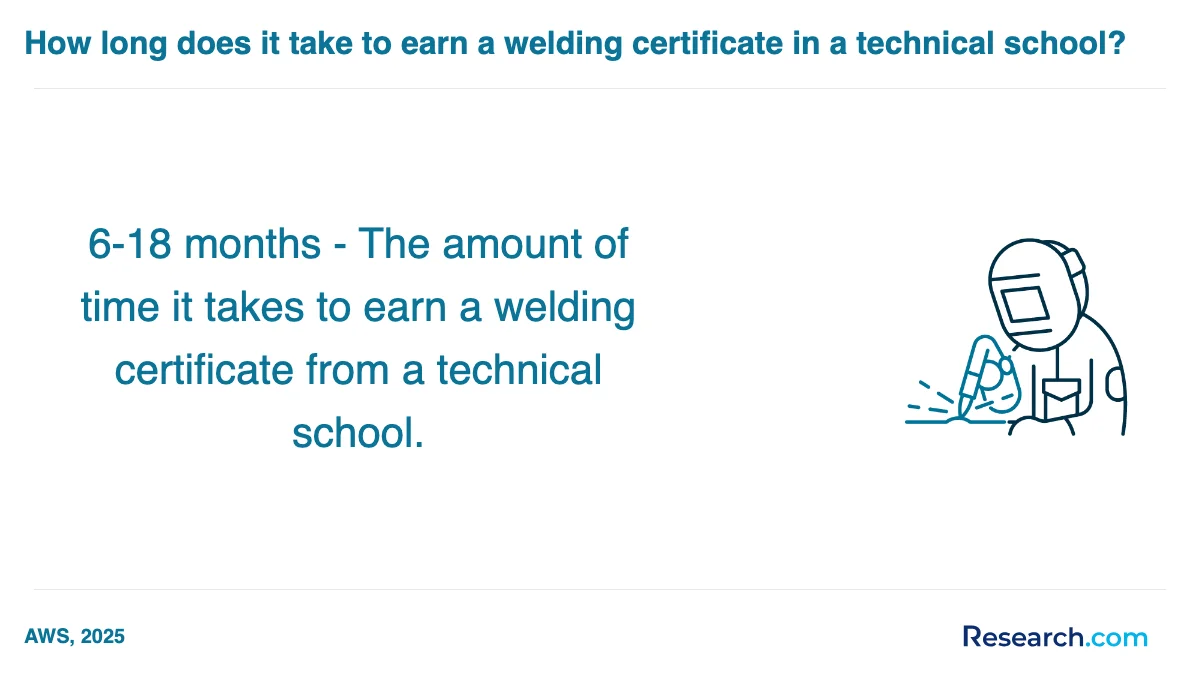
Completing a welder trade school program in Seattle typically takes between six months to one year, depending on the intensity and type of course chosen. Many graduates from well-known Seattle trade schools share how this timeframe was just enough to build strong hands-on skills while balancing life responsibilities. Imagine stepping into a vibrant workshop where you quickly move from basic welds to complex metal fabrication projects, all within a matter of months. This immersive experience feels like a fast track to a rewarding career.
Some popular Seattle trade schools offer flexible schedules, allowing students to accelerate their learning by attending full-time or extend it with part-time classes. Graduates often describe the satisfaction of seeing their progress week by week, from mastering safety protocols to confidently welding in diverse positions. This focused training provides not only technical knowledge but also builds the confidence needed to thrive in Seattle's dynamic job market.
Choosing between online and on-campus welder trade school programs in Seattle means deciding how you want to experience your learning journey. On-campus programs, like those at Bates Technical College, immerse students in hands-on training with real welding machines and tools. Graduates often recall the excitement of mastering plasma tables and oxy/fuel torches under the guidance of expert instructors, building confidence with every spark in a vibrant workshop atmosphere.
Online programs, such as North Seattle College's Welder Technician course, offer the convenience of digital learning and virtual labs that simulate real welding challenges. Many students appreciate the flexibility to study theory and safety principles from home, balancing life and education seamlessly. However, some find the lack of physical practice a challenge when preparing for certification and real-world jobs.
Hybrid options at South Seattle College and Clover Park Technical College blend the best of both worlds, allowing students to learn theory online while experiencing essential hands-on labs in person. This approach helps many feel prepared and inspired, ready to weld their future with skill and passion.
The average cost of welder trade school programs in Seattle typically ranges from $5,000 to $15,000, depending on the institution and program length. Many graduates from Shoreline Community College, for example, share how the in-state tuition of $4,256 for their Associate's Degree in Precision Metalworking made their journey affordable and rewarding. Meanwhile, out-of-state students can expect tuition fees for welding programs in Seattle to be around $7,082, still offering valuable education at a reasonable price point.
Graduates from South Seattle College often speak about the practical skills they gained from the Associate of Applied Science degree and certificate in welding and fabrication technology, even as tuition details vary. They emphasize that costs beyond tuition, such as tools, safety gear, books, and certification tests-which can add $500 to $1,500 more-are essential investments in their future careers.
Financial aid and scholarships lift many students' spirits, easing the burden of tuition fees and miscellaneous costs. The American Welding Society, for instance, awards scholarships between $1,000 and $10,000, fueling aspirations and opening doors. Prospective welders can also explore the cheapest online welding courses to find flexible, budget-friendly options.

Welder trade school students in Seattle have access to a wealth of financial aid that transforms dreams into reality. Many graduates from Bates Technical College share how the Opportunity Grant eased their journey by covering tuition and book costs, allowing them to focus fully on mastering welding skills without financial stress. The Washington State Opportunity Scholarship's Career & Technical Scholarship (CTS) is another lifeline, offering up to $1,500 per quarter to help with tuition and related expenses. This support empowers students from families with moderate incomes to pursue welding certificates or apprenticeships confidently.
Beyond state aid, the Workforce Innovation and Opportunity Act (WIOA) grant can provide up to $10,000 or more for career training. Many Seattle welders credit WIOA funding for unlocking opportunities they thought were out of reach. Private scholarships such as Uniball's Skilled Trades Scholarship add further encouragement, rewarding perseverance and dedication with substantial financial support. Together, these programs light the path for Seattle's aspiring welders to build strong, successful futures.
To enroll in a welder trade school program in Seattle, the typical prerequisites focus on ensuring you're ready and motivated to dive into this hands-on career. Most programs expect you to have a high school diploma or GED, which lays the foundation for the technical skills you'll build. Graduates from popular Seattle trade schools often recall how their basic math and reading skills, developed in high school, gave them confidence when tackling welding blueprints and safety protocols.
Physical fitness is another important prerequisite. Welding demands stamina and good hand-eye coordination, and many Seattle programs encourage prospective students to be prepared for the physical nature of the work. Imagine yourself confidently handling welding torches and moving through busy workshops with energy and focus-this readiness makes all the difference.
Some programs also recommend or require:
- Basic knowledge of tools and mechanical aptitude
- Strong commitment and a positive attitude towards learning
- Passing a placement test or interview to assess readiness
Seattle graduates often share stories of how meeting these prerequisites helped them thrive in immersive, fast-paced classrooms and workshops. Their journey started with determination and meeting these clear entry requirements, turning their passion for welding into a rewarding career.
Welder trade school programs in Seattle are designed to empower students with practical skills and confidence through hands-on learning. Graduates from schools like North Seattle College and Bates Technical College often share how starting with welding safety principles-covering PPE, fire safety, and electrical precautions-instilled a strong sense of responsibility and readiness for real job sites.
Students quickly move into mastering core welding processes such as:
- Shielded Metal Arc Welding (SMAW)
- Oxyacetylene Cutting
- Basic welding theory
At South Seattle College, students experience courses like Welding Theory and Full Penetration Welds, practicing welds in various positions, which builds both skill and pride as they see their work come alive.
Advanced classes introduce specialized techniques like Gas Metal Arc Welding (GMAW) and Flux Core Arc Welding (FCAW), while certification prep connects students to industry standards, boosting their job-market confidence.
Blueprint reading and welding symbols are also key, helping students visualize projects before they weld, turning abstract plans into tangible success. Many find that hands-on practice combined with classroom knowledge at these Seattle schools creates a rewarding journey from learner to skilled craftsman.
Welder trade school programs in Seattle offer a variety of specialized paths that prepare students for thriving careers in dynamic industries. Popular programs focus on real-world skills that graduates celebrate for opening doors to exciting jobs in construction, manufacturing, aerospace, and maritime sectors.
Among these specializations, graduates often highlight:
- Maritime Shipyard Welding, taught with hands-on training through partnerships like South Seattle College's collaboration with Vigor Industrial Shipyards, where students master shipyard-specific welding techniques.
- Welding Fabrication Technology, which covers blueprint reading, layout, fitting, and welding skills essential for careers in boatbuilding, automotive, and machine fabrication industries.
Other Seattle schools, like Lake Washington Institute of Technology, prepare students for advanced roles focusing on aerospace, pipe welding, and structural welding, all tailored to meet industry standards. Bates Technical College graduates find their skills in cutting-edge welding processes highly sought after in manufacturing and industrial maintenance.
Choosing the right specialization means stepping confidently into the future, fully equipped to excel. For those exploring options, comparing trade programs vs vocational school can offer valuable insights to find the best fit for their career dreams.
Choosing the best welding programs in Seattle starts with seeking out schools that blend rigorous hands-on training with strong academic foundations. Graduates from well-known Seattle colleges often praise programs where instructors, certified by industry bodies, provide real-world insights that boost confidence in mastering complex welding techniques. Imagine working in spacious, fully equipped shops where you practice everything from gas metal arc welding to blueprint reading, preparing you for actual job sites in the Seattle area.
Knowing how to compare welding trade schools Seattle means focusing on accreditation by groups like AWS and WABO, ensuring your certification holds weight throughout the Pacific Northwest. Successful students often highlight programs offering robust connections to local employers, securing internships or apprenticeships that jumpstart their careers.
Don't overlook tuition and financial aid options; many Seattle-area schools provide grants or scholarships, making training affordable. For those balancing work and study, exploring affordable maintenance technician online courses can also complement your welding education.

Graduates from welder trade school programs in Seattle step into a vibrant job market filled with diverse welding jobs in Seattle WA across booming industries like manufacturing, maritime, and construction. Many graduates begin as welders or fabricators, working hands-on in fabrication shops or shipyards, where mastering techniques brings pride and quick skill advancement.
Welder career opportunities Seattle also include supervisory and technical roles such as Production Supervisor or Weld Technician, where graduates lead teams or ensure safety through quality inspections. Popular trade schools in Seattle report that students rapidly gain confidence transitioning to these positions, often securing jobs with top employers in the region.
For those who want to innovate, specialized roles like Welding Engineer or Soldering Technician offer exciting challenges, with average salaries well above $60,000. These positions are especially rewarding for graduates inspired by precision work or overseeing complex projects at local giants.
Common career paths include:
- Entry-level welding and fabrication
- Supervisory roles in production environments
- Technical and inspection positions
- Specialized engineering and soldering opportunities
Seattle's maritime sector fuels demand for welders skilled in shipbuilding and infrastructure, opening doors to stable, rewarding careers. Graduates often share how their training at leading Seattle trade schools prepared them to thrive in these dynamic roles, making the most of the city's rich industrial landscape.
For insight into wages and growth, graduates explore resources on the top paying trades, helping them chart ambitious career paths rooted in solid training and the city's strong industrial pulse.
The job market for welder trade school graduates in Seattle is thriving, fueled by a growing Seattle welding industry demand. Graduates from popular trade schools in the area often share stories of quickly finding meaningful roles in construction, shipbuilding, and manufacturing. Employers eagerly seek skilled welders to fill more than a thousand new positions expected annually, thanks to ongoing infrastructure investments and retirements of experienced workers.
Real-life experiences from recent grads highlight competitive wages, with many starting around $20 per hour and advancing to over $30 as skills develop. The broad spectrum of opportunities means you can pursue entry-level roles or specialized welding careers, expanding your future prospects.
Key factors boosting welder job opportunities in Seattle include:
- A surge in local infrastructure and technical industry projects
- A significant portion of the workforce nearing retirement, creating openings
- Strong employer connections with Seattle's top welding trade schools
For those balancing work and study, flexible diploma programs online can complement in-person training, accelerating pathways to employment in this dynamic market.
Most Affordable Welding Schools & Training - Budget-Friendly Welding Trade Programs in Seattle for 2026
# 1 position
South Seattle College - Welding Technology/Welder.
associateSouth Seattle College offers a Welding Technology/Welder program with a hybrid format, including some distance-education options. The program prepares students to apply technical skills in various welding methods such as arc welding, resistance welding, brazing, and cutting. Instruction covers welding metallurgy, safety, structural design, and relevant codes. The annual in-state tuition is $4,865. The program is accredited by the Northwest Commission on Colleges and Universities.
# 2 position
South Seattle College - Welding Technology/Welder.
certificate or diplomaSouth Seattle College offers a Welding Technology/Welder program with a hybrid format, including some distance education options. The curriculum covers arc welding, resistance welding, brazing, soldering, high-energy beam welding and cutting, and welding metallurgy. Students learn about ferrous and non-ferrous materials, oxidation-reduction reactions, structural design, safety, and applicable codes and standards. The program is accredited by the Northwest Commission on Colleges and Universities, and annual in-state tuition is $4,865.
Frequently Asked Questions about welder
Preparing for the job market after completing welder trade school in Seattle involves several practical steps. First, gaining certification is crucial; many employers prefer welders with AWS (American Welding Society) certification, which validates skills and improves job prospects. According to the U.S. Bureau of Labor Statistics, welders in Washington earn a median annual wage of about $50,000, reflecting demand in local industries such as shipbuilding and construction.
Networking is also important. Connecting with local unions, employers, and attending job fairs can increase opportunities. Seattle's strong maritime and manufacturing sectors regularly seek skilled welders. Additionally, building a portfolio of completed projects and maintaining up-to-date knowledge on welding technologies helps graduates stand out.
Employers in Seattle highly value practical welding skills combined with strong safety knowledge. Graduates are expected to demonstrate proficiency in various welding techniques, including MIG, TIG, and stick welding, which are commonly used in local industries such as shipbuilding and aerospace. According to the Washington State Department of Labor & Industries, understanding welding codes and standards like AWS D1.1 is crucial for job readiness.
Problem-solving skills and attention to detail are also essential, as welders must produce precise work under tight deadlines. Effective communication and teamwork abilities help graduates adapt to collaborative work environments, which are typical in Seattle's construction and manufacturing sectors.
Additionally, familiarity with welding equipment maintenance and blueprint reading improves employability. The U.S. Bureau of Labor Statistics notes that welders with certification from recognized programs tend to earn higher wages and have better job prospects in the Seattle metropolitan area.
Finding internships in Seattle that align with a welder trade school program involves several focused steps. Start by contacting local trade schools and community colleges, as many have established partnerships with area employers offering hands-on welding internships. The Washington State Department of Labor & Industries provides resources and listings for apprenticeship and internship programs specifically in skilled trades like welding.
Additionally, explore opportunities through the Washington State Welding Society, which often posts openings for welders seeking practical experience. According to data from the Bureau of Labor Statistics, Seattle's demand for welders in construction and manufacturing sectors remains strong, increasing internship availability. Networking with local unions such as the International Brotherhood of Boilermakers can also lead to apprenticeship options that complement welding education.
Obtaining a welder trade school diploma in Seattle significantly enhances career mobility and advancement opportunities. According to the Washington State Employment Security Department, welders in the Seattle metropolitan area earn a median annual wage of about $60,000, which is higher than the national average. A diploma from an accredited trade school validates essential skills, making graduates more competitive for local employers in construction, manufacturing, and maritime industries prevalent in Seattle's economy.
Employers often prefer candidates with formal training due to the technical nature and safety requirements of welding jobs. Additionally, many trade schools offer certifications like AWS (American Welding Society), which further improve job prospects.
Welding diplomas also facilitate upward mobility, enabling transitions into specialized roles such as welding inspectors or supervisors. The Seattle-King County Workforce Development Council highlights that certified welders experience 15% faster job placement rates, reflecting the diploma's value in the region's job market.
Seattle offers several part-time job opportunities that can complement education at welder trade schools. Positions such as welding apprenticeships or helper roles in local manufacturing and construction companies provide practical experience alongside classroom learning. According to the U.S. Bureau of Labor Statistics, the Seattle metropolitan area has a higher-than-average demand for welders, with a 5% projected job growth through 2032.
Additionally, part-time work in metal fabrication shops or shipyards near the Puget Sound can help students build hands-on skills. These jobs often offer flexible hours to accommodate class schedules. Gaining real-world experience while studying enhances employability and deepens technical knowledge essential for welding careers.
To choose the most affordable welder degree program near you, start by researching local community colleges and trade schools, as they often offer excellent programs at lower tuition rates. Consider visiting Research.com to compare program offerings and costs at various institutions near Seattle, WA. Additionally, inquire about financial aid options and job placement services available at these schools to ensure the program meets your educational and career goals.
- Most Affordable Welding Schools & Training - Budget-Friendly Welding Trade Programs in Fresno for 2026
- Most Affordable Welding Schools & Training - Budget-Friendly Welding Trade Programs in Phoenix for 2026
- Most Affordable Welding Schools & Training - Budget-Friendly Welding Trade Programs in Denison for 2026
- Most Affordable Welding Schools & Training - Budget-Friendly Welding Trade Programs in Elgin for 2026
- A Guide to Skilled Trades Apprenticeships and Internships | BestColleges https://www.bestcolleges.com/trades/guide-to-skilled-trades-apprenticeships-internships/
- How to Select an Accredited Welding Training Program - New Castle School of Trades https://www.ncstrades.edu/blog/what-to-look-for-in-a-trade-school-welding-program/
- Internship Training Guide - Welding Engineering Technology - School of Design and Manufacturing - College of Engineering Technology https://www.ferris.edu/CET/design-mfg/welding/internship/Training-Guide.htm
- How to Get a Welding Apprenticeship https://tallo.com/careers/apprenticeships/how-to-get-welding-apprenticeship/
- High School Student Welding Internship Program | Yes To Youth https://yestoyouth.com/high-school-student-welding-internship-program/
- Welder Salary Information for Seattle, WA - OpenComp.com https://www.opencomp.com/salary-information/welder-seattle-wa
- randstad https://www.randstadusa.com/salary/welder-salaries/seattle-washington/
- Welder Hourly Pay in Seattle, Washington in 2025 | PayScale https://www.payscale.com/research/US/Job=Welder/Hourly_Rate/5d9109d1/Seattle-WA
- Welding training - Warsaw, Kraków, Wrocław, Łódź, Poznań https://kurso.eu/en/training-and-courses/welding-courses/welding/
- Welding Trade School | Summit College https://summitcollege.edu/programs/trade-technical/welding/