
Best Veterinary Assistant Training Programs & Trade Schools - Top Veterinary Assistant Schools in West for 2026

Co-Founder and Chief Data Scientist
Choosing the right veterinary assistant trade school in the West can feel overwhelming. This article is here to guide you through that process with a carefully crafted ranking of veterinary assistant trade school programs created by the Research.com team of data scientists.
By exploring this ranking, you’ll discover programs that truly stand out, helping you make an informed decision about your education. Earning a diploma or certification in this field opens doors to a rewarding career caring for animals and supporting veterinary professionals.
Let’s explore the best options together and set you on a path to success.
Key benefits of finishing veterinary assistant trade school in West
- Graduates of veterinary assistant trade schools in the West can expect competitive salaries, with median hourly wages around $22 in California and up to $20.90 in cities like Denver, offering strong earning potential early in their careers.
- Many graduates find diverse career paths, from working in busy veterinary clinics to animal shelters, gaining valuable experience that opens doors to specialized roles and advancement opportunities.
- Completing a veterinary assistant trade school online offers flexibility and convenience, allowing students to balance work and life while gaining practical skills, as seen with successful graduates from popular online programs in the West.
What can I expect from veterinary assistant trade schools in West?
If you're thinking about a veterinary assistant trade school program in the West, expect a mix of classroom learning and plenty of hands-on experience with animals. Graduates from places like College of the Desert share how their 100-hour externship gave them real confidence working alongside vets, assisting in surgeries, and caring for everything from dogs and cats to exotic birds and reptiles.
Classes cover all the essentials, like animal anatomy, lab work, emergency first aid, and even client communication-skills that graduates say really helped them feel ready to jump into a veterinary clinic. Many programs also boost your job prospects by teaching resume building and interview tips, which students find super helpful when starting their careers.
Programs usually wrap up in under a year, with costs around $1,500 to $3,200 depending on the school. After finishing, you'll often be eligible to take the NAVTA Approved Veterinary Assistant exam, a great credential to have when looking for work. Overall, it's a hands-on, practical path that many find rewarding and full of excitement.
Where can I work after finishing veterinary assistant trade schools in West?
After finishing a veterinary assistant trade school program in the West, many grads find themselves diving straight into jobs at busy veterinary clinics, animal hospitals, or emergency practices. Imagine helping a vet during a surgery or calming a nervous pup in a bustling clinic-this is the day-to-day for many who trained at well-known trade schools across the region. These programs prepare you to jump into roles where you're not just an assistant but a trusted part of the animal care team.
Other grads share how they landed roles in animal shelters or rescue groups, where every day feels rewarding as they care for animals needing extra love. Some also find opportunities in boarding facilities or even research labs, handling animals with care and precision. The variety is huge, and trade schools in the West equip students with the skills to thrive in these settings.
Plus, there's growing demand-job boards regularly list hundreds of openings for veterinary assistants in the West Coast, including positions like veterinary receptionist or kennel assistant. So whether you want to work with pets, wildlife, or in conservation, a trade school in the West can set you up for a career that's both fulfilling and in demand.
How much can I make after finishing veterinary assistant trade schools in West?
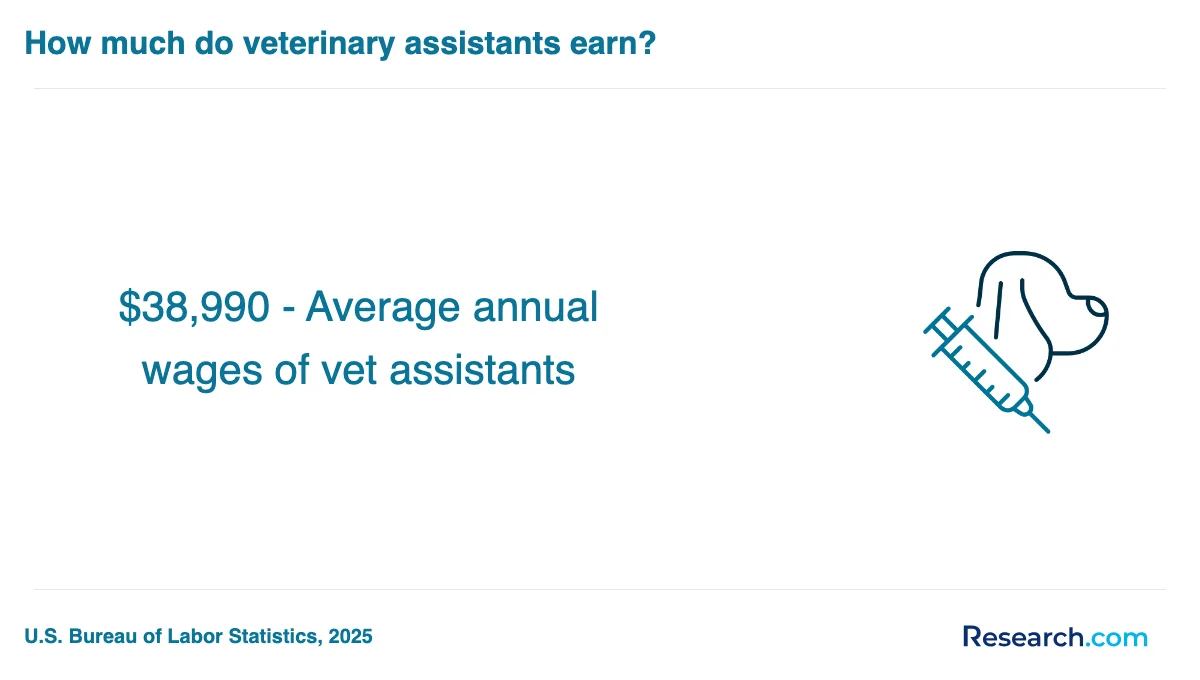
After finishing a veterinary assistant trade school program in the West, many graduates find that starting salaries usually range from about $30,000 to $45,000 per year. For example, graduates from popular trade schools in California often share how their first jobs paid around $17 to $22 an hour, which feels rewarding when you're just launching your career. The higher pay in places like California reflects the demand for skilled assistants and the higher cost of living, making it easier to cover expenses while gaining valuable experience.
Many grads talk about landing roles in busy animal clinics or specialty hospitals, where overtime and benefits like paid time off and health insurance add real value. It's encouraging to hear how starting out can feel challenging but grows more exciting as skills improve and opportunities open up. Plus, with extra training, you can step up into veterinary technician or management roles, boosting your income to $36,000 or more annually. So, if you're coming from a trade school in the West, there's definitely room to grow both your paycheck and your passion for animal care.
Best Veterinary Assistant Training Programs & Trade Schools - Top Veterinary Assistant Schools in West for 2026
# 1 position
Ventura College - Veterinary/Animal Health Technology/Technician and Veterinary Assistant.
associateVentura College offers a program in Veterinary/Animal Health Technology/Technician and Veterinary Assistant that trains students to assist veterinarians and animal specialists with patient care, clinical procedures, and owner communication. The curriculum covers animal nursing, health, nutrition, clinical pathology, radiology, anesthesiology, surgical assisting, and office administration. The program is accredited by the Western Association of Schools and Colleges Accrediting Commission for Community and Junior Colleges. Annual in-state tuition is $1,416.
# 2 position
Cosumnes River College - Veterinary/Animal Health Technology/Technician and Veterinary Assistant.
associateCosumnes River College offers a program in Veterinary/Animal Health Technology/Technician and Veterinary Assistant that trains students to assist veterinarians and animal health professionals with patient care, clinical procedures, and communication. The curriculum covers animal nursing, health and nutrition, clinical pathology, radiology, anesthesiology, surgical assisting, laboratory procedures, and office administration. The program’s annual in-state tuition is $1,288 and it is accredited by the Western Association of Schools and Colleges Accrediting Commission for Community and Junior Colleges.
# 3 position
Mt San Antonio College - Veterinary/Animal Health Technology/Technician and Veterinary Assistant.
associateMt San Antonio College offers a Veterinary/Animal Health Technology/Technician and Veterinary Assistant program that trains students to assist veterinarians and animal health professionals in patient care and clinical procedures. The curriculum covers animal nursing, health, nutrition, handling, clinical pathology, radiology, anesthesiology, dental prophylaxis, surgical assistance, laboratory procedures, and office administration. The program is accredited by the Western Association of Schools and Colleges Accrediting Commission for Community and Junior Colleges. Annual in-state tuition is $1,364.
# 4 position
College of Southern Idaho - Veterinary/Animal Health Technology/Technician and Veterinary Assistant.
associateThe College of Southern Idaho offers a program in Veterinary/Animal Health Technology/Technician and Veterinary Assistant that trains students to assist veterinarians and animal health professionals in patient care and clinical procedures. The curriculum covers animal nursing, handling, clinical laboratory work, radiology, anesthesiology, surgical assisting, and office administration. The program is accredited by the Northwest Commission on Colleges and Universities. Annual in-state tuition is $3,360.
# 5 position
Yuba College - Veterinary/Animal Health Technology/Technician and Veterinary Assistant.
associateYuba College offers a program in Veterinary/Animal Health Technology/Technician and Veterinary Assistant that prepares students to assist veterinarians and animal specialists in patient care and clinical procedures. The curriculum includes animal nursing, health, nutrition, clinical pathology, radiology, anesthesiology, dental prophylaxis, surgical assisting, and office administration. The program is accredited by the Western Association of Schools and Colleges Accrediting Commission for Community and Junior Colleges. Annual in-state tuition is $1,128.
# 6 position
San Diego Mesa College - Veterinary/Animal Health Technology/Technician and Veterinary Assistant.
associateSan Diego Mesa College offers a Veterinary/Animal Health Technology/Technician and Veterinary Assistant program that prepares students to assist veterinarians and animal health professionals with patient care, clinical procedures, and owner communication. The curriculum covers animal nursing, health, nutrition, clinical pathology, radiology, anesthesiology, surgical assisting, and office administration. The program’s in-state tuition is $1,150 annually and is accredited by the Western Association of Schools and Colleges Accrediting Commission for Community and Junior Colleges.
# 7 position
College of Southern Nevada - Veterinary/Animal Health Technology/Technician and Veterinary Assistant.
associateThe College of Southern Nevada offers a program in Veterinary/Animal Health Technology/Technician and Veterinary Assistant preparing students to assist veterinarians and animal care professionals. The curriculum includes animal nursing, clinical procedures, radiology, anesthesiology, surgical assisting, and office administration. Annual in-state tuition is $4,110. The program is accredited by the Northwest Commission on Colleges and Universities and focuses on patient management, owner communication, and applicable standards and regulations.
# 8 position
Colorado Mountain College - Veterinary/Animal Health Technology/Technician and Veterinary Assistant.
associateColorado Mountain College offers a Veterinary/Animal Health Technology/Technician and Veterinary Assistant program preparing students to assist veterinarians and animal health professionals. The curriculum includes animal nursing care, clinical procedures, radiology, anesthesiology, surgical assisting, and office administration. The program is accredited by the Higher Learning Commission. Annual in-state tuition is $2,700.
# 9 position
Windward Community College - Veterinary/Animal Health Technology/Technician and Veterinary Assistant.
associateWindward Community College offers a Veterinary/Animal Health Technology/Technician and Veterinary Assistant program that prepares students to assist veterinarians and animal health professionals. The curriculum includes animal nursing care, clinical procedures, radiology, anesthesiology, surgical assisting, and office administration. The program is accredited by the Western Association of Schools and Colleges Accrediting Commission for Community and Junior Colleges. Annual in-state tuition is $3,194.
# 10 position
Modesto Junior College - Veterinary/Animal Health Technology/Technician and Veterinary Assistant.
associateModesto Junior College offers a program in Veterinary/Animal Health Technology/Technician and Veterinary Assistant that prepares students to assist veterinarians and animal health professionals in patient care and clinical procedures. The curriculum covers animal nursing, clinical pathology, radiology, anesthesiology, dental prophylaxis, surgical assisting, and office administration. The program is accredited by the Western Association of Schools and Colleges Accrediting Commission for Community and Junior Colleges. Annual in-state tuition is $1,270.
Key Findings
- Programs usually take less than one year, combining 100-150 hours of classroom learning with 100+ hours of hands-on externship.
- Most schools require only a high school diploma or GED, with some needing basic animal handling skills.
- Tuition ranges from about $1,500 to $3,200, often including textbooks, scrubs, and career services.
- Graduates can take the NAVTA Approved Veterinary Assistant (AVA) national exam to improve job prospects.
- Entry-level salaries range from $31,000 to $38,000 per year, with opportunities for higher pay in specialized or supervisory roles.
How long does it take to complete veterinary assistant trade schools in West?
Completing a veterinary assistant trade school program in the West typically takes about six months to a year, depending on the school and whether you attend full-time or part-time. Many graduates from popular trade schools in cities like Los Angeles and Denver share how fast-paced yet rewarding their training was. They often mention jumping right into hands-on learning early on, which made the time fly by.
For example, a graduate from a well-known West Coast trade school described balancing weekend classes with a part-time job, finishing the program in just under nine months. Another from a Rocky Mountain school appreciated how the curriculum was designed to fit busy schedules, completing their coursework in about seven months while gaining valuable clinic experience.
Most students find the intensive, practical nature of these programs keeps motivation high, making the months feel shorter than expected. By the time they graduate, many feel confident and excited to start their careers, having gained real skills quickly and efficiently.
What's the difference between online and on-campus veterinary assistant trade school programs?
If you're considering veterinary assistant trade schools in the West, the choice between online and on-campus programs really comes down to how you like to learn and manage your time. Online programs, like the one at Trocaire College, let you study mostly on your own schedule. Graduates often mention how helpful it was to fit classes around work or family, enjoying the freedom of asynchronous lessons without missing out on essential hands-on training, since they still complete clinical hours at local vet clinics.
On the other hand, on-campus programs, such as Ocean County College's NAVTA-approved course, offer a more traditional classroom vibe. Students appreciate the immediate face-to-face interaction with instructors and classmates, plus a structured routine that keeps them motivated. They spend part of their time in labs and clinics, which some find builds confidence faster through real-time feedback.
Both paths require clinical externships, but the flexibility and learning style really shape the experience. Whether you thrive on self-discipline or prefer in-person engagement, West's trade schools have solid options to fit your lifestyle.
What is the average cost of veterinary assistant trade schools in West?
The average cost veterinary assistant programs West 2026 shows quite a range depending on where you choose to study and how long the program lasts. Typically, tuition fees for veterinary assistant trade school programs in the Western US can run anywhere from $1,500 up to $5,000 for shorter courses. However, if you look at popular trade schools like Carrington College in Phoenix, Arizona, graduates often report paying closer to $18,964 for a full program, which many find worth the investment because of the hands-on experience and job placement support.
Another common spot, High Desert Medical College in Lancaster, California, charges around $17,140, and students there highlight the support they received in preparing for certification exams. It's clear that tuition fees vary, so when planning your budget, consider veterinary assistant program tuition fees Western US 2026 trends, especially if you're comparing different locations or program lengths.
Beyond tuition, graduates frequently mention additional costs like books and materials ($100 to $500), uniforms and personal protective equipment ($100 to $200), and certification exam fees (around $100 to $300). Transportation and housing costs depend heavily on the specific area you live in during your studies, so those can fluctuate a lot.
If budgeting seems tricky, you might explore online diploma courses available from various accredited places to save on commuting and housing costs. These can offer flexible scheduling and sometimes more affordable pricing, making it easier for working students to manage.
Be sure to dig into all the details on programs you're interested in before enrolling to get the most accurate picture of your expenses and options.

What financial aid is available for veterinary assistant trade schools in West?
If you're looking into veterinary assistant trade schools in the West, you'll find plenty of financial aid options that can really ease the burden. Many students who attend popular schools in California, Oregon, or Washington start by filling out the FAFSA to access federal aid like the Pell Grant or subsidized loans, which helped one graduate manage tuition without stress. These federal programs are a solid foundation, especially when combined with state-specific grants and scholarships tailored to residents pursuing veterinary careers.
Some trade schools also offer their own scholarships that reward hard work and passion for animal care-graduates often mention how these made a big difference in covering costs. Plus, flexible payment plans are common, letting students spread out tuition over time instead of facing a big lump sum.
Work-study opportunities and paid internships are another plus. One student shared how working part-time at a local clinic through their program not only helped pay bills but also boosted their confidence and skills. For veterans, many schools in the region accept GI Bill® benefits, making education even more accessible.
What are the prerequisites for enrolling in veterinary assistant trade schools in West?
When you're thinking about enrolling in a veterinary assistant trade school program in West, the good news is that most schools keep prerequisites pretty straightforward. Many graduates from popular West trade schools share how accessible the programs felt, especially if you have a genuine passion for animals and hands-on work.
Typically, you'll need:
- A high school diploma or GED-this is the most common baseline requirement across West programs.
- Proof of basic immunizations-since you'll be working closely with animals, schools want to make sure you're protected.
- Sometimes a background check or drug screening-especially if your training involves internships or clinical settings.
Many students mention that having some volunteer experience at animal shelters or clinics, while not always mandatory, really helped them feel confident starting the program. For example, graduates from well-known trade schools in West often talk about how their early exposure to animal care made the coursework more relatable and enjoyable.
Also, some programs encourage good communication skills and a caring attitude since you'll be interacting with pets and their owners regularly. No fancy prerequisites here-just a readiness to learn and an eagerness to jump into practical work.
What are the typical courses in veterinary assistant trade schools in West?
In veterinary assistant trade school programs in the West, you'll dive into courses that really get you ready for real-world animal care. Graduates from popular schools like those modeled after Hagerstown Community College share how the mix of classroom learning and hands-on practice made all the difference.
Typical courses include:
- Animal anatomy and physiology to understand how pets' bodies work.
- Animal handling and restraint so you can safely work with dogs, cats, and even exotic animals without stress.
- Veterinary medical terminology - this helped grads communicate smoothly with vets and staff.
- Vaccine administration and lab procedures to confidently assist with shots and diagnostic tests.
- Pharmacy and medication math for accurate dosing and safe medication handling.
- Emergency and surgical care like CPR, anesthesia monitoring, and first aid, which gave grads real confidence during urgent situations.
Hands-on clinical practicums, often 10-15 hours, are a highlight. Many grads say this live experience in clinics helped turn theory into skills, making job starts way smoother. Plus, courses on client communication and ethics prepare you to connect with pet owners in a caring, professional way-something every vet team values.
What are the available specializations in veterinary assistant trade schools in West?
Veterinary assistant specializations in Western trade schools often cover a broad spectrum tailored to different career interests. Graduates from popular trade schools in the West consistently highlight their hands-on experience in areas like small-animal care, where they learn to handle common pets such as dogs and cats with confidence. Many enjoy electives focused on exotic animals, gaining skills to assist with reptiles, birds, and other unique pets-this is especially valuable for those drawn to large animal and exotic animal assistant programs West.
Some programs offer training in large-animal care, perfect for students near agricultural communities who want to work with horses, cattle, and livestock. Others emphasize veterinary dentistry assisting or laboratory procedures, teaching students to support dental health and perform basic tests in busy clinics.
Core practical skills are supplemented by electives in pharmacy, client communication, and office management, preparing students for well-rounded roles. For anyone curious about further veterinary education pathways, it's useful to explore what degree do you need for veterinarian options available after these trade programs.
How do you choose the best veterinary assistant trade school program in West?
Choosing from the best veterinary assistant programs in Western United States means zeroing in on schools that offer solid accreditation, hands-on training, and flexibility. Graduates from programs like Renton Technical College in Washington often praise the mix of classroom learning and real internships, which helped them feel confident stepping into the workforce. Another popular choice among students is Foothill College in California, thanks to its affordable tuition and comprehensive curriculum, making it easier for many to pursue their passion without breaking the bank.
When scouting for top veterinary assistant schools in Western US, location matters a lot-not just for convenience but for access to great facilities. Western University College of Veterinary Medicine in Pomona, California especially stands out because students get to work in a veterinary teaching hospital, which means practical skills that stick. Many graduates mention how this real-world experience made all the difference when looking for jobs in the medical field that pay well and boosted their confidence on day one.
What career paths are available for veterinary assistant trade school graduates in West?
Graduates of veterinary assistant trade school programs in the West often find a variety of veterinary assistant career opportunities in the West that open up right after finishing school. Many jump straight into roles at local animal shelters or veterinary clinics where they support vets by handling animals and prepping equipment. For example, graduates from popular trade schools in California and Colorado share how rewarding it feels to assist during medical treatments and help anxious pets feel calm. Others decide to build on this experience by moving into veterinary technician jobs in Western states, which usually means pursuing a two-year degree and passing the Veterinary Technician National Examination.
Common career paths include:
- Veterinary assistant roles in animal hospitals and shelters
- Advancing to veterinary technician positions with more clinical responsibilities
- Working in wildlife rehabilitation centers or zoos
- Animal clinic management and research animal care
Many students appreciate how hands-on learning prepares them well for these roles and enables growth. Plus, for those curious about related fields, exploring jobs in the medical field list can inspire further education choices and career moves.
What is the job market for veterinary assistant trade school graduates in West?
The veterinary assistant job outlook in Western states is looking very promising for graduates of veterinary assistant trade schools. Many graduates from popular trade schools across California, Washington, and Oregon share stories of quickly landing jobs thanks to strong regional demand. For instance, California alone employs over 11,400 veterinary assistants, with wages averaging around $37,479 annually, making it an attractive place to start a career. Graduates often highlight how trade schools prepare them well with resume building and interview coaching, which really boosts confidence and readiness.
Employment opportunities for veterinary assistants in the West benefit not just from the large job numbers but also from ongoing openings-about 25,800 annually nationwide-mostly to replace experienced workers leaving the field. Fellow grads mention that cities like Los Angeles frequently have over 100 job listings, which means the market is not only sizable but also dynamic.
Here are some positive points often mentioned by graduates:
- Competitive pay rates, especially in California and Washington
- Job placement assistance directly from trade schools
- Growing demand aligned with rising pet ownership in Western states
If you're looking for affordable options to get started, checking out low cost online veterinary technician trade school programs can be a smart move. Many students appreciate how these programs combine flexibility with practical skills that employers in the West are actively seeking.
Frequently Asked Questions about veterinary assistant
After completing a veterinary assistant trade school in West, preparing for the job market involves several key steps. First, graduates should obtain certification such as the Approved Veterinary Assistant (AVA) credential, which can boost employability. According to the Bureau of Labor Statistics, veterinary assistant roles in the Western US are projected to grow by approximately 15% through 2030, signaling a positive job outlook.
Building a strong resume featuring hands-on skills and clinical experience gained during training is crucial. Networking through local veterinary clinics and job fairs increases chances of finding employment. Additionally, enhancing communication skills and obtaining CPR or first aid certification can make candidates more competitive.
Employers in West increasingly seek veterinary assistant graduates who demonstrate strong technical and interpersonal skills. According to the Bureau of Labor Statistics, proficiency in animal care techniques, including handling and restraint, is essential for safety and efficiency. Additionally, knowledge of medical terminology and basic laboratory procedures is highly valued. Communication skills are crucial, as assistants often interact with pet owners and veterinary staff. West employers also emphasize reliability and the ability to work under supervision in fast-paced clinical settings. Trade school programs focusing on hands-on experience and soft skills development tend to better prepare graduates for these expectations.
Finding internships in West related to veterinary assistant trade school programs involves several strategic steps. Start by contacting your trade school's career services, as many institutions maintain partnerships with local veterinary clinics and animal hospitals. According to the California Veterinary Medical Association, about 65% of veterinary assistant internships in the state are secured through school networks.
Additionally, explore listings on state-specific job boards such as CalJOBS, which often feature internship opportunities in veterinary care. Networking with local veterinary professionals via industry events or social media groups can also uncover hidden internship positions.
Finally, consider directly reaching out to veterinary offices in your area, as some may offer informal internships or shadowing experiences.
Obtaining a veterinary assistant trade school diploma in West significantly enhances career mobility and advancement opportunities. According to the U.S. Bureau of Labor Statistics, veterinary technician and assistant roles in the western states are expected to grow by 18% from 2022 to 2032, faster than the national average. A diploma provides essential clinical skills and certification eligibility, which many employers require.
Graduates often gain access to better-paying positions compared to those without formal training. Data from the California Employment Development Department shows that certified veterinary assistants in West typically earn 15-25% more than uncertified counterparts. This credential also opens pathways to supervisory roles or further education, such as veterinary technician programs.
Overall, a diploma from a recognized trade school in West improves job security and supports upward career movement within the veterinary field.
Students enrolled in veterinary assistant trade schools in West can benefit from part-time jobs that enhance their practical skills. Common opportunities include working as animal care attendants or veterinary receptionists in local clinics. These roles provide hands-on experience with animal handling and client communication, crucial for veterinary assistants.
According to the Bureau of Labor Statistics, veterinary support roles in the Western United States are projected to grow by 17% from 2022 to 2032, indicating increasing job availability. Pet shelters and grooming centers also often hire part-time workers, allowing students to gain diverse experience with different animal species.
Engaging in these jobs while studying helps build a professional network and improves employability after graduation.
To choose the best Veterinary Assistant degree program near me in West, start by researching accredited schools that offer Veterinary Assistant programs, considering factors such as curriculum content, faculty expertise, and available facilities. Research.com can be a useful resource to compare different programs and universities near West, helping identify the ones with strong reputations and valuable hands-on experiences. Lastly, visit campuses if possible and speak with current students or alumni to gauge program satisfaction and career outcomes.
Top Trending Rankings
References
- 5 Career Paths for Veterinary Assistants - HCI College https://www.hci.edu/hci-news/23660-5-career-paths-for-veterinary-assistants
- Vet Assistant | University of West Florida https://uwf.edu/continuinged/programs/career-training/vet-assistant/
- Online Veterinary Assistant from West Georgia Technical College https://careertraining.westgatech.edu/training-programs/veterinary-assistant/
- Veterinary Science Training in Goodyear | West-MEC High School Program https://www.west-mec.edu/high-school-students/west-mec-high-school-programs/veterinary-science
- Veterinary Assistant Technology - Parkway West Career & Technology Center https://www.parkwaywest.org/programs-of-study/veterinary-assistant-technology
- The Academy of Pet Careers - A Trade School for Dog Nerds https://www.theacademyofpetcareers.com/
- Your Veterinary Assistant Career Guide (Salary, Job Duties, & Requirements) | Penn Foster https://www.pennfoster.edu/blog/your-veterinary-assistant-career-guide-salary-job-duties-requirements
- Veterinary Assistant https://www.cpp.edu/cpge/professional-development/online-learning/career-training/vet-assistant.shtml
- Veterinary Technology https://foothill.edu/vettech/
- Veterinary Assistant Career Exploration and Expansion https://blackstone.edu/veterinary-assistant-career-exploring/


