
Best Maintenance Technician Training Programs & Trade Schools - Top Maintenance Tech Schools in Northeast for 2026

Co-Founder and Chief Data Scientist
Choosing the right maintenance technician trade school in the Northeast can shape your future career and open doors to exciting job opportunities. This article presents a carefully crafted ranking of maintenance technician trade school programs, developed by the Research.com team of data scientists to guide you toward the best options available.
Whether you’re starting fresh or seeking to boost your skills, earning a diploma or certification can increase your confidence and employability. Reading this guide will help you make an informed decision that suits your goals and lifestyle.
Key benefits of finishing maintenance technician trade school in Northeast
- Graduates in the Northeast can expect strong salaries, with average earnings around $59,474 per year in Massachusetts and $58,839 in New Hampshire, reflecting high demand for skilled maintenance technicians.
- Career paths include roles in hospitals, universities, and manufacturing plants, offering diverse opportunities for growth and specialization after graduating from a well-known regional trade school.
- Completing an online maintenance technician program offers flexibility and faster entry into the workforce, as demonstrated by graduates from popular Northeast schools who balance work and study successfully.
- Best Maintenance Technician Training Programs & Trade Schools - Top Maintenance Tech Schools in Northeast for 2026
- What can I expect from maintenance technician trade schools in Northeast?
- Where can I work after finishing maintenance technician trade schools in Northeast?
What can I expect from maintenance technician trade schools in Northeast?
In a maintenance technician trade school program in the Northeast, expect a hands-on experience combined with classroom learning focused on mechanical, electrical, and hydraulic systems. Graduates from schools like Northeast Wisconsin Technical College often describe working directly with equipment to inspect, repair, and maintain building systems, gaining practical skills that mirror real job demands.
Students learn to read blueprints, operate specialized tools, and follow safety protocols essential for on-site work. Many programs include welding, pipefitting, and troubleshooting mechanical failures, preparing you for diverse tasks you'll face in manufacturing or facilities maintenance roles. For instance, apprenticeships often provide thousands of hours of on-the-job training supervised by experienced mentors, creating a supportive learning environment.
Safety training and communication with supervisors and tradespeople are emphasized, helping students build confidence and professionalism. Graduates report feeling ready to enter the workforce with certifications recognized by industry leaders, enhancing job prospects in the competitive Northeast market.
Smaller class sizes and individualized instruction make the learning experience more engaging, giving you direct access to faculty and fostering a sense of accomplishment as you master each skill.
Where can I work after finishing maintenance technician trade schools in Northeast?
Graduates of maintenance technician trade schools in the Northeast find themselves in strong demand across many industries. After finishing their programs, many step into roles in facilities management, maintaining everything from public schools to hospitals. For example, graduates from well-known trade schools in the region often secure jobs with city agencies like New York City's Department of Citywide Administrative Services, earning competitive daily wages while gaining valuable hands-on experience.
Others move into manufacturing and industrial settings, where companies rely on maintenance technicians to keep production lines running smoothly. These positions, common among graduates from popular Northeast programs, offer clear pathways for career growth as skills deepen.
Property management and hospitality sectors also provide steady work, with technicians ensuring apartment buildings, hotels, and resorts stay safe and comfortable. Students often share how rewarding it feels to solve real problems daily, from fixing HVAC systems to managing preventive maintenance.
Specialized fields like building automation and energy management are also open, especially for those who earned certifications during their trade school training.
After finishing a maintenance technician trade school program in the Northeast, graduates typically see starting salaries between $38,000 and $48,000 annually. For many, this means stepping into a role where the hourly wage hovers around $19 to $22, enough to cover living expenses while gaining valuable hands-on experience. Graduates from well-known trade schools in the region often share how these wages, though modest at first, quickly improve as they build skills and earn certifications.
For example, a graduate working in urban New Jersey might start closer to $32 per hour, reflecting the state's demand for skilled technicians. Another graduate in Pennsylvania could earn about $55,000 per year in industrial maintenance roles, showing how specialization boosts pay.
These figures highlight real opportunities to grow financially in a trade that values practical knowledge. Many Northeast graduates appreciate the steady wage increases after their first year, reinforcing the choice to invest time in a trade school program.
- Admission usually requires a high school diploma or GED and physical ability for hands-on tasks.
- Programs combine classroom learning with practical skills in areas like welding, carpentry, and electrical systems.
- Most programs take less than a year to complete, with some online options allowing up to 18 months.
- Costs range from $5,000 to $20,000, often including tools and materials, but this varies by school.
- Entry-level maintenance technicians can earn between $40,000 and $55,000 annually, with experienced workers making $60,000 to $75,000 or more.
- Many schools offer job placement assistance and prepare students for advanced roles like maintenance manager or project supervisor.
Completing a maintenance technician trade school program in the Northeast typically takes about 9 to 18 months, depending on whether you attend full- or part-time. Many graduates from well-known Northeast trade schools share that their programs balanced hands-on training with classroom instruction, allowing them to quickly gain the practical skills needed in real-world maintenance roles.
For example, students often start by mastering fundamental electrical and mechanical systems in the first few months. By mid-program, they're confidently troubleshooting equipment failures in simulated environments, which builds both skill and confidence. This pacing helps students feel prepared and eager to enter the workforce sooner than they expected.
Those attending popular trade schools in cities like Boston or Philadelphia appreciate that flexible schedules enable them to maintain jobs or family commitments while progressing steadily through the curriculum. This approachable timeframe makes it realistic for busy adults to retrain without feeling overwhelmed.
Graduates commonly highlight the satisfaction of finishing within a year, equipped with certifications and hands-on experience that employers in the Northeast value highly.
Online maintenance technician programs in the Northeast offer unmatched flexibility for busy adults. Graduates from Northeast State's online course often share how the self-paced format allowed them to balance work, family, and study without stress. They could log in anytime, study from home, and complete the program within 18 months. However, these programs lean heavily on theoretical learning, with hands-on practice limited to simulations or at-home kits, which some students find less immersive.
On the other hand, graduates of on-campus programs like North American Trade Schools in Baltimore highlight the value of working directly with real equipment under expert guidance. The hands-on labs and workshops create an environment where students gain confidence by troubleshooting real mechanical issues and mastering skills like welding and machining. Many emphasize that this immediate feedback and peer interaction made them feel prepared and job-ready.
For those in the Northeast aiming for a practical, hands-on career, the choice often comes down to whether flexibility or direct experience is the priority. Both paths have their strengths depending on individual circumstances.
The average cost maintenance technician trade school Northeast students encounter typically falls between $11,000 and $17,000 per year in tuition fees alone. Graduates from well-known institutions in this region often report paying around $11,868 annually, as seen at North American Trade Schools in Baltimore, Maryland, or approximately $16,650 at Motoring Technical Training Institute in Seekonk, Massachusetts. These figures reflect just tuition and do not include additional expenses like books, tools, housing, and meals, which can significantly increase the total cost.
For many aspiring maintenance technicians, understanding tuition fees maintenance technician programs Northeast help set realistic financial goals. Students frequently share how budgeting for these hidden expenses, such as supplies and living costs, shaped their planning and made their educational journey manageable and less stressful. One graduate recalled how thorough preparation for such costs allowed them to focus on their hands-on training without unexpected financial burdens.
Financial aid opportunities like scholarships and grants are crucial for many, easing the monetary load and making trade school accessible. Prospective students should also explore options at the best online vocational trade programs to find affordable and flexible pathways. For more details on these pathways, check out the best online vocational trade programs.

Maintenance technician students in the Northeast often start their financial aid journey by submitting the Free Application for Federal Student Aid (FAFSA), a crucial step that unlocks federal grants, work-study programs, and loans. Graduates from schools like Northeast Tech frequently share how the 13th Year Scholarship eased their tuition burden, covering up to 1,050 hours of instruction with just a $75 supply fee, making the transition from high school to trade school smoother and less stressful.
Veterans benefit from the Post-9/11 GI Bill, which can cover tuition and fees up to $25,000 annually, with some students expressing relief at additional support through the Yellow Ribbon Scholarship that fills any funding gaps. Private scholarships found on platforms like Fastweb provide extra help, especially for those excelling academically or demonstrating strong merit.
Employers such as Piedmont Airlines offer tuition payment programs that cover tuition and testing fees, often paired with job offers after graduation. This direct path to employment gives students confidence and motivation to complete their training without financial strain.
State grants, institutional scholarships, and flexible payment plans also make these programs accessible, allowing many to pursue their careers without overwhelming debt.
To enroll in a maintenance technician trade school program in the Northeast, you generally need a high school diploma or GED. This basic educational requirement ensures you have the essential math and reading skills needed for technical training. Many students graduating from popular schools in the region mention how their solid high school foundation helped them grasp complex mechanical concepts faster.
Some trade schools also require:
- Basic understanding of electrical systems and mechanical tools, often assessed through placement tests or interviews
- Proof of physical ability, since the job involves hands-on tasks such as lifting equipment or working in confined spaces
- Age verification, typically requiring students to be 18 or older
For example, graduates from well-known Northeast programs recall their initial assessments helped identify strengths and areas needing improvement, making their learning more focused and rewarding. These prerequisites are designed to set students up for success, ensuring they feel confident and prepared from day one.
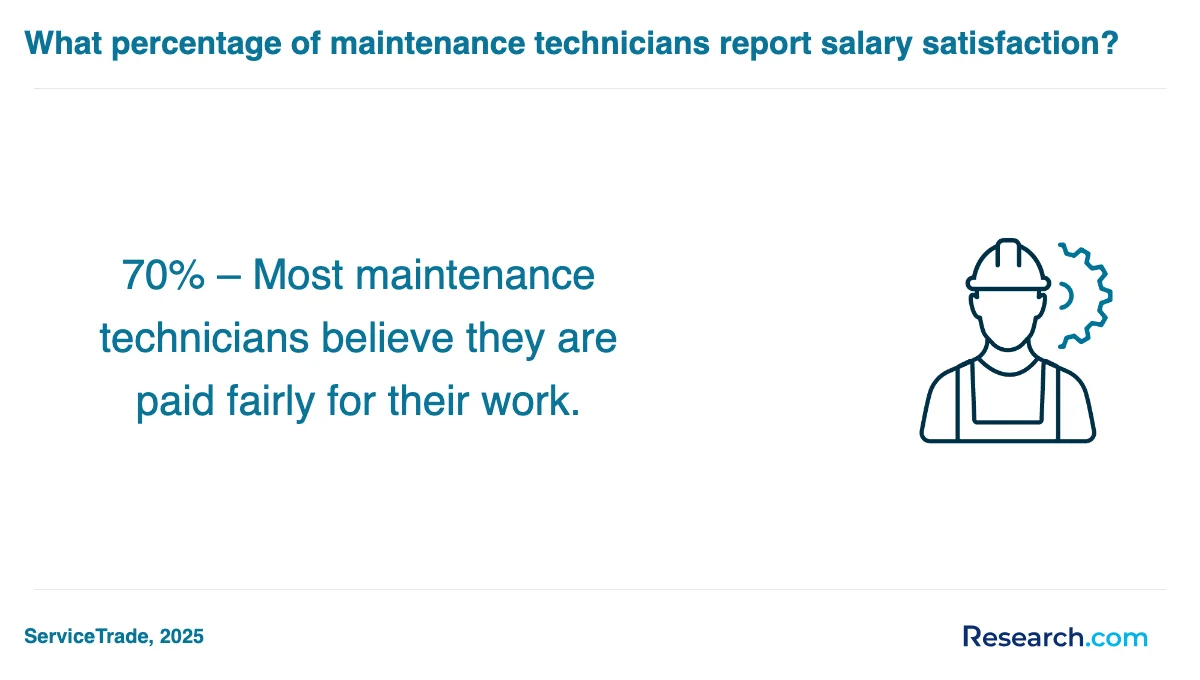
Maintenance technician trade school programs in the Northeast focus on essential technical skills that graduates can apply immediately in industrial and commercial settings. Students typically take courses in:
- Basic electrical systems, learning to diagnose and fix wiring, circuits, and controls-skills vital for manufacturing plants.
- Mechanical systems, covering engines, pumps, and machinery repair that graduates often recall using daily on the job.
- Hydraulics and pneumatics, which teach maintenance of fluid-powered equipment common in production lines.
- Workplace safety and OSHA regulations, ensuring technicians create safe environments, a confidence many alumni appreciate.
- Industrial math and blueprint reading, critical for precise measurements and interpreting technical diagrams during equipment setup.
Advanced topics like automation and robotics prepare students for the modern manufacturing landscape. Trade schools such as Northeast State include machining and quality control, while Rowan College offers flexible online courses covering these fundamentals. Graduates often highlight how these practical, hands-on classes made transitioning into entry-level roles efficient and rewarding.
Maintenance technician specializations in Northeast trade schools cover a practical range of skills tied directly to job market needs. Graduates from places like Southern Maine Community College find opportunities in areas such as Automotive Service Technology, where they diagnose and repair complete automotive systems under ASE-certified guidance. Hands-on training often includes manufacturer-specific technologies, enabling confident entry into advanced automotive careers.
Others specialize in Heating, Ventilation, Air Conditioning, and Refrigeration (HVAC/R), with programs at Northeast Technical Institute equipping students to maintain complex climate-control systems used in residential and commercial settings. Graduates appreciate how this skillset offers consistent demand across industries.
For those aiming at automation and robotics technician programs Northeast, courses typically blend mechanical, electrical, and computerized systems. This prepares students for maintaining automated equipment, giving them an edge in manufacturing and facility management jobs. Typical specializations include:
- Electrical and Electronics Technology
- Industrial Maintenance and Mechatronics
- Precision Machining, Plumbing, and Construction Technology
Students often praise programs that combine broad industry knowledge with focused technical expertise tailored to the Northeast's economic landscape. To understand the differences between vocation vs trade school paths before committing, exploring available options is essential for career clarity.
When selecting from the best maintenance technician trade schools in Northeast, focus on accreditation and hands-on training. Graduates from schools like Naugatuck Valley Community College in Connecticut often share how practical skills gained on-site made their job search smoother and work more fulfilling. Look for programs with strong job placement assistance-internships at Springfield Technical Community College, for instance, connect students directly with local industries, building confidence and real-world experience.
Evaluate the average cost of maintenance technician trade school diploma in Northeast carefully. Affordable options like Erie Community College combine value with robust training, helping students avoid excessive debt while feeling optimistic about future earnings. Don't overlook program flexibility: evening and weekend classes make balancing work and study easier, a common benefit praised by Niagara County Community College graduates.
Understanding the difference between a traditional degree and trade certification is critical. For clarity, check resources on whether to pursue college or trade school to match your career goals effectively and confidently.
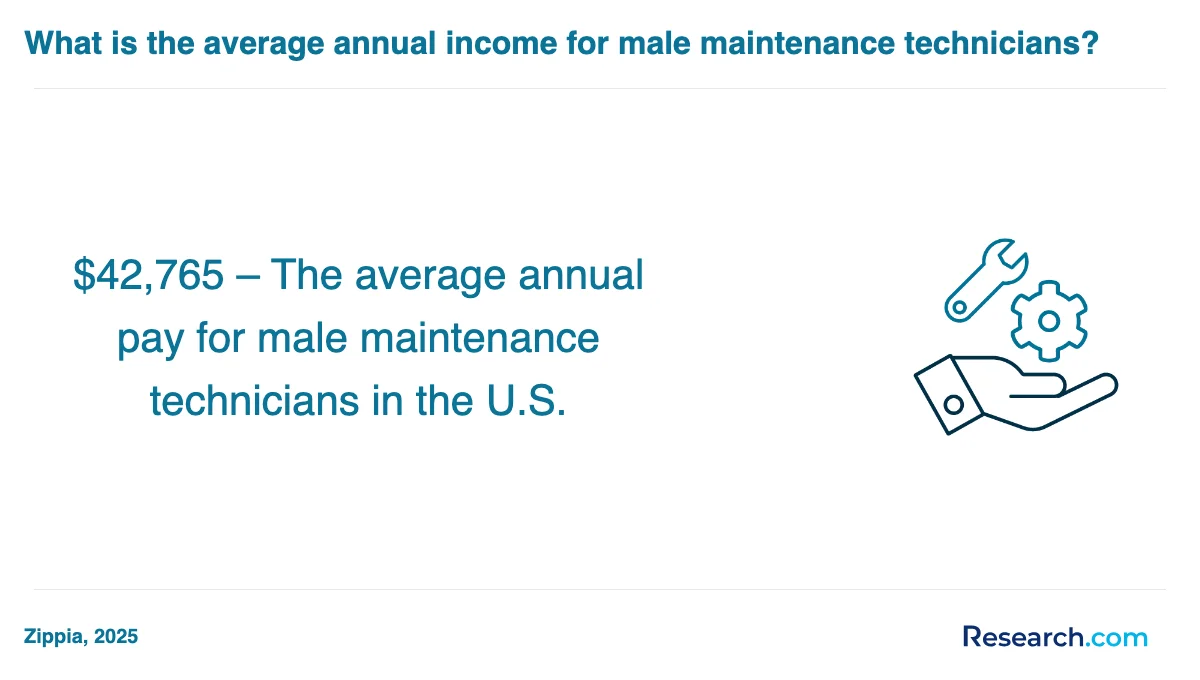
Maintenance technician trade school graduates in the Northeast quickly find a variety of job opportunities, starting with entry-level Maintenance Technician I roles. Many graduates from well-known regional schools begin their careers performing essential repairs and preventive maintenance in manufacturing plants or commercial facilities. This solid foundation opens the door to career advancement for maintenance technicians in Northeast, with many moving up to Maintenance Technician II or III positions as they gain experience and certifications.
Beyond these steps, graduates often pursue specialized paths, such as:
- Reliability Engineers focusing on minimizing downtime and boosting equipment efficiency.
- Maintenance Planners managing schedules and resources effectively.
- Safety Coordinators ensuring rigorous OSHA compliance on-site.
Some graduates also become Technical Trainers or independent Consultants, roles with higher earning potential and leadership responsibility.
For those exploring maintenance technician jobs in Northeast region, the field spans industries from food manufacturing to healthcare. Many find rewarding careers at companies like Schwan's, where advancement and competitive benefits are the norm. Graduates appreciate that popular trade schools in the Northeast prepare them to step confidently into these roles, making this one of the high paying trades that are quick to learn.
The job market for maintenance technician trade school graduates in Northeast remains particularly strong, with a projected growth rate of 13% through 2031. Graduates from popular trade schools in the region often describe entering a field where skilled technicians are in high demand, especially in states like Pennsylvania, New York, and New Jersey. This aligns well with the maintenance technician job outlook Northeast 2026, which highlights opportunities driven by a manufacturing renaissance and the rise of automation.
Many graduates share how their technical skills quickly translated into real job offers featuring competitive wages. For instance, median annual wages for industrial maintenance technicians in New Jersey reached $73,000 in 2023, motivating many students during their studies. Seasonal work with varied hourly rates also appeals to those seeking flexible options, as shown by ongoing recruitment in Pennsylvania.
Key factors boosting this demand include:
- An aging infrastructure requiring ongoing maintenance
- Growing focus on preventive and smart system maintenance
- A skills gap created by retiring baby boomers
Those graduating from these programs often emphasize the rewarding balance of hands-on work with advancing technology. For practical advice about pursuing this career path, many students turn to resources highlighting the best online community colleges and trade schools that offer tailored training.
With the demand for maintenance technicians in Northeast continuing to grow, graduates feel well-positioned to find steady employment and opportunities for growth in this vibrant job sector.
Best Maintenance Technician Training Programs & Trade Schools - Top Maintenance Tech Schools in Northeast for 2026
# 1 position
Westmoreland County Community College - Industrial Mechanics and Maintenance Technology/Technician.
associateWestmoreland County Community College offers a hybrid Industrial Mechanics and Maintenance Technology/Technician program that trains students to repair and maintain industrial machinery and equipment such as cranes, pumps, engines, and conveyor systems. The program is accredited by the Middle States Commission on Higher Education. Annual in-state tuition is $5,880. This program combines technical knowledge with practical skills applicable to various industrial maintenance settings.
# 2 position
Niagara County Community College - Industrial Mechanics and Maintenance Technology/Technician.
associateNiagara County Community College offers a hybrid Industrial Mechanics and Maintenance Technology/Technician program designed to prepare students to repair and maintain industrial machinery and equipment, including cranes, pumps, engines, and conveyor systems. The program costs $6,726 annually for in-state students. It is accredited by the Middle States Commission on Higher Education and includes some distance-education options to provide flexible learning opportunities.
# 3 position
Reading Area Community College - Industrial Mechanics and Maintenance Technology/Technician.
associateReading Area Community College offers a hybrid program in Industrial Mechanics and Maintenance Technology/Technician that prepares students to repair and maintain industrial machinery and equipment, including cranes, pumps, engines, and conveyor systems. The program's annual in-state tuition is $6,270. It is accredited by the Middle States Commission on Higher Education and includes some distance-education options to accommodate different learning needs.
# 4 position
Northampton County Area Community College - Industrial Mechanics and Maintenance Technology/Technician.
associateNorthampton County Area Community College offers a program in Industrial Mechanics and Maintenance Technology/Technician, preparing students to repair and maintain industrial machinery such as cranes, pumps, engines, and conveyor systems. The program is accredited by the Middle States Commission on Higher Education. Annual in-state tuition is $5,310, providing an affordable option for students seeking technical skills in maintaining complex industrial equipment and systems.
# 5 position
Lakes Region Community College - Industrial Mechanics and Maintenance Technology/Technician.
associateThe Industrial Mechanics and Maintenance Technology/Technician program at Lakes Region Community College offers a hybrid format with some distance-education options. It prepares students to repair and maintain various industrial machinery, including cranes, pumps, engines, and conveyor systems. The program is accredited by the New England Commission on Higher Education. Annual in-state tuition is $6,720, providing accessible training for those seeking technical skills in industrial maintenance.
# 6 position
SUNY College of Technology at Canton - Industrial Mechanics and Maintenance Technology/Technician.
associateThe Industrial Mechanics and Maintenance Technology/Technician program at SUNY College of Technology at Canton offers a hybrid format with some distance education options. It trains students to repair and maintain industrial machinery, including cranes, pumps, engines, and conveyor systems. The program is accredited by the Middle States Commission on Higher Education. Annual in-state tuition is $8,689.
# 7 position
Rosedale Technical College - Industrial Mechanics and Maintenance Technology/Technician.
associateRosedale Technical College offers the Industrial Mechanics and Maintenance Technology/Technician program in a hybrid format with some distance education options. The program prepares students to repair and maintain industrial machinery, including cranes, pumps, engines, and conveyor systems. Annual in-state tuition is $16,700. The program is accredited by the Accrediting Commission of Career Schools and Colleges.
# 8 position
New Castle School of Trades - Industrial Mechanics and Maintenance Technology/Technician.
certificate or diplomaThe Industrial Mechanics and Maintenance Technology/Technician program at New Castle School of Trades offers a hybrid format with some distance-education options. It trains students to repair and maintain industrial machinery including cranes, pumps, engines, and conveyor systems. Graduates have median earnings of $38,321 one year after completion. The program is accredited by the Accrediting Commission of Career Schools and Colleges.
# 9 position
North American Trade Schools - Industrial Mechanics and Maintenance Technology/Technician.
certificate or diplomaThe Industrial Mechanics and Maintenance Technology/Technician program at North American Trade Schools offers hybrid learning options, combining in-person and distance education. It prepares students to repair and maintain industrial machinery, including cranes, pumps, engines, and conveyor systems. Graduates typically earn a median income of $34,004 one year after completion. The program is accredited by the Accrediting Commission of Career Schools and Colleges.
# 10 position
Central Pennsylvania Institute of Science and Technology - Industrial Mechanics and Maintenance Technology/Technician.
certificate or diplomaThe Industrial Mechanics and Maintenance Technology/Technician program at Central Pennsylvania Institute of Science and Technology prepares students to repair and maintain various industrial machinery and equipment, including cranes, pumps, engines, and conveyor systems. The hybrid program offers some distance-education options. Graduates have median earnings of $33,506 one year after completing the program. The program is accredited by the Accrediting Commission of Career Schools and Colleges.
Frequently Asked Questions about maintenance technician
After completing a maintenance technician trade school in the Northeast, it is crucial to build a strong job market profile. Start by obtaining relevant certifications such as OSHA safety training or HVAC licenses, which are highly valued by employers. Many trade schools in the region also offer job placement assistance or apprenticeships, so utilize those resources to gain practical experience.
Networking within local industry groups and attending job fairs can increase your job prospects. According to the U.S. Bureau of Labor Statistics, the Northeast has a steady demand for skilled maintenance technicians, with job growth expected at 5% through 2030. Tailoring your resume to highlight technical skills and hands-on experience will further improve your chances.
Employers in the Northeast prioritize a combination of technical and soft skills when hiring maintenance technician trade school graduates. Key technical skills include proficiency in electrical systems, HVAC maintenance, and mechanical troubleshooting, essential for handling diverse industrial equipment. According to the U.S. Bureau of Labor Statistics, over 65% of maintenance roles in the region require strong electrical knowledge.
Additionally, employers value problem-solving abilities and critical thinking, as technicians often diagnose and fix unexpected issues on-site. Communication skills are also important for coordinating with teams and documenting maintenance activities clearly. Safety awareness and adherence to OSHA standards remain a top requirement, ensuring workplace safety and compliance.
Finding internships in the Northeast related to maintenance technician trade school programs requires strategic research and networking. Start by contacting your trade school's career services, as many maintain partnerships with local businesses in manufacturing, utilities, and facilities management sectors. These industries frequently offer internships to students for hands-on experience.
Additionally, use platforms like the U.S. Department of Labor's Apprenticeship Finder and local workforce development boards, which list paid internships and apprenticeships in technical fields. According to the National Center for Construction Education and Research (NCCER), roughly 30% of Northeast maintenance technician students secure internships through school-affiliated programs.
Networking at industry events and joining trade associations can also increase internship opportunities. Reach out to companies in states like New York, Pennsylvania, and Massachusetts, which have robust industrial sectors needing maintenance technicians.
Obtaining a maintenance technician trade school diploma in the Northeast can significantly enhance career mobility and advancement opportunities. According to the U.S. Bureau of Labor Statistics (BLS), skilled maintenance technicians in this region experience a steady job growth rate of about 5% through 2031, reflecting strong demand across manufacturing, utilities, and facilities management sectors.
Trade school diplomas provide practical skills and certifications that many employers in the Northeast prioritize for promotions and higher pay. Graduates often qualify for roles with greater responsibility, such as lead technician or maintenance supervisor, which typically offer salaries 15-25% above entry-level positions, as reported by the National Center for Construction Education and Research (NCCER).
Moreover, regional apprenticeship programs frequently require or prefer candidates with formal diplomas. This credential also aids in transferring skills between industries, enhancing long-term career resilience in a competitive Northeast job market.
Part-time job opportunities in the Northeast that complement maintenance technician trade school education often include roles such as building maintenance assistant, HVAC helper, and electrical technician apprentice. These positions allow students to apply their technical skills while gaining practical experience.
According to the U.S. Bureau of Labor Statistics, the Northeast region has a growing demand for maintenance technicians, with an expected job growth rate of around 5% through 2031. Part-time roles in property management companies and manufacturing plants are common and provide exposure to real-world equipment maintenance.
Engaging in these jobs while studying helps students build industry connections and improve employability upon graduation.
Yes, there are Maintenance Technician degree programs available near me and across the United States that focus on developing skills in equipment maintenance and repair. In the Northeast region, several universities and technical institutes offer specialized programs and certifications tailored to the diverse needs of the industry. Research.com can serve as a helpful resource for identifying and comparing the best programs near Northeast for aspiring maintenance technicians.
- Maintenance Technician Program: What You Need to Know - San Joaquin Valley College https://www.sjvc.edu/program/maintenance-technician/
- Maintenance Technician Trade Program - Aviation Institute of Maintenance https://aviationmaintenance.edu/programs/trade-programs/maintenance-technician/
- Online Maintenance Technician from Gwinnett Technical College https://careertraining.gwinnetttech.edu/training-programs/maintenance-technician/
- Maintenance Technician Program | Carrington College https://carrington.edu/program/maintenance-technician/
- Industrial Maintenance Technician | Northwood Technical College https://www.northwoodtech.edu/academic-programs/degree-programs-and-certificates/industrial-maintenance-technician
- Industrial Maintenance Technician Training https://stlcc.edu/pathways/industrial/industrial-maintenance-tech/
- Maintenance Technician Training Program | JVS Boston https://www.jvs-boston.org/our-services/build-your-skills/maintenance-technician/
- 39772 - Industrial Maintenance Technician | I Can Go to College | California Community Colleges https://icangotocollege.com/college-courses/39772-industrial-maintenance-technician
- Maintenance Technician Apprenticeship Program | Madison College https://madisoncollege.edu/academics/programs/maintenance-technician-apprenticeship
- How to Prepare for a High-Demand Career in the Skilled Trades https://www.lincolntech.edu/news/skills-gap/how-to-prepare-for-high-demand-career-skilled-trades


