Best Maintenance Technician Training Programs & Trade Schools - Top Maintenance Tech Schools in Georgia for 2026

Co-Founder and Chief Data Scientist
Choosing the right maintenance technician trade school in Georgia can shape your career path and open doors to rewarding job opportunities. This article introduces a carefully crafted ranking of maintenance technician trade school programs developed by the Research.com team of data scientists to guide you in making an informed decision.
By exploring these top programs, you’ll discover options that align with your goals and help you gain valuable skills. Earning a diploma or certification can boost your confidence and set you on a path to success in a growing industry.
Key benefits of finishing maintenance technician trade school in Georgia
- Graduates can expect an average hourly wage around $19 to $27 in Georgia, with annual salaries ranging from about $39,500 up to $55,000 or more depending on location and specialization, offering strong earning potential early in their careers.
- A graduate from a popular Georgia trade school often finds diverse career paths, including industrial maintenance, installation, and facility management, providing flexibility to grow in various industries.
- Completing a maintenance technician program online offers convenience and affordability, allowing students to balance work and study while gaining practical skills, as shown by many successful online graduates from well-known Georgia schools.
- Best Maintenance Technician Training Programs & Trade Schools - Top Maintenance Tech Schools in Georgia for 2026
- What can I expect from maintenance technician trade schools in Georgia?
- Where can I work after finishing maintenance technician trade schools in Georgia?
What can I expect from maintenance technician trade schools in Georgia?
Expect a dynamic blend of classroom theory and hands-on training when enrolling in a maintenance technician trade school program in Georgia. Graduates from schools like Savannah Technical College often describe the experience as both challenging and rewarding, with courses covering everything from electrical systems and plumbing to HVAC and programmable logic controls. Imagine spending mornings mastering safety codes and afternoons troubleshooting real machinery in well-equipped labs.
Programs vary in length-from intensive seven-week certificates to more comprehensive diplomas requiring over 50 credit hours-giving you flexibility based on your career goals. Many students appreciate how local employers partner with these schools to offer internships or apprenticeships, turning classroom skills into practical job-ready experience.
The hands-on approach prepares you not only for entry-level roles but also for advancement into specialized positions. Graduates often express pride in developing versatile skills that open doors to industries ranging from facility maintenance to high-tech manufacturing. This immersive training instills confidence and a sense of accomplishment that resonates well beyond graduation.
Where can I work after finishing maintenance technician trade schools in Georgia?
Graduates of maintenance technician trade schools in Georgia often find themselves stepping into a variety of engaging roles right after completing their programs. Imagine starting your day repairing machinery at a bustling Atlanta manufacturing plant or performing emergency maintenance in a large apartment complex in Marietta-these are real scenarios for many who trained at popular Georgia trade schools. The demand is clear, with thousands of job openings statewide, making it easier to land positions in both industrial and residential settings.
Many graduates share how their hands-on training prepared them for specialized roles in HVAC, electrical systems, or plumbing, especially in hospitals or commercial buildings where skilled maintenance is critical. Others find rewarding careers with public agencies like the Georgia Department of Transportation, maintaining vital infrastructure such as highways and bridges. These paths not only offer solid starting wages but also opportunities to grow into supervisory roles, bringing a sense of pride and accomplishment.
After finishing a maintenance technician trade school program in Georgia, graduates often find themselves earning around $18.97 per hour, which translates to roughly $39,500 annually for full-time work. Many new technicians recall starting at about $15.62 per hour but quickly advancing as their skills sharpened and confidence grew. Popular trade schools in Georgia emphasize hands-on training, preparing students for real-world challenges they'll face on the job, which helps many secure positions that pay closer to $21.73 per hour within a year or two.
Those who specialize, especially in industrial maintenance, often see a significant jump in earnings-some making upwards of $74,000 annually, with hourly rates near $36. Graduates share stories of moving into industrial roles at manufacturing plants around Atlanta, where pay averages $30 per hour and career growth feels tangible. The blend of practical experience from trade schools and local job demand creates a promising path for anyone eager to build a stable, well-paying career in Georgia's maintenance field.
- Most programs require a high school diploma or equivalent, with some needing minimum test scores or introductory courses in building repair, electrical, or mechanical systems.
- Program lengths vary from six months for certificates to up to two years for diplomas or associate degrees, with some requiring around 29 credit hours.
- Tuition costs typically range from $2,000 to $8,000 for certificates or diplomas at public colleges, not including additional fees and living expenses.
- Entry-level salaries start at about $39,000 per year, with experienced technicians earning between $50,000 and $60,000 annually or more.
- The job market is strong in commercial and industrial sectors, with higher employability for those holding certifications and hands-on training.
Completing a maintenance technician trade school program in Georgia typically takes about 9 to 12 months, depending on the school and the specific curriculum. Graduates from well-known Georgia trade schools often share how this timeline fits perfectly with their goals to quickly enter the workforce while gaining hands-on experience.
Many students describe the journey as intense but rewarding, balancing classroom theory with practical training on real equipment. Imagine spending a semester troubleshooting industrial machinery, then confidently applying those skills in internships offered by programs at schools in Atlanta or Savannah.
This timeframe allows for a deep dive into essential topics like electrical systems, hydraulics, and preventive maintenance, without the prolonged commitment of a traditional four-year degree. The accelerated pace energizes students, fostering a sense of accomplishment and readiness to tackle real-world challenges soon after graduation.
For those eager to transform their passion for mechanics into a solid career, Georgia's maintenance technician programs offer a focused path that respects both time and ambition.
The core difference between online and on-campus maintenance technician trade school programs in Georgia is the hands-on experience. Graduates from on-campus programs at places like Aviation Institute of Maintenance in Atlanta or Albany Technical College often recall the confidence they built working directly with real machinery and tools in well-equipped labs. This immediate, tactile learning helped them develop strong mechanical and troubleshooting skills that employers highly value.
Online students, on the other hand, appreciate the flexibility to study around work or family commitments, accessing lectures and assignments on their own schedules. However, many mention missing the direct interaction with instructors and peers, as well as the chance to physically handle equipment-elements that can make all the difference in truly mastering the trade.
Some find hybrid programs helpful, blending online theory with scheduled in-person labs to gain both convenience and practical skills. Still, most agree that in Georgia's maintenance field, hands-on training on campus remains key to feeling prepared and ready for real-world challenges.
The average cost maintenance technician programs Georgia vary widely, reflecting different types of institutions and program formats. Public technical colleges offer some of the most accessible tuition fees, with examples such as Coastal Pines Technical College where graduates report spending around $2,331 for the entire program. Meanwhile, Augusta Technical College students often encounter tuition closer to $13,530, illustrating how program length or facility quality can influence pricing. These variations highlight the importance of balancing cost with program features and career support.
Graduates from private schools like the Aviation Institute of Maintenance share mixed feelings, as their tuition fees can reach upwards of $23,291. While the higher investment might seem daunting, many appreciate the comprehensive hands-on training and smaller class sizes that these institutions provide. Students often express satisfaction with how private programs prepare them for the workforce, though financial aid is key to managing the tuition fees maintenance technician schools Georgia demand.
For those looking to manage expenses, financial aid, scholarships, and federal grants can significantly ease the burden. Typical classes in the Atlanta metro area cost about $900 and last around 24 weeks, offering a pace that fits varied schedules. Students pursuing online construction training programs appreciate the flexibility alongside cost efficiency, blending convenience with quality education aligned with local demand.
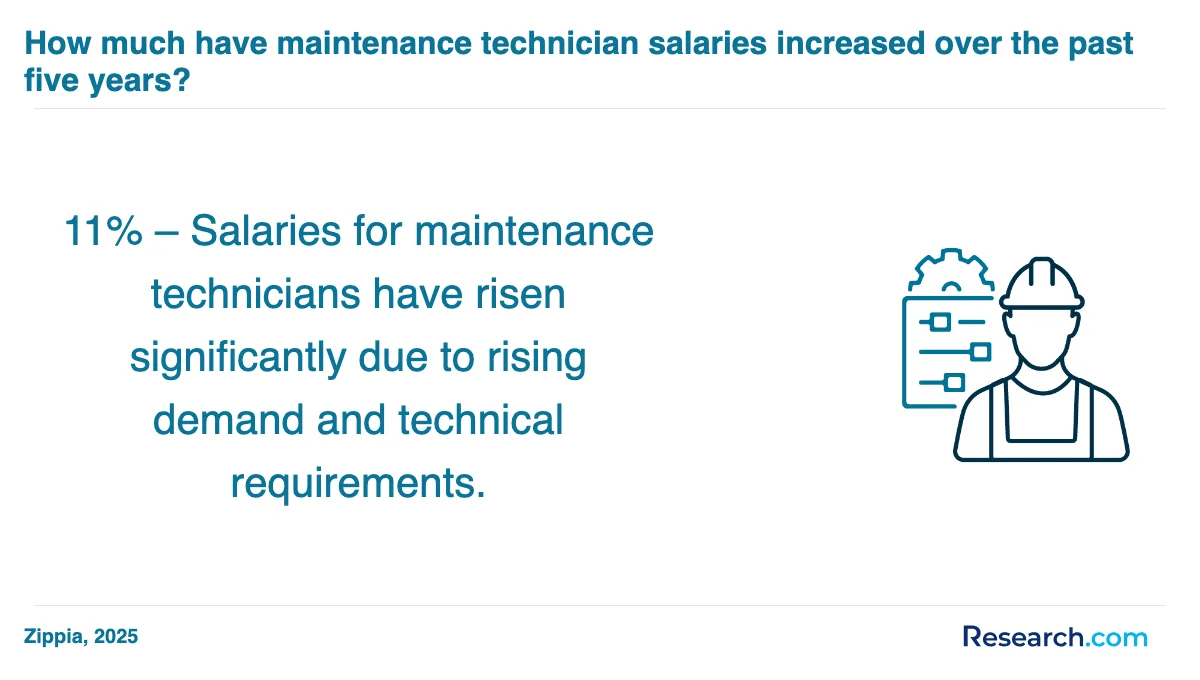
Maintenance technician students in Georgia often find financial aid that transforms their education from a distant dream into an achievable goal. Many graduates from technical colleges like Georgia Piedmont Technical College or Atlanta Technical College share how the HOPE Grant eased their tuition burden, covering most of their costs while they focused on hands-on learning rather than worrying about fees. This state-funded grant requires just a year of residency and good standing with federal loans, making it accessible to many.
The HOPE Career Grant takes this further by targeting high-demand fields like industrial maintenance, adding up to $500 per term for those enrolled full-time, often resulting in tuition-free semesters. Graduates recall how this combined support made their technical training feel like a real investment in their future without crushing debt.
Low-income students often qualify for federal Pell Grants, which significantly reduce expenses at schools such as Augusta Technical College. Many also benefit from flexible payment plans and employer tuition assistance, making the path to certification not only affordable but motivating.
To enroll in a maintenance technician trade school program in Georgia, you generally need to meet a few straightforward prerequisites that set the foundation for success. Most programs require a high school diploma or GED, ensuring you have the essential math and reading skills needed for the hands-on technical training ahead.
Many graduates recall how their basic knowledge in algebra and mechanical reasoning, gained during high school, helped them quickly grasp complex maintenance concepts. For example, students attending well-known Georgia trade schools often share that their instructors expect them to come prepared with a willingness to learn and a strong work ethic, sometimes even more than advanced technical skills.
Common prerequisites include:
- High school diploma or GED
- Basic proficiency in math and reading
- Ability to pass a background check
- Physical ability to handle manual labor and lift equipment
- Sometimes, a valid driver's license for on-site training
These requirements reflect the real-world demands of maintenance work, such as lifting heavy parts or troubleshooting machinery on the spot. Graduates often mention how meeting these prerequisites gave them the confidence to dive into their hands-on training at trade schools in Atlanta or Savannah, where practical skills are prioritized alongside classroom learning.

Maintenance technician trade school programs in Georgia immerse students in a hands-on curriculum that blends electrical, mechanical, and troubleshooting expertise essential for real-world success. Graduates from South Georgia Technical College often highlight courses like Industrial Wiring, Basic Industrial PLCs, and Industrial Motor Controls as game-changers, giving them the confidence to tackle complex electrical systems. These courses cover critical topics such as Direct Current (DC) and Alternating Current (AC) fundamentals, usually totaling around 18 semester credit hours, which ensures a solid foundation.
At Ogeechee Technical College, students appreciate the tiered curriculum-basic to advanced-that adapts to their individual skill levels and career goals. This approach includes:
- Standardized industrial systems training
- Customized contract training tailored to specific industries
- Practical skills applicable across diverse sectors
Mechanical and safety training also plays a vital role. Graduates from places like Georgia Southern University recall how courses in machining, inspection, and automation and robotics prepared them for evolving manufacturing environments. The focus on quality control and safety protocols gives students peace of mind, knowing they're skilled and workplace-ready.
Hands-on learning, often through industry-standard platforms such as the Amatrol e-Learning Curriculum, reinforces theory with practical troubleshooting scenarios. This real-world practice makes the learning process exciting and directly relevant, helping students feel ready to jump into maintenance roles immediately after graduation.
Maintenance technician specializations in Georgia are as diverse as the industries they serve, offering students hands-on training that translates directly to rewarding careers. Graduates from West Georgia Technical College, for example, often praise their Air Conditioning Technology diploma, where they mastered refrigeration fundamentals and HVAC-R electrical systems-skills they use daily in fast-paced job sites. Meanwhile, students in Georgia maintenance technician training programs find Industrial Systems Technology programs at Georgia Northwestern Technical College invaluable for learning motor controls and PLCs, setting them apart in automation roles.
Others discover their passion through Mechanical Maintenance Specialist Certificates, as offered by West Georgia Technical College, where graduates highlight practical experience with troubleshooting and repairing production equipment. Savannah Technical College's Facilities Maintenance Technician program provides broad expertise in electrical, mechanical, and HVAC systems, preparing students for immediate contribution in industrial environments.
- Air Conditioning Technology
- Industrial Systems Technology
- Mechanical Maintenance
- Electrical Systems Technology
- Facilities Maintenance Technician
Many graduates find these focused paths unlock stable and fulfilling trade school jobs, affirming the real value of Georgia's tailored training programs.
Choosing among the best maintenance technician trade schools in Georgia means focusing on more than just location or cost. Graduates from Lanier Technical College often speak highly of the hands-on training that prepared them for real-world challenges, blending HVAC systems, electrical work, and plumbing expertise. These top-rated maintenance technician programs in Georgia don't just teach theory; they build confidence through practical experience, which recent students have found invaluable in job interviews and early career tasks.
Financial aid options and accreditation also matter. For example, institutions like Chattahoochee Technical College, accredited by trusted bodies, offer stability and recognition that make your education worthwhile. Plus, graduates appreciate schools with strong industry partnerships, which lead to internships and networking opportunities that can jumpstart your career.
Before enrolling, explore job placement rates to ensure the program truly supports your career goals. Many satisfied graduates mention that finding opportunities in job trades was easier thanks to their school's connections and reputation.

Graduates of maintenance technician trade school programs in Georgia quickly discover a breadth of dynamic roles that fit their hands-on skills and technical knowledge. Whether trained at popular Georgia trade schools or community colleges, students often step into maintenance technician jobs in Georgia such as Plant Maintenance Technician, Industrial Electrical Maintenance Technician, or Mechatronics Technician. These roles involve fixing complex machinery, managing electrical systems, and keeping production lines running smoothly. Many graduates relish the variety in their day-to-day work, tackling challenges from HVAC repairs to automating manufacturing processes.
Career paths in Georgia include opportunities in:
- manufacturing plants where automation is rapidly growing
- property management teams handling large facilities
- hospitals and healthcare centers requiring equipment upkeep
- transportation and logistics companies focusing on system reliability
Trade school grads frequently share how real-world training prepared them for advancing into supervisory or specialized automation roles, where combining electrical and mechanical skills is highly prized. If you're curious about why trade school can accelerate your future, check out why is trade school better than college to understand how focused training can open these career doors.
The maintenance technician job outlook in Georgia offers promising opportunities for trade school graduates ready to enter a dynamic workforce. With over 4,600 job openings statewide, students completing programs at popular trade schools report quickly securing roles in manufacturing plants, property management firms, and industrial facilities. Graduates often describe their new careers as rewarding and engaging, performing hands-on repairs on electrical, HVAC, and plumbing systems that keep vital operations running smoothly.
Success stories frequently highlight benefits like apprenticeships and real-world training, which are especially valued by employers seeking candidates with practical experience. Industrial maintenance positions, in particular, provide appealing extras such as tool allowances and health benefits, further motivating newcomers to this field.
Known challenges include mastering diverse technical skills, but many graduates mention the excitement of progressing into specialized roles that boost their earning potential. The maintenance technician salary Georgia 2026 projections show an average hourly wage near $19, making this path financially viable for entry-level candidates.
For those considering this career path, exploring the top trade schools in america can be a smart step toward a fulfilling future in maintenance technology.
Best Maintenance Technician Training Programs & Trade Schools - Top Maintenance Tech Schools in Georgia for 2026
# 1 position
Georgia Northwestern Technical College - Industrial Mechanics and Maintenance Technology/Technician.
associateGeorgia Northwestern Technical College offers a hybrid Industrial Mechanics and Maintenance Technology/Technician program that prepares students to repair and maintain industrial machinery and equipment such as cranes, pumps, engines, and conveyor systems. The program’s annual in-state tuition is $3,132. Graduates have median earnings of $62,982 one year after completion. It is accredited by the Southern Association of Colleges and Schools Commission on Colleges.
# 2 position
Georgia Northwestern Technical College - Industrial Mechanics and Maintenance Technology/Technician.
certificate or diplomaGeorgia Northwestern Technical College offers a Hybrid Industrial Mechanics and Maintenance Technology/Technician program preparing students to repair and maintain industrial machinery including cranes, pumps, engines, and conveyor systems. The program's in-state tuition is $3,132 annually. Graduates earn a median salary of $62,982 one year after completion. It is accredited by the Southern Association of Colleges and Schools Commission on Colleges, providing technical skills for various industrial equipment maintenance roles.
# 3 position
South Georgia Technical College - Industrial Mechanics and Maintenance Technology/Technician.
certificate or diplomaSouth Georgia Technical College offers a Hybrid Industrial Mechanics and Maintenance Technology/Technician program that trains students to repair and maintain industrial machinery such as cranes, pumps, engines, and conveyor systems. The program is accredited by the Southern Association of Colleges and Schools Commission on Colleges. Annual in-state tuition is $3,782, providing accessible technical education with some distance-learning options for student flexibility.
# 4 position
Coastal Pines Technical College - Industrial Mechanics and Maintenance Technology/Technician.
certificate or diplomaCoastal Pines Technical College offers a hybrid Industrial Mechanics and Maintenance Technology/Technician program designed to prepare students to repair and maintain various industrial machinery and equipment, including cranes, pumps, engines, and conveyor systems. The program costs $3,040 annually for in-state students. It is accredited by the Southern Association of Colleges and Schools Commission on Colleges, providing flexible learning options with some distance education components.
# 5 position
Southern Crescent Technical College - Industrial Mechanics and Maintenance Technology/Technician.
associateSouthern Crescent Technical College offers a hybrid Industrial Mechanics and Maintenance Technology/Technician program designed to train students in repairing and maintaining industrial machinery such as cranes, pumps, engines, and conveyor systems. The program includes some distance-education options and is accredited by the Southern Association of Colleges and Schools Commission on Colleges. Annual in-state tuition is $3,126.
# 6 position
Southern Crescent Technical College - Industrial Mechanics and Maintenance Technology/Technician.
certificate or diplomaSouthern Crescent Technical College offers a Hybrid Industrial Mechanics and Maintenance Technology/Technician program that prepares students to repair and maintain industrial machinery and equipment such as cranes, pumps, engines, pneumatic tools, and production machinery. The program is accredited by the Southern Association of Colleges and Schools Commission on Colleges. Annual in-state tuition is $3,126, providing a cost-effective option for technical training in this field.
# 7 position
Wiregrass Georgia Technical College - Industrial Mechanics and Maintenance Technology/Technician.
associateWiregrass Georgia Technical College offers a Hybrid Industrial Mechanics and Maintenance Technology/Technician program. It prepares students to repair and maintain industrial machinery such as cranes, pumps, engines, and conveyor systems. The program is accredited by the Southern Association of Colleges and Schools Commission on Colleges. Annual in-state tuition is $3,212. This program combines technical knowledge with practical skills for maintaining complex industrial equipment.
# 8 position
Wiregrass Georgia Technical College - Industrial Mechanics and Maintenance Technology/Technician.
certificate or diplomaWiregrass Georgia Technical College offers a Hybrid Industrial Mechanics and Maintenance Technology/Technician program that prepares students to repair and maintain various industrial machinery and equipment. The program covers cranes, pumps, engines, conveyor systems, and more. Annual in-state tuition is $3,212. The program is accredited by the Southern Association of Colleges and Schools Commission on Colleges.
# 9 position
Athens Technical College - Industrial Mechanics and Maintenance Technology/Technician.
associateAthens Technical College offers a hybrid Industrial Mechanics and Maintenance Technology/Technician program designed to prepare students for repairing and maintaining industrial machinery, including cranes, pumps, engines, and conveyor systems. The program's annual in-state tuition is $3,172. Graduates have a median earning of $47,206 one year after completion. The program is accredited by the Southern Association of Colleges and Schools Commission on Colleges.
# 10 position
Athens Technical College - Industrial Mechanics and Maintenance Technology/Technician.
certificate or diplomaAthens Technical College offers a Hybrid Industrial Mechanics and Maintenance Technology/Technician program that prepares students to repair and maintain industrial machinery such as cranes, pumps, engines, and conveyor systems. The program’s annual in-state tuition is $3,172. Graduates earn a median salary of $47,206 one year after completion. It is accredited by the Southern Association of Colleges and Schools Commission on Colleges.
Frequently Asked Questions about maintenance technician
After completing a maintenance technician trade school in Georgia, preparing for the job market involves several key steps. First, it is essential to obtain relevant certifications such as OSHA 10 or 30-hour safety training, which many employers value. According to the Georgia Department of Labor, the demand for skilled maintenance technicians is expected to grow by 8% through 2030, reflecting steady job opportunities.
Networking plays a crucial role; students should attend local industry events and use Georgia's Technical College System resources to connect with employers. Additionally, creating a professional resume highlighting hands-on experience gained during training can significantly improve job prospects.
Internships or apprenticeships during or after school provide practical skills and often lead to direct employment offers in the state's manufacturing and facility management sectors.
Employers in Georgia seek maintenance technician graduates with a strong foundation in technical skills, including electrical systems, HVAC, and machinery repair. According to the Georgia Department of Labor, proficiency in troubleshooting and preventative maintenance ranks highly for over 70% of job openings in this field.
Hands-on experience with modern diagnostic tools and safety compliance knowledge are also critical. The ability to read blueprints and technical manuals helps technicians perform tasks accurately and efficiently.
Soft skills like communication, teamwork, and problem-solving are increasingly important as employers value technicians who can collaborate and adapt to fast-paced work environments. The U.S. Bureau of Labor Statistics notes that these skills improve job retention and advancement opportunities.
Finding internships relevant to maintenance technician trade school programs in Georgia involves leveraging several local resources. Start by contacting your trade school's career services office, as many schools have partnerships with regional employers in manufacturing, facilities management, and industrial sectors.
Additionally, websites like Georgia Department of Economic Development and Georgia Department of Labor provide listings of apprenticeship and internship opportunities in technical fields. According to the Georgia Department of Labor, technical internships in maintenance fields have grown by 8% annually, reflecting increased demand.
Networking through local trade unions and industry associations, such as the Georgia Manufacturing Extension Partnership, can also uncover opportunities not widely advertised. Students should prepare a clear resume highlighting technical skills gained in coursework to improve their chances.
Obtaining a maintenance technician trade school diploma in Georgia can significantly enhance career mobility and advancement opportunities. According to the Georgia Department of Labor, individuals with trade certifications often experience faster job placement and higher starting wages compared to those without formal training.
Trade schools provide hands-on skills that match industry demands, making graduates more competitive in sectors like manufacturing, construction, and facilities management. The Bureau of Labor Statistics reports that maintenance technicians in Georgia earn a median annual wage above the national average, reflecting strong demand.
Additionally, many employers in Georgia prioritize candidates with diplomas for promotions and specialized roles, supporting long-term career growth. Trade credentials also facilitate access to apprenticeships and continuing education, further boosting advancement potential.
Students enrolled in maintenance technician trade schools in Georgia can benefit from part-time jobs that provide practical experience alongside their studies. Positions such as maintenance assistants, janitorial staff, or entry-level facilities technicians are common and allow students to apply skills learned in classes. According to Georgia Department of Labor data, maintenance-related roles in the state are projected to grow by 7% through 2030, reflecting steady demand.
Additionally, part-time roles in manufacturing plants or property management companies often seek candidates with mechanical and electrical skills, which align well with trade school training. These opportunities help students build hands-on expertise and improve employability after graduation.
To find the best Maintenance Technician degree program near me, you can begin by searching for community colleges and vocational schools that offer technical programs near Georgia, which often provide hands-on training and certification. Additionally, universities in the area may offer advanced degrees or specialized courses in maintenance technology or related fields, so it’s beneficial to explore what local institutions have to offer. Research.com can be a valuable resource to compare programs and their rankings to identify the most suitable options for your educational needs.
- Best Maintenance Technician Training Programs & Trade Schools - Top Maintenance Tech Schools in South Carolina for 2026
- Best Maintenance Technician Training Programs & Trade Schools - Top Maintenance Tech Schools in Alabama for 2026
- Best Maintenance Technician Training Programs & Trade Schools - Top Maintenance Tech Schools in Mississippi for 2026
- Best Maintenance Technician Training Programs & Trade Schools - Top Maintenance Tech Schools in Kentucky for 2026
- Best Maintenance Technician Training Programs & Trade Schools - Top Maintenance Tech Schools in Missouri for 2026
- Best Maintenance Technician Training Programs & Trade Schools - Top Maintenance Tech Schools in Indiana for 2026
- Best Maintenance Technician Training Programs & Trade Schools - Top Maintenance Tech Schools in Ohio for 2026
- Best Maintenance Technician Training Programs & Trade Schools - Top Maintenance Tech Schools in Illinois for 2026
- Best Maintenance Technician Training Programs & Trade Schools - Top Maintenance Tech Schools in Pennsylvania for 2026
- Best Maintenance Technician Training Programs & Trade Schools - Top Maintenance Tech Schools in Texas for 2026
- Online Maintenance Technician from Gwinnett Technical College https://careertraining.gwinnetttech.edu/training-programs/maintenance-technician/
- Maintenance Technician Program: What You Need to Know - San Joaquin Valley College https://www.sjvc.edu/program/maintenance-technician/
- Maintenance Technician Program | Carrington College https://carrington.edu/program/maintenance-technician/
- Maintenance Mechanic | Lakeshore College https://lakeshore.edu/programs-and-courses/career-areas/manufacturing/maintenance-mechanic
- Industrial Maintenance Mechanic Technician | Sacramento City College https://scc.losrios.edu/academics/programs-and-majors-(temporary)/industrial-maintenance-mechanic-technician
- Industrial Maintenance Technician | Northwood Technical College https://www.northwoodtech.edu/academic-programs/degree-programs-and-certificates/industrial-maintenance-technician
- Maintenance Technician Training Program | JVS Boston https://www.jvs-boston.org/our-services/build-your-skills/maintenance-technician/
- Maintenance Technician Trade Program - Aviation Institute of Maintenance https://aviationmaintenance.edu/programs/trade-programs/maintenance-technician/
- 10 Signs a Maintenance Technician Career is a Good Choice! - Unmudl https://www.unmudl.com/blog/signs-a-maintenance-technician-career-is-a-good-choice
- Is Becoming an Industrial Maintenance Technician a Good Career Plan? | UTI https://www.uti.edu/blog/industrial-maintenance/industrial-maintenance-good-career-plan