Best Maintenance Technician Training Programs & Trade Schools - Top Maintenance Tech Schools for 2026

Co-Founder and Chief Data Scientist
Choosing the right maintenance technician trade school can shape your future career in a hands-on, rewarding field. This article presents a carefully crafted maintenance technician trade school programs ranking created by the Research.com team of data scientists to guide you toward the best options.
By exploring these top programs, you’ll gain insight into schools that offer valuable skills and certifications to boost your job prospects. Whether starting fresh or upgrading your expertise, this guide empowers you to make a confident, informed decision for 2026 and beyond.
Key benefits of finishing maintenance technician trade school in the USA
- Graduates from maintenance technician trade schools in the USA can expect an average salary around $56,000 per year, with opportunities to earn up to $93,850 as experience grows, making it a financially rewarding career choice.
- Career paths for graduates often include roles in manufacturing, facilities management, and HVAC systems, as demonstrated by alumni from popular trade schools who quickly find diverse job opportunities.
- Completing a maintenance technician program online offers flexibility and faster completion times, allowing students to balance work and study-many online graduates from well-known schools report feeling confident and ready for the workforce sooner than traditional degree holders.
- Best Maintenance Technician Training Programs & Trade Schools - Top Maintenance Tech Schools for 2026
- What can I expect from maintenance technician trade schools in the USA?
- Where can I work after finishing maintenance technician trade schools in the USA?
What can I expect from maintenance technician trade schools in the USA?
When you enroll in a maintenance technician trade school program in the USA, expect a hands-on learning experience that balances practical skills with technical theory. Graduates from popular trade schools often recall working directly on industrial equipment, mastering electrical maintenance, welding, and mechanical systems through lab activities and real-life simulations. This approach helps you confidently troubleshoot and repair machinery, preparing you for the demands of various industries.
Programs typically start with foundational courses like electrical systems and preventative maintenance, then advance to specialized topics such as programmable logic controllers (PLCs) and blueprint reading. Many students appreciate field trips to local factories and internships, which provide invaluable workplace exposure and networking opportunities.
Flexibility is a key feature-programs can range from 7 months to 2 years, with options for part-time study to fit your schedule. Graduates often highlight the confidence gained in both technical and soft skills like teamwork and communication, which employers highly value in sectors from manufacturing to energy.
Where can I work after finishing maintenance technician trade schools in the USA?
After completing a maintenance technician trade school program in the USA, graduates find diverse employment opportunities across many industries. For instance, many start careers in manufacturing plants, maintaining essential machinery and conveyor systems in sectors like automotive or food processing. These roles often require hands-on skills learned at trade schools, making graduates confident in troubleshooting and emergency repairs.
Others join residential or commercial property management teams, working in apartment complexes or hospitals to fix HVAC systems, plumbing, and electrical issues. Graduates from well-known trade schools often share how rewarding it feels to keep these everyday environments safe and functional for residents and staff.
Government jobs also attract many graduates, with positions available at places like the USPS or city public works, where maintenance technicians keep mail processing equipment and municipal facilities running smoothly.
Specialized environments such as data centers and airports offer roles that require maintaining power and climate control systems-positions that graduates from top trade schools report as challenging yet fulfilling.
Hourly wages range broadly from $18 to $45, reflecting the variety of roles and locations graduates can choose from after completing their training.
After completing a maintenance technician trade school program in the USA, graduates typically see entry-level salaries starting around $43,680 per year. Many graduates from well-regarded trade schools report landing jobs that pay between $43,000 and $56,000 annually, which is a solid foundation for building a career in this field. For example, graduates from popular programs often share how starting wages allowed them to comfortably cover living expenses while gaining valuable hands-on experience.
The hourly rate for new technicians usually begins near $22 to $28, depending on location and specific skills gained during training. Those working in higher-paying states like Alaska or Massachusetts can expect wages closer to $58,000 to $60,000 annually. Plus, many roles offer overtime pay, often adding an extra $6,750 or more per year, which helps boost overall income.
With experience and certifications, it's common to see salaries rise toward the mid to upper $60,000s or beyond, making the investment in a maintenance technician trade school a practical choice for steady income growth.
- Entry requirements usually include a high school diploma, GED, or equivalent, with basic Algebra I math skills recommended.
- Program length ranges from 7-month certificate courses to two-year associate degrees focusing on hands-on skills like industrial electricity and PLCs.
- Tuition costs vary from about $4,200 for short certificate programs to $10,500 for two-year programs, excluding tools and supplies.
- Financial aid options such as grants, loans, and scholarships are often available to help with expenses.
- Starting salaries for graduates typically range between $40,000 and $50,000 annually, with experienced technicians earning $60,000 to $70,000 or more.
Completing a maintenance technician trade school program in the USA typically takes between six months and one year. Many students find this timeline practical, allowing them to quickly gain hands-on skills and enter the workforce without long delays. For example, graduates from popular trade schools in states like Texas and Ohio often share how the structured yet intensive courses helped them master key competencies rapidly, from electrical systems to mechanical troubleshooting.
These programs balance classroom instruction with real-world lab work, making the learning process both engaging and directly applicable. One graduate described feeling confident by the time of completion, ready to handle equipment maintenance confidently on the job. This swift but thorough training path suits those eager to start earning while building a solid foundation for future career growth.
Because the course length is relatively short, many students can fit their studies around personal commitments, making maintenance technician programs an accessible choice for adult learners and career changers across the USA.
The key difference between online and on-campus maintenance technician trade school programs in the USA centers on how hands-on training is delivered. Graduates from online programs like Kent State University appreciate the flexibility of studying electrical and mechanical skills anytime, anywhere, fitting coursework around work or family commitments. They often use video demonstrations and quizzes to learn, but many find supplementing their studies with on-the-job training essential to gain real-world experience.
On the other hand, students at on-campus schools such as Northwood Technical College benefit from direct access to instructors and industry-standard tools. These graduates value the immersive lab sessions where they practice welding, hydraulics, and machining, building confidence through supervised hands-on tasks. The in-person environment also fosters networking with local employers, often leading to internships and job opportunities.
For those balancing work or needing schedule flexibility, online programs offer convenience. But if mastering practical skills and learning by doing is a priority, on-campus training typically provides a richer experience that many find rewarding and motivating.
The average cost maintenance technician trade school program in the United States varies widely depending on the format and location. Graduates from popular trade schools report certificate programs costing between $1,800 and $4,000 for foundational skills covering electrical safety and mechanical basics. For those pursuing trade-specific diplomas, training in HVAC or PLC systems generally ranges from $4,500 to $8,500 over 9 to 15 months, which many find affordable given the specialized expertise gained. Public institutions offering online associate degrees typically charge about $135 per credit, summing to roughly $8,100 for 60 credits, making this pathway attractive for students balancing work and study.
Maintenance technician trade school tuition fees United States figures also highlight higher costs for nonresident and private colleges, sometimes reaching $15,000 to $19,000 for similar two-year programs. Some students appreciate competency-based programs with subscription pricing near $3,000 per six-month term, allowing fast-paced learners to advance more economically. Beyond tuition, expect additional expenses like $200 to $400 for mailed toolkits and optional hands-on labs costing up to $150. Many students benefit from schools using Open Educational Resources, keeping textbook costs below $200, which helps manage the overall budget effectively.
Real experiences from students at well-regarded institutions reveal the importance of requesting a detailed breakdown of tuition, fees, materials, and any travel requirements before enrollment. This pragmatic approach mirrors the advice found on which trade school is best for you, ensuring a clear understanding of the total financial commitment for maintenance technician training.

Maintenance technician students in the USA typically start by completing the FAFSA to access federal aid like Pell Grants, which can cover up to $7,395 for the academic year. Graduates from popular trade schools such as Lincoln Tech and Universal Technical Institute often recall how this grant eased their tuition burden, allowing them to focus more on hands-on training.
Scholarships are another vital resource. For instance, the National Business Aviation Association offers $2,500 scholarships, while the Society for Maintenance & Reliability Professionals awards $2,000 to promising students. Many who attended community colleges with strong maintenance programs have leveraged these scholarships to reduce reliance on loans, feeling a sense of achievement when recognized for their dedication.
Grants and institutional aid also play a role. Schools like WyoTech and community colleges frequently provide grants or vocational scholarships, sometimes up to $3,000, which graduates say helped cover tool costs and books. Veterans often benefit from the GI Bill, which students appreciate for covering both tuition and living expenses, making the transition smoother.
When scholarships and grants fall short, federal student loans with favorable terms are the next step. Graduates advise exploring all aid before considering private loans, which tend to have higher interest rates. These combined options create a manageable financial path for many entering maintenance technician careers.
To enroll in a maintenance technician trade school program in the USA, applicants typically need a high school diploma or a GED. This foundational requirement ensures students have basic math and reading skills, crucial for understanding technical manuals and safety protocols.
Many trade schools also ask for:
- Proof of physical capability, since the work demands manual dexterity and stamina
- Basic mechanical aptitude or prior experience with tools, which some graduates highlight as a confidence booster during training
- Passing an entrance test or placement exam, especially for programs at well-known institutions like Lincoln Tech or Universal Technical Institute
Graduates often mention that meeting these prerequisites helped them smoothly transition into hands-on learning environments. For example, having a solid grasp of algebra made troubleshooting machinery less intimidating and more rewarding. Some schools encourage applicants to complete introductory courses or workshops to build foundational skills before starting the full program.
In real-life scenarios, being prepared before enrollment means you can focus on mastering complex systems without feeling overwhelmed. It's common to see students who came in fully prepared feel a sense of pride and excitement as they progress through their training.
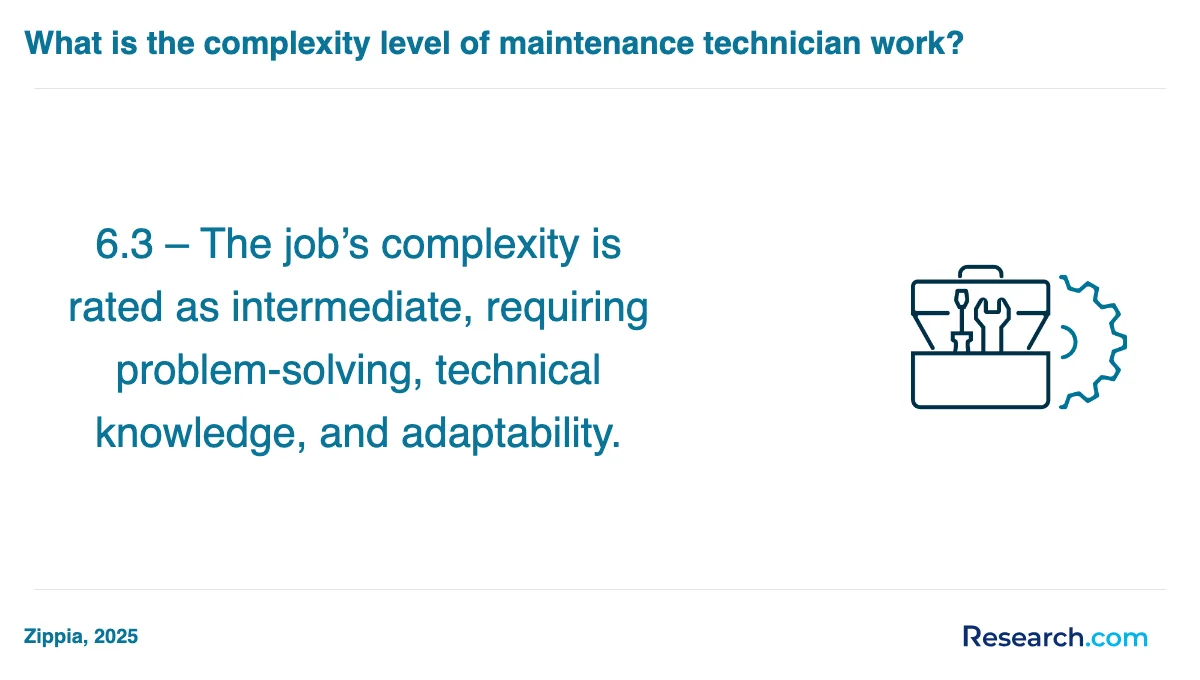
Maintenance technician trade school programs in the USA focus on practical and essential skills that prepare students for real-world challenges. Graduates from well-known trade schools often recall starting with core courses in industrial electricity, where they mastered wiring, control circuits, and safety standards like OSHA and NEC. These skills come alive when troubleshooting electrical issues in busy manufacturing plants.
Mechanical systems and power transmission courses teach students how to handle bearings, gears, and belt systems-crucial knowledge for maintaining heavy machinery without costly downtime.
PLCs (programmable logic controllers) are a highlight, with hands-on training in programming and repairing automated systems using Allen-Bradley and RSLogix tools. Graduates find this especially rewarding as it connects classroom learning to high-tech factory floors.
Additional courses include:
- Welding and machining for fabricating parts
- Hydraulics, pneumatics, and fluid power system maintenance
- Safety training with opportunities to earn OSHA 10 certification
Some students choose electives like air conditioning installation or sustainable energy, tailoring their skills to specific industries. Programs typically last 12 to 24 months, allowing hands-on experience that graduates describe as a confidence booster for entering the workforce.
Maintenance technician trade school programs in the USA offer several practical specializations designed for students seeking targeted skills in specific industries. Graduates from popular schools like Universal Technical Institute (UTI) and the Aviation Institute of Maintenance often mention how their focused training made transitioning into the workforce smoother and more confident.
Common maintenance technician specializations in USA programs include:
- Automotive Technology: Covering engine diagnostics, brake systems, and electrical setups; many graduates pursue ASE certification.
- Industrial Maintenance Technology: Focuses on fluid power systems, PLCs, and industrial safety, preparing students to handle complex machinery in factories.
- Electrical Maintenance Technology: Training in wiring, fire alarm systems, security, and electronics troubleshooting is emphasized here.
- Aircraft Maintenance Technology: This path involves airframe and powerplant systems, plus welding and electronics, offering a rewarding career in aviation.
- Diesel Technology: Centered on diesel engine repair for heavy equipment like trucks and buses.
These maintenance technician training programs in USA provide hands-on experience, ensuring graduates can effectively solve real-world problems. Many students find the specialized curriculum aligns perfectly with their career goals, fueling their enthusiasm and job-readiness. For those exploring options, seeing what are the best trade schools can be a helpful step in selecting the right program for individual ambitions.
Choosing the best maintenance technician programs in the USA means focusing first on accreditation and hands-on training. Graduates from schools like Lincoln Technical Institute and Renton Technical College often praise their access to modern equipment and real-world scenarios that build confidence and skill. Their success comes from programs that combine rigorous coursework with practical labs, making them ready to handle actual maintenance challenges on the job.
Next, consider how to compare maintenance trade school costs USA without sacrificing quality. Public schools such as Collins Career Technical Center offer affordable tuition and strong financial aid, which helps many students graduate debt-free. Graduates frequently mention that this balance of cost and quality made their education both accessible and valuable.
Job placement rates matter too. For example, Lake Area Technical Institute graduates report feeling optimistic about employment thanks to the school's strong employer connections and internship opportunities. These partnerships often turn into immediate job offers, smoothing the transition from student to worker.
Finally, check out student reviews and program outcomes to understand the learning environment. Real student experiences available on platforms discussing what are trade jobs provide insights into instructor quality and support services that matter when choosing your path.
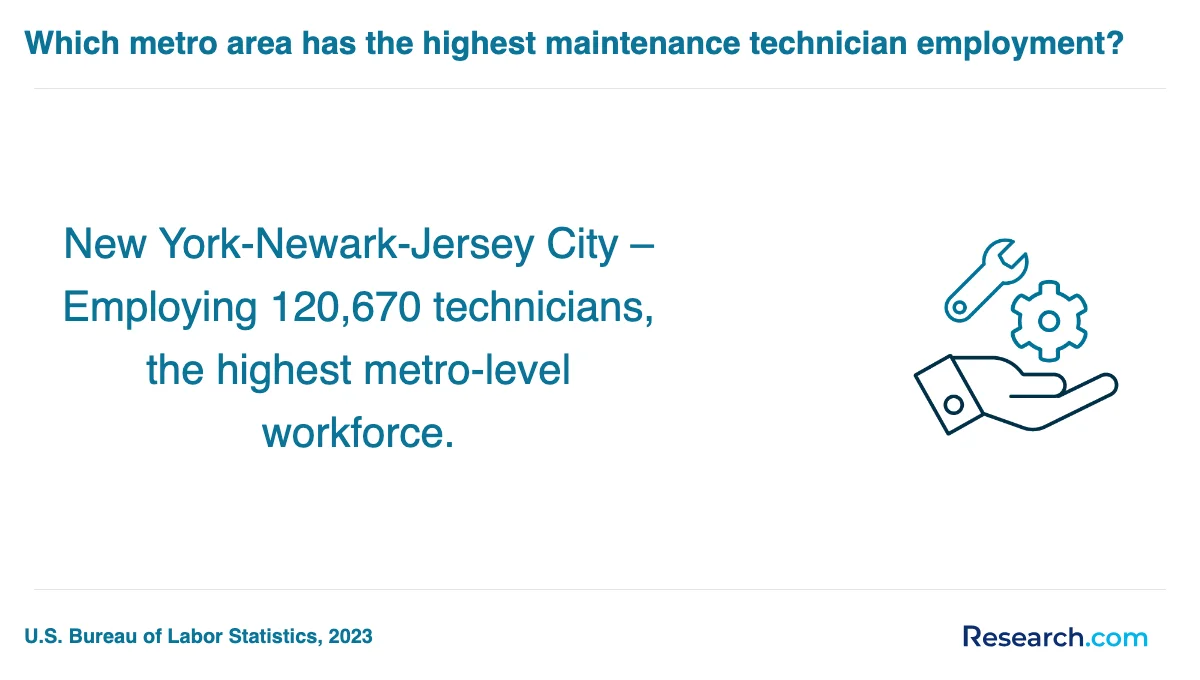
Maintenance technician trade school graduates in the USA have diverse maintenance technician career opportunities in the USA, spanning industries like manufacturing, healthcare, and utilities. Graduates from popular trade schools often find entry-level roles as industrial maintenance technicians, installation technicians, or field service technicians, where they gain hands-on experience repairing machinery and maintaining complex systems. These jobs offer practical, day-to-day challenges that build technical skills and confidence.
With experience, many graduates advance into specialized industrial maintenance technician jobs in the United States, focusing on areas such as electrical systems, HVAC, or building automation. Some move up to supervisory positions or become facility managers, combining technical know-how with leadership. Others prefer lateral moves, entering related fields or training roles as trade school instructors. Graduates often highlight how their programs prepared them for real-world problem-solving, adaptability, and continuous learning.
- Entry-level jobs: industrial maintenance technician, installation technician, plant technician
- Specialized roles: electrical systems, HVAC, building automation
- Advancement: maintenance supervisor, facility manager, plant operator
- Alternative paths: trade school instructor or trainer
The breadth of options comes from practical training found in well-regarded programs, helping students understand the trade certificate program vs vocational program nuances and build skills relevant to today's employers.
For detailed guidance on choosing between these, check out this trade certificate program vs vocational program.
The maintenance technician job outlook in the USA remains strong, with over 178,450 active job openings reported in 2024 and projected growth at 5% through 2028. Graduates from trade schools popular in the United States often find stable employment quickly by applying hands-on skills learned in real-world training environments. Many express satisfaction working in industries like manufacturing, utilities, and aviation where their ability to troubleshoot machinery and adapt to advanced technologies such as robotics is highly valued.
In this expanding field, the demand for maintenance technicians in the United States is fueled by retirement-driven vacancies and new technological integrations across sectors. Graduates commonly report that trade schools focused on maintenance technician training prepare them well by offering:
- Practical experience with diagnostic tools
- Safety protocol knowledge
- Problem-solving skills in automated and manual systems
Trade school alumni often highlight the benefit of choosing specialized programs versus traditional degrees, which you can explore further in discussions distinguishing trades vs college. Salaries vary by region and specialization but generally show strong earning potential early in careers, supporting both financial stability and career growth for graduates nationwide.
Best Maintenance Technician Training Programs & Trade Schools - Top Maintenance Tech Schools for 2026
# 1 position
Gateway Community and Technical College - Industrial Mechanics and Maintenance Technology/Technician.
associateGateway Community and Technical College offers a hybrid Industrial Mechanics and Maintenance Technology/Technician program that prepares students to repair and maintain industrial machinery such as cranes, pumps, engines, and conveyor systems. The program is accredited by the Southern Association of Colleges and Schools Commission on Colleges. Annual in-state tuition is $4,656, and graduates earn a median of $69,378 one year after completion.
# 2 position
Gateway Community and Technical College - Industrial Mechanics and Maintenance Technology/Technician.
certificate or diplomaGateway Community and Technical College offers a hybrid Industrial Mechanics and Maintenance Technology/Technician program designed to prepare students for repairing and maintaining industrial machinery such as cranes, pumps, engines, and conveyor systems. The program is accredited by the Southern Association of Colleges and Schools Commission on Colleges. Annual in-state tuition is $4,656. Graduates report median earnings of $69,378 one year after completion.
# 3 position
Montcalm Community College - Industrial Mechanics and Maintenance Technology/Technician.
associateMontcalm Community College offers a hybrid program in Industrial Mechanics and Maintenance Technology/Technician, preparing students to repair and maintain industrial machinery such as cranes, pumps, engines, and conveyor systems. The annual in-state tuition is $4,860. Graduates have a median earning of $66,358 one year after completing the program. The program is accredited by the Higher Learning Commission.
# 4 position
Montcalm Community College - Industrial Mechanics and Maintenance Technology/Technician.
certificate or diplomaMontcalm Community College offers a hybrid Industrial Mechanics and Maintenance Technology/Technician program preparing students to repair and maintain industrial machinery such as cranes, pumps, engines, and conveyor systems. The program is accredited by the Higher Learning Commission. Annual in-state tuition is $4,860. Graduates earn a median income of $66,358 one year after completion, reflecting strong employment outcomes in technical fields.
# 5 position
Georgia Northwestern Technical College - Industrial Mechanics and Maintenance Technology/Technician.
associateGeorgia Northwestern Technical College offers a hybrid Industrial Mechanics and Maintenance Technology/Technician program that prepares students to repair and maintain industrial machinery and equipment such as cranes, pumps, engines, and conveyor systems. The program’s annual in-state tuition is $3,132. Graduates have median earnings of $62,982 one year after completion. It is accredited by the Southern Association of Colleges and Schools Commission on Colleges.
# 6 position
Georgia Northwestern Technical College - Industrial Mechanics and Maintenance Technology/Technician.
certificate or diplomaGeorgia Northwestern Technical College offers a Hybrid Industrial Mechanics and Maintenance Technology/Technician program preparing students to repair and maintain industrial machinery including cranes, pumps, engines, and conveyor systems. The program's in-state tuition is $3,132 annually. Graduates earn a median salary of $62,982 one year after completion. It is accredited by the Southern Association of Colleges and Schools Commission on Colleges, providing technical skills for various industrial equipment maintenance roles.
# 7 position
Elizabethtown Community and Technical College - Industrial Mechanics and Maintenance Technology/Technician.
associateElizabethtown Community and Technical College offers a hybrid Industrial Mechanics and Maintenance Technology/Technician program designed to prepare students to repair and maintain industrial machinery, including cranes, pumps, engines, and conveyor systems. The program's annual in-state tuition is $4,656. Graduates have median earnings of $65,535 one year after completion. The program is accredited by the Southern Association of Colleges and Schools Commission on Colleges.
# 8 position
Elizabethtown Community and Technical College - Industrial Mechanics and Maintenance Technology/Technician.
certificate or diplomaElizabethtown Community and Technical College offers a hybrid Industrial Mechanics and Maintenance Technology/Technician program that prepares students to repair and maintain industrial machinery and equipment. The program covers systems such as cranes, pumps, engines, pneumatic tools, conveyor systems, and refinery and pipeline-distribution machinery. Annual in-state tuition is $4,656. Graduates have a median earning of $65,535 one year after completion. The program is accredited by the Southern Association of Colleges and Schools Commission on Colleges.
# 9 position
Itawamba Community College - Industrial Mechanics and Maintenance Technology/Technician.
associateItawamba Community College offers a hybrid Industrial Mechanics and Maintenance Technology/Technician program designed to equip students with technical skills to repair and maintain industrial machinery, including cranes, pumps, engines, and conveyor systems. The program’s annual in-state tuition is $3,420. Graduates earn a median salary of $64,343 one year after completion. The college is accredited by the Southern Association of Colleges and Schools Commission on Colleges.
# 10 position
Itawamba Community College - Industrial Mechanics and Maintenance Technology/Technician.
certificate or diplomaItawamba Community College offers a hybrid Industrial Mechanics and Maintenance Technology/Technician program preparing students to repair and maintain industrial machinery such as cranes, pumps, engines, and conveyor systems. The program is accredited by the Southern Association of Colleges and Schools Commission on Colleges. Annual in-state tuition is $3,420. Graduates earn a median salary of $64,343 one year after completion, reflecting strong job market outcomes for trained technicians.
Frequently Asked Questions about maintenance technician
After completing a maintenance technician trade school in the USA, preparing for the job market involves several key steps. First, obtaining industry-recognized certifications such as OSHA safety credentials or HVAC licenses can significantly improve employability. According to the U.S. Bureau of Labor Statistics, employers often prefer candidates with formal training and certifications. Networking is also vital; joining trade associations or attending job fairs can connect graduates with potential employers. Additionally, creating a strong resume that highlights hands-on experience gained during training is essential. Many schools offer career services to assist with job placement, which can be a valuable resource in launching a successful career.
Employers in the USA highly value maintenance technician graduates who demonstrate strong technical skills. Proficiency in electrical systems, mechanical repair, and troubleshooting is essential. According to the U.S. Bureau of Labor Statistics, technicians with expertise in programmable logic controllers (PLCs) and HVAC systems are in increasing demand.
Additionally, problem-solving abilities and adaptability are critical since maintenance roles often require quick responses to unexpected equipment failures. Communication skills also matter, as technicians must collaborate with engineers and management effectively.
Knowledge of safety protocols and OSHA regulations is mandatory, ensuring workplace safety and compliance. Many employers prefer candidates with hands-on experience from accredited trade schools, reflecting practical readiness for real-world challenges.
Finding internships relevant to maintenance technician trade school programs in the USA involves several strategic steps. Start by consulting your trade school's career services office, as many maintain partnerships with local businesses and industries needing maintenance technicians. According to the National Institute for Metalworking Skills, about 70% of trade schools report direct employer connections that facilitate internships.
Additionally, explore industry-specific job boards such as those hosted by the Manufacturing Institute or the Association for Facilities Engineering. Networking at local trade associations and attending job fairs can also increase chances of securing hands-on experience.
Many states have workforce development programs that list apprenticeship and internship opportunities for maintenance technicians. Use online platforms like CareerOneStop, sponsored by the U.S. Department of Labor, to find openings near you.
Obtaining a maintenance technician trade school diploma in the USA significantly enhances career mobility and advancement opportunities. According to the U.S. Bureau of Labor Statistics, employment for maintenance workers is projected to grow 5% from 2022 to 2032, faster than the average for all occupations. A diploma provides foundational skills in mechanical, electrical, and troubleshooting tasks, making graduates competitive candidates for entry-level and supervisory roles.
Trade schools also offer hands-on training aligned with industry standards, which employers highly value. Graduates often experience higher starting wages compared to those without formal credentials, with median annual salaries around $45,000 as reported by the National Center for Education Statistics.
Additionally, diploma holders can more easily pursue certifications like HVAC or industrial maintenance, further improving job prospects and potential promotions within manufacturing, facilities management, and other sectors.
Part-time job opportunities that align well with maintenance technician trade school education in the USA include roles such as facilities assistant, equipment maintenance helper, and production technician. These positions offer hands-on experience with machinery and building systems, reinforcing skills learned in school. According to the U.S. Bureau of Labor Statistics, maintenance and repair workers earned a median wage of $45,760 in 2022, reflecting steady demand for practical skills.
Working part-time in industrial settings or property management companies can provide exposure to HVAC, electrical, and mechanical systems. This real-world experience enhances employability after graduation.
Additionally, internships or apprenticeships often combine paid work with specialized training, benefiting students balancing education and income.
- A Guide to Skilled Trades Apprenticeships and Internships | BestColleges https://www.bestcolleges.com/trades/guide-to-skilled-trades-apprenticeships-internships/
- Technical Trades Work and Learning Program for Employers | MassCEC https://www.masscec.com/program/technical-trades-employers
- Maintenance Trades Internships in the Water Sector - Jewish Vocational Service https://jvs.org/programs/maintenance-trades-internships-in-the-water-sector/
- Internship and training programs :: East Bay Municipal Utility District https://www.ebmud.com/jobs/internship-and-training-programs
- Apprenticeships and Internships | INEOS Careers https://www.ineos.com/careers/apprenticeships-and-internships/
- Maintenance Intern Job Details | Nestle Operational Services Worldwide SA https://jobdetails.nestle.com/job/Hager-City-Maintenance-Intern-WI-54014/1222213501/
- Industrial Maintenance Technician | Northwood Technical College https://www.northwoodtech.edu/academic-programs/degree-programs-and-certificates/industrial-maintenance-technician
- Industrial Maintenance School: Technician Training Program https://www.uti.edu/programs/industrial-maintenance
- Trades Careers: How to Work as a Maintenance Technician - San Joaquin Valley College https://www.sjvc.edu/guides/maintenance-technician-career-guide/
- Maintenance Technician Apprenticeship | Lakeshore College https://lakeshore.edu/programs-and-courses/apprenticeship/maintenance-technician-apprenticeship