
Best Home Inspector Training Programs & Trade Schools - Top Home Inspector Schools for 2026

Co-Founder and Chief Data Scientist
Choosing the right home inspector trade school can feel overwhelming, but finding a program that fits your goals is essential for a successful career. This article introduces the best home inspector trade school programs for 2026, featuring a ranking developed by the Research.com team of data scientists.
By exploring these trusted programs, you’ll gain insight into quality education options that can help you earn a valuable diploma or certification. Whether you’re starting fresh or advancing your skills, this guide aims to support your journey toward a rewarding profession.
Key benefits of finishing home inspector trade school in the USA
- Graduates from home inspector trade schools in the USA can expect an average salary around $60,000 per year, with licensed inspectors earning up to $79,500 or more annually, offering strong financial rewards early in their careers.
- Career paths include working for private inspection companies, government agencies, or becoming self-employed, providing flexibility and opportunities to grow based on your interests and local demand.
- Completing an online home inspector program offers convenience and affordability, allowing students to balance learning with personal commitments while gaining the same valuable skills as traditional degree holders.
What can I expect from home inspector trade schools in the USA?
Enrolling in a home inspector trade school program in the USA means diving into a curriculum that covers essential topics like roofing, structural components, electrical and plumbing systems, HVAC, insulation, and ventilation. Graduates from well-known trade schools often describe the mix of theory and hands-on field training as crucial-one recalled spending over 100 hours in supervised inspections, which built real confidence before entering the workforce.
Many students appreciate that programs also teach report writing and business skills, making the transition to professional life smoother. Imagine finishing a day learning to identify issues in a home's foundation, then practicing how to document findings clearly for clients-this blend reassures students they're prepared for real challenges.
Flexibility is another common expectation. Popular schools offer options ranging from intensive three-week courses to self-paced online learning, accommodating busy lifestyles without losing depth. Graduates often highlight ongoing instructor support even after coursework ends, which eases anxiety about licensing exams and first inspections in the field.
Where can I work after finishing home inspector trade schools in the USA?
After completing a home inspector trade school program in the USA, graduates typically find employment in residential property inspection, often working for real estate agencies or home inspection companies. Many report satisfaction in conducting thorough evaluations of electrical, plumbing, HVAC, and structural systems, helping buyers make informed decisions during home purchases. These roles offer steady work and clear career progression, as seen by graduates from popular trade schools who appreciate the tangible impact of their inspections.
Others pursue self-employment, valuing the flexibility to choose assignments and control their schedules. This path suits those who seek autonomy and a better work-life balance, often highlighted by graduates who enjoy building local client bases through trusted referrals.
Opportunities also exist in commercial property inspection, where graduates inspect larger buildings and face more complex challenges, appealing to those interested in expanding their technical skills. Additionally, government contracts, such as disaster assessments with FEMA through companies like Vanguard Inspection Services, provide unique experiences that combine fieldwork and specialized training.
Trade school graduates also enter roles like construction inspectors or building envelope consultants, supporting senior inspectors and gaining hands-on industry exposure. These varied paths reflect the diverse, practical career options that follow a home inspector trade school education in the USA.
How much can I make after finishing home inspector trade schools in the USA?
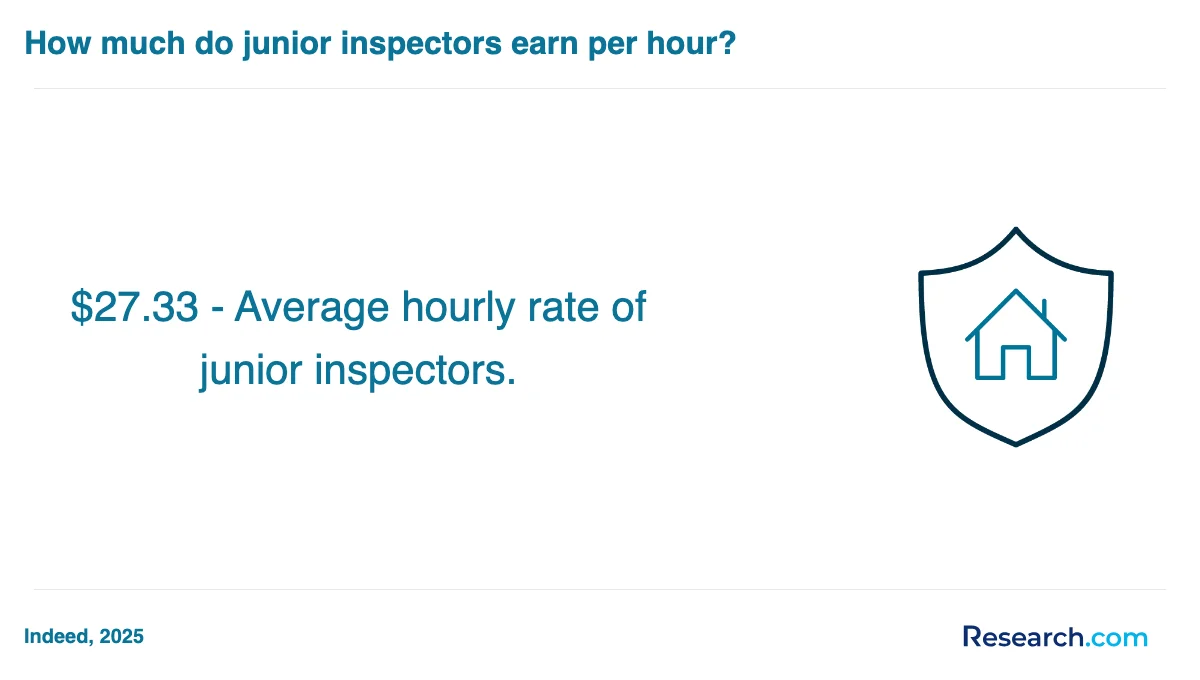
Graduates from home inspector trade school programs in the USA often find that their earnings vary widely, but many report starting salaries around $30,000 to $35,000 per year. This aligns with data showing new inspectors earning approximately $30,160 annually, which can feel encouraging for those just entering the field. Students from well-known trade schools across the country share stories of gradually increasing their income as they gain experience and confidence on the job.
Those with one to four years of experience typically see their annual pay rise to about $55,000, reflecting the value of hands-on skills learned both in school and through real inspections. For example, graduates who started in smaller towns often mention how local demand and their growing reputations contributed to higher earnings over time.
Top performers, especially those who become self-employed or earn additional certifications, can surpass $100,000 per year. This progression highlights the benefit of combining technical training from trade schools with entrepreneurial effort and ongoing learning.
Best Home Inspector Training Programs & Trade Schools - Top Home Inspector Schools for 2026
# 1 position
North Bennet Street School - Building/Home/Construction Inspection/Inspector.
certificate or diplomaNorth Bennet Street School offers a hybrid program in Building/Home/Construction Inspection/Inspector. The curriculum covers construction processes, materials analysis, building codes, safety, blueprint interpretation, and communication skills. Students learn to oversee construction projects and maintain buildings according to industry standards and laws. The program is accredited by the Accrediting Commission of Career Schools and Colleges.
# 2 position
College of San Mateo - Building/Home/Construction Inspection/Inspector.
associateThe Building/Home/Construction Inspection/Inspector program at College of San Mateo prepares individuals to oversee construction projects and maintain completed buildings by applying industrial, labor, and governmental standards. The curriculum covers construction processes, materials analysis, occupational safety and health, building codes, blueprint interpretation, testing procedures, communication skills, accident investigation, and documentation. The annual in-state tuition is $1,332. The program is accredited by the Western Association of Schools and Colleges Accrediting Commission for Community and Junior Colleges.
# 3 position
College of San Mateo - Building/Home/Construction Inspection/Inspector.
certificate or diplomaThe Building/Home/Construction Inspection/Inspector program at College of San Mateo is fully online, preparing students to oversee construction projects and maintain buildings by applying industry standards and laws. The curriculum covers construction processes, materials analysis, safety, building codes, blueprint reading, testing procedures, communication, and accident documentation. Annual in-state tuition is $1,332. The program is accredited by the Western Association of Schools and Colleges Accrediting Commission for Community and Junior Colleges.
# 4 position
Irvine Valley College - Building/Home/Construction Inspection/Inspector.
associateIrvine Valley College offers a hybrid program in Building/Home/Construction Inspection/Inspector that prepares students to oversee construction projects and maintain buildings according to industrial, labor, and governmental standards. The curriculum covers construction processes, materials analysis, occupational safety, building codes, blueprint interpretation, testing procedures, communication skills, accident investigation, and documentation. Annual in-state tuition is $1,156. The program is accredited by the Western Association of Schools and Colleges Accrediting Commission for Community and Junior Colleges.
# 5 position
Diablo Valley College - Building/Home/Construction Inspection/Inspector.
associateThe Building/Home/Construction Inspection/Inspector program at Diablo Valley College prepares students to oversee construction projects and maintain buildings using industrial, labor, and governmental standards and laws. The hybrid program covers construction processes, materials analysis, safety, building codes, blueprint interpretation, testing procedures, communication, accident investigation, and documentation. Annual in-state tuition is $1,312. The program is accredited by the Western Association of Schools and Colleges Accrediting Commission for Community and Junior Colleges.
# 6 position
Diablo Valley College - Building/Home/Construction Inspection/Inspector.
certificate or diplomaDiablo Valley College offers a hybrid program in Building/Home/Construction Inspection/Inspector that prepares students to oversee construction projects and maintain buildings. The curriculum covers construction processes, materials analysis, safety, building codes, blueprint interpretation, testing procedures, communication, accident investigation, and documentation. The program’s annual in-state tuition is $1,312. It is accredited by the Western Association of Schools and Colleges Accrediting Commission for Community and Junior Colleges.
# 7 position
Santiago Canyon College - Building/Home/Construction Inspection/Inspector.
certificate or diplomaThe Building/Home/Construction Inspection/Inspector program at Santiago Canyon College offers a hybrid format with some distance education options. It prepares students to oversee construction projects and maintain buildings by applying industrial, labor, and governmental standards. Instruction covers construction techniques, materials analysis, safety, building codes, blueprint interpretation, testing procedures, communication, accident investigation, and documentation. The annual in-state tuition is $1,164. The program is accredited by the Western Association of Schools and Colleges Accrediting Commission for Community and Junior Colleges.
# 8 position
Saddleback College - Building/Home/Construction Inspection/Inspector.
associateSaddleback College offers a hybrid Building/Home/Construction Inspection/Inspector program that prepares students to oversee construction projects and maintain completed structures. The curriculum covers construction processes, materials analysis, safety and health, building codes, blueprint interpretation, testing procedures, communication, and accident investigation. The program’s annual in-state tuition is $1,432. It is accredited by the Western Association of Schools and Colleges Accrediting Commission for Community and Junior Colleges.
# 9 position
Saddleback College - Building/Home/Construction Inspection/Inspector.
certificate or diplomaThe Building/Home/Construction Inspection/Inspector program at Saddleback College prepares students to oversee construction projects and maintain completed structures by applying industrial, labor, and governmental standards. The hybrid program includes instruction in construction techniques, materials analysis, safety, building codes, blueprint interpretation, testing procedures, communication, accident investigation, and documentation. Annual in-state tuition is $1,432. The program is accredited by the Western Association of Schools and Colleges Accrediting Commission for Community and Junior Colleges.
# 10 position
McHenry County College - Building/Home/Construction Inspection/Inspector.
certificate or diplomaMcHenry County College offers a hybrid program in Building/Home/Construction Inspection/Inspector that prepares students to oversee construction projects and maintain completed structures. The curriculum covers construction techniques, materials analysis, safety, industry standards, building codes, blueprint interpretation, testing procedures, communication, accident investigation, and documentation. The program’s annual in-state tuition is $4,012, and it is accredited by the Higher Learning Commission.
Key Findings
- Most states require a high school diploma or GED, plus supervised inspections or internships, such as 75 to 200 inspections depending on the state.
- Pre-licensing education ranges from 100 to 200 hours, with some states like Texas requiring up to 194 hours including hands-on practice.
- Tuition costs for training programs typically range from $1,000 to $4,000, often covering textbooks, exam prep, and software.
- Graduates must usually pass a state or national licensing exam and may need liability and errors & omissions insurance.
- The median annual salary for home inspectors is about $61,000, with entry-level salaries around $40,000-$50,000 and experienced inspectors earning over $80,000.
How long does it take to complete home inspector trade schools in the USA?
Completing a home inspector trade school program in the USA typically takes between three to six months, depending on the school and the format of study. Graduates from well-known trade schools often share how intensive yet manageable the coursework was, allowing them to balance learning with other responsibilities.
For instance, many programs combine classroom instruction with hands-on training, which students find especially rewarding. One graduate recalls feeling a sense of accomplishment after just a few months, having gained practical skills that immediately boosted their confidence in the field.
Popular trade schools offer flexible options, including part-time evening or weekend classes, which can extend the timeline but accommodate busy schedules. Others provide accelerated tracks that enable motivated students to complete the program faster without compromising on quality.
Overall, the typical duration fits well for those eager to enter the home inspection profession promptly, making the investment of time feel worthwhile and empowering.
What's the difference between online and on-campus home inspector trade school programs?
The core difference between online and on-campus home inspector trade school programs in the USA lies in how students engage with the material and gain practical skills. Online programs, like those at Ashworth College and Loyola Marymount University, offer flexibility for students balancing work or family, allowing them to study anytime with interactive videos and digital resources. Graduates often appreciate this freedom, describing the experience as empowering and convenient, especially when juggling busy schedules.
On the other hand, on-campus programs at schools such as DSDT College and AHIT emphasize hands-on training by conducting real property inspections under instructor supervision. Students frequently report increased confidence and satisfaction from direct interaction and immediate feedback, which enhances their practical skills and professional readiness.
While online programs may include virtual simulations or optional local fieldwork, on-campus courses generally provide more structured and immersive field experiences. This difference often influences students' networking opportunities, with on-campus settings fostering stronger peer connections and mentorship.
What is the average cost of home inspector trade schools in the USA?
The average cost home inspector training program United States wide can vary significantly, but most graduates from popular trade schools report spending between $600 and $2,000 for comprehensive tuition. For example, a well-known program priced at $1,295 often includes all instructional materials, which many students find convenient as they prepare to enter the field. Graduates often share that this cost felt like a manageable investment given the hands-on experience and knowledge gained, which is crucial when launching a career in home inspection.
Home inspector trade school tuition fees United States programs generally reflect differences in curriculum depth and the reputation of the institution. Many future inspectors balance cost with quality, choosing programs that offer real-world training scenarios. This practical approach helps students feel confident in their skills, especially when considering the added expenses of exams, licensing, and tool investments.
In navigating these financial considerations, students often research other costs such as insurance and continuing education, which contribute to the overall expense of becoming a licensed home inspector. Those seeking the top trade schools in america often note the importance of selecting programs that not only fit their budget but also provide strong career support and certification prep, making the initial tuition fee a worthwhile step towards professional success.

What financial aid is available for home inspector trade schools in the USA?
Home inspector trade school students in the USA often find financial aid options more limited than those available for traditional college programs. Veterans benefit most clearly from the GI Bill®, which covers approved certificate programs like InterNACHI's Home Inspector Certificate Program. Graduates who used this benefit recall how it eased the burden of tuition by reimbursing costs directly through the VA, provided they maintained at least 18 clock hours weekly. This support, however, excludes state pre-licensing courses, highlighting the importance of choosing an approved program.
Many students turn to private financing to manage costs. For example, those attending ICA Home Inspection Training often take advantage of payment plans such as Affirm financing or PayPal's "Pay in 4," making tuition more manageable without upfront strain. Graduates appreciate how these options allow them to start training without large immediate expenses, smoothing the path toward certification.
Others highlight how schools like PHII bundle affordable tuition with extras like free bonus courses and association memberships, creating tangible savings beyond the sticker price. While federal Pell Grants or loans are rarely available, these creative funding routes and veteran benefits offer practical solutions for motivated students ready to launch their careers.
What are the prerequisites for enrolling in home inspector trade schools in the USA?
Enrolling in a home inspector trade school program in the USA generally requires meeting a few straightforward prerequisites, designed to ensure students are prepared for the technical and practical nature of the training. Most trade schools expect applicants to have a high school diploma or equivalent, which sets a basic foundation for understanding building codes, safety regulations, and inspection procedures.
Graduates from well-known trade schools often share that having a background in construction, real estate, or a related field enhances the learning experience but is not mandatory. Many programs welcome motivated individuals eager to start a new career, emphasizing willingness to learn over prior experience.
Typical prerequisites include:
- High school diploma or GED
- Minimum age requirement, usually 18 years or older
- Basic proficiency in math and reading comprehension
- Some schools may require passing an entrance assessment or background check
For example, graduates recall how trade schools in states like Texas and Florida balance classroom instruction with hands-on training, so students quickly transition from theory to real-life property inspections. This practical approach helps students feel confident and prepared as they enter the workforce, reinforcing the importance of meeting these entry criteria to succeed in the program.
What are the typical courses in home inspector trade schools in the USA?
Home inspector trade school programs in the USA typically include a comprehensive set of courses designed to prepare students for the realities of the profession. Graduates from well-known schools often mention how the curriculum's variety helped them feel confident during their first inspections.
Core courses generally cover:
- Introduction to Home Inspection: Understanding the profession's scope, ethics, and standards.
- Structural Components: Evaluating foundations, roofs, framing, and other key physical elements.
- Exterior Inspection: Assessing siding, windows, doors, and site conditions.
- Electrical Systems: Learning wiring, circuit breakers, and safety measures.
- Plumbing Systems: Covering water supply, drainage, and fixtures.
- HVAC Systems: Training to inspect heating, ventilation, and air conditioning units.
- Interior Components: Examining walls, floors, stairs, and fireplaces.
- Energy Efficiency & Insulation: Addressing modern building codes and environmental concerns.
Many students praise the inclusion of business practices courses at prominent trade schools, which teach how to run and market an inspection business, write clear reports, and navigate state regulations. Graduates often report these skills were crucial when launching their careers.
Field training is another highlight. Hands-on inspections under supervision bridge classroom knowledge with real-world experience, making the learning process engaging and practical. This approach is especially valued by those attending intensive programs lasting a few weeks, where every hour counts toward readiness.
What are the available specializations in home inspector trade schools in the USA?
Home inspector trade school programs in the USA typically offer a range of specializations that reflect the evolving demands of the housing market. Graduates from well-known programs like ASHI and AHIT often highlight the practical value of focusing on energy auditing, weatherization contracting, and infrared thermography, gaining skills that allow them to assess energy efficiency and identify hidden issues with thermal imaging. These specializations are particularly important in states with strict energy regulations.
Another popular specialization is mold inspection, with certifications that train students to manage common problems in humid climates or older homes. Additionally, advanced modules in HVAC, plumbing, and electrical systems are crucial for meeting state licensure requirements and improving inspection thoroughness.
Many graduates find elective topics such as hazard assessment, fireplaces, chimneys, and site condition analysis helpful for adapting to diverse homes across the USA. This targeted training gives inspectors an edge in the job market, especially when paired with knowledge of home inspector specializations in the USA.
Prospective students considering career advancement and types of home inspection certifications USA available should also evaluate these options carefully. Exploring trade school high paying jobs like home inspection reveals how specializations turn expertise into competitive earning potential.
How do you choose the best home inspector trade school program in the USA?
Choosing the best home inspector trade schools USA requires careful evaluation of accreditation and practical training offerings. Graduates from accredited programs, such as InterNACHI® School, often stress the confidence gained from curriculum that covers essential building systems and inspection techniques, tailored specifically for state licensing requirements. Many highlight how flexible online options combined with in-person experiences, like those offered by the American Society of Home Inspectors (ASHI), fit different learning styles effectively.
Additionally, mentorship and field training are crucial. Students sharing their journeys from schools like The Inspection Academy emphasize how direct guidance from licensed professionals transformed their theoretical knowledge into real-world skills. This hands-on practice often makes the difference between passing the National Home Inspector Examination (NHIE) and excelling in the field.
Cost is another factor, but students often report that affordability paired with exam preparation adds greater value. Some programs provide free education for members, making investing in quality training more accessible. Considering these elements realistically will help you find a program that not only meets state standards but also supports your career growth and average salary after trade school.
What career paths are available for home inspector trade school graduates in the USA?
Graduates of home inspector trade schools in the USA often find diverse and rewarding career paths by leveraging the skills gained during their training. Many start as residential home inspectors, evaluating property conditions for buyers or sellers before transactions. Experienced graduates from popular trade schools, praised for hands-on training, share how this role allows them to directly impact important real estate decisions while building client trust.
Others explore home inspector career opportunities in the USA by working as independent contractors. This path offers flexible schedules and the chance to grow their businesses, creating a sense of accomplishment and financial control. Some choose the stability of inspection firms, benefiting from mentorship and steady projects.
Specialty inspection jobs for home inspector graduates also open doors to niches like commercial property inspections, mold assessments, radon testing, and pest inspections. Graduates report that pursuing these specialties often increases their marketability and income. Additional certifications might be required, but the effort pays off with greater client variety and job satisfaction.
Additional opportunities exist within insurance companies and real estate agencies, focusing on risk assessment and property valuation. Those interested in career advancement might pursue supervisory roles or teaching at home inspector trade schools. For those curious about which trade school is the best, this career versatility is often a decisive factor.
What is the job market for home inspector trade school graduates in the USA?
The home inspector job outlook in the USA for trade school graduates is currently mixed but promising with the right approach. Graduates from popular trade schools report that market fluctuations since 2020 have created challenges, including a 20% to 60% drop in inspections due to higher mortgage rates and limited housing inventory. Yet, those who adapt by joining established firms or leveraging strong business skills find opportunities especially in markets like Houston and Atlanta, where real estate activity remains high.
Many graduates emphasize that success hinges on more than technical training:
- Understanding regional building codes and environmental factors
- Obtaining relevant certifications based on state requirements
- Developing marketing and business management abilities
Demand for home inspectors in the United States continues in certain regions with growth tied to new construction and vibrant housing markets. Part-time inspectors report earnings near $47,600 annually, while experienced full-time inspectors can earn up to $97,000. However, industry data shows about 60% of new graduates struggle to sustain their businesses without strong practical support. Those committed to continuous skill refinement align with experts predicting 2025 as a year of rebuilding.
Students looking for insight into long-term career sustainability are advised to explore growth in trade careers as a resource for understanding evolving opportunities in this competitive field.
Frequently Asked Questions about home inspector
After completing a home inspector trade school in the USA, preparing for the job market involves several key steps. First, obtaining state certification or licensing is critical, as nearly all states require this for practice. Requirements vary, so graduates should check their specific state's rules through official state websites or organizations like the American Society of Home Inspectors (ASHI).
Building a professional network is essential. Joining industry associations and attending local real estate or inspection events can open doors. Additionally, creating a detailed resume highlighting practical training and any internship experience increases employability.
Many graduates also benefit from continuing education to stay updated on building codes and inspection technologies, which enhances credibility and career prospects.
Employers in the USA seek a combination of technical and interpersonal skills from home inspector trade school graduates. According to the American Society of Home Inspectors (ASHI), strong knowledge of building systems, including electrical, plumbing, roofing, and HVAC, is essential. Graduates must demonstrate the ability to perform thorough, accurate inspections and clearly document findings in detailed reports.
Communication skills are equally important. Inspectors must explain complex issues understandably to clients, often homeowners or real estate agents. Attention to detail and critical thinking are vital to identify potential safety hazards and code violations.
Many employers also value proficiency with inspection tools and technology, such as moisture meters and infrared cameras. Additionally, certifications recognized by state licensing boards enhance job prospects.
Finding internships relevant to home inspector trade school programs in the USA involves several practical steps. First, students should consult their trade school's career services or internship coordinators, as many schools maintain partnerships with local inspection companies. According to the American Society of Home Inspectors (ASHI), networking through professional associations significantly increases internship opportunities.
Additionally, students can explore online job portals like Indeed or LinkedIn, filtering for home inspection internships in their region. The U.S. Bureau of Labor Statistics notes that internships in this field often provide hands-on experience crucial for certification exams.
Attending industry events and trade shows also helps students connect directly with potential employers. Many inspection firms prefer interns who demonstrate both technical knowledge and field readiness.
Obtaining a diploma from a home inspector trade school in the USA can significantly enhance career mobility and advancement. Such programs provide essential knowledge and practical skills required to meet state licensing standards, which are mandatory in most states. According to the American Society of Home Inspectors (ASHI), graduates holding a formal diploma often have a competitive edge in securing employment and higher salaries.
Industry data indicates that certified home inspectors can earn between $50,000 and $80,000 annually, with experienced professionals exceeding this range. Having a diploma also opens opportunities for specialization and business ownership, further improving upward mobility.
Additionally, trade school diplomas facilitate networking with industry experts and access to continuing education, both critical for career growth. The U.S. Bureau of Labor Statistics projects a 7% growth in home inspection jobs through 2031, underscoring steady demand for qualified inspectors.
Part-time job opportunities that complement home inspector trade school education in the USA often include roles in construction, property maintenance, and real estate assistance. Working as a construction laborer or assistant can provide hands-on experience with building materials and structural systems, which enhances understanding of inspection standards. Property maintenance roles allow students to familiarize themselves with common household systems such as plumbing and electrical work.
Additionally, many students find part-time work as real estate assistants, helping agents understand property conditions and client needs. According to the U.S. Bureau of Labor Statistics, home inspectors earned a median annual wage of $63,000 in 2022, with job growth projected at 8% through 2032, reflecting steady demand for skilled inspectors.
Top Trending Rankings
References
- Construction and Building Inspectors : Occupational Outlook Handbook: : U.S. Bureau of Labor Statistics https://www.bls.gov/ooh/construction-and-extraction/construction-and-building-inspectors.htm
- Home inspectors: Salary, career path, job outlook, education and more - RaiseMe https://www.raise.me/careers/construction-and-extraction/construction-and-building-inspectors/home-inspectors/
- The Best States to Be a Home Inspector in 2024 - ISN https://www.inspectionsupport.com/the-best-states-to-be-a-home-inspector-in-2023-2024/
- Are home inspectors in demand? | ATI Home Inspector Training https://www.atihomeinspectortraining.com/Blog/InspectionJobProspects
- Are home inspectors in demand? https://www.inspectorproinsurance.com/home-inspector-101/demand-for-home-inspectors/
- How to Become a California Home Inspector: Six-week guide https://www.spectora.com/become-california-home-inspector
- American Home Inspectors Training - AHIT | Live & Online Classes https://www.ahit.com/
- How To Become a Home Inspector | Penn Foster https://www.pennfoster.edu/blog/how-to-become-a-home-inspector
- InterNACHI® - International Association of Certified Home Inspectors https://www.nachi.org/licensing-and-certification
- Home Inspector School | Home Inspection Training | PHII https://www.homeinspectioninstitute.com/


