
Most Affordable Automotive Technician Schools, Colleges & Trade Certification Training Programs in Arkansas for 2026

Co-Founder and Chief Data Scientist
Choosing the right automotive technician trade school in Arkansas can feel overwhelming. To help, this article presents a ranking of the most affordable programs for 2026, created by the Research.com team of data scientists. Their data-driven approach offers clear insights into which schools provide the best value for your investment.
Whether you’re starting fresh or looking to upskill, earning a diploma or certification in automotive technology opens doors to a rewarding career. Reading this guide can make your decision easier and help you take confident steps toward your future.
Key benefits of finishing automotive technician trade school in Arkansas
- Graduates can expect an average hourly wage around $23 to $25 in Arkansas, with opportunities to earn up to $37.57 per hour as experience and skills grow.
- Career paths include roles such as automotive technician, mechanic, or service specialist, offering steady demand and chances for advancement in various local shops and dealerships.
- Completing an automotive technician trade school online provides flexibility and faster completion times, making it easier for graduates to start earning sooner compared to traditional degrees.
- Most Affordable Automotive Technician Schools, Colleges & Trade Certification Training Programs in Arkansas for 2026
- What can I expect from automotive technician trade schools in Arkansas?
- Where can I work after finishing automotive technician trade schools in Arkansas?
What can I expect from automotive technician trade schools in Arkansas?
Step into an automotive technician trade school in Arkansas, and get ready to dive headfirst into hands-on, grease-under-your-nails learning. Picture yourself at Pulaski Technical College, where a two-year program pushes you through modern labs filled with the latest diagnostic gadgets-tools you'll soon wield like a pro. Graduates from Arkansas Tech University often recall the thrill of working on real engines and electrical systems, not just reading about them. You'll spend hours mastering brakes, steering, and climate control, turning theory into muscle memory.
Expect to invest in your own set of professional tools, a rite of passage that feels like stepping into your future career. The instructors? Seasoned ASE Master Technicians who don't just teach-they guide you through complex repairs with stories from the field. North Arkansas College grads talk about the rewarding challenge of an 11-month certificate, fast-tracking their entry into the workforce.
Beyond skills, you gain confidence to tackle dealership or repair shop jobs, with starting wages around $12 per hour and clear paths to grow. Some even celebrate competing in national contests like SkillsUSA, a boost for pride and resume alike.
Where can I work after finishing automotive technician trade schools in Arkansas?
After finishing an automotive technician trade school program in Arkansas, graduates jump into a vibrant job market buzzing with opportunity. Imagine stepping out of a classroom at one of Arkansas's top trade schools and straight into a bustling Ford dealership in Little Rock, where over 200 technician positions await eager hands. Some grads find themselves in independent repair shops, enjoying the hands-on independence and close-knit team vibes, while others thrive in franchise dealerships like Chevrolet or Toyota, riding a clear path of advancement with paid training and solid benefits.
Many grads recount the thrill of joining fleet maintenance teams, keeping delivery vans and municipal vehicles running smoothly across the state. Others embrace the unique rhythm of mobile automotive service, traveling to customers and turning their workspace into wherever the next repair calls. Wages flex between $17 and $33 per hour, reflecting skill and certification upgrades, with some shops offering perks like moving allowances and climate-controlled bays.
From Jonesboro's local garages to specialty diesel repair centers, Arkansas trade school alumni find rewarding, stable careers fueled by nearly 900 statewide job postings and a community ready to welcome skilled technicians.
After finishing an automotive technician trade school program in Arkansas, graduates often find themselves stepping into the workforce with an average hourly wage ranging from $21 to $25 per hour. Imagine clocking in your first day at a busy branded dealership in Little Rock, where the starting pay can feel like a solid reward for all the grease-stained hours spent learning at one of the state's top trade schools. One recent graduate shared how quickly their pay bumped up after just a few months, moving from around $17.31 per hour to comfortably over $22 per hour, thanks to hands-on experience and certifications earned.
Others, working in more urban hubs like Fayetteville, have reported hourly wages climbing as high as $27.64 with overtime, turning their passion for engines into a paycheck that supports a good lifestyle. The path from trade school to shop supervisor isn't just a dream-it's a real, attainable journey here in Arkansas.
- Most automotive technician programs in Arkansas do not require state licensing but prefer ASE certification, which is offered by schools like Pulaski Technical College and Arkansas Tech University.
- Program lengths range from 11 months to two years, combining classroom learning with hands-on training in engine repair, brakes, and electrical systems.
- Tuition costs typically range from $3,000 to $6,000 for certificate programs at public colleges, with financial aid and the Arkansas Future Grant available to eligible students.
- Programs often provide access to modern diagnostic equipment and tools, though some additional expenses for textbooks or tools may apply.
- Entry-level technicians usually earn $12 or more per hour, with experienced workers making between $21 and $25 per hour in Arkansas.
In Arkansas, diving into an automotive technician trade school usually means committing to about 12 to 24 months of intense, hands-on learning. Imagine yourself at a bustling campus like the Arkansas College of Barbering and Hair Design-except instead of scissors, you're wielding wrenches and diagnostic tools, racing against time to master each skill. Graduates often share how those months zipped by, fueled by the excitement of turning rusty engines into roaring beasts.
The pace is fast but rewarding. One grad recalls how weekends blurred into shop time, with instructors pushing them to diagnose real car issues by week eight. Another remembers the thrill of the final project-a full vehicle tune-up-completed just before the 18-month mark, sealing their readiness for the workforce.
Whether you're at a trade school in Little Rock or Jonesboro, expect an immersive experience that balances classroom theory with gritty, grease-under-the-fingernails practice, all wrapped up within two years or less.
Imagine stepping into the bustling labs at Arkansas Tech University-Ozark Campus, wrench in hand, surrounded by engines humming and diagnostic screens glowing. That's the heartbeat of on-campus automotive programs-immersive, hands-on, and buzzing with real-time feedback from ASE Master Certified instructors. Graduates from these programs rave about the thrill of diagnosing brake issues or tuning engines alongside peers, feeling the immediate payoff of their hard work. It's not just learning; it's experiencing the trade's pulse firsthand.
Now picture trying to master those same skills online. In Arkansas, schools like North Arkansas College don't offer full online automotive tech courses because the essence of the craft demands touch, sound, and sight that no screen can fully capture. When online classes do exist, such as at Arkansas State University-Newport, they focus on theory-safety rules, service manuals, and protocols-leaving students to scramble for local shops or labs to get practical hours.
This split means if you crave the hands-on sparks-feeling the torque and tools-you'll thrive on campus. If theory fits your style, online might work, but expect to hustle for that tangible experience essential for certification and real-world success.
If you're weighing the average tuition fees for automotive technician programs in Arkansas, expect a range that mirrors the diversity of schools and programs available. Certificate programs can jump between $5,000 and $15,000, while associate degree routes stretch further, often landing between $10,000 and $25,000 depending on residency and school specifics. For example, graduates from Arkansas State University-Beebe recall a modest in-state tuition of $2,808 for their Certificate of Proficiency, with added costs for books nudging total expenses to around $4,383-a bargain that felt worth every penny.
At Northwest Technical Institute in Springdale, some students share how their two-semester journey, sparked with a summer term, tallied close to $7,228, with all fees and supplies wrapped in. Many speak highly of the hands-on experience gained, making those costs feel like stepping stones to a promising career.
The cost of automotive technician trade schools in Arkansas often sways depending on tool requirements. Texarkana College's one-year certificate program, for instance, pairs in-state tuition and fees of about $5,343 with roughly $2,797 in extras like tools and a laptop, illustrating how supplies quickly inflate the initial price tag. Students who budget well tend to feel more ready to hit the ground running.
Some find it encouraging that Arkansas State University-Mountain Home includes a starter tool kit within their $11,250 all-in tuition. This thoughtful perk eases the financial sting and gets apprentices out of the gate confidently, without scrambling to invest extra before class starts.
For those craving a longer adventure, a 4 year automotive degree offers more depth; while pricier, it unfolds into broader opportunities and skills that many future mechanics treasure. Wherever you land, researching the full cost picture and available financial aid helps turn the dream of becoming an automotive technician in Arkansas into a tangible, exciting reality.

Imagine walking through the bustling halls of Arkansas Tech University, where a graduate beams knowing their tuition was largely covered by a Federal Pell Grant-free money that doesn't need to be paid back. This grant can offer up to $7,395 a year, easing the financial load for many automotive technician students. Over at Pulaski Technical College, another student's excitement grows as they tap into the Arkansas Academic Challenge Scholarship, which can add up to $2,000 annually, funded by the state lottery and designed to boost hardworking tech students' dreams.
Some students at Arkansas Tech Career Center recall winning SkillsUSA competitions, unlocking scholarships that covered everything from tools to certifications-turning passion into tangible support. Meanwhile, others juggle Federal Direct Loans with manageable interest rates or dive into work-study programs, earning while they learn the mechanics of engines and diagnostics.
Every aid option feels like a gear shifting smoothly in their educational journey, making the path to becoming a skilled automotive technician in Arkansas more accessible and hopeful.
Jumping into an automotive technician trade school in Arkansas means gearing up with a few basic prerequisites that open the garage door to your future career. Most popular schools, like those in Little Rock or Fort Smith, expect you to have a high school diploma or a GED-think of it as your ignition key to the program. Graduates often recall how this simple step was their first checkpoint before diving into hands-on engine work.
Besides academics, schools appreciate a spark of passion and a drive to learn. Imagine showing up eager to dismantle an engine or diagnose electrical systems; that enthusiasm can sometimes tip the scales in your favor.
- High school diploma or GED
- Basic math and reading skills
- Some schools might require a background check or drug screening
- Proof of immunizations, especially for hands-on labs
One graduate shared how meeting these prerequisites felt like unlocking the first level of a video game-once done, it was full throttle ahead into real-world repair challenges at their Arkansas trade school.
Diving into automotive technician trade school programs in Arkansas means getting your hands dirty with courses designed to make you a pro in vehicle repair and maintenance. Graduates from popular Arkansas trade schools often recall how Automotive Theory & Maintenance laid down the basics-like mastering tools and safety-so they felt confident stepping into busy shops.
Specialized courses are where the excitement kicks in. Imagine diagnosing a finicky brake system or aligning a car's suspension after a rough ride-these are skills honed in classes like Braking Systems and Suspension & Steering. Arkansas students rave about how these lessons turn abstract diagrams into real-world fixes.
Electrical systems classes bring the future to your fingertips. With cars packed full of sensors and computer controls, programs train you to troubleshoot complex circuits, making you ready for today's tech-heavy garages.
- Engine Performance and Repair-grads say this feels like unlocking the secrets under the hood, from fuel systems to emissions.
- Manual and Automatic Transmissions & Drivetrains-essential for understanding how vehicles move.
- HVAC-because everyone loves a cool ride in Arkansas heat.
- Transportation Electronics-advanced diagnostics that make you a sought-after tech.
Hands-on projects at these schools aren't just practice-they're the real deal, with students fixing actual vehicles and gaining confidence that textbooks alone can't provide.
Arkansas automotive technician specializations open doors to hands-on mastery across key areas like engine repair, automatic transmission, brakes, and electrical systems. Graduates from top schools such as the University of Arkansas Community College at Morrilton rave about working on real engines and diagnostic tools, turning classroom theory into thrilling, grease-stained victories. Popular programs tap into the full spectrum, including suspension and steering, heating and air conditioning, and engine performance-skills vital for today's fast-paced automotive landscape.
Arkansas automotive technology certificate programs often go beyond basics. Pulaski Technical College, for example, offers niche certificates in engine machinist roles or tire center operations, giving graduates an edge in specialized shop settings. At the University of Arkansas - Fort Smith, students build targeted expertise earning certificates in automotive undercar and drivetrain technology that employers highly value.
Most programs last one to two years, helping students quickly gain Maintenance and Light Repair (MLR) certification-perfect for hitting the workforce fast. To explore options or find an affordable auto mechanic online course, consider this affordable auto mechanic online course.
Choosing the best automotive technician trade school program in Arkansas means digging deeper than brochures and flashy websites. Graduates from South Arkansas College often celebrate the confidence they gain from its NATEF-certified curriculum, which blends classroom theory with real, grease-under-the-fingernails hands-on experience-exactly what you want when searching for affordable automotive technician programs in Arkansas. Picture yourself working side-by-side with expert instructors at Black River Technical College, where the focus on modern diagnostic tools sparks that "aha" moment every student craves.
Smaller class sizes at Northwest Arkansas Community College mean instructors know your name and your strengths, making learning a challenge embraced rather than feared. The pride graduates feel when landing jobs isn't luck; it's the result of schools' strong ties with local dealerships and repair shops. And if tuition worries linger, remember schools like Universal Technical Institute pump millions into scholarships, turning dreams into reality.
Wondering whether a trade school or college fits your vibe? Explore options thoughtfully by visiting trade school or college resources, and envision your future where passion meets opportunity.
Automotive technician trade school graduates in Arkansas step into a world brimming with career opportunities after automotive trade school Arkansas. From hands-on roles in bustling dealerships to specialty shops, graduates shine as service technicians or automotive mechanics, earning $12 per hour at the start and climbing to $25 as experience grows. Imagine waking up, gear in hand, ready to diagnose a complex engine fault at a local dealership or mastering electric vehicle systems that the future demands.
Some graduates dive into roles like vehicle inspectors or mobile automotive technicians, traveling across Arkansas to fix fleet vehicles or servicing customers on the go. Others hone their craft in niche fields, such as European auto repair or advanced diagnostics through programs like the GM ASEP, accelerating fast tracks to prestigious technician roles.
Employers across Arkansas eagerly seek these skilled individuals, creating a vibrant market for automotive technician jobs in Arkansas. Graduates from popular schools like Arkansas Tech Career Center enjoy thriving careers in:
- Local dealerships and specialty repair shops
- Package delivery and fleet vehicle maintenance companies
- Mobile repair services, offering flexible work environments
- Advanced electric and hybrid vehicle technology positions
Curious about the best pathways? Explore top vocational trade schools online to find programs tailored for ambition and success in Arkansas's automotive scene.
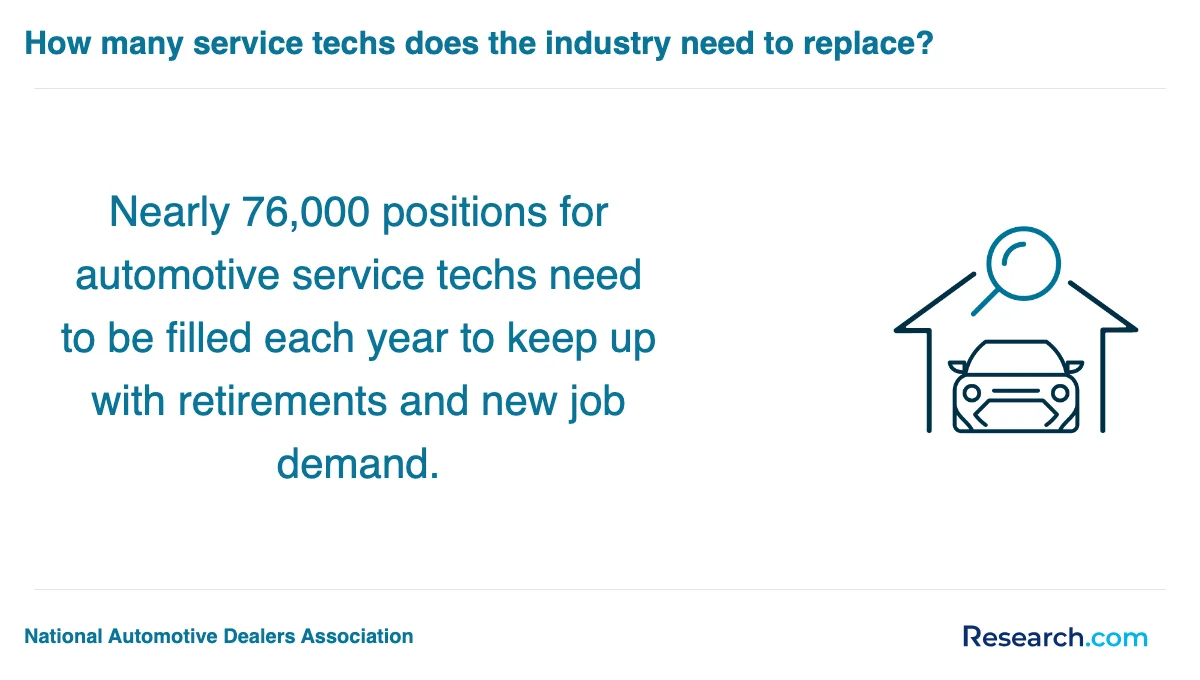
The landscape for automotive technician trade school graduates in Arkansas offers a mix of steady opportunity and room to grow. Imagine stepping out of Arkansas Tech University or the University of Arkansas at Monticello, ready to dive into the workforce. Graduates often find themselves snapped up fairly quickly despite the state's job market not being the busiest nationally. With over 460 automotive technician job openings in Arkansas, opportunities range from dealership service bays to specialized repair shops.
Starting pay might feel humble at around $12 per hour, but as skills deepen, earnings climb to $21-$25 per hour. Here's what many grads experience:
- Hands-on training at top trade schools leading to swift job placements
- Exposure to cutting-edge automotive tech like computerized diagnostics
- Support from local employers who trust these programs' quality
Automotive technician salary in Arkansas averages $22.98 hourly, which varies based on experience and role. The numeric range is as varied as the vehicles you'll work on-from $17.31 to $27.64 per hour where expertise matters most. Plus, this path benefits from robust placement success-like a 100% job placement rate reported by UAM's program in recent years.
Graduates quickly realize Arkansas's affordable education plus strong employer connections create a practical launching pad into a career. Want more insight on prospects? Check out this automotive mechanic job outlook to see how your future could unfold.
Most Affordable Automotive Technician Schools, Colleges & Trade Certification Training Programs in Arkansas for 2026
# 1 position
Arkansas State University-Beebe - Automobile/Automotive Mechanics Technology/Technician.
associateArkansas State University-Beebe offers a Hybrid program in Automobile/Automotive Mechanics Technology/Technician. The curriculum covers repair and maintenance of automobiles, including brake systems, electrical systems, engine performance and repair, suspension and steering, transmissions, and heating and air conditioning systems. Annual in-state tuition is $3,216. Graduates earn a median salary of $38,288 one year after completion. The program is accredited by the Higher Learning Commission.
# 2 position
Arkansas State University-Beebe - Automobile/Automotive Mechanics Technology/Technician.
certificate or diplomaArkansas State University-Beebe offers a hybrid Automobile/Automotive Mechanics Technology/Technician program designed to prepare students to repair, service, and maintain various automobile systems. The curriculum covers brake systems, electrical systems, engine performance and repair, suspension and steering, transmissions, and heating and air conditioning. Annual in-state tuition is $3,216. Graduates have a median earning of $38,288 one year after completion. The program is accredited by the Higher Learning Commission.
# 3 position
University of Arkansas-Pulaski Technical College - Automobile/Automotive Mechanics Technology/Technician.
certificate or diplomaThe University of Arkansas-Pulaski Technical College offers a hybrid program in Automobile/Automotive Mechanics Technology/Technician. It prepares students to repair, service, and maintain various automobile systems, including brakes, electrical, engines, transmissions, and heating/air conditioning. The program is accredited by the Higher Learning Commission. Annual in-state tuition is $4,848, and median earnings one year after completion are $21,483.
# 4 position
National Park College - Automobile/Automotive Mechanics Technology/Technician.
associateThe Automobile/Automotive Mechanics Technology/Technician program at National Park College offers a hybrid format with some distance-education options. It prepares students to repair, service, and maintain various automobile systems, including brakes, electrical, engines, transmissions, suspension, steering, and heating and air conditioning. The program’s annual in-state tuition is $5,600. Graduates have median earnings of $30,913 one year after completion. The program is accredited by the Higher Learning Commission.
# 5 position
National Park College - Automobile/Automotive Mechanics Technology/Technician.
certificate or diplomaNational Park College offers a hybrid program in Automobile/Automotive Mechanics Technology/Technician that prepares students to repair, service, and maintain various automobiles. The curriculum covers brake systems, electrical systems, engine performance and repair, suspension and steering, transmissions, and heating and air conditioning systems. The program is accredited by the Higher Learning Commission, with an annual in-state tuition of $5,600 and median earnings of $30,913 one year after completion.
# 6 position
East Arkansas Community College - Automobile/Automotive Mechanics Technology/Technician.
certificate or diplomaEast Arkansas Community College offers a hybrid program in Automobile/Automotive Mechanics Technology/Technician, combining in-person and distance education. The curriculum covers brake systems, electrical systems, engine performance and repair, suspension and steering, transmissions, and heating and air conditioning systems. Annual in-state tuition is $3,960. The program is accredited by the Higher Learning Commission, preparing students with technical skills to repair and maintain various automobiles.
# 7 position
Arkansas State University-Newport - Automobile/Automotive Mechanics Technology/Technician.
associateArkansas State University-Newport offers a hybrid program in Automobile/Automotive Mechanics Technology/Technician that prepares students to repair, service, and maintain various automobile systems. The curriculum covers brake systems, electrical systems, engine performance and repair, suspension, steering, transmissions, and heating and air conditioning. The annual in-state tuition is $2,856. The program is accredited by the Higher Learning Commission.
# 8 position
Arkansas State University-Newport - Automobile/Automotive Mechanics Technology/Technician.
certificate or diplomaArkansas State University-Newport offers a hybrid program in Automobile/Automotive Mechanics Technology/Technician, designed to prepare students to repair, service, and maintain various automobile systems. The curriculum covers brake systems, electrical systems, engine performance and repair, suspension, steering, transmissions, and heating and air conditioning. Annual in-state tuition is $2,856. The program is accredited by the Higher Learning Commission.
# 9 position
Cossatot Community College of the University of Arkansas - Automobile/Automotive Mechanics Technology/Technician.
associateThe Automobile/Automotive Mechanics Technology/Technician program at Cossatot Community College of the University of Arkansas offers hybrid learning with some distance-education options. It prepares students to repair, service, and maintain various automobile systems, including brakes, electrical, engines, transmissions, and heating/air conditioning. The program is accredited by the Higher Learning Commission. Annual in-state tuition is $3,906.
# 10 position
Cossatot Community College of the University of Arkansas - Automobile/Automotive Mechanics Technology/Technician.
certificate or diplomaThe Automobile/Automotive Mechanics Technology/Technician program at Cossatot Community College of the University of Arkansas offers a hybrid format with some distance education options. The program prepares students to repair, service, and maintain various automobile systems, including brake, electrical, engine, suspension, transmission, and heating and air conditioning systems. Tuition for in-state students is $3,906 annually. The program is accredited by the Higher Learning Commission.
Frequently Asked Questions about automotive technician
After completing an automotive technician trade school in Arkansas, preparing for the job market involves several key steps. Graduates should obtain industry certifications such as the National Institute for Automotive Service Excellence (ASE) credentials, which enhance employability. Arkansas has a growing demand for skilled technicians, with the Bureau of Labor Statistics projecting a 9% growth in automotive service jobs through 2031 in the Southern region.
Networking with local dealerships and repair shops can open job opportunities, as many employers prefer candidates with hands-on experience. Additionally, maintaining an updated resume that highlights technical skills and any internship experience is crucial. Arkansas Career Centers offer resources for job placement and training support, which can be valuable during the job search.
Employers in Arkansas highly value automotive technician graduates who demonstrate strong diagnostic skills. The ability to accurately identify and troubleshoot vehicle issues using computerized systems is essential, as modern cars increasingly rely on advanced technology.
Hands-on experience with engine repair, brake systems, and electrical components is also critical. According to the Arkansas Department of Workforce Services, 68% of local employers prioritize practical mechanical skills combined with technical knowledge.
Effective communication is another key skill. Technicians must clearly explain repairs and maintenance needs to customers and colleagues, ensuring trust and transparency.
Finally, adaptability and willingness to engage in ongoing training are important, given the rapid evolution of automotive technologies in the industry.
Finding internships in Arkansas relevant to automotive technician trade school programs involves several practical steps. Start by contacting the career services office at your trade school, as many Arkansas institutions maintain partnerships with local dealerships and repair shops. These connections can provide direct internship opportunities.
Additionally, explore the Arkansas Automotive Dealers Association (AADA), which supports training and workforce development in the state's automotive industry. The AADA website often lists internship openings or apprenticeship programs.
Online job platforms like Arkansas Workforce Services also post automotive technician internships specific to the state. According to the U.S. Bureau of Labor Statistics, Arkansas has a growing demand for automotive service technicians, which means internship availability is increasing.
Obtaining a diploma from an automotive technician trade school in Arkansas can significantly enhance career mobility and advancement opportunities. According to the Arkansas Department of Workforce Services, the demand for skilled automotive technicians is expected to grow by 7% through 2030, faster than the average for all occupations. A diploma demonstrates practical training and technical knowledge, which employers prioritize when hiring and promoting staff.
Graduates often qualify for entry-level positions with higher starting wages compared to those without formal training. The Arkansas Career Pathways initiative highlights that certified technicians can advance to specialized roles, such as diagnostics or service management, increasing earning potential.
Moreover, many trade schools in Arkansas have partnerships with local dealerships and repair shops, providing graduates with valuable industry connections. These relationships help graduates find employment quickly and gain on-the-job experience, further aiding career progression.
Overall, a diploma offers a structured foundation and recognized credential that supports upward mobility within Arkansas's automotive industry.
Part-time job opportunities that complement automotive technician trade school education in Arkansas often include positions such as automotive service assistant, parts clerk, or tire technician. These roles provide hands-on experience with vehicle components and customer service, which are essential skills for future technicians.
According to the U.S. Bureau of Labor Statistics, Arkansas has a growing demand for automotive service technicians, with average hourly wages ranging from $14 to $20 depending on experience. Working part-time in local dealerships or repair shops allows students to build practical skills while earning income.
Additionally, some students find opportunities in car rental agencies or fleet maintenance, where they can apply diagnostic and repair knowledge gained in their programs.
To find the most affordable Automotive Technician degree program near me, consider exploring community colleges and technical schools in your local area, as they often offer cost-effective programs. For specific options near Arkansas, Research.com can be a helpful resource to identify accredited institutions offering degree programs in automotive technology. Additionally, contacting the admissions offices of these institutions directly can provide detailed information about tuition fees and financial aid opportunities.
- Most Affordable Automotive Technician Schools, Colleges & Trade Certification Training Programs in Missouri for 2026
- Most Affordable Automotive Technician Schools, Colleges & Trade Certification Training Programs in Mississippi for 2026
- Most Affordable Automotive Technician Schools, Colleges & Trade Certification Training Programs in Louisiana for 2026
- Most Affordable Automotive Technician Schools, Colleges & Trade Certification Training Programs in Kentucky for 2026
- Most Affordable Automotive Technician Schools, Colleges & Trade Certification Training Programs in Kansas for 2026
- Most Affordable Automotive Technician Schools, Colleges & Trade Certification Training Programs in Alabama for 2026
- Most Affordable Automotive Technician Schools, Colleges & Trade Certification Training Programs in Iowa for 2026
- Most Affordable Automotive Technician Schools, Colleges & Trade Certification Training Programs in Florida for 2026
- Most Affordable Automotive Technician Schools, Colleges & Trade Certification Training Programs in South Carolina for 2026
- Most Affordable Automotive Technician Schools, Colleges & Trade Certification Training Programs in North Carolina for 2026
- Automotive Mechanic Trade School | Sheridan Technical College https://www.sheridantechnicalcollege.edu/automotive-technology/
- Automotive Technician | Clover Park Technical College https://www.cptc.edu/programs/auto-tech
- Automotive Technology Program https://gwinnetttech.edu/automotive/
- Find an Auto Mechanic School | Training & Industry Details https://www.trade-schools.net/trades/automotive-mechanic
- Online Auto Mechanic School | Penn Foster https://www.pennfoster.edu/programs/automotive/auto-repair-career-diploma
- Automotive Service Technology Program | College of DuPage https://www.cod.edu/academics/programs/autotech/
- Automotive Technician | Grand Rapids Community College https://www.grcc.edu/schools-departments/school-workforce-training/job-training-programs/automotive-technician
- Automotive Tech Programs | Auto Technician Training | South Texas https://www.stvt.edu/career-training-programs/skilled-trades/automotive-service-technician/
- 4 Opportunities For Career Advancement After Auto Mechanic School https://www.autotrainingcentre.com/blog/4-opportunities-career-advancement-auto-mechanic-school/
- Jobs You Can Only Get with an Automotive Technology Degree - Benjamin Franklin Cummings Institute of Technology https://franklincummings.edu/blog/automotive-technology/


