
2026 Nutrition Degree Specialization Pay Report: Which Academic Tracks Lead to the Highest Earnings

Co-Founder and Chief Data Scientist
Choosing a nutrition specialization can shape whether you move toward clinical care, food science, public health, sports performance, data analytics, or management. That choice matters because the BLS reported a 2024 median pay of $73,850 for dietitians and nutritionists, while related management roles can pay substantially more. This guide is for students comparing nutrition academic tracks by realistic earning potential, not salary promises. You will learn which paths tend to offer stronger pay signals, what credentials may be required, and how to weigh specialization value against cost, location, and career fit.
Key Things You Should Know
- Nutrition tracks tied to management, informatics, food science, medical nutrition therapy, and pharmaceutical or corporate wellness settings often show stronger earning potential than broad community nutrition tracks, but outcomes depend heavily on degree level, credentials, employer, and region.
- The BLS 2024 median pay for dietitians and nutritionists was $73,850, while medical and health services managers had a 2024 median pay of $117,960, showing why leadership-oriented nutrition pathways can change long-term salary ceilings.
- Students should compare specializations by licensure requirements, supervised practice access, graduate study needs, internship quality, local employer demand, and total program cost rather than choosing only the track with the highest advertised salary.
Which Nutrition Degree Specializations Lead to the Highest Earnings?
The highest-paying nutrition specialization is usually not a single major title. It is the track that connects nutrition science to a higher-paying labor market, such as healthcare leadership, clinical specialization, food product development, informatics, biotechnology, sports performance, or corporate health strategy. A general nutrition degree can be useful, but specialized coursework and credentials often determine which jobs you can realistically pursue.
The table below compares common nutrition academic tracks by their strongest earning signals and the types of roles they may support. Use it as a decision tool, not as a guarantee of individual salary outcomes.
| Nutrition academic track | Higher-earning career direction | Why pay may be stronger | Best fit for students who want |
| Nutrition management and health administration | Food service director, clinical nutrition manager, wellness program director, healthcare operations manager | Combines nutrition expertise with budgeting, staffing, compliance, and operational responsibility | Leadership roles and a broader salary ceiling beyond direct patient counseling |
| Clinical nutrition and dietetics | Registered dietitian nutritionist, renal dietitian, oncology dietitian, pediatric dietitian, nutrition support specialist | Credentialed clinical roles can qualify graduates for hospitals, specialty clinics, and reimbursable care settings | Patient care, medical nutrition therapy, and credential-based employment |
| Nutrition informatics and data analytics | Health data analyst, nutrition informatics specialist, quality improvement analyst, digital health nutrition specialist | Employers increasingly value nutrition professionals who can work with electronic health records, outcomes data, AI tools, and population health dashboards | A technology-forward career with less traditional counseling work |
| Food science and product development | Food scientist, regulatory specialist, product developer, sensory analyst, quality assurance manager | Private-sector food, supplement, and medical nutrition companies often pay for technical, regulatory, and commercialization skills | Lab work, product innovation, quality systems, and industry roles |
| Sports nutrition | Sports dietitian, performance nutrition consultant, collegiate athletics nutrition professional, tactical nutrition specialist | Pay can rise in elite athletics, military performance, private practice, and professional consulting, though entry-level roles can be competitive | Work with athletes, teams, fitness organizations, or performance programs |
| Public health nutrition | Program manager, nutrition policy analyst, WIC nutrition coordinator, community health strategist | Leadership, grant management, and policy roles may pay more than entry-level community education roles | Population health, equity, policy, and prevention work |
For most students, the strongest salary paths are those that add one of three layers to nutrition training: clinical authority, technical specialization, or management responsibility. A nutrition management track may have the best long-term earning ceiling, while clinical dietetics may offer the clearest professional identity if the program prepares students for registered dietitian nutritionist requirements.
Before choosing a track, compare the specialization's career path against the actual job titles that employers use. Nutrition informatics, for example, may not appear as a major in every catalog, but coursework in biostatistics, health data systems, epidemiology, and database tools can make a nutrition graduate more competitive for analytics-adjacent roles.
How Does Nutrition Specialization Pay Vary by Degree Level?
Degree level can change both the jobs available to you and the pay range you can reasonably target. In nutrition, the bachelor's degree is often the entry point, but clinical practice, advanced specialty care, research, college teaching, and leadership roles may require a graduate degree, supervised practice, licensure, or a professional credential.
The table below shows how degree level typically affects nutrition specialization value. The important takeaway is that a higher degree helps most when it unlocks a credential, specialized role, or leadership track rather than simply adding another diploma.
| Degree level | Typical nutrition track value | Common career outcomes | Pay implication |
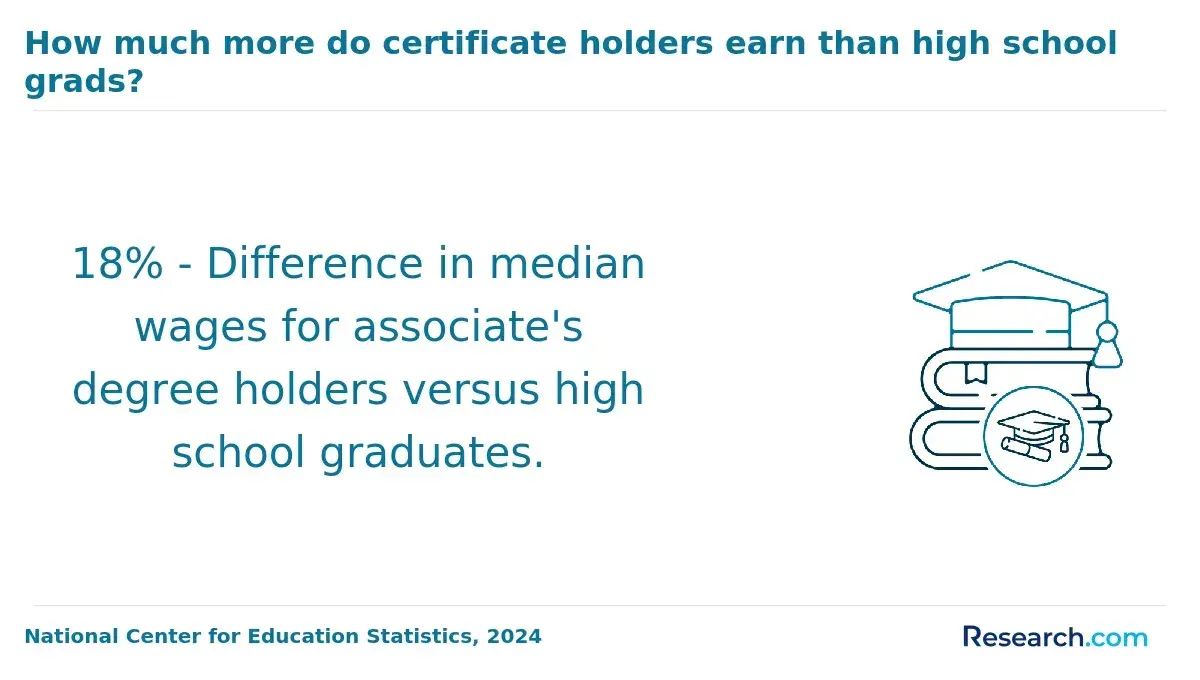
| Associate degree or certificate | Entry preparation for nutrition support, wellness, food service, or transfer into a bachelor's program | Dietary aide, food service supervisor trainee, wellness assistant | Usually limited for independent nutrition roles; best used as a stepping-stone |
| Bachelor's degree | Foundation in nutrition science, food systems, community health, and prerequisites for advanced pathways | Health educator, food service manager trainee, community nutrition worker, graduate school applicant | Can support entry-level roles, but clinical dietetics often requires additional accredited preparation and supervised practice |
| Master's degree | Advanced clinical, public health, sports, research, informatics, or management specialization | Registered dietitian nutritionist pathway, program manager, clinical specialist, analyst, research coordinator | Often improves eligibility for credentialed, specialized, or supervisory roles |
| Doctoral degree | Research, academic leadership, high-level policy, advanced clinical science, or executive expertise | Faculty member, principal investigator, senior scientist, policy leader, executive consultant | May support senior roles, but ROI depends on funding, time to completion, and career target |
Students should be especially careful with clinical nutrition planning. The Commission on Dietetic Registration requires a graduate degree for new registered dietitian nutritionist eligibility, along with accredited coursework and supervised practice. That means a bachelor's concentration in clinical nutrition may be valuable, but it is not the same as being fully credential-ready.
Use degree level as a filter, not a shortcut. A master's in nutrition informatics, clinical dietetics, or food science may have stronger labor-market value than a broad master's program with few applied projects, weak employer connections, or no path to certification.
Which Industries Pay the Most for Different Nutrition Academic Tracks?
Industry can matter as much as specialization. A clinical nutrition graduate working in a hospital, a food science graduate working for a product manufacturer, and a public health nutrition graduate managing a grant-funded program may all use nutrition knowledge, but their employers value different skills.
The table below connects academic tracks to industries where pay potential may be stronger. It helps you see why the same nutrition degree can lead to different financial outcomes depending on where it is applied.
| Industry | Nutrition tracks with strong fit | Roles to investigate | Why the industry may pay more |
| Hospitals and specialty clinics | Clinical nutrition, renal nutrition, oncology nutrition, pediatric nutrition, nutrition support | Clinical dietitian, specialty dietitian, nutrition support clinician, clinical nutrition manager | Credentialed care, complex cases, interdisciplinary teams, and reimbursement-related documentation |
| Healthcare administration | Nutrition management, food service systems, public health nutrition, health administration | Nutrition services director, wellness director, food and nutrition operations manager | Budget ownership, staff supervision, regulatory compliance, and operational leadership |
| Food manufacturing and consumer products | Food science, product development, regulatory nutrition, sensory science | Food scientist, label compliance specialist, product developer, quality assurance manager | Technical product knowledge and revenue-linked innovation can raise employer willingness to pay |
| Biotech, supplements, and medical nutrition | Clinical nutrition, food science, regulatory affairs, research nutrition | Medical science liaison support, clinical research coordinator, regulatory specialist, product education manager | Specialized science, compliance risk, and commercial product strategy can increase compensation potential |
| Government and nonprofit public health | Public health nutrition, community nutrition, maternal and child nutrition | Program coordinator, WIC nutritionist, policy analyst, grant manager | Entry salaries may be moderate, but leadership and policy roles can improve long-term stability and advancement |
| Sports, fitness, and private practice | Sports nutrition, performance nutrition, entrepreneurship, behavioral nutrition | Sports dietitian, private practice nutritionist, corporate wellness consultant | Income varies widely because pay may depend on contracts, client base, team budgets, and business skills |
The most important industry trend is the move from general advice to measurable outcomes. Employers increasingly want nutrition professionals who can show results through patient markers, employee wellness participation, product compliance, cost control, or population-level health metrics.
That trend favors students who can combine nutrition knowledge with documentation, analytics, communication, and project management. It also means that a lower-paying first job in a high-quality clinical, food science, or public health setting may be a better long-term move than a slightly higher-paying job with little advancement path.
- Key Things You Should Know
- Which Nutrition Degree Specializations Lead to the Highest Earnings?
- How Does Nutrition Specialization Pay Vary by Degree Level?
- Which Industries Pay the Most for Different Nutrition Academic Tracks?
- Which Nutrition Specializations Offer the Best Entry-Level Earnings?
- Which Nutrition Degree Tracks Have the Strongest Long-Term Advancement Potential?
- How Do Location and Remote Work Affect Nutrition Specialization Pay?
- What Skills and Courses Make a Nutrition Specialization More Marketable?
- How Should Students Compare Nutrition Specialization Pay Against Program Cost?
- Do Certifications, Licensure, or Graduate Study Change Nutrition Specialization Earnings?
- How Should Students Choose the Best Nutrition Degree Specialization for Their Career Goals?
- Other Things You Should Know About Nutrition
- Top Trending Nutrition Rankings
Which Nutrition Specializations Offer the Best Entry-Level Earnings?
Entry-level earnings are usually strongest when a specialization maps directly to an employer's immediate need. For new graduates, that often means clinical documentation, food safety, product testing, data reporting, community program delivery, or health coaching under appropriate supervision.
Students comparing early-career pay should focus on role access, not just the name of the concentration. The following tracks often provide clearer entry points because they connect to recognizable job families.
- Food science and quality assurance: This track can lead to entry roles in product testing, food safety, labeling support, and manufacturing quality systems, especially when students complete lab-heavy coursework or internships.
- Clinical dietetics preparation: Students who are on the accredited path toward registered dietitian nutritionist eligibility may access clinical internships and hospital-based roles that build long-term earning power, even if the first step requires supervised practice.
- Public health nutrition: Entry roles in WIC, community health, school nutrition, and health education may not always be the highest paid, but they can provide stable experience and a path into program coordination.
- Nutrition data, informatics, or research support: Students with statistics, electronic health record, survey, or database skills may qualify for analyst assistant, research coordinator, or quality improvement roles that can grow into stronger salaries.
- Sports and wellness nutrition: Entry pay varies widely, but students with coaching experience, a credential pathway, and business skills may build income through athletics departments, fitness organizations, or employer wellness programs.
The BLS reported that dietitians and nutritionists had a 2024 median wage of $73,850, but the median includes experienced and credentialed workers, not just recent graduates. A new student should treat that figure as a labor-market benchmark and then ask schools for actual placement data by specialization, credential status, and employer type.
A common mistake is assuming that a trendy specialization automatically produces high entry pay. Sports nutrition and integrative wellness can be appealing, but students may face more competition and less standardized hiring unless they add clinical credentials, business training, or a clearly documented internship record.
Which Nutrition Degree Tracks Have the Strongest Long-Term Advancement Potential?
Long-term advancement usually comes from moving beyond individual counseling into specialization, leadership, research, business ownership, or systems-level work. Nutrition graduates who can manage people, budgets, data, compliance, or product strategy may eventually out-earn peers who stay in narrowly defined entry roles.
For advancement, compare tracks by how many career ladders they create. A nutrition management concentration, for example, may support movement into healthcare operations, and students interested in executive leadership sometimes compare health-focused graduate study with options such as an executive MBA online to decide whether business training or nutrition-specific graduate study better fits their goals.
The strongest long-term pathways usually share the following features. These factors matter because they help you evaluate whether a specialization can grow with your career rather than only helping you get your first job.
- Credential leverage: Clinical dietetics tracks can become more valuable when they lead to registered dietitian nutritionist eligibility and specialty certifications in areas such as renal, oncology, pediatric, sports, or nutrition support practice.
- Leadership transferability: Nutrition management, food service systems, and public health administration can lead to director-level roles because they build budgeting, staffing, compliance, and program evaluation experience.
- Technical depth: Food science, regulatory affairs, and nutrition informatics can support advancement because technical expertise is harder for employers to replace with general wellness knowledge.
- Evidence and outcomes focus: Tracks that train students to evaluate outcomes, interpret research, and communicate evidence are better aligned with healthcare quality improvement and value-based care trends.
- Business development potential: Sports nutrition, private practice, corporate wellness, and consulting can scale income over time, but only when paired with marketing, ethics, documentation, and client acquisition skills.
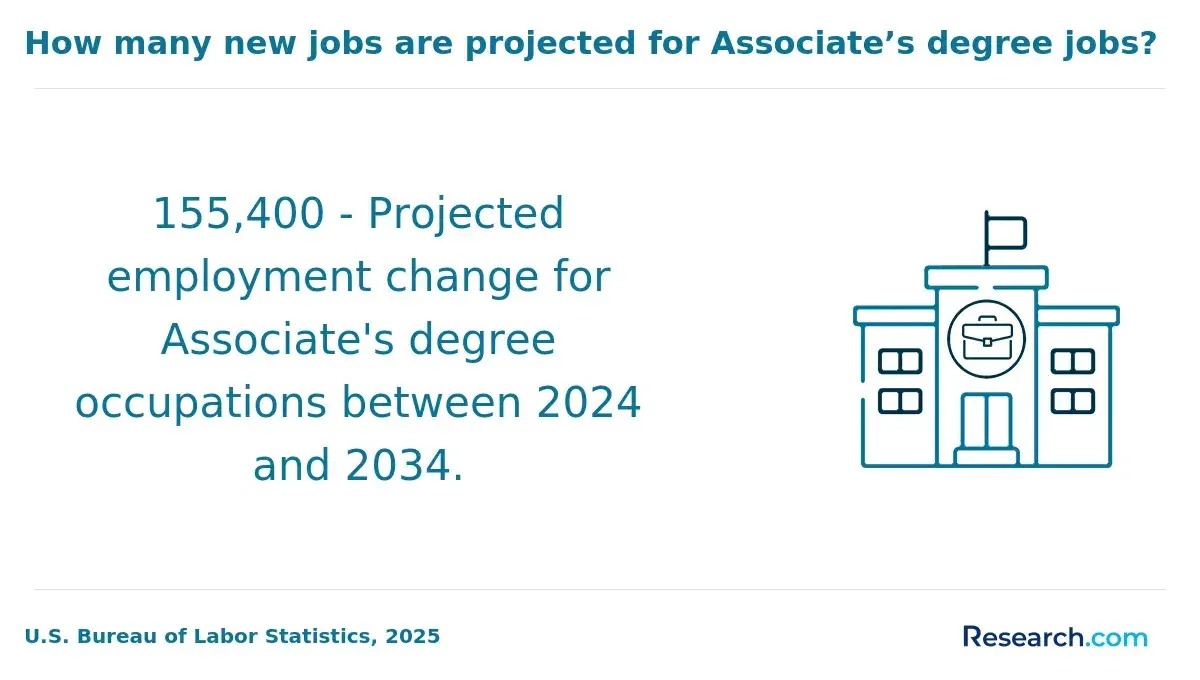
The BLS projected 7% job growth for dietitians and nutritionists from 2023 to 2033, faster than the average for all occupations. For students, this suggests steady demand, but the best advancement will likely go to professionals who add a specialized credential, technical capability, or leadership portfolio.
How Do Location and Remote Work Affect Nutrition Specialization Pay?
Location affects nutrition pay through state licensure rules, hospital density, cost of living, public health funding, food manufacturing presence, and demand for specialty care. A clinical nutrition role in a large metro hospital system may offer a different salary path than a similar title in a rural outpatient clinic or nonprofit program.
Remote work has also changed nutrition career planning, but not evenly across specializations. Telehealth, corporate wellness, health coaching, nutrition education, research coordination, and informatics may offer remote or hybrid options, while hospital rounds, food service operations, lab testing, and product development often require on-site work.
When comparing locations, students should separate salary from purchasing power and opportunity density. A higher salary in an expensive city may not produce a better return than a moderate salary in a region with lower living costs and strong employer demand.
Use these questions to evaluate whether a specialization is portable across states and work formats. They are especially useful for students who may move after graduation or want hybrid work later.
- Does the state require licensure or title protection for dietitians, nutritionists, or nutrition counseling?
- Are major employers in the area hospitals, food manufacturers, public agencies, universities, sports organizations, or wellness companies?
- Does the specialization require on-site labs, supervised clinical practice, food service management, or face-to-face patient care?
- Are remote roles asking for additional skills such as telehealth documentation, EHR experience, data analysis, or digital coaching platforms?
- Does the posted salary still make sense after housing, commuting, state taxes, and professional credential costs?
A useful rule is to choose a specialization that fits both your preferred role and your likely geography. Food science may be stronger near manufacturing and product innovation hubs, while clinical nutrition may be more portable if you meet credentialing and state practice requirements.
What Skills and Courses Make a Nutrition Specialization More Marketable?
The most marketable nutrition specializations combine scientific credibility with applied skills employers can verify. A transcript full of broad wellness courses may be less valuable than a program that includes supervised projects, lab methods, clinical documentation, data analysis, or community program evaluation.
The table below summarizes skill clusters that can strengthen different nutrition academic tracks. It can help you compare curricula when two schools offer concentrations with similar names.
| Skill or course area | Most useful for | Why employers value it |
| Medical nutrition therapy | Clinical nutrition, dietetics, specialty care | Supports patient assessment, care planning, interdisciplinary communication, and clinical documentation |
| Biochemistry and advanced metabolism | Clinical, research, sports, food science | Builds the science base needed for complex cases, product claims, and evidence interpretation |
| Statistics and research methods | Public health, informatics, graduate study, policy | Helps graduates interpret studies, evaluate programs, and communicate evidence responsibly |
| Food chemistry and product development | Food science, regulatory affairs, quality assurance | Connects nutrition knowledge to product safety, formulation, labeling, and consumer acceptance |
| Health informatics and data tools | Nutrition analytics, quality improvement, digital health | Supports work with EHRs, dashboards, population health data, and AI-assisted workflows |
| Management and finance | Nutrition management, food service, wellness leadership | Prepares students for budgets, staffing, vendor contracts, operations, and performance metrics |
| Counseling and behavior change | Clinical, sports, public health, private practice | Improves client adherence, motivational interviewing, cultural responsiveness, and long-term outcomes |
AI and automation are beginning to affect nutrition work by streamlining meal planning, documentation, literature searches, and patient engagement. That does not eliminate the need for nutrition professionals; it raises the value of people who can validate recommendations, apply ethics, interpret context, and communicate safely.
When reviewing a curriculum, look for evidence that students produce work samples. Case studies, research posters, product prototypes, community needs assessments, dashboards, and supervised clinical documentation can all make a specialization more credible to employers.
How Should Students Compare Nutrition Specialization Pay Against Program Cost?
A higher-paying specialization is not automatically the best financial choice. Students need to compare expected career access with tuition, fees, living costs, unpaid supervised practice, exam fees, lost work time, and the likelihood that the program actually supports the credential or role they want.
Program cost has become a bigger issue because graduate study is increasingly important for some nutrition pathways. The College Board reported that average published tuition and fees for full-time in-state students at public four-year institutions were $11,610 for 2024-2025, which means even public options can require careful ROI planning once housing, books, transportation, and unpaid training time are included.
Use the following steps to compare specialization ROI before enrolling. This sequence keeps the decision grounded in evidence rather than marketing language.
- Identify the exact job titles you want, then confirm whether they require an accredited dietetics pathway, licensure, certification, a master's degree, or supervised practice.
- Ask each program for placement outcomes by concentration, not just overall nutrition department outcomes.
- Calculate total cost, including tuition, fees, housing, commuting, internship expenses, credential exams, background checks, and lost income during full-time fieldwork.
- Compare the curriculum against job postings to see whether required skills, software, lab methods, or clinical competencies are actually taught.
- Estimate payback conservatively using realistic early-career roles rather than the highest salary listed for experienced managers or consultants.
- Consider opportunity cost: a lower-cost accredited program with strong supervised practice access may beat a more expensive program with a vague specialization label.
Students considering accelerated or advanced study should also compare time-to-completion carefully. For example, researching best 1 year PhD programs online can be useful for understanding how compressed doctoral formats are marketed, but nutrition students should still verify accreditation, research expectations, clinical relevance, and whether the degree fits their target role.
A major red flag is a program that advertises high-paying nutrition careers but does not clearly explain accreditation, supervised practice access, licensure preparation, employer partnerships, or graduate outcomes. If a school cannot show how its specialization connects to real roles, the salary claim should carry little weight.
Do Certifications, Licensure, or Graduate Study Change Nutrition Specialization Earnings?
Yes, credentials can change earning potential, but only when they are recognized by employers or required for the role. In nutrition, the most important distinction is between completing nutrition coursework and being eligible for regulated or credentialed practice.
The registered dietitian nutritionist credential is especially important for clinical nutrition careers because many hospitals, medical practices, and specialty care settings prefer or require it. State licensure rules vary, so students should check the state where they plan to practice before choosing a program or advertising nutrition services.
The table below outlines common credential categories and how they may affect specialization value. It is meant to help students ask better questions, not replace guidance from licensing boards or credentialing organizations.
| Credential or study path | Most relevant specialization | Potential earnings impact | Important limitation |
| Registered Dietitian Nutritionist pathway | Clinical nutrition, community nutrition, sports nutrition, food service systems | Can improve access to hospitals, medical nutrition therapy, specialty practice, and reimbursable care environments | Requires accredited preparation, supervised practice, graduate-level education, and exam eligibility rules |
| State licensure | Clinical counseling, private practice, medical nutrition therapy | May expand legal authority to practice and improve employer confidence | Requirements vary by state and may restrict titles or scope of practice |
| Specialty dietetics certifications | Renal, oncology, pediatric, sports, gerontological, nutrition support | Can strengthen advancement into specialty clinical or consulting roles | Usually requires experience and an existing professional foundation |
| Master's degree | Clinical dietetics, public health nutrition, informatics, sports nutrition, management | May improve eligibility for credentialed, supervisory, research, or advanced practice roles | ROI depends on cost, accreditation, fieldwork, and employer recognition |
| Doctoral degree | Research, academia, policy, executive consulting, advanced clinical science | Can support senior research, faculty, or leadership roles | Often has a long time horizon and may not be necessary for many practice roles |
Credential quality matters in many fields, and nutrition students can learn from that principle. Just as students comparing legal education pathways may check whether programs are formally recognized, such as ABA approved paralegal programs, nutrition students should verify whether their program meets the standards required for their intended credential or license.
The common mistake is adding credentials without a career plan. A certification that is not requested in job postings, not recognized by employers, or not connected to your scope of practice may add cost without improving your earnings outlook.
How Should Students Choose the Best Nutrition Degree Specialization for Their Career Goals?
The best nutrition specialization is the one that aligns earning potential with your preferred work setting, tolerance for science and clinical requirements, interest in management or technology, and willingness to complete credentials. The highest-paying track on paper may be a poor choice if you dislike the work or cannot access the required supervised practice.
Use this decision framework to narrow your options. It is designed to help you choose a track that fits both salary goals and day-to-day career reality.
- Start with the work setting: Choose clinical nutrition if you want patient care, food science if you want labs and products, public health if you want population programs, sports nutrition if you want performance settings, and management if you want operations leadership.
- Check credential requirements early: Confirm whether your target role requires registered dietitian nutritionist eligibility, state licensure, specialty certification, graduate study, or supervised practice.
- Compare job postings: Look at current roles in your target region and note recurring requirements such as EHR experience, ServSafe knowledge, data tools, grant writing, counseling skills, or bilingual communication.
- Ask for concentration-level outcomes: Request internship sites, employer partners, graduate school placement, exam pass rates where relevant, and examples of student projects.
- Balance pay with fit: A management track may offer a stronger ceiling, but a clinical or public health track may be better if you value direct service, stability, or mission-driven work.
- Avoid narrow labels without depth: A specialization should include rigorous courses, applied practice, and employer-recognized skills, not just a few electives with an appealing title.
Career changers and older learners should also consider timeline and flexibility. Students comparing nutrition pathways with broader education options, including one year degree programs for seniors, should be especially careful to verify whether a fast program can actually meet prerequisite, lab, supervised practice, or licensure requirements.
If your top priority is income growth, nutrition management, informatics, food science, and specialized clinical tracks may be worth close attention. If your top priority is stable service-oriented work, clinical dietetics and public health nutrition may be stronger fits. If you want autonomy, sports nutrition, consulting, and private practice can be attractive, but they require business development and may involve less predictable income.
The smartest choice is not simply the highest-paying specialization. It is the track that gives you credible access to the roles you want, at a cost you can justify, in a labor market where your skills are recognized.
Other Things You Should Know About Nutrition
Nutrition management, healthcare administration, informatics, food science, and specialized clinical dietetics often show stronger earning potential. The highest outcomes usually require experience, credentials, technical skills, or supervisory responsibility.
Clinical nutrition can be a strong pathway when it leads to registered dietitian nutritionist eligibility and specialty practice. Pay varies by setting, state, experience, and whether the role involves advanced care, supervision, or specialty certification.
A master's degree can improve earnings potential if it unlocks a credential, advanced clinical role, management position, research work, or analytics-focused job. It may not be worth the cost if the program lacks accreditation, fieldwork, or employer-recognized skills.
No. Salary should be weighed against program cost, licensure rules, supervised practice access, job availability, work setting, personal strengths, and long-term fit. A higher-paying track is only valuable if it leads to roles you can realistically enter and sustain.
Top Trending Nutrition Rankings
References
- Nutritionist Salary Guide: Maximize Your Earnings 2025 https://www.nutritioned.org/nutritionist-salary-guide-the-brass-tacks-of-what-youll-actually-earn/
- Specialty Certifications - Today's Dietitian Magazine https://www.todaysdietitian.com/specialty-certifications/
- Cert VS Degree: What Type of Nutrition Credential is Best? | ISSA https://www.issaonline.com/blogs/nutrition/cert-vs-degree-what-type-of-nutrition-credential-is-best
- Studying nutrition as a career change - Association for Nutrition https://www.associationfornutrition.org/careers-nutrition/becoming-nutritionist/studying-nutrition-as-a-career-change
- Nutrition Major Jobs: 12 Best, Simple Career Paths - Liv Hospital https://int.livhospital.com/nutrition-major-jobs-career-paths/
- Nutrition Careers | PublicHealthOnline.org https://www.publichealthonline.org/nutrition/
- The Best States to Work as a Nutritionist: Salaries, Licensing, and Demand - Become A Nutritionist https://becomeanutritionist.org/blog/the-best-states-to-work-as-a-nutritionist-salaries-licensing-and-demand/
- What Are the Top 40 Nutrition Careers? https://mycollegeguide.org/nutrition-careers/
- Nutrition Careers Field Guide https://educate.bastyr.edu/nutrition-careers-field-guide