2027 Fastest Online Master's in Educational Leadership Degree Programs Ranking in the Midwest

Co-Founder and Chief Data Scientist
Choosing the right online master's program in educational leadership can be challenging, especially with so many options available in the Midwest. This article introduces the 2027 Fastest Online Master's in Educational Leadership Degree Programs Ranking in the Midwest, created by the Research.com team of data scientists. It is designed to help you make a well-informed decision about which programs truly stand out.
Whether you're aiming to advance your career or deepen your leadership skills, a quality educational leadership degree opens new doors. Discover programs known for their speed and effectiveness, and take a confident step toward your goals.
Key benefits of getting online educational leadership degree in the Midwest
- Graduates with educational leadership degrees typically earn between $90,000 and $120,000 annually, offering a strong financial foundation in the Midwest's competitive education sector.
- Career paths include roles like school principals, curriculum directors, and education consultants, exemplified by alumni from the University of Illinois who advance quickly in diverse leadership positions.
- Online degrees provide flexible learning schedules and lower costs, as shown by graduates from the University of Missouri who balance work and studies effectively while gaining valuable leadership skills.
- 2027 Fastest Online Master's in Educational Leadership Degree Programs Ranking in the Midwest
- What can I expect from online educational leadership degree in the Midwest?
- Where can I work with online educational leadership degree in the Midwest?
What can I expect from online educational leadership degree in the Midwest?
The average cost of an online educational leadership degree in the Midwest typically ranges between $15,000 and $30,000, though this can vary depending on the university and program length. Graduates from popular institutions in Illinois, Ohio, and Michigan often describe their investment as worthwhile, emphasizing the flexibility that allowed them to balance work, family, and study. One graduate from a well-known public university shared how the affordable tuition enabled them to pursue leadership roles without financial strain, boosting their confidence and career growth.
Many programs integrate state-specific licensure preparation, making the cost an investment not only in education but also in meeting local certification requirements. Students benefit from interactive online platforms like Canvas, creating a collaborative virtual environment that feels personal despite the distance.
Looking ahead, emerging funding options and scholarship opportunities may reduce out-of-pocket expenses, while technology enhancements promise even more engaging and accessible learning. As demand for educational leaders rises, these programs remain a smart choice for ambitious professionals ready to lead Midwest schools into the future.
Where can I work with online educational leadership degree in the Midwest?
Graduates with an online educational leadership degree from renowned Midwest institutions often find themselves stepping into rewarding roles such as school principals, district administrators, and curriculum coordinators across Illinois, Ohio, and Michigan. For example, many graduates from universities like the University of Illinois or Ohio State University share how their programs prepared them to confidently lead diverse urban districts like Chicago Public Schools or Detroit Public Schools Community District. This practical preparation sparks optimism about making real changes in student achievement and school culture.
Beyond K-12 education, alumni have transitioned smoothly into leadership roles in community colleges and local universities, utilizing their credentials to influence educational policy and administration. Some have taken paths in educational non-profits and government agencies focused on state-wide school improvement initiatives, embracing the chance to impact broader education systems.
With Midwest school districts experiencing steady demand for strong leaders, these graduates often express excitement about their competitive salaries and job stability. The programs' emphasis on certification exam readiness further boosts confidence, opening doors to licensure and enabling immediate entry into leadership positions in varied educational settings.
Graduates with an online educational leadership degree in the Midwest often envision starting roles like assistant principal or program director earning between $60,000 and $80,000. Many alumni from well-known institutions such as the University of Illinois or Michigan State University have found this range realistic as they step into leadership roles. With experience, their salaries typically increase to a comfortable $85,000 to $110,000, reflecting growth seen across districts in Illinois, Ohio, and Michigan.
Imagine a graduate from a Midwest college who began as an assistant principal in a suburban district near Chicago. After gaining five years of leadership experience, their income rose closer to $100,000, enabling stability and new opportunities.
Looking ahead, the demand for educational leaders in both K-12 and higher education suggests salary improvements could continue, especially for those with advanced degrees or certifications. This positive trend encourages graduates to aim high, knowing the region supports both their professional growth and financial reward.
- Tuition for online educational leadership master's degrees in the Midwest ranges from $15,000 to $35,000, with lower costs at public universities for in-state students.
- Entry-level salaries for graduates typically start between $55,000 and $65,000 annually, while experienced leaders can earn between $80,000 and $110,000 or more.
- School and district leadership jobs in the Midwest are expected to grow about 7% over the next decade, slightly above the national average for education roles.
- Many online programs comply with state licensure requirements and are accredited by bodies like CAEP, ensuring credits count toward certification.
- Programs are offered fully online or in hybrid formats, designed to accommodate working professionals in education and administration.
Completing an online educational leadership degree in the Midwest generally ranges from one to three years, but emerging trends suggest this timeframe could shrink as programs evolve. Graduates from schools like the University of Illinois often share how accelerated master's tracks-sometimes finished within 12 to 18 months-allowed them to balance work and family commitments seamlessly, fueling their enthusiasm and career advancement sooner than expected.
Many Midwest programs offer part-time options that extend study up to three years, providing flexibility to those managing busy schedules. However, innovative program formats and credit transfer policies are increasingly enabling students at institutions such as Michigan State University to finish faster without sacrificing depth.
Doctoral candidates appreciate online Ed.D. pathways that can be completed in three to five years, with some accelerated routes cutting down time for experienced professionals, sparking motivation to achieve leadership goals more quickly.
As program structures continue adapting, future learners might experience even more personalized pacing designed to accelerate completion while maintaining high standards, making Midwest online educational leadership degrees an exciting and practical choice.
Online and on-campus educational leadership degrees in the Midwest differ primarily in flexibility and experience. Graduates from the University of Illinois often praise the online format for allowing them to balance demanding work schedules and family life, accessing lectures anytime without needing to commute. This convenience supports professional growth without sacrificing personal commitments.
Conversely, those who attended Indiana University on campus highlight the immersive atmosphere, where face-to-face collaboration sparks dynamic discussions and immediate feedback from faculty. The in-person environment fosters deep connections with peers and mentors, which some find invaluable for leadership development.
Midwestern online programs, such as those offered by Ohio State University, are evolving to include interactive virtual labs and collaborative projects, blending convenience with engagement. Meanwhile, traditional campuses continue refining blended learning models, integrating technology while maintaining direct interaction.
Cost differences also shape choices; online students frequently enjoy lower expenses by avoiding housing and transportation fees common in institutions like the University of Michigan. These distinctions reveal expanding opportunities for tailored educational leadership journeys in the Midwest's diverse academic landscape.
The average cost of an online educational leadership degree in the Midwest typically centers around $17,220, with in-state tuition often substantially lower, near $13,982, while out-of-state students may expect to pay closer to $22,935. Graduates from popular Midwestern universities report feeling a strong sense of accomplishment despite the financial commitment, attesting to the value of investing in their leadership skills from institutions like the University of Illinois or Michigan State University. With these programs often allowing flexible pacing, many students find ways to manage costs by accelerating their studies or leveraging employer tuition assistance programs.
When considering the average tuition for educational leadership master's Midwest programs, public universities stand out for their comparatively affordable credit hour rates-usually between $300 and $600. Many students share stories of balancing family and work while engaging with dynamic coursework that feels immediately applicable to their roles in education. For example, Ohio State University offers rates around $600 per credit hour for residents, helping students feel their investment matches the program's practical benefits.
Emerging trends suggest financial planning for these degrees may become more adaptive, especially as schools experiment with modular courses and competency-based credits. Prospective students interested in exploring options for affordable educational leadership degrees online can find valuable insights and updated tuition information by visiting affordable educational leadership masters programs online. These future-focused approaches could make leadership education increasingly accessible throughout the Midwest and beyond.
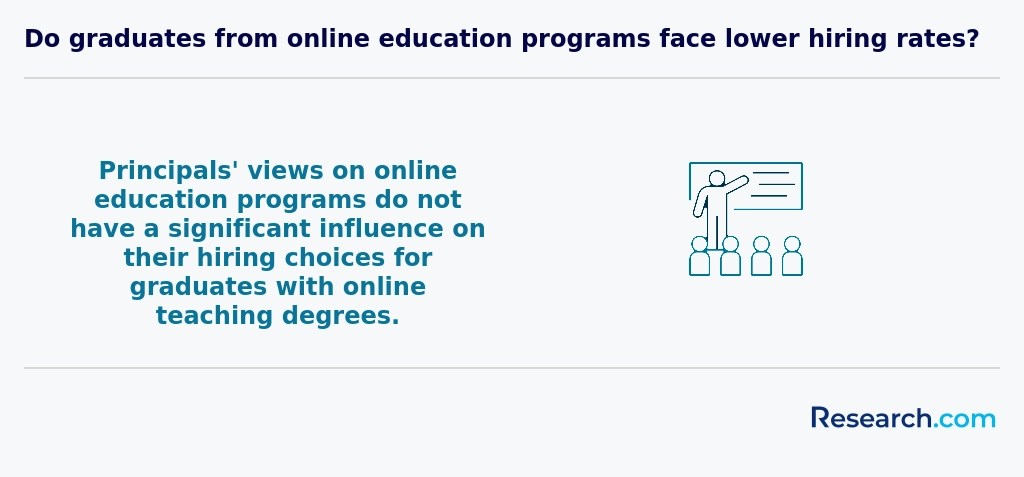
Graduates from online educational leadership programs at popular Midwestern institutions often find that federal financial aid like FAFSA and federal loans ease their journey, making a costly degree feel more manageable. Many recall how Pell Grants, although rare for graduate studies, offered unexpected relief during tough financial stretches. Universities in states such as Illinois and Ohio frequently award scholarships specifically for educators advancing their leadership skills, a crucial boost that many students deeply appreciate when balancing work and study.
Employer tuition reimbursement programs also play a pivotal role, with nearly 60% of employers nationwide supporting education costs. Graduates share stories of how their public school employers in Michigan and Indiana helped lighten financial loads, reinforcing their commitment to leadership roles. State-specific aids, including loan forgiveness plans, often spark excitement as graduates envision serving their communities knowing financial burdens may reduce over time.
Looking ahead, burgeoning partnerships between professional associations and Midwestern universities hint at more tailored funding for aspiring educational leaders, increasing opportunities for those dedicated to shaping the future of education.
Prospective students enrolling in online educational leadership programs in the Midwest commonly begin with a bachelor's degree, often from institutions like the University of Illinois or Ohio State University, where graduates have found their prior education a solid foundation for advanced leadership study. These programs increasingly emphasize practical experience; many graduates reflect on how their two to three years of teaching or administrative roles enriched their understanding of leadership theories in real-time school settings.
Several graduates from renowned Midwestern colleges share stories of submitting personal statements that highlighted their passion for transforming schools and communities, which often proved pivotal during admissions. Letters of recommendation from supervisors attesting to leadership potential also play a crucial role, signaling readiness to tackle complex educational challenges.
Interestingly, the trend is shifting away from standardized tests, easing entry for many applicants and encouraging diversity in the classroom. Some programs, particularly in Illinois and Michigan, now offer conditional admissions for those with slightly lower GPAs but strong professional track records, fostering hope and motivation among hopeful leaders.

Online educational leadership degrees in the Midwest typically include courses like Foundations of Educational Leadership and Legal Issues in Education, which graduates describe as eye-opening in understanding how theory translates into real school administration. Many recall tackling School Finance and Resource Management assignments that simulated budget planning for Midwestern districts, a practical skill vital for principals and district leaders.
Instructional Leadership and Curriculum Design courses often spark enthusiasm among students who appreciate learning how to support teachers effectively, a challenge familiar to those from popular Midwestern universities. Graduates frequently highlight Data-Driven Decision Making classes, where they develop the ability to analyze performance metrics-a skill increasingly crucial in addressing diverse urban and rural school needs across the region.
Emerging trends in these programs focus on equity and community engagement, reflecting the evolving demographics of the Midwest. Courses on Organizational Change and Development invite students to envision inclusive schools that celebrate diversity, resonating deeply with those preparing to lead in real-world environments.
Online educational leadership specializations in the Midwest often focus on practical leadership skills tailored to local needs, such as school administration, higher education leadership, and curriculum development. Graduates from institutions like Indiana University describe how these programs helped them confidently lead K-12 schools or implement innovative curriculum changes that directly impacted their communities. The Midwest's emphasis on strong public school systems means many students are drawn to tracks stressing real-world problem-solving and strategic planning for diverse educational environments.
Emerging trends suggest future specializations may include greater integration of educational technology leadership and inclusive practices for special education, reflecting shifts in digital learning and equity-driven leadership. Many who complete Midwest online master's educational leadership tracks appreciate the flexibility to balance work with study while gaining skills relevant to evolving educational challenges. Those looking ahead may also consider advancing through a doctoral degree educational leadership online to deepen expertise as educational landscapes grow more complex and interconnected.
Choosing the best online educational leadership degree in the Midwest means envisioning programs that fit your evolving lifestyle and career aspirations. Graduates from well-known Midwest colleges often share how flexibility in scheduling makes all the difference-balancing work, family, and coursework seamlessly. Some found accelerated tracks particularly rewarding, finishing their degrees swiftly while applying leadership skills directly in their schools.
Affordability remains a strong motivator. Several graduates praise programs offering competitive tuition rates under $15,000 annually, especially at public universities in states like Ohio, making these degrees a practical investment. Exploring affordable online educational leadership degrees Midwest can open doors without financial strain.
Future-focused students also look for programs aligned with state licensure requirements to ensure immediate eligibility for leadership roles. Specializations in areas like K-12 or higher education leadership emerge as key, as does engagement with alumni networks that support career growth. To discover emerging trends and top-ranked options, consider reviewing the best online higher education administration programs.
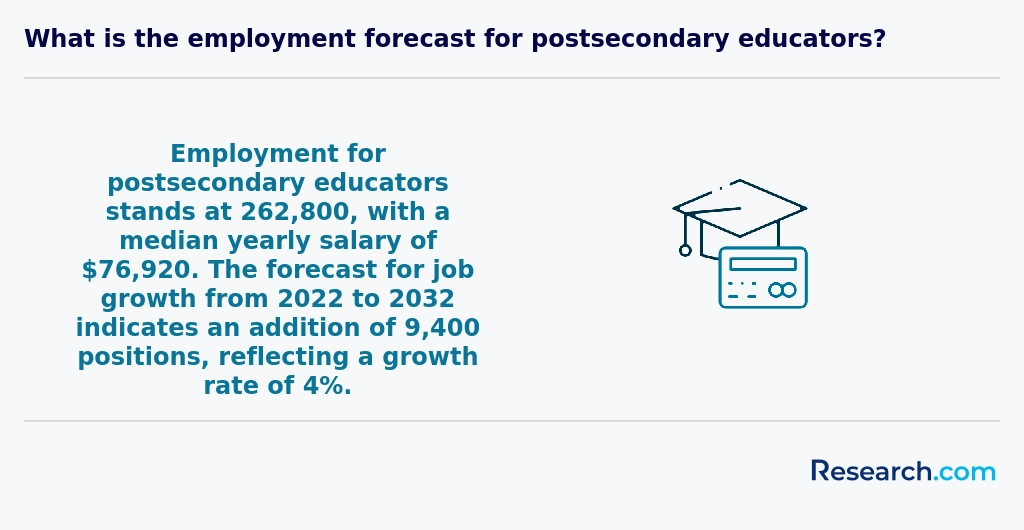
Graduates holding online educational leadership degrees in the Midwest often find themselves stepping into dynamic roles such as school principals, assistant principals, or instructional coordinators. These positions involve hands-on management of school environments, fostering teamwork among educators, and shaping student success. Many graduates from popular Midwestern universities describe how their degree propelled them into leadership positions within public and private K-12 schools, fueling a deep sense of fulfillment by making tangible changes in local communities. This spectrum of educational leadership careers in the Midwest is expanding, with emerging opportunities in district-level policy advising and education program development, especially in urban centers like Columbus and Minneapolis.
Additionally, the rise of technology and equity initiatives is creating demand for educational consultants who help schools innovate and adapt. Graduates from prominent institutions can envision themselves as higher education administrators or student services directors at community colleges across the region. For those exploring future-oriented paths, data indicate promising job growth in these areas. Pursuing one of the best educational leadership masters programs online can broaden access to these Midwest-centered online educational leadership degree job opportunities Midwest, equipping students with skills to lead change confidently and compassionately.
The job market for online educational leadership degree graduates in the Midwest is evolving with promising potential. Graduates from institutions such as the University of Illinois and Michigan State University often share stories of quickly securing roles as assistant principals or district coordinators in growing school districts. The Midwest educational leadership career outlook reflects steady demand driven by retirements and shifting student demographics in states like Ohio and Indiana.
Many graduates express enthusiasm about applying skills learned through online programs to address real challenges such as equity and technology integration in local schools. The flexibility of online study at recognized Midwest universities enables working professionals to advance their careers without pausing their current roles, contributing to a vibrant job market for online educational leadership jobs Midwest.
Competitive tuition rates, comparable to on-campus programs, enhance appeal-moreover, exploring affordable ed d online degree programs helps these students balance financial and professional goals. As districts increasingly value instructional leadership and policy expertise, graduates find their credentials opening doors to leadership positions with starting salaries often ranging between $65,000 and $85,000.
2027 Fastest Online Master's in Educational Leadership Degree Programs Ranking in the Midwest
Investing in your education is a significant decision that can shape your future, and the Research.com team understands the importance of making informed choices. To assist prospective students seeking advanced leadership expertise, we have meticulously developed the "2027 Fastest Online Master's in Educational Leadership Degree Programs Ranking in the Midwest." Our dedication to quality, credibility, and accuracy is demonstrated through comprehensive research and thorough analysis behind this ranking.
We utilized the following reputable data sources to ensure a well-rounded evaluation of online educational leadership programs:
By exploring this ranking, readers will gain valuable insights into the fastest programs available in the Midwest, enabling them to select options that suit their career goals and time commitments. For more information on how this ranking was created, please visit our Research.com methodology page.

# 2 position
Southern Illinois University-Edwardsville
Master of Educational Administration with a Specialization in Teacher Leader


# 19 position
University of Nebraska-Lincoln
Master of Educational Administration - Higher Education


Frequently Asked Questions About educational leadership
Students pursuing online educational leadership degrees in the Midwest can enhance their learning by actively engaging with course materials and peers. Many programs, such as those at the University of Illinois and Indiana University, offer collaborative projects and discussion boards designed to simulate real-world leadership challenges.
Utilizing available academic support services is vital. Midwest institutions often provide online tutoring, career advising, and leadership coaching tailored for education professionals. According to the National Center for Education Statistics, nearly 30% of Midwest educators hold a master's or higher, highlighting a competitive environment where advanced credentials matter.
Networking through regional education organizations can also expand professional opportunities. For example, joining the Midwest Educational Leadership Consortium allows students to connect with leaders and stay current on policy changes.
Emerging niches in educational leadership reflect growing demands for specialized skills in the Midwest's evolving school systems. One key area is digital transformation leadership, focusing on integrating technology and data-driven decision-making in K-12 and higher education institutions. According to the Midwestern Higher Education Compact, schools increasingly seek leaders adept in managing remote learning environments and educational software tools.
Another niche gaining attention is equity and inclusion leadership, crucial in diverse Midwestern communities. Educational leaders trained to promote culturally responsive practices and close achievement gaps are in high demand.
Finally, leadership roles emphasizing mental health and well-being support are expanding, addressing student and staff needs amplified by recent societal challenges.
Preparing for the job market after completing an online educational leadership degree in the Midwest involves strategic steps focused on both credentials and network-building. Many school districts in the region require candidates to hold a valid administrative license, typically obtained through state-approved exams after graduation. According to the Illinois State Board of Education, around 70% of education administrators in Illinois hold such certifications.
Building a strong professional network is also essential. Joining regional associations like the Midwest Educational Leadership Consortium can provide valuable connections and job leads. Additionally, internships and practicum experiences during the degree program offer practical skills and enhance resumes.
Understanding local education policies and trends improves job readiness. The National Center for Education Statistics reports growing demand for educational leaders due to administrative retirements in the Midwest, indicating a favorable job outlook.
Employers in the Midwest highly value educational leadership graduates who demonstrate strong communication and interpersonal skills. According to the Illinois Association of School Administrators, these skills are crucial for effective collaboration with teachers, staff, and families. Additionally, problem-solving and critical thinking abilities are essential to navigate the challenges faced by schools, especially in diverse or under-resourced communities.
Data from the Missouri Department of Elementary and Secondary Education highlights the growing importance of data-driven decision-making. Leaders who can analyze student performance metrics to improve educational outcomes are in high demand. Furthermore, adaptability and technological proficiency are increasingly important, as many districts in the Midwest adopt new digital learning tools and online management systems.
Finding internships in the Midwest related to educational leadership involves targeted strategies combined with local networking. Start by exploring partnerships between your online program and nearby school districts, which often offer internships tailored to leadership students. According to the Midwest Educational Research Association, school districts in states like Illinois, Ohio, and Michigan have increased internship opportunities by 15% over recent years.
Leverage state departments of education websites; they frequently list administrative internship openings. Additionally, professional organizations such as the Midwest Council of Educational Administrators provide resources and networking events that connect students with internships.
Using platforms like Handshake and LinkedIn, filtered by Midwest locations and education leadership roles, can also uncover hidden opportunities. Remember to inquire about virtual or hybrid internship options, which are increasingly common and compatible with online degree schedules.
In the Midwest, earning an online educational leadership degree significantly enhances career mobility and advancement opportunities. According to the National Center for Education Statistics, more than 60% of school districts in Midwest states prefer leadership candidates with advanced degrees. This preference is due to the growing demand for skilled administrators who can effectively manage diverse educational environments.
Online programs offer flexibility for working professionals, allowing them to pursue degrees without relocating. The Illinois State Board of Education reports that principals with master's degrees in educational leadership earn up to 25% more than those without advanced qualifications. Additionally, these degrees often serve as prerequisites for licensure as school administrators in states like Ohio and Michigan.
Employers value the leadership skills, policy knowledge, and practical experience gained through accredited online programs. Graduates frequently find opportunities in higher roles such as assistant principal, principal, or district administrator, enhancing their potential for salary increases and broader career paths within Midwestern school systems.
Studying for an educational leadership degree in the Midwest equips students with skills that go beyond traditional school administration. Programs often integrate coursework in policy, community engagement, and organizational management, preparing graduates to work across various disciplines.
Midwestern universities emphasize practical experiences and collaborations with local schools, which enhances students' ability to lead in diverse educational settings. According to the National Center for Education Statistics, nearly 60% of Midwestern programs include interdisciplinary projects that combine education with social services, business, and technology.
This approach fosters adaptability, enabling leaders to address complex challenges in education and related fields efficiently and innovatively.
When choosing between a thesis and a non-thesis online educational leadership degree in the Midwest, consider your career goals and learning preferences. Thesis programs typically require original research and aim to prepare students for doctoral study or academic roles. Non-thesis options focus on practical leadership skills through coursework, ideal for those targeting administrative positions.
Midwestern universities often offer both formats, with thesis programs generally taking longer. According to the National Center for Education Statistics, about 40% of Midwest educational leadership graduate students opt for thesis tracks.
Evaluate your interest in research, time availability, and funding. Thesis routes may involve close faculty mentorship, while non-thesis programs emphasize applied learning and projects relevant to local school systems.
Students based in the Midwest seeking to study educational leadership abroad often face limited direct options through U.S. universities. Most Midwestern institutions offering online educational leadership degrees focus on domestic accreditation and state licensure, which can restrict international study pathways. However, some programs include global leadership perspectives within their curricula to prepare students for diverse educational environments.
For those committed to overseas study, partnerships between Midwestern universities and international schools occasionally offer exchange or dual-degree opportunities, though these are rare in the educational leadership field. The Midwest boasts over 50 accredited programs in educational leadership, primarily designed for local or national practice, according to the National Center for Education Statistics.
Ultimately, Midwestern students interested in global experience might pursue study-abroad components through summer sessions or research collaborations but should verify if credits transfer toward their degrees. Consulting specific program advisors helps clarify these possibilities.
Part-time job opportunities that complement online educational leadership degrees in the Midwest often involve roles within local school districts, nonprofit organizations, and community education programs. For example, working as a teacher aide, substitute teacher, or administrative assistant in a school setting provides practical experience in educational environments.
Many graduates also find positions as program coordinators or tutors for after-school programs, which help develop leadership and organizational skills relevant to their studies. According to the National Center for Education Statistics, states like Illinois and Ohio report strong demand for educational support staff, providing valuable hands-on experience.
Additionally, roles related to educational policy research or data analysis at state education departments can deepen understanding of leadership challenges in K-12 systems.
Online educational leadership students in the Midwest benefit from a variety of networking opportunities that support their professional growth. Many universities hosting these programs partner with local school districts and educational organizations, providing students with access to regional conferences and workshops. According to the Midwest Education Researcher Consortium, over 70% of these programs offer virtual networking events connecting students with alumni and experienced educators across the region.
Professional associations, such as the Illinois Principals Association and the Ohio School Boards Association, also extend membership to online students, enabling connections with peers and industry leaders. These avenues are valuable, as nearly 60% of Midwest school administrators reported job advancement through such networks in recent surveys.
Alumni networks play a crucial role for students pursuing online educational leadership degrees in the Midwest. These networks connect current students with graduates who have practical experience and extensive knowledge of regional education systems. According to the Midwest Education Research Association, schools in states like Illinois and Ohio benefit from robust alumni involvement, providing mentorship and career guidance that enhance student outcomes.
Such connections often lead to job opportunities within nearby school districts or educational organizations, leveraging local expertise. Alumni can also share insights about navigating state-specific licensure requirements, which vary across the Midwest, helping students meet professional standards effectively.
Networking events, both virtual and in-person, create platforms for students to engage with leaders in education, fostering collaboration and leadership development essential for career advancement in the region.
Customizing an online educational leadership degree in the Midwest allows students to align their studies with specific career goals. Many Midwestern universities offer flexible curriculum tracks such as K-12 administration, higher education leadership, or special education management. Students can often select electives to focus on areas like policy development, equity leadership, or instructional coaching.
According to the National Center for Education Statistics, tailoring coursework increases leadership effectiveness and job readiness. Programs frequently provide options for capstone projects or internships within local school districts, enhancing practical experience.
Additionally, some schools offer competency-based models, enabling students to accelerate by demonstrating existing knowledge.
Online educational leadership students in the Midwest face several common challenges. One major hurdle is balancing work, family, and study commitments, as many students are working professionals. According to the National Center for Education Statistics, about 60% of graduate students in education are part-time, increasing time-management pressures.
Technology access and digital literacy can also present difficulties, especially in rural areas where reliable internet is less available. The Midwest has many such communities, potentially limiting students' ability to participate fully in online coursework.
Additionally, networking and building relationships with peers and faculty may be harder online, which can affect professional growth. A 2023 study by the Education Leadership Association found that 45% of online students felt isolated compared to traditional students.
An online educational leadership degree opens doors to several professional certifications highly valued in the Midwest job market. Graduates commonly pursue state licensure as a school principal or superintendent, which requires passing exams like the Praxis School Leadership: Administration and Supervision test. This credential qualifies educators to lead K-12 schools in most Midwestern states.
Other recognized certifications include National Board Certification for Educational Leadership, endorsed by the National Policy Board for Educational Administration. This certification enhances career prospects and is achievable after completing leadership experience and portfolio assessments.
Midwestern-specific certifications, such as Illinois' Professional Educator License with a School Leader Endorsement, cater to local regulatory requirements, making specialized training integral to career advancement.
Writing a winning application for an online educational leadership program in the Midwest requires clear focus and preparation. Start by researching specific programs offered by regionally accredited universities, as accreditation greatly impacts degree value and job prospects. According to the National Center for Education Statistics, many Midwest institutions offer accelerated options, making it vital to highlight your commitment to a rigorous schedule.
Strong letters of recommendation from supervisors or educators who know your leadership potential are essential. Emphasize your professional experience and how the degree will enhance your skills in managing schools or districts.
Craft a concise personal statement that outlines your career goals and passion for educational leadership. Use data from Midwest school districts, such as leadership challenges or demographic shifts, to demonstrate your understanding of local educational contexts.
Finally, maintain attention to detail by submitting all required documents before deadlines and showcasing any relevant certifications or achievements. This strategic approach increases your chances of acceptance into competitive programs.
The global perspective on an educational leadership career highlights the growing demand for skilled leaders who can navigate complex educational systems. In the United States, especially the Midwest, educational leadership roles are expanding due to a focus on improving school performance and equity. According to the National Center for Education Statistics, the Midwest is seeing steady growth in school administrative positions, reflecting national trends.
Internationally, educational leadership emphasizes collaboration, cultural competence, and adaptability, skills increasingly valued in US schools. Online programs in the Midwest often incorporate these global themes, preparing graduates to lead diverse educational communities effectively.
For prospective students, understanding these global expectations adds value to pursuing an online educational leadership degree, ensuring their skills remain relevant worldwide.
Gaining practical experience while studying for an online educational leadership degree in the Midwest often involves integrating fieldwork or internships with coursework. Many accredited programs encourage or require students to complete practicum hours in local schools or educational organizations. This hands-on experience allows students to apply leadership theories in real-world settings.
Midwestern states commonly support partnerships between universities and public school districts, making placements more accessible. According to the National Policy Board for Educational Administration, practicum hours usually range from 100 to 300 during the program.
Students can also engage in virtual simulations or leadership projects tailored to enhance decision-making skills. Networking with local education leaders via professional associations, such as the Midwest Council of Educational Leaders, further enriches practical learning opportunities.
Choosing the right concentration within an online educational leadership degree program in the Midwest involves aligning your career goals with regional educational needs. Midwest schools often prioritize skills in curriculum development, school administration, or special education leadership, reflecting local district priorities.
Experts recommend reviewing program curricula to ensure they include topics relevant to Midwest policies and demographics. For example, Illinois and Ohio emphasize inclusive leadership in diverse learning environments.
National Center for Education Statistics data show that principals with specialized leadership training report a 15% higher job placement rate, highlighting the value of targeted concentrations.
Consider also licensure requirements in your state, as some concentrations better support necessary certifications for Midwest educators.
- Study Educational Leadership Abroad - Top Universities for Masters, MBA, PhD Degree Programs https://studee.com/degree/abroad/educational-leadership
- EdD Salary - How much can you make with a Doctor of Education (EdD) degree? (2025 Update) https://www.onlineeddprograms.com/faqs/edd-salary
- How to Advance Your Career with an Ed.D. in Educational Leadership - Graduate Programs for Educators https://www.graduateprogram.org/blog/how-to-advance-your-career-with-an-ed-d-in-educational-leadership/
- The Future of Educational Leadership: Challenges and Opportunities • Teachers Institute https://teachers.institute/higher-education/future-educational-leadership-challenges-opportunities/
- Educational Leadership Network - ICSEI https://icsei.org/network/educational-leadership-network/
- Tips for Applying to Doctoral Programs | AASL Knowledge Quest https://knowledgequest.aasl.org/tips-for-applying-to-doctoral-programs/
- College Persistence - https://www.studentleadershipnetwork.org/for-alumni/
- Personal statement for applying a MAs educational leadership https://essayforum.com/graduate/statement-applying-mas-educational-leadership-85737/
- Global Perspectives on Leadership in Early Childhood Education https://hup.fi/books/e/10.33134/HUP-20
- School Leaders Network | Best Practice Network https://www.bestpracticenet.co.uk/school-leaders-network