2027 Best Online Master's in Educational Leadership Degree Programs Ranking in the Midwest

Co-Founder and Chief Data Scientist
Choosing the right educational leadership degree can shape your future and career path in meaningful ways. For students in the Midwest, finding a program that fits your needs and goals is essential.
This article introduces the 2027 Best Online Master's in Educational Leadership Degree Programs Ranking in the Midwest, developed by the Research.com team of data scientists. It's designed to help you make an informed choice by highlighting top programs worth considering.
Explore your options with confidence and take a step toward advancing your leadership skills in education.
Key benefits of getting online educational leadership degree in the Midwest
- Graduates with an educational leadership degree in the Midwest often earn around $90,000 annually in school administration roles, reflecting strong earning potential in this rewarding field.
- Career paths include becoming principals, curriculum directors, or education consultants, as shown by many successful alumni from institutions like the University of Illinois Urbana-Champaign.
- Completing the degree online offers flexibility and convenience, allowing students from busy or remote areas to balance work and study more easily, a benefit highlighted by graduates from Indiana University's online programs.
- 2027 Best Online Master's in Educational Leadership Degree Programs Ranking in the Midwest
- What can I expect from online educational leadership degree in the Midwest?
- Where can I work with online educational leadership degree in the Midwest?
What can I expect from online educational leadership degree in the Midwest?
The average cost of an online educational leadership degree in the Midwest generally ranges between $15,000 and $30,000 for the entire program. Graduates from universities like the University of Illinois Urbana-Champaign or Ohio State University often describe this investment as reasonable given the practical skills and leadership credentials they gain. Many find that the affordability is enhanced by employer tuition reimbursement programs, particularly for educators working in public school districts.
These costs typically cover comprehensive coursework in school management, educational law, and leadership strategies, combined with hands-on practicum experiences. Students balancing full-time jobs appreciate the flexible online formats offered by institutions such as Minnesota State University, which blend asynchronous lectures with live virtual sessions, allowing them to study without disrupting their careers.
Affordability and flexibility make these degrees attainable, supporting professionals' aspirations to advance into roles like principals or district administrators. Graduates frequently express satisfaction with how the programs respect their time while delivering credentialing aligned with state certification requirements.
Where can I work with online educational leadership degree in the Midwest?
Graduates with an online educational leadership degree in the Midwest commonly find rewarding roles within K-12 public and private school districts, where leadership demand remains robust. Many alumni from institutions like Indiana University and the University of Illinois have successfully secured positions as school principals, assistant principals, or department heads, overseeing school operations and driving curriculum advancements. These roles often involve navigating educational technologies and innovative leadership practices tailored to regional needs.
Beyond K-12 settings, Midwest graduates frequently pursue careers in higher education institutions such as Michigan State University or Ohio State University, filling roles like academic deans, student services administrators, and enrollment managers. These positions enable them to influence campus policy and support diverse student populations.
Additionally, graduates often engage with educational consulting firms, nonprofit organizations, and state education agencies, applying strategic planning and policy development skills acquired during their studies. This diverse array of opportunities reflects the practical, community-focused training that many Midwest online programs emphasize.
Some graduates even transition to leadership roles outside traditional education, such as corporate training or community education programs, where their expertise in team management and data analysis proves invaluable.
Graduates with an online educational leadership degree in the Midwest can anticipate competitive salaries reflective of their advanced qualifications and leadership roles. Principals in states like Illinois earn about $108,000 annually, while those in Ohio make closer to $92,000. These figures align with experiences of graduates from respected regional universities, who often transition into these leadership positions with confidence and pride. For example, graduates from top Midwest programs frequently share how their degrees enabled them to secure principal or assistant principal roles that come with notable salary improvements and greater responsibilities.
School superintendents, another common career path for educational leadership alumni, can earn between $90,000 and $150,000 depending on district size and state. Missouri's superintendents average around $112,000, a detail often highlighted by graduates aiming for district-wide impact. Many alumni express satisfaction with the financial and professional growth stemming from their credentials, especially when paired with superintendent certification or other licensure. The flexibility of online programs allows working educators to advance salary tiers while maintaining their current roles in well-established Midwestern schools.
- Many Midwest institutions offer regionally accredited online educational leadership programs recognized nationwide for licensure.
- Master's degrees in this field typically cost between $15,000 and $30,000, which is usually lower than the national average.
- Graduates can expect steady job growth with demand for educational administrators in the Midwest growing at about 6% through 2030.
- Starting salaries are around $60,000 per year, rising to $80,000-$110,000 with experience, especially in urban districts and private schools.
- Most programs include licensure preparation, which is essential since Midwest states usually require certification for leadership roles.
Completing an online educational leadership degree in the Midwest generally takes between 1.5 to 3 years, depending largely on the student's course load and schedule flexibility. Graduates from well-known institutions such as the University of Illinois or Ohio State University often share that full-time enrollment allows them to finish in about two years, balancing rigorous coursework with professional responsibilities.
Many part-time students, especially those working full-time in education roles, find their programs extend closer to three years, allowing for a manageable pace and deeper integration of learning with their careers. Some Midwest universities offer accelerated tracks where motivated students, taking heavier course loads or enrolling in summer sessions, can complete the degree in as little as 12 to 18 months.
The option to pursue licensure or certification related to school administration, common in states like Illinois and Ohio, typically adds time but also enhances career readiness. This flexibility to tailor program length to individual needs helps students stay motivated and confident throughout their journey.
Online and on-campus educational leadership degrees in the Midwest differ significantly in delivery, cost, and student experience. Graduates from public universities like the University of Illinois at Urbana-Champaign appreciate on-campus programs for their structured schedules and daily face-to-face interactions with faculty and peers, which foster strong professional networks. Conversely, graduates from institutions such as Michigan State University commend online programs for their flexibility, allowing them to balance graduate studies with full-time employment by accessing lectures asynchronously or attending live virtual sessions.
Cost differences are notable; online learners often benefit from reduced campus fees and eliminate commuting expenses, with tuition generally ranging between $10,000 and $18,000 annually at public Midwest universities. Practical components like internships are arranged locally for online students, ensuring compliance with state certification while accommodating their residency.
- On-campus programs enable real-time networking and immediate instructor support.
- Online programs demand strong self-discipline and offer study flexibility during nontraditional hours.
- Both formats maintain accreditation standards valued equally by Midwest employers.
These distinctions resonate with Midwest students seeking a program that fits their lifestyle and career ambitions in educational leadership.
The average cost of an online educational leadership degree in the Midwest typically centers around a median total of $17,220, with significant variation depending on residency status. For in-state students, the median total cost is approximately $13,982, making it a financially accessible option for many. Out-of-state students can expect to pay a higher median cost of about $22,935, which still remains competitive compared to other U.S. regions. These figures reflect the experience of numerous graduates from well-regarded institutions such as the University of Michigan and Indiana University, who often find the investment worthwhile given the career advancement opportunities the degree provides.
Many Midwest universities offer flexible online programs where tuition fees largely mirror those of on-campus education, providing consistency and predictability in financial planning. Those pursuing a Midwest online master's in educational leadership tuition fees appreciate the transparent pricing models, often structured by credit hours or per semester rates. Graduates frequently note that online study reduces additional expenses like commuting or housing, which eases the overall financial burden while maintaining academic rigor.
Financial aid availability enhances affordability, with scholarships, employer tuition reimbursement, and state-specific incentives commonly utilized by students. For those exploring options, it is worthwhile to review resources like affordable masters educational leadership online to identify institutions with strong support systems and cost efficiencies tailored to Midwest learners.
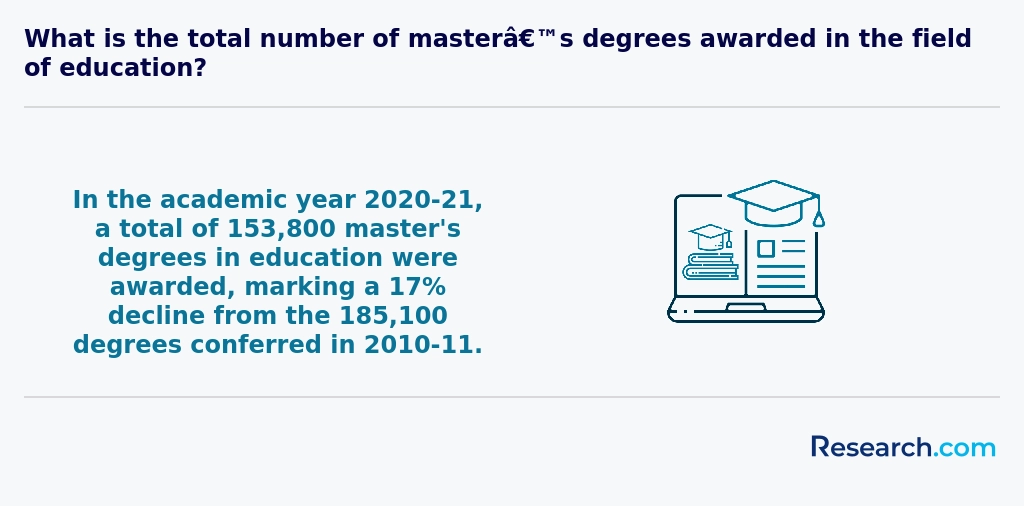
Students pursuing an online educational leadership degree in the Midwest often benefit from a diverse range of financial aid options designed to alleviate tuition costs. Federal aid, accessed through FAFSA, remains a cornerstone, offering grants, low-interest loans, and work-study programs. Graduates from programs at universities such as the University of Illinois Urbana-Champaign frequently recall how the TEACH Grant significantly offset their expenses, rewarding commitment to teaching in high-need areas.
State-specific grants also play a crucial role. For instance, applicants from states like Illinois and Michigan regularly utilize the Monetary Award Program and the Michigan Competitive Scholarship, respectively, to reduce their financial burden. These supports resonate deeply with graduates who recall feeling empowered by the accessibility of state funds tailored for education candidates.
Institutional scholarships and assistantships, prevalent at campuses including Loyola University Chicago and Michigan State University, offer merit- and need-based financial relief. Many express gratitude for these aids that bridge gaps left by federal and state programs.
Additionally, involvement with associations like the American Association of School Administrators provides scholarships, while employer tuition reimbursement ensures many public school staff can advance their careers without overwhelming debt.
Applicants to online educational leadership degree programs in the Midwest typically must hold a bachelor's degree from an accredited institution, often in education or a related field. Graduates from well-known schools like the University of Illinois or Michigan State University frequently emphasize how this academic foundation prepared them for advanced coursework and leadership challenges.
In addition to academic credentials, programs commonly require professional experience, usually two to three years in teaching or educational roles. Many students recount how their hands-on experience in local schools enhanced their understanding and brought valuable perspectives to virtual class discussions.
Application materials such as official transcripts, recommendation letters, and a statement of purpose are also fundamental. These documents allow admissions committees to gauge an applicant's motivation and readiness, much like graduates from Indiana University who describe how crafting thoughtful statements clarified their career goals.
While some programs still request GRE scores, many Midwestern institutions waive this for applicants with substantial experience or advanced degrees, reflecting a flexible, holistic admissions approach. Reliable internet and digital literacy are essential, as online programs demand active virtual engagement akin to collaborative projects students at Ohio State University describe as energizing and rewarding.
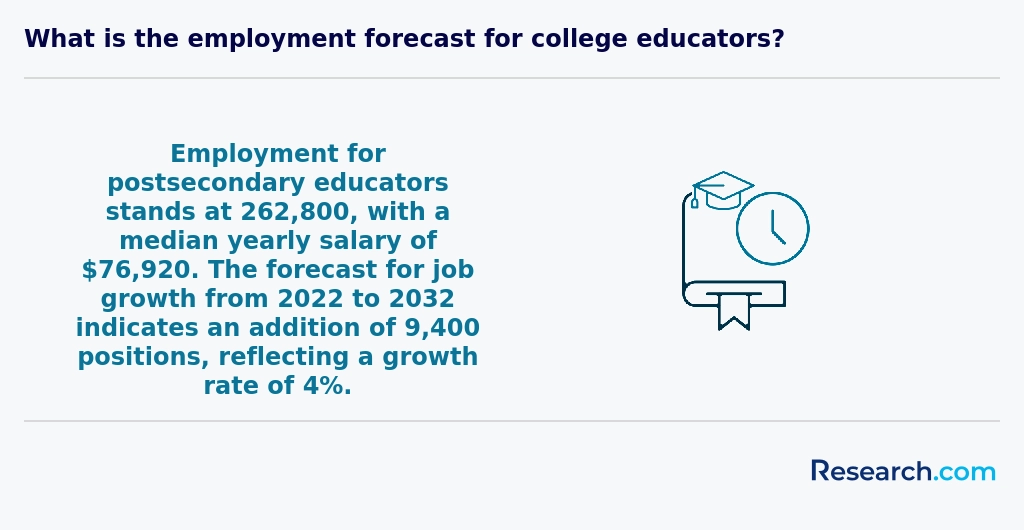
Online educational leadership degree programs in the Midwest commonly include courses such as Instructional Leadership and Curriculum Development, Educational Policy and Law, and School Finance and Budgeting. Graduates from institutions like the University of Illinois or Michigan State University often recall how learning Organizational Leadership and Change Management helped them navigate real-life school district challenges effectively. These programs emphasize hands-on skills in Data-Driven Decision Making and Assessment, which allow students to use real-time data to improve student outcomes and resource allocation in their schools.
Courses on Human Resource Management in Education and Diversity, Equity, and Inclusion in Schools prepare future leaders to foster inclusive environments that reflect the Midwest's diverse communities. Many alumni express confidence from studying Educational Technology Integration, empowering them to implement modern tools that enhance teaching and learning remotely. This comprehensive curriculum ensures that graduates feel equipped and inspired to lead with a deep understanding of both theory and practical applications tailored to the region's educational landscape.
Online educational leadership degrees in the Midwest typically offer a range of specialized tracks tailored to meet regional educational demands. Graduates from well-known Midwestern colleges frequently highlight the K-12 School Leadership specialization, which equips them with skills in staff management, budgeting, and community engagement within diverse public school districts. This specialization is highly practical for those aspiring to become school principals or district leaders in the region.
Another prevalent focus is Higher Education Administration, favored by students connected to large universities and community colleges in the Midwest. Alumni often share how this track prepares them for managing academic departments and student services, aligning with the ongoing growth of higher education roles. Emphasizing the relevance of the Midwest online master's leadership degree tracks, graduates appreciate the strong theoretical and applied components supported by regional institutions.
Specializations in Curriculum and Instruction Leadership also offer hands-on experience in developing innovative teaching strategies. Additionally, niche areas such as Educational Policy and Advocacy, Special Education Leadership, and Adult and Continuing Education provide targeted expertise for leadership roles in law, support services, and workforce training.
For students seeking advanced study options, universities in the Midwest promote pathways like a doctorate in educational leadership online, which builds on these core specializations to develop high-level administrative competencies.
Choosing the best online educational leadership degree in the Midwest hinges on evaluating accreditation, curriculum, cost, and flexibility. Graduates from well-known Midwest universities often highlight how accredited programs, recognized by agencies like CAEP, provided them confidence that their degree held regional and national value. For example, those studying at large public institutions benefit from curricula covering school finance, policy, and leadership, aligning closely with real administrative challenges faced in local districts. Many appreciate programs that offer specialized tracks, including K-12 leadership or a higher education administration degree, tailoring their learning to career goals.
Considering affordable online educational leadership degrees Midwest is vital, especially when balancing tuition costs with financial aid options. Flexibility is also key; graduates frequently praise programs that combine asynchronous coursework with live cohort interactions, enabling working professionals to advance career prospects without sacrificing work-life balance.
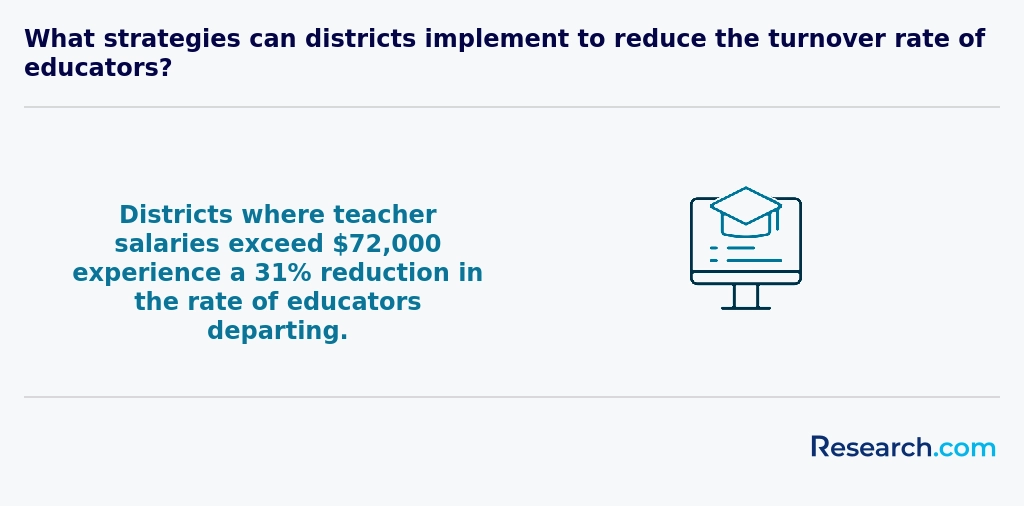
Graduates with an online educational leadership degree in the Midwest frequently secure roles as school principals or assistant principals, managing day-to-day school operations and fostering a positive learning environment. Many find rewarding career paths within district administration, such as curriculum directors, where they influence educational policies across multiple schools. Graduates from reputable institutions like the University of Illinois or Michigan State University often describe their experience as empowering, highlighting how their programs enhanced their ability to lead amid regional education reform initiatives.
Additional opportunities exist in higher education administration, including student affairs and academic advising, offering a dynamic work environment that supports student success. Others pursue careers in education policy or leadership consulting, collaborating with local agencies to improve school practices. The Midwest's emphasis on educational leadership careers Midwest ensures a supportive network and abundant job openings.
Professionals seeking advancement often explore programs like an educational leadership masters degree online, which fits busy schedules while providing critical leadership training for Midwest educational leadership degree jobs.
The job market for graduates with online educational leadership degrees in the Midwest remains stable with steady demand, particularly in states like Illinois, Ohio, and Michigan. Many educational leadership students from well-known Midwestern universities report successful transitions into roles such as school principals and district administrators, driven by workforce needs due to retirements and school expansions. For those pursuing online educational leadership jobs Midwest, opportunities often arise in districts valuing advanced credentials combined with practical instructional skills and data-informed decision-making.
Midwestern graduates appreciate the region's balance of competitive salaries-typically ranging from $90,000 to $110,000 annually for principal roles-and a cost of living that enhances overall financial well-being. Numerous programs also connect students to tuition reimbursement initiatives offered by local school districts, easing the financial investment involved.
Students seeking affordable options often turn to public institutions that provide quality online degrees at accessible prices. For more information on cost-effective programs designed to advance educational leadership careers, consider exploring affordable ed.d online degrees.
2027 Best Online Master's in Educational Leadership Degree Programs Ranking in the Midwest
Investing in your education is a significant decision that can impact your professional future, and the Research.com team is keenly aware of the responsibility in presenting trustworthy information. To support prospective students in navigating options, we have carefully developed the "2027 Best Online Master's in Educational Leadership Degree Programs Ranking in the Midwest." Our dedication to quality, credibility, and accuracy is demonstrated through thorough research and detailed analysis.
We utilized the following reputable data sources to create this ranking:
Readers will gain a clear understanding of top-quality online master's programs in educational leadership across the Midwest, enabling informed decisions about their academic and career goals. For further information on how this ranking was developed, please visit our Research.com methodology page.


# 12 position
Southern Illinois University-Edwardsville
Master of Educational Administration with a Specialization in Teacher Leader


# 15 position
University of Nebraska-Lincoln
Master of Educational Administration - Higher Education




# 19 position
University of South Dakota
Master of Administration/Organizational Leadership specialization


Frequently Asked Questions About educational leadership
Students pursuing online educational leadership degrees in the Midwest can enhance their learning by actively engaging in virtual discussions and group projects. Research from the Midwestern Higher Education Compact highlights that collaboration with peers significantly improves comprehension and retention. Additionally, seeking internships or mentorship opportunities within local school districts offers practical experience essential for leadership roles.
Midwestern states often provide access to statewide educational leadership networks, which students should join to build professional connections. Time management is also critical, given the rigorous nature of coursework and work commitments.
Utilizing university resources such as online libraries and tutoring services can further support academic success in these programs.
Emerging niches within educational leadership reflect growing demands in the Midwest's evolving educational landscape. One key area is digital transformation leadership, where administrators focus on integrating technology to improve learning outcomes. According to the Midwest Education Research Consortium (2023), over 40% of school districts in states like Illinois and Ohio prioritize leaders skilled in digital innovation.
Another niche gaining traction is equity and inclusion leadership. Educational leaders increasingly address disparities affecting marginalized student groups to foster equitable environments. The National Center for Education Statistics highlights a 15% rise in programs emphasizing diversity for school leaders in the Midwest from 2020 to 2023.
Additionally, mental health and wellness coordination has become vital as schools aim to support students' social and emotional needs. Educational leadership programs now often include training in this area to prepare graduates for these responsibilities.
Preparing for the job market after completing an online educational leadership degree in the Midwest involves strategic planning and skill development. Graduates should focus on building a strong professional network by joining organizations like the Midwest Educational Research Association or the American Association of School Administrators. These connections can open doors to leadership roles in schools and districts.
Gaining relevant experience through internships or practicum placements is essential. The U.S. Bureau of Labor Statistics projects a 5% growth in education administration jobs through 2031, with the Midwest showing steady demand, particularly in states like Illinois and Ohio.
Certification requirements vary by state, so verifying licensure needs is critical. Additionally, skills in data analysis, educational technology, and equity in education are increasingly valued by employers.
Employers in the Midwest highly value educational leadership graduates who demonstrate strong communication and organizational skills. According to the Illinois Association of School Administrators, effective communication with staff, parents, and community members ranks among the top competencies required. Analytical skills are also crucial, as leaders must interpret data to improve student outcomes and meet state standards.
Strong knowledge of regional education laws and policies is essential, given the Midwest's varied state regulations. Additionally, leadership programs that emphasize equity and cultural competence prepare graduates for diverse school environments, a growing priority for employers.
A 2023 report by the Ohio Department of Education highlights that 78% of hiring managers seek candidates proficient in strategic planning and conflict resolution, key for managing school initiatives and personnel effectively.
Finding internships in the Midwest for an educational leadership degree involves targeted research and proactive networking. Many universities in states like Illinois, Ohio, and Michigan partner with local school districts to provide internship opportunities for graduate students. The National Association of Educational Leaders reports that nearly 65% of Midwest educational leadership programs include internship placements as a graduation requirement.
Students should start by consulting their program's career services or faculty advisors, who often have established connections with school administrators. Additionally, searching job boards like Handshake and state education department websites can reveal openings in school districts across the region.
Joining professional organizations such as the Midwest Educational Leadership Network can also help. These groups host events and workshops where students can meet potential mentors and employers. Internships often focus on administration, curriculum development, and district management, providing practical experience essential for future leadership roles.
An online educational leadership degree significantly enhances career mobility and advancement opportunities for professionals in the Midwest. According to the National Center for Education Statistics, school districts in this region increasingly prefer candidates with advanced leadership credentials when promoting to administrative roles.
Many Midwestern states, including Illinois and Ohio, require a master's degree in educational leadership for principal or superintendent licensure, making these programs essential for career growth.
Moreover, graduates report salary increases averaging 10-15% after completing online educational leadership degrees, as noted by the American Association of School Administrators.
The flexibility of online programs allows working educators to advance without interrupting their current jobs, which is critical in high-demand Midwestern school districts.
Studying for an online educational leadership degree in the Midwest equips students with skills necessary for interdisciplinary roles by combining education theory, management, and community engagement. Many programs emphasize collaboration across fields such as social work, psychology, and public policy to address complex educational challenges. According to the Midwest Educational Research Association, graduates often report increased readiness to work with diverse teams in K-12 and higher education settings.
Midwestern programs typically integrate practical leadership training with coursework on data analysis and organizational change, preparing leaders who can adapt and innovate. This holistic approach reflects the regional demand for education leaders capable of bridging multiple disciplines effectively.
Choosing between a thesis and a non-thesis online educational leadership degree in the Midwest depends on your career goals and learning preferences. Thesis programs often appeal to those interested in research or pursuing doctoral studies, as they require an extensive research project. Non-thesis options typically focus more on practical skills and may include capstone projects or comprehensive exams.
According to the Midwestern Association of Colleges of Education, about 60% of educational leadership programs offer both paths, reflecting strong demand for flexible options. Consider your future plans: if you aim for administrative roles, a non-thesis program may suffice. For academic or policy-making careers, a thesis could be advantageous.
Students in the Midwest seeking to study educational leadership abroad generally face limited options through U.S. institutions, as most online degree programs emphasize domestic accreditation and regional relevance. While some universities may offer short-term international exchange components or partnerships, full educational leadership degrees are rarely structured for complete overseas study.
Many Midwest universities focus on aligning online programs with regional certification standards, such as those required by the Illinois or Ohio Departments of Education. According to the National Center for Educational Statistics (NCES), fewer than 5% of educational leadership programs in the Midwest include formal international study components.
Therefore, interested students may consider hybrid programs with international seminars or joint research opportunities, but fully abroad options are uncommon without enrolling directly at foreign universities, which often lack U.S. accreditation recognized in the Midwest.
Part-time jobs that complement an educational leadership degree in the Midwest often involve roles within schools or community organizations. Positions such as teacher aides, substitute teachers, or administrative assistants provide practical experience aligned with leadership skills. According to the National Center for Education Statistics, schools in states like Illinois and Ohio report steady demand for such roles.
Working as a tutor or education program coordinator for local nonprofits can also enhance leadership abilities by developing communication and organizational skills. Additionally, roles in after-school program management or youth mentorship further support hands-on experience.
These jobs allow students to apply theoretical knowledge in real-world settings while building professional networks essential for future leadership positions.
Online educational leadership students in the Midwest have access to diverse networking opportunities despite studying remotely. Many Midwestern universities offering these programs host virtual events, webinars, and discussion forums that connect students with faculty and peers.
Additionally, professional organizations such as the Midwest Educational Leadership Consortium and the American Association of School Administrators provide regional conferences and workshops tailored for educational leaders. These events foster valuable connections and can lead to mentorships or job opportunities.
According to recent data from the Illinois Association of School Administrators, over 70% of educational leadership graduates found professional networking crucial in advancing their careers. Many programs encourage active participation in state chapters of national groups to strengthen local ties.
Alumni networks play a crucial role for students enrolled in online educational leadership degree programs in the Midwest. These networks provide access to experienced professionals and school administrators who have successfully navigated leadership roles. A strong alumni community offers mentorship opportunities, helping current students understand the practical challenges of educational leadership.
According to the Midwestern Higher Education Compact, over 70% of graduates from these programs find career advancement through connections made via alumni groups. These networks also facilitate job referrals and professional development workshops tailored to regional educational trends.
Engagement with alumni can bridge the gap between theoretical knowledge and real-world application, essential for aspiring leaders in the Midwest's diverse school systems.
Many online educational leadership degree programs in the Midwest offer customizable options to align with your career goals. You can often select electives focusing on areas such as curriculum development, school finance, or special education administration. Some programs also provide concentrations like K-12 leadership or higher education administration. Additionally, most schools allow flexible practicum or capstone project topics tailored to your professional interests.
According to the National Center for Education Statistics, Midwestern institutions increasingly emphasize practical leadership skills to meet regional educational needs. Customization helps students develop relevant expertise, enhancing job placement in local districts. It is important to review each school's curriculum and speak with advisors to design a pathway that supports your ambitions.
Online educational leadership students in the Midwest commonly face challenges related to balancing coursework with professional and personal responsibilities. Many students are working educators or administrators juggling full-time jobs alongside their studies. This can lead to time management difficulties, especially in programs that require synchronous participation.
Access to reliable internet and technology is another important concern, particularly in rural areas where broadband availability is limited. According to the Federal Communications Commission, nearly 20% of rural Midwestern households lack high-speed internet, impacting students' ability to engage fully in online learning.
Additionally, some students report feelings of isolation due to limited direct interaction with faculty and peers. The absence of campus resources can affect motivation and support, which are crucial for degree completion. Research from the Midwest Education Policy Center highlights this social isolation as a significant factor in online student attrition.
An online educational leadership degree in the Midwest opens pathways to several key professional certifications. Graduates often pursue Principal Licensure, required to lead K-12 schools in many Midwest states such as Ohio, Illinois, and Michigan. These certifications typically require completion of a state-approved preparation program and passing state exams.
Another common certification is Superintendent Certification, enabling graduates to oversee entire school districts. This credential usually demands administrative experience alongside formal education.
In addition, some states offer specialized endorsements, including curriculum director certifications or special education leadership credentials. According to the Midwest Education Research Consortium (2023), nearly 60% of degree holders aim for these credentials to advance their careers.
These certifications enhance leadership opportunities and are critical for professional growth within Midwest public education systems.
Applying to an online educational leadership program in the Midwest requires a clear, focused approach. Begin by thoroughly researching programs accredited by the Council for the Accreditation of Educator Preparation (CAEP), as many top-tier schools in this region maintain this standard. Demonstrating relevant professional experience and leadership roles in education can strengthen your application significantly, as programs often seek candidates with practical insights.
Highlight your commitment to advancing education in the Midwest, referencing regional challenges or opportunities, such as addressing rural school needs or diversity in urban districts, which are common themes in states like Illinois and Ohio. According to the American Association of School Administrators, clear leadership vision and community impact are pivotal.
Prepare a compelling personal statement that aligns your goals with the program's mission. Also, ensure your letters of recommendation speak to your leadership skills and potential growth in educational administration. Meeting or exceeding the minimum GPA requirements, often around 3.0, and submitting official transcripts promptly can support a competitive application.
The career of educational leadership holds strong value globally, but perspectives vary by region. In the United States, particularly the Midwest, educational leaders are seen as key drivers in improving school outcomes and community engagement. According to the National Center for Education Statistics (NCES), nearly 30% of school principals in the Midwest hold advanced degrees in leadership, reflecting a demand for skilled administrators.
Globally, educational leadership emphasizes adapting to diverse cultural and policy environments. For US-based students, understanding these perspectives can enhance their ability to lead in increasingly multicultural schools.
The US Department of Education highlights that leadership training supports innovation and equity, relevant themes echoed worldwide.
Online degrees in the Midwest often incorporate international case studies to broaden students' viewpoints, connecting local experience with global trends.
Gaining practical experience while studying for an online educational leadership degree in the Midwest is essential for career readiness. Many universities in this region incorporate fieldwork or internships into their programs, offering students opportunities to work in local schools or districts. For example, programs accredited by the Council for the Accreditation of Educator Preparation (CAEP) often require supervised administrative internships.
Students can also participate in mentoring programs with experienced school leaders, as well as engage in case studies and leadership projects that simulate real-world challenges. According to a 2023 report by the Midwest Education Research Consortium, over 70% of online educational leadership students in the Midwest complete practical placements before graduation.
These experiences help build leadership skills, provide networking opportunities, and fulfill state licensing requirements typically necessary for school administration roles in states like Illinois, Ohio, and Michigan.
Choosing the right concentration within an online educational leadership degree program in the Midwest begins with assessing your career goals and the needs of your community. Many programs offer concentrations such as K-12 leadership, higher education administration, or special education leadership. According to the National Center for Education Statistics, schools in the Midwest have seen a growing demand for administrators skilled in both equity and technology integration.
Review accreditation status and state licensure requirements since Midwest states often have specific guidelines for school leaders. Look into concentrations that align with regional workforce trends, like urban education or policy development.
Finally, consider programs with strong alumni networks and partnerships with local school districts, as these can improve practical experience and job placement opportunities in the region.
- Tips for Applying to Doctoral Programs | AASL Knowledge Quest https://knowledgequest.aasl.org/tips-for-applying-to-doctoral-programs/
- Global Perspectives on Leadership in Early Childhood Education https://hup.fi/books/e/10.33134/HUP-20
- The skills employers seek https://www.emerging.fr/post/the-skills-employers-look-for-in-new-university-graduates
- EdD Salary - How much can you make with a Doctor of Education (EdD) degree? (2025 Update) https://www.onlineeddprograms.com/faqs/edd-salary
- Educational Leadership Degree Program: A Comprehensive Guide https://www.educationalleadershipdegree.com/blog/comprehensive-guide-to-pursuing-an-education-leadership-degree/
- Top 5 Skills Employers Look for in a College Graduate https://www.blog.intedashboard.com/blogs/active-learning/skills-college-graduate
- Personal statement for applying a MAs educational leadership https://essayforum.com/graduate/statement-applying-mas-educational-leadership-85737/
- How to Advance Your Career with an Ed.D. in Educational Leadership - Graduate Programs for Educators https://www.graduateprogram.org/blog/how-to-advance-your-career-with-an-ed-d-in-educational-leadership/
- Creating leadership practices elevating student experience https://k-12leadership.org/blog/creating-leadership-practices-around-embracing-student-experiences/
- Education Internship & Student Teaching Opportunities at ACE https://ace.edu/student-success/education-internship-and-student-teaching/