2027 DNP Informatics Courses You'll Likely Take

Co-Founder and Chief Data Scientist
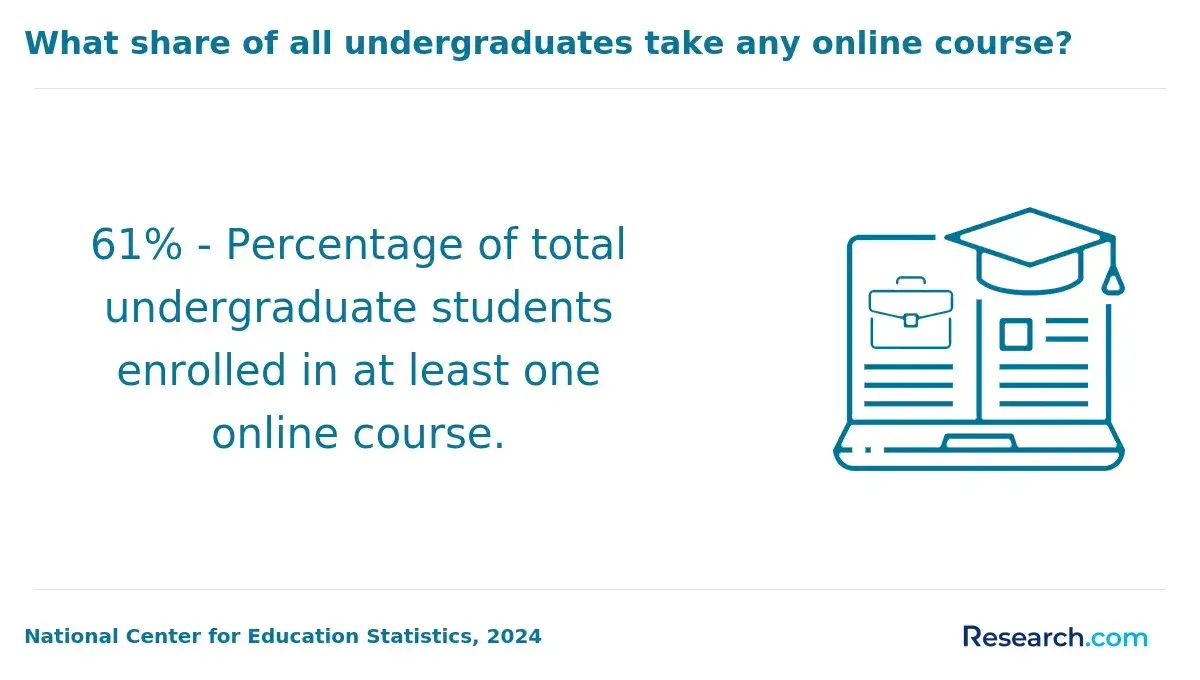
Facing a rapidly evolving healthcare landscape, nurse practitioners aiming to lead informatics initiatives must navigate complex technology integration while maintaining clinical efficacy. Over 60% of nursing graduate students now prefer flexible, online formats, according to the National Center for Education Statistics in 2024, reflecting a shift toward accommodating working professionals balancing career and study. This impacts how students select informatics courses to maximize both applicability and accessibility.
Choosing the right curriculum affects readiness for roles demanding proficiency in electronic health records, data analytics, and clinical decision support. This article examines key informatics courses prospective DNP students commonly encounter, clarifying how these choices align with practical career outcomes and workforce demands.
Key Things You Should Know
- Data analytics and informatics courses now prioritize EHR interoperability skills due to 35% hospital system upgrades mandated by the ONC in 2024, forcing professionals to balance depth with rapidly evolving tech platforms.
- Employer demand favors DNP informatics graduates with project management integration expertise, as 62% of healthcare organizations cite workflow redesign as a critical post-pandemic hiring factor, limiting opportunities for purely technical specializations.
- The average program length extends to 36 months amid growing curricular requirements, driving a 20% tuition increase over three years per NCES data, intensifying cost-to-benefit calculations for mid-career nurses.
What are DNP informatics courses?
DNP informatics courses prepare clinicians to navigate the intersection of healthcare and information technology with applied expertise rather than theoretical abstraction. Graduates often face real-world challenges such as customizing electronic health records (EHRs) in hospital settings, where a DNP informatics specialist might implement an EHR module that uses patient-specific alerts to reduce medication errors. Conversely, outpatient settings prioritize streamlined interfaces that improve documentation and billing efficiency without impeding patient flow.
The DNP informatics course curriculum focuses on clinical data management, interoperability standards, data analytics, privacy, security compliance, and system evaluation techniques. This blend reflects employer expectations for professionals who can translate clinical needs into technical solutions, manage cross-departmental projects, and maintain regulatory adherence. However, students must weigh the tradeoff between deep technical training and sustained clinical relevance, recognizing that ongoing technology updates will require lifelong learning beyond initial certification.
Programs often include online DNP informatics classes, offering flexibility but demanding disciplined self-direction to stay current in fast-evolving systems. Investing in these skills aligns with employment realities; nursing informatics specialists have a median annual salary around $102,230, ranking among the top five highest-paid nursing careers. For those evaluating career moves, exploring regional differences via DNP salary by state can provide critical geographic context for decision-making.
Which DNP informatics courses are usually required?
Core DNP informatics classes for students emphasize data management and health information systems critical for today's healthcare workflows. Common DNP informatics course requirements include Health Informatics Foundations, which covers clinical data standards and interoperability challenges typical in hospital and insurance settings. Data Analytics for Healthcare teaches tools for descriptive and predictive analysis targeting improved patient outcomes, while Electronic Health Record (EHR) System Implementation addresses practical barriers like workflow integration and user adoption.
Data management coursework further requires expertise in data governance, privacy, and security, particularly compliance with regulations such as HIPAA. This positions graduates to manage sensitive clinical data responsibly across organizational layers. Health Information Systems courses focus on system architecture, usability, and clinical decision support evaluation to enable effective collaboration between clinicians and IT developers.
Given the global healthcare analytics market's expected growth, students entering these programs should weigh the steep learning curve against tangible workforce demand. For example, professionals skilled in data visualization and outcomes measurement are increasingly needed for roles focused on population health management or cost control under value-based care. Hands-on projects with real-world datasets and EHR platforms are indispensable for building these competencies.
Students seeking to navigate common DNP informatics course requirements must also prepare for significant time investment and interdisciplinary teamwork. The payoff includes expanded career avenues from systems analyst roles to chief clinical informatics officer positions with greater leadership and salary prospects. For additional context on options that support career pivoting, consider exploring online RN programs for non nurses in Florida.
Do online DNP informatics programs meet accreditation standards?
Choosing an online DNP informatics program without verifying regional accreditation for DNP informatics online degrees can lead to significant professional setbacks. Accreditation from bodies such as the Commission on Collegiate Nursing Education (CCNE) or the Accreditation Commission for Education in Nursing (ACEN) is essential; this ensures programs meet rigorous curriculum and clinical practice standards that align with employer and certification expectations.
Accredited programs emphasize competencies like clinical decision support and evidence-based practice, which directly impact patient safety and healthcare efficiency. For instance, a 2024 meta-analysis in the Journal of Medical Internet Research found that clinical decision support implementation cut medication errors by 55-83% in hospital settings. Graduates from such programs are positioned to lead digital transformation efforts that demonstrate measurable outcomes.
Working professionals must assess practicum availability in their local settings because accreditation demands supervised clinical experience. Misalignment here delays graduation or reduces skill applicability. Employers often require graduates from accredited programs to comply with Joint Commission mandates and support ongoing clinical informatics initiatives.
Tradeoffs between program flexibility and hands-on experience are common. Candidates should demand transparency on how online programs meet clinical supervision requirements, including virtual simulations and real-world project integration. These factors directly influence employability and leadership opportunities post-degree.
Those seeking the cheapest Psych NP programs online should also weigh accreditation status carefully to avoid credentialing barriers and employment challenges when pursuing informatics specialization.
What admission requirements do DNP informatics programs usually need?
The admission requirements for DNP informatics programs in the United States reflect the profession's demand for clinicians who can navigate complex health IT environments. Candidates must hold an active registered nurse (RN) license and typically require at least a bachelor's or master's degree in nursing or a related field, coupled with one to three years of direct clinical experience. This prerequisite aligns with industry realities, such as the fact that although 94% of U.S. hospitals have adopted certified electronic health records by 2024, only 61% effectively exchange data beyond their own systems, highlighting ongoing interoperability challenges.
Typical prerequisites for DNP informatics admission include submission of official transcripts evidencing strong foundations in sciences and informatics, as well as relevant certifications or documented proficiency in health IT systems and data analytics. Employers value applicants whose clinical competence is matched by technical skills capable of addressing the 39% gap in cross-system electronic health data exchange reported by the Office of the National Coordinator for Health IT.
Letters of recommendation usually must come from clinical supervisors or informatics professionals familiar with the applicant's abilities, and personal statements should articulate career goals tied to digital transformation in health care. Some programs require GRE scores, though this is becoming less common. Ongoing professional development in informatics technologies is essential, underscoring how admission decisions weigh both past experience and future capacity to lead initiatives that improve data interoperability.
Prospective students interested in specialized pathways might explore functional medicine nurse practitioner programs as a comparative option, where clinical integration and technology also intersect but on a different clinical trajectory.
How long does a DNP informatics program usually take?
Choosing a DNP informatics program requires balancing duration with real-world outcomes. Programs typically span 2.5 to 4 years, with full-time cohorts finishing around three years and part-time students often extending beyond four. This timeline impacts when a nurse can return to the workforce or pivot into leadership roles. For example, a nurse employed in a hospital's IT department might prefer part-time study to maintain income but delay advancement, whereas a full-time student in a research environment may realize faster transitions to strategic roles.
The integration of practicum hours is a critical differentiator; programs relying solely on online didactic courses often fall short of employer expectations that prioritize clinical informatics experience tied closely to patient care workflows. Candidates must validate prerequisite clinical hours early to prevent course delays, which can add months or a full year to completion.
Despite 89% of U.S. adults accessing patient portals annually, only 48% use these systems consistently for clinical data, revealing opportunity gaps that DNP graduates should address by merging clinical insight with system design. Programs incorporating up-to-date national survey data and emerging technologies are best positioned to prepare graduates for these demands.
Decisions on program pacing, practicum placement, and employer collaboration should align with each student's job flexibility and career timetable to optimize return on investment amid evolving health informatics workforce needs.
How much does a DNP informatics program cost?
Choosing a DNP informatics program requires weighing not just tuition but the total financial and professional impact. Tuition can range from $40,000 to $100,000 depending on factors like institution type, residency, and program length. Online programs typically charge $700 to $1,200 per credit, with 35-40 credits needed, which means steady financial planning is essential-especially for working professionals balancing payments alongside employment. Employer tuition assistance or loans often become necessary to manage costs.
Unlike many master's programs, DNP informatics blends clinical practice with informatics coursework, generating additional indirect expenses including software licenses and technology fees that aren't always covered by tuition.
Employers value graduates who can leverage data analytics to reduce costs and improve patient outcomes; hospitals using such analytics report 15-20% lower 30-day readmission rates, a significant metric in care quality and reimbursement penalties. This demand translates into salary premiums for skilled candidates but also means graduates face a tradeoff between upfront education expenses and potential lost income if they reduce work hours during study.
Program accreditation and employer reputation shape job market competitiveness; pursuing less recognized degrees may limit long-term ROI despite lower initial costs. Many programs expect proficiency with technology or necessitate additional training, adding time and financial burden.
Students often mitigate expenses through employer tuition reimbursement or federal aid programs targeting healthcare workforce development.
What clinical or practicum experience is included in informatics programs?
Clinical practicums within DNP informatics programs demand more than mere exposure to health IT; they require measurable contributions to workflow optimization and patient outcomes. Most programs mandate 500 to 1,000 practicum hours focused on integrating electronic health records (EHRs), clinical decision support, and data analytics within real healthcare settings such as hospitals, outpatient clinics, or telehealth platforms. A salient real-world shift is telehealth use, which accounted for 19% of outpatient mental health visits nationally, up from 2% pre-pandemic, driving demand for hands-on experience optimizing virtual care and remote monitoring technologies.
Students navigate challenges uncommon in classroom simulations, including interoperability barriers, data security mandates, and real-time clinical data utilization for quality improvement. Many DNP informatics tracks connect students with clinical informaticists or nurse leaders to lead projects that directly impact operational workflows and patient safety metrics.
Practicum focus varies by setting: ambulatory care students might drive telemonitoring device integration, while hospital-based peers tackle inpatient EHR usability and clinical alert fatigue. These distinctions influence employability, as employers prioritize candidates able to translate data insights into tangible improvements within specific care environments.
Demonstrable impact during practicums is increasingly essential, aligning with employer expectations for skilled professionals adept at bridging technical informatics solutions with clinical decision-making and compliance requirements.
What jobs can DNP informatics graduates pursue?
Graduates with a DNP informatics focus must navigate roles that intersect clinical expertise and complex health IT ecosystems, with expectations extending beyond technical know-how to strategic integration and leadership. Positions such as clinical informaticist or chief nursing informatics officer often require mediating between care teams and technology departments to tailor electronic health records (EHR) and decision-support systems that directly influence patient safety and workflow efficiency.
The current workforce strongly demands informatics professionals who can address escalating cybersecurity threats; healthcare ransomware incidents increased 91% in recent years, raising the average breach cost to $10.93 million per event. This compels DNP informatics graduates to develop skills in implementing data protection strategies and ethical governance, particularly in hospital and government settings bound by stringent privacy regulations.
Key practical distinctions emerge when comparing roles:
- Clinical informaticists typically bridge direct clinical staff requirements with IT solutions that reduce errors and enhance care delivery.
- Healthcare data analysts focus more on claims and outcome data within payers or population health organizations to drive cost containment and policy decisions.
Professionals must also keep pace with interoperability standards like FHIR and vendor-specific EHR platforms. Attaining relevant certifications alongside the DNP degree often distinguishes candidates in a competitive market shaped by evolving technology and compliance demands.
How much do DNP informatics graduates typically earn?
Employer demand for DNP informatics graduates centers on their ability to translate clinical and technical knowledge into actionable system improvements that reduce costly safety failures. Salaries typically range from $110,000 to $140,000 annually, with top-tier pay tied to large health systems and tech-savvy healthcare organizations focused on EHR integration and workflow safety. For example, a DNP informatics nurse in a hospital setting may generate multimillion-dollar savings by mitigating errors linked to electronic health record usability issues.
Transitioning from direct clinical roles into informatics administration or IT-centered positions requires patience and strategic upskilling. Entry-level salary growth for those without prior informatics experience is slower, and achieving leadership or premium compensation often depends on demonstrated expertise in human factors engineering and workflow redesign. Employers prioritize applied competencies over purely theoretical knowledge, increasing the value of targeted practicum experiences and advanced certificates.
The high incidence of safety incidents-32% of clinician-reported cases in a 2024 BMJ Quality & Safety study-continues to drive demand for professionals skilled in redesigning workflows and systems to enhance patient safety. Graduates must carefully weigh tuition costs and time commitments alongside regional salary prospects and employer expectations to avoid pitfalls in salary progression and job fit.
How do you choose a reputable DNP informatics program?
Selecting a DNP informatics program without thorough evaluation of accreditation, curriculum depth, and graduate outcomes risks investing in credentials that fail to align with evolving healthcare leadership demands. The rise from 24% to 41% in U.S. hospitals appointing chief nursing informatics officers between 2019 and 2024 reflects a market shift where leadership and policy acumen are as critical as technical skills.
Programs solely emphasizing informatics theory may leave graduates unprepared for real-world data governance or electronic health record (EHR) optimization challenges faced in clinical settings. Employers increasingly favor candidates demonstrating practical expertise through capstone projects or practicums focused on managing clinical data workflow and influencing health IT decisions.
Key considerations when evaluating programs include:
- Accreditation by the Commission on Collegiate Nursing Education (CCNE) or the Accreditation Commission for Education in Nursing (ACEN) for validated clinical and academic standards
- Curriculum integration of health IT policy, informatics strategy, and leadership development to support advancement into strategic roles
- Alumni placement rates in health systems utilizing advanced informatics roles, reflecting workforce alignment
- Faculty with active informatics leadership or policy experience offering current insights and networking opportunities
- Delivery format tradeoffs, such as online hybrid models' flexibility versus limitations in clinical simulation exposure
Programs partnered with health systems that provide practicum placements can significantly improve transition into influential informatics leadership positions. Without these elements, the risk is obtaining a qualification that falls short of the strategic competencies employers now require.
Other Things You Should Know About DNP
Balancing a full-time job with a DNP informatics program is challenging but feasible, especially in programs designed with working professionals in mind. Part-time or online formats offer more flexibility but may extend program length and require disciplined time management. Prioritize programs that provide asynchronous coursework and reasonable practicum scheduling to manage workload without compromising performance.
Employer recognition varies significantly between programs with strong clinical informatics components versus those that emphasize administration or leadership. Programs that integrate health IT projects and data analytics tend to yield graduates who are better prepared for technical roles, which employers value highly. Prioritize programs with a clear focus on hands-on informatics skills if your goal is to qualify for specialized technical positions.
A DNP informatics degree provides broader clinical leadership and advanced practice skills beyond what certifications offer, which is important for roles demanding clinical decision-making authority. However, certifications are less time-intensive and more cost-effective for those focused solely on technical health IT competencies. Consider your long-term career goals carefully; choose a DNP informatics pathway if you need both clinical expertise and informatics knowledge integrated at a high level.
In 2027, a DNP Informatics program typically includes courses like Clinical Information Systems, Data Management and Analytics, Health Informatics Project Management, and Telehealth Technologies, equipping students with the skills needed for advanced informatics roles in healthcare settings.
References
- What Does It Cost to Earn a DNP (Doctor of Nursing Practice)? https://www.doctorofnursingpracticednp.org/what-does-it-cost-to-earn-a-dnp-doctor-of-nursing-practice/
- Nurse Informaticist: Education, Certifications & Salary https://www.nursingcolleges.com/careers/nurse-informaticist
- Nursing Informatics Salary and Jobs | Certification Programs and Degree Options https://www.graduatenursingedu.org/nurse-informatics/
- Top 20 Best Graduate Programs in Nursing Informatics and Administration - Healthcare Management Degree Guide https://www.healthcare-management-degree.net/best/graduate-programs-nursing-informatics-and-administration/
- What is the average DNP salary? | Bradley University Online https://onlinedegrees.bradley.edu/blog/what-is-the-average-dnp-salary
- Nursing School Accreditation https://nursinglicensemap.com/nursing-degrees/nursing-accreditation/
- Career Paths for Nurses With a DNP https://www.allnursingschools.com/dnp/career-paths/
- The Complete Guide to DNP Programs: Online, Campus, and Hybrid https://www.onlinefnpprograms.com/guides/guide-to-dnp-programs/
- Optimization of a Graduate Nursing Informatics Practicum Program https://library.ania.org/p/s/optimization-of-a-graduate-nursing-informatics-practicum-program-10717
- How Long is an MSN-to-DNP Program? Length of MSN-to-DNP Programs https://www.onlineeducation.com/nursing/faqs/how-long-is-an-msn-to-dnp-program