2027 DNP Certificates Worth Considering After Graduation

Co-Founder and Chief Data Scientist
Graduates with a DNP face a critical dilemma: how to quickly gain specialized credentials that align with evolving clinical demands without extending costly full-degree programs. As healthcare employers increasingly prioritize flexible, online certificate options-reflected by over 35% annual growth in post-graduate nursing certificate enrollments reported by the National Center for Education Statistics-prospective candidates must focus on programs that balance accessibility with credible skill validation.
This shift responds to rising workforce shortages and employer preference for targeted expertise over broad academic credentials. This article evaluates current DNP certificates to inform timely, strategic credential choices that optimize career progression and professional relevance.
Key Things You Should Know
- Over 60% of employers surveyed by the American Association of Colleges of Nursing in 2024 prioritize DNP graduates with focused specialty certifications, complicating program choice and prolonging post-grad credentialing timelines.
- Healthcare systems expanding value-based care models now require DNPs to demonstrate measurable population health outcomes proficiency, shifting hiring preferences away from generalist credentials.
- Median total costs for DNP certificates surged 15% since 2022 per NCES data, especially impacting mid-career professionals balancing income loss against delayed career advancement opportunities.
What are DNP post-graduate certificates and how do they differ from full DNP degrees?
Post-graduate certificates in DNP offer a focused alternative for nurses already holding a full doctoral degree who seek specific advanced practice skills without retaking foundational coursework. These certificates emphasize targeted subspecialties like psychiatric-mental health or informatics, providing a strategic pivot that avoids the time and cost associated with completing another full DNP degree. Employers are increasingly recognizing these credentials for specialized roles, though acceptance varies by institution and regulatory environment.
Professionals considering this pathway face tradeoffs: while full doctorate holders typically see a national median annual wage premium of around $7,000 over MSN-prepared peers, post-graduate certificates alone seldom produce comparable salary gains. The value lies more in niche expertise and compliance with employer demands than broad leadership advancement. Credit hour requirements for certificates generally fall between 12 and 18, suiting working nurses who want swift skill enhancement with minimal academic disruption.
It is critical to confirm that prior DNP coursework meets certificate program prerequisites, as not all credits are transferable, potentially impacting duration and cost efficiency. Nurses aiming to balance specialization with efficient credentialing may also explore online DNP programs that reduce clinical hour burdens to further optimize scheduling and affordability.
In evaluating DNP post-graduate certificate programs benefits, one should weigh the credential's limited scope against the comprehensive career flexibility offered by a full DNP. Institutions differ significantly in how they integrate these certificates into role eligibility and promotion criteria, demanding prospective students assess alignment with their long-term workforce objectives and the nuances of state practice acts.
Which post-graduate DNP certificate specialties offer the strongest career and salary potential?
Specializing in adult-gerontology acute care, psychiatric mental health, or nurse anesthesia offers the strongest career and salary potential for post-graduate DNP certificate holders. These specialties command higher employer demand and salaries due to their critical skill sets and responsibilities. For example, adult-gerontology acute care nurse practitioners typically earn between $110,000 and $140,000 annually, reflecting their role in managing complex hospital cases. Psychiatric mental health practitioners address persistent provider shortages, with salaries commonly ranging from $105,000 to $130,000. Nurse anesthetists, often earning median wages exceeding $180,000, justify their high income through the demanding, high-risk nature of anesthesia.
Cost and debt are significant factors: about 74% of DNP students carry student loans, with BSN-to-DNP programs costing $52,000 to $110,000. Those pursuing nurse anesthesia may face more selective admissions but benefit from faster return on investment due to superior starting salaries and job stability. Conversely, leadership and informatics certificates involve lower tuition but often yield less lucrative and slower-growing career paths.
A nurse with $90,000 in program debt targeting rural healthcare might prioritize psychiatric mental health certification, benefiting from critical unmet needs and possible loan forgiveness tied to behavioral health roles. Meanwhile, those aiming for large medical centers find acute care or anesthesia certificates offer higher wage ceilings and greater job security. For prospective students weighing these tradeoffs, exploring cheap nursing programs can further inform financial and career strategies.
How do DNP certificate programs prepare graduates for national APRN certification eligibility?
DNP certificate programs directly impact eligibility for APRN national certification by aligning clinical hours and competencies with certifying bodies like the American Nurses Credentialing Center (ANCC) and the American Association of Nurse Practitioners (AANP). Candidates typically must complete 500 to 1,000 supervised clinical hours, a requirement these programs structure carefully to meet exam mandates across specialties such as family or psychiatric-mental health, illustrating how DNP graduate preparation for APRN certification exams and requirements involves precise clinical and didactic integration.
For nurses holding an MSN in non-clinical tracks, DNP certificates provide an efficient pathway without repeating full-degree coursework. For instance, a registered nurse with an MSN in education can pursue a family nurse practitioner certificate that confers eligibility for national certification, reducing both tuition and time investment compared to entire degree programs. Employers expect these certified APRNs to demonstrate strong clinical judgment and evidence-based practice, often correlating with higher leadership roles and salaries, as data from BasicMedicalKey (2024) reveal significant income differences between DNP-prepared nurse practitioners and those holding only an MSN.
Operationally, candidates must verify clinical hour documentation meets targeted certifying board standards and consider programs offering clinical placements aligned with exam blueprints to optimize first-attempt pass rates and minimize costly retakes. Choosing a DNP certificate requires careful assessment of its specialty focus, clinical demands, and curriculum alignment to avoid unnecessary effort while maximizing eligibility certainty.
Prospective students also benefit from examining streamlined options, as demonstrated in this easiest NP program resource, enabling informed decisions amid the complexity of APRN certification pathways.
What admission requirements do most post-graduate DNP certificate programs have for applicants?
Post-graduate DNP certificate program admission criteria heavily emphasize prior clinical and academic credentials, filtering candidates prepared to meet demanding workplace expectations. Entry typically requires an active, unrestricted registered nurse (RN) license and a master's degree in nursing or a related advanced practice area. Applicants must submit official transcripts showing completion of graduate-level coursework in advanced pathophysiology, pharmacology, and health assessment.
Common application requirements for DNP certificate programs include documented clinical experience, often between 1,000 and 2,000 hours, verifying candidates' readiness to manage complex cases independently. Letters of recommendation from supervisors or academic mentors are standard, highlighting professional judgment and suitability for doctoral-level work. Some programs still require GRE scores, but this practice is declining as clinical experience gains weight in admissions decisions.
For working nurses balancing professional commitments, demonstrating institutional support and efficient time management often shapes admission feasibility. Failure to meet these criteria can delay career transitions, especially in markets where employers expect DNP-prepared advanced practitioners to operate autonomously. Notably, certified registered nurse anesthetists (CRNAs) with a DNP can surpass $200,000 annually, underscoring the pathway's potential return despite its admission rigor.
Prospective students evaluating specialized training options might consider a 1 year PMHNP program online as a comparative model reflecting intensive, time-efficient certificate pathways geared toward workforce demands.
How do online DNP certificate programs compare with campus-based options in flexibility and outcomes?
Choosing an online DNP certificate program involves balancing flexibility against the practical realities of clinical training and professional engagement. Unlike campus-based programs with fixed schedules and in-person networking, online options rely on asynchronous coursework paired with local clinical immersions. This reduces geographic barriers, particularly benefiting nurses in remote or underserved areas, but demands greater self-discipline and proactive management of clinical site arrangements.
Employers largely focus on demonstrated clinical competence and measurable outcomes rather than program delivery mode. Therefore, graduates from online programs with strong practicum support stand an equal chance in the job market as campus-trained peers. However, the absence of face-to-face faculty interaction and peer cohorts can limit immediate guidance and professional networking, which are valuable during a rigorous doctorate.
Financially, tuition for online and campus DNP programs generally aligns, producing similar federal loan repayment obligations near $600-$700 monthly over a decade for $60,000 in loans. Yet, campus learners may face opportunity costs from reduced work hours due to in-person commitments, a factor online students can avoid. Prospective students must assess their workflow, motivation, and local clinical access carefully to ensure program fit.
- Online programs offer greater schedule flexibility with geographic reach.
- Campus programs provide richer networking and direct faculty support.
- Employers prioritize clinical proficiency and outcome transparency above format.
- Financial burdens are comparable but differ in income opportunity costs.
The decision to pursue an online DNP certificate should weigh individual learning style, workplace demands, and clinical site availability, focusing on programs with clear clinical support and demonstrated graduate outcomes rather than delivery flexibility alone.
What core coursework and clinical hours are typically included in DNP certificate curricula?
The allocation of clinical practicum hours and coursework in DNP certificate programs directly impacts graduates' readiness to function in specialized healthcare environments and leadership roles. Students complete extensive clinical hours-typically 1,000 to 1,500-focused on areas like acute care, family practice, or psychiatric nursing. This hands-on component is integral to meeting certification requirements and achieving competence recognized by employers.
Program costs vary substantially depending on the chosen pathway. Public post-MSN DNP completion programs generally range from $20,000 to $50,000, while BSN-to-DNP tracks often require $50,000 to $100,000, sometimes more at private institutions. This price differential reflects longer study duration and the added coursework intensity associated with BSN-to-DNP options, creating a significant financial consideration for candidates.
For example, a nurse targeting a leadership role in hospital administration would benefit from courses emphasizing health systems management, quality improvement, and population health analytics rather than direct patient care hours. Conversely, clinicians pursuing acute care roles need immersive practicum experiences in critical care settings to validate their clinical decision-making and specialized expertise.
Ultimately, candidates must weigh the balance between clinical exposure, curriculum focus, and program cost against their career goals and employer expectations, recognizing that each pathway entails distinct tradeoffs in time investment and skill outcomes.
How long do DNP certificate programs usually take, and what tuition and fees should students expect?
Choosing between full- and part-time DNP certificate programs hinges on a tradeoff between time, cost, and work-life balance. Full-time tracks typically last 12 to 18 months, ideal for those who can focus exclusively on study, while part-time options accommodate ongoing clinical work but may extend beyond two years. This flexibility comes with variable tuition ranges, often from $15,000 to $40,000, with public universities charging between $500 and $1,000 per credit hour and private institutions exceeding $1,200.
Additional expenses such as clinical placement fees, textbooks, and technology access should be factored realistically alongside personal living costs and potential income reductions during study. For example, a nurse-midwife completing a 15-month full-time DNP certificate might invest $25,000 in tuition but could expect an approximate $3,400 annual earnings increase compared to a master's-prepared peer, highlighting a tangible, if modest, financial return.
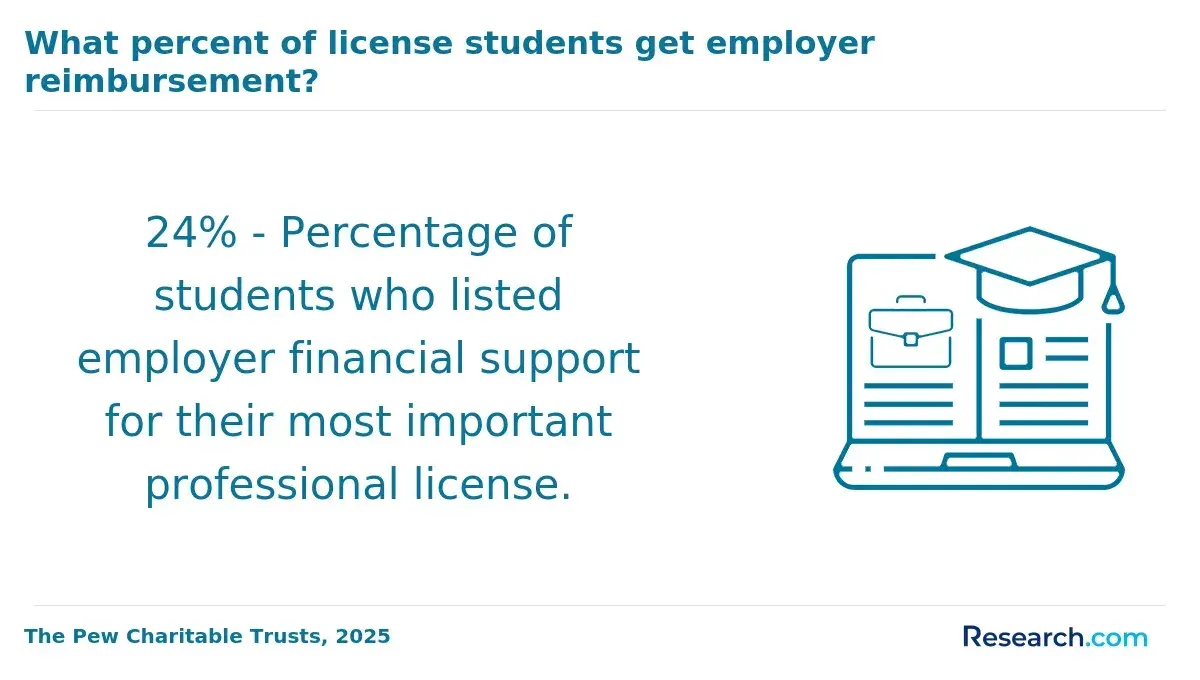
Employers generally expect DNP candidates to juggle coursework and clinical hours simultaneously, which demands careful scheduling and budgeting. Prospective students should prioritize programs known for transparent cost structures and evaluate employer tuition reimbursement policies to maximize net value and reduce financial strain.
- Typical program duration varies from 12 months full-time to over 24 months part-time to fit diverse professional demands.
- Tuition per credit varies widely based on institutional type and geographic location.
- Financial planning must include ancillary costs beyond tuition.
- The measurable earnings premium post-certification may offset upfront expenses over several years.
How can nurses verify that a DNP certificate program meets accreditation and state licensing standards?
Choosing a DNP program without verifying its accreditation and alignment with state licensing standards risks costly setbacks, including the inability to sit for licensure exams or secure relevant employment. Accreditation by the Commission on Collegiate Nursing Education (CCNE) or the Accreditation Commission for Education in Nursing (ACEN) is not just a formality; it directly impacts whether a certificate grants eligibility for state licensure and employer recognition. For example, nurses seeking advanced practice roles in California must attend programs recognized by the California Board of Registered Nursing; otherwise, their credentials won't translate into legal practice authority.
Beyond accreditation, students must consider state-specific scope-of-practice regulations, which vary widely and influence how directly their education supports their intended roles. Even nationally accredited programs lacking curriculum tailored to these laws may produce graduates with limited practical leverage in certain jurisdictions. Employers increasingly prioritize doctoral-prepared nurses whose education both meets national accreditation and complies with local regulatory demands, reflecting the growing nurse practitioner workforce projected by the Bureau of Labor Statistics.
Direct steps for candidates evaluating DNP programs include: Checking CCNE or ACEN online accreditation databases.Reviewing the state board of nursing's approved program listings.Contacting program administrators for explicit accreditation and licensing compliance details.Comparing employer job postings to identify favored credentials in target specialties or regions.
Failure to conduct this due diligence can result in investments in programs that do not meet licensure requirements or employer expectations, undermining the intended career pivot or advancement.
What advanced practice roles and leadership positions can DNP certificate holders pursue?
Choosing a DNP path involves weighing its extended training and cost against distinct professional roles inaccessible to most MSN holders. DNP certificate holders move into advanced clinical roles such as nurse anesthetists, nurse midwives, or nurse practitioners with niche expertise in acute care, pediatrics, or psychiatric health. These positions demand the complex evidence-based practice skills emphasized in DNP programs, enabling autonomous management of intricate patient populations and the application of protocols that lead to improved outcomes.
Leadership roles-nurse executives, directors of nursing, or healthcare policy advisors-also rely heavily on skills unique to DNP curricula, such as health systems management, quality improvement, and informatics. These require translating research into practice and overseeing interdisciplinary teams, which extend beyond the scope of most master's level training.
From a workforce perspective, the economic tradeoff is notable. For professionals focused purely on direct patient care, the MSN credential offers faster salary break-evens due to shorter and less costly training. However, the DNP's longer path is a strategic investment for those targeting specialty clinical practice or executive leadership roles, where the salary premium and expanded scope justify higher upfront costs.
Practical decisions should match career aims with employer expectations: an NP pursuing immediate clinical employment may find an MSN more efficient, whereas aspiring nurse executives or specialists in emerging practice areas will benefit from DNP qualifications.
How should prospective students evaluate and choose a reputable DNP certificate program?
Acquiring a DNP certificate is primarily a strategic decision rather than a regulatory requirement, as no U.S. state, nurse practitioner certifying body, or major employer mandates it for licensure by mid-2026. Instead, the degree's value hinges on how well it enhances leadership potential or academic appointments, making program accreditation and verified graduate outcomes critical evaluation factors.
Prospective students must examine accreditation by bodies like CCNE or ACEN to ensure academic standards align with employer expectations. Equally important is the transparency of employment data within a year of graduation, with an emphasis on roles secured in administration or faculty settings.
Cost and program length directly impact return on investment and career trajectory. A clinician seeking clinical practice innovation faces different priorities than one focused on academic leadership-curricula emphasis should reflect these distinct objectives. Flexibility through part-time enrollment or employer partnerships can mitigate employment disruption during study.
Programs lacking practical components such as leadership practicums or capstone projects offer limited market value. Students should avoid certificates that emphasize theory without cultivating skills immediately recognized by healthcare employers.
- Verify accreditation by recognized agencies (CCNE, ACEN)
- Demand clear graduate employment and leadership placement data
- Weigh cost and program duration against realistic time-to-employment scenarios
- Prioritize programs incorporating applied leadership experience over purely theoretical content
Other Things You Should Know About DNP
Acquiring multiple DNP certificates can broaden your expertise but often delivers diminishing returns unless they target distinct, high-demand specialties. Employers prioritize depth in relevant areas over quantity, so focusing on one certificate aligned with your career goals is typically more effective. Multiple certificates may extend your time and expense without proportionate improvements in job competitiveness or salary, especially in saturated fields.
Employers generally view a full DNP degree as qualifying candidates for broader leadership and clinical autonomy roles compared to DNP certificate holders, who are expected to have specialized but narrower competencies. Certificate holders often fill advanced practice positions requiring specific skills, while degrees signal readiness for executive or system-level responsibilities. Choosing a certificate should align with targeted job roles to avoid qualification mismatches and unmet employer expectations.
Balancing a DNP certificate program with professional duties demands disciplined time management due to intensive coursework and clinical practicals compressed into shorter timeframes than full degrees. Online or part-time certificate formats offer flexibility but require self-motivation and sacrifice outside work hours, potentially impacting work-life balance. Prospective students should assess their current workload realistically and consider employer support before committing.
References
- Become a Doctor of Nursing Practice (DNP) https://nurseslabs.com/doctor-of-nursing-practice-dnp-career-guide/
- Best Online DNP Programs https://bsntodnpprogramsonline.com/resources/best-online-dnp-programs
- License Certification - FL HealthSource • Health Care Resources for Consumers & Providers https://flhealthsource.gov/license-certification/
- Nursing School Accreditation https://nursinglicensemap.com/nursing-degrees/nursing-accreditation/
- Certifications for NPs: How to Increase Your Job Opportunities https://www.bartonassociates.com/blog/certifications-for-nps-how-to-increase-your-job-opportunities/
- Post-Graduate APRN (DNP) Family Nurse Practitioner Certificate https://catalog.uthsc.edu/preview_program.php
- Post-Graduate APRN (DNP) Certificates https://www.uthsc.edu/nursing/post-dnp-certificates.php
- How Much Can You Earn With a Doctor of Nursing Practice (DNP)? https://www.allnursingschools.com/dnp/salary/
- Advancing Your Nursing Career With a DNP https://www.saintmarys.edu/graduate-studies/nursing/nursing-practice/dnp-article
- What Should Prospective Students Know About Bradley's DNP Program? https://onlinedegrees.bradley.edu/blog/what-should-prospective-students-know-about-bradleys-dnp-program