2027 Best DNP Careers for Systems-Level Impact

Co-Founder and Chief Data Scientist
Securing a systems-level role in healthcare leadership demands more than clinical expertise-it requires navigating a landscape where 62% of doctoral nursing program enrollees in 2024 chose online or hybrid formats, reflecting a shift toward flexible, accelerated education options that can align with demanding professional schedules. This trend highlights how accessibility and timing are now critical factors for practitioners targeting executive positions, especially given employer preferences for graduates who demonstrate the ability to integrate cross-disciplinary knowledge with effective administrative strategies. Identifying careers that maximize impact while accommodating diverse educational pathways is essential for those ready to transition or advance strategically.
This article examines the best DNP careers that offer meaningful systems-level influence, detailing how each trajectory corresponds with current educational trends and workforce demands to guide informed career decisions.
Key Things You Should Know
- Demand for DNP-prepared leaders in healthcare systems grew 18% from 2022 to 2025, driven by hospitals prioritizing evidence-based policy; yet, employers value clinical depth over broad systems expertise, complicating role alignment.
- Healthcare employers reported 34% higher retention when DNP roles combined administrative authority with direct patient impact, suggesting strategic negotiation over purely executive tracks boosts workforce stability.
- Median completion time for DNP programs increased to 4.2 years as of 2024 due to expanded curricular requirements, raising opportunity costs for mid-career professionals balancing salary loss against longer-term clinical leadership gains.
What are the best DNP career paths for systems-level impact in healthcare?
Leadership roles that fuse clinical expertise with organizational strategy offer the most significant opportunity for systems-level change in healthcare. Positions such as chief nursing officer, healthcare quality director, and clinical informatics specialist give DNP graduates the leverage to influence care delivery models, staffing protocols, and compliance standards across entire health systems rather than individual patient care.
For instance, a chief nursing officer in a large hospital system can direct quality initiatives affecting multiple departments simultaneously. This scale of impact requires advanced leadership capabilities and a firm grasp of healthcare finance and policy. Clinical informatics specialists improve system-wide outcomes by integrating electronic health records with analytics, enabling better real-time clinical decisions.
Tradeoffs include the necessity of targeted coursework and practicum experiences in leadership, informatics, and project management-components prospective students should prioritize when selecting programs. Employers consistently seek evidence of quality improvement, interprofessional collaboration, and practical DNP scholarly projects or residencies that demonstrate these skills.
In 2024, advanced practice nurses-such as nurse midwives, nurse anesthetists, and nurse practitioners-reported a median salary of $132,050 with an anticipated job growth of 40% from 2023 to 2033. Such figures reflect strong demand for DNP-prepared leaders driving healthcare system improvements.
Those aiming to accelerate this strategic career pivot often consider the fastest online DNP programs to balance rigorous academics with professional demands while focusing on the best DNP career paths for systems-level change in healthcare.
How does a DNP prepare nurses to lead system-wide quality and safety initiatives?
A DNP uniquely positions nurses to lead system-wide quality improvement leadership in DNP programs by merging clinical expertise with organizational management and data analytics. This fusion empowers them to design and oversee interventions such as hospital-wide electronic health record alerts that reduce medication errors, coordinating interdisciplinary teams to ensure compliance while fine-tuning protocols dynamically. Mastery of evidence-based practice and methodologies like Lean or Six Sigma is critical to these roles, reflecting the complex nature of healthcare delivery systems today.
In preparing nurses to lead patient safety initiatives through DNP education, programs prioritize practical skills in system analysis, change management, and balancing clinical goals with financial realities. Graduates develop competencies in interpreting large datasets vital for safety and risk management, which directly influence executive decision-making under evolving regulatory and reimbursement frameworks. The labor market validates this value: chief nursing officers with a DNP earned a median salary of $145,364 in 2024, with job growth projected at 29% over the next decade, indicating strong demand for capable leaders.
Challenges in this pathway include aligning multiple stakeholders' priorities and managing resistance to change, requiring strategic communication and conflict resolution training. Candidates should expect ongoing professional development beyond graduation to maintain efficacy in high-pressure leadership roles. Those seeking foundational steps toward a DNP may consider online associate nursing programs as a practical starting point in nursing education.
What DNP roles drive health policy change and advocacy at organizational and state levels?
DNP careers influencing state health policy require a strategic integration of clinical expertise with systems-level advocacy, often embodied in roles such as nurse executives, clinical policy analysts, and health systems consultants. For example, a nurse executive within a large hospital system might lead initiatives to embed social determinants of health into care protocols, directly impacting budget allocations and state reimbursement models. This blend of duties demands more than clinical proficiency; it requires advanced understanding of health economics, legislative processes, and adept stakeholder negotiation.
Such DNP roles in organizational healthcare advocacy extend into managing competing interests from government agencies, insurers, and community organizations while applying evidence-based approaches to affect legislation or internal policies. Employers increasingly seek candidates combining direct patient care experience with efficient systems problem-solving, recognizing that policy impact without clinical credibility is limited. The U.S. Bureau of Labor Statistics projects a 35% growth through 2034 in advanced practice registered nurse jobs, underscoring persistent demand particularly for nurse practitioners.
Balancing clinical responsibilities with policy advocacy is a significant challenge, and those pursuing leadership in health policy often benefit from dual certification in healthcare administration or public policy. Yet, advancement prospects can be slower for positions focused solely on legislative advocacy without clinical leadership. Prospective candidates contemplating an accelerated NP program should weigh these operational demands and institutional dynamics carefully to ensure sustainable influence amid real-world constraints.
Which DNP career options focus on population health, health equity, and community outcomes?
Population health DNP careers for community impact often require navigating a complex balance between direct clinical involvement and system-level leadership roles focused on health equity and measurable outcomes. Positions such as healthcare quality improvement directors operate within large health systems to analyze data and spearhead interventions that close gaps in care access, exemplified by targeted vaccination outreach for underserved populations. Success in these roles depends heavily on expertise in population health metrics, social determinants of health, and culturally competent communication.
Typical salaries for healthcare quality improvement directors range from $120,000 to $130,000, reflecting their accountability for broad safety and quality initiatives. Community health program leaders emphasize tailored interventions informed by local epidemiology, often requiring collaboration with government and nonprofit sectors. Their work integrates equity-focused analytics and continuous improvement frameworks, which demand both managerial and technological fluency.
Key tradeoffs when pursuing health equity-focused DNP roles in systems leadership include choosing between patient-facing positions and roles demanding advanced data skills and complex stakeholder management. Candidates should prioritize practicum experiences in diverse community settings and develop competence with relevant health technologies to enhance employability.
For prospective students evaluating this pathway, practical considerations also extend to educational prerequisites. Those looking for accessible entry options might explore nursing schools that don't require TEAS test in Texas, which can ease initial barriers. Strategic selection of programs aligned with long-term workforce demands is essential to capitalize on evolving leadership opportunities in population health.
How do DNP-educated nurses transform clinical practice through evidence-based practice and guidelines?
DNP-educated nurses directly impact clinical practice by embedding evidence-based protocols into patient care, shifting decisions from tradition to data. For example, in hospital inpatient units, DNP-prepared clinical nurse specialists lead teams to standardize sepsis protocols drawn from current trials, reducing mortality and length of stay. This influence extends beyond bedside care, reaching unit- and organization-wide policy development aimed at aligning practice with up-to-date research.
Addressing institutional barriers such as workflow disruptions and staff capability, these nurses implement targeted education programs, requiring competency in change management and system-level thinking. Employers increasingly value these skills, as reflected in a 38% projected job growth for clinical nurse specialists through 2032 and average salaries above $100,000 recorded by U.S. Bureau of Labor Statistics data.
Strategically, DNP nurses occupy roles balancing clinical guidelines with resource limitations and patient complexity, a reality that demands nuanced decision-making about cost, time, and risk reduction versus reimbursement incentives. For prospective students, pursuing a DNP pathway means preparing to meet these operational challenges where clinical expertise integrates with leadership and quality improvement to sustain healthcare system improvements.
What are the typical salary ranges and job outlook for systems-focused DNP roles?
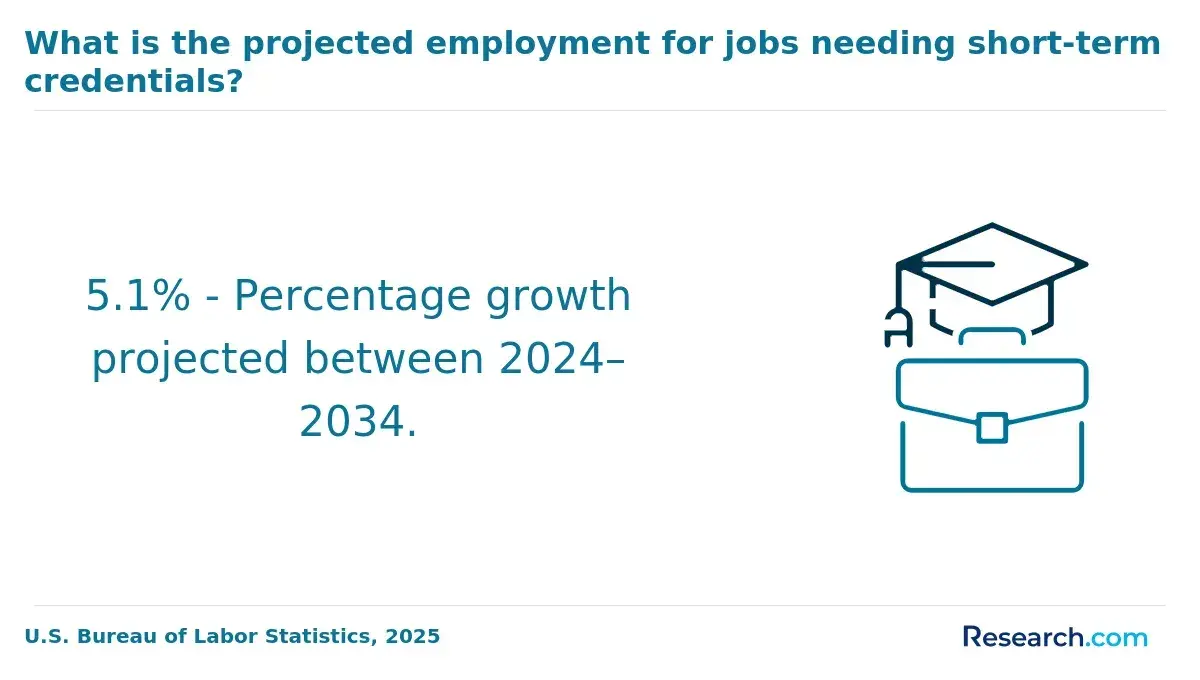
Systems-focused DNP roles offer salaries typically ranging from $95,000 to $140,000 annually, heavily influenced by employer type and leadership scope. Positions within large healthcare systems or federal agencies often approach the higher end of this range, particularly when combined with administrative or policy roles. Navigating these positions demands skills in leadership, data analytics, and change management, frequently necessitating additional certifications beyond the DNP degree.
The projected 28% growth in advanced practice nursing roles by 2032 far exceeds average healthcare sector expansion and stems from an increasing emphasis on population health initiatives and value-based care models. Demand is especially high for those with expertise in informatics, quality improvement, and cross-departmental collaboration, often within multi-hospital systems or consulting firms where business acumen becomes critical.
Choosing to work in public health or nonprofit advocacy may yield moderate salaries but greater opportunities for impact on health policy and systemic transformation. Approximately 40% of recent DNP graduates engage in these areas, signaling a shift beyond traditional clinical settings. Prospective candidates must weigh the tradeoff between higher remuneration and operational complexity versus median pay and broader policy influence.
What education, licensure, and certification are required for systems-level DNP careers?
Systems-level roles that require a Doctor of Nursing Practice degree demand more than academic credentials; they hinge on integrated leadership skills, regulatory knowledge, and functional expertise in healthcare systems science. Candidates must first achieve licensure as a registered nurse (RN) through the NCLEX-RN exam and maintain active status, establishing foundational clinical authority.
Beyond the DNP, employers in large health systems expect certification alignment to prove practical capability. For example, nurse executives typically combine their DNP with the American Nurses Credentialing Center's Nurse Executive Advanced (NEA-BC) certification, which signifies readiness to manage complex organizational and regulatory challenges. This combination often requires two to three years of post-DNP practice plus continuing education, underscoring a significant time investment before reaching peak employability.
Faculty positions with DNP-prepared educators similarly mandate parallel verification of pedagogy expertise through certification such as the Certified Nurse Educator (CNE). This credential signals a candidate's skill in curriculum development and educational effectiveness, which are critical in academic settings.
- Active RN licensure and passing the NCLEX-RN exam are non-negotiable prerequisites.
- Specialized certifications like NEA-BC or Certified Informatics Nurse (RN-BC) enhance marketability for leadership and informatics roles.
- Post-DNP experience combined with continuing education is often essential to meet employer expectations in systems roles.
- The job growth projection of 8% presents opportunities but requires strategic credentialing to capitalize effectively.
Failing to secure required certifications sharply narrows prospects in competitive sectors, especially metropolitan health systems with integrated governance models. The median annual pay of $84,907 reported by the U.S. Bureau of Labor Statistics in 2024 reflects entry into advanced professional ranks, yet earning potential continues to correlate with advanced credentialing and experience.
How do online versus campus-based DNP programs compare for systems leadership training?
Online DNP programs provide crucial systems leadership training comparable to campus formats but often lack embedded clinical leadership practicums and face-to-face mentorship essential for nuanced stakeholder engagement. This gap creates a practical challenge for students, especially those aiming for leadership roles deeply rooted in organizational culture and interpersonal trust.
Consider a hospital nursing executive shifting to a health informatics director role. Campus programs with embedded access to local health systems offer seamless practicum alignment, fostering leadership presence and operational trust. In contrast, online learners must independently secure clinical placements, introducing logistical complexity and uneven experiential quality. Employers frequently prioritize candidates with campus-based experiential exposure, associating it with smoother integration into complex health environments.
Key distinctions include:Online courses leverage asynchronous learning and virtual simulations focused on informatics, analytics, and EHR optimization.Campus programs emphasize direct observation, live team collaboration, and hands-on leadership in real-time problem-solving.Hybrid models can combine flexibility with onsite leadership experiences but demand geographic and scheduling flexibility.Salary data indicates nursing and healthcare informatics leaders with doctoral qualifications earn between $105,000 and $125,000 annually, signaling sustained demand for DNP-prepared professionals skilled in digital health transformation. Students must weigh the tradeoffs between accessibility and immersive practicum quality alongside employer preferences when selecting delivery formats.
What core coursework and practica best prepare DNP students for organizational and systems leadership?
Securing a DNP centered on organizational and systems leadership requires mastering complex intersections of health policy, financial management, and systems engineering, equipping professionals to influence large healthcare operations rather than solely clinical practice. For example, a DNP graduate managing a multi-clinic system must balance financial strategy with evidence-based interventions to reduce hospital readmissions while adapting to evolving reimbursement frameworks.
Practices demanded in the field differ substantially from individual patient care; students must complete 500-1,000 clinical hours focused on systems-level projects such as redesigning organizational workflows or implementing population health programs. This hands-on experience fosters collaborative leadership across interdisciplinary teams and hones skills to translate clinical data into actionable policy recommendations, such as deploying telehealth protocols in rural areas or training staff on compliance adherence.
Employers expect these graduates to demonstrate validated abilities in change management and leadership with measurable impact. Salary data aggregated across healthcare markets shows an average annual income around $117,000, which reflects the premium earned by those who combine applied informatics, finance, and leadership rigor. Prospective students should carefully evaluate programs emphasizing these operational competencies to ensure preparedness for workforce realities and long-term systems improvements.
How can prospective students evaluate and choose high-quality, accredited DNP programs for systems impact?
Choosing a doctoral nursing practice (DNP) program requires discerning its alignment with systems-level roles rather than clinician-only pathways. Accreditation by the Commission on Collegiate Nursing Education (CCNE) or the Accreditation Commission for Education in Nursing (ACEN) remains non-negotiable, ensuring the curriculum supports competencies valued beyond bedside care. Programs emphasizing systems thinking, population health innovation, and leadership equip graduates for expanded roles across sectors.
Employment outcomes reveal that over one-third of DNP graduates move into consulting, government policy, private health sectors, or advocacy fields. Selecting a program without this breadth can constrain flexibility and longer-term influence in evolving healthcare ecosystems. For instance, a professional targeting a government policy position benefits from flexible online courses complemented by practicums at relevant agencies, while private health consultants require programs with strong industry mentorship and networks.
Evaluating faculty expertise, internship quality, transparent graduate salary data, and job placement timelines offers a clearer picture of program efficacy. Students must weigh specialized niche tracks against broader leadership preparation to match their career ambitions.
Prospective students should avoid programs lacking current data on nontraditional roles or broader leadership outcomes, as these often indicate insufficient adaptation to healthcare's shifting landscape.
Other Things You Should Know About DNP
Choosing between clinical and non-clinical tracks affects both career trajectory and employer expectations. Clinical tracks require maintaining active licensure and often lead to direct system improvements through patient care leadership, while non-clinical tracks emphasize administrative and policy roles without bedside duties. Applicants should assess their long-term goals and willingness to meet certification and clinical practice requirements, as non-clinical pathways may allow broader role flexibility but may limit certain clinical leadership opportunities.
Research experience is important but not always mandatory for systems leadership positions. Employers value demonstrated ability to apply evidence to practice, but some roles prioritize change management, financial acumen, and operational expertise over formal research skills. Candidates without extensive research backgrounds should seek programs emphasizing practical application and leadership skills to align better with employer expectations in management and policy domains.
Prioritizing DNP programs that incorporate health informatics is advisable for careers targeting systems-level leadership due to the increasing reliance on data-driven decision-making in healthcare. Programs with integrated informatics prepare graduates to handle electronic health records, data analytics, and system optimization, which are core competencies in modern healthcare organizations. Students lacking informatics exposure may face limitations when seeking roles that require managing complex information systems or leading digital transformation initiatives.
References
- Nursing, Advocacy and Health Policy https://www.aacn.org/blog/nursing-advocacy-and-health-policy
- How I Became “The Health Equity NP” | Campaign for Action https://campaignforaction.org/how-i-became-the-health-equity-np/
- Nurse Practitioner Programs & Careers | How To Become A Nurse Practitioner https://www.learnhowtobecome.org/nurse/nurse-practitioner/
- Domain 5: Quality and Safety https://www.aacnnursing.org/essentials/tool-kit/domains-concepts/quality-and-safety
- All about the DNP project https://www.myamericannurse.com/dnp-project-fundamentals/
- What Is a DNP Degree? Overview and FAQ https://credenzahealth.com/career-advice/what-is-a-doctor-of-nursing-practice-dnp-degree
- How a DNP Shapes Policy and Improves Healthcare Systems https://blog.methodistcollege.edu/dnp-policy-improves-healthcare-systems
- How to Become a Nurse Practitioner | 2026 Edition https://nursinglicensemap.com/advanced-practice-nursing/nurse-practitioner/
- The Path to Becoming a Nurse Practitioner (NP) https://www.aanp.org/news-feed/explore-the-variety-of-career-paths-for-nurse-practitioners
- School of Nursing https://www.ohsu.edu/school-of-nursing/dnp-executive-leadership