2027 How to Pick Between Fast and Affordable DNP Programs

Co-Founder and Chief Data Scientist
Balancing the urgent need for career advancement with limited time and financial resources defines the dilemma faced by many nursing professionals considering a DNP program. With nearly 60% of nursing master's degree holders reporting barriers to full-time study according to the National Center for Education Statistics, the pressure to choose a fast-track yet affordable option intensifies.
Accelerated programs may compromise depth and networking, while budget-friendly routes often extend timelines and limit clinical opportunities. This article will dissect the distinct tradeoffs between accelerated and cost-effective DNP programs, equipping prospective students to prioritize timeline, quality, and career impact in their decision-making process.
Key Things You Should Know
- Accelerated DNP programs reduce time-to-completion by up to 40%, but average tuition hikes of 25% for fast tracks increase debt burdens, shifting cost-benefit considerations for mid-career learners balancing income loss.
- Employers increasingly expect clinical hours exceeding 1,000 in DNP curricula as a quality signal; programs prioritizing speed often truncate experiential learning, impacting perceived readiness and hireability.
- Regional workforce shortages in rural and underserved areas correlate with affordability constraints on DNP access, as federal data show lower enrollment from these zones in high-cost fast-track programs, affecting service equity.
What is a DNP degree and how does it differ from other nursing doctorates?
Choosing between a doctor of nursing practice degree benefits and a PhD in nursing hinges on practical career goals and time constraints. Unlike the research-intensive PhD, which demands 4-6 years and a dissertation, a DNP focuses on clinical leadership and hands-on patient care skills, typically completing within 1 to 3 years. This difference between DNP and PhD in nursing significantly impacts how nurses enter high-demand roles such as nurse practitioners, where the Bureau of Labor Statistics forecasts a 46% job growth from 2023 to 2033.
Working nurses who seek swift advancement often prioritize DNP programs with accelerated, affordable tracks that balance reduced time with sufficient clinical training. However, employers increasingly expect DNP graduates to spearhead interdisciplinary teams and quality improvement efforts, so candidates must weigh program accreditation and clinical immersion carefully. Limited clinical hours in faster programs can impair readiness despite quicker entry into leadership roles.
For many, reconciling program cost, duration, and clinical rigor is a critical challenge. Understanding the average cost of DNP program offers insight into potential financial and time commitments. Ultimately, selecting between clinical practice emphasis or research focus shapes employability outcomes and long-term career trajectories in evolving healthcare environments.
How fast can you realistically complete a DNP program without sacrificing quality?
Completing a DNP program in less than two years often compromises essential clinical experience and mastery, key factors that employers scrutinize in competitive healthcare environments. Students considering accelerated pathways-especially those with prior graduate nursing credentials-face higher tuition costs and intense course loads, raising questions about value versus speed. For nurse practitioners pursuing leadership in complex care settings, rigorous clinical hours mandated by accreditation bodies like the American Association of Colleges of Nursing are non-negotiable and cannot be compressed without risking program integrity and workforce preparation.
Realistic timelines for finishing affordable DNP programs typically range from 24 to 36 months, balancing curriculum rigor with professional and personal responsibilities. Working nurses frequently extend completion beyond three years to retain educational depth while managing employment and family demands. Aggressive programs may limit engagement with capstone projects that demonstrate evidence-based practice integration, ultimately impacting readiness for high-stakes roles.
Affordability also intersects with duration: programs below the $57,118 total cost threshold tend to offer more sustainable pacing but may require careful financial and time commitments. Prospective students should assess if accelerating their DNP is worth the tradeoff, considering employer expectations and long-term career implications. Exploring cheapest ADN online programs can provide additional perspective on cost-efficient paths into advanced nursing roles.
What makes a DNP program truly affordable when you compare total costs?
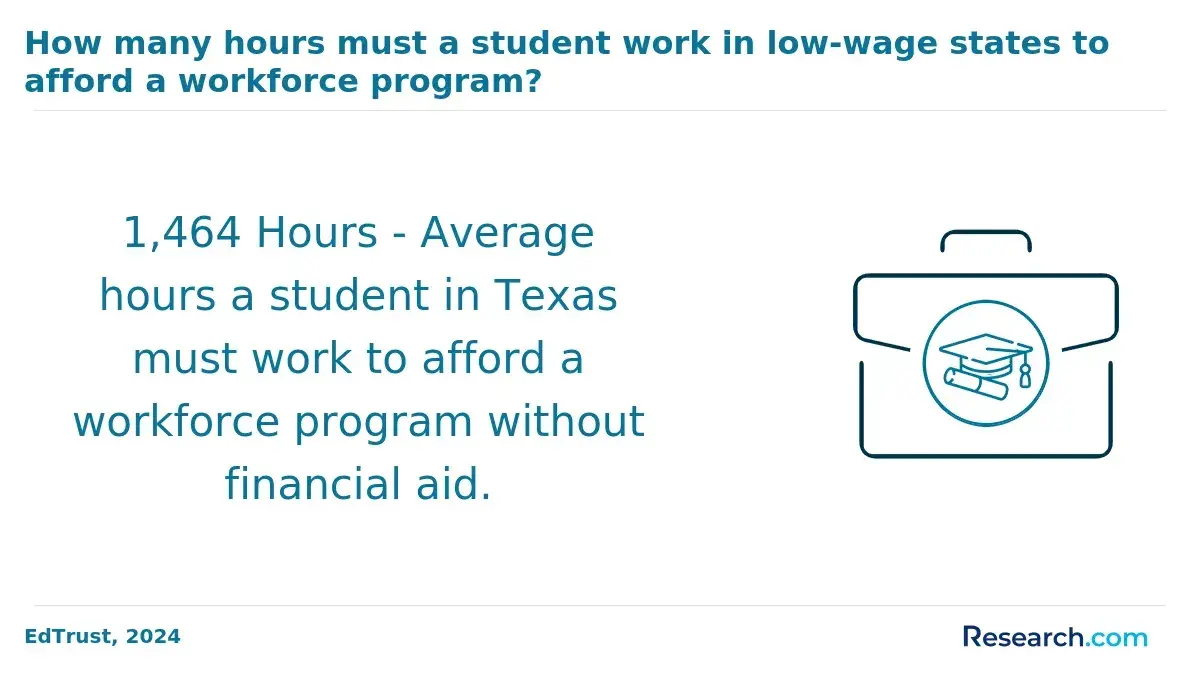
Analyzing the affordable total cost of DNP programs requires more than a cursory glance at per-credit tuition; it demands evaluating overall credit requirements, program length, and obligatory fees. Tuition can vary significantly-ranging from $326 to $2,358 per credit-with total program costs often differing by tens of thousands of dollars. For example, a 40-credit program at $326 per credit totals roughly $13,040, while a shorter 30-credit path charging $2,000 per credit can exceed $60,000. Such cost disparities influence not just immediate finances but also opportunity costs, particularly for working professionals who may need to reduce hours or take unpaid leave.
Comparing fast and affordable DNP program expenses involves weighing tradeoffs like program flexibility, clinical fees, technology charges, and materials costs, which typically add 10 to 20 percent extra. Employers in areas like hospital administration frequently prefer graduates from nationally accredited programs with employer connections, potentially justifying higher tuition if it enhances job placement and salary prospects. Candidates must consider repeat exams, credit loads, and professional support services as critical factors alongside price.
Students aiming for accelerated paths should systematically seek tuition assistance and employer reimbursements while verifying program accreditation. For those comparing pathways, reviewing publicly available data and practical outcomes is essential. Numerous options exist, including accelerated RN to NP programs, which offer targeted routes to advanced practice roles with varying expense and duration profiles.
Explore accredited offerings and detailed comparisons among accelerated RN to NP programs at accelerated RN to NP programs to inform strategic decisions.
How do accreditation and state nursing board approval impact DNP program choice?
Lacking accreditation from agencies recognized by the U.S. Department of Education or the Council for Higher Education Accreditation often renders a DNP program's credits non-transferable and can disqualify graduates from licensure in critical states like California or New York. The importance of state nursing board approval cannot be overstated-without explicit endorsement by the board in the licensure target state, applicants face delays or outright denial of Advanced Practice Registered Nurse certification. These factors directly affect employability and dictate whether graduates can immediately enter advanced practice roles.
Fast, affordable DNP programs marketed as accelerated tracks of 12-18 months typically impose higher tuition per credit and often compromise on mandated clinical hours. This tradeoff may impede meeting stringent licensing requirements and diminish trust from employers and health systems, especially those valuing comprehensive clinical experience. Working nurses evaluating such programs must balance financial and time savings against potential setbacks in meeting state-specific regulations and clinical hour mandates.
Prospective students should rigorously verify both the accreditation requirements for fast affordable DNP programs and state nursing board approval impact on DNP program selection to avoid unanticipated credentialing hurdles. These regulatory differences across states make program choice a critical factor in timely licensure and career trajectory. For those seeking pathways tailored to flexible admissions, exploring nursing schools that don't require TEAS or HESI may also offer valuable options.
What are the pros and cons of online versus campus-based DNP programs?
Choosing between online and campus-based DNP programs hinges on a key tradeoff: flexibility versus immersive clinical experience. Online options enable working nurses to juggle employment with coursework, but they demand strict self-management and often require students to independently arrange clinical placements, which can vary widely by region and delay progress. Additionally, some employers may perceive online DNP degrees as less rigorous, affecting hiring prospects in competitive healthcare markets.
Campus programs integrate students into clinical simulations, direct faculty mentorship, and peer networks, creating a richer environment for building leadership competencies favored by healthcare organizations. However, this comes at the cost of higher tuition, relocation, and restricted schedule flexibility, potentially stretching time to degree completion for professionals balancing family or work.
The reported median graduate earnings of $184,649 from the University of Southern Mississippi's DNP program illustrate that return on investment depends heavily on program delivery and institutional affiliations. Graduate salary outcomes tend to be stronger with campus programs linked to established healthcare employers, while online graduates often must proactively secure employer validation to translate their degree into advancement.
Professionals seeking accelerated career pivots with minimal disruption might accept online program tradeoffs, whereas those targeting executive roles in complex health systems generally benefit from the comprehensive experiential learning of campus-based DNP pathways.
How do DNP curriculum, clinical hours, and specialties vary by program format?
Choosing a DNP program requires careful evaluation of clinical hour demands, curriculum structure, and specialty options, as these factors directly influence career trajectory and workforce integration. Traditional full-time pathways generally mandate over 1,000 clinical hours, providing immersive experience beneficial for roles requiring rigorous hands-on competency. Conversely, accelerated or part-time online formats reduce campus presence but shift clinical placement responsibility to students, potentially delaying graduation if local affiliations are insufficient.
Specialty availability also differs markedly by format. Campus-based programs often grant access to niche fields like psychiatric-mental health or pediatric acute care, which align with employer demand in specialized sectors. In contrast, online accelerated tracks commonly limit students to core roles such as family or adult-gerontology nurse practitioner, restricting flexibility and market options.
Financially, total program cost extends beyond tuition to include clinical fees, materials, and administrative expenses-ranging approximately from $16,500 to over $50,000 in BSN-to-DNP pathways, according to Commission on Collegiate Nursing Education data. For working professionals, online formats reduce opportunity cost but may extend time to credential due to specialty constraints and clinical site coordination challenges, impacting return on investment and earning potential.
- Consider how curriculum rigor and clinical logistics align with geographic and career constraints.
- Evaluate specialty tracks against regional healthcare needs and certification requirements.
- Balance financial investment with realistic timelines for clinical placements and graduation.
What admission requirements and prior nursing experience do fast DNP tracks expect?
Fast DNP tracks prioritize candidates who already hold an active RN license and a master's degree in nursing, usually with a minimum GPA of 3.0 and substantial clinical experience-often 1,000 to 1,500 hours. This prerequisite is essential because accelerated timelines leave minimal margin for foundational clinical training. For instance, nurse practitioner fast tracks demand prior direct patient care in related specialties, enabling students to engage immediately in advanced coursework and clinical rotations without lag.
Institutions may waive the GRE for applicants with extensive graduate coursework or leadership in clinical settings, but this is inconsistent across programs. Individuals shifting careers without a master's degree generally face longer bridging programs rather than fast tracks, reflecting employer expectations for prior expertise.
Residency status often dictates the financial and timeline tradeoffs. In-state tuition can run about $444 per credit, whereas out-of-state costs can exceed $1,000 per credit, effectively doubling expenses and complicating decisions between speed and affordability. Candidates must also account for logistical challenges like clinical placement flexibility, which can be difficult for working nurses without employer support.
- Graduate credentials and verified clinical hours are non-negotiable for acceptance.
- Financial impact varies sharply by residency, influencing debt and program choice.
- Professional references and personal statements carry significant weight in admissions.
This layered approach underscores that eligibility and fiscal viability, not just program speed, primarily govern fast DNP track viability and long-term career positioning.
How do DNP graduates' roles, salaries, and career paths compare across program types?
Choosing a DNP program involves tradeoffs between institutional prestige, curriculum rigor, and financial impact that directly influence career trajectory and earning potential. Graduates of selective, research-intensive DNP programs often secure leadership roles, such as chief nursing officers or academic faculty-with starting salaries from $110,000 to $140,000. These positions are characterized by responsibilities in policy-making and population health management.
In contrast, those completing accelerated or more affordable online DNP programs, which can incur additional costs averaging $6,300 in fees and $1,650 for textbooks, typically enter clinical or administrative roles in smaller settings earning between $95,000 and $110,000. These paths tend to offer limited immediate access to executive positions due to less emphasis on leadership development.
For nurses aiming to transition into hospital executive roles, prioritizing DNP programs with comprehensive practicum experiences and leadership mentoring embedded within the curriculum is essential. Overlooking ancillary fees and learning resources can create financial strain, especially for working professionals balancing tuition with employment.
Employers evaluate DNP graduates based on program reputation and clinical or research intensity, shaping hiring patterns in urban versus community health contexts. Aligning program choice with long-term goals and financial realities is critical to avoid misalignment between educational investment and career advancement.
What is the job outlook for DNP-prepared nurses and nurse practitioners nationwide?
The employment outlook for DNP-prepared nurses and nurse practitioners is notably strong, with a projected 40% growth from 2024 to 2034 according to the U.S. Bureau of Labor Statistics. This rate significantly outpaces average occupational expansion, driven by ongoing workforce shortages and evolving clinical leadership demands.
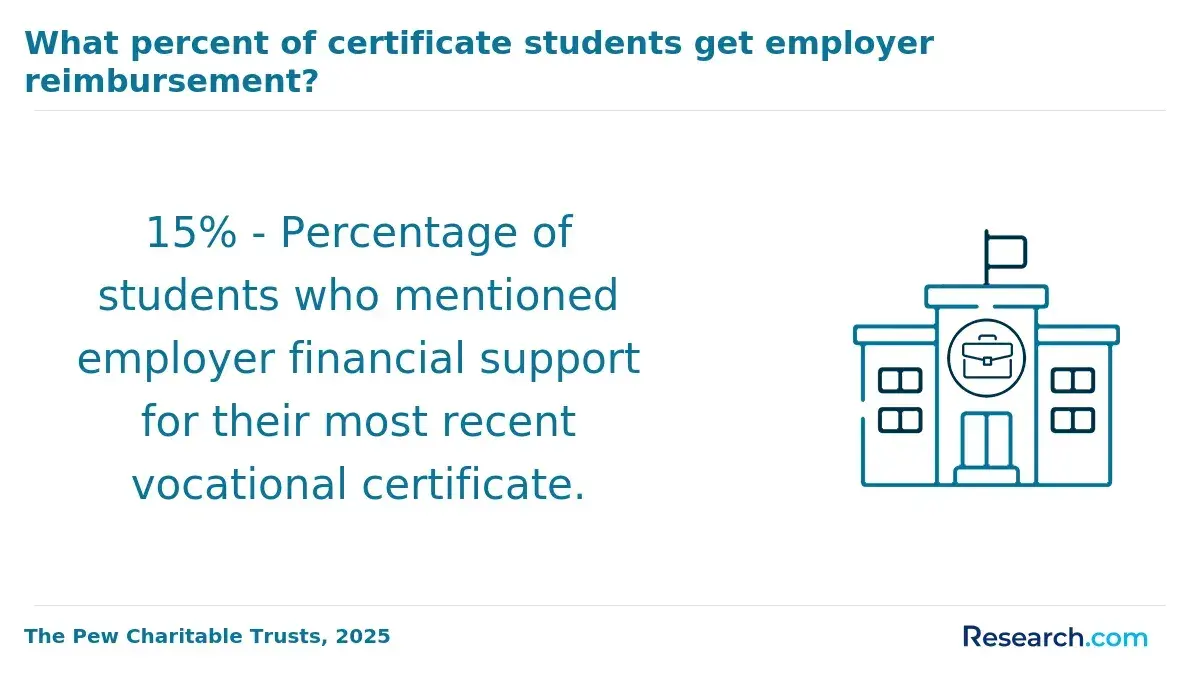
Financial feasibility often hinges on employer tuition assistance. Nurses employed in hospital systems offering reimbursement-sometimes covering up to 75% of tuition-can substantially lower their educational costs over multiyear commitments. This dynamic critically influences whether a candidate opts for an affordable program versus an accelerated but expensive alternative.
Specialization and geographic practice settings shape demand and program suitability. Primary care nurse practitioners find widespread need in rural and urban clinics, whereas acute care or psychiatric mental health roles require targeted clinical training. Employers frequently prioritize graduates of accredited DNP programs whose clinical experiences align closely with patient population needs.
Practical decision-making involves assessing:
- Employer tuition support eligibility
- Regional job market variations
- Program delivery formats balancing clinical hours and work schedules
This approach minimizes debt exposure while aligning credentials with employer expectations. Successfully navigating these factors improves retention, expedites return on investment, and reflects practical labor market realities shaping nurse practitioner roles.
How can you evaluate and choose between accelerated and low-cost DNP programs safely?
The decision between accelerated and low-cost DNP programs hinges on a nuanced appraisal of cost, program intensity, and subsequent employability. While the affordability threshold for DNP-NP programs is around $57,118, some online options reach up to $98,400, creating a stark value disparity. Accelerated tracks often reduce clinical hours or mentorship depth, factors that can affect a candidate's competitiveness in specialized healthcare settings.
Critical selection criteria that employers and professionals should weigh include:
- Accreditation by recognized nursing education bodies confirming program rigor and financial aid eligibility
- The extent and quality of clinical practicum hours shaping practical readiness
- Faculty expertise and their active engagement with evolving healthcare standards
- Graduation rates and certification exam pass percentages as measures of program effectiveness
- Program flexibility enabling working nurses to maintain employment without compromising educational outcomes
For a nurse balancing work and education, programs priced near or below $57,118 offering comprehensive clinical training are usually preferable to avoid income disruption. Conversely, early-career nurses willing to invest up to $98,400 might benefit from accelerated programs prioritizing specialized mentorship and network access, potentially accelerating leadership entry. Prospective students should rigorously request program syllabi and outcome data to align their choices with employer expectations in their geographic and clinical contexts, ensuring financial and professional investments translate into sustainable workforce integration.
Other Things You Should Know About DNP
Balancing a full-time job with an accelerated DNP program is challenging due to the intensive course load and clinical requirements compressed into a shorter timeframe. Fast-track programs demand significant time commitment and often have limited flexibility, which can adversely affect work performance or personal time. If maintaining steady employment is a priority, choosing a program with part-time options or extended duration will better support sustainable progress without burnout.
Lower-cost DNP programs sometimes have smaller alumni networks and fewer dedicated career services compared to higher-priced peers, which can influence job placement opportunities post-graduation. Employer contacts and mentorship availability are often less robust in budget programs, potentially limiting immediate access to leadership roles. Prioritize programs that offer strong professional connections and leadership development if career advancement is your goal, even if this means a higher investment.
Clinical experience quality varies more by program partnerships and preceptor accessibility than by speed or cost alone. Fast programs may condense clinical hours, risking shallower engagement, while affordable programs can either provide meaningful clinical exposure or limited opportunities depending on institutional resources. Carefully review how each program structures clinical placements-depth of experience matters more than program duration or price when preparing for high-responsibility DNP roles.
References
- The Pros and Cons of Online Graduate Nursing Programs https://www.onlinefnpprograms.com/features/pros-and-cons-of-online-graduate-nursing-programs/
- AACN Fact Sheet - DNP https://www.aacnnursing.org/news-data/fact-sheets/dnp-fact-sheet
- DNP Degree: What It Is & Why Demand Is Growing https://www.baypath.edu/news/bay-path-university-blogs/post/dnp-degree-what-it-is-why-demand-is-growing/
- MSN vs DNP Degree - What’s the Difference? https://nursinglicensemap.com/nursing-degrees/dnp-degree-programs/msn-vs-dnp/
- The Best Value DNP Degree Programs for 2025 https://www.doctorofnursingpracticednp.org/the-best-value-dnp-degree-programs/
- Advancing Your Nursing Career With a DNP https://www.saintmarys.edu/graduate-studies/nursing/nursing-practice/dnp-article
- Cheapest DNP - BestNursingPrograms https://bestnursingprograms.org/cheapest-dnp-programs/
- Online FNP Programs vs. Campus-based FNP Programs https://www.nursepractitionerlicense.com/aprn-guide/online-fnp-programs-vs-campus-based-fnp-programs/
- Doctor of Nursing Practice (DNP) vs. Nurse Practitioner (NP) https://www.chamberlain.edu/blog/dnp-vs-np-whats-the-difference
- Can You Earn a DNP Online? | All Nursing Schools https://www.allnursingschools.com/dnp/online-or-on-campus/