2027 Highest-Paying Careers After DNP

Co-Founder and Chief Data Scientist
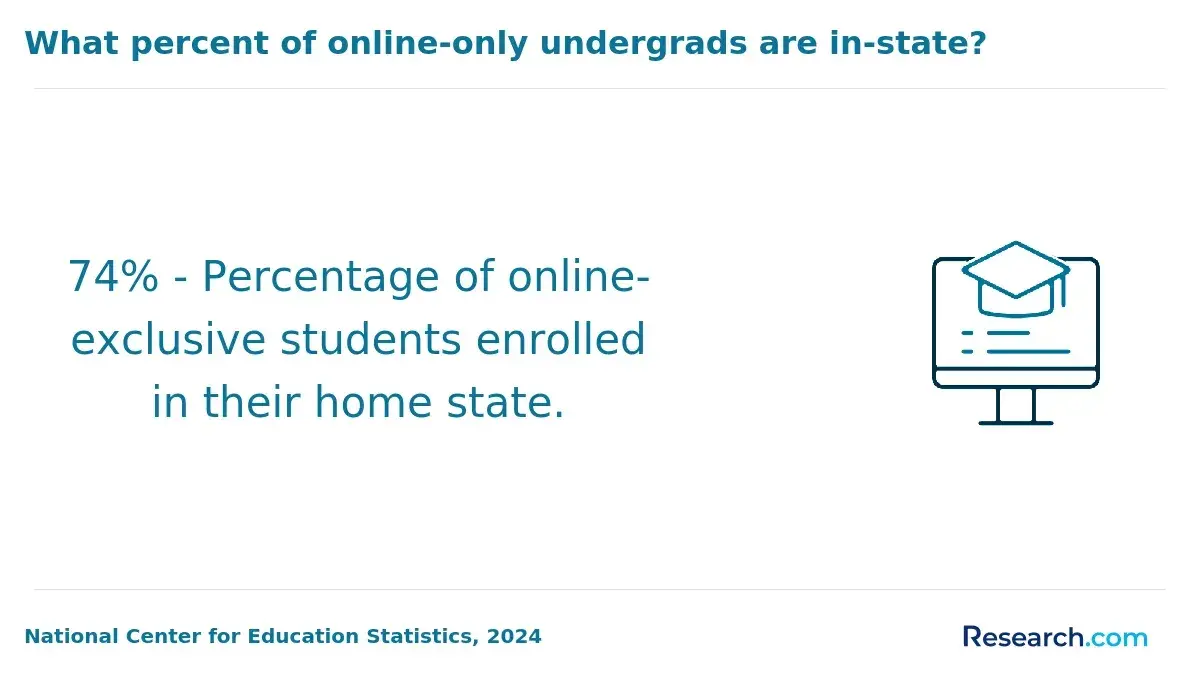
Facing stagnant wages despite advanced clinical expertise, many nurse leaders consider earning a DNP to break through compensation ceilings. However, navigating this transition is complex: employers increasingly expect specialized skills, while online and hybrid DNP programs now enroll over 60% adult learners balancing full-time roles, according to the National Center for Education Statistics.
This enrollment trend reflects a workforce demanding flexible education models yet highlights challenges in sustaining clinical hours and optimizing career timing. Understanding which career paths truly yield top compensation after a DNP is vital. This article evaluates the highest-paying careers available post-DNP to guide strategic decisions about education and professional advancement.
Key Things You Should Know
- Advanced practice roles with a DNP offer median salaries up to 25% higher than nurse practitioners without doctorates, but the 2-3 year extended education and $30k-$50k additional cost create a significant investment tradeoff impacting immediate earnings.
- Health systems increasingly prioritize DNP-prepared clinicians for leadership and policy roles, with 62% of large hospitals requiring doctoral credentials for executive nursing positions, shifting workforce pipelines toward doctoral-level candidates.
- The rise of telehealth and outpatient care expands demand for DNP-trained providers, yet regional variations in scope-of-practice laws crucially influence earning potential and job access, underscoring timing risks linked to state regulatory environments.
What are the highest-paying career paths available to nurses after earning a DNP?
The highest-paying nursing careers after DNP training center on the role of Certified Registered Nurse Anesthetist (CRNA), where the median annual wage reaches $212,650 and the mean $231,700. These figures position CRNA as the top advanced practice nurse salary path, but entering this field entails demanding clinical hours and mastery of anesthesia pharmacology, perioperative care, and autonomous patient management in high-stakes surgical environments. Employers prioritize candidates with these technical competencies because the role directly impacts patient safety and surgical outcomes.
Alternatives such as psychiatric mental health nurse practitioners and acute care nurse practitioners present a different value proposition. Salaries typically range from $120,000 to $160,000, dependent on experience and geographic location. While these positions offer greater schedule stability and a broader scope of practice, they usually come with lower financial compensation compared to CRNAs.
When deciding between specialties, prospective DNP students must weigh the tradeoffs between clinical intensity and workplace flexibility. Employers also value leadership skills, policy engagement, and interprofessional collaboration, which can influence long-term employability and advancement.
Those seeking accelerated educational routes might consider the shortest MSN to DNP program, which can reduce the time burden without sacrificing essential clinical experience, a critical factor given certification and clinical hour requirements. Understanding these practical and financial implications enables more strategic career planning in top advanced practice nurse salary paths.
How much do the highest-paid DNP roles typically earn by specialty and setting?
Highest paid DNP roles by specialty and location show clear disparities shaped by setting and employer expectations. Psychiatric mental health nurse practitioners (PMHNPs) consistently rank among the top earners, with salaries ranging approximately between $141,110 and $151,588 depending on geography and organizational type. This reflects the premium placed on mental health specialties amid growing demand.
Advanced practice roles such as nurse anesthetists, nurse midwives, and acute care nurse practitioners also generate notable income, frequently surpassing $120,000 annually in hospital or specialty clinics. However, salary data indicates these figures decline in outpatient or community health setups, where resource constraints and reimbursement limitations compress earnings. This variation highlights the importance of evaluating DNP salary ranges in top healthcare settings when considering employment options.
Location remains a critical driver: metropolitan practitioners can earn up to 15% more than those in rural settings, and integrated health systems frequently offer bonuses tied to productivity and certifications. Yet, these financial incentives come with tradeoffs, including increased administrative workload and on-call demands, impacting work-life balance differently than educator or leadership roles, which typically pay less but offer alternative benefits such as tenure or research grants.
Prospective candidates must carefully align specialty and setting choices, balancing the best compensation against personal and professional priorities. For individuals exploring entry into advanced nursing, identifying quality programs is essential; those interested can review best online RN programs for non nurses to build foundational skills relevant for eventual DNP pathways.
Which DNP careers offer the strongest long-term job outlook and industry demand?
Strong job growth for DNP careers in the healthcare industry is most pronounced in roles with defined scopes, such as family nurse practitioners (FNPs), psychiatric mental health nurse practitioners, and nurse anesthetists. FNPs earn an average salary of approximately $128,000 as of June 2025, positioning them below some specialized nurse practitioners but well above many nursing roles. This balance reflects steady employer demand and access to a wide patient base, especially in outpatient and rural settings affected by physician shortages.
Higher education combined with leadership capacity is increasingly valued, with employers expecting DNP graduates to engage in quality improvement and interdisciplinary teamwork. Psychiatric nurse practitioners face variable income and demand depending on state regulations and facility budgets. Nurse anesthetists, while commanding higher salaries with stable demand, accept the tradeoffs of strict certification and intensive clinical responsibility.
Choosing a DNP specialty with stable practice environments reduces risk amid policy shifts. FNP roles offer scalable opportunities across diverse settings, facilitating lateral mobility and advancement into administrative functions. Long-term career security in this field often demands ongoing certification and geographic flexibility.
For those weighing the practical realities of entering nurse practitioner roles, identifying easy nurse practitioner programs to get into can mitigate early hurdles, which is a critical consideration alongside DNP degree career demand and salary trends.
What DNP specializations most commonly lead to executive, leadership, and advanced clinical roles?
The most direct pathways to executive and advanced clinical responsibilities within doctor of nursing practice leadership roles in healthcare are found in nurse anesthesia, nurse midwifery, and nursing administration or leadership tracks. Nurse anesthetists exhibit the strongest salary momentum, evidenced by an 8.2% increase reported by the Bureau of Labor Statistics, placing them ahead of other nursing roles in compensation growth. This trajectory aligns with employer demand for clinical leadership combined with operational oversight in anesthesia departments, creating a blended clinical-management role that accelerates entry into organizational leadership.
Nursing administration prepares graduates for executive titles such as chief nursing officers or clinical service directors, where expertise extends to budgeting, regulatory compliance, and large-team leadership. These roles usually reside within expansive hospital systems or health networks valuing fiscal and workforce management acumen above pure clinical skill.
Direct care specialties like nurse midwifery often require 5 to 7 years of clinical coordination or policy experience post-DNP to break into leadership, especially in focused environments like birthing centers or specialty clinics. Without formal management education, clinical experts may find promotions delayed due to gaps in operational command.
To mitigate slower advancement, some clinicians pursue integrated leadership curricula or dual degrees such as DNP/MBA. Nurse anesthetist pathways, however, remain the clearest direct line to leadership roles given market demand and robust pay increases.
For nurses exploring specialized roles linked to financial prospects, insights into functional medicine NP salary offer additional perspective on alternative clinical career choices.
How do online DNP programs compare with campus-based options for career and salary outcomes?
The decision to pursue an online DNP program hinges less on delivery format and more on accreditation, clinical placement quality, and employer recognition. Online graduates often save time and money while maintaining work income, but their leadership readiness may lag if clinical immersion is insufficient. Campus-based students typically benefit from richer onsite networking and structured mentorship, which can be decisive in competitive roles like certified registered nurse anesthetist (CRNA) or nurse executive positions.
Salary differences frequently reflect specialization and geographic employer markets rather than whether the program was online or on campus. For example, a CRNA's cumulative earnings can outpace staff RNs by over $3 million in 30 years, but this requires intensive, structured clinical training often easier to access through traditional or hybrid programs.
Key considerations for prospective students include:
- Ensuring the program's clinical affiliations provide rigorous, hands-on experience to match advanced practice expectations
- Evaluating long-term return on investment through certification pass rates and employment data
- Balancing flexible learning with scheduled immersive residencies or partnerships with health systems
Ultimately, employer acceptance for advanced roles depends on demonstrated clinical competence and board certification more than program modality. Professionals planning strategic workforce transitions should weigh these tradeoffs carefully to avoid compromises in career trajectory or earning potential.
What accreditation and state licensure requirements affect advanced practice and leadership roles after DNP?
Accreditation and state licensure shape the practical scope and employment prospects following a DNP, configuring who qualifies for advanced clinical and leadership roles. Employers often require graduation from programs accredited by the Commission on Collegiate Nursing Education (CCNE) or the Accreditation Commission for Education in Nursing (ACEN), verifying that graduates possess the clinical and leadership competencies needed. Holding an active Registered Nurse (RN) license is mandatory, while advanced roles demand specialty certifications like nurse practitioner or clinical nurse leader credentials.
State-by-state variations directly impact practice authority. Only 24 states grant full practice autonomy to DNP-prepared nurse practitioners, allowing independent diagnosis, treatment, and prescribing. In restricted states, collaboration with physicians limits this independence. For leadership roles in hospital administration or informatics, additional compliance with state-specific requirements such as data privacy certifications is necessary, especially when managing health IT systems.
Consider a nurse informatics specialist with a DNP license working across multiple states via telehealth. Maintaining licensure in each jurisdiction or leveraging nursing compact agreements is essential but adds logistical complexity. These multilayered licensure demands influence eligibility and operational flexibility in the workforce.
Market data from the U.S. Bureau of Labor Statistics estimates nurse informatics specialists command salaries between $ 110,000 and $ 145,000 in 2026, capturing the premium for combining clinical expertise with technological leadership and accredited qualification.
How do admission requirements, program length, and clinical hours vary across high-return DNP tracks?
Different DNP tracks present distinct tradeoffs between clinical intensity, program length, and professional applicability, shaping both time to completion and employability outcomes. Nurse anesthesia programs demand a strong science GPA, relevant critical care experience, and often employer sponsorship; students face 3-4 years of rigorous training with over 1,000 clinical hours to meet certification requirements. In contrast, entrepreneurship-focused tracks prioritize leadership and innovation over traditional clinical hours, typically lasting 2-3 years with fewer hands-on patient care mandates. This flexibility suits nurses aiming to translate clinical insight into business ventures, where income potential can range from $120,000 to $300,000 or more annually.
Population health and policy-related DNPs emphasize practicum placements in community or organizational settings, usually requiring 500-700 hours spread across 2-3 years. Meanwhile, working professionals targeting roles like certified nurse-midwife must navigate strict clinical hour requirements and sequential coursework, often making part-time study timelines longer. Executives pursuing healthcare administration gain from asynchronous, accelerated models, but this often limits direct patient care experience, restricting clinical job prospects.
Applicants should weigh employer expectations carefully-choosing hands-on, lengthier programs aligns better with bedside leadership roles, whereas shorter, innovation-driven paths suit entrepreneurial ambitions. Being aware of these distinctions helps avoid misaligned investments of time and resources for intended career outcomes.
How do tuition costs, financial aid, and employer tuition benefits impact DNP return on investment?
Financial outcomes for DNP graduates depend heavily on tuition costs, available financial aid, and employer tuition benefits, which collectively determine net debt and income trajectory. Tuition varies significantly, from about $20,000 for in-state public programs to upwards of $60,000 at private institutions, creating stark differences in upfront investment. Without employer sponsorship or meaningful aid, graduates face longer debt service periods that can overshadow salary gains, especially since non-clinical DNP positions, such as health policy analysts, average median salaries near $78,000-modest compared to some clinical roles.
Employer tuition reimbursement can shift this dynamic dramatically. For example, a nurse pursuing a DNP through employer funding for leadership roles may realize positive net returns within 3 to 5 years post-graduation by avoiding large loan repayments. Conversely, those reliant on federal loans without such benefits often experience extended payback timelines that constrain career mobility and financial flexibility.
Students should carefully vet financial aid offers, as scholarships and grants reduce reliance on loans but may come with conditions misaligned with career objectives. When DNP roles cap salaries below $80,000, cumulative tuition exceeding $40,000 without support can delay breakeven significantly. Critical decision points include:
- Evaluating salary ceilings between clinical and administrative pathways
- Calculating real net earnings after debt servicing
- Weighing immediate costs against long-term career flexibility
Such analysis informs strategic choices in pursuing a DNP degree with an eye on sustainable return and workforce outcomes.
Which certifications or board credentials most increase earning potential for DNP-prepared nurses?
Board certification significantly shapes earning potential for nurse practitioners and DNP-prepared nurses, with specialty credentials such as Acute Care (ACNP-BC) or Psychiatric Mental Health (PMHNP-BC) directly opening access to higher-paying clinical roles. While Certified Registered Nurse Anesthetists (CRNAs) earn markedly more, pursuing this credential involves a distinct career path and certification separate from typical DNP tracks concentrating on primary care or administration.
The clinical research nursing field offers a practical alternative with tangible financial upside. For instance, clinical research nurse coordinators anticipate salaries between $95,000 and $135,000 by 2026, particularly in academic medical centers or pharmaceutical sectors conducting translational research. Credentials like Oncology Certified Nurse (OCN) or Certified Clinical Research Professional (CCRP) are strategic for positioning within these growing roles.
On the administrative side, certifications including Certified Nurse Executive (CNE) or Certified Professional in Healthcare Information and Management Systems (CPHIMS) support transitions into healthcare leadership or informatics. These non-clinical paths often yield above-average compensation compared to non-certified management roles but require a shift away from direct patient care.
Deciding among specialty, research, or leadership certifications depends on sector goals and long-term role intent. Employers place notable emphasis on board credentials from recognized national bodies rather than generalized professional development, making formal certification the essential lever for meaningful salary negotiation and advancement opportunities.
How should prospective students evaluate and choose reputable DNP programs aligned with top-paying careers?
Choosing a DNP program requires prioritizing tangible career outcomes over institutional prestige. For instance, selecting specialty tracks tied to shortage areas like nurse education can lead to salaries between $95,000 and $140,000, as verified by national workforce data. Programs embedded in partnerships that directly address faculty shortages often yield higher employment rates and leadership opportunities.
Evaluate programs based on the inclusion of applied training such as teaching practicums tailored to clinical or educational roles. This practical experience significantly enhances employability where demand is intense. Additionally, review cohort outcomes-graduation rates, licensure exam pass rates, and employer networks-as these indicate program effectiveness in preparing graduates for the workplace.
Working professionals should weigh program logistics carefully. Part-time or flexible options allowing clinical hours alongside employment minimize income loss during study. Mentorship availability from faculty actively engaged in specialty fields correlates with career momentum after graduation.
Verification of accreditation by nursing education boards and regional agencies is essential to ensure broad credential acceptance. Compare tuition expenses to projected entry-level salaries to avoid untenable debt, especially in specialized roles. Monitoring updated labor market forecasts and salary surveys from reputable sources ensures alignment with evolving industry compensation trends.
Other Things You Should Know About DNP
Choosing between post-master's and BSN-to-DNP routes hinges on your current qualifications and time constraints. Post-master's DNP programs usually take less time and cost less but offer a narrower scope of clinical preparation, which may limit eligibility for some top-paying advanced practice roles. BSN-to-DNP tracks provide a comprehensive foundation and broader clinical experience, enhancing long-term salary growth and leadership opportunities, but require a longer and more costly commitment. Prioritize BSN-to-DNP if you seek maximum upward mobility within clinical or administrative tracks; otherwise, a post-master's may suffice for targeted advancement.
Employers in hospitals, academic medical centers, and specialty clinics expect DNPs to demonstrate leadership in evidence-based practice and quality improvement, beyond direct patient care. Conversely, some outpatient or community settings may focus more on clinical autonomy and patient interaction skills. Recognize that top salaries often align with roles requiring administrative oversight, research integration, or policy development, which demand strong communication and project management abilities along with clinical expertise. Adjust your program and skill-building efforts to the employer type where you intend to work.
Yes, workload intensity post-DNP can impact job satisfaction and income stability. High workload may lead to burnout, lowering job satisfaction, while manageable intensity allows for career growth, ensuring stable income and long-term fulfillment.
Specialized certifications tailored to your DNP focus enhance your marketability and income potential but require ongoing renewal and continuing education. For clinical specialties, certifications can open doors to niche roles with higher pay. In leadership tracks, certifications related to healthcare administration or informatics may yield better returns. Prioritize certifications aligned with your career goals and employer preferences to ensure they justify the investment in time and money.
References
- Career Pathways for Doctor of Nursing Practice Graduates https://learn.neumann.edu/neuperspectives/careers-with-a-doctor-of-nursing-practice-degree
- 3 High-Demand Jobs For DNP-Prepared Nurses - Aspen University https://www.aspen.edu/altitude/high-demand-jobs-for-dnp-prepared-nurses/
- What Should Prospective Students Know About Bradley's DNP Program? https://onlinedegrees.bradley.edu/blog/what-should-prospective-students-know-about-bradleys-dnp-program
- AACN Fact Sheet - DNP https://www.aacnnursing.org/news-data/fact-sheets/dnp-fact-sheet
- 10 Highest-Paying Nurse Practitioner Specialties: Complete Salary Guide https://www.directshifts.com/clinician-resources/10-highest-paying-nurse-practitioner-specialties-complete-salary-guide
- DNP Careers for Advanced Nurse Practitioners | Maryville Nursing https://nursing.maryville.edu/blog/dnp-careers-for-advanced-nurse-practitioners
- Paying for NP School - Scholarships, Tuition Reimbursement, Etc. https://www.npschools.com/blog/how-to-make-np-school-more-affordable
- What Are the Highest Paying Nursing Jobs | CCU Online https://www.ccu.edu/blogs/cags/2014/12/what-are-the-highest-paying-nursing-jobs/
- Tuition Reimbursement: How Do Employers Benefit from It? | KBI Benefits https://www.kbibenefits.com/tuition-reimbursement-benefits
- The Unique Role in DNP Executive Leadership [2021] https://www.doctorofnursingpracticednp.org/the-role-of-dnp-educated-nurses-in-executive-leadership/