2027 DNP Specializations With the Highest Salary Potential

Co-Founder and Chief Data Scientist
Choosing a doctor of nursing practice specialization involves navigating complex tradeoffs between salary potential, program flexibility, and career trajectory. Many candidates juggle full-time work alongside studies, making program accessibility critical-especially since the NIH reported a 27% rise in online health-related graduate program enrollment in 2024, signaling increased demand for adaptable education models.
Yet not all specializations offer equal return on investment or alignment with evolving healthcare needs. Understanding how high-paying DNP paths correlate with workforce shortages and employer preferences can streamline decision-making. This article pinpoints the DNP specializations with the highest salary potential and practical career mobility, helping professionals make informed choices rooted in current market realities.
Key Things You Should Know
- Advanced practice registered nurse roles like psychiatric-mental health and acute care specialist drive average salaries 15-20% above the national mean, but require extended clinical hours delaying workforce re-entry, intensifying opportunity cost.
- Employers increasingly demand integrated leadership skills alongside clinical expertise, pressuring candidates to choose specializations with dual administration certifications, complicating curriculum decisions and lengthening program duration.
- The 2024 Bureau of Labor Statistics data indicates rural telehealth specialization offers competitive salaries yet constrains candidates by limited local employer networks, posing strategic placement challenges despite lower tuition costs.
Which DNP specializations offer the highest salary potential for advanced practice nurses?
The Psychiatric-Mental Health nurse practitioner (PMHNP) specialization consistently tops salary charts among advanced practice nurses, with median wages near $144,000 and averages exceeding $151,588. Employers in urban centers and underserved areas alike pay premiums for clinicians able to navigate complex psychiatric medication management and behavioral health needs, particularly in outpatient mental health clinics, VA hospitals, and telehealth settings facing persistent workforce shortages. This creates a pronounced market advantage for PMHNPs despite longer training durations due to psych-specific clinical requirements.
Other high-paying DNP specializations include acute care nurse practitioners and nurse anesthetists, who typically earn between $120,000 and $140,000. Nurse anesthetists benefit from premium wages in rural hospitals where recruitment challenges are acute, while acute care NPs command higher pay for critical decision-making roles in hospital settings. Choosing a specialization also hinges on state scope-of-practice laws, certification costs, and clinical practicum availability-factors that affect both time to workforce entry and employability.
For those weighing educational pathways, understanding these nuances of demand and compensation within the Doctor of Nursing Practice specializations with the highest salary potential is essential for strategic career moves. Detailed comparisons of program length and cost provide a practical lens for decision-making, especially when combined with data on workforce shortages.
Prospective students can evaluate specific program options by consulting resources covering online DNP formats offering flexibility without sacrificing the clinical depth required in competitive specialties.
What are the typical salary ranges and top-paying states for major DNP roles?
Emergency nurse practitioners (ENPs) hold one of the highest average salary bands within DNP specializations, earning around $148,506 annually. This dynamic is notably shaped by the region and healthcare setting, with states like California, Texas, New York, and Massachusetts consistently ranking among the top-paying states for DNP nurse practitioner roles. For example, an ENP at a large urban trauma center in California could command salaries exceeding $160,000, while similar roles in rural locations may align with or fall below national averages. This geographic disparity requires candidates to weigh salary gains against workload and lifestyle preferences.
Family nurse practitioners, with typical earnings between $110,000 and $130,000, and psychiatric-mental health nurse practitioners, averaging $120,000 to $140,000, experience notable institutional variability. Several hospital systems incentivize DNP graduates through sign-on bonuses and differential pay, especially in high-pressure environments. Employers expect candidates to have specialty certification and significant clinical experience, which correlate with better compensation but also bring increased responsibilities and stress management challenges.
Decision-makers should balance compensation against workload intensity, career sustainability, and institutional support, including access to continuing education vital for salary progression. Those researching such programs should consider PhD in nursing programs as part of a broader strategic educational pathway focused on advanced clinical roles.
Understanding typical salary ranges for DNP specializations by state can clarify realistic earning potential and help shape long-term career decisions.
How do DNP salaries compare to MSN and BSN earnings across specializations?
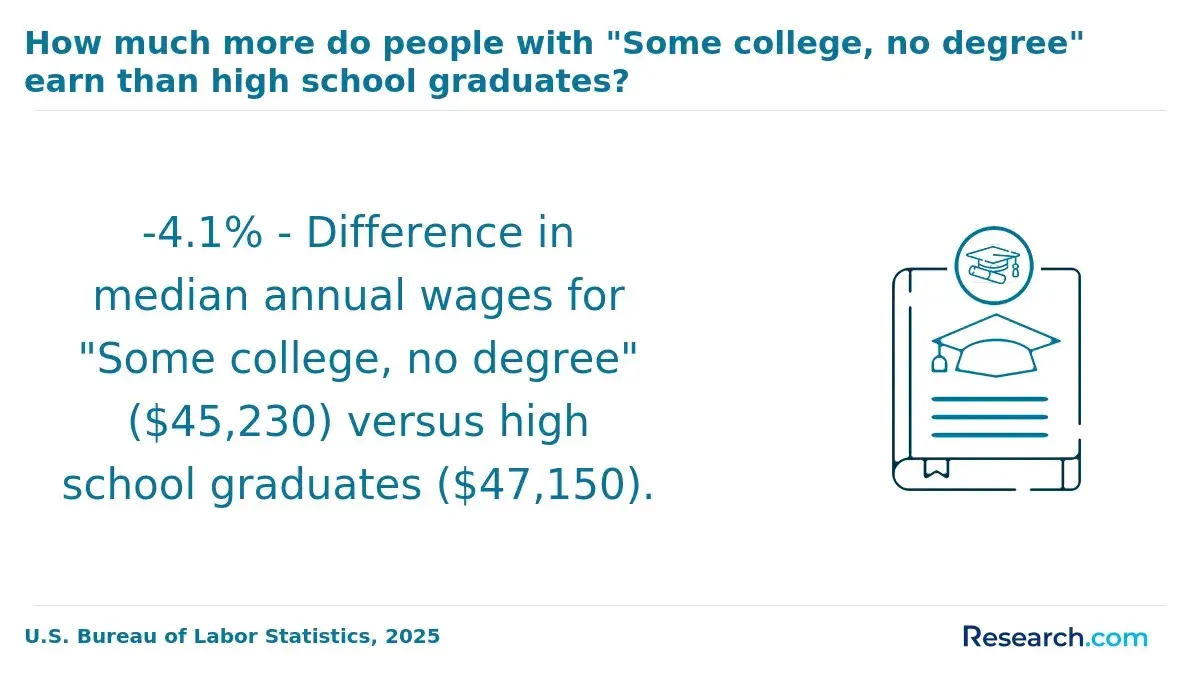
DNP salaries consistently exceed those of MSN and BSN holders across most specializations, driven by the advanced clinical and leadership demands employers require. Neonatal-perinatal nurse practitioners with a DNP average around $147,680 annually, surpassing MSN-level roles that typically range between $110,000 and $130,000, and BSN-prepared nurses earning less than $90,000. This salary differential is not merely academic but reflects practical workforce dynamics where DNP-prepared nurses lead complex care coordination and system-level quality improvements, especially in high-acuity settings.
Consider a DNP neonatal nurse joining a regional children's hospital: salaries often start near $145,000 compared to about $120,000 for an MSN-prepared nurse in the same role. This gap illustrates the tradeoff between additional educational investment and the ability to command higher compensation tied to leadership and advanced practice roles. Employer size, geographic location, and specialty demand significantly influence these outcomes, and even top degrees may face salary compression in saturated markets.
For those weighing a DNP path, understanding average earnings of DNP versus MSN and BSN nurses across specializations is critical to align expectations with employer priorities and local labor conditions. Market data and independent analyses consistently confirm that DNP credentials unlock higher salary tiers but require clear role advancement into leadership and evidence-based practice implementation.
Those interested in behavioral health domains should also note that mental health NP salary variation by state demonstrates how geographic factors further affect compensation structures, details available at mental health NP salary.
Which DNP specializations have the strongest job outlook and demand through the next decade?
Surgical nurse practitioners specialized in orthopedic surgery lead the highest paying DNP specialties with strong job growth, earning around $146,571 annually, while other surgical nurse practitioners may reach about $189,091 according to 2026 salary rankings. This reflects a focused demand driven by expanding hospital surgical teams managing higher caseloads and rising elective orthopedic procedures amid an aging population. Employers emphasize candidates holding a DNP with surgical specialization because these roles require advanced decision-making and procedural leadership, especially in perioperative settings.
Choosing the top DNP specializations in demand for healthcare careers entails weighing tangible tradeoffs. Surgical NPs face longer clinical residencies and high-stress environments but gain secure positions with superior earning potential compared to psychiatric or family nurse practitioners, which face greater competition and lower salary ceilings. For instance, a DNP graduate focusing on orthopedic surgery can secure roles in multispecialty hospital systems or outpatient surgery centers where clinical expertise and management skills command premium compensation.
Students and professionals exploring these pathways should also consider alternative program accessibility; for those seeking nursing schools that don't require teas, options exist that bypass common admissions hurdles, enabling strategic entry into these competitive fields.
What education, licensure, and certification steps are required for top-paying DNP roles?
High-paying DNP roles demand more than just a doctoral degree; practical credentialing and licensure form the critical threshold that influences employability and earning potential. Candidates must first secure an active registered nurse (RN) license, usually by passing the NCLEX-RN exam, before entering a DNP program. Beyond coursework, specialties like anesthesiology require integrated certification pathways, such as nurse anesthesia programs culminating in the Certified Registered Nurse Anesthetist (CRNA) credential. This reflects a workforce expectation that clinical hours and specialty exams-like those from the American Association of Nurse Anesthetists (AANA) or the American Nurses Credentialing Center (ANCC)-are essential components to validate expertise.
- RN licensure via state board and NCLEX-RN passage is a precondition.
- DNP students must complete specialty courses aligned with certification bodies.
- Certification typically necessitates 1,000-2,000 clinical hours in the specialty.
- Passing rigorous certification exams is mandatory for top-tier roles.
Employer demand reflects these barriers: anesthesiology nurse practitioners earn an average of $152,697, while CRNAs exceed $223,210 annually, illustrating how specialty certification directly influences salary and scope of practice. Opting out of certification after a DNP limits both clinical autonomy and compensation. Prospective students should consider the 3-to-4-year post-BSN timeline and intensive clinical training against the substantial market premiums awarded to fully credentialed practitioners.
How do online DNP programs in high-paying specializations compare to campus programs?
Online DNP programs in high-paying specialties like oncology nurse practitioner tracks offer flexibility but often require students to independently secure clinical placements. This can delay completion or limit the clinical quality compared to campus-based programs, which typically have established partnerships with hospitals and cancer centers. Oncology nurse practitioners earn an average salary of $142,720 annually, ranking among the top ten highest-paid NP roles in 2026, reflecting workforce demand for specialized clinical experience and mentorship.
Employers in oncology and acute care prioritize hands-on clinical experience and faculty engagement, areas where campus environments still hold an advantage. Nonetheless, rigorously accredited online programs with robust clinical requirements can support working RNs who balance employment and education, provided they confirm clinical mentorship and placement support in their networks.
Students considering online pathways should evaluate programs based on:
- Availability of dedicated clinical placement services
- Faculty expertise specifically in oncology practice
- Connections to healthcare delivery systems
- Employer reputation and post-graduation employment rates
For instance, an RN employed full-time at a cancer center might benefit from continuing to earn while pursuing a DNP online but must proactively secure quality clinical mentorship locally. Decision-makers should weigh location flexibility and income continuity against possible challenges like extended timelines to meet clinical competencies and reduced networking opportunities critical for top-paying oncology positions documented in workforce studies from 2024-2026.
What core courses and clinical experiences prepare students for the most lucrative DNP paths?
The premium salaries seen in select Doctor of Nursing Practice (DNP) specialties, such as diagnostic radiology nurse practitioners earning around $149,981 annually, result from intensive clinical training and specialized coursework focused on advanced imaging and systems leadership. These roles demand proficiency in interpreting complex diagnostic images and maintaining radiation safety, often requiring over 1,000 clinical hours in technologically sophisticated environments.
Key coursework integrates:
- Advanced pathophysiology emphasizing organ imaging correlations
- Pharmacology related to radiologic contrast agents and emergency care
- Healthcare informatics supporting diagnostic technology
- Leadership and policy for managing interprofessional teams
On the clinical side, experience in varied radiology settings-including outpatient imaging centers and hospital units-is critical for building rapid decision-making skills aligned with employer expectations for autonomy and acute care responsiveness. Candidates lacking robust placements in these settings often face diminished competitiveness.
Professionals considering this specialization must balance the considerable time investment in extensive clinical practice against the economic benefits. Those targeting leadership in diagnostic innovation should prioritize opportunities involving healthcare systems administration and quality improvement to strengthen their strategic impact and career resilience.
How long do DNP programs in high-salary specializations take, and what do they cost?
Completing a doctor of nursing practice program in high-demand specialties like family nurse practitioner or nurse anesthetist typically requires a 2 to 4-year commitment, heavily influenced by enrollment status and prior credentials. For instance, full-time family nurse practitioner tracks concentrate clinical hours and coursework to finish in around 3 years, balancing certification timelines with practical exposure.
Tuition costs diverge significantly, often between $45,000 and over $100,000, shaped by whether the institution is public or private and by residency status. Beyond tuition, students should anticipate additional expenses such as clinical placement fees, textbooks, and certification exams that cumulatively increase the financial burden.
The economic rationale for choosing a DNP specialization is underscored by current salary data: family nurse practitioners earn roughly $140,837 annually, with median nurse practitioner wages rising nearly 16% from 2020 to 2023 to $129,480. This growth signals sustained market demand for advanced roles requiring terminal nurse practitioner degrees.
Many registered nurses opt for part-time study while working full-time, which can extend the program duration and inflate costs due to prolonged tuition payments and delayed income growth. Employers often prioritize candidates who complete programs efficiently to minimize opportunity costs and debt, impacting hiring decisions in competitive environments.
- Program length depends on full- versus part-time study and prior experience
- Tuition varies with public/private status and residency, plus ancillary fees
- Salary increases validate the investment but accentuate the cost-duration tradeoff
- Work-study balance critically affects financial outcomes and employability
How can prospective students evaluate accredited DNP programs in competitive, high-paying fields?
Evaluating DNP programs requires focusing on outcome-driven criteria tied to market realities, not institutional hype. Specialties like acute care, psychiatric mental health, and nurse anesthesia command higher demand and salary premiums, with DNP-prepared APRNs earning approximately $6,000-$7,000 more annually than those with MSNs, averaging $122,000 versus $116,000. This wage gap underscores the value of aligning education with sectors where employer needs and scope-of-practice expansions create tangible job advantages.
Key factors to assess include:
- Graduate employment rates within 6-12 months in targeted specialties
- Access to clinical placements in high-acuity or underserved environments matching career goals
- Curriculum relevance to evolving laws and employer expectations
- Scheduling flexibility accommodating employed nurses
- Faculty expertise with leadership, research backgrounds, and specialty certifications
For instance, a nurse shifting to psychiatric mental health benefits from hybrid programs partnered with behavioral health facilities, facilitating smoother transitions into the workforce and leveraging higher starting pay documented by industry sources. Additionally, faculty-to-student ratios influence mentorship quality, which correlates with board certification success and employer recognition.
Cost considerations must be balanced against salary uplifts, as earnings growth is not uniform but heavily dependent on specialty prestige and clinical experience quality. Prioritizing empirical workforce data and measurable outcomes over marketing claims yields a clearer picture of which DNP programs will realistically advance career prospects.
What career advancement strategies help DNPs maximize earnings in their specialization?
Maximizing earnings with a DNP hinges on strategically navigating specialized certifications, leadership roles, and geographic considerations rather than relying solely on clinical experience. For instance, pursuing certifications in high-demand areas like nurse anesthesia (CRNA), nurse midwifery (CNM), or acute care nurse practice substantially elevates salary potential, as these roles benefit from sustained industry growth and competitive job openings. The projected 35% employment increase for these specialties through 2034 translates into tangible bargaining power and expanded opportunities.
Transitioning into administrative roles, such as director of clinical services or patient care coordinator, can yield salary increments that outpace many clinical positions by leveraging operational and management skills. However, this shift requires deliberate acquisition of competencies in healthcare management, quality improvement, and health policy, often via targeted continuing education or postgraduate certificates.
Diversifying income through academic appointments or research engagements presents another avenue but demands balancing clinical workload with additional commitments. Sponsored research projects or teaching roles can boost professional stature and income but may slow clinical progression.
Geographic location significantly affects compensation. Candidates willing to work in underserved rural or urban areas often encounter salary incentives and loan forgiveness that could offset lower local costs of living, making total compensation more attractive.
- Prioritize certification in nationally recognized, in-demand specialties aligned with workforce needs.
- Develop leadership and management skills to access administrative roles with higher pay.
- Consider academic/research roles for diversified income, weighing time investment carefully.
- Evaluate regional shortages and incentives strategically to maximize overall earnings.
Other Things You Should Know About DNP
In 2027, DNP specializations such as Nurse Anesthetist, Nurse Practitioner, and Nurse Midwife offer the highest salary potential. Nurse Anesthetists, in particular, can earn over $180,000 annually, highlighting the financial benefits of pursuing advanced DNP roles.
Most DNP programs combine in-depth clinical hours with coursework in leadership, quality improvement, and evidence translation, but the balance varies by specialization. Programs emphasizing leadership incorporate fewer clinical hours and more policy or management content, impacting readiness for direct patient care roles. Prospective students must select programs aligned with their career focus, as a clinically heavy program may hinder timely advancement into administrative positions and vice versa.
DNP programs typically require 1,000+ post-master's clinical hours plus rigorous coursework alongside ongoing employment for many students. Time demands fluctuate by delivery format: full-time campus-based programs usually finish in 2-3 years, while online options offer flexibility but may extend duration and require disciplined time management. Candidates should realistically assess their capacity to balance clinical, academic, and personal responsibilities before enrolling to avoid burnout and ensure program completion.
Choosing a DNP with immediate salary return depends on specialization and prior credentials. If you already hold an advanced clinical license (e.g., nurse practitioner), completing a DNP can unlock higher-paying leadership or specialized clinical roles, but this path generally requires 2-4 years. For those without prior graduate nursing education, entering a DNP may delay workforce entry and income growth, making targeted MSN programs or focused certifications more practical for short-term earnings.
References
- Exploring 5 of the Highest-Paid Types of Nurses https://www.ahu.edu/blog/highest-paid-nurses
- Certifications for NPs: How to Increase Your Job Opportunities https://www.bartonassociates.com/blog/certifications-for-nps-how-to-increase-your-job-opportunities/
- Advancing Your Nursing Career With a DNP https://www.saintmarys.edu/graduate-studies/nursing/nursing-practice/dnp-article
- The Complete Guide to DNP Programs: Online, Campus, and Hybrid https://www.onlinefnpprograms.com/guides/guide-to-dnp-programs/
- DNP Salary in Washington – WA for Advanced Nursing Clinical Practitioners and More https://www.doctorofnursingpracticednp.org/washington/washington-salary/
- Nurse Practitioners Secure No. 1 Spot Across Three U.S. News & World Report Best Jobs Rankings https://www.aanp.org/news-feed/nurse-practitioners-secure-no-1-spot-across-three-u-s-news-world-report-best-jobs-rankings
- Is a DNP Worth the Money? Here’s What the Numbers Actually Show https://basicmedicalkey.com/is-a-dnp-worth-the-money-heres-what-the-numbers-actually-show/
- 10 Nursing Career Advancement Ideas https://credenzahealth.com/career-advice/10-nursing-career-advancement-ideas
- How To Become A DNP: Steps To Obtaining An DNP Degree | USAHS https://www.usa.edu/blog/steps-to-obtaining-a-doctor-of-nursing-practice-dnp-degree/
- Strategies for Nursing Professional Growth https://www.siennanursingsociety.org/post/achieving-professional-growth-in-nursing-careers