2027 Best Online DNP Public Health Nursing Leadership Programs

Co-Founder and Chief Data Scientist
Mid-career nurses aiming for leadership in public health face a dilemma: how to advance without sacrificing full-time work or family responsibilities. Recent data from the National Center for Education Statistics shows a 13% surge in enrollment in online nursing leadership programs from 2023 to 2024, reflecting a growing demand for flexible, career-compatible education.
This growth reveals a shift toward hybrid schedules and asynchronous coursework critical for adult learners balancing multiple obligations. For professionals considering a doctorate in nursing practice, selecting an online program that aligns with both career goals and life constraints is vital. This article evaluates the best online DNP public health nursing leadership programs, providing clarity to those navigating these complex choices.
Key Things You Should Know
- Graduates of online DNP public health nursing leadership programs face a tradeoff between accelerated 2-year tracks and extended 4-year options, impacting clinical hours accumulation and eligibility for state board certifications per 2024 AACN data.
- Employers prioritize programs with embedded population health analytics training; BLS reports 15% growth in leadership roles demanding advanced data management competencies through 2032, affecting hiring and salary outcomes.
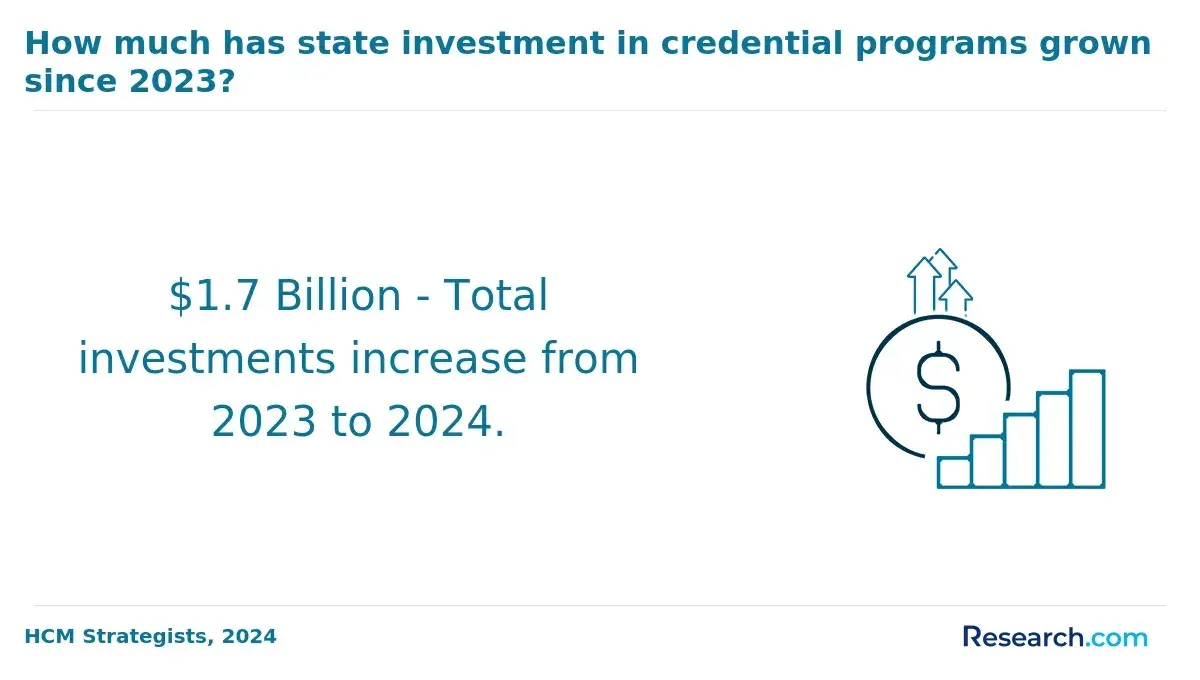
- High tuition variability, ranging from $18K to over $60K nationally, correlates with regional accreditation and graduation rates, influencing return on investment timelines and workforce reentry delays according to NCES 2024 statistics.
What is a DNP in public health nursing leadership and how does it differ from other DNP tracks?
The specialization in public health nursing leadership within DNP programs shifts focus from individual patient care to broad population health management, policy formation, and systemic health improvements. Unlike clinical or specialty DNP tracks, this pathway emphasizes skills in epidemiology, data analytics, and health program evaluation, preparing graduates to lead public health initiatives that span communities or entire states. For instance, directing a statewide vaccination campaign demands competencies beyond bedside nursing, involving complex coordination and policy engagement.
Employers in government agencies, nonprofits, and large health systems distinctly seek graduates from these programs for leadership roles that are often not accessible to clinical DNP holders. This difference in career trajectory underlines the importance of understanding the key distinctions between public health nursing DNP and other DNP tracks when considering program enrollment. Graduates are better positioned for executive, administrative, and policy-making jobs rather than direct clinical roles.
Financially, prospective students must weigh program costs carefully. Accredited online DNP programs average about $20,000 in tuition, with some affordable options below $9,000, per data from Missouri State University and GetEducated. Considering these expenses alongside the practical outcomes is crucial for those aiming to pivot into public health leadership, rather than traditional clinical practice. Candidates interested in cost and duration should also review options such as the shortest DNP program to align investment with career goals.
What do the best online DNP public health nursing leadership programs typically offer students?
Online DNP public health nursing leadership programs curriculum must address the complex operational demands nurse leaders face when navigating public health systems. Graduates are expected to move beyond theory, managing multi-agency responses and influencing health policy under evolving regulatory pressures. These programs fuse frameworks in health equity and data analytics with applied leadership, targeting practical skill sets in strategic resource allocation and population health management.
Practical immersion aligned with student work environments, such as community health agencies, is essential for immediate impact. For instance, a nurse leader might coordinate vaccination campaigns or tackle social determinants of health, requiring adept stakeholder engagement and health promotion strategies. This real-world focus reflects the increasing employer demand for graduates who can translate clinical expertise into measurable improvements in community health outcomes.
Financial management and quality improvement training also distinguish flexible online DNP programs for nursing leadership, equipping practitioners to implement cost-effective, compliant programs. Employment statistics reinforce their value: nurse practitioners with a DNP credential earn on average $7,000-$10,000 more annually than those with an MSN, with job growth projected at 29% from 2022 to 2032, according to the U.S. Bureau of Labor Statistics, as summarized by RegisteredNursing.org.
Prospective students weighing time constraints or career pivots might explore 12-month accelerated nursing programs online for non nurses as part of their broader educational strategy.
How do online DNP public health nursing leadership programs compare to campus-based options?
Choosing between online DNP public health nursing leadership programs and campus-based degrees hinges on aligning program flexibility with professional realities. Working nurses engaged in online DNP public health nursing leadership programs benefit compared to campus programs include asynchronous coursework and elimination of commute, allowing immediate integration of leadership skills in clinical settings. Yet, online students must navigate local clinical placement logistics, coordinating with site supervisors to meet residency requirements-an operational challenge not present for campus peers.
Campus-based programs offer concentrated, face-to-face mentorship and networking opportunities that often translate into deeper institutional connections and enhanced access to leadership roles involving specialized administration. However, these programs impose rigid scheduling and geographical constraints, which can delay degree completion for mid-career professionals balancing multiple responsibilities.
The job market outlook remains strong for graduates from both modalities. Medical and health services manager positions-primary targets for DNP-prepared leaders-report a 28% employment growth rate through 2032 and a median wage of $125,740. Employers emphasize practical leadership experience over the degree delivery format. Candidates from campus programs may have an edge via on-site clinical exposure, while online graduates must proactively secure a broad range of leadership assignments during practica to remain competitive.
Those evaluating differences between online and campus-based DNP public health nursing leadership degrees should consider immediate career demands, geographic location, and support infrastructure. Rural or full-time employed students often find online programs more accessible but must manage clinical placements deliberately. Conversely, candidates prioritizing institutional reputation and in-person professional networks may accept less scheduling flexibility for those advantages.
For those seeking accelerated pathways, resources such as accelerated FNP programs offer comparative models of efficient online clinical training and leadership skill development.
What admission requirements and prior nursing experience are needed for these DNP programs?
Admission requirements for public health nursing leadership DNP programs impose a significant emphasis on both academic credentials and substantive nursing experience, shaping the candidate's ability to navigate complex healthcare systems. These programs demand an earned bachelor's or master's degree in nursing from an accredited institution, a current, unrestricted RN license in the U.S., and often a minimum GPA of 3.0. Applicants must submit official transcripts, two to three letters of recommendation, and a statement clearly articulating leadership goals and public health nursing aspirations.
Clinical experience prerequisites for DNP public health leadership tracks typically require 1,000 hours of direct patient care for post-master's entry or one to two years (1,500 to 3,000 hours) of professional nursing for BSN-to-DNP students. Employers prioritize candidates with verified leadership roles or supervisory duties in clinical or community settings, underscoring the preference for graduates capable of managing interdisciplinary teams. GRE requirements vary, often waived for those with strong clinical backgrounds or prior graduate work, while international applicants face English proficiency benchmarks through TOEFL or IELTS.
Tuition per credit ranges markedly from $444 to $2,652, generally aligning with admission rigor and faculty expertise. Balancing documented clinical hours against online course flexibility is a practical tradeoff; insufficient verification can delay admission or require additional bridging. For those uncertain about pathways, understanding how to become a nurse practitioner may clarify time and experience commitments necessary for advancement in nursing leadership.
How long do online DNP public health nursing leadership programs take and what is the typical curriculum?
Online DNP public health nursing leadership programs require a significant time and financial commitment, typically spanning 2.5 to 4 years depending on the student's prior education and enrollment status. Graduates entering with a master's degree usually need 30 to 45 credit hours complemented by at least 1,000 clinical practice hours, often focused on leadership roles within community health systems. Alternatively, students with only a bachelor's degree face expanded coursework and longer program durations, which can complicate balancing full-time employment and study.
Real-world utility stems largely from intensive leadership projects and capstones designed to solve current public health issues-such as developing interventions for marginalized populations or reducing health disparities. The ability to complete clinical practicums locally is a critical advantage for working nurses, avoiding relocation costs or prohibitive out-of-state tuition fees.
Cost considerations show a 10-20% reduction in expenses for fully online formats, with tuition ranging roughly from $20,000 to over $80,000. However, accelerated programs requiring heavier course loads can strain practitioners already managing demanding jobs, potentially impacting work-life balance and clinical performance. Decisions should incorporate factors such as clinical placement options, program length versus intensity, and alignment with leadership goals in complex healthcare environments.
- Programs emphasize advanced epidemiology, health policy, informatics, and population health management
- Practical leadership experiences translate academic theory into actionable public health administration strategies
- Tradeoffs exist between program duration, cost, and clinical practicum accessibility for working professionals
What accreditation and nursing credentials should these DNP public health leadership programs have?
Accredited DNP public health leadership programs must meet standards set by CCNE or ACEN to remain relevant in today's job market. Employers and licensing boards actively screen for graduates from accredited programs, making this a critical factor for those aiming to manage complex health systems or lead public health initiatives.
Beyond accreditation, alignment with AACN Essentials for Doctoral Education defines curriculum rigor, especially in policy, systems leadership, and population health. This standard shapes outcomes that employers prioritize, including competence in managing interdisciplinary teams and navigating evolving health crises.
Typical entry requirements include an active Registered Nurse (RN) license and a BSN degree, although clinical experience can sometimes substitute for strict educational prerequisites. BSN-to-DNP pathways demand significant time commitments, often involving 65-95 graduate credits and a minimum of 1,000 clinical hours, totaling over 3,000 hours of advanced practice and study. Working professionals face real tradeoffs balancing clinical practicum with employment, frequently relying on employer flexibility to complete these hours.
Employers explicitly seek candidates whose education is verifiable through accredited programs and documented clinical hours, as these credentials reflect readiness to lead public health programs and policy execution. Programs without transparent accreditation or clinical hour tracking risk leaving students vulnerable to delayed certification or career stagnation.
How much do online DNP public health nursing leadership programs cost and what financial aid is available?
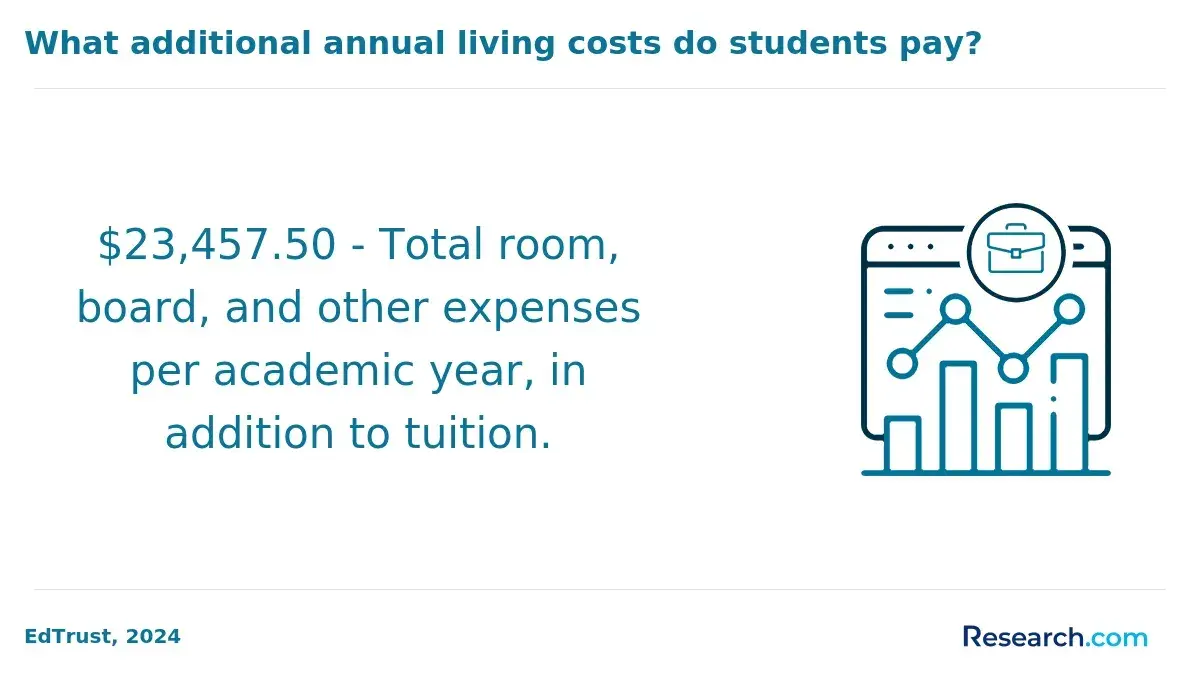
Choosing an online DNP public health nursing leadership program involves navigating a tuition range from approximately $30,000 to $70,000, influenced by school type and residency. State universities typically offer lower rates for in-state candidates, often between $30,000 and $40,000, whereas private and out-of-state students face higher costs, sometimes exceeding $65,000. This tuition spectrum reflects the specialized leadership training and program rigor. A working professional considering this track should evaluate not only tuition but also ancillary expenses like technology fees, textbooks, and travel for residencies or intensives.
Financial aid is accessible through federal loans, grants, scholarships, and employer tuition assistance, which can cover full tuition if employment conditions are met. Maintaining satisfactory academic progress is required for federal aid eligibility, with FAFSA completion as a prerequisite. Scholarships often target candidates with leadership experience of 24 months or more, aligned with admission standards seen at institutions such as the University of Michigan-Flint, which requires a minimum GPA of 3.0-3.2 alongside relevant leadership tenure.
From a workforce perspective, the decision should weigh the cost against the degree's capacity to enhance marketability and salary prospects within federal, state, and nonprofit sectors. Candidates must realistically appraise the substantial investment with the understanding that the program's competitive admissions criteria typically select individuals already demonstrating leadership potential.
What public health leadership roles and practice settings can graduates pursue with this DNP?
Graduates with a Doctor of Nursing Practice (DNP) in public health nursing leadership assume roles demanding both clinical expertise and large-scale program management. A practical example involves leading chronic disease prevention in a state health department, which requires balancing stakeholder coordination with policy development to drive measurable population health improvements.
The curriculum's focus on systems thinking and advanced leadership equips graduates to oversee interdisciplinary teams across diverse contexts, including rural clinics and urban hospital networks. Positions such as chief nursing officer or director frequently entail responsibilities in regulatory compliance, health informatics, and quality improvement initiatives. Policy-oriented roles at federal or local agencies demand skills in interpreting population-level data and shaping health policies accordingly.
From an employability perspective, over 60% of DNP students report employer tuition assistance, contingent on alignment with workforce needs like program evaluation or policy advocacy. The median salary increase of 15-20% within three years offers tangible ROI but depends on navigating credentialing complexities and adapting leadership approaches to varied community settings.
Key challenges include managing interprofessional collaboration under high-demand conditions and demonstrating success in translating research to actionable policy. Prioritizing programs with practical placements in diverse health systems helps mitigate transition barriers and better aligns graduate capabilities with evolving employer expectations.
What are the salary expectations and job outlook for DNP-prepared public health nursing leaders?
DNP-prepared public health nursing leaders command median salaries between $95,000 and $120,000 annually, influenced by geography, employer type, and leadership scope. Employers such as federal agencies and large urban healthcare systems tend to offer higher pay due to demands for strategic oversight and complex program management. In contrast, local government and nonprofit roles may provide lower salaries but offer broader community engagement.
The labor market for these roles remains specialized with relatively small applicant pools, enhancing salary leverage for candidates with doctoral training. Projected growth for public health leadership positions is steady, though less robust than for clinical nurse specialties like anesthetists or midwives. This mix of supply and demand underscores the competitive advantage of DNP-trained public health leaders but also calls for careful evaluation of local public health funding and workforce needs.
Tuition costs for public health-focused DNP tracks average around $30,000, significantly lower than the $40,000 to $70,000 range common to clinical DNP programs. This cost differential often translates into reduced debt and quicker transition into leadership roles, where employers expect both advanced credentials and practical experience.
For example, a nurse shifting from bedside clinical work to a public health director role at a state health department may experience faster salary progression due to expertise in policy and epidemiology, compared to clinical colleagues encumbered by higher educational debt.
How can prospective students evaluate and choose a reputable online DNP public health leadership program?
Employers in public health nursing consistently prioritize candidates from DNP programs accredited by CCNE or ACEN, reflecting a direct link between recognized curriculum standards and job market viability. Faculty actively engaged in public health leadership and clinical practice enhance curricular relevance, equipping students with competencies critical for navigating complex health systems.
Program selection involves tangible tradeoffs: accelerated two-year tracks may limit elective courses or leadership practica, reducing practical exposure to policy development and community health strategy. For instance, a nurse aiming for a leadership role in a municipal health department will benefit more from programs integrating strategic policy and interprofessional collaborations than from purely clinical-focused DNP options.
Enrollment data shows a 40% growth in online DNP programs from 2019 to 2024, with leadership and population health concentrations reflecting workforce demand shifts documented by Nurse.org and RegisteredNursing.org. Programs offering structured mentorship and asynchronous learning platforms support retention, crucial for working professionals balancing clinical duties with study.
Key considerations for prospective students include:
- Confirming accreditation status to ensure employer recognition and educational quality
- Assessing faculty expertise with active leadership and relevant research in public health nursing
- Evaluating the availability of career services linked to public health nursing networks
- Balancing program duration against depth of leadership training and practicum scope
These elements influence timely degree completion and positioning for leadership roles in both community health systems and broader public agencies.
Other Things You Should Know About DNP
Most programs expect applicants to have a minimum of one to two years of nursing experience before enrollment, as this foundation ensures readiness for advanced leadership content. During the program, clinical hours focus on leadership and population health rather than direct patient care, which can often be completed at a student's current place of employment. Prospective students should prioritize programs that offer flexible clinical placement options aligned with their professional roles to minimize disruptions.
The coursework in these programs is rigorous and integrates research, policy analysis, and leadership practicum alongside professional responsibilities. Students must be prepared to manage significant time commitments, especially during leadership practicums and project work that demand application in real-world settings. Working professionals should choose programs with part-time or asynchronous options to maintain employment without sacrificing academic progress.
In 2027, standout DNP public health nursing leadership programs offer comprehensive curricula integrating technology advancements, emphasize interdisciplinary learning, and maintain strong partnerships with healthcare organizations. Programs that provide robust support for balancing studies with professional work commitments are especially appealing, offering flexibility and practical applicability for students.
Programs without dedicated faculty experienced in public health leadership risk delivering generalized content that may not translate to effective practice in complex community health environments. This can limit a graduate's preparedness for nuanced policy challenges and interdisciplinary collaboration required in leadership roles. Selecting programs with faculty who have active public health leadership experience results in more relevant mentorship and practical insights.
References
- DNP Program Online | MSN/MPH to Doctor of Nursing Practice https://www.methodistcollege.edu/nursing/doctor-of-nursing-practice/msnmph-to-dnp-public-health-policy
- How a DNP Degree Prepares APRNs for Healthcare Leadership | NMC https://blog.methodistcollege.edu/how-a-dnp-degree-prepares-aprns-for-healthcare-leadership-nmc
- How Long Does a DNP Program Take? https://www.doctorofnursingpracticednp.org/how-long-does-a-dnp-program-take/
- What Can You Do With a DNP Degree? | University of Phoenix https://www.phoenix.edu/articles/nursing/what-can-you-do-with-a-dnp-degree.html
- Can You Earn a DNP Online? | All Nursing Schools https://www.allnursingschools.com/dnp/online-or-on-campus/
- What's a DNP Degree? | Incredible Health https://www.incrediblehealth.com/blog/dnp-degree/
- Online Doctor of Nursing Practice | DNP Program | Maryville University Online https://nursing.maryville.edu/online-programs/doctor-of-nursing-practice
- The Value of the DNP; Job Market Outlook/Compensation https://doctorsofnursingpractice.org/forums/topic/the-value-of-the-dnp-job-market-outlook-compensation/
- Advancing Your Nursing Career With a DNP https://www.saintmarys.edu/graduate-studies/nursing/nursing-practice/dnp-article
- Online DNP Programs in Nursing Leadership and Administration (MSN to DNP) https://www.onlineeducation.com/nursing/msn-to-dnp-programs