2027 Common ABSN Application Mistakes to Avoid

Co-Founder and Chief Data Scientist
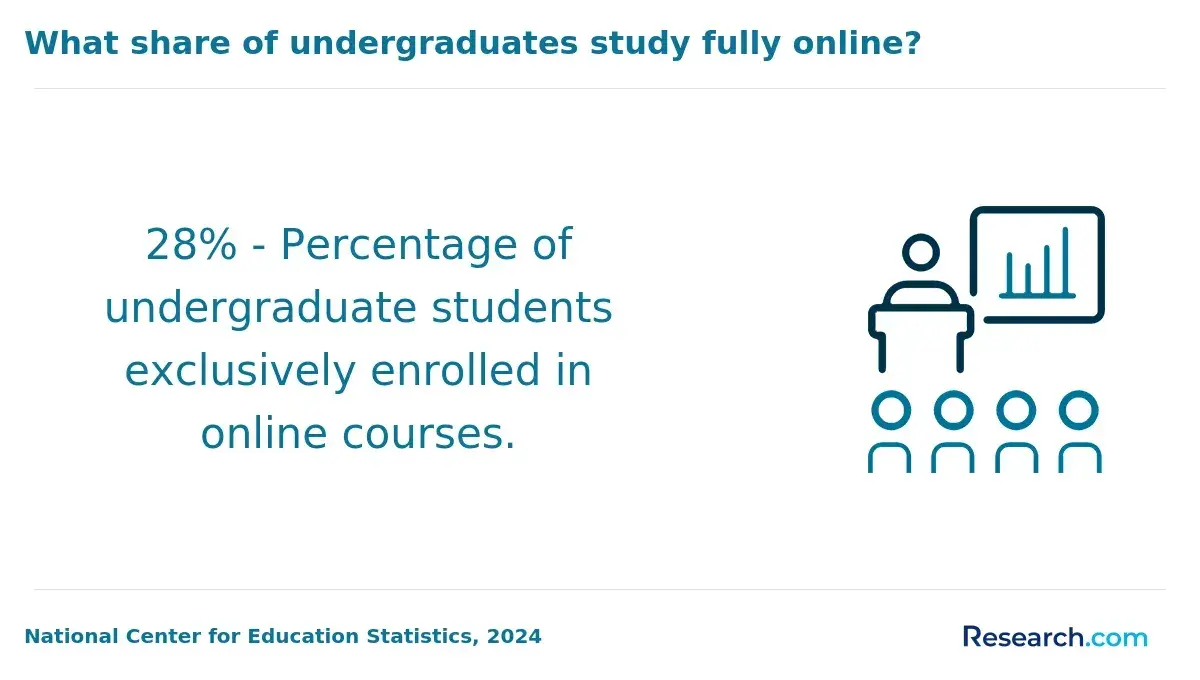
Facing a tight application deadline while juggling a full-time job and prerequisite coursework, many aspiring accelerated nursing students overlook critical submission errors that delay or derail their enrollment. Despite a 38% increase in online program enrollment reported by the National Center for Education Statistics in early 2024, challenges tied to documentation accuracy and timely communications persist, amplifying the risks of missed opportunities amid growing workforce demand.
The pressures of navigating complex application requirements are compounded by programs' competitive selectivity and the shifting landscape of hybrid learning models. This article pinpoints the most common mistakes in ABSN applications and offers precise strategies to avoid costly pitfalls that hinder swift admission and career progress.
Key Things You Should Know
- Submitting incomplete prerequisite coursework often extends admission timelines by 6-12 months, reducing early career wage gains; NCES data shows 28% of ABSN applicants face delayed graduation impacting ROI.
- Ignoring a program's hospital affiliation decreases job placement by 15%, per 2024 AHE statistics, increasing market friction as 65% of employers prioritize clinical alignment in new hires.
- Underestimating accelerated program costs leads to 22% higher debt-to-income ratios, limiting candidate access despite workforce shortages, per latest HRSA workforce finance reports.
What are the most common ABSN application mistakes that cause immediate rejection?
The decisive factor in accelerated bachelor of science in nursing application errors causing rejection often lies in the misalignment between academic documentation and program requirements. Programs demand precise verification of prerequisite coursework-particularly chemistry, anatomy, and physiology completed within a recent window, usually five to seven years. Failure to match credit hours, submit transcripts from accredited institutions, or meet minimum GPA thresholds (commonly 3.0 to 3.2) leads to immediate dismissal without opportunity for remediation.
Applicants frequently overlook the impact of incomplete standardized test submissions, such as missing timely TEAS scores, which programs enforce rigidly. Additionally, gaps in academic or employment histories that lack detailed explanation raise concerns about candidate reliability. For example, a healthcare employment gap exceeding six months without clarification typically results in rejection. Insufficient clinical exposure documentation and absence of verifiable references from healthcare professionals or academic supervisors further undermine applications.
These frequent mistakes on accelerated nursing program applications intensify competition, especially as the number of programs has surged 40% nationwide. The practical consequence is a costly delay in entering a demanding job market that favors candidates with thorough preparation. Prospective students should consider using a structured checklist and engage in pre-submission advisement. Exploring the easiest ABSN to get into can offer strategic options for those navigating this rigorous selection process.
How do GPA, prerequisites, and academic history impact ABSN admissions decisions?
Applicants aiming for accelerated nursing programs encounter significant practical challenges tied to how GPA affects absn admissions decisions and prerequisite coursework requirements for absn programs. Programs typically require a cumulative GPA of 3.0 or higher, emphasizing course-specific grades in anatomy, physiology, microbiology, and chemistry, often demanding at least a B grade. A lower GPA can restrict options, increasing rejection likelihood due to the intense pace and academic pressure of an absn track.
A common scenario involves career changers juggling full-time work while completing science-heavy prerequisites across multiple institutions. This adds layers of transcript complexity: submitting multiple official records and explaining performance variability. Nearly 25% of recent bachelor's degree recipients attended more than one college, complicating admissions review and often delaying decisions. Admissions committees scrutinize inconsistent academic histories closely, sometimes issuing conditional acceptances or requiring remedial coursework to offset gaps.
Employers hiring absn graduates prioritize steady, recent academic success as a proxy for resilience under pressure, given the curriculum's compressed timeline and clinical demands. Applicants can improve outcomes by proactively verifying prerequisites, maintaining competitive GPAs, and organizing transcripts early. For those exploring program options, considerations about timelines and admission hurdles also affect workforce entry speed and stability.
For alternatives that balance accelerated pathways with manageable pacing, prospective students might explore the 6-month RN to BSN program online, which caters to working professionals seeking efficient but sustainable advancement.
What ABSN personal statement and essay errors most often weaken an application?
Weaknesses in absn personal statement common errors directly impact admission outcomes by failing to demonstrate relevant clinical competence or actionable skills. Broad statements of motivation without linking to experiences-such as managing patient care in volunteer roles or handling stress in fast-paced settings-fall short of what admissions committees prioritize, as these programs demand readiness for high-stakes healthcare environments. Frequent essay mistakes in absn applications include poor organization and repetitive content, which confuse evaluators and signal inadequate communication skills crucial for clinical success.
Omitting clear career objectives or ignoring how the accelerated absn curriculum matches one's professional timeline further undermines an applicant's perceived fit. Grammar and spelling errors not only erode credibility but in healthcare translate to unacceptable risk, decreasing chances for interview offers by a significant margin according to recent Association of American Medical Colleges data. Practical revision strategies involve integrating measurable nursing-related achievements, maintaining logical flow, explicitly connecting goals to program specifics, and thorough proofreading.
For instance, detailing leadership in clinical volunteering alongside quantifiable patient outcomes illustrates both motivation and practical readiness, addressing key employer expectations. Prospective students also need to consider how accelerated pathways compare with longer routes, balancing time investment against preparedness for complex clinical roles. Evaluating absn personal statement common errors critically can influence long-term employability and career trajectory.
Those exploring advanced study options after absn programs might review PhD in nursing programs to deepen expertise and open leadership opportunities within healthcare systems.
How can missing or incorrect transcripts, test scores, and documents delay ABSN review?
Incomplete or inaccurate transcripts and test scores directly disrupt the admissions timeline, a critical factor often overlooked in how missing or incorrect transcripts affect absn application review. Programs that require official bachelor's degree transcripts, submitted directly from institutions, tolerate no deviations. When discrepancies arise between coursework claimed and documents provided, applications enter a manual review queue, frequently delayed for weeks. Missing or unofficial TEAS scores similarly halt progress, with ETS data indicating just 38% of test-takers meet the typical 70% cut-off at first attempt-an exigent checkpoint that leads many applicants to retest and extend their enrollment timeline.
This delay carries concrete workforce consequences, especially for professionals pivoting into nursing. Consider a healthcare worker facing job offer deadlines while awaiting transcript verification-such friction can derail financial aid eligibility or the ability to join a cohort on time. Admission offices also deal with reprioritizing resources away from complete applications, adding systemic strain. Avoiding these setbacks requires proactive steps:
- Verify official transcript submission rules early with all prior institutions to ensure timely delivery.
- Request TEAS assessments be sent directly from ETS and confirm scores meet program benchmarks before applying.
- Adhere strictly to application checklists including necessary licenses and background checks in prescribed formats.
Applications stalled by missing documents risk deferral or rejection, jeopardizing entry into competitive cohorts and workforce preparation. For those exploring accelerated paths, researching options like a 1 year MSN to DNP program online can offer clarity on timelines and credential requirements amid these procedural challenges.
What ABSN recommendation letter pitfalls should applicants avoid with faculty and employers?
Submissions of absn recommendation letters often falter due to insufficient documentation and vague descriptions of clinical experience, directly impacting applicant credibility. The University of Washington School of Nursing mandates at least 100 verified hours of hands-on healthcare exposure within 12 months of application, yet over one-third of delays stem from letters lacking specificity or mismatched hours. Admissions committees scrutinize letters that omit explicit confirmation of clinical hours or fail to detail the nature of duties performed.
For instance, a letter stating an applicant "helped in the department" contrasts poorly with one specifying patient assessments or medication administration performed during defined shifts. Such ambiguous recommendations hinder evaluation of workforce readiness and can trigger additional verification, prolonging admissions review.
Applicants benefit from proactively guiding recommenders to include exact dates, total clinical hours, and clearly defined responsibilities. Providing documented hour logs aligned with application requirements minimizes discrepancies and reinforces authenticity. Without this rigor, even strong professional relationships do not substitute for precise, task-oriented attestations required by admissions bodies.
Employers and faculty must move beyond generalized praise to reflect measurable clinical involvement. This practice not only prevents application delays but also signals to hiring managers an applicant's reliable frontline experience, directly impacting employability in clinical settings where verified competencies matter most.
How do program accreditation and NCLEX eligibility factor into a smart ABSN school list?
Choosing an accelerated bachelor of science in nursing (absn) program without verified accreditation creates a practical dead end for licensure and employment. Employers and state licensing boards require applicants to have completed absn programs accredited by recognized bodies such as CCNE or ACEN to be eligible for the NCLEX exam. Without this, the pathway to hospital-based acute care or specialized nursing roles effectively closes, delaying career start and inflating costs.
Verification of accreditation status is not a formality; it directly impacts eligibility timelines and graduate readiness. Programs lacking proper clinical hours or national accreditation often invalidate NCLEX eligibility, limiting real workforce integration and jeopardizing job placement. A tradeoff emerges: lower upfront costs for unaccredited programs often translate into delayed licensing and lost income.
Employers now scrutinize credentials rigorously. A 2024 AACN survey reported over 60% of nursing schools employ holistic admissions, yet poorly aligned recommendation letters frequently weaken otherwise qualified candidates. This mismatch indicates the priority remains on program authenticity and graduate preparedness over superficial indicators.
- Accredited programs ensure NCLEX eligibility and smoother transition into critical care roles.
- Unaccredited options may save money short-term but cause long-term setbacks.
- Clinical hours associated with accreditation are essential for competency and hiring standards.
Prospective students should consult official accreditation listings and relevant sources to base decisions on validated program outcomes rather than promotional claims.
What mistakes do applicants make when comparing online versus campus ABSN formats?
Choosing between online and campus absn programs involves tradeoffs that extend beyond convenience and tuition. Online students may save on commuting and housing but often must independently arrange local clinical placements, risking uneven practical training and potential delays. Campus absn formats typically provide integrated clinical and simulation access, supporting consistent hands-on experience but require fixed attendance, which can disrupt full-time employment and reduce real income during study.
Financially, applicants frequently underestimate total costs. Research from the Federal Reserve Bank shows second-degree health students carry median debts of $45,000, with online learners more likely to take high-interest private loans due to hidden expenses like travel to clinical sites, specialized equipment, and technology fees.
Employer preferences further affect outcomes. Many healthcare providers favor candidates with campus-based training for its perceived rigor and faculty supervision, which can impact job placement despite identical licensure eligibility.
To make informed decisions, applicants should:
- Assess clinical site availability and costs specific to online programs instead of assuming equivalence with campus options.
- Factor in income loss implications tied to campus attendance versus online scheduling flexibility.
- Evaluate institutional support in securing quality clinical experiences crucial to workforce preparedness.
- Incorporate all ancillary and non-tuition fees into the total cost of attendance.
- Research local employer hiring trends focusing on preferred training modalities.
These considerations align educational choices with financial realities, practical training quality, and employment prospects in an evolving absn job market.
How can misjudging ABSN program costs, financial aid, and scholarships hurt applicants?
Miscalculating the full cost of accelerated nursing programs (absn), including tuition, fees, clinical supplies, and living expenses, can critically impair a student's financial and professional outcomes. For instance, overlooking scholarship deadlines or grant eligibility can force candidates into higher loan dependency, inflating debt burden and narrowing financial flexibility after graduation. Such gaps in funding awareness often lead to budget shortfalls that may postpone enrollment or prolong program completion due to dropped courses or the need for extra remedial classes, resulting in additional costs and delayed workforce entry.
Financial aid complexities require careful distinction between grants, which reduce debt, and loans, which increment long-term liabilities. Unexpected expenses-like exam fees or course retakes-commonly erode even well-planned budgets. Meanwhile, labor market realities further complicate the decision. Despite an overall projected 6% growth in registered nurse employment from 2024 to 2034, some metropolitan areas experience new graduate RN unemployment rates exceeding 8%, a factor that can extend job searches and delay income generation for graduates saddled with debt.
Applicants should
- conduct detailed cost analyses beyond published tuition rates
- research timing and availability of scholarships and grants
- evaluate loan terms and repayment projections
- analyze regional nurse labor demand and saturation
- plan contingencies for unexpected expenses or job market shifts
Failing these financial and market assessments may compromise both resilience and career agility, diminishing the return on investment of an absn program and extending the timeline to economic stability in nursing.
How does underestimating ABSN workload, clinicals, and time commitment affect success?
Underestimating the absn workload and clinical hours creates cascading risks including program delays, attrition, and diminished competency development. Clinical requirements typically range from 500 to 700 hours, varying by program and state mandates, demanding precise scheduling to avoid conflicts that directly affect practical skill acquisition and graduate employability in critical settings like emergency care.
Beyond clinical hours, absn students often invest over 20 additional weekly study hours to absorb accelerated curricula that integrate evolving clinical science and protocols. This time intensity conflicts sharply with external responsibilities, especially for working professionals balancing caregiving and employment. Failure to realistically adjust these commitments frequently results in higher dropout rates and compromised readiness expected by employers upon licensure.
Administrative preparation is equally consequential. A 2024 AACN survey found over half of nursing programs reject qualified applicants due to incomplete or late documentation, primarily missing prerequisite materials and test scores. Such operational pitfalls amplify academic pressures and extend duration to program completion.
Applicants must rigorously audit available time, confirm clinical placement details upfront, and ensure application materials meet updated AACN standards. Practical preparation strategies include:
- Detailed time-management aligned with clinical and study demands
- Proactive coordination of work and caregiving schedules
- Pre-submission audits of all prerequisite documents
This structured approach is vital to sustain progress and fulfill workforce expectations without compromising licensure timelines.
What ABSN application timeline and deadline errors most commonly derail strong candidates?
Missed or mismanaged deadlines in accelerated nursing (absn) applications frequently disqualify otherwise competitive candidates by disrupting the careful sequencing of prerequisite completions, document submissions, and required background checks. For instance, a working professional juggling multiple fast-track nursing program applications might fail to track staggered cutoff dates, resulting in late materials that prevent priority consideration. These timing errors also reduce eligibility for crucial early tuition deposits or scholarships, which can significantly affect financial planning during career transitions.
An additional, often overlooked risk is inadequate integration of NCLEX-RN exam preparation into the application timeline. The Next-Generation NCLEX update reduced first-time pass rates to 78.9%, disproportionately impacting absn candidates who delay focused study in favor of administrative tasks. Without disciplined scheduling for exam readiness, candidates face rushed or fragmented learning that can jeopardize licensure and employability, thereby hindering workforce entry.
Successful candidates construct backward-planned schedules that align prerequisite course completion, documentation submission, and comprehensive exam study phases while accounting for institutional processing times. This approach safeguards eligibility, optimizes admission chances, and balances the intense demands of accelerated nursing pathways against real-world operational constraints.
Other Things You Should Know About ABSN
Most accelerated BSN programs do not provide part-time options due to the intensive and compressed curriculum. Selecting a program without part-time flexibility means committing to a demanding full-time schedule, which can limit work and personal responsibilities. If balancing employment or caregiving is a necessity, prioritize programs that explicitly support part-time pacing or consider traditional BSN pathways instead, as this choice affects both your academic performance and clinical readiness.
Employer preferences often favor programs with strong clinical partnerships, accredited curricula, and graduates demonstrating hands-on competence. Graduates from accelerated BSN programs lacking these attributes may face hurdles securing competitive positions despite the degree. Applicants should prioritize programs with proven employer networks and measurable graduate outcomes to avoid investing in a credential that may not facilitate entry into preferred healthcare settings.
Programs with substantial online coursework can offer scheduling flexibility but may shortchange the immersive clinical and team-based experiences crucial to nursing practice. The reduced in-person interaction may impair skill development and peer collaboration, which employers emphasize during hiring. Choose online-heavy programs only if they maintain robust, supervised clinical components and can demonstrate comparable graduate competencies to traditional formats.
In 2027, common mistakes include not meeting prerequisites, submitting incomplete applications, lacking clarity in personal statements, and failing to provide references that speak specifically to nursing capabilities. Ensure your application is complete, highlights relevant experience, and aligns with each program's unique requirements.
References
- How Many Prerequisites Are Needed for Nursing? [2026] https://www.straighterline.com/blog/nursing-how-many-prerequisites-for-nursing
- 7 Factors to Consider When Choosing a Nursing School - Marian https://onlineabsn.marian.edu/blog/choosing-a-nursing-school/
- Financing Your Accelerated Bachelor of Science in Nursing (ABSN) https://www.assumption.edu/admissions-financial-aid/financing-post-bacc-nursing-program
- CCNE Accredited Programs https://www.aacnnursing.org/ccne-accreditation/find-accredited-programs
- Fix Lost or Incorrect Transcripts for Study Abroad https://nriway.com/blog/lost-delayed-incorrect-transcripts-overseas-applications
- ABSN Frequently Asked Questions – FAQ’s | Department of Nursing https://nursing.tcnj.edu/frequently-asked-questions-faq/
- The Personal Statement: Top Five Mistakes - Top Tier Admissions https://toptieradmissions.com/personal-statement-mistakes/
- Nursing School Personal Statement Examples and Tutoring | Vince Kotchian Test Prep | GRE, SAT, & ACT Tutoring in San Diego, Near You, and Online https://vincekotchian.com/personal-statements/nursing-school-personal-statements/
- Avoid ABSN Programs Without ABSN Prerequisites https://findnursingschools.com/blog/avoid-accelerated-nursing-programs-without-absn-prerequisites/
- Application Procedure & Deadlines for Accelerated Bachelor of Science in Nursing Program (ABSN) and Master's Entry Into Professional Nursing (MEPN) https://catalog.linfield.edu/admission-policies/nursing-undergraduate-programs/pre-licensure-nursing-students/accelerated/