2027 Best ABSN Paths for Medical Assistants Moving Into RN Careers

Co-Founder and Chief Data Scientist
Medical assistants aiming to transition into registered nurse roles confront a landscape marked by complex admission criteria and variable program structures that can delay or derail career momentum.
The growing demand for accelerated bridge programs reflects this urgency, yet data from the National Center for Education Statistics shows a 28% annual increase in enrollment in accelerated bachelor's nursing programs, signaling both opportunity and fierce competition. This influx underscores challenges in availability and scheduling, particularly for adult learners balancing work and family.
This article evaluates top accelerated bachelor of science in nursing paths, focusing on admissions flexibility, program format, and graduate outcomes to guide informed decisions.
Key Things You Should Know
- Accelerated nursing programs average 16-18 months but may incur 20-30% higher tuition versus traditional paths, constraining access for working MAs; a 2025 NCES report links this to delayed workforce re-entry by 3-6 months.
- Employers increasingly prioritize ABSN grads with clinical simulation exposure, as noted in the 2024 AACN workforce survey demonstrating 25% higher new-hire retention when simulation practice supplements reduced clinical hours.
- The critical tradeoff of choosing programs with broad-state licensure acceptance versus regional-only accreditation can limit employment mobility, with NCSBN data indicating 15% lower interstate licensure success for narrowly accredited ABSN graduates.
What is an ABSN and how can it help medical assistants become registered nurses?
Accelerated BSN programs for medical assistants in the United States offer a targeted but intense route to shift from support roles into full registered nurse (RN) responsibilities. The wage disparity is pronounced.
Medical assistants earn a median annual salary of $42,000, while registered nurses make $93,600, creating a strong financial rationale for this transition. However, navigating the rigorous demands of an ABSN involves compressed coursework and clinical rotations that can test both time management and stress resilience.
Medical assistants entering ABSN pathways typically bring foundational healthcare experience, which helps in meeting prerequisites and adapting to advanced subjects like pharmacology and patient care simulations. The best ABSN pathways for medical assistants transitioning to registered nurses emphasize diverse clinical experiences and evidence-based practice to align with employer expectations for entry-level RNs.
These programs require careful selection due to variability in clinical partnerships, which directly impacts hands-on learning quality. Candidates must also plan for the economic reality of study periods that often mean reduced or no income before licensure and employment. For those committed to this accelerated route, the expanded role shifts from task execution to critical thinking, leadership readiness, and broader patient advocacy.
Those interested in progressing further will find related graduate options worth exploring, such as BSN to MSN programs, which offer additional specialization and leadership pathways within nursing.
Why is an ABSN a strong pathway for experienced medical assistants seeking RN careers?
Choosing accelerated ABSN programs for medical assistants involves weighing time efficiency against academic intensity and financial strain. These programs compress standard BSN coursework and clinical rotations into 12 to 18 months, shortening the path to RN licensure for those already familiar with patient care.
However, this speed requires full-time focus and sacrifices the possibility of working concurrently, presenting a significant challenge for students managing existing responsibilities.
Medical assistants transitioning to RN through ABSN must engage with rigorous science fundamentals extending beyond their previous scope, including pharmacology and pathophysiology. Practically, students evolve from assisting roles to independent nursing duties such as medication administration and patient education, which demand both theoretical knowledge and demonstrated clinical competence.
The healthcare sector's projected 6% job growth for registered nurses through 2033 suggests a steady demand for qualified RNs, yet employers critically evaluate candidates on BSN completion, solid clinical performance, and NCLEX-RN success rather than prior medical assisting experience alone. Selecting programs with strong accreditation, clinical support, and proven licensure outcomes is essential for maximizing employability.
Prospective students interested in this career shift might also explore options like RN to BSN online no clinicals accredited programs, which offer alternatives with different practical requirements. Ultimately, this pathway demands careful planning regarding coursework, clinical documentation, and time management to ensure readiness for the professional nursing role.
What admission requirements do ABSN programs have specifically for current medical assistants?
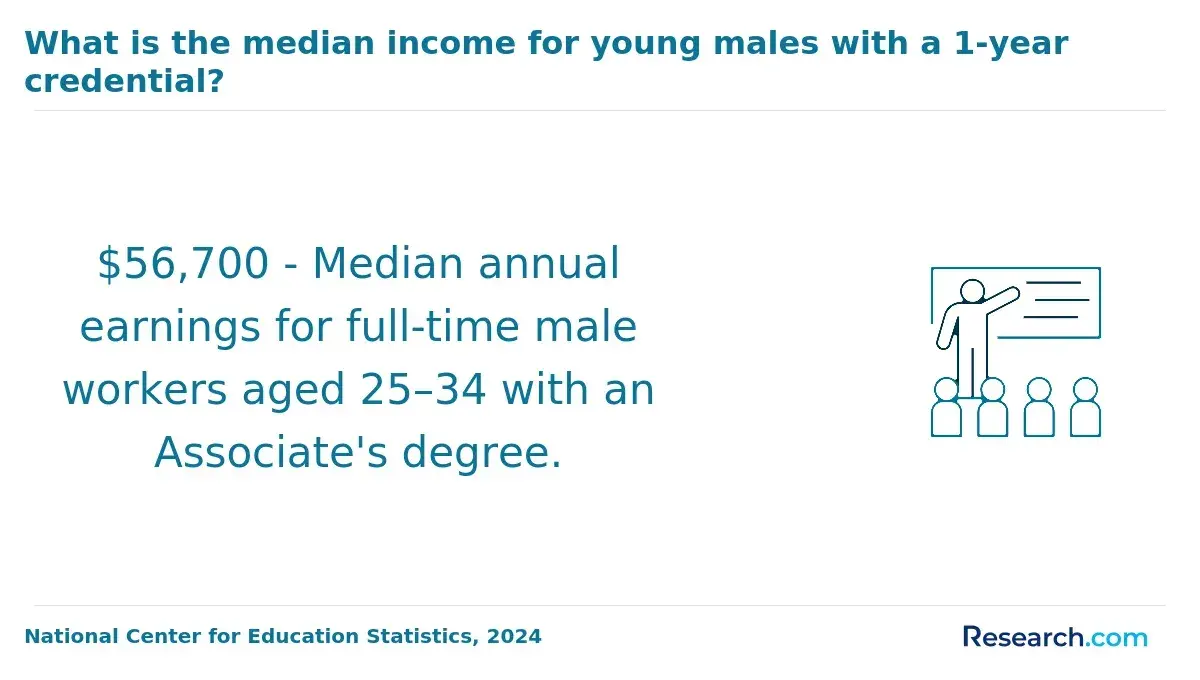
Admission decisions for accelerated bachelor of science in nursing (ABSN) programs targeting medical assistants hinge on proven academic preparedness and clinical aptitude, not merely credentials. Applicants commonly must hold an accredited associate degree or have completed prerequisite courses such as human anatomy, physiology, microbiology, chemistry, and nutrition, each with a minimum grade of C.
For medical assistants lacking formal college credits in these areas, additional prerequisite coursework elongates entry timelines and increases costs, complicating practical pathway choices for qualified candidates.
These programs often require submission of official transcripts, documented healthcare experience, where recorded clinical hours as a medical assistant may offset certain practicum demands, and standardized readiness exams like the TEAS or HESI. Beyond academic metrics, letters of recommendation and personal statements explaining the transition into nursing help gauge applicants' capacity for the accelerated format's intensity. While a CMA certification can enhance admission prospects, it is not a universal mandate.
Medical assistant prerequisites for accelerated nursing programs are elevated versus traditional tracks, correlating with employer expectations for new RNs capable of independent clinical judgment.
The financial tradeoff is substantial given tuition averages of $16,017 at private for-profit two-year institutions, underscoring the importance of strategic planning to manage prerequisite completion efficiently. Early accumulation and documentation of relevant clinical experience mitigate delays and unintended cost overruns.
For those contemplating advanced nursing education beyond ABSN, exploring PhD programs for nurses reveals further pathways to clinical and research leadership.
How do online ABSN programs compare to campus-based options for medical assistants?
Online ABSN programs benefit medical assistants by offering greater flexibility, enabling them to work while completing coursework. However, the critical operational challenge remains clinical practice. Fully online ABSN pathways mandate on-site clinical rotations, often requiring students to secure approved placements independently. This can introduce delays or inconsistencies in clinical experience quality.
In contrast, campus-based versus online ABSN options for nursing career transition show clear distinctions in how clinical training is managed. Campus programs leverage healthcare partnerships to coordinate hands-on clinical exposure with less logistical friction, which employers in acute care settings tend to prioritize due to the demand for technical proficiency under pressure.
Students must consider that while online options provide scheduling freedom, campus settings offer more structured skill development through direct instructor supervision and in-person peer collaboration. This often results in higher first-time NCLEX pass rates and stronger alignment with employer networks, which enhances employability and accelerates the transition into registered nurse roles amid a projected 192,100 annual RN openings through 2033 in the U.S.
Pragmatic decision-making around ABSN pathways requires evaluating personal constraints against these tradeoffs. For individuals balancing work and study, exploring the fastest DNP program online might be a strategic next step if continuing to advance after ABSN. Prospective students should weigh clinical placement feasibility and employer expectations carefully to avoid potential setbacks in graduation timing and career readiness.
What accreditation and state board approvals must ABSN programs have for RN licensure?
National accreditation by either the Commission on Collegiate Nursing Education (CCNE) or the Accreditation Commission for Education in Nursing (ACEN) is a non-negotiable prerequisite for accelerated bachelor of science in nursing (ABSN) programs. Without it, graduates are barred from sitting for the NCLEX-RN licensure exam in most states, effectively shutting down access to registered nurse roles.
Equally important is approval from the state board of nursing (BON) where licensure is sought. These boards enforce rigorous standards on curriculum, faculty, and clinical components. ABSN candidates must confirm state approval to avoid licensing delays or outright denial, especially when relocating across states where reciprocity varies.
For example, a working professional moving states may face significant setbacks if their accredited ABSN lacks state-specific endorsement, extending the time before entering the workforce. Employers in healthcare increasingly use program accreditation and state board approval as screening criteria, interpreting them as proxies for clinical readiness and regulatory compliance.
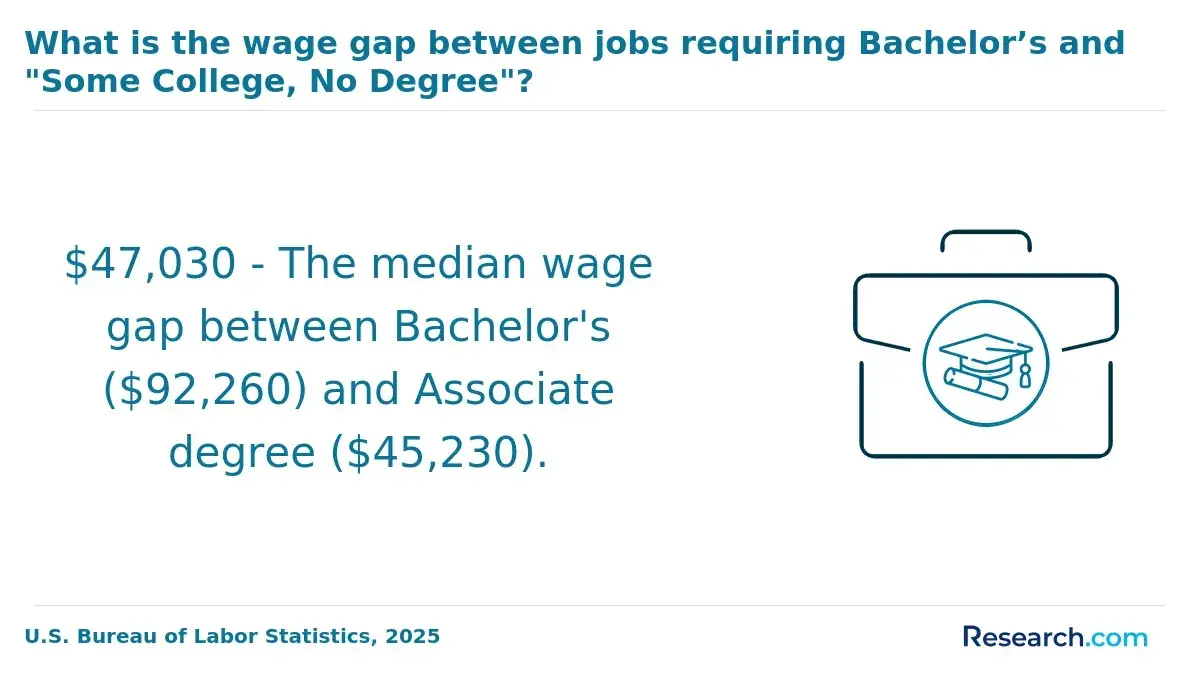
Financially, the average total annual cost, covering tuition, fees, and living expenses, at public four-year institutions was $24,920 for in-state students in 2023-24, per the National Center for Education Statistics. Candidates should weigh this investment against outcomes such as licensure success rates and employability in their target geography to justify the expense.
How long do ABSN programs typically take and what schedules suit working medical assistants?
The tradeoff between program length and flexibility is a crucial consideration for working medical assistants pursuing an ABSN. While accelerated full-time tracks compress coursework into 12 months, they demand near-complete availability, limiting the ability to maintain employment and increasing burnout risk. Conversely, part-time or hybrid formats often extend completion to 15-18 months but better accommodate job responsibilities, resulting in steadier income and less academic strain.
Hybrid programs combine online instruction with on-site clinicals, reducing commute and offering scheduling autonomy. However, clinical site availability can impose restrictive windows, which may conflict with ongoing healthcare roles. For example, a working medical assistant choosing a hybrid ABSN must carefully coordinate clinical rotations upfront to avoid employment disruptions.
Employers' reported 68% difficulty in recruiting bedside RNs intensifies the demand for new graduates who demonstrate clinical readiness from the outset. This raises the stakes for students evaluating accelerated versus flexible scheduling, as employer expectations favor competency and practical experience over program speed alone.
Effective decision-making includes assessing employer education support, current work hours, and financial resilience. Prospective ABSN students often find modular scheduling or evening/weekend clinicals offer more realistic success pathways. Transparent discussions with admissions about clinical timing are essential to prevent conflicts and align program structure with professional obligations.
What courses, clinicals, and competencies do medical assistants complete in an ABSN curriculum?
Accelerated bachelor of science in nursing programs for medical assistants respond to acute industry pressures, including an 18.4% registered nurse turnover rate reported by NSI Nursing Solutions. These programs demand rapid upskilling through 500 to 700 clinical hours spread across acute care, maternal-child, and community health settings, precisely aligning with state nursing board requirements and real employer expectations.
The curriculum extends well beyond foundational healthcare tasks, emphasizing advanced anatomy, pathophysiology, pharmacology, and nursing theory to cultivate independent clinical decision-making. Skill development centers on critical thinking, evidence-based practice, leadership, and patient communication—competencies essential for nurses working under time-sensitive, high-pressure conditions without extensive supervision.
Students must also manage the compressed course structure and 40+ weekly clinical hours, navigating intense cognitive demands and no-gap transitions between theory and practice. Practical proficiencies such as IV management, wound care, systematic patient assessment, and integrated training in pharmacology and health informatics reflect evolving employer priorities around medication safety and electronic health records.
Legal and ethical requirements, such as patient rights, infection control, and licensure standards, form another pillar of these programs. Medical assistants evaluating accelerated nursing pathways should weigh the rigor and pace against staffing dynamics, particularly in critical and emergency care where consistent replacement hiring is a daily operational reality.
How much do ABSN programs cost, and what financial aid options exist for medical assistants?
Accelerated bachelor of science in nursing (ABSN) programs require substantial financial and time investments, with costs ranging from $40,000 at public institutions to over $70,000 for private programs. These expenses encompass tuition, fees, clinical supplies, and occasionally housing or technology, reflecting the intensive 12- to 18-month full-time commitment that simultaneously limits earning opportunities during study.
For medical assistants transitioning to registered nurse roles, this compressed timeline demands careful fiscal planning. Federal student loans-including Direct Unsubsidized and sometimes PLUS loans-are the main funding sources but add significant debt considerations, especially given the accelerated curriculum's stress on timely program completion.
Scholarships exist but are competitively awarded and rarely cover full costs. Employer tuition reimbursement programs vary widely, with some hospitals offering partial to full coverage in exchange for ongoing employment commitments.
From a workforce perspective, these upfront sacrifices can be offset by notably higher wages. In California, where median RN salaries reach $133,340, the return on investment may justify the accelerated expense, as income gains can recover costs within a few years. However, prospective students must weigh this against states with lower wages, risk of program attrition, and limited support during training.
What RN roles, specialties, and career advancement paths are realistic after an ABSN?
Graduates of accelerated BSN programs encounter a workforce environment where entry-level registered nurse roles concentrate primarily in medical-surgical, telemetry, and emergency units. These assignments provide critical clinical experience but rarely represent long-term destinations.
For example, a medical assistant completing an accelerated BSN can transition into emergency nursing in an urban hospital, leveraging existing clinical familiarity to adapt more swiftly to high-acuity patient demands. Specialty areas such as critical care or labor and delivery usually require additional employer-specific orientation of 8 to 12 weeks before independent practice.
The academic intensity of ABSN curricula compresses nursing prerequisites into 12 to 18 months, demanding full-time focus and often precluding outside employment during study. While the 90.56% first-time NCLEX-RN pass rate for U.S.-educated candidates confirms program effectiveness in licensing, it does not guarantee immediate access to preferred specialties or shifts. Professional advancement typically demands incremental work experience, certifications such as CCRN or CNOR, or further graduate education for roles like nurse practitioner.
Employers value both ABSN completion and strong clinical references when considering nurses for specialty units or leadership tracks. Medically trained professionals should expect to negotiate realistic timelines for skill acquisition and credentialing rather than anticipate immediate placement in advanced settings.
What RN salary ranges and job outlook can medical assistants expect after finishing an ABSN?
Graduates of accelerated Bachelor of Science in Nursing (ABSN) programs face a distinct salary landscape shaped by setting, geography, and role expectations. Entry-level registered nurse (RN) salaries generally range from $60,000 to $75,000, with hospital-based roles offering higher pay but demanding greater clinical acuity and extended shifts.
Roughly 70% of new RNs start in hospitals, where onboarding is quicker but job intensity is higher, contrasting with outpatient or long-term care settings that pay less yet typically provide more predictable hours and lower stress.
The workforce outlook for new ABSN nurses projects a 9% growth rate through 2032, driven by healthcare demand and retiring professionals. However, job competition is intense, especially in urban areas with many nursing graduates. Candidates securing hospital residencies or preceptorships tend to accelerate career and salary growth compared to peers entering non-hospital environments.
Financial preparation is essential because licensing and certification processes delay income after graduation. New RNs without specialized certifications frequently begin in general medical-surgical units, where salary progression can plateau without further education or clinical focus. Rural settings may offer lower starting wages around $58,000 but deliver greater employment stability through reduced competition and cost of living.
Deciding where to pursue nursing employment after an ABSN requires balancing immediate pay against work intensity, schedule predictability, and long-term professional development opportunities. Aligning clinical preferences with employer demand can shape both income paths and job satisfaction over time.
Other Things You Should Know About ABSN
Most ABSN programs demand full-time commitment due to their accelerated pace and extensive clinical hours, making part-time work during study difficult. Medical assistants considering ABSN should anticipate significant scheduling conflicts and plan for reduced or paused employment to avoid burnout and ensure mastery of complex nursing skills. Prioritizing program completion without overlapping job duties improves competence and employer readiness after graduation.
Accelerated ABSN pathways compress extensive curricula into months, which can limit time for knowledge consolidation and skill practice. While quick entry into RN roles is appealing, medical assistants should weigh the risk of surface-level learning against thorough preparation; inadequate retention may necessitate additional training or impact performance. Prioritizing programs with balanced pacing and strong support services typically yields better long-term competence.
Employers expect ABSN graduates to demonstrate clinical proficiency equivalent to traditional BSN graduates despite shorter education timelines. Medical assistants must be ready to prove adaptability, critical thinking, and teamwork from day one, given perceptions of accelerated programs as less comprehensive. Successful employment depends on selecting ABSN programs with rigorous standards and opportunities for leadership or specialty certification to enhance credibility.
References
- How to Go from Medical Assistant to Nurse https://www.edumed.org/articles/medical-assistant-to-nurse/
- Medical Assistant Career Pathways: From Assistant to Advanced Roles | Allen School https://www.allenschool.edu/medical-assistant-career-pathways-from-assistant-to-advanced-roles/
- 30 Best Accelerated Nursing Programs - Better Nurse https://betternurse.org/best-accelerated-nursing-programs/
- Is an Accelerated BSN Worth It? Salary, ROI, and Career Outlook https://stmary.edu/nursing-accelerated/is-an-accelerated-bsn-worth-it.html
- What You’ll Learn in an ABSN Program | University of Bridgeport https://www.bridgeport.edu/news/what-students-learn-in-absn-programs/
- Medical Assisting or Nursing: Which Career to Choose? https://www.athenacareers.edu/choosing-between-medical-assisting-and-nursing-for-your-healthcare-career/
- How to Go from a Medical Assistant to a Registered Nurse https://www.stepful.com/post/medical-assistant-to-registered-nurse
- CCNE Accreditation https://www.aacnnursing.org/ccne-accreditation
- Accelerated Bachelor of Science in Nursing (ABSN) https://nursing.catholic.edu/programs-admission/bsn-programs/accelerated-bachelor-science-nursing-absn