2027 Herzing University for Working Adults: Flexible Schedules, Transfer Credits, and Online Format

Co-Founder and Chief Data Scientist
Balancing a full-time job and family leaves little room for traditional degree programs. Working adults often face rigid class schedules and credit transfer complications that delay graduation or increase costs. For example, nearly 40% of Herzing University's online learners in 2024 reported that flexible course timing was critical to maintaining their work-life balance, highlighting that schedule adaptability directly affects degree completion rates for this group.
This article evaluates how Herzing University's flexible scheduling, transfer credit policies, and online format address these challenges. It will help working adults assess whether the program's structure aligns with their practical needs and long-term career goals, offering a realistic appraisal rather than promotional promises.
Key Points About Herzing University's Flexible Schedules, Transfer Credits, and Online Learning for Working Adults
- Online accelerated 7-week terms with multiple annual start dates enable consistent course pacing while allowing working adults to integrate study into varied work shifts and family demands.
- Transfer credit reviews accept up to 75% of prior coursework but require rigorous official evaluations, which impacts time-to-degree depending on credit alignment and institutional policies.
- Part-time scheduling options with evening and weekend classes support balancing professional duties, though transfer complexities may extend program duration for some students.
Is Herzing University a good fit for working adults?
Herzing University's flexible scheduling and online format cater specifically to working adults juggling employment, family, and other demands. Approximately 70% of its students study online, allowing access without the need to physically attend classes. Transfer credit policies can shorten degree timelines and reduce costs for those with prior college experience, an important factor for adult learners balancing limited time and finances.
Despite these advantages, completion rates near 28% indicate hurdles in persistence that hinge on individual circumstances. A working parent with unpredictable hours may find the flexibility helpful but struggle to maintain consistent progress without strong self-motivation. Similarly, students unfamiliar with online learning technology or requiring more structured support might encounter challenges that slow their progress or lead to dropout.
Compared to similar institutions serving adult learners, Herzing's approach aligns with common practices around flexible delivery and credit transfer. However, its lower graduation rate suggests that prospective students should weigh whether the self-directed nature fits their work-life balance and learning preferences. Those who value access over guaranteed outcomes might find a fit, but others should consider if programs offering stronger support or higher completion rates better align with their goals.
For example, a part-time worker seeking a quick credential may benefit from Herzing's transfer options and remote classes, but they must be prepared for the persistence required to complete the program. Careful evaluation of personal discipline and support networks is essential before committing.
How flexible are Herzing University's online class schedules?
Herzing University structures its online classes to support students balancing work, family responsibilities, and other commitments by offering multiple accelerated terms, including 5-week and 8-week courses, alongside traditional 16-week semesters. About 80% of classes are delivered asynchronously, which means students can access lectures and assignments on their schedules without mandatory live attendance. This design allows working adults to engage with coursework flexibly, reducing conflict with job shifts or caregiving duties and improving the chance of academic progress without sacrificing essential personal time. This model is especially valuable for those needing to fit education around unpredictable work hours.
However, flexibility can vary by degree due to requirements such as live sessions, internships, clinical experiences, or group projects that mandate synchronous participation. Programs with heavier academic workloads or experiential components may require stricter scheduling, limiting the ability to fully customize learning times. Students should evaluate these demands carefully to determine how well their individual program supports remote, asynchronous work versus regimented commitments. This nuance affects how genuinely flexible Herzing University online class schedule flexibility will be for different learners.
Compared to typical scheduling models at comparable colleges, Herzing offers more frequent start dates and shorter course terms, which enhances adaptability for students balancing full-time jobs. Nearly 65% of online students at similar schools maintain full-time employment alongside studies, highlighting the growing need for such flexible structures. Scheduling flexibility directly influences student retention and satisfaction because it aligns educational delivery with daily real-world demands.
Ultimately, the flexible online classes for working adults at Herzing University serve as a strategic option for those who must juggle professional and family obligations while pursuing the best degrees for the future. The balance of asynchronous coursework, modular term lengths, and structured support helps many avoid the typical barriers posed by rigid academic calendars.
How long does it take working adults to finish a degree at Herzing University?
Working adults enrolled in online programs at Herzing University often experience longer degree completion times than their full-time, on-campus counterparts. A 2024 trend shows online adult learners typically extend degree timelines by 25%-40% beyond the nominal program length. This data points to the realities of balancing coursework with professional and family obligations, which frequently slow progress. For example, a working parent managing a full-time job and childcare may find accelerated 6-week or 8-week terms challenging to sustain continuously.
The average time to complete a degree at Herzing University for working adults varies significantly based on transfer credits, prior work experience, and degree program requirements. Competency-based progression and self-paced models offer flexibility by allowing credit for demonstrated skills, helping some learners shorten their path. However, discipline and readiness are critical, as these options demand more self-direction than structured semesters. Course load, personal responsibilities, and employer support all influence whether students can maintain the faster pace these models allow.
Compared with similar institutions, Herzing University's combination of accelerated courses, transfer credit acceptance, and online format provides a flexible but demanding path for adult learners. Many colleges offer comparable programs, but few emphasize competency-based progression as prominently. Prospective students must realistically assess their capacity to manage intensive, compressed courses alongside work duties. This assessment is essential given Herzing's reported 28% overall graduation rate, reflecting hurdles in persistence and completion for non-traditional students.
For working adults weighing options, it helps to consider degree program characteristics and personal constraints carefully. Some may find Herzing's flexibility advantageous, especially if they can leverage prior learning or transfer credits effectively. Others might explore the easiest degree to get online options to align degree complexity with life demands. Ultimately, managing time realistically remains the key to success within Herzing University degree completion timeline for adult learners.
How can transfer credits help working adults graduate sooner at Herzing University?
Transfer credits play a critical role for working adults managing job demands and family commitments while pursuing degrees. By allowing prior coursework to count toward graduation, these credits help students avoid repeating classes and reduce the academic burden. For adult learners at Herzing University, where undergraduates can transfer up to 75% of credits, this flexibility can transform educational timelines.
Research from the National Student Clearinghouse Research Center finds that 58% of working adult students who utilize transfer credits complete their degrees faster than peers without transfers, showing the tangible impact on accelerating graduation. Below are key ways transfer credits can shorten the path to earning a degree.
- Fewer Remaining Degree Requirements: Transferring eligible credits decreases the total classes needed to graduate. This lets students focus on finishing core program requirements more quickly, a crucial advantage when time is limited by work and family obligations.
- Reduced Course Load Per Term: With transferred credits counting toward their degree, students can take fewer courses each term. This eases scheduling conflicts and helps balance education with ongoing employment and personal responsibilities.
- Lower Overall Tuition Costs: Transferring credits can reduce the number of paid credits required. This minimizes financial strain and allows students to invest in fewer semesters, helping maintain budget stability during their studies.
- Accelerated Entry Into Workforce Roles: Graduating sooner means working adults can return to employment or advance their careers faster. Transfer credits support timely degree completion that meets employer expectations for credential currency.
- Credit Transfer Agreements Provide Clarity: Herzing University's formal agreements with community colleges assure students which credits will transfer, preventing time-consuming surprises that could delay graduation.
- Focus On Relevant Coursework: By recognizing applicable prior credits, students avoid redundant learning. This helps them concentrate on new knowledge that aligns directly with their career goals and employer requirements.
- Flexibility To Adjust Academic Plans: Transfer credits offer adaptability allowing students to tailor their schedules. This suits fluctuating work hours or family needs, reducing the risk of academic interruptions.
One Herzing University student, juggling a full-time healthcare job and single parenting, shared how transfer credits shortened her journey. Initially uncertain about managing coursework amid work shifts and childcare, she found the transfer process eased her course load significantly. "Knowing that my previous classes counted allowed me to take fewer credits each semester without feeling overwhelmed," she explained. This flexibility not only reduced her stress but also sped up her graduation timeline. Her experience underscores how transfer credits can make a substantial difference when adults must optimize every hour between personal obligations and academic progress.
Does Herzing University award credit for prior learning or work experience?
Herzing University recognizes a range of prior learning for academic credit including standardized exams like CLEP and DSST, military training evaluations, and select corporate trainings. Work experience alone typically does not translate directly into credit unless it is documented through a rigorous prior learning assessment process. This process requires portfolios demonstrating how professional achievements align with specific course outcomes, ensuring credits reflect academic equivalency rather than informal experience.
Eligibility for credit varies widely by degree program and institutional policies. Students must provide thorough documentation such as reflective essays and professional endorsements to pass the formal evaluation. The selective admission policies at Herzing University mean there is a cap on the amount and types of credits accepted, which can limit how much prior learning reduces overall degree time. These constraints impact transfer students significantly, making it crucial for applicants to review course-specific credit transfer guidelines carefully.
Compared with peer adult-serving universities, Herzing's approach to prior learning credit is somewhat conservative. A national trend noted by the Council for Adult and Experiential Learning shows over 55% of comparable institutions have expanded prior learning assessment offerings, accelerating degree completion and improving employment outcomes for students. In contrast, Herzing's limits on credit and portfolio acceptance mean that while prior learning credit is available, it often does not substantially shorten program length or reduce tuition cost by itself.
For working adults considering Herzing University's flexible scheduling and online options, evaluating the balance between the effort to document prior learning and its actual impact on graduation timelines is essential. Those with substantial professional certifications, military experience, or standardized exam credits may find some relief, but most will need to plan for the full course load. Prospective students looking to identify programs with more aggressive credit-for-experience policies might explore resources on affordable masters degrees for broader comparisons.
What technology and online learning skills do working adults need to succeed at Herzing University?
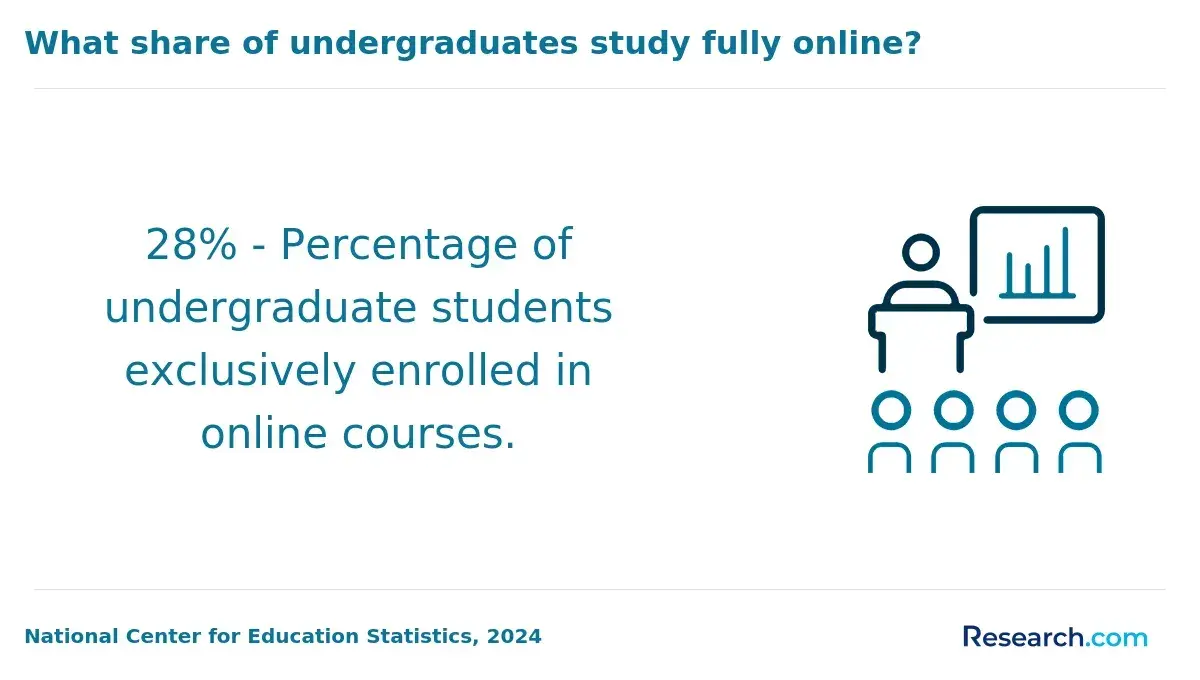
Working adults returning to school face the complex challenge of managing digital tools alongside demanding work and family routines. Success in Herzing University's online programs depends not just on having access to technology, but on skillfully navigating its use within the Brightspace learning management system. Data from recent studies indicate that 68.4% of working adults enroll entirely online, which signals the critical role of digital readiness in sustaining progress amid competing responsibilities.
Without these skills, learners risk falling behind or dropping out, as employers expect graduates to demonstrate both subject expertise and adaptability with online workflows. The following points highlight the essential technology and learning proficiencies needed for working adults to effectively juggle their commitments.
- Reliable Hardware and Software Access:A dependable computer with current browser versions is fundamental to interact with Brightspace smoothly. Working adults should assess and upgrade devices before starting coursework to avoid technical interruptions that disrupt study time and extend completion periods.
- Stable Internet Connectivity:Consistent high-speed internet ensures uninterrupted access to lectures, assignments, and communications. Mitigating connectivity issues reduces frustration and avoids missing deadlines when work and family demands limit flexibility.
- Proficient LMS Navigation:Mastery of Brightspace features like submitting assignments, tracking grades, and engaging in forums allows students to manage their learning efficiently. Practicing platform use during onboarding can reduce time lost troubleshooting and enhance focus on course material.
- Strong Self-Regulation Skills:Balancing study with jobs and households requires deliberate time management and discipline. Setting structured weekly study goals and minimizing distractions prevents procrastination and supports on-time course completion.
- Effective Digital Communication:Clear, timely emails and active participation in discussion boards build necessary connections with instructors and peers. Improving online communication skills helps working adults receive relevant feedback and stay engaged despite busy schedules.
- Adaptability to Technological Changes:Online learning platforms update regularly, so being flexible and willing to learn new tools quickly prevents losing progress due to unfamiliarity. Continuous skill development sustains long-term academic and professional competitiveness.
- Prioritization of Technical Troubleshooting:Basic problem-solving for device or software issues empowers students to resolve obstacles promptly. This minimizes lost study time that could otherwise add stress when balancing external responsibilities.
A Herzing University graduate shared, "At first, I felt overwhelmed trying to juggle a full-time job, two kids, and coursework on Brightspace. My computer kept freezing during assignments, and I barely had time to figure out updates. I realized I had to prioritize upgrading my laptop and learning the system's tools quickly. I scheduled weekend hours just for troubleshooting and practicing the platform functions. That effort made a huge difference-I stopped stressing over tech issues and could focus on studying. It was tough adjusting, but by actively improving those digital skills, I found a rhythm that worked even with my busy schedule."
How affordable is Herzing University for working adults?
Working adults face intense challenges balancing education costs with ongoing employment and household responsibilities. Tuition expenses can quickly strain budgets, especially when income must cover living costs and family needs. For this reason, assessing overall affordability is critical when exploring options like Herzing University. Although tuition fees per credit are not explicitly detailed, Herzing's total cost of attendance of $26,687 remains below the national average for many private for-profit institutions.
This pricing, combined with flexible scheduling and financial aid, makes it a viable option for adults seeking to advance education without excessive debt. The following highlights key factors affecting affordability for working students at Herzing University.
- Flexible Tuition Models: Herzing typically offers per-credit and flat-rate tuition frameworks, helping students budget precisely. This flexibility suits part-time workers who cannot commit to full course loads without jeopardizing income stability.
- Financial Aid Accessibility: Approximately 97% of Herzing students receive some form of financial aid, which aligns with national trends where about 60% of adult distance learners use FAFSA-supported grants or subsidized loans. This aid reduces out-of-pocket costs substantially.
- Employer Tuition Reimbursement: Many employers offer tuition assistance or reimbursement programs, enhancing affordability. While Herzing does not publicly detail specific employer partnerships, working adults should inquire about applicable corporate discounts or support plans.
- Transfer Credit Savings: Transfer credits can reduce time and tuition paid. A 2024 study from the National Center for Education Statistics found that transfer credits and online formats save students on average 20% in total program costs, a crucial advantage for adults with prior college experience.
- Flexible Scheduling and Online Format: Herzing's online and hybrid options help students maintain employment while progressing academically. This reduces secondary costs like commuting and lost wages from time off work.
- Institutional Scholarships: Herzing offers scholarships targeted at adult learners, which can lower total costs significantly. These are especially beneficial when combined with other financial supports to reduce common barriers for working adults.
- Below-Average Total Cost: Compared to many private for-profit programs, Herzing's total attendance cost is lower, making it financially accessible for adults who need to balance ongoing commitments with their educational goals. For those exploring low-cost options, what are the cheapest online colleges often includes institutions like Herzing, highlighting its potential value.
What challenges do working adults face while studying at Herzing University?
Balancing higher education with employment, family responsibilities, and personal commitments creates unique challenges for working adults pursuing degrees. The demands of full-time work and caregiving often conflict with study time, causing stress and limiting academic progress. Adult learners at Herzing University must quickly adapt to academic rigor while managing competing priorities. This reality can reduce motivation or extend time to degree. Understanding common obstacles helps students anticipate difficulties and implement strategies to stay on track. The following challenges highlight the practical complexities many face.
- Academic Adjustment Pressure: Returning adults confront a steep learning curve, needing to develop or refresh study habits after years away from school. This challenge can slow initial progress but setting structured study schedules and leveraging campus resources can mitigate delays.
- Work and Family Balance: A National Student Clearinghouse study reports 37.8% of adult learners struggle most with balancing school alongside work and family. This juggling often forces tradeoffs in course load or commitment, increasing dropout risk unless clear prioritization and employer support are in place.
- Social Isolation in Online Formats: While Herzing offers needed flexibility through online classes, the limited peer engagement reduces motivational support. Students benefit from actively seeking virtual study groups or mentoring to counteract isolation.
- Transfer Credit Limitations: Despite Herzing University's transfer credit policies, articulation complexity can extend time to degree and raise costs. Working adults must carefully verify credit acceptance early to avoid unexpected hurdles that delay graduation.
- Employer Expectation Misalignment: Employers increasingly demand both credentials and practical skills. Students must ensure their chosen program adequately prepares them for workforce demands beyond just degree completion.
- Financial Burden Considerations: Prolonged programs due to credit issues or reduced course loads heighten financial strain on working adults. Budgeting and exploring employer tuition assistance programs are vital to sustain education.
- Limited Recognition of Online Degrees: In some sectors, online degrees still face skepticism. Choosing programs with proven reputations can improve employment outcomes for graduates balancing work and study.
Among available flexible options, it is useful to compare Herzing University's offerings to online schools for military spouses, where similar challenges arise. Such comparisons underscore the importance of program fit, credit policies, and support structures in managing the challenges of balancing work and study at Herzing University.
How does Herzing University compare with other online schools for working adults?
Working adults evaluating online schools must look beyond reputation to factors that directly impact their ability to balance education, work, and family. Financial return, credit transfer policies, and program flexibility strongly affect whether a chosen institution will suit an adult learner's practical needs and career goals.
While Herzing University offers reasonable flexibility and credit acceptance, its financial outcomes and graduation rates do not lead the sector. A 2024 study by the National Center for Education Statistics emphasizes that adult learner retention significantly improves at schools with strong support services and transfer policies, revealing where Herzing fits in the wider landscape. Key points for comparison include:
- Financial Return on Investment: Herzing students face a median alumni salary of $36,909 against $26,687 in total costs, yielding a 1.72x earnings-to-debt ratio. This is moderate compared to some peers who show better salary prospects or lower tuition, making cost-to-reward analysis critical for those prioritizing debt minimization and long-term earning potential.
- Transfer Credit Flexibility: Herzing's generally generous acceptance of transfer credits facilitates quicker program completion and reduces duplication of prior learning. For working adults, this feature can shorten time to degree and lessen financial strain, but prospective students should confirm transfer policies align with their previous coursework and career plans.
- Scheduling Adaptability: Flexible course schedules are a key strength at Herzing, allowing learners to study around job and family commitments. This trait is essential in assessing if the virtual campus structure and class pacing meet individual time constraints compared to other online providers.
- Adult Learner Support Services: Dedicated success offices and career counseling at Herzing align with findings that such support correlates with improved retention and graduation among working adults. However, these services may be more comprehensive or better resourced at some competitor institutions, influencing student outcomes and satisfaction.
- Graduation and Completion Rates: Herzing's graduation rates trail some specialized online universities with strong industry ties. Adult students should weigh whether the convenience of their chosen school compensates for this gap or if stronger employer connections elsewhere will yield better job market advantages.
- Employer Recognition and Networking: While Herzing provides transferable credentials, some regional online schools build deeper corporate partnerships boosting graduate employability. Evaluating regional labor market demands and employer preferences helps determine if Herzing's network suffices for specific career sectors.
- Tuition Competitiveness: Total attendance costs at Herzing are moderate, but competitors may offer more affordable options or financial aid packages tailored for adult learners. Cost sensitivity combined with anticipated earnings should drive careful pricing comparisons.
Is Herzing University the right choice for your career goals?
Herzing University's online format and flexible scheduling accommodate working adults who need to balance education with job and family demands. Transfer credits can shorten the path to a degree, helping students pivot careers or enhance professional skills without lengthy breaks. Programs in nursing and dental support, for example, align with labor market demands and offer clearer advancement pathways compared to more generalized degrees.
The value of a Herzing University degree depends heavily on the student's target industry and licensure requirements. Fields requiring professional certification or hands-on training may face challenges given employer skepticism toward for-profit online credentials. Career services and corporate partnerships provide some networking and placement help, but outcomes vary widely by region and industry culture, making realistic expectations essential.
A national study on online degree holders shows a 12% lower average starting salary compared to traditional campus graduates. This gap narrows when students leverage relevant work experience and employer connections-critical factors for Herzing University students aiming for stronger career returns. Occupations with structured licensure and acute labor shortages, like registered nursing where median alumni earnings are higher, tend to offer better employment value than broader business disciplines.
Compared to similar online institutions, Herzing University offers targeted programs with practical scheduling but limits on employer perception and long-term earning potential. Students pursuing careers with clear certification or high demand in healthcare might find a reasonable return on investment. However, those seeking broadly applicable business or administrative roles should weigh alternative options carefully to ensure alignment with career goals and financial expectations.
What Graduates Say About Herzing University's Flexible Schedules, Transfer Credits, and Online Learning for Working Adults
- Riley: "Enrolling at Herzing University was a strategic choice, especially because I could leverage their flexible scheduling to work around my full-time job. The transfer credit evaluation process was thorough but transparent, allowing me to understand clearly which of my previous credits would count toward my degree-although it did mean I had to slow down a bit initially to ensure proper documentation. Managing the online courses alongside work was a balancing act, but the asynchronous format let me keep steady progress without feeling overwhelmed. Graduating from Herzing ultimately opened up new managerial opportunities, validating the time and effort I invested in navigating these academic and professional demands."
- Sierra: "What stood out most about Herzing University was how the transfer credit system impacted my pace-deciding to apply several credits from my previous community college helped me shave off nearly a semester. The flexible scheduling was a double-edged sword; while it allowed me to tailor my course load during busier work periods, certain required courses weren't always available when I needed them, so I had to plan carefully. The online format meant I could attend lessons in the evenings, which was crucial for my work-life balance. Finishing my degree on this timeline equipped me with the credentials and confidence to pursue a new role in healthcare, which I might not have been eligible for without the degree."
- Ariana: "As someone who had accumulated some college credits without a clear path, Herzing University's credit transfer evaluation was instrumental in creating a personalized degree plan that fit my long-term career goals. I appreciated the program's flexible scheduling because it gave me room to increase my course load when work was lighter and scale back during busier times to avoid burnout. The online learning format required me to stay highly organized; I used detailed calendars and reminders to track deadlines and coursework. While it took a bit longer than I initially hoped to graduate, this paced approach helped me maintain full-time employment and graduate without compromising my job performance. Since earning my degree, I've been able to secure a promotion that values both my experience and academic achievement."
Other Things You Should Know About Herzing University Degrees
In 2027, Herzing University's flexible schedules allow working adults to customize their course load, enabling them to balance work and study effectively. This adaptability helps manage workload more efficiently and reduces stress, which is crucial for adults juggling multiple responsibilities.
Transfer credit policies at Herzing University can vary by program, with more technical or specialized degrees imposing stricter acceptance criteria. Working adults relying heavily on transfer credits should be prepared for some credits to be rejected or require supplemental coursework. It is advisable to obtain a detailed credit evaluation before enrollment to prevent unexpected extensions in program length or costs.
Herzing University's online format offers convenience but can limit in-person networking and spontaneous interaction with peers and faculty, which are often critical for career advancement. Working adults should proactively engage in virtual events and use available career services to make up for this gap. Prioritizing programs with robust online career support and alumni networks can improve post-graduate employment prospects.
Choosing programs with some synchronous components at Herzing University may enhance real-time interaction, better simulating traditional classroom dynamics and improving comprehension through immediate feedback. However, this comes at the expense of schedule flexibility, potentially conflicting with unpredictable work hours. Working adults must weigh whether real-time engagement justifies reduced scheduling freedom based on their ability to manage consistent class times.
References
- Remote Work at Herzing University - Remote.co https://remote.co/company/herzing_university
- Adjunct Faculty - Radiology Tech Program https://recruiting2.ultipro.com/HER1009HRZ/JobBoard/267d2e37-abff-4559-8a18-a754503d3749/OpportunityDetail
- Going Back to School as an Adult: Overcoming 4 Common Concerns https://blog.herzing.ca/going-back-to-school-as-an-adult-overcoming-4-common-concerns
- Herzing Step 1 — Guild Education: School Resource Center https://schools.guildeducation.com/herzing-1
- Jobs at Herzing University https://www.milwaukeejobs.com/jobs.asp
- Herzing University Partnership https://www.straighterline.com/colleges/herzing-university/
- About Online Learning https://www.herzing.ca/professionaldevelopment/about-online-learning
- Herzing University Transfer Courses from Sophia | Sophia Learning https://herzing.sophia.org/
- Herzing University: Associate of Science in Healthcare Administration https://info.edvance.online/knowledge/herzing-university-associate-healthcare-administration
- Herzing University Online Nursing Degrees - Better Nurse https://betternurse.org/herzing-university-online-nursing-degrees/