2027 Cheapest Online Degrees at Merrimack College

Co-Founder and Chief Data Scientist
Finding affordable online degree programs in the US has become increasingly complex as tuition fees vary widely and remote enrollment now accounts for nearly 40% of all postsecondary students, intensifying competition and budget constraints. Students seeking cost-effective options must weigh long-term debt implications against program quality and career relevance. Merrimack College offers several online degrees with tuition rates below those of many traditional private institutions, providing a potential balance between affordability and accredited academic offerings.
This article examines Merrimack College's online programs, tuition costs, and practical outcomes to help prospective students determine if its offerings align with their financial and professional goals. It will provide a clear framework to assess whether investing in Merrimack College delivers measurable value in today's shifting higher education landscape.
Key Points About the Cheapest Online Degrees at Merrimack College
- The total tuition for online degrees at Merrimack College is $74,781, a substantial expense requiring evaluation against career goals and expected income to determine financial viability.
- Programs in fields such as business administration, nursing, and information technology offer a balance of affordability and sector relevance, guiding students toward careers with measurable demand.
- An earnings-to-debt ratio of 2.80x suggests graduates generally earn nearly triple their incurred debt, reflecting practical payback potential despite the initial cost.
Why is Merrimack College emerging as a top choice for cost-effective online education?
Merrimack College is emerging as a top choice for cost-effective online education because it delivers a measurable economic advantage while catering to the flexible needs of modern learners. In a market where remote enrollment has reached saturation above 40% nationally, students prioritize programs that combine affordability with clear career payoff. Merrimack's online degrees achieve this balance by maintaining an earnings-to-debt ratio of 2.80x, meaning graduates typically earn nearly three times their educational debt, a crucial factor for those weighing return on investment amid rising student loan concerns.
For example, a working parent in a mid-sized city seeking to upskill without halting income can take advantage of Merrimack's fully remote format and financial aid packages that reduce debt burden substantially. This setup allows immediate application of new skills while keeping education costs manageable and outcomes oriented toward job market realities.
Several factors underscore Merrimack's appeal for budget-conscious online students. Key considerations include:
- Comprehensive Financial Aid Access: With 100% of undergraduates receiving financial support averaging $27,006, the college lowers entry barriers, enabling students with limited upfront resources to pursue degrees without excessive loan dependency.
- Aligned Program Portfolio: Merrimack offers programs closely tied to high-demand fields, ensuring skills acquired have practical employer relevance, supporting quicker employment and reduced risk of underemployment.
- Stable Student Retention Rates: Consistent retention signals that students find the online learning environment supportive and manageable, which helps avoid additional costs from extended degree completion times.
- Outcome-Focused Curriculum: Emphasizing practical competencies over theoretical breadth, the college prepares students to meet immediate workplace demands, an essential feature for those balancing career and education simultaneously.
Reflecting on this, a recent graduate from Merrimack's online business program shared how the affordability and support helped her avoid accumulating debt while juggling part-time work and family. She noted, "Choosing Merrimack was about practicality. The financial aid made a real difference, and the online setup fit my hectic schedule. I could progress professionally without financial strain, which many of my peers at pricier schools couldn't manage." This candid experience highlights how Merrimack's model answers critical cost and flexibility challenges faced by many prospective students.
What is the current base cost of online programs at Merrimack College?
The current base cost of online programs at Merrimack College typically involves tuition around $900 per credit for undergraduate courses and over $1,000 for graduate credit hours. This positions Merrimack above many public institutions but aligns with private colleges offering specialized programs, demanding careful budgeting from prospective students. Comparing total annual costs, Merrimack's on-campus fees reach $74,781, including room and board, hinting that online costs, while variable, may be more affordable but not drastically lower.
Additional fees are often part of online enrollment, though Merrimack does not provide fully transparent data on these charges. Prospective students should anticipate tuition plus standard technology, course, and administrative fees. These add to the cost but usually remain less than the expenses tied to living on or near campus. This distinction is critical for students weighing the cheapest online degree tuition at Merrimack College against other options.
National trends in 2024 show widening disparities in online education costs, with some schools charging higher premiums despite lower instructional expenses. This pattern requires students to evaluate the true value behind price tags. Practical decisions hinge on how well credentials translate to employment, especially in sectors with rising demand across healthcare systems and technology fields.
Choosing the right program also involves understanding discipline-specific factors and labor market alignment. For those exploring pathways, consulting resources on the best majors in college can clarify which credentials might maximize investment returns amid competitive tuition rates and evolving employer expectations.
Does Merrimack College offer flat-rate tuition for out-of-state distance learners?
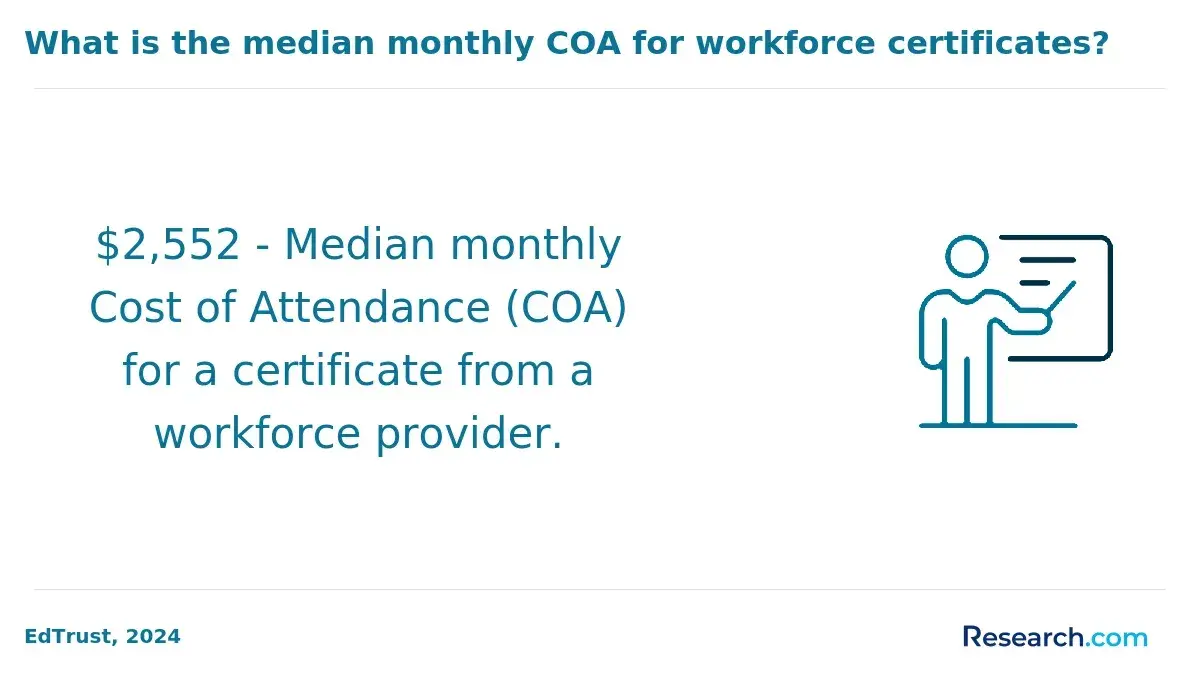
Out-of-state online tuition at Merrimack College averages significantly higher than in-state rates, with total attendance costs reflecting this disparity. Non-resident distance learners face full out-of-state tuition without access to flat-rate pricing models that might limit expenses to a single fixed amount regardless of credit load.
Unlike some institutions offering regional waivers or digital reciprocity agreements, Merrimack College does not participate in these programs. The absence of flat-rate tuition or geographic equalization means costs can escalate sharply for students residing outside traditional residency boundaries, raising critical questions for those weighing long-term education investments.
Nationally, about 18% of institutions apply geographic equalization policies to ease remote learner costs, which broadens affordability and access. Merrimack's approach contrasts with this trend and may place prospective out-of-state students at a disadvantage compared to peers at schools with such pricing structures.
For example, an out-of-state student pursuing a multi-year online degree without waivers should anticipate higher financial burdens that can affect return on investment and career trajectory decisions. Careful cost-benefit analysis is essential before committing to Merrimack's tuition model in this context.
Which online bachelor's degrees at Merrimack College offer the lowest total tuition?
Students seeking the most affordable online bachelor's degrees at Merrimack College will find several options with relatively modest tuition costs. These programs generally charge about $450 per credit hour, resulting in a total estimated tuition of about $54,000 for the standard 120-credit-hour curriculum. This pricing structure positions Merrimack's offerings competitively within private online education markets but requires careful consideration of long-term financial outcomes. As online undergraduate enrollment reaches roughly 35%, students should evaluate tuition costs in the context of career prospects and debt burden, especially since debt-to-income ratios exceed 25% in many lower-cost humanities programs nationwide.
Below are key programs that exemplify Merrimack College's lowest tuition online bachelor's programs, each defined by cost-saving strategies like open educational resources (OER) and streamlined course delivery formats.
- Business Administration: Incorporating OER materials reduces textbook expenses substantially, while the entirely online curriculum offers flexible pacing for working adults. Its lower tuition floor and practical course design support a reduced total investment without sacrificing foundational business competencies.
- Psychology: This program uses OER resources to limit additional fees and features asynchronous coursework that fits diverse schedules. Despite lower tuition costs, graduates should weigh the typical mid-career income against potential debt levels, especially given the national trend of humanities-related degrees presenting greater debt-to-income challenges.
- Criminal Justice: Offering tuition rates on par with other social sciences, this fully remote program emphasizes applied learning with manageable ancillary costs. Its online format suits students balancing professional obligations, minimizing indirect expenses while maintaining access to relevant faculty expertise.
- Sociology: Focused on broad social theory, this degree benefits from streamlined course materials and a structure conducive to part-time study. The program's cost efficiency must be measured against labor market demand and income expectations common to liberal arts disciplines.
- Communication Studies: Featuring a curriculum rich in digital media and communication theory, this degree leverages OER and online delivery to keep tuition affordable. Prospective students should consider sector growth and income projections to assess return on investment fully.
In some cases, exploring an accelerated associate degree can be a strategic step before committing to a full bachelor's pathway, potentially reducing overall debt and enabling earlier entry into the workforce.
What are the most affordable online master's degree programs at Merrimack College?
Merrimack College offers some of the most affordable online master's degree programs available within private institutions, though their per-credit tuition rates are still higher than many public options. For students balancing work and life obligations, Merrimack's fully virtual formats eliminate the need for on-campus residencies, cutting costs related to travel, lodging, and missed income. This convenience supports long-term financial planning by reducing upfront expenses while students pursue credentials that could accelerate their salary growth. Below are some standout programs measured by their cost-effectiveness and delivery structure.
- Counseling: Offered at approximately $765 per credit, this program provides a fully online curriculum with no residential requirements, ideal for professionals seeking to avoid unnecessary fees. The manageable tuition allows for an investment that supports career mobility in mental health fields without excessive debt.
- Special Education: Tuition is set around $800 per credit, with courses delivered entirely online to accommodate educators and specialists working full-time. This format offers affordable access to advanced credentials that enhance salary potential over time.
- Business Administration: At $845 per credit, this program combines flexible, remote learning with a focus on managerial competencies. It helps students integrate graduate education into their schedules efficiently, limiting lost wages and borrowing.
- Environmental Studies: Priced near $870 per credit, this degree features asynchronous online courses suitable for professionals working in dynamic schedules. The cost-saving design aligns with increasing demand for sustainability expertise in growing sectors.
- Criminal Justice: With tuition at about $880 per credit, this degree offers a virtual pathway without in-person mandates, optimal for law enforcement or legal professionals seeking advanced qualifications that support career advancement.
Merrimack College applies a standard semester materials fee near $120, keeping ancillary costs transparent and predictable. This is important because a 2024 study indicates that graduate debt now consumes a larger portion of starting salaries than before, emphasizing the necessity of affordable programs that still deliver recognized credentials. Students weighing the value of these low cost online graduate degrees at Merrimack College must consider how remote delivery and cost structure interact with salary uplift potential in their chosen fields. For comprehensive options and comparative insights, interested candidates can review affordable online masters programs nationwide to evaluate fit alongside Merrimack's offerings.
Are digital course materials at Merrimack College expensive?
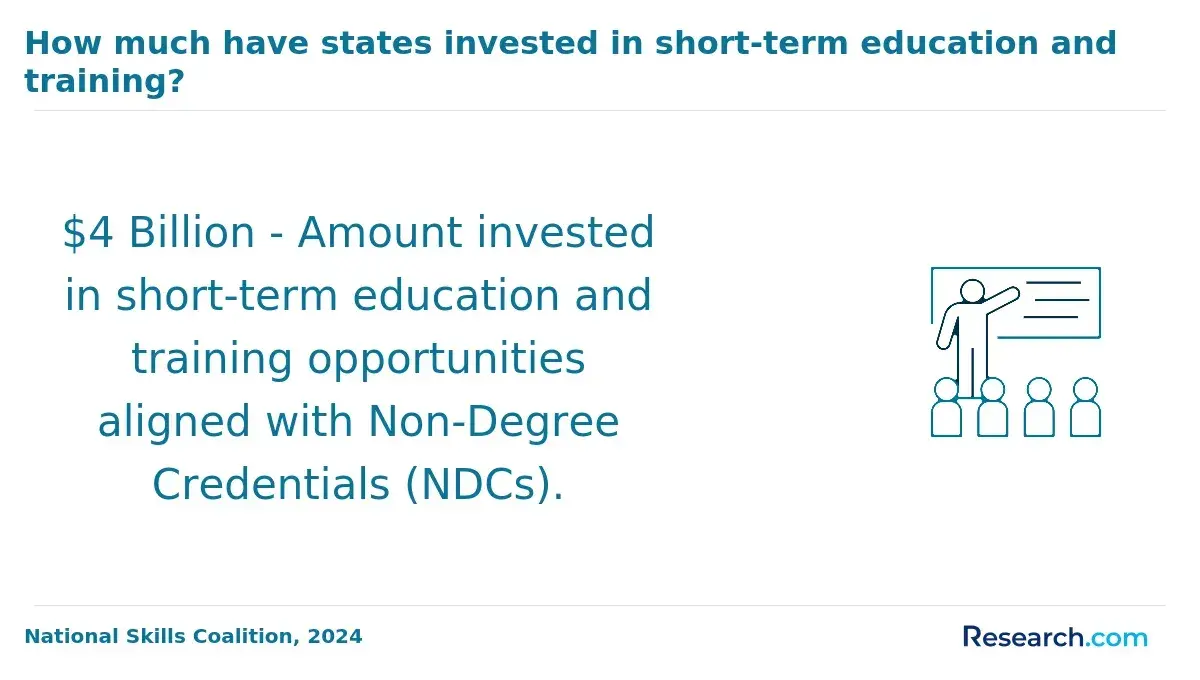
Online students at Merrimack College must plan for expenses beyond tuition, including digital course materials that can significantly increase their total cost of attendance. The average annual spend on books and supplies at Merrimack is about $1,000, aligning with a national trend where online learners typically encounter $800 to $1,200 in additional fees for course content. This added financial burden affects budgeting and can influence whether returning to school feels feasible, especially for working adults balancing income and education. Below are key digital resources that contribute to these costs.
- McGraw-Hill Connect: This platform provides interactive assignments that complement course lessons. It is essential for courses requiring continuous engagement but can add $50 to $200 per class depending on the program's intensity and content requirements.
- Cengage MindTap: Offering personalized digital textbooks, this resource enhances learning through adaptive technology. Students at Merrimack typically pay between $60 and $250 per course, making it a notable expense in STEM and business programs.
- WileyPLUS: WileyPLUS supports homework and study tools critical for mastering course objectives. The cost usually ranges from $70 to $180 per course and may be indispensable for majors demanding rigorous practice.
- Pearson Revel: This multimedia textbook platform integrates video and interactive elements. Merrimack students spend around $50 to $150 per course, which reflects the evolving nature of instructional delivery but adds to material costs.
- ExamSoft: Utilized for secure online testing, ExamSoft is required in many professional and graduate-level courses. Fees vary widely but can reach up to $300 per course, impacting students in health sciences and law-related fields more heavily.
Textbook prices have increased steadily, pushing students toward digital materials with variable fees. A 2024 survey found that 65% of online students in the U.S. reported digital content costs as a significant factor in choosing programs. This data highlights that the price of digital materials is an integral consideration in assessing the true affordability of Merrimack College's online degrees and their practical value in career preparedness.
Does Merrimack College offer accelerated term options for online students?
Merrimack College follows a traditional semester schedule without accelerated term options for online students. This means a standard timeline to graduation, typically aligned with full-length semesters, rather than condensed 5-, 7-, or 8-week courses that other institutions sometimes offer.
Accelerated terms can reduce time to degree, potentially lowering total tuition costs by avoiding extended enrollment periods and extra semester fees. Merrimack's reported total tuition of $74,781 reflects per-credit charges across regular semesters, suggesting less flexibility for students aiming to speed up completion and reduce indirect costs.
National data shows institutions with shorter terms improve academic calendar efficiency by around 15%, translating into faster progression and improved retention. Online students at schools with fast-track options often benefit from timely credential completion, which employers increasingly value when assessing workforce readiness.
A student balancing work and study may find Merrimack's lack of accelerated pathways limits their ability to reduce time and cost. Compared to peers at institutions with competency-based or subscription flat-rate models, this traditional schedule may delay entry into the workforce and associated earnings growth.
Can online students Merrimack College transfer credits to reduce tuition costs?
Online students at Merrimack College typically transfer up to 75 credits, significantly lowering their tuition from the base cost of $74,781. This reduction can shorten degree completion timelines, making a tangible impact on overall educational expenses. Strategic credit use directly translates into immediate cost savings.
The actual tuition saved depends on prior learning assessments and articulation agreements. While formal partnerships with local colleges are limited, CLEP exams and military ACE credits offer alternative pathways to reduce coursework. These factors create varied financial outcomes, as students may transfer some or most credits depending on prior studies.
Accreditation plays a crucial role in determining credit eligibility. Credits from regionally accredited institutions or officially recognized programs align better with Merrimack's standards. Without such accreditation, acceptance of credits can be less certain, potentially affecting the financial benefits and length of study.
National data shows 60% of transfer students retain significant credits toward degree progress, signaling a growing trend that influences tuition management choices. For online learners at Merrimack, leveraging credit transfer options is a practical means to control debt while maintaining academic quality and employment prospects.
One recent graduate shared that she hesitated initially to transfer credits from her community college but found Merrimack's flexible acceptance of CLEP exams reassuring. "Knowing I wouldn't have to repeat courses saved me an entire semester's tuition. The process wasn't seamless but feeling the cost relief early was worth navigating the paperwork," she recalled, highlighting the real cost impact credit transfers can have for online students juggling finances and schedules.
What financial aid options are available to online students at Merrimack College?
Financial aid at Merrimack College significantly reduces the net cost for online students but requires strategic evaluation of eligibility and alignment with career goals. While 100% of undergraduates benefit from aid averaging $27,006, the ultimate return on investment varies with program choice and graduation timeline. For example, a student pursuing a STEM degree may maximize aid and career flexibility by combining scholarships with targeted grants.
With nearly 60% of U.S. students carrying debt often exceeding $38,000, leveraging Merrimack's financial aid options can be crucial to minimizing student loans and long-term financial strain. Below are key funding mechanisms that help make Merrimack's online programs more affordable.
The primary financial aid options available to online students at Merrimack College include:
- Merrimack Grant: Available to qualifying students, this grant covers up to 50% of tuition costs based on financial need and enrollment status, directly reducing out-of-pocket expenses for a broad range of undergraduates.
- New England Regional Scholarship: Designed for residents of New England states, this scholarship rewards academic merit and residency, offering substantial support to students from this geographic area.
- Transfer Merit Scholarship: Targeted at incoming transfer students with a strong academic record, this scholarship provides tuition assistance to ease the transition and lower cumulative education costs.
- STEM Excellence Grant: For students in science, technology, engineering, and mathematics fields, this grant offers up to $10,000 to support their specialized studies and help offset expenses unique to these disciplines.
- Veterans Education Benefit: Eligible military-affiliated students can access education benefits that cover various costs, including tuition and fees, making online programs accessible for those with service backgrounds.
Prospective students should weigh these options carefully in light of their individual circumstances. Scholarships and grants vary in eligibility and award value, so understanding these can guide decisions that reduce reliance on debt. This evaluation fits within broader trends where many students choose a self paced online college to further customize education paths and financial planning.
How do you know if the affordable online programs at Merrimack College are worth it?
Determining if affordable online programs at Merrimack College are worth pursuing requires a practical look at core outcome indicators and real-world viability rather than just upfront costs. For example, a graduate holding a Civil Engineering degree earning $64,342 annually might find a different value proposition than one with a Communication degree earning $37,877. Considering Merrimack's 72% average graduation rate, the likelihood of completing the program is moderately solid, but students must weigh this against salary prospects.
National workforce data reveals that graduates entering the job market with debt-to-income ratios over 1.0 experience slower career mobility, showing the critical need to assess long-term return beyond mere affordability. Below are key criteria to help assess the cost effectiveness of Merrimack College online programs and their overall value.
- Median Alumni Salary: This reflects typical earnings and indicates market demand for degrees. Merrimack's overall median is $75,584, but values vary by field. Technical degrees like Electrical, Electronics and Communications Engineering align more closely with the median, suggesting stronger earning potential.
- Graduation Rate: The 72% rate shows a moderate chance of program completion. Higher graduation rates correlate to better return on investment through timely degree attainment.
- Debt-to-Income Ratio Impact: Programs should be evaluated on their capacity to prevent excessive debt. Research shows high debt burdens slow economic progress, emphasizing caution with borrowing relative to expected salaries.
- Program Specialization and Relevance: Employers increasingly seek relevant skills over institutional prestige. Merrimack's range of specialized technical programs offers practical advantages, unlike majors with lower market value.
- Career Path Alignment: Students must match degree outcomes with realistic job market trajectories. For instance, technical fields generally lead to quicker employment and wage growth than some humanities or education majors.
- Institutional Accreditation: Accreditation ensures quality and acceptance of credentials. Merrimack's accredited status supports transferability and employer recognition.
- Accessible Education for Diverse Backgrounds: Merrimack's programs offer options for various learners. For those seeking a best degree for felons or working adults, affordable access combined with meaningful skill training is critical.
What Graduates Say About the Cheapest Online Degrees at Merrimack College
- Benjamin: "Choosing an online program at Merrimack College made practical sense for me, especially considering the balance between tuition costs and flexibility. While the sticker price was clearly lower than several comparable options, I did notice some unexpected fees related to technology and digital resources that slightly inflated the overall cost. Still, avoiding expenses like housing and commuting helped keep my budget intact, and the degree genuinely accelerated my entry into the workforce by signaling a credible credential without the usual campus overhead."
- Corey: "My experience with Merrimack College's online degree was largely shaped by its affordability combined with a realistic view of the program's delivery. Unlike pricier alternatives promising cutting-edge platforms, Merrimack offered a no-frills but effective curriculum that fit my work schedule. The reduced upfront cost definitely softened the financial burden, allowing me to invest more time into internships that boosted my resume. In the end, the degree provided a solid foundation, though I was aware the trade-off involved less hands-on tech support than competitors."
- Tristan: "When I was weighing online degrees, Merrimack College stood out for its price point and the genuine savings from not having to relocate or commute. However, as I progressed through the program, I realized that some hidden fees related to digital platform access slightly offset those savings. Despite this, the flexibility allowed me to maintain full-time employment, which was crucial for funding my education without loans. Professionally, the degree helped me move into new roles faster than anticipated, but I'd advise prospective students to carefully consider both visible and invisible costs before deciding."
Other Things You Should Know About Merrimack College Degrees
Merrimack College offers competitive tuition rates for its cheapest online degrees in 2027. Students should consider additional costs, such as technology fees and course materials. Financial aid and scholarships may also be available, helping to alleviate overall financial burdens.
The workload for affordable online degrees at Merrimack College is structured to mimic on-campus rigor but can vary significantly depending on major and course scheduling. Students balancing work or family should assess how fixed course timelines fit their availability since fewer flexibility options might increase stress. Selecting a program with manageable pacing is crucial because underestimating time commitments can lead to prolonged graduation timelines and higher indirect costs.
Employers generally consider the institution's reputation and the relevance of the degree to the job more than cost alone, but some may view lower-cost online degrees with more scrutiny. It is advisable to focus on programs with clear career alignment and proven graduate outcomes rather than solely on price. Prioritizing programs that emphasize practical skills or accreditation relevant to your field improves chances of employer recognition despite the program's affordability.
Support services such as career counseling, tutoring, and tech assistance are typically scaled to the cost of a program, so the cheapest online degrees might offer more limited resources. This reduced support can affect students who rely on extra help to navigate coursework or career planning. Evaluating the strength and accessibility of these services before enrollment can save time and money, especially for students who do not have a strong independent learning background.
References
- Merrimack College https://www.princetonreview.com/college/merrimack-college-1023853
- Merrimack College https://www.collegetransfer.org/MerrimackCollege/TransferProfile/tabid/145/Default.aspx
- Average Cost of College Textbooks [2026]: Prices per Year https://educationdata.org/average-cost-of-college-textbooks
- Merrimack College Tuition | CollegeData https://www.collegedata.com/college-search/Merrimack-College/money-matters
- Merrimack College Tuition and Financial Aid https://www.prepscholar.com/sat/s/colleges/Merrimack-College-tuition-financial-aid
- Digital Course Materials https://www.nscc.edu/academics/academic-resources/bookstore/digital-course-materials.php
- What Will They Learn? - Merrimack College https://www.whatwilltheylearn.com/schools/3557
- Top 20 Fastest Accelerated Online Degrees [by Degree Level] https://www.edsmart.org/fastest-accelerated-online-degrees/
- Site taps Holmes as Best Online College - News @ HolmesCC https://news.holmescc.edu/site-taps-holmes-as-best-online-college/
- Merrimack College - 40 Most Affordable Online Master’s STEAM Teaching - Best Colleges Online https://www.bestcollegesonline.org/most-affordable/online-masters-steam-teaching/merrimack-college-40-most-affordable-online-masters-steam-teaching/