2027 Return on Investment (ROI) of a Mobile App Development Degree Program
Audited and Verified:
Our Editorial and Data Verification Process
Research.com uses government datasets, official education statistics and primary institutional information to support its career and degree guides. Our review process checks factual accuracy, occupational definitions, source dates and the requirements associated with the credentials discussed.
How This Article Was Fact-Checked
Our editorial team verifies salary estimates, employment projections, education requirements and program information against original data providers and official organizations. Salary figures are checked against the relevant occupational definitions and reporting periods. Information about licensure, accreditation and required in-person training is reviewed separately.
Fact-checked and verified on:

Co-Founder and Chief Data Scientist
A lot of prospective students feel unsure as they weigh the financial upside of a mobile app development degree against climbing tuition costs. Even with the thriving tech sector, graduates are concerned about competition for jobs and salary outlooks. Per the U.S. Bureau of Labor Statistics, employment in software development, which includes mobile app specialists, is expected to increase by 25% through 2031, far faster than the average across all occupations.
This article looks at the return on investment for mobile app development degree programs, helping readers grasp career results, salary expectations, and how to manage education costs for the best long-term gains.
Key Things to Know About Mobile App Development Degree ROI
- Graduates with mobile app development degrees often earn 20-30% higher starting salaries compared to self-taught developers, reflecting strong market demand for specialized skills.
- This degree enhances career advancement opportunities by preparing students for roles in software engineering, project management, and product design across tech sectors.
- Long-term salary growth is robust due to ongoing industry expansion, with job stability supported by versatile skills applicable to gaming, healthcare, finance, and more.
How Is ROI Calculated for a Mobile App Development Degree Program?
In higher education, return on investment (ROI) gauges the financial gains a student receives from earning a degree against the total costs and time required. This measure helps students assess the worth of a mobile app development degree in relation to its costs and length, aiding well-informed choices.
Figuring out mobile app development degree ROI involves several key factors, such as:
- Tuition and fees: This includes the full cost of enrolling in the program, such as tuition, textbooks, and extra fees, which serves as the base of the initial investment.
- Opportunity cost: Time devoted to studying represents income that could have been earned through work or other pursuits. Including this potential earnings loss gives a clearer view of the degree's actual cost.
- Time to completion: The length of the program affects when students begin earning in their field, and shorter programs usually allow quicker entry into the workforce and better ROI.
- Post-graduation salary outcomes: Anticipated starting salaries and salary growth paths in mobile app development careers are crucial for estimating financial returns and long-term advantages.
- Career advancement: Degrees frequently unlock higher-level positions and specialized roles, increasing long-term earning potential and improving overall ROI.
Prospective students evaluating the return on investment for mobile app degree programs should also weigh alternative educational paths like online MBA programs that can affect career trajectories and earnings.
How Much Does a Mobile App Development Degree Program Cost?
The total cost of a program strongly affects the financial return of a mobile app development degree, and since graduate tuition in the U.S. has risen by 25% over the past decade, prospective students must thoughtfully weigh all expenses involved. This wider view helps assess whether the investment matches expected career benefits.
Important cost factors include:
- Tuition and fees: These usually make up the largest share of the budget and vary depending on public or private institutions, the length of the program, and the delivery format.
- Books and materials: Needed software licenses, specialized textbooks, and essential hardware can add substantial expense, particularly in technology-heavy fields.
- Living or relocation expenses: Enrolling in an on-campus program may require spending on housing, transportation, and adjustments tied to regional cost differences.
- Opportunity cost: Time spent studying can reduce income from full-time work, affecting short-term earnings and financial stability.
- Hidden costs: Extra fees like exam charges, certification costs, or workshops can raise total financial commitments beyond stated tuition.
A person who recently finished a mobile app development degree shared his thoughts when asked about his experience with program costs. He described balancing part-time jobs to cover living expenses while handling a demanding course load that left little time for paid work. "Balancing study and income was stressful; at times I worried about accumulating debt," he explained.
He also noted unforeseen costs such as software upgrades and certification exams that stretched his budget further than expected. Even with these challenges, he saw the degree as an investment but stressed the value of careful financial planning before enrolling.
What Financial Aid Is Available for Mobile App Development Degree Programs?
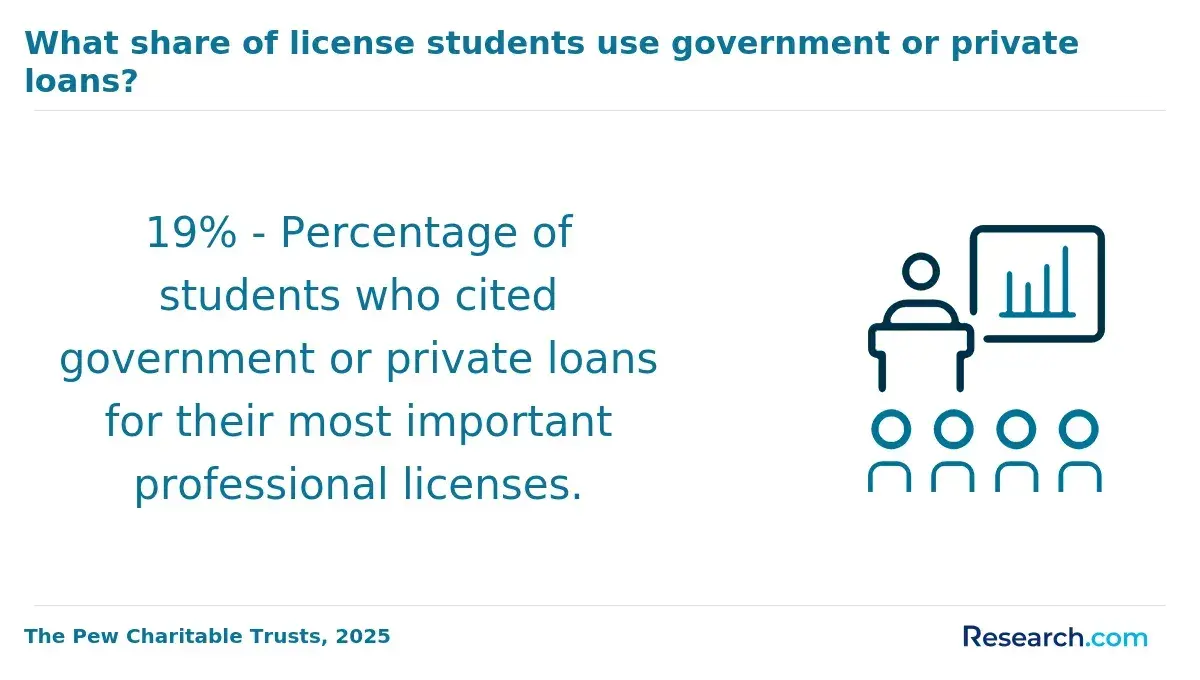
Cutting upfront costs with financial aid greatly improves the long-term return on investment for mobile app development degrees by reducing student debt and total expenses. Almost 85% of U.S. graduate students use some kind of financial support, underscoring how vital aid options are for making education more affordable and financially rewarding.
Frequent financial aid opportunities that can boost ROI for mobile app development programs include:
- Scholarships: Given based on merit, scholarships lower tuition without needing repayment, directly reducing the amount students must invest and enhancing net financial results.
- Grants: Typically need-based, grants lessen reliance on loans, helping students steer clear of debt and maximize financial flexibility after graduation.
- Federal student loans: These loans usually offer lower interest rates and flexible repayment plans, allowing manageable borrowing that helps sustain positive ROI even with debt.
- Employer tuition assistance: For professionals already working, employer-sponsored programs can greatly offset tuition fees, reducing out-of-pocket costs and improving the degree's career payoff.
- Fellowships: Competitive fellowships can provide stipends or tuition waivers that ease financial pressure and let students concentrate on their studies without taking on debt.
The time required to complete a mobile app development degree directly shapes its return on investment because of opportunity cost, earlier earning potential, and total expenses such as tuition and living costs. Finishing the program sooner can mean entering the workforce earlier, which boosts the financial payoff over time. Several factors affect how long students take to complete this degree, influencing both cost and career path.
Main considerations affecting time to completion include:
- Enrollment status: Full-time students usually finish their studies faster than part-time learners, speeding entry into the job market and lowering overall education costs.
- Program format: Online and accelerated courses often let students finish sooner by offering more flexible schedules or condensed material, potentially reducing costs linked to extended study.
- Transfer credits: Acknowledging prior coursework or professional experience can shorten the degree timeline, cutting both time and tuition fees.
- Internship or thesis: These practical requirements can extend study time but usually improve job prospects by providing hands-on experience.
- Scheduling flexibility: Evening or weekend classes allow working professionals to keep earning while studying, though this may stretch how long the degree takes to complete.
When I talked with a recent graduate of a mobile app development program, she remembered that balancing work and coursework was the greatest challenge. "I chose part-time evening classes so I could keep my job, which stretched my degree out longer than I expected," she shared.
Even though the extended timeline was difficult at times, the internship she completed during that period proved crucial for landing her first role. She valued that despite taking nearly three years instead of two, the flexible pacing allowed her to avoid debt and still build a strong portfolio. Her experience shows how the duration can vary widely yet still yield valuable outcomes for different student situations.
The delivery format plays a major role in shaping the return on investment for mobile app development programs by affecting cost, flexibility, and career outcomes. Recent data from the National Center for Education Statistics shows that more than 40% of U.S. higher education students now take at least one online course, highlighting a shift toward more affordable and accessible education options.
Several key factors set apart the ROI comparison between online and on-campus mobile app degrees, including:
- Tuition and fees: Online programs typically charge lower tuition, cutting upfront costs and making education more affordable than traditional on-campus fees.
- Opportunity cost: Students who study online often keep full-time jobs, thus continuing to earn income and reducing the financial sacrifice tied to returning to school.
- Time to completion: Flexible pacing in online formats lets students speed up their studies or balance coursework with other commitments, potentially shortening the time until they earn the degree.
- Networking and career services: On-campus programs usually provide richer chances for in-person networking, internships, and access to campus career resources, which can affect early career growth.
- Employer perception and earning potential: Both formats are increasingly respected by employers, though some may still prefer traditional credentials associated with on-campus study for certain roles.
Prospective students who want to maximize their ROI might also look into options such as an accelerated psychology degree that emphasizes efficient learning paths. As online program quality evolves, grasping these elements is essential when evaluating the return on investment for mobile app development programs and how delivery mode affects long-term career success.
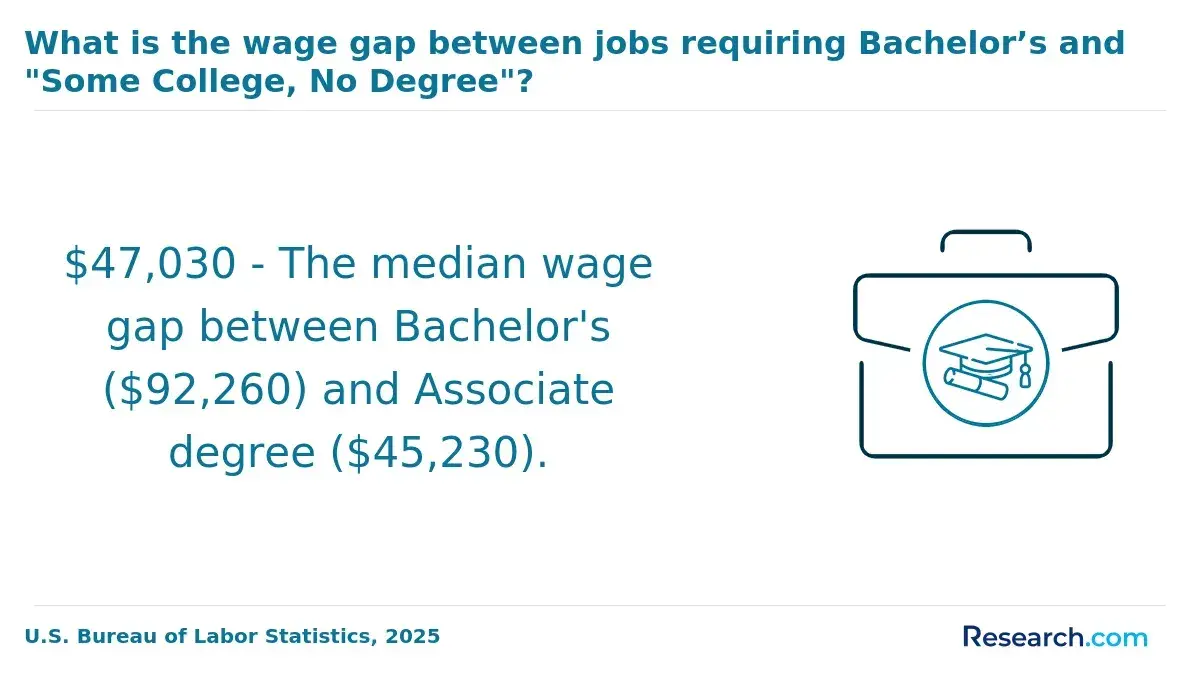
Salary after graduation is a crucial factor in calculating the return on investment (ROI) for a mobile app development degree. It affects how quickly graduates can recover education costs and build long-term financial stability.
In the United States, graduates usually earn between $65,000 and $110,000 each year, with entry-level roles near the lower end and experienced developers reaching higher salaries. These salary results affect overall ROI by determining both short-term payback and lifetime earning potential.
Several key factors affect the average salary for mobile app developers and in turn impact the ROI:
- Industry: Salaries differ widely by sector; finance and technology fields often provide higher wages than education or non-profit organizations, affecting overall returns.
- Geographic location: Metropolitan areas with strong tech hubs tend to offer better compensation than rural regions, influencing earning potential.
- Prior experience: Candidates with earlier coding or software development backgrounds usually earn higher salaries, which can improve ROI.
- Specialization: Expertise in emerging areas such as blockchain or augmented reality typically brings premium pay, increasing financial returns.
- Career level: Moving into senior or managerial roles drives substantial salary growth, boosting lifetime income and ROI.
Prospective students should carefully weigh these variables when considering mobile app development degree salary outcomes. For those comparing options, it is worth examining related fields such as a library degree to understand varied educational investments and career prospects.
Promotions play a key role in the return on investment of a mobile app development degree by driving salary raises, expanding job duties, and improving career mobility. These advancements not only enhance financial outcomes but also strengthen long-term career prospects. A notable workforce trend is the rising focus on credential-based promotion, as companies increasingly require formal degrees or certifications for leadership roles.
Several factors show how a mobile app development degree can affect promotional opportunities and boost ROI:
- Credential requirements: Many technical and managerial roles require degrees or certifications, making formal education essential for meeting promotion criteria.
- Leadership preparation: Degree programs often offer project experience and leadership skills that prepare graduates to take on advanced roles with greater responsibility.
- Internal promotion policies: Organizations often favor degree holders when reviewing candidates for promotion, increasing eligibility for career advancement within the company.
- Tuition reimbursement: Employer-sponsored tuition assistance programs help lower educational costs, encouraging professionals to keep advancing their skills and qualifications.
- Experience and education synergy: Pairing formal education with practical experience positions candidates as top contenders for promotional opportunities, reinforcing career advancement with a mobile app development degree.
Although hands-on experience remains vital, holding a degree in mobile app development acts as formal validation of skills that employers often prioritize when making promotion decisions. This dynamic creates more promotional opportunities after app development certification, which can significantly improve long-term career paths.
Prospective students looking for affordable options may consider exploring affordable online bachelor degree programs to maximize their investment and improve their chances for career growth.
Return on investment for mobile app development graduates differs considerably by industry because of differences in salary levels, career progression opportunities, and demand for specialized skills. Some sectors deliver higher ROI because they offer strong compensation growth, greater chances for promotion, and steady demand for expertise.
Industries with strong digital innovation needs often produce the highest returns for mobile app developers. The following list highlights sectors known for delivering some of the best career outcomes and financial rewards for graduates pursuing mobile app development.
- Financial technology (fintech): This sector often offers high salary potential and rapid career growth, driven by the critical need for secure mobile transaction systems and user engagement platforms.
- Healthcare technology: Rising demand for patient management and telemedicine apps creates expanding opportunities, making this an appealing field for mobile app developers seeking both stability and advancement.
- Entertainment and media: Heavy use of app development skills supports ongoing job opportunities, as mobile apps remain central to content delivery and user interaction.
- E-commerce: The continuing need for mobile shopping platform improvements offers solid compensation and clear career progression paths for app developers.
- Software and information technology: This broad sector maintains consistent demand and promotion potential, providing long-term career stability for mobile app development graduates.
Prospective students and career changers should keep these highest ROI industries for mobile app development graduates in mind when planning their next steps. For individuals looking to enhance their qualifications efficiently, exploring one year masters programs can offer a strategic advantage in entering or advancing in these sectors.
For mobile app development degree programs, accreditation means the curriculum meets the quality standards set by recognized educational agencies. This validation ensures that students gain skills and knowledge valued by employers, which boosts a program's credibility.
An increasing number of tech employers prefer candidates who graduated from accredited programs, directly affecting job opportunities and starting salaries. In addition, accreditation helps qualify graduates for industry certifications and licensure, further strengthening their professional standing.
Accreditation also affects long-term return on investment by building employer confidence in graduates' capabilities, which supports career advancement. Accredited programs often qualify students for federal financial aid, lowering initial education expenses.
They allow easier transfer of credits between institutions, potentially shortening the time to degree completion. These factors, along with improved eligibility for certifications and expanded career mobility options, contribute to better financial outcomes over the course of a mobile app development graduate's career.
The return on investment of a mobile app development degree rests on multiple financial and career variables. Program costs can differ greatly, including tuition, fees, and living expenses, with most courses lasting between one and four years.
Graduates often earn competitive salaries, frequently exceeding $70,000 each year, reflecting strong demand for skilled developers. Also, those with formal education may see faster career progression into mid- and senior-level positions than self-taught peers.
The value of a mobile app development degree also depends on industry trends, program type, and individual goals. Growing demand for mobile developers, expected to rise about 15% over the next decade, supports positive employment prospects.
Online, part-time, or accelerated programs may cut costs and reduce time invested, boosting ROI. However, for experienced professionals or those with strong portfolios, formal degrees might carry less weight, emphasizing that careful program selection and alignment with career objectives are crucial for maximizing returns.
What Graduates Say About The ROI of Their Mobile App Development Degree
- Heather: "Deciding to pursue a mobile app development degree as a traditional student came from my goal to build a strong foundation with excellent long-term ROI. Although the tuition, averaging around $30,000, felt substantial upfront, the comprehensive skill set I gained has already opened doors to high-paying roles in tech. For anyone serious about app development, I believe the investment is more than justified."
- Nikki: "As an online student, I carefully weighed the cost of a mobile app development degree, knowing it typically costs between $20,000 and $35,000. It was a meaningful financial commitment, but pursuing the program remotely let me balance work and study efficiently. Today, I see the true value in the certification because it significantly boosted my career opportunities and salary potential in this competitive field."
- Ruthie: "Choosing a part-time mobile app development degree was a strategic decision to manage expenses and time while keeping work responsibilities. Though the cost was manageable, about $25,000 total, the real payoff was the ability to immediately apply new skills professionally, steadily enhancing my credibility and career trajectory. The degree has proven to be a practical and worthwhile investment."
Other Things You Should Know About Mobile App Development Degrees
A portfolio containing no fewer than 3 to 5 released apps, source code hosted on GitHub, and one app tapping iOS or Android APIs may boost job prospects. Employers tend to prize proof of version control, testing, and app-store publishing above classroom marks.
Securing relevant internships or part-time roles while studying can sharply raise ROI by making graduates more competitive when job hunting. Hiring managers appreciate practical experience together with academic credentials, and hands-on projects or freelance app builds can translate into better starting pay and quicker career progression.
In 2027, specializing in fields such as AI or cybersecurity within mobile app development can significantly improve ROI. These areas attract high demand and pay, optimizing graduates' earning potential and career opportunities compared to generalist tracks.
- Mobile App Development https://www.riosalado.edu/degrees-certificates/computer-and-information-technology/mobile-app-development-3099-aas
- Mobile App Development Scholarship Program | International Scholarships Search https://www.internationalscholarships.com/scholarships/3220/Mobile_App_Development_Scholarship_Program
- Is a Coding Bootcamp Worth It in 2026? https://www.nucamp.co/blog/is-a-coding-bootcamp-worth-it-in-2026-roi-analysis-success-rates
- Mobile App Development Course - Code with TLS https://www.codewithtls.com/courses/mobile-app-development
- Online MCA vs Regular MCA: Which One Offers Better ROI? https://www.riseupp.com/blog/online-mca-vs-regular-mca-better-roi
- Best Mobile Development Bachelor's Programs 2026 https://www.hakia.com/degrees/mobile-development/best-bachelors-programs/
- What Is an Android App Developer? Your 2026 Career Guide https://www.coursera.org/articles/android-app-developer
- Is App Development Worth It in 2025? | Career Scope & Opportunities https://stellarcode.io/blog/is-app-development-worth-it-in-2025
- How to Be a Mobile App Developer | triOS College https://www.trios.com/blog/how-to-be-a-mobile-app-developer/
- Education App Development: Market, ROI & Usage Statistics https://www.vrinsofts.com/education-app-development-market-and-usage-statistics/