2027 How to Compare Mobile App Development Degree Programs Effectively
Audited and Verified:
Our Editorial and Data Verification Process
Research.com uses government datasets, official education statistics and primary institutional information to support its career and degree guides. Our review process checks factual accuracy, occupational definitions, source dates and the requirements associated with the credentials discussed.
How This Article Was Fact-Checked
Our editorial team verifies salary estimates, employment projections, education requirements and program information against original data providers and official organizations. Salary figures are checked against the relevant occupational definitions and reporting periods. Information about licensure, accreditation and required in-person training is reviewed separately.
Fact-checked and verified on:

Co-Founder and Chief Data Scientist
Selecting the appropriate mobile app development degree program can feel daunting because of differences in curriculum emphasis, program formats, and career support offerings. Numerous students find it hard to determine which schools deliver the most pertinent technical skills or industry connections. As reported by the National Center for Education Statistics, enrollment in computer-related degrees, including mobile app development, has increased by 15% over the last five years, indicating greater demand for qualified graduates.
This article reviews important factors like course content, faculty expertise, and internship opportunities to assist prospective students in making informed comparisons that match their career goals and personal situations.
Key Benefits of Comparing Mobile App Development Degree Programs Effectively
- Verify program accreditation to ensure credibility and industry recognition, as 87% of employers prioritize graduates from accredited institutions in hiring decisions.
- Assess curriculum alignment with your career goals, focusing on specialization options like iOS or Android development that reflect current market demands.
- Consider total costs against potential return on investment, noting that flexible scheduling options can reduce opportunity costs while improving graduation rates.
What types of accreditation should a mobile app development degree program have?
Accreditation is vital when comparing the quality, credibility, and long-term worth of mobile app development degree programs. Graduates from accredited institutions are over 60% more likely to find employment in their field, which reflects strong recognition and trust from employers. Grasping the various types of accreditation can assist students in selecting programs that best serve their career goals and educational needs.
Important accreditation types to consider include:
- Regional Accreditation: This is the most widespread institutional accreditation in the U.S., guaranteeing overall educational quality. Degrees from regionally accredited schools are broadly accepted by employers and other universities, helping with credit transfer and graduate education.
- Programmatic Accreditation: Centered on specific subject areas such as software engineering or computer science, this accreditation confirms that the curriculum meets specialized industry standards. Although less common, it indicates in-depth expertise and rigor in mobile app development studies.
- Accreditation by the Accrediting Commission of Career Schools and Colleges (ACCSC): This accreditation serves career-oriented programs, often benefiting working professionals who seek practical skills and quicker credentialing. It also generally qualifies students for federal financial aid.
For those looking into the best accredited mobile app development degree programs, accreditation affects not only academic quality but also financial aid and employment prospects. For students balancing work and study or planning career changes, exploring options such as online MBA programs can provide additional flexibility alongside accredited technical education.
What specializations are offered in mobile app development degree programs?
Concentrations in mobile app development degree specializations let students customize their education toward particular career goals and industry demands. With 62% of employers favoring candidates who show expertise in targeted areas of app development, selecting the right specialization can improve job prospects and professional growth. Listed below are several common specializations provided within mobile app development programs.
- User Experience (UX) Design: Centers on crafting intuitive and engaging app interfaces by building skills in user research, wireframing, and prototyping, helping graduates design apps that emphasize user satisfaction and usability.
- Cross-Platform Development: Stresses creating apps that operate seamlessly across multiple operating systems using frameworks such as React Native and Flutter, allowing developers to reach a wider audience and adapt to varied devices.
- Mobile Security: Addresses techniques to shield applications from vulnerabilities, teaching encryption, authentication, and secure coding practices vital for protecting sensitive data and complying with privacy regulations.
- Game Development: Focuses on programming and designing mobile games, integrating skills in graphics, animation, and interactive storytelling, which serve a rapidly expanding and competitive entertainment sector.
By investigating these mobile app development program specializations, students can better match their academic focus with desired job functions. Prospective learners might also consider pairing their technical training with complementary fields or broader disciplines to maximize career flexibility and opportunities, as seen in many fields like a business degree online.
How can you compare courses across mobile app development degree programs?
Evaluating courses across mobile app development degree programs enables prospective students to assess program rigor, skill development, and how closely courses match their career goals. Studies indicate that programs with comprehensive curricula attain a 15% higher course completion rate, underscoring the worth of curriculum depth and student engagement. Below are practical tactics to help in effectively reviewing courses.
- Reviewing Course Descriptions: This makes clear the range of topics covered and shows whether they fit your interests and future career plans, ensuring relevance to changing industry demands.
- Assessing Course Prerequisites: Knowing these helps gauge program difficulty and the logical sequence from foundational to advanced skills.
- Theoretical vs. Practical Content: Balancing conceptual learning with hands-on experience is key for skill applicability in real-world app development scenarios.
- Project-Based Learning: Finding courses that feature real-world projects prepares students to handle professional challenges with practical expertise.
- Credit Hours and Duration: Comparing these factors helps estimate workload intensity and scheduling compatibility, aiding informed decisions about program fit.
- Industry-Aligned Skills: Concentrate on courses that teach in-demand programming languages and frameworks, which boosts employability after graduation.
For students balancing education with other commitments, exploring options like executive MBA programs online can provide valuable insights into flexible degree pathways. Using the best criteria for comparing mobile app development courses ensures choosing a program aligned with both professional goals and personal circumstances.
Flexible scheduling is essential for students comparing mobile app development degree programs, since it helps them balance academic commitments with personal and professional duties. Below are common scheduling formats that serve diverse student lifestyles and learning preferences:
- In-Person Classes: Traditional classroom settings where students attend scheduled sessions on campus, encouraging direct interaction with instructors and peers. This format fits those who gain from structured learning environments and face-to-face support.
- Fully Online Programs: Courses delivered completely over the internet, letting students study independently at their own pace. This option is perfect for learners who need maximum flexibility because of work, family, or geographic constraints.
- Hybrid Models: A mix of online and in-person instruction, combining virtual lectures with occasional campus visits. This approach provides flexibility while keeping some direct engagement, serving students who prefer a blend of both methods.
- Part-Time Enrollment: Lets students extend their coursework over a longer timeframe by taking fewer classes each term. It helps those balancing school with employment or other obligations by lowering academic intensity.
- Evening and Weekend Classes: Scheduling courses outside typical work hours to support adult learners with daytime jobs. These options allow students to pursue their degree without disrupting their careers or personal lives.
Deciding between online and campus-based mobile app development degrees greatly influences a student's flexibility, interaction level, and overall success. In 2022, nearly 45% of U.S. undergraduates enrolled in at least one online course, demonstrating the rising preference for digital learning environments. Below is a comparison of the two delivery formats to help clarify their distinct benefits and challenges.
Online Degrees
- Flexible Scheduling: Students can finish coursework at their own pace from any location, which is ideal for those balancing jobs or family life.
- Limited Networking: Online formats often cut down on spontaneous peer interaction and face-to-face mentoring, which can be vital for professional growth.
- Self-Discipline Required: Without structured class times, keeping motivation and regular study habits can be difficult for some learners.
Campus-Based Degrees
- Structured Environment: Fixed schedules encourage steady attendance and establish a routine that supports focus and accountability.
- Enhanced Collaboration: Direct access to professors and peers promotes networking, hands-on projects, and immediate feedback.
- Resource Access: Physical labs and on-site technology offer practical experience that closely mirrors real-world development settings.
A graduate who earned an online mobile app development degree shared his decision-making experience. "Juggling full-time work with studying made online the only feasible choice," he said. He described spending hours researching how program formats matched his learning style and career aims.
"I was concerned about missing networking chances, so I joined virtual coding groups and forums to meet others." Despite initial doubts, he found the flexibility indispensable and valued the ability to revisit lectures multiple times during busy periods. "Adjusting to the self-driven pace wasn't easy, but in the end it let me learn deeply and keep up with my job."
GPA requirements are important when assessing mobile app development degree programs, since they often mirror the academic expectations and admissions competitiveness of each option. Taking into account how these requirements vary can help prospective students find programs that fit their unique academic profiles and career aspirations. The following points emphasize key differences in GPA policies across programs:
- Set Minimums: Many programs demand a strict minimum GPA, usually around 2.5 to 3.0 on a 4.0 scale, indicating their academic standards. Applicants below this threshold may find admission harder without exceptional credentials elsewhere.
- Holistic Review: Some institutions treat GPA as only one part of a broader admissions picture. They consider factors such as professional experience, portfolios, recommendation letters, and personal statements alongside academic performance, allowing for a more thorough assessment.
- Flexibility in Admissions: In some cases, schools may provide conditional acceptance or probationary enrollment for candidates with lower GPAs, emphasizing skill development and practical learning rather than past grades alone.
- Accessibility Considerations: Strict GPA cutoffs might restrict opportunities for students with varied educational backgrounds, while more adaptive policies encourage diverse applicants to demonstrate their potential beyond numerical scores.
By reviewing these differences, students can better navigate their options and select mobile app development programs that align with both their academic strengths and professional goals.
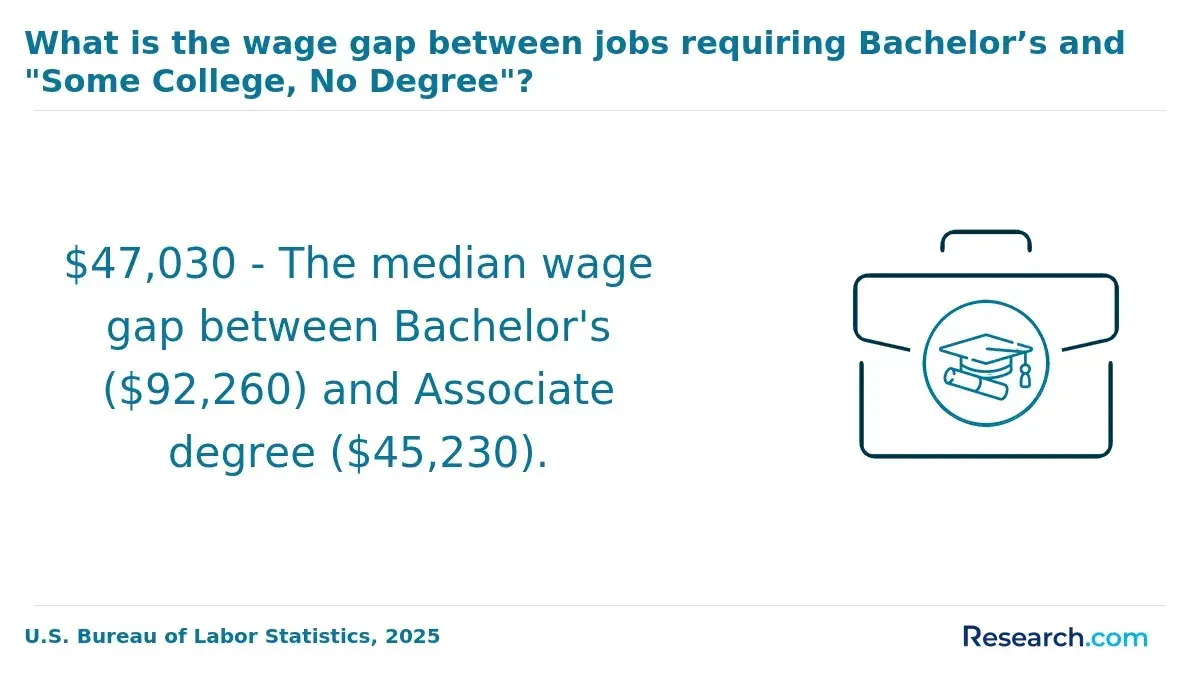
Comparing tuition is vital when choosing a mobile app development degree, because cost differences can greatly affect your education investment. In 2023, the average tuition and fees at public four-year institutions reached $10,940 annually, while the average student debt stands near $37,000, underscoring affordability concerns. Consider these aspects when assessing programs:
- Total Program Cost: Look past tuition by adding mandatory fees and extra expenses such as technology or lab charges. This complete view keeps unexpected costs from affecting your budget.
- Cost Per Credit: Because programs differ in required credits, calculating the cost per credit hour helps standardize comparisons, letting you assess value more accurately.
- Mandatory Fees: Separate fees for labs, software, or materials can vary widely and should be included in total expenses to avoid surprises.
- Financial Aid Options: Availability of scholarships, grants, and work-study programs can significantly reduce your net cost. Investigate what each institution offers to maximize aid.
- Employer Tuition Benefits: For those currently employed, employer-sponsored tuition reimbursement or benefits can lower out-of-pocket payments, making some programs more affordable.
- Long-Term Value: Consider factors such as graduation rates, industry partnerships, and job placement services, which may justify higher upfront costs through better career outcomes.
When I asked a graduate who completed a mobile app development degree about her tuition comparison process, she remembered feeling overwhelmed by the many variables. "I first focused on advertised tuition but quickly realized additional fees and credit differences changed the real cost," she explained.
She spent weeks researching financial aid packages and employer benefits, which in the end made a more expensive program reasonable for her situation. Looking back, she said, "Balancing cost with long-term support and job prospects was key in choosing a program that truly fitted my needs." Her experience highlights that thorough research beyond sticker price is crucial for making an informed decision.
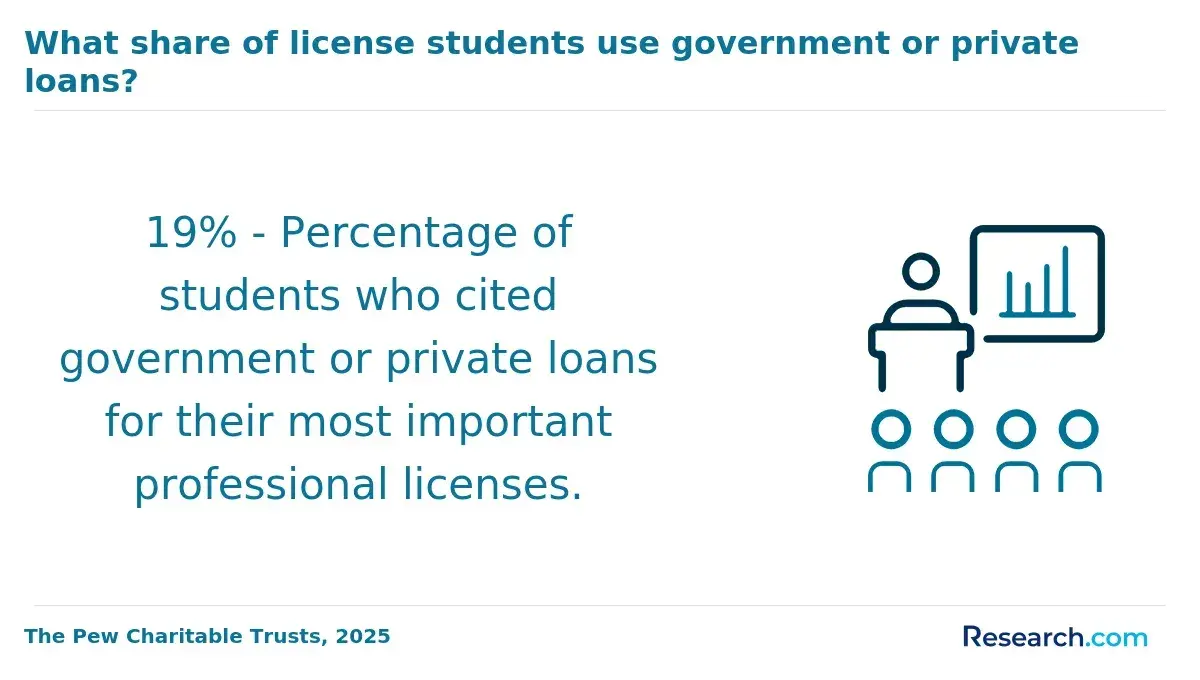
Matching a mobile app development degree with licensure or certification requirements is vital for students entering regulated fields or changing careers, since it can directly affect employability and professional recognition. About 21% of technology jobs require some form of certification, underscoring the need to understand how a degree supports these credentials. Here are key factors to evaluate:
- Curriculum Alignment: Make sure the program covers the skills and knowledge that align with current industry standards and certification criteria to remain relevant and competitive.
- Accreditation Status: Confirm that the institution holds recognized accreditation, which ensures quality education and may be needed for eligibility in certification or advanced training.
- State-Specific Rules: Investigate any local licensure or certification conditions that could affect your qualifications, including exam prerequisites or professional recognition mandates.
- Supervised Experience: Seek programs that offer internships, capstone projects, or guided practical work essential for skill development and meeting licensing requirements.
- Certification Pathways: Determine if the degree prepares you for relevant exams from professional organizations, which can give a competitive edge in job markets.
Career placement rates are a key indicator of how well mobile app development degree programs prepare students for successful employment. As stated in a report from the National Association of Colleges and Employers, programs with strong placement efforts can achieve graduate employment rates exceeding 85% within six months of graduation.
Taking these factors into account can help students find programs that best support their career goals. Here are key areas to examine when evaluating career placement rates:
- Published Employment Data: Students should review a program's published statistics, concentrating on the percentage of graduates employed in related fields or continuing their education. Transparent and current data help measure the program's overall effectiveness in fostering job readiness.
- Employer Partnerships: Strong collaborations between schools and employers often result in internship opportunities that offer practical experience and professional networking. These partnerships can be vital pipelines to employment after graduation.
- Alumni Outcomes: Reviewing the career paths and success stories of alumni provides insight into the types of roles graduates secure and the program's reputation within the industry. Alumni engagement often mirrors a program's long-term impact on career development.
- Support Services: Career counseling, job fairs, and resume workshops are important elements that boost placement success. Students should ask about the availability and effectiveness of these services to ensure comprehensive job search support.
Prospective students seeking top-ranked mobile app development degree programs for employment outcomes should also weigh affordability and scheduling flexibility, which are crucial for balancing education with other commitments. Exploring the most affordable online colleges can offer additional options that align with budgetary needs while maintaining strong career placement prospects.
Post-graduation salary outcomes are an essential comparison metric for prospective students assessing mobile app development degree programs, since they show the practical value and market demand for acquired skills. Entry-level graduates in this field usually earn between $60,000 and $80,000 annually, helping students align their education with career aspirations. Below is a breakdown of key factors that influence salary differences among graduates.
- Role Variation: Salaries vary by specific job titles such as software engineer, UX/UI designer, and product manager within mobile technology sectors, with developers specializing in iOS or Android platforms generally earning higher wages.
- Industry Impact: Graduates working in finance or healthcare technology often receive higher compensation than those in nonprofit or educational sectors, reflecting industry-specific demand and funding.
- Geographic Location: Major tech hubs like San Francisco, Seattle, and New York offer premium salaries to offset higher living costs and intense competition, making location a key determinant in earnings.
- Experience Level: Earnings growth correlates strongly with experience. Mid-level developers with three to five years of experience often see substantial salary increases compared to recent graduates.
Understanding average earnings for mobile app development degree holders helps evaluate the return on investment in different programs. Students interested in accelerated education might explore options such as 1 year graduate programs that can fast-track their entry into the workforce with competitive salary potential.
What Graduates Say About Comparing Mobile App Development Degree Programs Effectively
- Valerie: "Before I enrolled in the Mobile app development degree program, I was conflicted between self-study and a formal education because of cost concerns. The average cost was unexpectedly reasonable compared to other tech degrees, which made my decision simpler. Finishing the program increased my confidence and opened doors to working on high-profile projects, greatly advancing my career."
- Maja: "I had spent years wondering whether investing in a Mobile app development degree was worthwhile, particularly with tight budgets. The program's cost, which was lower than many alternatives, was a major factor that ultimately persuaded me. Looking back, that choice was pivotal; the skills I gained let me move smoothly into a full-time developer role."
- Timothy: "My approach was highly professional from the start, balancing cost and career goals with precision. The Mobile app development degree program delivered excellent value given the average expense, and it gave me practical skills that employers greatly value. Completing the program provided me with both credibility and a competitive edge in the job market."
Other Things You Should Know About Mobile App Development Degrees
In 2027, access to cutting-edge resources and technology is essential. Programs that offer modern tools, software, and labs support practical learning, ensuring students obtain hands-on experience with the latest industry trends. This access improves skill development and better prepares graduates for the changing mobile app landscape.
Internships are vital for gaining hands-on experience in mobile app development. Programs that arrange internships with tech companies let students apply classroom knowledge in real-world settings and build professional portfolios. When comparing programs, evaluate the strength of their industry partnerships and the range of internship placements offered.
Check whether the capstone is required, how many credits it carries, and whether it involves a solo app build, team project, or industry client brief. Strong programs state a deliverable such as a published iOS or Android app and a final presentation or code review.
- Best Mobile Development Bachelor's Degree Programs, Jobs, and Salaries https://careerkarma.com/blog/mobile-development-bachelors-degrees/
- Mobile App Developer Education Requirements in 2025 - Do You Need a Degree? https://www.tealhq.com/education/mobile-app-developer
- Top 5 Cheapest Mobile Development Degrees Online - Computer Science Degree Hub https://www.computersciencedegreehub.com/best/cheapest-online-mobile-development/
- Web and Mobile Application Development | Community College of Philadelphia https://www.ccp.edu/college-catalog/degree-programs/associate-applied-science-aas/web-and-mobile-application
- Mobile Application Development https://www.ucsc-extension.edu/specializations/mobile-application-development
- Which country is best for mobile apps developer? https://rsmobile.net/which-country-is-best-for-mobile-apps-developer/
- Best Mobile Development Bachelor's Programs 2026 https://www.hakia.com/degrees/mobile-development/best-bachelors-programs/
- Mobile software developers:Requirements https://law-nd.vault.com/professions/mobile-software-developers/requirements
- Mobile App Development Bootcamps | ComputerScience.org https://www.computerscience.org/bootcamps/rankings/mobile-app-development/