2027 Industrial Engineering Degree Oversupply or Undersupply? Student Volume vs Employer Demand

Co-Founder and Chief Data Scientist
A prospective industrial engineering student deciding where to invest time and money faces a crucial challenge: does the current graduate output match employer demand, or will oversupply dilute job prospects? In 2024, U. S. institutions graduated over 10,000 industrial engineers, while job listings through major labor databases indicate only moderate growth concentrated in specific regions. This raises concerns about geographic imbalances and credential mismatches, pushing some graduates into underemployment or prolonged job searches.
Employers increasingly seek specialized skills beyond core curricula, further complicating hiring dynamics. This article compares industrial engineering student volume with employer demand, job growth, industry needs, regional conditions, and skill gaps to clarify if the field sustains viable career paths or faces escalating competition.
Key Things to Know About Industrial Engineering Graduate Supply and Employer Demand
- Industrial engineering programs saw a 12% enrollment increase from 2023 to 2024, outpacing entry-level job openings, creating heightened competition that may extend job search durations and influence early career choices.
- Employers report a growing preference for candidates specialized in data analytics and automation within industrial engineering, implying a skill mismatch that calls for curriculum updates aligned with evolving industry needs.
- Geographic concentration of jobs in manufacturing hubs contrasts with dispersed graduate origins, imposing relocation costs that affect accessibility and timing for recent graduates entering the workforce.
- Key Things to Know About Industrial Engineering Graduate Supply and Employer Demand Key Things to Know
- Is There an Oversupply or Undersupply of Industrial Engineering Graduates? Graduate Oversupply or Shortage
- How is Industrial Engineering Degree Enrollment Changing? Degree Enrollment Trends
- How Many Industrial Engineering Graduates Enter the Workforce Each Year? Annual Graduate Workforce Entry
- Does Job Growth Support the Rising Supply of Industrial Engineering Graduates? Job Growth Versus Supply
- How Competitive is the Entry-Level Market for Industrial Engineering Graduates? Entry-Level Market Competition
- Which Industries Have the Greatest Demand for Industrial Engineering Graduates? Top Hiring Industries
- Where are Industrial Engineering Graduates Most in Demand? Top Geographic Demand
- Which Industrial Engineering Specializations and Degree Levels Face the Strongest Demand? Specializations
- Are Employer Skill Gaps Affecting Demand for Industrial Engineering Graduates? Skill Gaps
- What is the Future Supply-and-Demand Outlook for Industrial Engineering Graduates? Future Supply-Demand Outlook
Is There an Oversupply or Undersupply of Industrial Engineering Graduates?
Nationally, the balance between industrial engineering graduate supply and employer demand is nuanced rather than straightforward. While overall enrollment in industrial engineering programs has remained steady or grown slightly, this does not translate uniformly into job availability across all regions or sectors. For instance, manufacturing hubs in the Midwest and Southeast report persistent shortages of qualified graduates, reflecting localized undersupply fueled by ongoing investments in automation and logistics efficiency.
Conversely, areas like the Northeast and West Coast with saturated STEM graduate pools experience heightened competition for industrial engineering roles, pushing some graduates into less directly related positions or extended job searches. This regional and sectoral variation complicates straightforward assessments of industrial engineering graduate volume against labor market absorption. Supply overshadows demand primarily where credential mismatches, such as insufficient experience or specialization, limit competitiveness despite a sufficient number of graduates.
Graduates focusing on specialized skills like data analytics or sustainability tend to face less competition and better alignment with employer preferences, underscoring the importance of targeting evolving skill demands. Decision-making based solely on total graduate numbers risks overlooking these dynamics, making geographic flexibility and industry-specific expertise critical factors for navigating industrial engineering graduate supply and employer demand analysis effectively. Prospective and current degree holders must weigh such labor market intricacies alongside broader credential considerations.
Programs attuned to region-specific employment trends and specialized competencies can mitigate mismatches, enabling graduates to access higher-quality roles with less competition. Those seeking advanced qualifications may find clearer paths to specialized positions and reduced oversupply effects. For access to affordable advanced education options that can support targeted career strategies, exploring cheap doctoral programs can be a practical step in enhancing competitiveness amid varied industrial engineering labor market conditions.
How is Industrial Engineering Degree Enrollment Changing?
Enrollment shifts in industrial engineering programs reflect a nuanced balance between growing graduate output and evolving employer demand. While undergraduate numbers have rebounded following pandemic-related declines, the most notable growth is at the master's level, driven by employer preference for candidates with advanced analytical and specialization skills.
Expanding online and hybrid offerings also contribute to increased access, particularly for working professionals, yet these trends do not uniformly translate into reduced hiring competition; regional disparities and specialization saturation remain critical factors. For example, manufacturing hubs may face intensified graduate competition, whereas emerging tech sectors employing industrial engineers could absorb increased supply more effectively. Relying on national enrollment data alone risks oversimplifying local labor market realities. Projected graduate supply will vary significantly by region, program delivery mode, and credential level, with doctoral enrollments remaining stable or slightly declining, signaling less emphasis on research-focused roles.
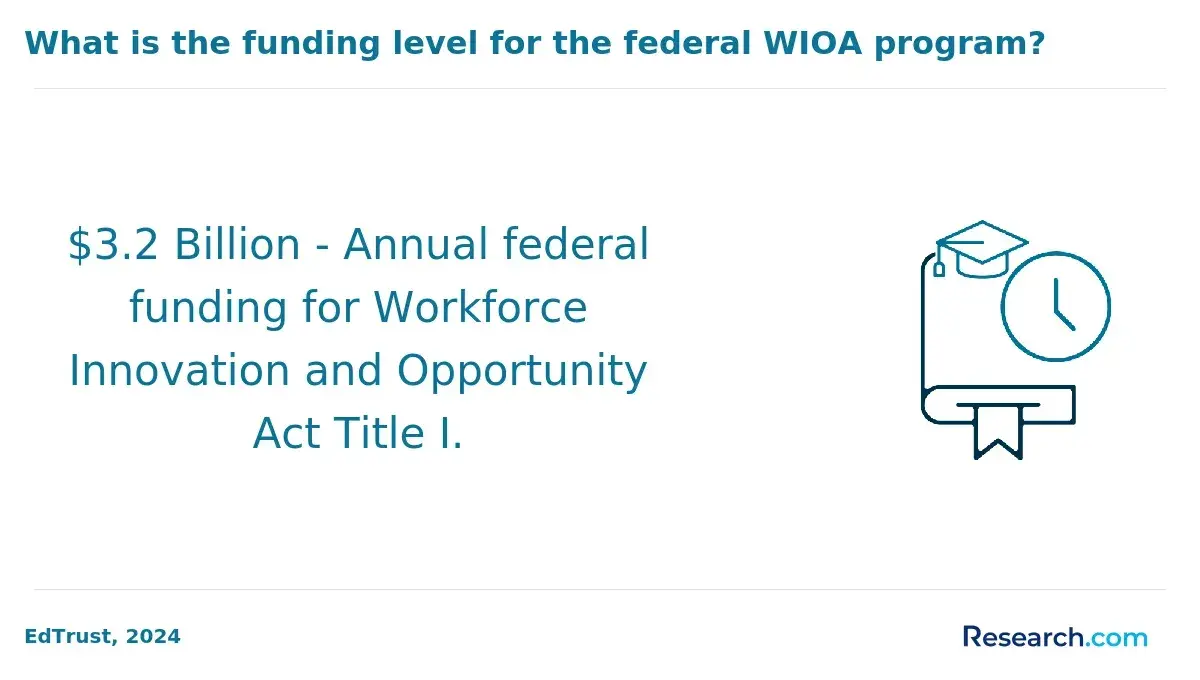
Demographic shifts, including more women and underrepresented minorities entering these programs, broaden the talent pool but have not yet substantially altered volume or employer hiring patterns. According to the National Center for Education Statistics, master's degree enrollment in industrial engineering increased steadily in 2024, underscoring a trend toward advanced qualifications that shape workforce readiness and hiring dynamics.
How Many Industrial Engineering Graduates Enter the Workforce Each Year?
Annual graduate counts alone do not provide a definitive measure of whether the industrial engineering field is oversupplied or undersupplied. Data from sources like the National Center for Education Statistics and IPEDS track roughly 7,000 to 8,000 bachelor's degrees awarded each year in industrial engineering and related fields, yet these figures include graduates who may delay workforce entry, pursue advanced study, or choose roles outside core industrial engineering occupations.
Consequently, while raw graduation numbers suggest a steady flow of new professionals, the actual volume entering directly relevant job markets tends to be about 70-75% of that, highlighting the need to consider employment alignment and timing rather than degree production alone. Employer demand varies regionally and by industry specialization, with manufacturing hubs absorbing more graduates while other areas offer fewer suitable openings, impacting local competition levels.
A mismatch between graduate output and available entry-level jobs creates moderate competition that can be influenced by candidates' supplementary skills, internships, or certifications. This dynamic means that even if supply slightly surpasses demand in volume, the labor market does not experience simple saturation; instead, it rewards adaptability and targeted expertise. Misinterpreting graduate volume as a straightforward indicator of market health risks overlooking these nuanced employment pathways and the evolving expectations employers place on industrial engineering professionals.
Does Job Growth Support the Rising Supply of Industrial Engineering Graduates?
While employment projections for industrial engineers indicate growth slightly above the national average through 2032, this does not fully capture the complexity behind the industrial engineering job growth outlook in the United States. The supply of graduates has increased sharply in recent years, driven by heightened interest in STEM fields and the adaptability of industrial engineering skills across sectors.
However, many job openings reflect replacement demand due to retirements rather than net new roles, meaning that the rise in graduate numbers may exceed the availability of truly new positions, particularly at the entry level where employers often prefer candidates with practical experience or specialized capabilities.
Competition is especially intense in major metropolitan hubs, where many graduates converge simultaneously, amplifying the need for internships, advanced degrees, or cross-disciplinary expertise in areas like data analytics and AI to stand out. Demand varies significantly by sector; growth in logistics, healthcare systems, and technology services contrasts with slower expansion in traditional manufacturing, while local shortages and workforce turnover create pockets of opportunity.
Prospective students should weigh these nuances carefully, as misreading the market can lead to underemployment despite a degree, and consider targeted skill development and geographic flexibility to improve alignment with employer demand trends for industrial engineering graduates. For those exploring complementary educational options, programs such as MSW online highlight the diversity of pathways in evolving labor markets.
How Competitive is the Entry-Level Market for Industrial Engineering Graduates?
The entry-level job market for industrial engineering graduates in 2024 demonstrates a nuanced balance between steady employer demand and substantial graduate supply. Despite the U.S. Bureau of Labor Statistics projecting a modest 6% employment growth over the next decade-slightly below the occupational average-competition remains significant due to high applicant volumes and specific skill requirements.
Demand varies considerably by industry and region, and not all practical skills taught align perfectly with employer expectations. Entry-level openings often favor candidates with concrete internship experience or specialized capabilities in automation, supply chain analytics, or software proficiency. Here are critical factors influencing competition in this labor market:
- Applicant Volume: A large pool of graduates pursues a limited number of relevant positions, heightening competition. Candidates should assess local job density and be prepared for multiple applicants per posting.
- Internship Prerequisites: Many employers require demonstrated experience through internships or co-ops, which filters out purely academic candidates. Early hands-on exposure substantially improves hiring odds.
- Industry Demand Variability: Sectors like supply chain optimization and automation report shortfalls, while traditional manufacturing or quality control roles might be oversupplied, influencing job availability.
- Geographic Concentration: Job openings cluster in urban and industrial hubs, making location flexibility a key factor for timely employment.
- Skill Mismatch: Employers increasingly prefer candidates with cross-disciplinary skills and software knowledge, underscoring the need for continuous skill adaptation.
- Remote and Hybrid Work Competition: Expanding remote work options broaden applicant pools beyond local markets, intensifying competition but offering wider possibilities for job seekers.
- Specialization Impact: Graduates focusing on niche areas like data analytics or automation tend to find more targeted opportunities, reducing oversupply risks compared to generalist candidates.
Which Industries Have the Greatest Demand for Industrial Engineering Graduates?
The industries with highest demand for industrial engineering graduates reflect concentrated employer needs where efficiency, analytics, and systems optimization yield substantial operational gains. Supply chain complexity, technological integration, and evolving sector-specific challenges create uneven job availability and competition.
For example, a graduate evaluating opportunities may find higher job volume in manufacturing but stiffer competition and fewer advancement prospects than in healthcare systems, where demand is growing but requires niche skills like simulation modeling. Prioritizing industry fit alongside specialized credentials is critical for navigating employer expectations and long-term career potential.
Below are sectors generating the strongest employer demand for industrial engineering degree holders:
- Manufacturing: This sector remains a dominant employer due to ongoing needs for process optimization, supply chain management, and robotics integration. Entry-level roles often focus on production and quality control improvements, while senior positions involve digital transformation and AI-driven analytics. Employers emphasize programming skills and experience with automation tools.
- Logistics and Warehousing: Accelerated by e-commerce growth, this sector demands expertise in warehouse layout optimization, distribution routing, and inventory systems. Industrial engineers with operations research skills and familiarity with real-time data analytics find strong openings, particularly in regions with heavy freight activity.
- Healthcare Systems: Healthcare employs industrial engineers to tackle patient flow inefficiencies and resource allocation amid rising system pressures. Simulation modeling and process reengineering competencies are highly valued, offering a growing stream of specialized roles that combine technical and operational knowledge.
- Consulting and Technology Firms: These employers leverage industrial engineering graduates for business process improvement, data analytics integration, and sustainability projects. Cross-disciplinary skills and adaptability to diverse industries, such as aerospace or energy, are key for advancing in these dynamic environments.
- Energy and Aerospace: Though more niche, these sectors appreciate industrial engineers for their problem-solving approaches to complex system design and efficiency improvements. Specialized certifications and familiarity with sector-specific regulatory environments can enhance employability.
The top US industries hiring industrial engineering degree holders illustrate how sector-specific demand is shaped by structural complexity and technological evolution rather than a uniform spread of opportunities. Graduates must carefully assess job volume, competitive landscape, and skill alignment to maximize their chances for meaningful employment and advancement.
With supply growth modest compared to demand in core sectors, aligning educational focus with these realities is imperative. For those considering parallel or supplementary skills, exploring options such as pursuing the cheapest masters in data science can enhance data analytics capabilities, increasingly prized across these industries.
Where are Industrial Engineering Graduates Most in Demand?
National employment figures for industrial engineering graduates often obscure sharp regional disparities influenced by the density and diversity of local industries. For instance, a graduate targeting metropolitan areas such as Detroit or Houston faces distinct realities: while these regions have high concentrations of manufacturing, aerospace, and logistics firms driving demand, they also vary in cost of living and competitive intensity.
A graduate competing in Detroit might find more vacancies but stronger applicant pools fueled by nearby universities, whereas Houston's energy sector focus demands specialized skill sets that not all programs emphasize, affecting employability despite seemingly robust job counts. The balance between job availability and candidate competition shifts substantially depending on a region's economic composition and educational pipeline. States like Michigan and California exhibit strong industrial ecosystems integrating automation and lean production, which elevate employer expectations for practical experience alongside technical training.
However, areas saturated with graduates risk longer entry-level job searches and may necessitate geographic mobility or niche specialization to capitalize on emerging sectors such as healthcare supply chain optimization or advanced data analytics. Remote work options remain limited in many industrial engineering roles, further emphasizing the strategic importance of location and local industry fit.
Employers increasingly prioritize candidates who combine rigorous process improvement knowledge with applied skills in simulation and systems management, raising the bar beyond standard curricula. Graduates must weigh not only the volume of openings but also factors like regional wage levels, urban cost premiums, and long-term career trajectory shaped by industry stability.
Recognizing these subtleties enables prospective and current industrial engineering professionals to assess markets on qualitative opportunity rather than headline employment numbers alone, aligning their education and mobility decisions with employer demand patterns identified in 2024 labor reports from the U.S. Bureau of Labor Statistics and related analytics.
Which Industrial Engineering Specializations and Degree Levels Face the Strongest Demand?
Labor market data reveals that employer demand within industrial engineering is neither uniform nor broadly distributed across all specializations or degree levels. Instead, it concentrates in targeted areas where technical expertise, experience, and credential depth intersect with evolving industry priorities like automation and supply chain resilience.
For example, a bachelor's graduate focused on general industrial engineering may face stiffer competition for entry-level roles than a master's degree holder specialized in systems optimization or human factors engineering. Lightcast 2024 data supports this differentiation, showing lower unemployment and higher salaries for master's degree holders in high-demand niches.
The following specializations and degree-level combinations capture the most robust employer interest contributing to a nuanced supply-demand mismatch.
- Supply Chain Analytics and Resilience (Master's): Corporations emphasize risk mitigation and data-driven logistics to handle global disruptions. Master's degree candidates with quantitative and software skills attract roles in large-scale supply network design and management within manufacturing and retail sectors.
- Human Factors and Ergonomics (Master's): Growing focus on workplace safety and system usability drives demand for specialists in ergonomic assessment and cognitive engineering, frequently requiring advanced credentials for roles in healthcare, transportation, and defense industries.
- Industrial Automation and Robotics (Bachelor's and Master's): As Industry 4.0 expands, companies hire engineers capable of integrating automation technologies and programming robotics, valuing practical experience and relevant certifications alongside formal degrees, especially in manufacturing.
- Quality and Process Improvement (Bachelor's): Quality control remains critical in diverse sectors. Bachelor's graduates with internship experience or certifications in Six Sigma or Lean methodology find entry points, though advancement often calls for graduate education.
- Systems Optimization and Reliability (Master's): Advanced modeling and simulation skills place master's candidates at an advantage for roles focused on minimizing downtime and improving operational efficiency, prevalent in energy, transportation, and aerospace fields.
- Data Analytics Integration (Bachelor's and Master's): Employers value candidates who combine industrial engineering fundamentals with strong data analysis capabilities, supporting cross-functional initiatives and predictive maintenance in various sectors.
Are Employer Skill Gaps Affecting Demand for Industrial Engineering Graduates?
The current labor market for industrial engineering graduates is less about an absolute shortage and more centered on a gap between graduate skills and employer requirements. Employers increasingly evaluate candidates based on applied experience, digital proficiency, and alignment with specific industry tools or certifications rather than degree titles alone.
For example, a manufacturing firm may leave positions open when candidates lack demonstrated expertise in AI-driven process optimization or data analytics, even if graduate volume in industrial engineering remains high. This skill mismatch distorts employer demand signals, creating a scenario where roles appear difficult to fill despite adequate candidate numbers. Regional demand for industrial engineering graduates with specialized skills varies widely, influencing hiring competition and job availability.
Candidates well-versed in interdisciplinary areas such as software development alongside industrial engineering fundamentals often find better placement outcomes. However, those relying solely on traditional curricula may encounter stagnant opportunities, as firms favor technological fluency and practical project experience. For prospective students and degree holders, focusing on targeted internships, certifications, and hands-on projects can improve employability by narrowing the gap between academic preparation and market expectations.
In workforce planning contexts, misreading the distinction between graduate oversupply and skill-specific undersupply risks poor career planning. It is critical to recognize that credentials alone do not guarantee placement, particularly in fields emphasizing credentialed skills or digital tools. For individuals exploring allied fields or considering advanced training, resources like clinical mental health counseling programs offer alternative specialization pathways. These insights help clarify employer skill gaps in the industrial engineering workforce and their impact on labor market dynamics.
What is the Future Supply-and-Demand Outlook for Industrial Engineering Graduates?
Graduates in industrial engineering often find greater success by focusing on targeted job searches rather than broad, high-volume applications. This means identifying precise entry-level job titles that align with their skills and prioritizing industries and regions with documented demand, reflecting current regional hiring trends and job market forecast for industrial engineering. For example, a recent graduate concentrating on supply chain analyst roles within states with robust manufacturing sectors typically sees higher interview conversion rates compared to a peer applying indiscriminately nationwide. Tailoring resumes to mirror employer language and showcasing relevant project experience or certifications enhances perceived job readiness, which employers increasingly seek.
Many industrial engineering programs have expanded graduate output, creating oversupply in certain areas, which underscores the importance of deploying strategic market research and timing in job applications. Allocating effort toward employers whose stated requirements closely match one's qualifications mitigates wasted application effort and improves outcomes. Networking and evidence-backed skill demonstration-not just volume of applications-positively influence employer decisions. Guidance from the Lightcast labor market analysis supports focusing on adaptability and specialized expertise to navigate the nuanced balance between graduate supply and employer demand in industrial engineering.
Prospective students and working professionals should also consider expanding skill sets to adjacent disciplines or certifications proven to boost employability. Evaluating career paths that combine industrial engineering fundamentals with emerging fields like automation or sustainability may offer broader opportunities. For those interested in alternative technical fields, programs such as online cybersecurity degrees for veterans present viable routes. Thoughtful alignment of job search effort with labor market realities improves career outcomes in this evolving environment.
References:
- Industrial engineering major to be phased into mechanical engineering degree | UToledo News https://news.utoledo.edu/index.php/02_24_2009/industrial-engineering-major-to-be-phased-into-mechanical-engineering-degree
- Career Profile: Industrial Engineering https://www.nextengineers.org/en/career-profile/industrial-engineering
- Analysis of the Skills Gap between Engineering Graduates ... https://journalweb.org/ojs/index.php/Al-Kautsar/article/download/858/261/2903
- What Can You Do With an Industrial Engineering Degree? https://willamette.edu/academics/college/industrial-engineering/career-options
- Industrial Engineer | Graduate Employers of Choice https://graduateemployers.co.za/career-insights/career-profiles/industrial/
- Rethinking recruitment for graduate engineering programs https://eab.com/resources/blog/adult-education-blog/rethinking-recruitment-for-graduate-engineering-programs/
Other Things You Should Know About Industrial Engineering
Students should prioritize programs with strong experiential learning components, such as internships and co-op opportunities, because these enhance employability despite an often crowded job market. A degree alone may not distinguish candidates in a competitive landscape; hands-on experience and industry connections frequently prove more decisive. Carefully assessing whether a program maintains updated curricula aligned with current employer needs can mitigate risks linked to oversupply.
The rigorous quantitative and technical demands of industrial engineering can limit time available for soft skill development, which employers increasingly value. Students must actively seek opportunities outside core coursework-such as leadership roles or interdisciplinary projects-to build communication and problem-solving skills. Balancing workload with skill diversification is crucial to avoid producing graduates with strong technical but weak collaborative or strategic capabilities.
Mid-career students should focus on programs that offer applied research or direct industry collaboration rather than purely theoretical specialization. Degrees emphasizing adaptability and cross-functional skills usually yield better long-term employment flexibility. Over-specialization risks narrowing job prospects, especially when market demand fluctuates; hence, prioritizing practical applicability aligned with industry trends is advisable.
Employers favor candidates capable of integrating industrial engineering expertise with data analytics, information technology, or supply chain management. Students ignoring interdisciplinary exposure risk limited job mobility and slower career progression. Choosing programs that embed cross-disciplinary coursework or promote collaborative projects can provide a competitive edge and reduce vulnerability to market shifts affecting narrowly trained graduates.