2027 Industrial Engineering Career Outcomes by Degree Level Report: Pay, Employment, and Advancement Patterns

Co-Founder and Chief Data Scientist
Facing the choice between an associate, bachelor's, or graduate degree in industrial engineering often presents a critical dilemma for adult learners and working professionals. Recent 2024 data reveal that employment rates for bachelor's degree holders in industrial engineering exceed those of associate degree completers by over 20%, signaling significant workforce mobility advantages at the four-year level. Yet, this advantage may come with delayed entry or higher education costs, complicating decisions for those balancing income needs and career growth. Understanding how pay, employment stability, and advancement differ by degree level can clarify these trade-offs. This article thoroughly analyzes those career outcomes to guide informed degree decisions.
Key Things to Know About Industrial Engineering Career Outcomes by Degree Level
- Associate degrees in industrial engineering often lead to technician roles with faster entry but limited managerial advancement, reflecting a tradeoff between immediate employment and long-term career growth potential.
- Employers increasingly prefer bachelor's or higher credentials for process optimization roles, indicating credential level directly influences access to specialized job functions and promotion pathways.
- Master's and doctoral programs offer deeper expertise but require significant time and financial investment, which can delay workforce entry and affect return on educational cost depending on career goals.
- Key Things to Know About Industrial Engineering Career Outcomes by Degree Level Key Things to Know About Industrial Engineering Career Outcomes by Degree Level
- What Career Outcomes Can Students Expect From Each Industrial Engineering Degree Level? Career Outcomes by Degree
- How Much Do Industrial Engineering Graduates Earn by Degree Level? Salary by Degree Level
- Which Industrial Engineering Degree Level Offers the Strongest Employment Prospects? Best Degrees for Employment
- What Entry-Level Jobs Can You Get With a Industrial Engineering Degree? Entry-Level Career Opportunities
- How Do Industrial Engineering Degree Levels Affect Career Advancement and Promotion Opportunities? Career Growth by Degree
- Is a Industrial Engineering Degree Worth It Based on Salary, Employment, and ROI? Salary, ROI, and Value
- How Do Associate, Bachelor's, Master's, and Doctoral Industrial Engineering Degrees Compare? Comparing Degree Levels
- Which Industries and Employers Hire Industrial Engineering Graduates by Degree Level? Which Industries and Employers Hire Industrial Engineering Graduates by Degree Level?
- What Skills, Credentials, and Experience Improve Industrial Engineering Career Outcomes? What Skills, Credentials, and Experience Improve Industrial Engineering Career Outcomes?
- Which Industrial Engineering Degree Level Is Best for Your Career Goals? Choosing the Right Degree
What Career Outcomes Can Students Expect From Each Industrial Engineering Degree Level?
Career outcomes tied to industrial engineering degree levels underscore a critical decision point for students balancing time investment against employment and advancement prospects. While certificate or associate credentials can secure entry into technician roles predominantly within manufacturing or logistics, these positions typically offer limited upward mobility since many employers prioritize bachelor's degrees for engineering-specific responsibilities and leadership track eligibility. For example, a working professional leveraging prior credits via transfer pathways may find a bachelor's degree essential to break beyond operational support roles and access stable positions aligned with process optimization or systems design. This degree level also aligns most consistently with licensure or certification pursuits like Lean Six Sigma, which have tangible impacts on role readiness and compensation potential.
Graduates holding master's degrees in industrial engineering often benefit from increased specialization options, including supply chain optimization or human factors engineering, accessing mid- to upper-level roles scarce to those with lower credentials. The U.S. Bureau of Labor Statistics (2024) notes that approximately 85% of industrial engineering positions require at least a bachelor's degree, highlighting labor market preferences that shape progression opportunities across subfields. Doctoral recipients typically direct their careers toward research or academic roles where expertise in advanced methodologies and long-term strategic innovation are paramount, although this focus may limit immediate pay or employment stability except within niche sectors. Adult learners and military-affiliated students considering such paths must weigh not only employer expectations but also the potential tradeoffs in specialization relevance and geographic labor demand fluctuations within industrial engineering degree career outcomes by level.
Across all credential tiers, practical factors like employer credential preferences, internship or cooperative education experiences, and flexible completion routes critically influence employment trajectories and leadership readiness. For working adults and transfer students, navigating these elements alongside transfer credit use can optimize educational ROI and better match roles in technical or operational leadership. Those exploring alternative certifications may consider pathways such as the cheapest ABA certification online for complementary qualifications pertinent to operational improvement or compliance roles. Decision-making grounded in these nuanced realities rather than surface-level degrees ensures clearer alignment with long-term career and advancement patterns.
How Much Do Industrial Engineering Graduates Earn by Degree Level?
Pay for industrial engineering graduates varies significantly by degree level, but the differences reflect more than just education-they hinge on role responsibilities, required specialization, and labor market conditions. Bachelor's degree holders usually enter the workforce with median salaries between $85,000 and $95,000, fitting roles centered on technical problem-solving in manufacturing or systems analysis. Moving to a master's degree often opens doors to managerial or advanced analytical positions, with wages rising roughly 15-25% to around $110,000 annually, especially in consulting or technology sectors where project leadership is prized. Doctoral graduates, while fewer and concentrated in research or executive tracks, see median earnings above $125,000, though their opportunities can be narrower and sometimes more dependent on grant funding or academic cycles.
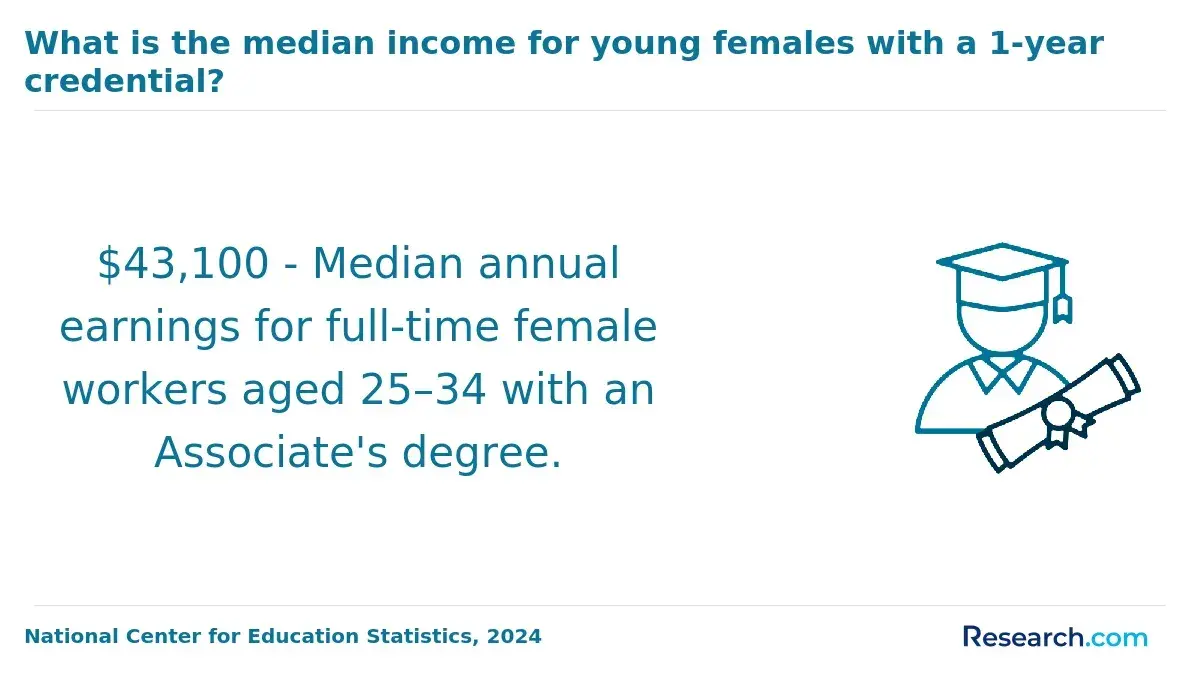
Those holding associate degrees or certificates face tighter employment routes and typically earn $45,000 to $60,000, often in technician or operational support roles, where advancement is limited without further education. Transfer students and working professionals must weigh whether the time and cost to progress from certificates or associate credentials to bachelor's or graduate levels align with their career ambitions, especially considering that higher degrees generally correlate with lower unemployment rates and broader job stability. Geographic factors also influence earnings; regions with strong manufacturing or tech hubs often reward advanced credentials more steeply. Understanding these nuances helps avoid overestimating upfront degree premiums or underestimating the value of timely entry into the workforce.
A graduate reflecting on these patterns recalled initially pursuing only a certificate after workforce layoffs, drawn by its shorter completion time and lower cost. However, after analyzing local job listings and speaking with industry contacts, they realized most roles with career mobility required at least a bachelor's degree. The graduate then enrolled in a transfer-friendly bachelor's program, recognizing that the incremental time and tuition investment could unlock better pay and managerial prospects. While the delay was frustrating, the strategic decision balanced immediate financial pressures against longer-term income growth and job security, underscoring how pay differences by degree level must be contextualized within personal circumstances and local labor market realities.
Which Industrial Engineering Degree Level Offers the Strongest Employment Prospects?
The bachelor's degree remains the primary credential for accessing most industrial engineering roles, as employers typically require this level to meet foundational knowledge and licensing expectations. While associate degrees and certificates may enable quicker workforce entry, these credentials often limit candidates to technician or support roles with restricted upward mobility and lower pay, reflecting employers' preference for candidates with deeper specialization and theoretical grounding. For example, a candidate entering with an associate degree may find steady employment in quality control but will likely face barriers when attempting to move into design or process optimization roles that demand broader analytical skills and formal engineering education.
Advancing to a master's degree can substantially enhance employment prospects, particularly for positions that involve supervision, research, or highly technical specialization such as supply chain analytics or human factors engineering. Data from the U.S. Bureau of Labor Statistics 2024 Occupational Outlook Handbook shows nearly 14% projected job growth for industrial engineers, with master's degree holders often securing starting salaries exceeding $100,000. However, this comes with the tradeoff of additional time and financial investment, which may be more justifiable for those targeting management, consultancy, or emerging subfields rather than entry-level positions.
Doctoral degrees, though less common, open doors to advanced research, academic posts, and senior leadership but serve a narrower labor market, making the extended training and opportunity costs viable mainly for those aiming at these specialized careers. Candidates who plan to integrate continued employment with education must weigh the incremental benefit of higher credentials against practical readiness and industry demand. Ultimately, choosing between entering the workforce sooner with an associate or bachelor's qualification versus pursuing advanced degrees depends on balancing immediate job access with long-term eligibility for leadership, innovation roles, and specialized consultancy in industrial engineering.
What Entry-Level Jobs Can You Get With a Industrial Engineering Degree?
Entry-level industrial engineering jobs require nuanced consideration of degree level, prior experience, and employer expectations. While an associate degree can open doors to technician roles or operational support positions, most employers mandate at least a bachelor's degree for analytical or planning tasks that involve simulation software and lean manufacturing principles. For example, a production planner in a metropolitan manufacturing hub typically demands both technical knowledge and hands-on internship experience, with roughly 70% of employers prioritizing candidates who have demonstrated real-world problem-solving skills through cooperative education or internship programs. These roles serve as critical steppingstones but may offer limited upward mobility without further education or skill development.
A bachelor's degree remains the primary credential for securing stable positions in quality assurance, manufacturing process engineering, or operations analysis, providing a solid foundation for career growth through skill expansion and advanced certifications. Candidates holding master's degrees, or higher, often access early leadership roles or specialized assignments in supply chain strategy and research fields, where complex data analytics or systems optimization are emphasized. Licensure or specialty certifications may improve prospects in niche areas like safety engineering, but such credentials rarely form basic entry requirements. Students weighing their education paths should also consider the limited availability of remote work in this sector and the concentration of opportunities in logistics-heavy metropolitan areas, balancing technical aptitude with transferable skills such as communication and project management for long-term success.
Graduates evaluating industrial engineering career opportunities for graduates should also assess cost-efficient educational routes without sacrificing quality, exploring options like the cheapest online engineering degree programs that align with market demands. According to 2024 U.S. Bureau of Labor Statistics data, about 65% of industrial engineering positions require at minimum a bachelor's degree, underlining the diminishing returns of lower credentials and the value of practical experience in reinforcing academic qualifications within competitive hiring environments.
How Do Industrial Engineering Degree Levels Affect Career Advancement and Promotion Opportunities?
Degree level strongly shapes promotion paths in industrial engineering by influencing eligibility for leadership and specialized roles, but advancing often depends on more than credentials alone. While a bachelor's degree typically leads to entry-level technical positions, graduates frequently face a choice between immediate workforce entry and further education that can accelerate access to supervisory or project management roles. Data from the 2024 Bureau of Labor Statistics and IPEDS indicates that 62% of industrial engineers in management have graduate degrees, reflecting employer expectations for advanced analytical skills and leadership preparation. Additionally, those with master's credentials tend to pursue valued certifications, such as Six Sigma Black Belt, which further enhance promotion opportunities and job stability amid evolving industry demands.
Licensure as a professional engineer remains attainable with a bachelor's and relevant experience, yet graduate degrees better position candidates for specialized certifications and complex roles tied to continuous improvement and organizational strategy. For working adults and transfer students, balancing the delayed income from extended schooling against long-term advancement potential is a critical consideration, particularly as employer-sponsored education and credit transfers become more common. Ultimately, degree level intersects with practical experience, certification acquisition, and leadership readiness to drive internal mobility and promotion timing, underscoring that higher education facilitates but does not guarantee career acceleration in industrial engineering.
One mid-career industrial engineering graduate recalled hesitating before enrolling in a master's program offered through his employer. While he had accumulated significant technical experience and professional credits, he recognized that leadership roles at his company required not only expertise but demonstrable strategic and managerial training. He found that the advanced coursework, coupled with a Six Sigma certification he earned concurrently, made his promotion application more competitive and gave him greater confidence during leadership interviews. Still, he noted the process required careful timing and weighing short-term income loss, a tradeoff he advises others to assess based on their current role and employer culture.
Is a Industrial Engineering Degree Worth It Based on Salary, Employment, and ROI?
Salary trajectories and employment stability for industrial engineering graduates vary significantly with degree level and regional labor market conditions. Bachelor's degree holders often start with competitive salaries, but advancing beyond entry-level roles typically requires a master's degree or higher, especially for positions in systems design or managerial tracks. For working adults or military-affiliated students weighing the opportunity costs of additional schooling, extending education by two years or more can reduce short-term earnings and delay career progression, creating a tradeoff between immediate income and long-term salary potential-a crucial consideration in industrial engineering degree salary comparison.
Employment prospects remain steadily positive, with demand driven by automation and supply chain improvements, yet growth aligns closely with average occupations rather than signaling rapid expansion. Labor market differences mean graduates in established industrial hubs or technology-focused regions generally experience stronger job placement and salary offers compared to other areas. For part-time learners or transfer students, navigating credit policies and balancing ongoing work commitments influences time to degree completion, directly impacting return on investment. Making informed decisions also involves understanding that relevant credentials like Six Sigma certifications can enhance placement and career mobility, which intersect with traditional degree outcomes. Prospective students should also consider options such as the accelerated construction management degree programs when evaluating alternative pathways in engineering-related fields.
How Do Associate, Bachelor's, Master's, and Doctoral Industrial Engineering Degrees Compare?
Associate degrees in industrial engineering typically serve as a practical entry point, offering immediate workforce access with foundational skills relevant to manufacturing or operations support. However, their limited content on system design and analytics often restricts upward mobility in an industry increasingly favoring specialized knowledge and leadership qualifications. In contrast, bachelor's degrees remain the prevalent baseline for most roles that involve process optimization or quality control, with about 85% of industrial engineering jobs requiring this credential, according to the National Center for Education Statistics (2024). This level also facilitates credit transfer pathways and professional licensure eligibility, notably the Professional Engineer (PE) credential, which can significantly impact job stability and leadership opportunities.
For those weighing the decision to advance beyond a bachelor's degree, master's programs offer a clear advantage in technical depth, research proficiency, and strategic management preparation, which correlates with higher leadership placement, as reported by the U.S. Department of Education. Yet, the gains must be balanced against the increased costs and time commitments, as many employers do not mandate graduate degrees for senior roles. Doctoral studies cater mostly to specialists focused on research, academic careers, or advanced systems innovation, with employment often concentrated in academia or R&D rather than typical industrial engineering functions. Completion rates for such programs are low, and the extended duration may deter those seeking quicker returns on their educational investment.
Deciding whether to stop at associate or bachelor's levels, pursue a master's, or commit to doctoral studies hinges on individual career goals, employer expectations, and sector demands. Work experience combined with licensure can sometimes offset the differences in degree level for advancement, especially between associate and bachelor credentials. Meanwhile, master's and doctoral degrees tend to accept prior graduate credits selectively, which is crucial for planning educational progression without unnecessary repetition. Ultimately, aligning the educational path with targeted roles and realistic timelines ensures better outcomes than relying solely on credential accumulation.
Which Industries and Employers Hire Industrial Engineering Graduates by Degree Level?
Hiring behaviors for industrial engineering graduates differ sharply by degree, shaping the industries and roles accessible to candidates. For example, workers with associate degrees often fill technician or support roles in manufacturing and maintenance-heavy sectors like automotive assembly, where practical skills trump advanced analysis but limit upward mobility. Conversely, bachelor's degree holders are typically preferred in manufacturing, logistics, and supply chain companies for entry-level positions focused on operational efficiency and process optimization, reflecting employer expectations for a balance of technical knowledge and applied problem-solving.
Master's graduates tend to enter fields requiring deeper specialized expertise or leadership potential, such as aerospace, healthcare systems, and consulting firms. In these industries, employers seek expertise in system design, data analytics, and project management, with about 35% advancing to leadership or strategic roles within five years compared to 15% of bachelor's holders, according to the National Center for Education Statistics. Doctorate holders, meanwhile, are more common in research-intensive settings like defense or advanced manufacturing, where innovation and independent research capabilities are paramount. Those with certificates or professional credentials may improve their marketability in niche roles such as Six Sigma or supply chain analytics but rarely substitute for the degree-level hire requirements prevalent across most organizations.
Employer screening increasingly prioritizes interdisciplinary skills, practical experience, and higher credentials for managerial track roles, with hiring trends varying regionally-tech hubs favor data-driven master's level expertise, while traditional manufacturing centers emphasize bachelor's-trained engineers. Prospective industrial engineering graduates must weigh these trade-offs between educational investment, time, and access to specialized versus operational roles, using credential level as a strategic lever to position themselves within targeted industries and function expectations.
What Skills, Credentials, and Experience Improve Industrial Engineering Career Outcomes?
Industrial engineering career trajectories are distinctly shaped by strategic integration of technical skills, relevant certifications, and hands-on experience, which collectively determine employment access and advancement potential. For example, candidates who combine foundational competencies in CAD, Lean Six Sigma, and basic programming with documented internship experience better meet employer demands, as internships correlate with approximately a 30% higher callback rate according to NSPE data. This practical exposure not only enhances job readiness but also facilitates smoother transitions from education to workforce, an essential consideration for adult learners and transfer students balancing credits and experience. Industrial engineering certifications and licenses for career advancement, such as the Certified Manufacturing Engineer or Six Sigma Black Belt, serve as trusted signals of expertise and commitment, often tipping hiring and promotion decisions in competitive environments.
At graduate levels, specialization through master's or doctoral degrees frequently aligns with leadership or research roles, though these outcomes depend on selecting programs that emphasize relevant advanced skills like systems optimization and simulation software. Soft skills-project management, communication, and adaptive collaboration-are increasingly demanded, reflecting the evolving job landscape influenced by automation and AI. Licensure, while not universally required, may prove valuable in consulting or government roles, necessitating a thoughtful weighing of long-term career goals. Military experience or apprenticeships can substitute for formal education in some cases but have varying impacts on upward mobility.
Working professionals should thus carefully consider how to strategically stack credentials and pursue leadership experience. For learners interested in expediting their education, a fast track computer science degree pathway can complement industrial engineering skills and expand employment opportunities. Skills and experience that boost industrial engineering employment opportunities ultimately hinge on a tailored alignment of technical mastery with practical evidence of applied problem-solving across degree levels.
Which Industrial Engineering Degree Level Is Best for Your Career Goals?
Choosing the best industrial engineering degree for employment outcomes hinges on understanding how each level aligns with job access and career advancement. A bachelor's degree remains the primary credential for broad entry into manufacturing, logistics, and quality control roles, with about 85% of graduates employed within six months. However, those aiming to shift into specialized areas like supply chain analytics or systems optimization often find pursuing a master's degree necessary to meet employer expectations and stand out in competitive job markets. This level enhances technical expertise and can shorten pathways to leadership, though it demands additional time and financial investment.
Doctoral degrees target a narrower workforce segment focused on research, academia, and consultancy, where advanced credentials offer the highest potential ceiling but extend time to completion and increase education costs. The average debt for doctoral graduates surpasses that of master's degree holders by over 50%, a significant factor for working adults balancing opportunity costs. Many employers also value certifications and relevant field experience alongside degrees, making part-time and accelerated pathways-such as accelerated online MBA programs-important options for professionals who need flexible education without pausing their careers.
For transfer students, military-affiliated learners, or degree completers evaluating industrial engineering degree levels for career advancement, factoring time commitment, credit transfer strategies, and role-specific qualifications is crucial. While bachelor's degrees provide wider employment access, advanced degrees bolster specialization and upward mobility, especially in regulated or leadership positions. Ultimately, degree-level choice shapes not only initial employment but long-term adaptability, making strategic planning essential for sustained workforce relevance.
References
- Industrial Engineers: Salary, career path, job outlook, education and more - RaiseMe https://www.raise.me/careers/architecture-and-engineering/industrial-engineers/
- What is a Industrial Engineer? - Career Insights | Teal https://www.tealhq.com/career-paths/industrial-engineer
- 3 Engineering Career Skills That'll Make A Big Difference In Landing That Contract https://www.planacademy.com/engineering-career-skills-podcast/
- Entry Level Industrial Engineer Jobs (with Salaries) - SEEK https://au.seek.com/entry-level-industrial-engineer-jobs
- Industrial Engineer Career Profile: Required Skills, Training, and Guides | https://www.qwyse.com/hub/careerpath/industrial-engineer/
- Career Possibilities for Industrial Engineering Graduates | East Texas A&M https://www.etamu.edu/career-possibilities-for-industrial-engineering-graduates/
- Industrial Engineering Degrees Help Productivity | All Engineering Schools https://www.allengineeringschools.com/engineering-careers/career/industrial-engineering/
- What Can You Do With an Industrial Engineering Degree? https://willamette.edu/academics/college/industrial-engineering/career-options
Other Things You Should Know About Industrial Engineering
The workload and time investment increase significantly from associate to doctoral levels in industrial engineering, with master's programs often requiring substantial project or research work beyond coursework. Prospective students balancing work or family obligations should consider that higher degrees demand more consistent engagement and may limit flexibility during studies. If immediate workforce entry or part-time study is a priority, a bachelor's or associate degree might offer more manageable timelines without compromising core technical skills.
While doctoral degrees open doors to specialized research and academic roles, the practical value of a PhD in most industrial engineering employment sectors is limited compared to a master's degree. Many employers prioritize applied experience and leadership skills over the intensive theoretical focus of a doctorate. For those aiming at industry leadership or management, a master's combined with work experience often delivers better advancement than pursuing a doctoral program.
Employers increasingly expect bachelor's graduates to bring some internship or hands-on experience to complement their education, while master's candidates are often expected to demonstrate leadership in projects or technical specialization. Doctoral graduates, meanwhile, are evaluated on research depth but may face scrutiny if lacking applicable industry experience. Students should weigh the program's integration of experiential learning carefully, as degree level alone won't ensure employability without relevant practical exposure.
While degree level influences salary and role eligibility, transferable skills such as problem-solving, data analysis, and communication often dictate long-term career success. Students might find that investing time in developing these competencies, through internships, co-ops, or interdisciplinary projects, yields higher returns than solely escalating academic credentials. Prioritizing programs that embed these skills and provide real-world challenges will better prepare graduates for evolution within the industrial engineering field.