2026 Chemistry Degree Completion Time Report: How Long Students Actually Take to Graduate

Co-Founder and Chief Data Scientist
Students pursuing a chemistry degree often face unpredictable timelines shaped by research demands, lab availability, and course sequencing. A 2024 National Student Clearinghouse report highlights increased part-time enrollments and extended time to degree across STEM fields, reflecting competing work or family responsibilities. These factors disrupt continuous enrollment and slow progression, especially in lab-intensive specialties where access to equipment and faculty mentoring is limited. Transfer credits, co-op placements, and varying institutional policies further complicate completion patterns. Understanding these real-world constraints offers a clearer picture of actual graduation timelines beyond standard program lengths. This article examines the duration students truly take to finish a chemistry degree and key influences on their path.
Key Things To Know About Chemistry Degree Completion Time
- Mapping out your exact graduation timeline ensures you can seamlessly plan your entry into vital scientific roles like analytical chemist, forensic scientist, or pharmaceutical researcher. Knowing when you will finish allows you to align your targeted resume submissions with seasonal laboratory hiring cycles and major research grant funding periods.
- Understanding how long it takes to graduate allows you to build an accurate financial plan against the field's strong median annual salary of roughly $84,150. This baseline helps you map out a clear return on investment and calculate exactly when your post-graduation earnings will offset your educational expenses.
- Factoring completion time into your search highlights the efficiency of online chemistry programs, which frequently offer accelerated formats or asynchronous scheduling. This flexible setup allows you to complete foundational lecture requirements significantly faster while balancing your studies with local, real-time laboratory work.
- What Is the Average Graduation Time for Chemistry Students? Average Graduation Timeline
- What Factors Have the Biggest Impact on Graduation Speed? Graduation Timeline Factors
- How Does Full-Time Versus Part-Time Enrollment Affect Graduation Timelines? Full-Time vs. Part-Time Graduation Timeline
- Do Online Chemistry Students Graduate Faster Than Campus-Based Students? Online Chemistry Students vs Campus-Based Students
- How Many Months or Years Can Transfer Credits Save? Transfer Credits
- Do Accelerated Chemistry Programs Significantly Reduce Completion Time? Accelerated Program Timeline
- Does Taking Longer to Graduate Increase the Cost of a Chemistry Degree? Impact on Program Cost
- Does Graduating Faster Improve Career Prospects? Impact on Career Prospects
- Which Scheduling Mistakes Commonly Delay Graduation? Mistakes to Avoid
What Is the Average Graduation Time for Chemistry Students?
Completing a chemistry degree in the United States typically spans four to five years for full-time students entering directly from high school, aligning with the standard timeline for most bachelor's programs. However, the average time to graduate with a chemistry degree in the US can extend beyond this for many, especially part-time learners, transfer students, or those balancing work and academic responsibilities. According to the National Center for Education Statistics (NCES) data updated in 2024, approximately 60% of chemistry majors graduate within six years, reflecting a more inclusive measure of completion that accommodates diverse student trajectories.
Factors contributing to variations in degree completion include curriculum structure, enrollment intensity, and credit transfer policies. Chemistry's sequential coursework, requiring mastery of core subjects like general and organic chemistry-with lab work-often limits flexibility in scheduling, posing challenges for students not following a typical full-time, consecutive pathway. Practical experiences such as internships, co-ops, or research can enhance employability but may extend academic timelines when undertaken beyond standard credit loads. Additionally, program formats vary widely; students in online or hybrid models, or those transferring credits from other institutions, may face credit alignment issues that lengthen their studies unless carefully managed. This complexity underscores why academic advisors and students must anticipate realistic pacing rather than adhering strictly to a four-year benchmark.
The timing of graduation influences both financial and career planning, as extended enrollment carries costs and delays workforce entry. In fields like STEM, employers often expect candidates to combine theoretical knowledge with significant hands-on laboratory experience, encouraging students to balance timely completion with practical skill development. For those considering accelerated pathways, options such as the fastest EdD program online illustrate how tailoring program choice to personal circumstances can optimize timelines without sacrificing depth. Awareness of these dynamics allows prospective chemistry students and education planners to better align degree progress with long-term employment goals.
What Factors Have the Biggest Impact on Graduation Speed?
Graduation speed in chemistry master's programs is shaped by a complex mix of academic planning, program design, and personal circumstances that together define student timelines. No single factor dictates how long completion takes; rather, the interplay between enrollment intensity, course sequencing, credit transfer policies, and external obligations produces varied outcomes. Clarifying how these elements influence progress can help students and advisors make informed decisions about program format and workload distribution.
- Academic Preparation and Prerequisite Fulfillment: Students with strong foundations in high school chemistry and math typically navigate early graduate-level coursework with fewer delays. Those requiring remedial or foundational classes face longer timelines because specific prerequisites must be completed before advancing, impacting chemistry master's degree completion time factors significantly.
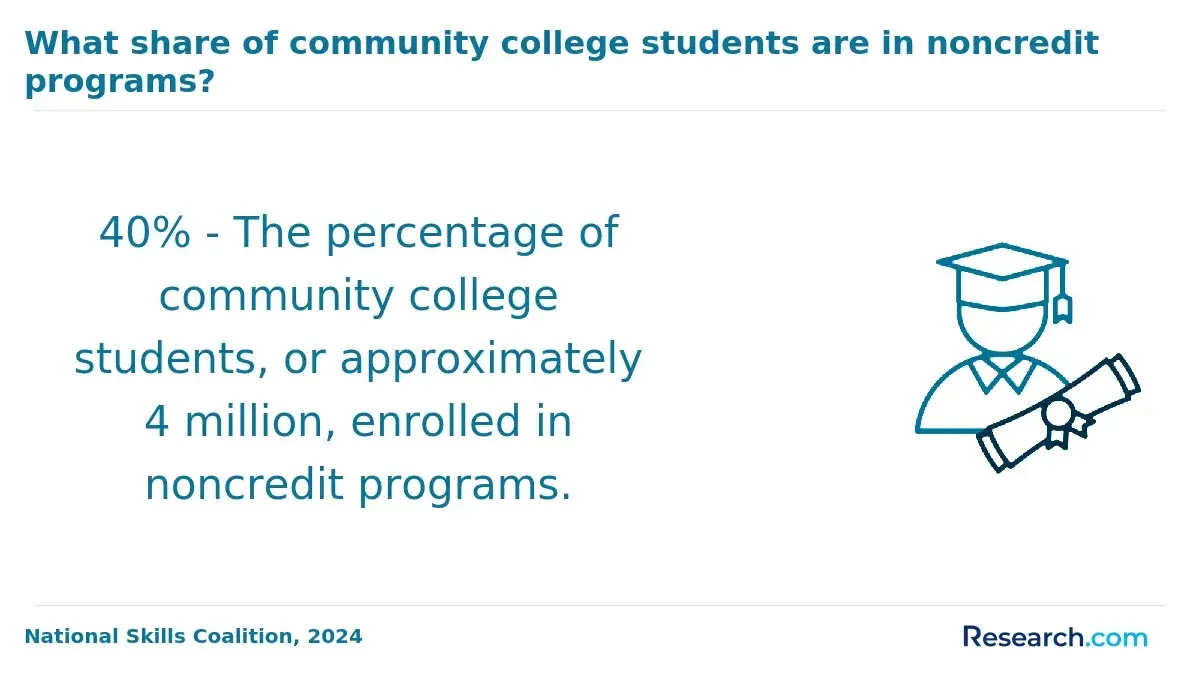
- Impact of Enrollment Status on Graduation Speed: Full-time enrollment accelerates progress by allowing heavier course loads and continuous momentum, whereas part-time students, comprising roughly 40% of chemistry students at some stage according to NCES 2024 data, generally extend completion beyond six years, particularly those balancing employment or family.
- Sequential Course Structure and Scheduling Bottlenecks: Chemistry curricula rely on tightly sequenced lecture and laboratory classes that often must be taken in order. Limited course offerings or high demand for specific classes can create bottlenecks, delaying enrollment and extending degree duration unless academic advising is proactive and adaptive to these constraints.
- Transfer Credit Alignment: The efficiency of credit transfer profoundly affects graduation speed for transfer students. Poorly aligned or unrecognized credits can add one to two years to program completion as students repeat courses or fulfill missing requirements unique to their new institution's degree plan.
- External Work and Financial Commitments: Students employed full-time frequently opt for lighter academic loads to balance work and study, stretching timelines considerably. A survey by the American Chemical Society indicates nearly 35% of employed chemistry undergraduates exceed six years for degree completion, contrasting with 15% among those not working full-time.
- Program Delivery Format and Institutional Policies: Increasingly, hybrid and online formats offer flexible pacing but may introduce challenges in securing timely lab placements or face-to-face interaction critical for certain chemistry competencies. Institutional policies on credit limits, internship requirements, and leave of absence can also variably impact graduation speed.
Understanding these interaction points helps clarify why chemistry master's degree completion time factors vary widely and underlines the importance of strategic enrollment decisions. For a detailed comparison of program formats and flexible scheduling options that work with professional and educational demands, exploring resources tailored to working adults and transfer students-such as those available for a criminal justice degree-can offer practical insights into balancing completion speed with career realities.
How Does Full-Time Versus Part-Time Enrollment Affect Graduation Timelines?
Full-time enrollment in chemistry programs typically enables students to complete their degrees within four to five years, aligning with standard bachelor's degree timelines. This acceleration results from the capacity to take a full credit load each semester, which includes coordinated lab courses and sequential prerequisites that foster steady academic progression. Conversely, part-time students often extend their studies beyond six years, as reduced credit loads per term lengthen the overall timeline and introduce complexities in accessing crucial courses and lab sessions offered intermittently. According to 2024 data from the National Center for Education Statistics, full-time chemistry students graduate about 40-50% faster than their part-time peers, highlighting a significant divergence in academic pacing determined by enrollment status.
The extended duration for part-time learners reflects several intersecting factors beyond credits alone. Course sequencing in chemistry necessitates careful enrollment in prerequisite chains and lab components, which may only be available in specific semesters or formats, constraining flexibility. Many part-time students concurrently manage employment, family responsibilities, or other commitments that limit their ability to enroll in all required courses promptly. Additionally, institutional offerings vary in accommodating non-traditional schedules, with some programs lacking robust evening, weekend, or hybrid options, further complicating consistent progression. These combined academic and real-life constraints slow momentum, making degree completion a more protracted process compared to full-time pathways.
Enrollment decisions also have pragmatic implications for financial planning and workforce entry. While part-time study can ease immediate tuition burdens by spreading costs over a longer period, the delayed graduation postpones entry into chemistry-related careers, potentially increasing opportunity costs. Employers often prefer candidates who finish within typical timeframes, associating timely completion with current knowledge and sustained commitment, although relevant work experience from part-time students can offset some concerns. Ultimately, students must balance the intensity and speed of full-time study against the flexibility and extended timeline of part-time schedules, incorporating personal circumstances and long-term professional objectives into their choices.
Do Online Chemistry Students Graduate Faster Than Campus-Based Students?
The assumption that online chemistry students graduate faster than those attending campus-based programs is common but often inaccurate. Data from the National Center for Education Statistics in 2024 shows that online learners take an average of 4.8 years to complete their degrees, compared to about 4.5 years for traditional students. While the flexibility of online formats allows some students to accelerate coursework, this advantage is frequently offset by part-time enrollment and competing personal responsibilities, leading to similar or even longer completion times. The variation in graduation speed reflects not just mode of delivery but also how individual students manage their workload and academic progression.
The speed at which students finish their chemistry degrees depends heavily on factors beyond simply online versus campus instruction. Campus programs typically offer predefined course sequences and more regular access to faculty and campus resources, which can help maintain steady progress. Online programs provide scheduling flexibility and asynchronous learning that can enable self-paced advancement but often require greater self-discipline and time management. Many online learners balance full-time jobs and family obligations, which slows their pace, while full-time campus students may face more structured but less flexible timelines. Internship prerequisites, course availability, advising access, and enrollment status-full-time or part-time-also critically shape graduation time.
Choosing between online and campus chemistry programs influences how students navigate academic discipline and time management demands, ultimately affecting when they enter the workforce. Campus-based pathways tend to support a more predictable timeline with clearer deadline-driven progress, which may benefit those who thrive under direct oversight. Conversely, online formats cater to students needing flexible scheduling but require proactive pacing strategies to avoid delays. Understanding these dynamics is essential for setting realistic expectations about degree completion and aligning educational choices with individual circumstances and career goals.
A chemistry graduate recalled applying during a rolling admissions period and facing uncertainty about timing that complicated course planning. They hesitated after receiving a tentative acceptance because late notifications limited their preparation window, forcing a last-minute adjustment to housing and work schedules. The delay in finalizing enrollment, combined with the need to secure prerequisite courses, extended their study timeline beyond initial estimates. This experience highlighted how admissions practices and timing can influence graduation speed as much as program format or course load, adding a layer of complexity for students navigating accelerated entry into chemistry programs.
How Many Months or Years Can Transfer Credits Save?
Transfer credits can significantly shorten the time required to complete a chemistry degree, though actual savings vary widely. Depending on the volume and relevance of accepted credits, students may reduce their program length by several months to over a year. Recent data from the National Student Clearinghouse Research Center highlights that transfer credits can cut degree timelines by 20 to 40 percent, which translates roughly to 6 to 18 months saved in many chemistry programs. However, these figures are averages and do not fully capture the complexity of how credit transferability interacts with degree requirements, course sequences, and individual student progress in chemistry curricula.
The amount of time preserved by transfer credits depends heavily on institutional policies and the alignment of previous coursework with the target program. Accreditation compatibility between sending and receiving institutions is fundamental; credits from unaccredited or regionally dissimilar schools often face restrictions. Course equivalency assessments ensure that transferred credits meet core curriculum standards in chemistry and related STEM subjects like organic chemistry, general chemistry, and mathematics. Additionally, residency requirements and caps on transferable credits set by many universities limit the portion of the degree that can be accelerated. These factors create considerable variability, so students with similar transcripts may experience vastly different impacts on their degree completion times across institutions.
Beyond immediate time savings, transfer credits influence broader academic and financial factors. By reducing required course loads, transfer credits can improve a student's momentum and lower tuition expenses, but they also require careful academic planning to fit remaining coursework into prerequisite chains and graduation criteria. Students should weigh these considerations alongside long-term goals, as accelerated pathways may compromise opportunities for research, internships, or newer coursework that employers in chemistry-related fields increasingly value. For prospective students exploring options like a blockchain degree online, understanding these nuances in transfer credit policies is essential for realistic timeline and outcome planning.
Do Accelerated Chemistry Programs Significantly Reduce Completion Time?
Accelerated chemistry programs are structured to shorten traditional degree timelines by condensing coursework and offering continuous or year-round terms that push students through curriculum at a faster pace. These programs often increase credit loads per semester and integrate research or lab components earlier to streamline academic progression. Their design targets reducing the typical four-year undergraduate timeframe by overlapping standard prerequisites and leveraging intensive scheduling, aiming for graduation around three to three and a half years. However, the extent to which these initiatives genuinely reduce completion time varies widely depending on institutional policies and program design.
The actual time saved by accelerated formats hinges on several critical factors, including the intensity of course offerings, prerequisite and co-requisite sequencing, and whether key experiential elements like internships or comprehensive lab projects are compressed or maintained. If these practical components remain fixed in length or sequencing, hurried course schedules may not translate into significant overall time reduction. Furthermore, credit overloads can increase risk of burnout or delay if students cannot sustain the required pace, especially when essential research experiences are a mandatory capstone rather than optional. Institutional flexibility in allowing course substitutions, summer enrollments, or advanced standing credits also influences how effectively students can accelerate.
These pressures also reflect broader trade-offs in accelerated chemistry pathways: while some students benefit from shortened timelines, others face higher intensity workloads that can limit time for deep learning or reduce opportunities for hands-on skill development. The condensed schedules often diminish breaks and reduce flexibility for part-time employment or internships, which can be critical for career readiness. Consequently, the choice to pursue an accelerated track involves balancing time savings against potential impacts on the quality of training and student well-being.
One accelerated chemistry graduate recalled initially hesitating during the rolling admissions process due to uncertainty about program start dates and their preparation level for heavier course loads. "I waited almost a month after applying, anxious about whether I'd be accepted in time to start the summer term," they said. "That waiting period made me second-guess if I was ready, but once admitted, I committed fully, knowing any delay could push back graduation by a whole year. It was a tough strategic choice-acting early was key, even with the pressure." This experience underscores how timing and decision-making around admission can be as pivotal as the program structure itself in achieving accelerated completion.
Does Taking Longer to Graduate Increase the Cost of a Chemistry Degree?
Taking longer to graduate with a chemistry degree almost invariably increases total tuition and associated costs, especially in programs that charge students per term or credit hour. Extended enrollment periods often mean paying additional fees each semester, which accumulate quickly and may reduce eligibility for financial aid packages designed for standard pacing. Changes in enrollment status, such as shifting from full-time to part-time, can also affect per-credit costs and access to institutional scholarships. This dynamic means that delays-whether due to transfer credits, course repeats, or part-time attendance-can escalate the overall price of earning a chemistry credential, a factor critical to understand for managing extended graduation costs.
However, the impact of graduation delays on chemistry degree expenses is not universally straightforward. Some institutions use flat-rate tuition models that allow students to spread coursework across more semesters without proportional cost increases. Employer tuition assistance and programs with flexible pacing policies further complicate the financial equation, sometimes mitigating extra expenses from prolonged enrollment. Enrollment behavior, including course load adjustments and balancing work commitments, indirectly influences cumulative spending by changing how quickly credits accumulate. For students assessing educational options, integrating these cost structure variables alongside practical pacing considerations is key. Prospective and current students should also consider specialized pathways, such as asha approved SLP programs online, which highlight how variations in program design affect degree timelines and related expenses.
Does Graduating Faster Improve Career Prospects?
Graduating faster from a Chemistry degree program can allow students to enter the workforce sooner, potentially shortening the initial job search period and enabling an earlier start to building professional experience. However, employers rarely assess candidates based solely on how quickly they completed their degrees. Instead, the timing of graduation intersects with other hiring factors, making the impact of expedited completion on workforce entry uneven across different roles and industries.
The career benefits of graduating faster with a chemistry degree often depend on the strength of a candidate's practical exposure, such as internships, undergraduate research, and technical skill development. Employers prioritize these hands-on experiences and a well-rounded portfolio over raw speed of completion, as these elements provide clearer evidence of job readiness and industry alignment. Networking and professional connections also heavily influence hiring competitiveness, often outweighing any marginal advantages gained from a shorter academic timeline.
Students should weigh the impact of graduation speed on chemistry jobs in the US against potential trade-offs, such as missing concentrated opportunities for research involvement or skill refinement. Deepening expertise and gaining comprehensive real-world experience typically enhance long-term career trajectories more than accelerated programs. For those balancing academic progression with practical demands, exploring flexible options like online colleges with frequent start dates offers alternative pathways that can optimize both completion time and experiential depth.
Which Scheduling Mistakes Commonly Delay Graduation?
Graduation delays in chemistry degree programs often stem less from academic difficulty and more from avoidable scheduling and planning errors during course selection and enrollment. These challenges affect students regardless of degree level or delivery format and frequently disrupt the steady accumulation of required credits. Recognizing these pitfalls is essential for maintaining consistent academic progress within the structured sequencing typical of chemistry curricula.
- Ignoring Prerequisite Course Order: Chemistry programs rely on strict prerequisite chains, especially for labs and advanced lectures. Missing or misunderstanding course order forces students to postpone registration until the next term, creating cascades of delay difficult to recover from.
- Overloading on Non-Major Credits Early: Excessive elective or general education credits taken early in the program can crowd out harder, credit-heavy core chemistry classes later. This imbalance increases stress and raises the risk of course withdrawal or repetition, further extending time to degree.
- Poor Transfer Credit Evaluation: Transfer students often grapple with incomplete alignment of credits to the chemistry curriculum. Without thorough review, they risk retaking courses unnecessarily or facing gaps that push completion beyond typical timelines.
- Inflexible Part-Time Enrollment and Course Selection: External obligations compel many to enroll part-time or choose inconvenient schedules. Limited lab availability and restricted summer or intensive session options can stall progression, especially when course offerings are rigid.
A 2024 report by the National Student Clearinghouse Research Center reveals about 35% of STEM bachelor's degree students-including chemistry majors-take longer than six years to graduate, highlighting how enrollment strategies and planning missteps have tangible, widespread impacts on degree timelines.
Other Things You Should Know About Chemistry
Participating in undergraduate research often extends the time needed to graduate due to the intensive time commitment and unpredictability of experimental work. While these experiences can delay course completion, they significantly enhance practical skills and employability in science-related fields. Students should weigh the tradeoff between a potential extended timeline and the value of hands-on experience that many employers prioritize.
According to the 2026 Chemistry Degree Completion Time Report, the average time to complete a chemistry degree is approximately four to five years. This timeframe can vary based on factors such as coursework load, research participation, and individual academic plans.
Working students or those with family commitments often extend their graduation timeline to manage workload and personal demands, which is common in chemistry due to lab-intensive courses requiring set schedules. However, stretching out the completion timeframe can improve retention and learning quality, leading to stronger mastery and better long-term career success. It is advisable to plan a realistic pace rather than rushing, as incomplete understanding can hinder job performance in technical roles.
Delaying graduation for internships or co-op placements usually offers superior real-world experience and networking, which outweighs the cost of additional semesters for most chemistry students. Employers often value documented workplace skills in chemistry-related positions more than fast degree completion. Making this choice depends on individual career goals, but in analytical fields like chemistry, adding practical experience typically enhances employability and future earning potential.