2027 Applied Psychology Degree Program Availability Report: Which States and Schools Offer the Most Options

Co-Founder and Chief Data Scientist
The distribution of applied psychology degree programs across states and institutions reflects deeper trends in how the field aligns with regional workforce demands and educational investments. States with diverse industry concentrations often offer a broader spectrum of applied psychology specialties, responding to employer needs in healthcare, human factors, and organizational development. Recent 2024 data from the U. S. Bureau of Labor Statistics highlights sustained growth in behavioral science roles, encouraging institutions to expand curricula geared toward practical outcomes. Examining program availability reveals varying institutional priorities and access barriers, providing insight into how educational structures shape the readiness of graduates for evolving applied psychology roles nationwide.
Key Benefits of States and Schools That Offer the Most Applied Psychology Degree Program Options
- States offering the most applied psychology programs often present diverse specializations, enabling tailored career paths but requiring students to navigate varied curriculum standards, potentially complicating transferability and progression timelines.
- Employers increasingly value graduates from schools with broad applied psychology options as these candidates often demonstrate interdisciplinary skills and adaptability, reflecting workforce demands for versatile psychological expertise in evolving sectors.
- Expanded program availability correlates with increased access but may introduce cost variability and enrollment competition, making early application and strategic financial planning critical for maximizing educational opportunities.
- Key Benefits of States and Schools That Offer the Most Applied Psychology Degree Program Options Key Benefits of States and Schools That Offer the Most Applied Psychology Degree Program Options
- Which States Offer the Most Applied Psychology Degree Programs? Top States
- Why Do Some States Have More Applied Psychology Programs Than Others? Why Do Some States Have More Applied Psychology Programs Than Others?
- Which Colleges Offer the Largest Number of Applied Psychology Degree Options? Top Schools
- How Do Online Programs Improve Access in States With Limited Options? Online Program Access
- How Much Does Applied Psychology Program Tuition Vary by State? How Much Does Applied Psychology Program Tuition Vary by State?
- How Does Applied Psychology Program Demand Affect Admissions Decisions? Program Demand
- How Do Applied Psychology Specialization Options Vary by Region? Specialization Options
- How Does Regional Employer Demand Affect Career Outcomes? Employer Demand
- What Factors Matter Most When Comparing Applied Psychology Programs Across States? Key Comparison Factors
- Which Regions May See the Fastest Growth in Applied Psychology Education? Fastest Growing Region
Which States Offer the Most Applied Psychology Degree Programs?
Applied psychology degree program availability varies widely across the United States, largely reflecting state-level differences in population size, higher education infrastructure, and labor market demand. States with extensive university networks tend to offer a broader spectrum of applied psychology tracks, aligning curricula with regional workforce needs in healthcare, education, and social services. The concentration of programs also often relates to urban demographic complexity and growing industry clusters, which foster specialized training and applied research opportunities. Understanding these structural factors helps clarify why certain states serve as hubs for applied psychology education while others lag behind in diversity and volume.
- California: With a dense population and one of the largest public and private university systems in the country, California provides a wide range of applied psychology programs that emphasize clinical, organizational, and human factors psychology. The state's robust healthcare and tech sectors drive demand for specialized skill sets, encouraging institutions to develop flexible, career-oriented curricula. Students benefit from numerous specialization options and strong connections to regional employers, enhancing practical job prospects.
- New York: Recognized as an educational and cultural hub, New York's applied psychology programs integrate research with real-world applications, focusing on culturally responsive practices suited to its diverse urban populations. The presence of major academic institutions and healthcare networks fosters innovative training geared toward community and clinical settings. This dynamic environment gives students access to experiential learning and pathways closely linked to the state's complex social landscape.
- Texas: Rapid population growth and expanding health, education, and human services sectors in Texas have prompted universities to offer a growing number of flexible applied psychology programs, including online and hybrid formats. These accommodate working professionals while aligning curricula with statewide employment trends. The state's institutional emphasis on workforce-relevant skills supports steady career opportunities in public health and organizational roles.
Midwestern states like Illinois and Ohio provide important regional alternatives with strong ties to medical and corporate entities, although their overall program diversity remains narrower compared to coastal leaders. Many institutions emphasize applied research and data-driven approaches, supporting consistent employment outcomes in healthcare and business environments. Conversely, smaller states with fewer universities often limit student options to general psychology, requiring consideration of relocation or remote study to access more specialized applied psychology degrees.
For students seeking flexible graduate education pathways combined with applied practical skills, programs such as the SLP online masters program illustrate how growing demand for adaptable, career-focused options is shaping educational availability across regions.
Why Do Some States Have More Applied Psychology Programs Than Others?
Variations in applied psychology program availability by state factors reflect the broader structure of higher education infrastructure and regional workforce needs. States with larger, well-funded public university systems and dense populations often provide a wider array of specialized applied psychology degree offerings to meet the demands of diverse local economies. This relationship aligns with labor market realities, where sectors such as healthcare, social services, and business frequently demand professionals with applied psychology expertise. According to National Center for Education Statistics 2024 data, California, New York, and Texas demonstrate this pattern by maintaining the highest concentrations of psychology-related programs, driven by their extensive institutional capacity and economic diversity.
Key drivers shaping these disparities include state funding priorities, university research strength, industry clustering, and employer demand. States that invest more heavily in public higher education and research initiatives foster program growth by attracting qualified faculty and securing federal grants, which supports curricular innovation in applied psychology. Additionally, geographic regions hosting dense healthcare and human services industries generate sustained demand for graduates, incentivizing local institutions to develop applied psychology degrees aligned with workforce needs. Conversely, limited budgets and fewer large employers in less populous or rural states often restrict program variety and depth, resulting in a narrower educational landscape.
Such uneven distribution has significant implications for student access and regional workforce development, often necessitating reliance on expanding online options, including programs similar to a library science degree online, to overcome geographic limitations. These trends underscore that applied psychology program availability is not merely a function of student interest but is deeply embedded in systemic regional economic conditions, institutional capacity, and labor market alignment, which together determine educational opportunity and local employability outcomes.
Which Colleges Offer the Largest Number of Applied Psychology Degree Options?
The availability of applied psychology degree options at colleges is largely shaped by institutional size, research capacity, and academic infrastructure rather than geographic location alone. Larger universities, especially those classified as R1 research institutions, generally offer a broader array of specialized applied psychology pathways and degree levels, supported by extensive faculty expertise and dedicated departments. These institutions leverage their resources to develop focused tracks, interdisciplinary collaborations, and varied delivery formats that align with evolving workforce demands.
- Large Public Research Universities: Institutions such as flagship state universities with R1 status consistently present the widest range of applied psychology programs. Their substantial funding, expansive faculty, and multiple academic departments enable a multiplicity of specialization areas like industrial-organizational, forensic, or health psychology. According to 2024 data from national education surveys, these universities maintain robust doctoral as well as undergraduate offerings driven by research and regional workforce integration.
- Universities with Dedicated Applied Psychology Schools or Departments: Schools that have distinct applied psychology units foster career-aligned program diversity by tailoring curricula to evolving industry needs in healthcare, criminal justice, and business sectors. This focused organizational structure supports specialized tracks and practical skill development, often enhanced through partnerships with employers and community agencies.
- Specialized Technical and STEM-Focused Institutions: Technical colleges and institutes that integrate applied psychology with disciplines like human factors engineering or neuroscience offer diverse interdisciplinary curricula. Their cross-disciplinary emphasis broadens educational pathways beyond traditional psychology programs, linking cognitive and behavioral studies with applied technological solutions.
- State University Systems Offering Online and Hybrid Programs: Many large public university systems have expanded applied psychology options by deploying online or hybrid formats, increasing accessibility and program variety. This strategy allows institutions such as the University of California system to reach a wider student base while incorporating flexible specializations aligned with workforce trends.
- Comprehensive Regional Public Universities: These institutions, often with moderate resources relative to R1s, still provide more applied psychology options than smaller colleges through strategic program development and regional employer collaboration. While not as extensive, their offerings typically include practical tracks relevant to local industry sectors.
How Do Online Programs Improve Access in States With Limited Options?
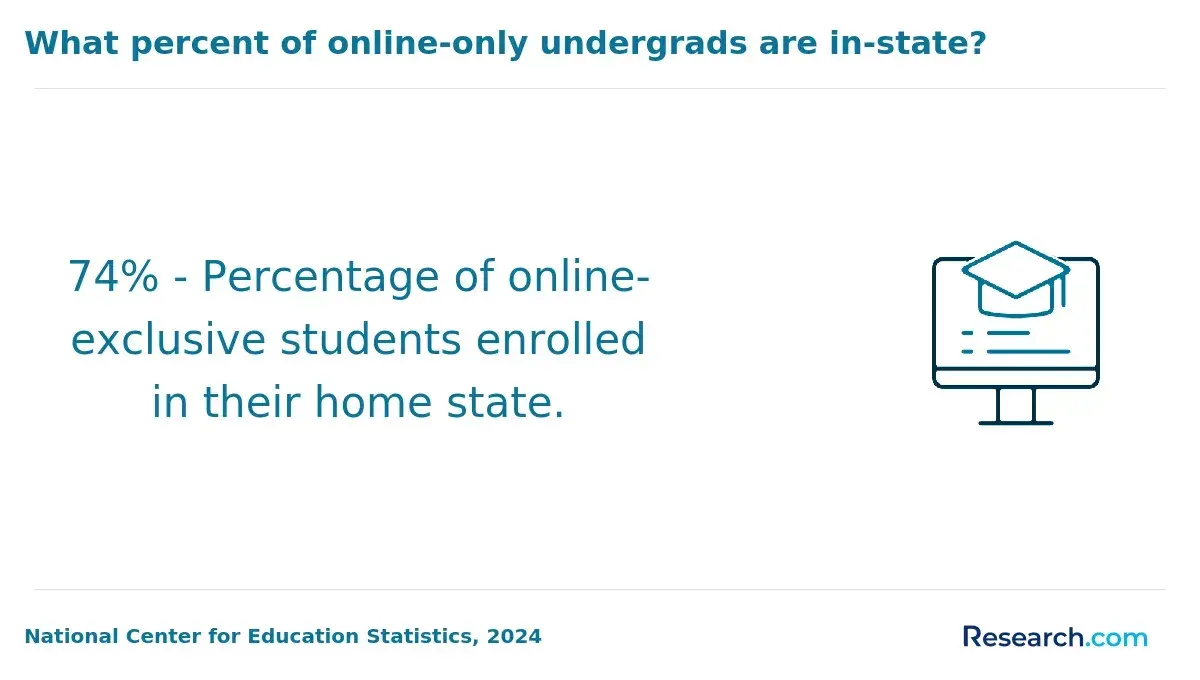
States with limited or no in-person applied psychology degree offerings pose significant access barriers for students seeking relevant credentials. Online applied psychology programs effectively circumvent these regional shortages by extending institutional reach beyond traditional campus locations. This expansion is particularly impactful in rural or underserved states, where the number of local programs remains scarce. According to the National Center for Education Statistics 2024 report, over 40% of psychology students now take online courses, reflecting a notable shift in enrollment patterns that eases geographic constraints on educational access.
The key enablers behind this access improvement include asynchronous course structures allowing flexible pacing and scheduling, which accommodate students juggling work or caregiving responsibilities. Cross-state enrollment policies and advances in digital infrastructure enable students to enroll in accredited applied psychology programs from universities far removed from their physical location, circumventing the need for costly relocation or commuting. This broadens the academic marketplace, enabling institutions to scale their applied psychology offerings nationwide without expanding physical campuses. Consequently, dependence on local university availability diminishes, and students gain access to specialized concentrations otherwise unavailable in their home states.
Beyond individual access, online applied psychology degrees impact regional workforce development by diversifying the geographic origins of trained professionals, potentially addressing provider shortages in underrepresented areas. They reshape student mobility patterns, reducing forced migration for education while intensifying competition among institutions across state lines to attract enrollments. These dynamics contribute to a more equitable distribution of applied psychology educational resources and opportunities, though they also require institutions to maintain robust digital support and ensure program quality to meet the demands of a dispersed student body.
An applied psychology graduate recalled that during the rolling admissions cycle, uncertainty about acceptance timing compounded the challenge of balancing a full-time job and family care. Faced with limited in-state options and unaware of how soon decisions would come, they initially hesitated to apply broadly. However, the availability of widely accessible online programs eased this dilemma by allowing late applications with flexible start dates. This adaptability ultimately enabled them to seek admission from multiple institutions without committing to relocation, reflecting how online formats mitigate procedural and logistical barriers inherent in states with few physical applied psychology programs.
How Much Does Applied Psychology Program Tuition Vary by State?
Tuition for applied psychology degree programs varies widely across U.S. states, driven primarily by differences in public higher education funding, institutional type, and residency-based pricing structures. Public universities typically price tuition based on whether a student is classified as in-state or out-of-state, linking cost directly to state subsidies. Private institutions operate under separate funding models, often setting higher tuition regardless of residency. These structural factors reflect how divergent state policies and economic conditions shape tuition differently, making cost differences more about funding frameworks than arbitrary pricing.
In practical terms, in-state tuition at public universities offering applied psychology ranges roughly from $5,000 annually in states with strong education subsidies such as Wyoming or Florida, up to $20,000 or more in higher-cost states like California and New York, according to reports from NCES and state university systems. Out-of-state students often face two to three times the in-state rate, intensifying cost disparities. Private institutions generally charge between $25,000 and $45,000 yearly, reflecting their reliance on tuition and endowments rather than state support. This variation underscores how cost is intertwined with institutional funding models and regional economics, not simply geographic location, making the "applied psychology program tuition variation by state" a matter of systemic educational finance rather than price alone.
These tuition differences influence not only affordability but also student decisions regarding mobility and program choice. States with lower tuition might offer more competitive admissions but fewer specialized tracks, while higher-cost states often provide extensive program diversity but at a premium. Additionally, understanding these costs alongside employment trends and program alignment with local job markets is critical for evaluating long-term value. Prospective students weighing financial burdens against educational outcomes may also consider broader degree options; for example, exploring a related field such as an online MBA operations management could provide complementary skill sets where applicable.
How Does Applied Psychology Program Demand Affect Admissions Decisions?
Rising demand for applied psychology programs significantly influences admissions selectivity, driving institutions to tighten acceptance criteria as applicant volumes increase. Programs experiencing surges in interest often respond by elevating minimum GPA requirements, intensifying application reviews, and prioritizing candidates with relevant practical experience or specialized skills. These adjustments serve not only to preserve program quality amid pressure but also to align cohorts with evolving labor market needs, creating a more competitive and scrutinized admissions environment compared to lower-demand settings.
This dynamic is rooted in multiple capacity-related constraints such as limited faculty resources, classroom space, and accreditation mandates that dictate cohort sizes and instructional rigor. Enrollment management strategies therefore balance demand with institutional infrastructure while ensuring adherence to workforce expectations, particularly the increasing emphasis on applied competencies valued by employers. The selective process reflects a broader synthesis of supply-demand economics within higher education-programs must calibrate intake to sustain educational quality while responding to heightened market-driven interest in applied psychology careers.
Consequently, applicants face an environment where admissions decisions signal not only institutional capacity but also program reputation and alignment with employer priorities. Those targeting high-demand programs must strategically emphasize relevant experience and readiness to meet practical challenges, increasing preparation pressures and potentially narrowing access. Meanwhile, growing selectivity can intensify uncertainty and prolong decision timelines, affecting how students navigate application choices and weigh offers amidst fluctuating acceptance rates.
One applied psychology graduate recalled navigating a rolling admissions cycle compounded by growing program demand. Despite submitting materials early, they encountered extended wait periods as the school recalibrated admissions thresholds, delaying final decisions. This experience underscored the importance of strategic timing and patience, as shifting demand and selective adjustments meant early application did not guarantee swift outcomes. The graduate ultimately felt that anticipating these dynamics helped manage uncertainty and informed later choices about parallel applications to programs with varying demand pressures.
How Do Applied Psychology Specialization Options Vary by Region?
Specialization options within applied psychology programs are closely aligned with the economic priorities and industrial landscape of each region, shaping the curriculum and practical training available to students. States with large, diverse economies typically provide a wider selection of focused tracks that respond directly to local workforce needs. For instance, densely populated and economically varied states like California, New York, and Texas tend to offer 20% more specialization pathways than less populous states, reflecting their capacity to support a broader scope of applied psychology disciplines. These differences are not just academic but correspond to real labor market strategies, with program offerings adapting to sectors that dominate the regional economy and demand specific psychological expertise.
Key drivers of variation include the prominence of specific industries, the research focus of local universities, and collaborative relationships between academic institutions and employers. Northeast programs often concentrate on clinical and counseling psychology, driven by the large healthcare infrastructure and mental health service networks prevalent there. In the Midwest and South, industrial-organizational psychology and human factors receive greater emphasis, aligned with manufacturing and service sector needs for workforce behavior specialists and ergonomics experts. On the West Coast, neuropsychology and behavioral analysis are prioritized due to the influence of tech companies and research hubs, where cognitive assessment and behavioral modification skills support emerging fields like AI ethics and human-computer interaction. This regional tailoring of specialization reflects a feedback loop between academic programs and employer demand, ensuring graduates are prepared for locally relevant roles.
These geographic distinctions carry practical implications for students weighing program options, as regional specialization variety influences access to certain career paths and impacts graduate employability. Prospective students must consider how state-level differences in program diversity and industry alignment affect long-term outcomes, including job placement and sector growth. According to the 2024 Occupational Outlook Handbook, states offering a greater range of applied psychology specializations also experience higher employment growth in relevant fields, highlighting the value of strategic program selection based on regional labor market intelligence rather than a one-size-fits-all approach to applied psychology education.
How Does Regional Employer Demand Affect Career Outcomes?
Regional employer demand for applied psychology careers strongly shapes the availability of entry-level positions and initial growth opportunities for graduates. Metropolitan areas with dense healthcare networks, human resources firms, and organizational consultancies commonly provide a more competitive job market. Conversely, graduates in states or regions with limited industry presence often face fewer openings and slower progression, despite local program availability. This dynamic means that where a student studies and later seeks employment can significantly impact their early career trajectory within applied psychology fields.
The mechanisms behind these geographic disparities include the concentration of industry clusters that drive specialized hiring ecosystems, often supported by employer partnerships with universities tailoring curricula to local needs. For example, states with expanding healthcare sectors encourage programs emphasizing clinical skills, while regions focused on workforce analytics lean toward organizational psychology. Wage competition reflects these regional variances, as reported by the U.S. Bureau of Labor Statistics, showing median salaries up to 15% higher in states with greater demand for behavioral and social science roles. Understanding these factors reveals how regional employer demand for applied psychology careers influences both compensation and skill development priorities.
Broader implications involve strategic decisions about geographic mobility and the increasing role of remote work, which may soften-but not eliminate-regional disparities. As demand patterns evolve, graduates must weigh the concentration of opportunities against personal and economic constraints. This nuanced alignment shapes long-term career paths and informs educational choices, especially as prospective students compare program availability across states and seek the most affordable online colleges for working adults that fit their regional employment landscape and professional goals.
What Factors Matter Most When Comparing Applied Psychology Programs Across States?
Comparing applied psychology degree program availability by state involves assessing factors beyond mere access. Variations in regional tuition, specialization options, and employer demand substantially influence educational affordability and long-term career trajectories. State-level differences affect not only which programs are available but also the depth of academic focus and practical training students can obtain. Understanding these disparities is critical for aligning academic choices with workforce realities and personal circumstances.
- Program accreditation and licensure success rates: Accreditation ensures curricula meet rigorous professional standards, directly impacting license eligibility and employability. States hosting programs with strong APA or regional accreditation generally produce graduates better prepared to meet licensure requirements, which vary by jurisdiction.
- Availability of meaningful internships and practicum placements: Field experience is essential in applied psychology, and states with dense healthcare and social service sectors offer more substantive internship opportunities. According to U.S. Bureau of Labor Statistics 2024 data, states with higher industry presence facilitate stronger hands-on experience, a key predictor of post-graduate employment.
- Employment rates and industry ties within the state: Graduates benefit from robust employer networks and higher local demand for applied psychology professionals. Economic concentrations in mental health, social services, and related sectors differ regionally, influencing job availability and wage potential immediately after graduation.
- Program flexibility and delivery modes: States vary widely in offering part-time, online, or hybrid formats, crucial for working students or those balancing other commitments. Access to flexible learning can determine whether a program is realistically feasible for different populations.
- Faculty qualifications and research activity: Institutions supported by substantial research funding foster environments that integrate current psychological theories and advanced methods. This research intensity often correlates with specialized or emerging subfield options unavailable in less resourced states.
Evaluating these factors in context helps students and researchers identify states and schools offering the broadest, most effective applied psychology options and aligns educational choices with workforce realities. For students balancing time and financial constraints, exploring specialized programs along with the shortest online MBA programs may offer insights into how program length and format impact career timelines.
Which Regions May See the Fastest Growth in Applied Psychology Education?
Growth in applied psychology education is concentrated in U.S. regions where employer demand, population increases, and higher education investment converge. Program expansion typically follows economic sectors needing applied psychology skills, particularly healthcare, human factors, and organizational development. Institutional capacity to adapt to workforce shortages and regional demographic shifts also shapes where offerings broaden most quickly.
- Southeast: This region leads projected growth due to significant population gains and aging demographics increasing behavioral health needs. States like Florida have expanded university systems to support applied psychology programs aligned with workforce demand in mental health and human services. The convergence of healthcare growth and higher education investment enables a broadening of degree levels and specializations in urban hubs, improving student access and practical training opportunities.
- Southwest: Economic diversification in states such as Texas and Arizona drives interest in applied psychology related to human factors and organizational psychology. These states invest in education infrastructure to meet employer demands across expanding technology and healthcare industries. The growing number of programs often features interdisciplinary curricula responding to regional workforce dynamics.
- Mountain West: While smaller in scale, the Mountain West experiences growth due to economic development in healthcare and technology sectors, coupled with population shifts increasing demand for applied psychology services. Institutional efforts to establish flexible degree options reflect the need for practical, sector-specific training aligned with regional labor markets.
References
- Psychology Grad School Guide & Requirements | Psychology.org https://www.psychology.org/resources/graduate-application-guide/
- Applied Psychology Degree | Psychology Degree Guide https://psychologydegreeguide.org/specialty/applied-psychology/
- Psychology Schools and Program Guide https://www.psychologydegree411.com/schools/
- The Transformative Benefits of Online Learning in Psychology https://www.schoolofpsychologyonline.com/post/the-transformative-benefits-of-online-learning-in-psychology
- 2026 Counseling and Applied Psychology Programs https://psychologyonlinedegrees.org/programs/counseling-and-applied-psychology/
- Understanding the Differences Between Graduate Degrees in Clinical Psychology – IECA https://www.iecaonline.com/journal-article/understanding-the-differences-between-graduate-degrees-in-clinical-psychology/
- Interested in a career in Educational Psychology? https://www.aep.org.uk/interested-career-educational-psychology
- Online Applied Psychology Program | M.A. Applied Psychology https://www.thechicagoschool.edu/programs/psychology/ma-applied-psychology/
- Divisions https://www.iaapsy.org/divisions
- Online programme BSc Applied Psychology Psychology | Top University/Provider in Germany https://academic-institute.com/online-degree/bsc-applied-psychology/
Other Things You Should Know About Applied Psychology
In 2027, states with a high number of applied psychology programs, such as California and New York, often present a wider range of program choices. However, the tradeoff may include varying levels of program quality and selectivity. Students must assess accreditation, faculty qualifications, and student support services to ensure a high-quality education.
States and schools can vary significantly in program structures; some may offer accelerated tracks or part-time options, while others require a more extended full-time commitment with heavier research or practicum requirements. Students balancing work, family, or economic constraints should look for programs that align with their personal circumstances without compromising critical applied learning experiences. Prioritizing institutions with flexible, competency-based pathways can often provide the best balance between rigorous training and manageable workload.
Graduating from a state with a dense cluster of applied psychology programs can be a double-edged sword: local employers may value graduates highly due to tailored curricula and strong institutional reputations, but competition among alumni may be hotter in saturated markets. For careers that require interstate licensure or certification, students should consider whether the program's state aligns with their mobility goals. Selecting programs with broad accreditation and portable credentials is advisable for those targeting flexibility in geographic relocation.