2027 Applied Psychology Degree Completion Time Report: How Long Students Actually Take to Graduate

Co-Founder and Chief Data Scientist
Students pursuing an applied psychology degree often face varied challenges that impact their actual time to graduate. Balancing work commitments, part-time enrollment, and course availability frequently extends timelines beyond standard program lengths. Recent data from the National Center for Education Statistics shows that part-time students in social science fields, including applied psychology, take on average 1.5 to 2 times longer to graduate than their full-time peers, underlining how enrollment status and life obligations shape progression. This reality demands a closer look at how academic, personal, and institutional factors intersect to influence completion rates.
Understanding these influences helps clarify typical graduation patterns. Factors such as transfer credits, internships, and research opportunities also play critical roles in pacing degree progress. Navigating these components affects not only how long the degree takes but also the value and applicability of the credential in the workforce.
This article offers a practical analysis of actual completion times for applied psychology programs. It highlights common influences on student progression and graduation timelines. Prospective and current students, as well as education planners, gain insight into realistic expectations for this field's degree pathways.
Key Things To Know About Applied Psychology Degree Completion Time
- Pinpointing the precise timeline for graduation allows you to map out an exact path to diverse professional tracks, such as market research analysis, industrial-organizational consultancy, community service management, or substance abuse counseling. Knowing this duration helps you sync your entry into the workforce with shifting public health initiatives and corporate recruitment windows.
- Tracking your completion time lets you project exactly when you will unlock the field's strong earning potential, which features a solid median annual salary of $94,310 for broad psychological classifications. Understanding this framework also allows you to calculate the precise opportunity cost of your education against standard academic timelines or immediate roles in human resources and social services.
- Evaluating these program timelines reveals the advantage of online learning, which often accelerates graduation through flexible, asynchronous courses that bypass rigid residential term limits. This approach enables you to maintain your current employment in community advocacy or healthcare while systematically building a practical portfolio before your formal graduation date.
- What Is the Average Graduation Time for Applied Psychology Students? Average Graduation Timeline
- What Factors Have the Biggest Impact on Graduation Speed? Graduation Timeline Factors
- How Does Full-Time Versus Part-Time Enrollment Affect Graduation Timelines? Full-Time vs. Part-Time Graduation Timeline
- Do Online Applied Psychology Students Graduate Faster Than Campus-Based Students? Do Online Applied Psychology Students Graduate Faster Than Campus-Based Students?
- How Many Months or Years Can Transfer Credits Save? How Many Months or Years Can Transfer Credits Save?
- Do Accelerated Applied Psychology Programs Significantly Reduce Completion Time? Accelerated Program Timeline
- Which Applied Psychology Program Requirements Most Often Extend Graduation Timelines? Factors Extending Graduation Timeline
- Does Taking Longer to Graduate Increase the Cost of a Applied Psychology Degree? Impact on Program Cost
- Does Graduating Faster Improve Career Prospects? Impact on Career Prospects
- Which Scheduling Mistakes Commonly Delay Graduation? Mistakes to Avoid
What Is the Average Graduation Time for Applied Psychology Students?
The average time to complete an applied psychology degree generally ranges from four to six years, heavily influenced by enrollment status and program intensity. Full-time students typically finish within four to five years, reflecting consistent credit loads and structured course progression. In contrast, part-time learners often extend their studies to six years or beyond, balancing academics with employment or personal obligations. According to recent data from the National Center for Education Statistics, around 70% of full-time students complete their degrees within five years, underscoring the prevalence of this timeline among traditional enrollees while highlighting variability tied to scheduling flexibility and external commitments.
Variations in the typical graduation timeline for applied psychology students arise from several intertwined factors. Program design affects pacing through required internships, practicum placements, and sequential coursework, which can bottleneck progression if key classes are only offered intermittently. Transfer students frequently require additional time to fulfill degree criteria due to credit evaluation and alignment issues. Furthermore, differences between online and on-campus formats play a role: online learners often distribute courses more evenly to accommodate work demands but may face extended total completion times. Adjustments for leaves of absence, reduced course loads, and financial constraints also contribute to widening the completion window. These elements collectively shape each student's trajectory rather than a uniform timeframe.
Graduation timing in applied psychology holds practical implications beyond academic calendars by influencing financial investment, career entry, and employer perceptions. Extended degree durations can increase tuition costs and delay workforce participation, while employers may interpret prolonged timelines as signs of balancing competing responsibilities or encountering academic challenges. Awareness of these dynamics is crucial for education planners and students aiming to synchronize program expectation with career objectives, ensuring that decisions around enrollment type, credit load, and sequencing are grounded in realistic operational constraints and long-term employability outlooks. Some aspiring professionals seek alternative paths, such as exploring the easiest EdD programs, to align educational timelines more closely with their professional goals.
What Factors Have the Biggest Impact on Graduation Speed?
Graduation speed for applied psychology degrees results from a complex interplay of academic planning, program design, and individual circumstances rather than a single decisive factor. Students' enrollment decisions, combined with how institutions structure their programs and external commitments, influence the pace at which credits accumulate toward graduation. Recognizing how these elements interact is crucial for making informed choices about course loads, enrollment status, and program format, which in turn shape the overall timeline to degree completion.
- Enrollment Status and Course Load: Full-time enrollment accelerates degree completion by enabling a steady accumulation of credits each semester. Data from the National Center for Education Statistics shows that full-time students are up to 40% more likely to graduate within four years than part-time counterparts, highlighting how workload distribution directly impacts graduation timelines in applied psychology programs.
- Program Format and Flexibility: The availability of online or hybrid program formats offers flexible pacing, which appeals to working adults but can have mixed effects on graduation speed. While flexibility allows some students to accelerate progress by taking extra courses, others may extend their studies due to inconsistent engagement or competing responsibilities.
- Transfer Credits and Articulation Policies: Acceptance and application of transfer credits significantly affect time to degree, especially for students transitioning from community colleges or other institutions. When prior coursework aligns well with the new curriculum, students can reduce degree time by up to a year, according to findings from the American Council on Education, but inconsistent transfer policies often introduce delays.
- External Work and Family Commitments: Applied psychology students frequently juggle employment and family obligations, factors that tend to shift enrollment toward part-time status and thereafter extend graduation timelines. Surveys indicate roughly 60% of these students work while enrolled, limiting the capacity to take full course loads and prolonging degree completion.
- Institutional Academic Policies and Curriculum Structure: Degree requirements such as pre-requisites, limited course offerings, and mandatory practicum or capstone projects shape progression speed. Rigid curricular designs with few electives can delay completion by creating bottlenecks, as students must await specific course availability or fulfill complex graduation criteria.
For prospective applied psychology students, understanding these factors clarifies why two individuals in the same program may have vastly different completion timelines. Considering these influences alongside personal commitments can help align choices with realistic graduation goals, especially for transfer students or working adults navigating diverse program formats. Those evaluating cost-effective options should also review the cheapest bachelor degree online alternatives, recognizing the tradeoffs between affordability and how program structures impact acceleration or delay.
How Does Full-Time Versus Part-Time Enrollment Affect Graduation Timelines?
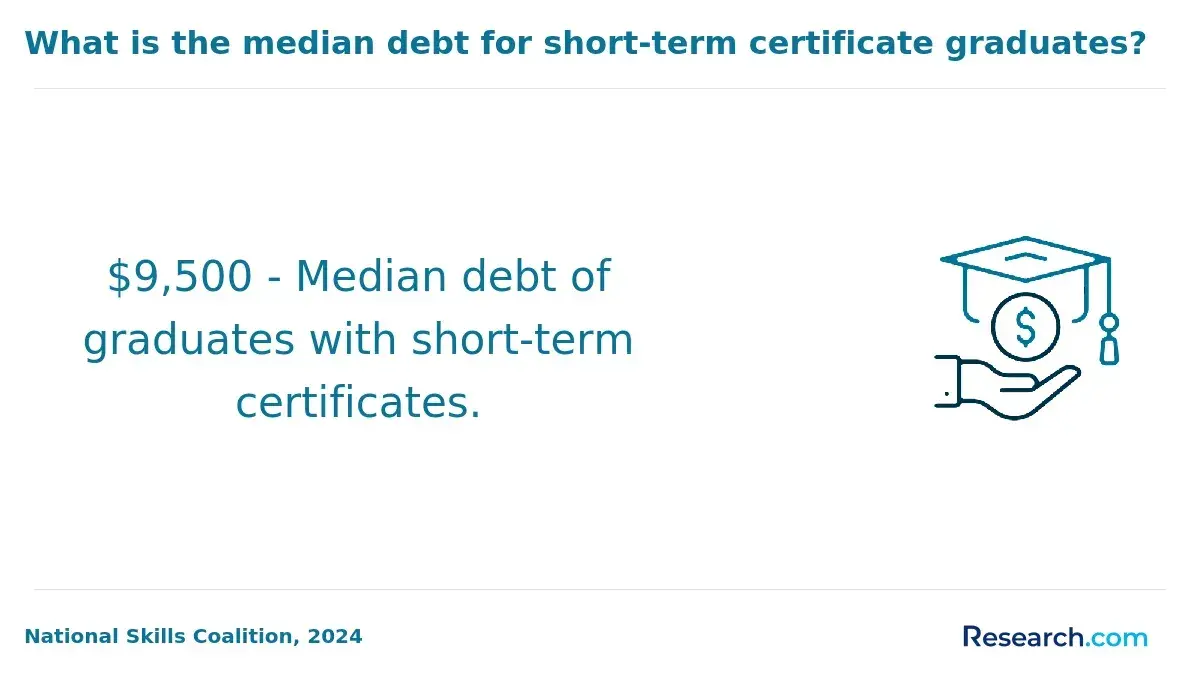
Students enrolled full-time in applied psychology programs typically complete their degrees within four to five years, reflecting a concentrated academic schedule that maximizes course completion each semester. In contrast, part-time students often extend their studies beyond six years due to lighter term loads that accommodate outside commitments but slow academic momentum. Data from the 2024 Postsecondary Education Data System (IPEDS) confirms this pattern, showing longer average time-to-degree for part-time enrollees across public, private, and online institutions. This difference emerges not merely from credit hours but from how program pacing and course availability interact with enrollment status.
Degree progression in applied psychology hinges on factors like credit load per term, course sequencing requirements, and the structure of program delivery. Full-time students benefit from continuous enrollment in prerequisite chains and core classes, reducing delays caused by limited course offerings or scheduling conflicts. Conversely, part-time students must balance external demands-work, family, or financial constraints-with fewer courses each term, making it harder to maintain consistent progress. Transfer students face added complexity, as credit evaluations and integration into sequential curricula often prolong timelines, particularly under part-time enrollment conditions.
Enrollment choices also carry longer-term repercussions beyond graduation speed. While spreading tuition over more semesters can ease immediate financial pressures, it may increase overall costs and defer entry into psychology-related roles that require timely credentialing. Employers in applied psychology fields often expect degree completion within conventional timeframes, impacting eligibility for advancement or specialized positions. Therefore, the interplay of academic intensity, financial planning, and career trajectory underscores the need for students to consider how full-time or part-time enrollment shapes not only how quickly they graduate but also their positioning in a competitive workforce.
Do Online Applied Psychology Students Graduate Faster Than Campus-Based Students?
The assumption that online applied psychology students graduate faster than their campus-based peers is common but oversimplified. According to a 2024 report from the National Center for Education Statistics, around 62% of online social science students, which includes applied psychology, complete their degrees within four years compared to only 47% of on-campus students. However, this data reflects averages that mask a variety of individual experiences influenced by factors beyond just program delivery. Completion speed depends heavily on a student's enrollment status, prior credits, and personal circumstances rather than modality alone.
Key influences on graduation timelines include course design and scheduling flexibility. Online applied psychology programs often allow asynchronous study and year-round course availability, enabling students to progress at their own pace, sometimes taking multiple courses simultaneously. Campus programs may offer a more structured calendar with fixed semesters and potentially more in-person requirements like practicums or internships that can extend time to degree. Additionally, part-time enrollment and balancing work or family obligations are common across both formats, but the flexibility of online learning often helps students accelerate or better manage those challenges.
The choice between online and campus-based programs also shapes how students engage with the discipline and manage their time. Online students must often be more self-directed, which can both speed up completion for motivated learners or pose delays for those needing more external support. In contrast, campus students might benefit from consistent peer and faculty interaction but face less scheduling flexibility, potentially lengthening their academic pathway. Understanding these tradeoffs helps clarify why modality alone doesn't determine graduation speed, but rather the broader educational and personal context in which students operate.
One graduate recalled how the rolling admissions process for an online applied psychology program created uncertainty that affected their start time and eventual pace. They hesitated to apply immediately, weighing transcripts and transfer credits carefully amid part-time work demands. When finally admitted, they pushed to enroll in summer classes to make up time but found balancing asynchronous coursework with job hours required constant adjustment. The candidate's experience highlighted that even with flexible online options, strategic planning and timing remain critical factors influencing how quickly graduation occurs.
How Many Months or Years Can Transfer Credits Save?
Transfer credits can meaningfully reduce the total time needed to complete an applied psychology degree, though the extent varies widely depending on the volume and relevance of prior coursework. Students with substantial, well-aligned transfer credits may shorten their path by six months to over a year, effectively bypassing lower-division general education or introductory psychology classes. Recent national education data from 2024 indicates that students who strategically apply transfer credit often achieve a 20% to 40% reduction in degree completion time, translating to real savings in coursework and associated indirect costs. However, the actual months saved depend heavily on the credit's fit within the applied psychology curriculum and institutional acceptance policies, which influence how quickly students can progress through major-specific upper-division courses.
Key determinants of how many months or years transfer credits save include accreditation compatibility, course equivalency evaluations, and residency requirements imposed by each program. Many colleges cap transferable credits at around 75%, and some restrict which courses count toward core applied psychology competencies versus general electives, a nuance critical to understanding credit impact. Transfer credit impact on applied psychology degree completion time hinges on these institutional rules, especially how tightly degree programs regulate course substitutions and mandate sequencing. Furthermore, diverse policies across schools mean two students with identical transcripts might experience very different acceleration outcomes. Navigating these variables requires careful academic advising to maximize credit applicability and minimize delays.
Beyond timeline compression, transfer credits influence academic planning and financial investment by enabling earlier focus on specialized coursework and reducing tuition costs from required courses. Effective credit transfer can also alter course sequencing, allowing students to balance work or family commitments more efficiently, though personal circumstances may moderate the realized calendar time saved. For students considering a pathway that accelerates their education, understanding these complexities is as important as finding opportunities like an accelerated online finance degree, which similarly rely on structured credit transfer and institutional flexibility to shorten program duration.
Do Accelerated Applied Psychology Programs Significantly Reduce Completion Time?
Accelerated applied psychology programs aim to shorten the traditional timeline of degree completion by condensing coursework and reducing breaks between terms. Typically structured to compress a four-year curriculum into three years or less, these programs increase the pace by offering heavier credit loads per term or continuous enrollment throughout the year. The expectation is that by frontloading courses and eliminating extended breaks, students can graduate earlier without sacrificing essential content. However, this design relies heavily on institutional scheduling and student capacity to sustain an intensified academic workload over a shorter span.
Whether accelerated pathways genuinely reduce overall completion time depends on multiple academic and logistical factors. Key considerations include the sequencing of prerequisite courses, which may not always be available every term, potentially creating unavoidable delays. Additionally, internships, practicum, or capstone projects often remain full-length components that resist compression, limiting the extent of time saved. The balance between course density and the student's ability to maintain academic performance also plays a critical role; an overloaded schedule can lead to course failures or withdrawals, ironically extending time to graduation. Thus, true acceleration hinges on both institutionally flexible curriculum design and student preparedness for consistently heavy workloads.
Trade-offs inherent in accelerated formats frequently involve higher stress levels and reduced flexibility to accommodate work or personal commitments. While accelerated pacing offers the advantage of entering the workforce sooner, it can compromise opportunities for deeper engagement with content or experiential learning. The intensity may diminish the availability of internships or networking chances critical to practical skill development. Consequently, students must evaluate whether the compressed timeline aligns with their learning style, support systems, and professional goals rather than pursuing acceleration purely for speed.
One accelerated program graduate recalled hesitating when applying due to a rolling admissions process that extended over several months. Despite initial urgency to finish quickly, they encountered multiple semesters where key courses weren't offered as expected, forcing a strategic re-evaluation of their plan. Balancing work and studies became more challenging than anticipated, but the graduate ultimately appreciated the extended timeline's unexpected benefit: more time to secure a meaningful practicum placement. This experience underscored that while accelerated applied psychology programs can reduce calendar time, real-world factors often require flexibility and contingency planning to navigate completion effectively.
Which Applied Psychology Program Requirements Most Often Extend Graduation Timelines?
Graduation timelines in applied psychology programs commonly extend not simply due to credit load but because of embedded curriculum elements designed to ensure thorough professional preparation. These mandatory components-while integral to skill development and rigor-introduce pacing constraints shaped by both institutional policies and external workforce expectations. The net effect is a lengthening of degree completion time that varies significantly depending on how programs structure practicum, research, coursework sequencing, and specialization options.
- Completion of Supervised Practicum or Internship Hours: This requirement mandates extensive time in real-world, supervised settings to develop applied competencies. Given the need to coordinate placements, meet hour quotas, and balance this alongside other academic or personal commitments, many students experience extended timelines. The experiential nature and variable availability of quality placements mean practica often dictate a minimum timeframe that can exceed standard semester patterns.
- Research Thesis or Capstone Project Requirements: Research-focused components require students to independently design, implement, and analyze original studies. Access to participants, iterative faculty feedback, and methodological rigor contribute to frequent delays. According to a 2024 workforce report, roughly 45% of applied psychology students report prolonged completion due to obstacles in research approval and data collection stages.
- Sequencing and Prerequisites of Core Courses: Applied psychology curricula typically enforce strict progression paths where foundational course failure or withdrawal forces subsequent delays across dependent classes. Limited course offerings and fixed semester schedules exacerbate these bottlenecks, requiring students to wait for next available sessions, which can postpone program completion by multiple terms.
- Additional Specialized Electives or Certifications: Pursuing niche concentrations like industrial-organizational psychology or behavioral health often entails extra credits beyond baseline degree requirements. This customization lengthens programs as students must fit more classes into their schedules, sometimes leading to extended enrollment beyond the typical timeframe to fulfill certification criteria or gain critical subfield expertise.
These requirements collectively reflect a tradeoff intrinsic to applied psychology education: balancing timely graduation with the development of competencies that employers increasingly demand. While they inevitably slow time to degree, they reinforce key professional qualifications critical in competitive labor markets and diverse career trajectories.
Does Taking Longer to Graduate Increase the Cost of a Applied Psychology Degree?
Taking longer to graduate from an applied psychology degree typically increases total tuition and related expenses, particularly when institutions charge per term or credit hour and students lose access to time-limited financial aid or scholarship programs. Extended enrollment accrues additional fees beyond tuition, such as technology, library, and student activity charges, which cumulatively raise the overall cost. Tuition rate inflation over time can also add to expenses, especially if programs increase prices annually. This dynamic reflects the broader cost implications of extended applied psychology degree completion, as delayed graduation means more semesters to pay for, even if course loads per term vary. Furthermore, faculty or curriculum changes may require retaking prerequisite courses, further extending the timeline and financial burden. As a result, students who need to remain enrolled beyond traditional completion windows generally face rising costs that go beyond simple credit hour calculation.
However, elongated graduation timelines do not invariably produce significantly higher expenses, depending on program pricing structures and enrollment behavior. Some institutions offer flat-rate tuition models or flexible part-time enrollment prices that lessen incremental cost increases, especially when combined with employer tuition assistance or veteran benefits. In these cases, pacing degree progression without overloading credits per term may minimize immediate financial strain even if completion takes longer. Additionally, some applied psychology programs incorporate policies allowing extended timelines without additional penalties, mitigating cost inflation. Students' enrollment choices, such as opting for lighter course loads balanced against longer durations, also shape total expense accrual. Understanding these nuances alongside labor market realities-including increasing demand for applied psychology professionals earning competitive salaries according to recent U.S. Bureau of Labor Statistics and industry data-guides prudent planning. For those exploring streamlined options, resources such as the easiest PhD without dissertation provide insight into alternative academic paths that may influence cost and time considerations.
Does Graduating Faster Improve Career Prospects?
Graduating faster from an applied psychology degree program can offer the advantage of entering the labor market earlier, potentially shortening the initial job search period and lowering opportunity costs. However, employers rarely assess candidates purely on the speed of degree completion. Instead, they focus on the overall readiness of the candidate, which includes relevant experience and demonstrated competencies. A 2024 report by the National Center for Education Statistics shows that the average completion time remains around 4.5 to 5 years, reflecting the typical balance between academic workload and practical experience, especially for those seeking to optimize applied psychology degree completion and career advancement.
The real impact of faster graduation on applied psychology employment opportunities depends heavily on factors such as internship participation, skill mastery, and professional networking. Employers prioritize candidates who have solid, hands-on experience that signals career readiness beyond degree timelines, including certifications and practicum involvement that deepen applied skills. The effectiveness of graduating sooner is therefore contingent on a candidate's ability to maintain or enhance these components without rushing through them. Students who focus on building a robust portfolio that aligns with industry demand are more likely to succeed, regardless of how quickly they complete their degree.
Trade-offs often arise when accelerating degree completion, such as missing critical internship opportunities or reducing exposure to fieldwork, which can compromise learning depth and professional connections. For students planning an applied psychology degree path, balancing speed with experiential quality tends to better support long-term employability and career growth. Those interested in intersecting fields like marketing might explore advanced offerings such as masters in marketing, where timing and skill integration similarly affect career trajectories.
Which Scheduling Mistakes Commonly Delay Graduation?
Delays in graduation for applied psychology students often stem less from academic difficulty and more from avoidable scheduling and planning mistakes made during enrollment. These issues affect students across degree levels and learning formats, disrupting consistent academic progress. Recognizing how course sequencing, credit load, and transfer dynamics interact with institutional policies is critical for maintaining an on-time graduation path.
- Insufficient Credit Load Per Term: Many students enroll part-time or take fewer credits than recommended, often due to work or personal commitments. This practice extends their program duration significantly, reflecting a national trend where nearly 40% of bachelor's degree students take over six years to graduate, according to the National Student Clearinghouse.
- Improper Prerequisite Sequencing: Applied psychology curricula rely heavily on structured prerequisite courses. Missing or delaying foundational classes creates bottlenecks that prevent timely enrollment in advanced courses, often forcing students into off-cycle terms with limited offerings and disrupting cohort progression.
- Transfer Credit Misalignment: Transfer students frequently face delays when credits do not precisely align with program requirements. This misalignment results in retaking similar coursework or adding extra electives, prolonging the degree timeline beyond institutional norms.
- Lack of Early and Regular Academic Advising: Without proactive advising, students may overlook optimal course sequencing or fail to adjust schedules in response to credit evaluations. This absence amplifies scheduling inefficiencies and reduces opportunities for timely degree completion.
These interrelated scheduling mistakes represent operational challenges embedded in applied psychology program designs and enrollment behaviors. Anticipating and addressing them through deliberate planning can reduce unnecessary extension of degree timelines and improve student readiness for entry-level psychology roles valued by employers.
Other Things You Should Know About Applied Psychology
Practicum and internship placements in applied psychology programs often extend completion timelines due to their fixed scheduling, supervision needs, and minimum hourly requirements. Students must balance these experiential components with their coursework, which can slow progress especially if placements are part-time or require travel. Prioritizing programs with flexible practicum options or those integrating internships early may help students maintain steady progress and avoid delaying graduation substantially.
Engaging in faculty-led or independent research projects can significantly lengthen degree duration, particularly for students pursuing honors or thesis tracks. While research experience enhances employability and graduate school readiness, it demands considerable time outside regular classes, which can delay credit accumulation. Students need to weigh the value of research against the extended timeline and consider whether their career goals justify this added commitment.
Yes, working adults typically take longer to complete an applied psychology degree because they often enroll part-time and face competing demands from jobs and family. However, these students gain practical insights that can enrich their learning and resume, which some employers value more than speed of graduation. Planning an extended timeline upfront is advisable to avoid unrealistic expectations that risk burnout or dropout.