2027 What Jobs Can You Get With a Paralegal Bachelor's Degree?

Co-Founder and Chief Data Scientist
A paralegal bachelor's degree can lead to more than one career path. Some graduates move directly into law firms, while others use the degree to enter corporate compliance, government, healthcare, real estate, finance, or remote legal operations. The right job depends on the type of legal work you want to do, how much client contact you prefer, whether you want to specialize, and how quickly you want to advance.
The market is competitive, but the degree remains practical because employers need professionals who can research, organize evidence, prepare documents, track deadlines, and support attorneys or compliance teams. Employment for paralegals is projected to grow by 10% over the next decade, outpacing average US job growth, but job titles vary widely and not every role uses the word “paralegal.”
This guide explains the jobs you can pursue with a paralegal bachelor's degree, where graduates are commonly hired, which roles may be remote, when certification or graduate education may help, and how to think about long-term career growth.
Key Benefits of the Jobs You Can Get With a Paralegal Bachelor's Degree
- The degree offers career versatility with opportunities in law firms, corporate compliance, government agencies, and healthcare, expanding employment options beyond traditional legal settings.
- Graduates can access competitive salaries, with median annual wages around $54,000, and clear pathways to advancement through specialization or certification.
- Long-term growth is supported by the degree's alignment with industry standards, facilitating credit transfer and graduate school eligibility across regionally and nationally accredited programs.
What Entry-Level Jobs Can I Get With a Paralegal Bachelor's Degree?
With a paralegal bachelor's degree, you can qualify for entry-level legal support roles in law firms, corporate legal departments, courts, real estate offices, and government agencies. Approximately 65% of graduates secure relevant positions within six months, but outcomes depend on location, internships, writing skills, software experience, and the hiring needs of local employers.
At the entry level, employers usually look for accuracy, confidentiality, strong writing, deadline management, and the ability to follow legal procedures. A bachelor's degree can be especially useful when employers want candidates who already understand legal terminology, research methods, civil procedure, contracts, and professional ethics.
- Legal Assistant: Legal assistants support attorneys by maintaining case files, scheduling meetings and court dates, preparing correspondence, organizing records, and handling routine client communications. This role is often a practical first step because it builds familiarity with law office operations and attorney expectations.
- Litigation Paralegal: Litigation paralegals help prepare cases for hearings, discovery, settlement negotiations, and trial. Typical tasks include organizing exhibits, drafting pleadings or discovery materials under attorney supervision, tracking deadlines, summarizing records, and coordinating with witnesses or clients.
- Corporate Paralegal: Corporate paralegals work with contracts, business filings, compliance records, board materials, entity management, and corporate governance documents. This path fits graduates who prefer transactional work, internal legal operations, and business-related legal issues over courtroom-focused work.
- Real Estate Paralegal: Real estate paralegals help with property transactions, title searches, closing documents, leases, escrow materials, and due diligence. Coursework in property law, contracts, and legal documentation can make graduates better prepared for the accuracy required in real estate matters.
- Family Law Paralegal: Family law paralegals assist with divorce, custody, adoption, support, and protective order matters. The work requires careful document preparation, strong organization, and sensitive communication because clients are often dealing with stressful personal issues.
When comparing first jobs, look beyond the title. A smaller firm may offer broader hands-on exposure, while a large firm or corporate legal department may provide clearer training systems and specialized tasks. Graduates who want to continue studying after gaining experience may also compare options such as a one year masters degree, especially if they plan to move into policy, compliance, management, or another advanced field.
What Industries Hire Paralegal Bachelor's Degree Graduates?
Paralegal bachelor's degree graduates are hired in any industry that handles contracts, litigation, regulation, records, risk, or compliance. Law firms remain the most obvious employers, but many graduates find strong opportunities in business, healthcare, finance, insurance, government, and nonprofit settings.
The best industry for you depends on the kind of legal work you want to do. Litigation-heavy environments are faster paced and deadline driven. Corporate and compliance roles may involve more contracts, policies, audits, and internal documentation. Government jobs may offer public service experience and structured procedures.
- Legal Services: Law firms, public defender offices, legal aid organizations, and government law offices hire paralegal graduates to conduct legal research, organize files, prepare documents, communicate with clients, and support attorneys. This is often the clearest route for graduates who want traditional paralegal work.
- Financial Services: Banks, insurance companies, investment firms, and lending organizations use paralegal skills for contract review, regulatory compliance, fraud investigations, records management, and risk documentation. Detail-oriented graduates who are comfortable with rules and documentation may fit well in this sector.
- Healthcare: Hospitals, healthcare systems, medical groups, insurers, and related organizations need support with healthcare regulations, patient record compliance, privacy issues, claims, contracts, and medical malpractice matters. This field requires discretion and comfort working with sensitive information.
- Corporate Sector: Companies hire paralegal graduates to support in-house counsel with contracts, intellectual property, labor and employment matters, internal investigations, vendor agreements, governance, and compliance systems. These roles often connect legal work with business operations.
- Government and Public Administration: Federal, state, and local agencies hire paralegal graduates for regulatory enforcement, public records, administrative hearings, policy support, investigations, legal research, and case preparation. Candidates who understand procedures and can document decisions clearly may have an advantage.
Some graduates eventually move into adjacent information, records, or research-focused fields. For example, those who enjoy legal research and information management may compare legal career paths with options such as a master library science online. The key is to identify which parts of paralegal work you want to use every day: writing, research, compliance, litigation, transactions, client service, or operations.
Can You Get Jobs Outside Your Major With a Paralegal Bachelor's Degree?
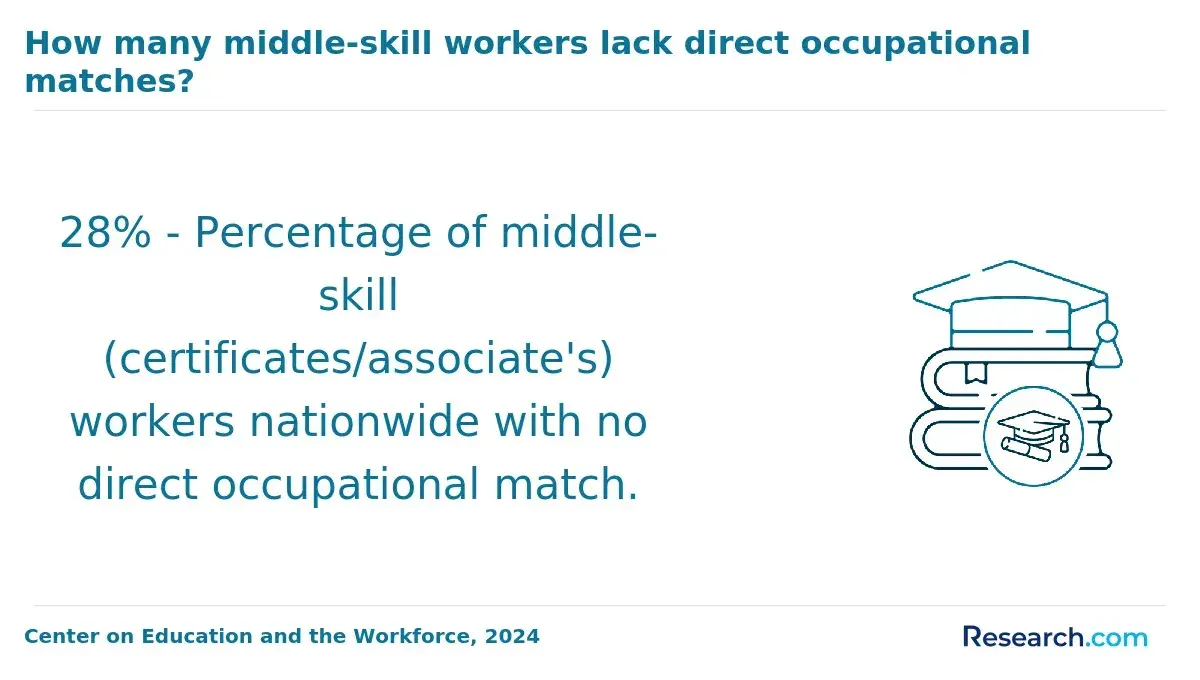
Yes. A paralegal bachelor's degree can support jobs outside traditional legal roles because it develops skills that many employers need: research, writing, document control, critical thinking, confidentiality, process management, and deadline tracking. Research shows that roughly 30% to 40% of college graduates end up working in areas unrelated to their major, so using the degree in a broader career path is common.
The strongest non-legal options usually involve work where accuracy, evidence, policies, contracts, or records matter. Graduates may be competitive for roles in compliance support, human resources, claims, investigations, risk management, project coordination, procurement, policy research, administrative management, and records operations.
- Transferable Skills: Paralegal programs train students to find reliable information, interpret documents, write clearly, organize large files, and communicate professionally. These skills transfer well to business operations, public administration, insurance, human resources, compliance, and nonprofit work.
- Employer Hiring Trends: Employers often value candidates who can analyze information, work carefully, maintain confidentiality, and manage competing deadlines. A legal background can signal discipline and attention to detail even when the job is not in a law office.
- Experience and Additional Training: Internships, volunteer work, short courses, software training, and industry certificates can help graduates reposition their degree. For example, a graduate moving toward human resources may add HR coursework, while someone interested in compliance may study privacy, financial regulation, or healthcare rules.
A common mistake is applying to non-legal jobs with a resume that only describes coursework. Instead, translate legal tasks into employer language. “Prepared discovery indexes” can become “organized high-volume records under strict deadlines.” “Conducted legal research” can become “researched policy requirements and summarized findings for decision-makers.”
What Remote Jobs Can I Get With a Paralegal Bachelor's Degree?
Remote legal work is possible with a paralegal bachelor's degree, especially in roles that focus on drafting, research, document review, contracts, compliance, and digital case management. A Gallup survey shows that 58% of U.S. workers can engage in remote tasks at least part of the time, and many legal employers now use cloud-based document systems, e-discovery platforms, and virtual collaboration tools.
Remote paralegal jobs are usually best for candidates who can work independently, protect confidential information, communicate clearly in writing, and manage deadlines without daily in-person supervision. Some roles may be fully remote, while others are hybrid because court appearances, notarization, client meetings, or physical records may require office time.
- Remote Legal Assistant: Remote legal assistants manage digital files, schedule meetings, prepare correspondence, draft routine documents, track deadlines, and support attorneys through email, phone, video meetings, and case management systems.
- Contract Coordinator: Contract coordinators review, organize, route, and monitor agreements. A paralegal background is useful because the work requires careful reading, version control, deadline tracking, and familiarity with contract language.
- Compliance Analyst: Compliance analysts help organizations follow laws, regulations, and internal policies. Paralegal training supports this work by building research ability, documentation habits, and an understanding of how rules affect business practices.
- Virtual Litigation Support Specialist: Litigation support specialists manage digital evidence, prepare exhibits, organize discovery, maintain databases, and help attorneys prepare for remote proceedings. Comfort with technology is especially important in this role.
To be competitive for remote roles, strengthen your skills with legal software, e-filing systems, PDF management, spreadsheet tracking, secure file sharing, video conferencing, and written status updates. Employers may also ask about your home office setup, availability across time zones, and ability to maintain confidentiality outside a traditional office.
One graduate described the move into a remote legal assistant role as both challenging and empowering. She initially felt overwhelmed by coordinating with attorneys and managing digital files without face-to-face interaction, but her paralegal education helped her build confidence in communication and time management.
Her main advice was to master cloud-based collaboration tools early and to create reliable systems for tracking deadlines, questions, document versions, and attorney feedback.
Can I Switch Careers With a Paralegal Bachelor's Degree?
Yes. A paralegal bachelor's degree can be a strong platform for switching careers because it combines legal knowledge with practical workplace skills. A 2022 report from the National Career Development Association found that nearly 40% of degree holders shift careers within five years, reflecting how common career movement has become.
Career switching is most realistic when you connect your paralegal background to a specific target field. For example, legal research and writing may support policy work. Contract experience may support procurement or vendor management. Litigation support may support investigations, insurance claims, or risk roles. Compliance coursework may support regulated industries such as healthcare, finance, or government.
A paralegal degree develops communication, critical problem-solving, adaptability, analytical thinking, and careful documentation. These skills are valuable across industries, but they are usually not enough by themselves for a major career pivot. Employers still want evidence that you understand their field.
To make a switch easier, build targeted experience through internships, volunteer work, freelance projects, industry certificates, informational interviews, or entry-level roles in the new area. On-the-job training can then help you combine your legal foundation with the practical expectations of the new field.
Some career changers also use graduate education to reposition themselves. For instance, someone interested in construction, contracts, compliance, and project operations might compare legal-adjacent roles with an online construction management masters. The better question is not simply whether you can switch careers, but which additional experience or credential will make the switch credible to employers.
What Are the Highest-Paying Jobs With a Paralegal Bachelor's Degree?
The highest-paying jobs for paralegal bachelor's degree graduates are usually specialized, senior, corporate, compliance-focused, or management-oriented roles. Salary potential depends on industry, location, experience, employer size, billable or operational responsibilities, and the complexity of the legal work. A bachelor's degree may help graduates compete for roles with more responsibility than some entry-level positions, but experience and specialization often drive pay growth.
Graduates aiming for higher compensation should look for roles tied to risk, regulation, litigation volume, corporate transactions, intellectual property, healthcare law, financial services, or legal operations. These areas often require strong judgment, advanced document management, and the ability to support decisions that affect business or case outcomes.
- Senior Paralegal: Senior paralegals manage complex matters, coordinate deadlines, review the work of junior staff, and often specialize in litigation, corporate law, intellectual property, or regulatory work. This role typically requires several years of experience and a record of reliability.
- Legal Analyst: Legal analysts review case information, contracts, legal data, regulations, or compliance materials to help attorneys or business leaders assess risk and make decisions. Strong research, writing, and analytical skills are central to this path.
- Compliance Specialist: Compliance specialists help organizations follow laws, regulations, policies, and reporting requirements. They may conduct audits, update procedures, monitor regulatory changes, and prepare reports. A paralegal background can be valuable because compliance work depends on careful interpretation and documentation.
- Corporate Paralegal: Corporate paralegals support contracts, transactions, governance, filings, entity management, and internal legal processes. Earnings can rise with experience, employer size, specialization, and responsibility for high-volume or high-risk work.
- Legal Project Manager: Legal project managers coordinate timelines, budgets, resources, vendors, documents, and workflows for legal matters. This role blends legal knowledge with operations and project management skills, making it a strong option for paralegals who are organized and comfortable leading processes.
To move toward higher-paying work, choose a specialty, document measurable achievements, learn relevant technology, and seek assignments that show judgment rather than only task completion. Employers pay more for paralegals who reduce attorney workload, prevent errors, manage complexity, and improve legal operations.
What Career Growth Opportunities Are Available With a Paralegal Bachelor's Degree?
A paralegal bachelor's degree can support long-term growth in legal support, compliance, corporate legal operations, government work, and specialized practice areas. The most common advancement path is from entry-level assistant or paralegal roles into senior paralegal, lead paralegal, specialist, supervisor, analyst, or legal operations positions.
Career growth usually comes from three sources: deeper subject-matter knowledge, stronger technology skills, and increased responsibility. A graduate who specializes in intellectual property, healthcare law, corporate compliance, real estate, litigation, or e-discovery may become more valuable than someone who remains a generalist without a clear focus.
- Specialization: Building expertise in a practice area can lead to more complex assignments and stronger job security. Specialized paralegals may handle advanced research, filings, discovery, contracts, or regulatory documentation.
- Leadership: Experienced paralegals may supervise junior staff, train new hires, manage calendars and workflows, or coordinate major matters. Leadership requires sound judgment, communication, and the ability to prevent mistakes before they happen.
- Legal Operations: Some paralegals move into roles focused on improving legal department systems, vendor management, matter tracking, technology adoption, and process efficiency.
- Cross-Functional Work: Paralegal graduates may collaborate with finance, HR, compliance, risk, procurement, or business teams, especially in corporate settings. These experiences can broaden career options beyond a traditional law office track.
When asked about his career growth, one professional with a paralegal bachelor's degree said the move from support work to managing his own projects was both challenging and rewarding.
He described the transition as requiring constant adaptation and the ability to learn quickly: “I often had to balance multiple deadlines while mentoring junior staff, which really tested my organizational skills.”
His experience shows that advancement is not only about time in the field. It also depends on trust, judgment, communication, and the ability to manage increasingly complex responsibilities without losing accuracy.
What Jobs Require Certifications After a Paralegal Bachelor's Degree?
Certification is not required for every paralegal job, but some employers prefer or strongly value it, especially for specialized, senior, litigation, corporate, or competitive positions. Certification can help show that you meet a recognized professional standard beyond earning a degree. Requirements vary by employer, state, practice area, and job duties.
Students comparing paralegal education options should also pay attention to program reputation, curriculum, internship access, and employer expectations; researching aba approved paralegal programs can be useful for understanding one recognized quality marker in the field.
- Corporate Paralegal: Corporate roles may prefer candidates with the Certified Corporate Paralegal (CCP) credential from the National Association of Legal Assistants (NALA), particularly when the job involves contracts, compliance, governance, entity management, or business transactions.
- Litigation Paralegal: Litigation roles may recommend the Certified Litigation Support Professional (CLSP) or Certified Paralegal (CP) certification through NALA. These credentials can support candidates who work with discovery, trial preparation, document databases, filings, and case management.
- Real Estate Paralegal: Real estate paralegals may benefit from the Real Estate Paralegal Certification (REPC), especially when handling title work, closing documents, leases, property records, and transaction files.
Before paying for a certification, review job postings in your target market. If many employers list a specific credential as preferred or required, certification may be worth pursuing. If postings emphasize experience, software skills, or a practice specialty instead, you may get better value from internships, legal technology training, or focused work experience.
Graduates considering a broader career change may also compare legal credentials with graduate pathways outside the paralegal field, such as accelerated masters psychology programs. The best choice depends on whether your goal is advancement within legal services or a move into a different profession.
What Jobs Require a Master's After a Paralegal Bachelor's Degree?
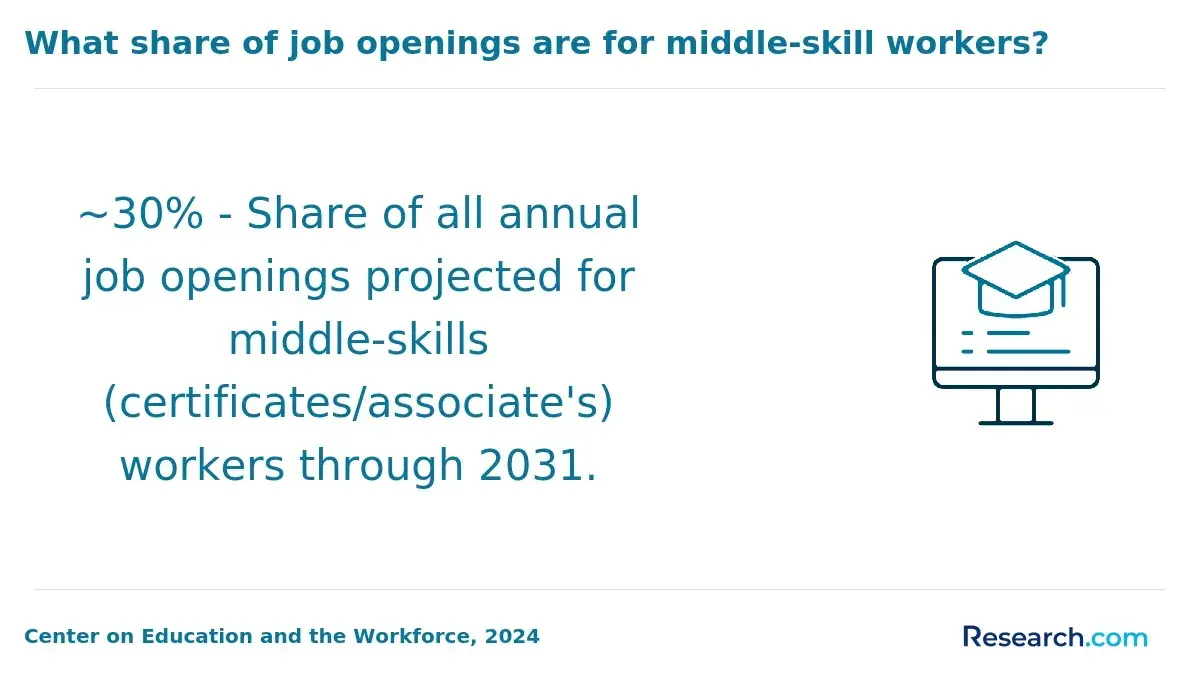
Most paralegal jobs do not require a master's degree. However, some advanced legal-adjacent, policy, education, compliance, consulting, and administrative roles may require or prefer graduate education. Around 30% of legal-related roles now demand graduate education, particularly when the work involves leadership, specialized analysis, teaching, or professional licensure.
A master's degree may be useful when you want to move beyond legal support into roles that require advanced research, management, policy analysis, public administration, compliance leadership, or teaching. It is less useful if your immediate goal is an entry-level paralegal role where employers prioritize experience, writing samples, and software skills.
- Legal Educator: Teaching paralegal studies at colleges or universities typically requires a master's degree because instructors need advanced subject knowledge and the ability to teach legal concepts in an academic setting.
- Legal Analyst or Consultant: Advanced analyst or consultant roles may involve complex case reviews, compliance evaluations, policy analysis, or risk assessments. A master's degree can help build the research and specialized knowledge expected in these positions.
- Compliance Officer: Compliance officers oversee regulatory programs, internal policies, audits, reporting, and risk controls. Employers generally require a master's degree for some higher-responsibility roles, especially in regulated industries.
- Public Policy Advisor: Public policy advisors help analyze, shape, or evaluate law-related policies for government, nonprofit, or advocacy organizations. Graduate-level study can strengthen knowledge of law, social science, public administration, and policy development.
- Social Services Administrator: Roles connected to family law, legal aid, child welfare, or community services may require a master's in social work or public administration, combining legal awareness with management and advocacy skills.
Before enrolling in a graduate program, compare the job postings you want with the degree requirements they list. If most roles ask for experience rather than a master's, you may be better served by working first and choosing graduate study later. If your target role consistently requires graduate education, then choosing the right field of study becomes more important than simply earning another credential.
For students still evaluating graduate options, researching which master's degree is most in demand in usa can help compare broader labor-market possibilities before committing to a program.
What Is the Job Outlook for Paralegal Careers?
The job outlook for paralegal careers is favorable, with the U.S. Bureau of Labor Statistics projecting a growth rate of approximately 7% through 2032. This is faster than the average for all jobs. Still, opportunities can vary by region, employer type, legal specialty, economic conditions, and the volume of legal work in a given market.
Demand is likely to be stronger for paralegals who can do more than routine administrative tasks. Employers increasingly want candidates who can manage digital records, support e-discovery, prepare accurate drafts, conduct reliable research, understand compliance issues, and use legal technology effectively. Specialization in areas such as intellectual property, healthcare law, or environmental regulations may also improve prospects when those sectors face changing rules or increased legal activity.
Technology is changing the role rather than eliminating it. Automation and legal software can reduce repetitive work, but they also increase the need for paralegals who can manage systems, review outputs, organize data, and apply judgment. Strong candidates will be able to combine legal knowledge with digital proficiency, careful writing, confidentiality, and practical problem-solving.
For graduates entering the field, the best strategy is to build a portfolio of practical skills: legal research, document drafting, case management software, e-filing, spreadsheet tracking, client communication, and deadline control. These skills make it easier to compete across law firms, corporate legal departments, government agencies, and remote legal support roles.
What Graduates Say About the Jobs You Can Get With a Paralegal Bachelor's Degree
- John: "I chose to pursue a paralegal bachelor's degree because I was drawn to the idea of supporting legal professionals while still having a diverse range of career options. After graduating, I found that my degree opened doors in corporate law firms, government agencies, and even nonprofit organizations. This program gave me the confidence and skills I needed to navigate the job market and secure a position that aligns with my passion for justice."
- Lloyd: "Looking back, earning my paralegal bachelor's degree was a strategic move to enhance my professional standing. The specialized coursework helped me develop critical research and case management skills, which employers highly value. Though the job search was competitive, my degree differentiated me and led to a rewarding role in intellectual property law, an area I hadn't initially considered."
- Bea: "The impact of getting a paralegal bachelor's degree on my career has been profound. Beyond gaining essential legal knowledge, the degree equipped me with communication and organizational skills that are crucial in any legal setting. I now work closely with attorneys in a fast-paced environment, and I'm grateful for the practical experience and credibility the degree provided during my job hunt."
Other Things You Should Know About Paralegal Degrees
Strong research, writing, and organizational skills are crucial for paralegal roles. Attention to detail and the ability to manage multiple cases or projects simultaneously are also important. Additionally, proficiency with legal software and understanding legal terminology enhance job performance and marketability.
In 2027, experience plays a significant role in shaping career opportunities for paralegal bachelor's graduates. Experienced graduates often have access to higher-level positions and increased responsibilities, such as legal project management, compared to those without experience, who might start in entry-level assistant roles.
Yes, paralegals with a bachelor's degree can advance into supervisory or specialized roles such as compliance officer or legal analyst. Some may transition into related fields like contract management or legal consulting, leveraging their degree and experience. Advancement often requires continuous education and skill development.
Continuing education is common and sometimes necessary in paralegal careers to stay updated on legal regulations and technology. Professional development courses or certifications can improve job security and support career growth. Some employers may encourage ongoing training but do not always mandate it formally.
References
- Paralegal Remote Jobs - Find Full or Part-time Legal Careers | Axiom https://www.axiomlaw.com/paralegal-remote-jobs
- Paralegal Salary by State | 2025 https://www.allcriminaljusticeschools.com/legal-and-paralegal/paralegal-salary-by-state/
- What Does a Paralegal Do? 7 Insights That Aren't in the Job Description | Rasmussen University https://www.rasmussen.edu/degrees/justice-studies/blog/what-i-wish-i-knew-before-becoming-paralegal/
- Entry Level Paralegal Jobs https://www.jobmonkey.com/paralegal/entry-level/
- What can I do after being a paralegal? | AllAboutLaw https://www.allaboutlaw.co.uk/law-careers/alternative-routes-into-law/what-can-i-do-after-being-a-paralegal
- Paralegal Pathways: Courses, Careers & Pay | Get Course https://getcourse.com.au/blog/pathways-paralegal-profession
- Career Outlook and Projected Growth - NALS... the association for legal professionals https://www.nals.org/page/USDEPlabor
- What do paralegals do? | University of Law https://www.law.ac.uk/employability/career-finder/paralegal/
- Beyond the Books: What Jobs Can You Get with a Paralegal Certificate? https://www.paralegalinst.com/paralegal-certificate-jobs-local-guide
- Paralegal Jobs | Find Paralegal Roles | Law Gazette Jobs https://jobs.lawgazette.co.uk/jobs/paralegal/