2026 What Jobs Can You Get With a Biology and Biological Sciences Bachelor's Degree?

Co-Founder and Chief Data Scientist
Graduates with a bachelor's degree in biology and biological sciences often face uncertainty about how to translate their academic knowledge into a sustainable career. Many seek roles that combine scientific inquiry with real-world impact but find the wide array of job options overwhelming.
According to the U. S. Bureau of Labor Statistics, employment in life, physical, and social science occupations is projected to grow 8% from 2022 to 2032, signaling expanding opportunities.
Understanding the diverse career paths and industry demands linked to this degree is crucial for informed decision-making. This article explores viable job options to guide readers toward successful career choices.
Key Benefits of the Jobs You Can Get With a Biology and Biological Sciences Bachelor's Degree
- A biology and biological sciences bachelor's degree offers career versatility across healthcare, research, environmental science, and biotechnology industries, adapting to evolving job markets and technology advancements.
- Graduates can access competitive salaries, with median annual wages around $65,000, and strong potential for advancement into leadership or specialized scientific roles.
- The degree supports long-term professional growth through pathways into graduate school, certifications, or interdisciplinary fields enhancing expertise and job security.
What Entry-Level Jobs Can I Get With a Biology and Biological Sciences Bachelor's Degree?
A bachelor's degree in biology and biological sciences offers graduates a range of entry-level jobs where they can apply foundational knowledge in practical environments.
Approximately 55% of degree holders secure employment within the first year after graduation, reflecting solid early career opportunities for those with this background. These roles often involve hands-on tasks, data gathering, and supporting scientific research or operational activities.
Career opportunities with a biological sciences bachelor's degree typically include:
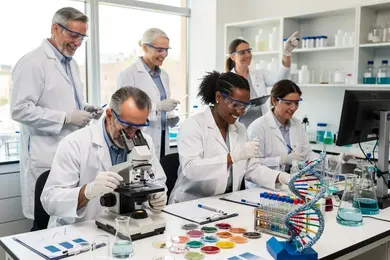
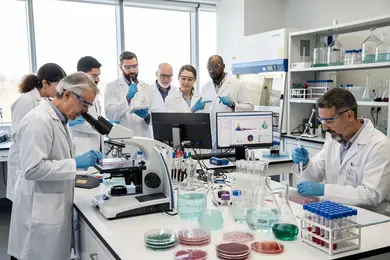
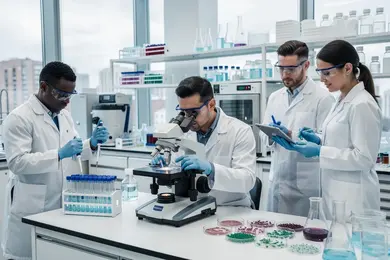
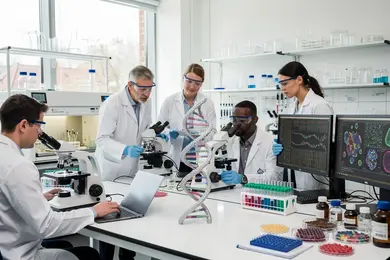
- Laboratory Technician: This position requires conducting experiments, preparing biological samples, and maintaining laboratory equipment. Graduates use their understanding of biological procedures and safety protocols to assist scientists with research and quality control processes.
- Environmental Technician: Focused on monitoring environmental factors, these technicians collect samples and analyze data related to air, water, and soil quality. A biology background is essential for interpreting ecosystem dynamics and assessing the impact of human activities on the environment.
- Research Assistant: Employed mainly in academic or private research, research assistants help design experiments, record data accurately, and support ongoing scientific studies. Their degree provides vital skills in methodology and biological data analysis.
- Biological Technician: Similar to laboratory technicians, biological technicians concentrate on a variety of biological experiments, from cell culture to wildlife fieldwork. Their education equips them to handle technical aspects and complex biological concepts across diverse projects.
- Quality Control Analyst: Working in pharmaceutical or biotech settings, quality control analysts test products to ensure they meet safety and quality standards. Knowledge from a biological sciences bachelor's degree enables precise interpretation of testing results and compliance with industry protocols.
For students interested in further education options that complement a biology degree, programs such as an RN to BSN online with no clinicals offer pathways in complementary health sciences fields.
Entry-level jobs for biology bachelor's degree graduates are well-suited for those seeking solid practical experience in the life sciences. These positions demonstrate the tangible career outcomes attainable through a biology-focused undergraduate education.
What Industries Hire Biology and Biological Sciences Bachelor's Degree Graduates?
A bachelor's degree in biology and biological sciences opens doors across diverse industries, with opportunities influenced by individual skills and area of specialization.
Employer demand for bachelor's degree holders remains robust, driven by a growing emphasis on scientific expertise in multiple fields. This demand highlights the increasing value of graduates who can apply their biological knowledge to practical challenges across sectors.
Graduates with a biological sciences bachelor's degree find promising careers in various fields:
- Healthcare and Medical Research: This sector hires biology graduates for roles such as clinical research, laboratory analysis, and health data management. Their understanding supports drug development, experimental processes, and interpretation of medical data, contributing to improved patient care and outcomes.
- Environmental Science and Conservation: Graduates assist in ecosystem monitoring, wildlife management, and environmental impact assessments. Their expertise aids organizations in protecting biodiversity and fostering sustainable resource use, making significant contributions to conservation efforts.
- Biotechnology and Pharmaceuticals: Roles include new product development, quality assurance, and regulatory compliance. Biology graduates play a crucial part in genetic research, bioengineering, and the production of pharmaceuticals and biologics, advancing innovation in life sciences.
- Agriculture and Food Science: This industry employs graduates to enhance crop science, manage pests, and ensure food safety standards. Their biological knowledge supports efforts to increase agricultural productivity while maintaining health regulations for food products.
- Education and Science Communication: Some alumni pursue careers in education or public outreach, using their biological sciences background to communicate complex scientific concepts effectively to varied audiences.
Those seeking to expand their qualifications might consider additional training options, such as an online healthcare administration degree, which complements a biology and biological sciences bachelor's degree career industries by broadening managerial skills relevant to healthcare settings.

Can You Get Jobs Outside Your Major With a Biology and Biological Sciences Bachelor's Degree?
Graduates with a biology and biological sciences bachelor's degree often find themselves pursuing careers beyond their specific field. This shift is driven by the value placed on transferable skills and the increasing diversity of employer needs.
A 2021 survey found that about 40% of recent science graduates work in roles unrelated to their college major, highlighting this growing trend in career flexibility.
- Transferable Skills: A biology and biological sciences degree builds strong abilities in critical thinking, data interpretation, and problem-solving. These skills are applicable in many professions, allowing graduates to adapt to different job environments beyond their original field.
- Employer Priorities: Modern employers seek candidates with versatile competencies and a willingness to learn, qualities developed through scientific training and laboratory experience. This broader skill set makes biology graduates attractive across various sectors.
- Additional Training: Gaining extra experience through internships, workshops, or specialized courses helps bridge the gap between biology and alternative careers. Targeted learning can enhance employability and prepare graduates for diverse roles outside their initial discipline.
What Remote Jobs Can I Get With a Biology and Biological Sciences Bachelor's Degree?
Remote work continues to expand, with recent research showing that over 60% of employers now provide options for remote or hybrid roles. A bachelor's degree in biology and biological sciences opens doors to careers that blend scientific expertise with flexible, location-independent work environments.
- Scientific Writer: Produces research summaries, grant proposals, and educational materials centered on biology topics. Strong scientific understanding and clear communication are essential, as this role often involves translating complex concepts for diverse audiences.
- Life Sciences Data Analyst: Handles biological data analysis using specialized software to support research or clinical projects. Knowledge in experimental design and statistics is crucial, enabling meaningful interpretation of datasets remotely.
- Remote Clinical Research Coordinator: Oversees participant communication and trial management through telehealth platforms. Familiarity with biological processes and regulatory standards ensures smooth operation and compliance.
- Regulatory Affairs Specialist: Focuses on preparing documentation and maintaining adherence to government regulations for biological products from afar. A biology degree provides insight into product development, aiding navigation of regulatory frameworks.
- Environmental Consultant (Remote): Performs ecosystem assessments and delivers conservation advice based on environmental data analysis. Biological training supports accurate evaluation and client reporting without on-site presence.
One graduate shared that adjusting to fully remote roles involved mastering digital collaboration tools and self-driven time management.
She noted, "Initially, coordinating complex projects without face-to-face interaction was challenging, but developing strong communication habits and flexibility helped me thrive."
Her biology background gave her confidence in handling scientific content, while remote work sharpened her ability to stay organized and connected across virtual teams.
Can I Switch Careers With a Biology and Biological Sciences Bachelor's Degree?
Many individuals with a biology and biological sciences bachelor's degree leverage their education to pursue career options after a biology and biological sciences bachelor's degree beyond traditional paths.
According to recent data, nearly 40% of graduates with science-related degrees transition into new fields within ten years, illustrating a growing trend toward career change among degree holders. This flexibility is partly due to workforce shifts demanding multidisciplinary skills and adaptability, making the biological sciences degree career change opportunities particularly viable.
Graduates often build on their academic foundation to explore diverse roles that capitalize on their problem-solving and analytical talents. Such adaptability highlights how biology graduates can remain competitive in evolving job markets.
A biology and biological sciences degree equips graduates with key transferable skills such as effective communication, critical thinking, adaptability, and data analysis, which are highly valued across many sectors.
Successfully navigating career changes typically involves supplementing these skills with relevant experience, self-directed learning, internships, or on-the-job training to meet the specific demands of new roles.
These approaches enable degree holders to bridge gaps between their scientific training and other professional fields. Students interested in accelerating their career pivots may consider exploring fast track degrees designed to complement their backgrounds and broaden their qualifications.

What Are the Highest-Paying Jobs With a Biology and Biological Sciences Bachelor's Degree?
Income levels for those holding a biology and biological sciences bachelor's degree depend on factors like the specific industry, years of experience, and chosen specialization. While initial salaries might be modest, gaining expertise often leads to more lucrative opportunities.
On average, science graduates can expect to earn higher wages compared to peers with general bachelor's degrees, reflecting the value of specialized training.
- Biological Scientist: These professionals conduct experiments and research to better understand living organisms and biological mechanisms. Salaries improve considerably with research experience and academic publications.
- Pharmaceutical Sales Representative: Combining scientific knowledge with strong interpersonal skills, individuals in this role promote pharmaceutical products to healthcare providers. Compensation typically includes a base salary plus commissions, making total earnings competitive and performance-driven.
- Environmental Consultant: Specialists in this area analyze environmental data to guide companies and governments on regulatory compliance and sustainability. Income tends to rise with consulting expertise and project management abilities.
- Biomedical Engineer (Entry-Level): Some graduates enter biomedical engineering focused on designing medical devices and technologies. A solid grasp of biological systems supports innovation and technical contributions, with salaries increasing alongside skill development and experience.
- Laboratory Manager: Experienced graduates may advance to managing laboratory operations, supervising staff, and enforcing protocols. This leadership role demands both scientific knowledge and organizational skills, offering higher pay aligned with added responsibilities.
What Career Growth Opportunities Are Available With a Biology and Biological Sciences Bachelor's Degree?
A bachelor's degree in biology and biological sciences offers a strong foundation for meaningful career development across various roles. Graduates can advance by gaining specialized expertise in areas like biotechnology or environmental science, or by expanding their responsibilities into leadership and management positions.
With experience, they may take on roles involving project oversight, cross-functional collaboration, or even move into related fields such as quality control and regulatory affairs.
These paths often require a blend of scientific knowledge and skills in communication or business. Ultimately, this degree supports growth opportunities ranging from expert scientific positions to interdisciplinary roles bridging biology with other sectors.
When asked about career growth opportunities with this degree, a professional shared how initially navigating the transition from technical work to leadership was challenging.
He explained, "Moving from conducting experiments to managing a team demanded learning patience and communication skills I hadn't used before."
He emphasized that growth involved not just deepening scientific knowledge but also understanding how to motivate others and coordinate projects across departments. "That blend of science and soft skills really opened doors for me," he reflected, highlighting the personal effort behind each step upward.
What Jobs Require Certifications After a Biology and Biological Sciences Bachelor's Degree?
Certain jobs for graduates with a biology and biological sciences bachelor's degree require or strongly prefer additional certifications to meet industry standards and job demands. These credentials validate specialized skills, enhance credibility, and boost eligibility for competitive roles.
While the bachelor's degree offers essential scientific knowledge, professional credentials after biological sciences degree completion underscore a candidate's proficiency in targeted areas.
- Certified Clinical Laboratory Technician: Professionals in this role conduct diagnostic tests within healthcare settings. Obtaining the Medical Laboratory Technician (MLT) certification from the American Society for Clinical Pathology (ASCP) is often mandatory, ensuring compliance with federal and state regulations.
- Environmental Scientist or Specialist: These positions frequently require certifications such as the Certified Environmental Professional (CEP) or Hazardous Waste Operations (HAZWOPER) to meet safety and regulatory standards.
- Certified Wildlife Biologist: Offered by the Wildlife Society, this credential highlights advanced ecological knowledge and ethical standards in wildlife conservation. A biology and biological sciences degree prepares graduates with critical ecological and zoological concepts.
- Public Health Specialist: Entry-level public health roles often require the Certified Health Education Specialist (CHES) certification. Biology graduates accompany their understanding of human biology and epidemiology with this certification to demonstrate competence in health promotion and education.
- Quality Assurance Analyst in Biotechnology: Certification programs like the Certified Quality Auditor (CQA) or Certified Quality Improvement Associate (CQIA) are commonly expected in biotech and pharmaceutical sectors.
For students exploring specialized training options, some may consider online sonography programs as part of their broader professional development portfolio, complementing their biology-focused certifications.
What Jobs Require a Master's After a Biology and Biological Sciences Bachelor's Degree?
While a biology and biological sciences bachelor's degree opens many career doors, certain professions require a master's degree to acquire advanced knowledge, specialization, or meet professional standards.
It is estimated that nearly 40% of jobs in biological sciences demand graduate education, reflecting a strong trend toward earning higher degrees for career advancement in this field.
Jobs that typically require a master's degree after completing a biology and biological sciences bachelor's degree include:
- Biomedical Scientist: This role involves conducting advanced research on diseases and developing medical treatments. A master's degree is crucial for mastering complex laboratory techniques and experimental design beyond undergraduate studies.
- Environmental Scientist: Professionals in this field evaluate environmental hazards and develop conservation strategies. Graduate education enhances technical skills in data analysis and regulatory compliance, which are essential for effective performance.
- Wildlife Biologist: Studying animal behavior and ecosystems often requires graduate-level expertise to design research and manage conservation projects effectively.
- Public Health Specialist: These specialists focus on health risk control and policy implementation. A master's degree is frequently expected to understand epidemiology and health program management comprehensively.
- Biotechnology Researcher: Working in biotechnology demands advanced training in genetics and molecular biology, which is typically gained through graduate studies.
In many cases, a master's degree requirement after a biology and biological sciences bachelor's degree provides deeper scientific understanding, refined research skills, and practical experience needed for leadership or independent roles.
Prospective students exploring pathways in this area might also consider related graduate studies, including programs like a DNP program no clinical, which demonstrate the variety of advanced degree options beyond the traditional biological sciences fields.
What Is the Job Outlook for Biology and Biological Sciences Careers?
Employment prospects for careers in biology and biological sciences are generally positive, with the U.S. Bureau of Labor Statistics projecting about 7% growth over the next ten years, aligning with average job growth across all fields.
However, demand varies significantly depending on the industry, technical skills, and economic conditions.
Areas such as medical research and environmental conservation are expected to expand more rapidly due to rising public health concerns and sustainability initiatives.
Meanwhile, fields dependent on government budgets or traditional research funding may face instability or slower progress. The need for professionals with specialized expertise will fluctuate according to shifting priorities and funding availability within different sectors.
Technological advancements heavily influence long-term employment trends in biology and biological sciences. Innovations like genomic sequencing, bioinformatics, and automated laboratory techniques are reshaping job requirements, increasing the emphasis on combining core biological knowledge with skills in data interpretation and technology use.
Growth in biotechnology and pharmaceutical industries, along with stronger environmental regulations, also drives demand for interdisciplinary abilities that blend biology with engineering or information sciences.
Consequently, the workforce is evolving to favor candidates who can adapt to both scientific developments and changing industry landscapes.
What Graduates Say About the Jobs You Can Get With a Biology and Biological Sciences Bachelor's Degree
- Raul: "I chose to major in biology and biological sciences because of my passion for understanding how living systems work, which has opened doors to diverse jobs such as research technician, environmental consultant, and lab analyst. Navigating the job market with this degree required persistence, but the strong foundation in critical thinking and lab skills helped me stand out. Pursuing this degree significantly impacted my career by providing the adaptability needed to transition across different scientific roles."
- Elisha: "Reflecting on my experience, majoring in biology and biological sciences was driven by my desire to contribute to healthcare advancements. The degree prepared me well for roles in medical sales, clinical trials coordination, and public health research. It was the combination of technical knowledge and communication skills that truly influenced my success in these diverse career paths."
- Michael: "From a professional standpoint, earning a bachelor's in biology and biological sciences gave me a competitive edge in the biotech industry and regulatory affairs. What stood out was the depth of knowledge in molecular biology and bioinformatics, which allowed me to excel in specialized job functions. This degree was essential not just for entry-level positions but also for long-term career growth in science-driven companies."
Other Things You Should Know About Biology and Biological Sciences Degrees
A biology and biological sciences bachelor's degree develops critical skills such as data analysis, laboratory techniques, and scientific communication.
Graduates gain experience in problem-solving and research design, which are highly valued across scientific and healthcare industries. These skills prepare graduates to adapt to various roles requiring analytical thinking and attention to detail.
Networking is crucial for biology and biological sciences graduates because many job opportunities arise through professional connections.
Building relationships with professors, attending industry conferences, and joining scientific organizations can lead to internships and job openings. Effective networking helps graduates stay informed about emerging trends and competitive positions in their field.
Graduates often encounter challenges such as high competition for entry-level positions and the need for specialized skills or certifications.
Some jobs may require additional training or graduate studies to advance. It can also be difficult to find roles that fully utilize the breadth of a biology and biological sciences education without further specialization.
Yes, volunteering and internships provide practical experience that enhances a graduate's resume and professional skills. These opportunities often lead to valuable references and industry insight, which can improve job prospects.
They also allow students to explore specific sectors within biology, helping guide career choices post-graduation.
References
- What Can You Do with a Master's in Biology? https://www.pointloma.edu/resources/education/what-can-you-do-masters-biology
- Remote Biology Jobs: Work From Home Guide https://outlier.ai/blog/work-remotely-with-biology-degree
- Most In-Demand Biology Career Options for 2026 https://www.careerplanneredufair.com/biology-career-options/
- Careers in Biological Sciences: Opportunities, Skills, and the Future of Work https://www.hyperec.com/blog/careers-in-biological-sciences-opportunities-skills-and-the-future-of-work/
- What Can You Do With a Bachelor’s in Biology | National University https://www.nu.edu/blog/what-can-you-do-with-bachelors-in-biology/
- What Kind of Jobs Can You Land with a Master's Degree in Biology? | Education https://vocal.media/education/what-kind-of-jobs-can-you-land-with-a-master-s-degree-in-biology
- What to do with your Biological Sciences BSc degree https://www.wits.ac.za/science/undergraduate/biological-sciences-programme/what-to-do-with-your-biological-sciences-degree/
- Careers in Biology You Can Pursue with a Biology Degree and Certificate Program https://www.kgcareeracademy.com/post/careers-in-biology-you-can-pursue-with-a-biology-degree-and-certificate-program
- 5 Reasons to Pursue a Bachelor’s Degree in Biology | University of Bridgeport https://www.bridgeport.edu/news/reasons-to-pursue-a-bachelors-degree-in-biology/
- LibGuides: Biology: Biology Careers: What You Can Do with a Biology Degree https://libguides.csun.edu/biol