2027 What Happens If a Spanish Degree Master's Program Doesn't Meet Licensure Rules?

Co-Founder and Chief Data Scientist
Imagine a student completes a Spanish degree master's program only to discover it lacks the necessary accreditation for state licensure in educational or translation fields. Such misalignment can delay or prevent certification, limiting career opportunities. Recent studies show that nearly 30% of graduate education programs in language studies face challenges meeting evolving licensure standards nationwide.
This scenario highlights the importance of verifying program approval before enrollment. This article explores the implications of noncompliant Spanish master's programs and offers guidance on ensuring your graduate education aligns with licensure requirements to protect your professional prospects.
Key Things to Know About Spanish Degree Master's Program Doesn't Meet Licensure Rules
- Failure to meet licensure requirements may cause significant delays in obtaining professional certification needed for careers in education or translation within Spanish-speaking communities.
- Graduates might be required to complete additional coursework or supervised training, increasing time and financial commitments before eligibility for licensure.
- Non-approved programs can limit career opportunities in regulated Spanish-related professions, reducing access to competitive positions and impacting long-term employment prospects.
Why Do Some Spanish Master's Programs Fail to Meet Licensing Board Requirements?
Some Spanish master's programs fail to meet licensing board requirements due to differences in curriculum structure and a lack of required clinical or practical training components. Licensing boards often require specific coursework and supervised training hours that closely align with professional standards. However, many programs focus more on academic, literary, or cultural studies rather than applied language proficiency or practical skills essential for licensure.
Programs designed primarily for research or broader educational goals may not prioritize the certification-related components necessary for licensure eligibility, while evolving standards within licensing boards further complicate compliance. This leads to notable challenges in spanish master's degree accreditation issues for licensing. Insufficient supervised experience is another key factor contributing to noncompliance. Licensing bodies frequently mandate a minimum number of supervised hours, which some programs do not provide, especially those emphasizing theoretical knowledge over practical application or translation skills.
According to a report by the Council of Graduate Schools, nearly 28% of graduate programs in foreign languages and linguistics lack industry-standard supervised practicum experiences, impacting licensure pathways. Students considering professional certification should carefully review licensing board requirements and explore best college majors that better align with their career goals.
What Are the Risks of Choosing a Spanish Master's Program That Does Not Meet Licensure Rules?
In many regulated professions, completing a graduate program that aligns with licensing standards is essential for becoming eligible to practice. Selecting a Spanish master's program that does not meet licensure rules presents several significant risks, outlined below.
- Delayed Eligibility: Graduates from non-licensure compliant programs may face delays in becoming professionally licensed, sometimes postponing career starts by months or even years. According to the National Association of Credential Evaluation Services, nearly 30% of graduate applicants experience delays due to program accreditation issues.
- Extra Requirements: Students may need to complete additional coursework or supervised training after graduation to fulfill licensing standards, which can extend education timelines and add unexpected burdens.
- Employment Limitations: Career limitations from non-licensure Spanish degree programs often surface as many employers in regulated fields prefer or require licensure-compliant qualifications, restricting job opportunities.
- Licensing Board Challenges: State licensing boards may reject applications from graduates of unapproved programs, complicating or preventing professional certification.
- Financial and Time Setbacks: The impact of unaccredited Spanish master's on professional licensing can lead to repeating courses or extending education, resulting in added expenses and delayed earning potential.
For prospective students, it is important to carefully investigate program accreditation and licensure alignment before enrolling. Those looking for flexible and affordable graduate options may also explore the cheapest EdD programs online, which highlight the availability of accredited fast-track programs in education fields.
How Do Licensing Boards Determine Whether a Spanish Master's Program Qualifies for Licensure?
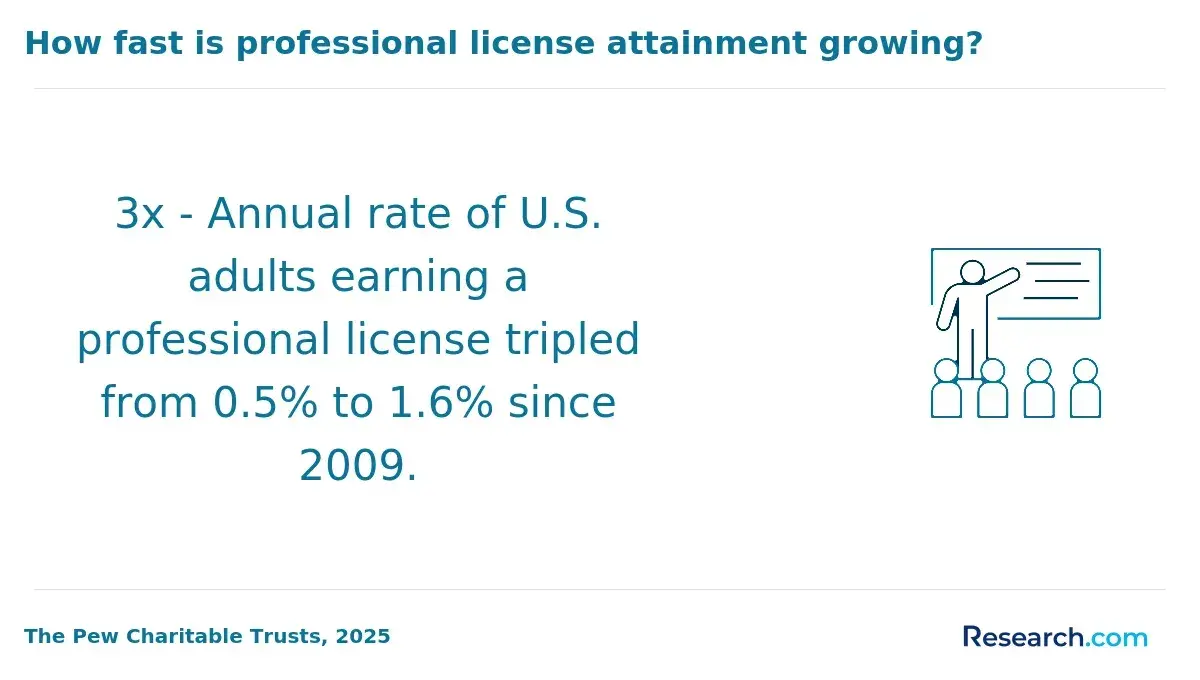
Professional licensing boards evaluate graduate programs to verify they meet the educational and training standards necessary for licensure in the field. According to a 2022 study by the Council for Higher Education Accreditation, approximately 87% of licensing boards require programs to demonstrate accreditation before recognizing them. Below are the principal criteria these boards use to assess whether a Spanish master's program qualifies for state licensure.
- Accreditation Status: Licensing boards prioritize approval from recognized accrediting organizations to confirm the program maintains rigorous academic standards, an essential factor in verifying how to verify Spanish graduate program licensure eligibility.
- Curriculum Alignment: Programs must align their coursework with licensing competencies and professional standards relevant to the state or national requirements. This ensures graduates possess the skills needed for effective practice within their licensure scope.
- Supervised Practicum: Inclusion of hands-on fieldwork or practicum experiences is critical. Boards look for structured opportunities where students engage in supervised real-world applications to develop professional competence.
- Faculty Qualifications: Programs are evaluated based on faculty credentials, focusing on instructors' academic degrees and professional expertise to guarantee quality instruction and mentorship throughout the Spanish master's curriculum.
- Regulatory Compliance: The program must adhere to specific state or national regulations governing licensure. Compliance demonstrates the program's commitment to meeting legal standards required for graduates to obtain professional certification.
Students seeking graduate programs should also consider broader educational options, such as exploring engineering schools online, to evaluate how institutions maintain licensure standards across disciplines and delivery formats.
Confirming that a Spanish graduate program complies with licensure standards is essential for students seeking professional certification after graduation. Early verification helps avoid delays in career advancement by ensuring the program meets state and professional requirements.
- Review State Licensing Board Guidelines: Each state provides specific criteria for educational qualifications and experience needed for licensure. Consulting these sources verifies if the program aligns with mandatory standards.
- Confirm Program Accreditation: Enrollment in an accredited program signals adherence to established academic quality. Accreditation from recognized agencies often represents a prerequisite for eligibility.
- Examine Curriculum and Practicum Alignment: Evaluating course content and supervised fieldwork ensures the program offers training that matches licensing competencies, which is critical for practical readiness.
- Contact Program Advisors: Advisors can clarify how the program supports licensure objectives and inform about recent updates to licensure policies, offering crucial guidance.
- Check Licensure Exam Pass Rates: High pass rates on certification exams reflect program effectiveness; for instance, applicants from accredited programs achieve about a 78% pass rate, significantly higher than the 54% from non-accredited ones.
When asked about his concerns regarding program licensure, a prospective graduate student shared that navigating diverse state requirements felt overwhelming. He mentioned spending hours researching licensing board websites and discussing options with program counselors to confirm compliance. "I want to be sure that the program I choose won't cause surprises after graduation," he explained, highlighting the importance of thorough investigation before committing to a master's program in Spanish.
Some graduates may realize their Spanish master's degree program does not fully satisfy state licensure requirements, which often include specific coursework, program accreditation, or a minimum number of supervised clinical hours-sometimes as many as 300. However, there are several approaches to address these deficiencies and move toward certification.
- Complete Additional Coursework: Enrolling in targeted classes required by the licensing authority can help fill academic gaps and ensure you meet educational standards.
- Acquire Supervised Clinical Hours: Participating in approved practicums or internships provides hands-on experience and fulfills required supervised hours mandated by many states.
- Consult the Licensing Board: Direct communication with the board can clarify specific criteria for your situation and may uncover flexible pathways to licensure.
- Obtain Alternative Certifications: Pursuing related credentials can recognize your expertise and competencies in language and teaching, even if traditional licensure is delayed.
- Engage in Bridge Programs or Workshops: These focused offerings are designed to address particular deficiencies without the need for a full degree and are often accepted by licensing bodies.
Taking these steps allows graduates to bridge gaps effectively and progress toward professional eligibility. Staying proactive and informed about state-specific requirements is crucial throughout this process.
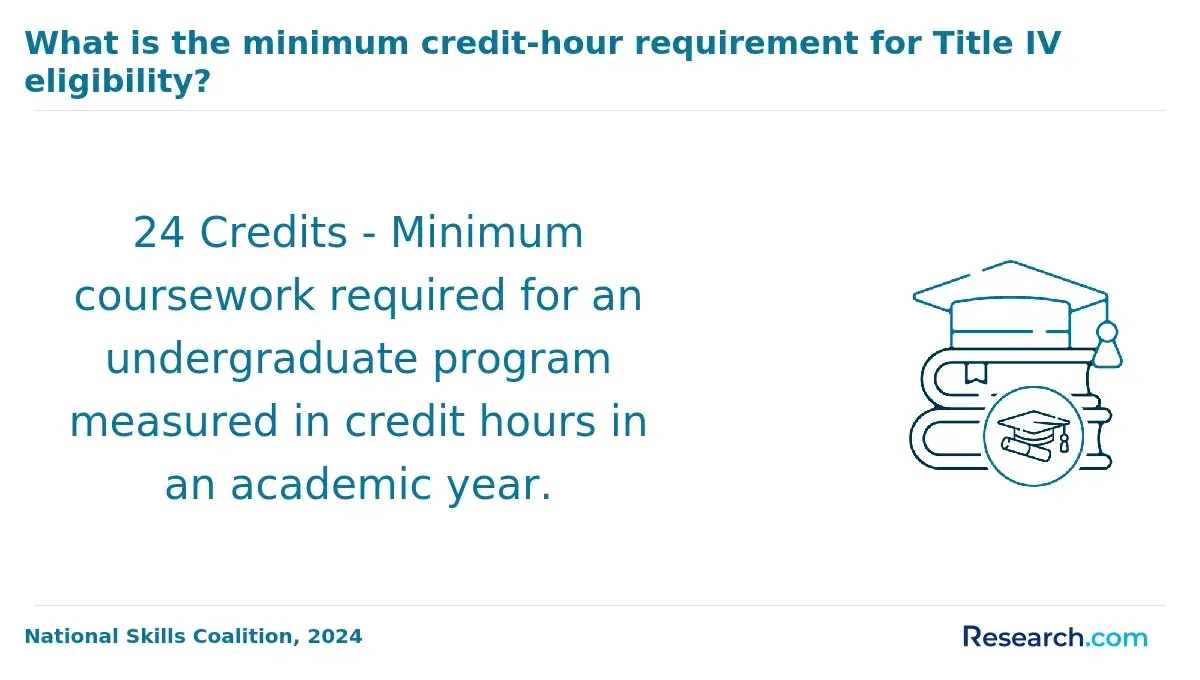
Students who begin or complete a non-licensure Spanish master's program often question whether their credits can transfer to a licensure-track program. Many U.S. graduate schools permit between 6 and 12 semester hours of transfer credit when courses meet specific standards such as accreditation, grade minimums, and curriculum relevance.
- Accreditation Status: Transferable credits typically must come from a regionally or nationally accredited institution. Recognized accreditation confirms the quality and rigor of the coursework, which is essential for acceptance by the licensure program.
- Grade Requirements: Most institutions require a minimum grade-commonly a B or higher-for courses to qualify for transfer. Courses with lower grades are often ineligible because they may not demonstrate adequate mastery of the material.
- Curriculum Alignment: The transferred classes need to closely correspond with required subjects in the licensure curriculum. Coursework that does not align with state teaching standards or licensure content may be denied transfer credit.
- University Transfer Policies: Each university sets its own limits and evaluation procedures for accepting transfer credits. Some schools have strict policies that restrict or prohibit transfer from non-licensure programs altogether.
- State Licensure Requirements: Variability in state regulations affects transferability since some states require degrees from approved licensure programs. This can limit how much credit from a non-licensure track applies toward certification eligibility.
When asking a graduate of a Spanish master's program about her experience with transferring credits from a non-licensure track, she shared how navigating university rules and state licensure guidelines proved more complex than expected. "I had hoped many of my previous courses would carry over, but the university's evaluation process was strict, and the state's requirements were even more so," she recalled. The uncertainty led to multiple conversations with advisors and careful review of course syllabi. Despite these hurdles, she found the process helpful for clarifying the exact preparation needed, ultimately guiding her toward successful completion of the licensure program. "It was challenging but rewarding to understand how specific policies impact the transfer process," she noted, emphasizing the value of being well-informed before making academic choices.
State licensing requirements for Spanish master's programs can vary widely, so a program approved in one state might not meet the criteria in another. Over 30 states have unique licensure standards that influence student eligibility, making it crucial for aspiring educators to understand these differences before enrolling.
- Curriculum Content: States may require specific coursework such as linguistics, cultural studies, pedagogy, or language proficiency. Programs lacking these elements might not qualify for licensure in certain states.
- Credit Hour Requirements: The total number of graduate credits necessary varies by state, which can determine if a program meets the minimum education threshold for certification.
- Accreditation Standards: Some states only recognize programs accredited by specific agencies, making accreditation status critical for approval.
- Clinical or Teaching Experience: Required student teaching hours or practicum experiences differ, often serving as a key component for licensure eligibility in many states.
- State-Specific Exams and Assessments: Passing particular licensure exams tied to teaching skills or program content is mandatory in some jurisdictions, and these tests may vary considerably from state to state.
For students planning to teach in multiple states, these factors must be carefully considered. Selecting a program aligned with the targeted states' licensure demands helps avoid unexpected barriers after graduation, ensuring smoother professional certification paths.
While some Spanish master's programs are designed specifically to prepare graduates for licensure, such as teaching certification or translation accreditation, many pursue careers that do not require professional licensing. Employment data shows that about 65% of Spanish master's graduates work in roles that do not involve formal licensure. These positions draw heavily on language proficiency, cultural understanding, and strong communication skills.
Below are five common non-licensed career paths for Spanish graduates that offer meaningful opportunities without the need for certification.
- International Business Coordinator: Manages communication and negotiations between companies and Spanish-speaking markets, facilitating global trade and business partnerships. This role leverages cultural knowledge to support international relations without requiring licensure.
- Content Writer or Translator: Creates and adapts written content for media, marketing, or publishing industries, ensuring material is linguistically accurate and culturally relevant. Graduates in this path often work freelance or within organizations that do not mandate formal certification.
- Community Outreach Specialist: Connects with Spanish-speaking communities to promote social services, healthcare, or educational initiatives. This position centers on advocacy and community development and typically does not require professional licensing.
- Localization Specialist: Adapts digital products such as software and websites to suit Spanish-speaking users, focusing on cultural and linguistic appropriateness to enhance user experience. Licensure is generally not required in this technical and creative field.
- Research Assistant in Hispanic Studies: Supports academic or private research projects related to Spanish language, literature, or culture by performing data collection, analysis, and reporting. This role provides valuable research experience without professional licensure.
Students considering alternative professional paths for Spanish master's graduates may find these options align well with their skills and career goals. Those interested in further education might explore affordable online options in related fields, such as psychology degrees online, which can complement language expertise.
Licensure significantly influences earning potential in many Spanish-related fields, with licensed professionals earning on average 20-30% more annually than their non-licensed counterparts. Graduates without licensure may therefore encounter different salary expectations and professional challenges. Below are five key impacts of lacking licensure on salary for Spanish master's degree holders.
- Limited Job Opportunities: Graduates without licensure are often ineligible for many positions that require official certification, restricting access to higher-paying jobs and reducing overall employment prospects.
- Reduced Advancement Potential: Career growth can be slower for those lacking credentials, as promotions in language professions frequently depend on licensure and recognized certifications.
- Restricted Eligibility for Specialized Roles: Certain specialized positions, such as certified interpreters or translators, mandate licensure, directly limiting earning opportunities if these credentials are not held.
- Lower Negotiating Power: Licensed candidates typically possess stronger leverage when negotiating salaries, resulting in higher compensation offers compared to non-licensed individuals.
- Potential Wage Penalties in Competitive Sectors: In fields like education or government, salary scales for non-licensed professionals are often standardized at lower rates, affecting long-term earnings.
Salary differences for Spanish master's degree holders without professional licensure highlight the value of completing programs that align with certification requirements. For those exploring related graduate degrees, examining approved program pathways is crucial. Prospective students may also consider exploring PsyD programs online to understand varying licensure landscapes across disciplines.
Careful evaluation of master's programs in Spanish is essential to ensure eligibility for required professional licenses. Nearly 20% of graduate students unknowingly enroll in programs without proper accreditation, which can severely limit certification opportunities and career prospects. Below are key red flags prospective students should consider before committing to a program:
- Lack of Accreditation: Programs without recognized accreditation may not satisfy licensing board standards, potentially invalidating the degree for certification purposes.
- Absence of Licensure Approval: Verify whether the program is specifically approved for teaching certification or other relevant licenses in your state; many programs fail to meet these criteria.
- Unclear Curriculum: Vague or incomplete course descriptions related to licensure requirements can leave graduates unprepared for certification exams or required practicum experiences.
- Insufficient Faculty Credentials: Faculty without appropriate academic or professional qualifications can affect both instructional quality and the program's credibility with licensing authorities.
- Poor Student Support: Limited advising on licensure pathways and requirements may result in costly delays or failure to complete necessary certifications in a timely manner.
What Graduates Say About Spanish Master's Programs That Don't Meet Licensure Rules
- Ella: "Completing my master's degree in Spanish was a rewarding challenge, but I quickly learned that my program didn't meet the licensure requirements for my state. The biggest obstacle was the lack of supervised clinical hours, which pushed me to enroll in an additional practicum elsewhere. Though it delayed my licensure, this experience broadened my practical skills and ultimately helped me secure a higher-paying position that values hands-on expertise."
- Marga: "Reflecting on my journey, I faced significant hurdles because my Spanish degree program didn't include all the coursework required for professional licensing. I had to meticulously research state guidelines and complete extra certification courses to fill those gaps. This process was exhausting but necessary; it influenced my career trajectory by making me more adaptable and prepared for roles beyond traditional language instruction."
- Robert: "My Spanish master's program lacked the comprehensive curriculum needed for licensure, so I had to proactively supplement my education with supervised clinical hours and specialized workshops. Navigating this complex path taught me resilience and self-advocacy, which translated into faster job placement in the education sector. Although my starting salary was modest, the additional qualifications I earned positioned me for steady advancement."
Other Things You Should Know About Spanish Degrees
The relevant authority is the Spanish Ministry of Universities, working with the Agencia Nacional de Evaluación de la Calidad y Acreditación (ANECA) and the autonomous community’s education department when regulated professions are involved. They verify official status, curriculum content, and the required ECTS credits before licensure recognition is granted.
Alternative credentials such as language proficiency certificates, teaching certificates from non-licensing bodies, or specialized certifications in translation and interpretation may be options. However, these alternatives typically have different scopes and may not replace formal licensure for certain professional roles in education or government.
Graduates of Spanish master's programs that do not meet licensure rules may find their job prospects limited, especially in public school systems or state-funded institutions that require licensed qualifications. Employers in private sectors or non-education fields may be more flexible, but overall, non-licensed degrees can restrict eligibility for many positions requiring official certification.
- State-by-State Licensure Requirements - Benedictine University https://ben.edu/academics/state-by-state-licensure-requirements/
- Spain Professional Qualifications: Licensing & Recognition Guide – Babylon spain professional qualifications https://babylonradio.com/es/spain-professional-qualifications/
- Breaking Down the Cost vs. Benefit of a Master’s Degree in Spain https://blcspain.com/masters-degree-in-spain/
- 2025 Most Affordable Online Master's in Spanish Degrees https://www.onlineu.com/most-affordable-colleges/spanish-masters-degrees
- Careers for Spanish Majors: Job Descriptions & Salary Info https://learningpath.org/articles/Careers_for_Spanish_Majors_Job_Descriptions_Salary_Info.html
- Legalising a Spanish university diploma from abroad: what you need to know https://www.arc-legal.es/en/legalising-a-spanish-university-diploma-from-abroad-what-you-need-to-know/
- How to validate academic degrees in Spain https://www.lodgerin.com/public/posts/how-to-validate-academic-degrees-in-spain
- Prerequisites - Spanish https://www.certifiedmedicalinterpreters.org/prerequisites-spanish
- Steps to becoming a licensed psychologist—what happens in Spain and Colombia https://www.psytranslations.com/blog/blog_4_becoming_a_psychologist
- Amazing career paths and jobs for Spanish majors - Learn languages with italki https://www.italki.com/en/blog/jobs-for-spanish-majors