2027 Can You Get Into a Spanish Degree Master's Program with a Low GPA? Admission Chances & Workarounds

Co-Founder and Chief Data Scientist
Applicants with low undergraduate GPAs often face uncertainty when applying to Spanish degree master's programs, where competition is steadily rising. According to recent data, nearly 60% of Spanish master's programs prefer candidates with GPAs above 3.0, creating a notable barrier for those slightly below this threshold. This challenge intensifies given the emphasis on language proficiency and cultural expertise, which may not fully compensate for academic records.
This article explores effective strategies and admission workarounds tailored for prospective students with low GPAs, aiming to clarify realistic admission chances and actionable steps to enhance their applications.
Key Things to Know About Getting Into a Spanish Master's Program with a Low GPA
- Admissions committees often assess applicants holistically, valuing relevant experience, strong letters of recommendation, and personal statements over GPA alone in Spanish master's programs.
- Improving admission chances involves demonstrating proficiency through additional coursework, language certifications, or related internships emphasizing practical Spanish skills.
- Some institutions offer conditional or probationary admission, allowing students with low GPAs to prove academic capacity in the first semester of their Spanish degree master's program.
What Is the Minimum GPA for Spanish Master's Programs?
The minimum GPA for Spanish master's degree admission varies significantly depending on the institution and the competitiveness of each program. While some schools might accept applicants with lower GPAs, most U.S. master's programs in the Spanish field typically require a minimum undergraduate GPA of around 3.0 on a 4.0 scale. This benchmark serves as a common eligibility standard, reflecting the academic expectation for candidates entering graduate studies in Spanish.
Despite these minimum GPA requirements, the GPA needed to remain competitive for admission often exceeds the baseline. Strong applicants to Spanish master's programs tend to present GPAs closer to 3.3 or above, reflecting higher academic standing in an increasingly selective pool of candidates. For those considering their chances with below-average GPAs, focusing on strengths in other areas of language and culture can be important.
Prospective students may also explore career paths associated with the best majors in college to complement their application within the context of Spanish master's programs GPA requirements in the US.
How Do Graduate Schools Evaluate a Low Undergraduate GPA?
Graduate admissions often weigh undergraduate GPA heavily, yet programs recognize it may not fully reflect an applicant's potential. For candidates with a low GPA, schools look beyond numbers to evaluate other indicators of readiness. This holistic review includes several key factors that can strengthen an application despite academic challenges.
When considering factors affecting admission chances with a low GPA for Spanish graduate programs, committees typically assess:
- Academic Performance Trends: A noticeable upward trajectory in grades during later coursework suggests improvement and the ability to handle graduate-level material.
- Professional Experience: Relevant work or internships demonstrate practical skills and motivation, reinforcing an applicant's connection to the Spanish field.
- Letters of Recommendation: Endorsements from professors or employers provide insight into an applicant's intellectual promise, work ethic, and character beyond GPA alone.
- Standardized Test Scores: Strong GRE or other exam results can highlight subject mastery and academic readiness, offering additional evidence of competence.
By combining these elements, graduate programs create a balanced perspective that helps identify candidates prepared for the demands of a Spanish degree master's program. Applicants exploring options may also consider enrolling in online colleges that accept financial aid to strengthen their academic foundation before applying.
Can Work Experience Compensate for a Low GPA in Spanish Graduate Programs?
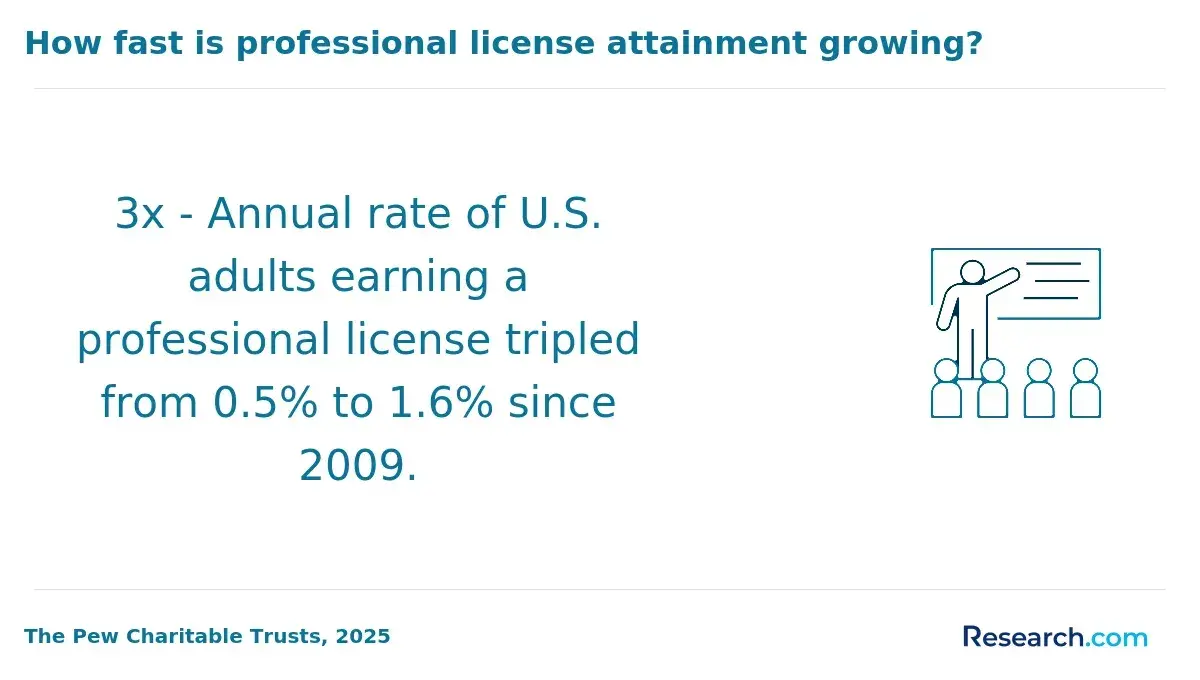
Many graduate programs evaluate applicants through a holistic admissions process, weighing professional experience alongside academic records. This broader approach recognizes that relevant work history can substantially contribute to a candidate's potential. Data shows that nearly 30% of admitted students with undergraduate GPAs under 3.0 possessed significant work experience pertinent to their field.
Below are some of the ways such experience can enhance the strength of an application for a Spanish master's degree program.
- Practical Language Use: Engaging in real-world contexts allows applicants to demonstrate functional proficiency in Spanish beyond theoretical knowledge, providing evidence of effective communication skills.
- Cultural Competence: Exposure to Spanish-speaking environments fosters an understanding of cultural nuances, which is vital for success in advanced language studies and professional settings.
- Communication Skills: Professional roles often require nuanced interpersonal interactions, showcasing the applicant's ability to convey ideas clearly and collaborate effectively.
- Discipline and Responsibility: Consistent work experience reflects reliability and a commitment to professional growth, traits that can balance earlier academic underperformance.
- Domain-Specific Expertise: Involvement in sectors such as translation, education, or international business can provide practical knowledge that enriches academic learning and enhances future career prospects.
Drawing from one graduate's experience, I asked about the role work history played in their admission despite a lower GPA. He described feeling uncertain during the application process, worrying that his academic record would overshadow his professional accomplishments. However, he actively highlighted his multilingual work in international nonprofits and community outreach programs. "My experience working directly with Spanish-speaking populations was the strongest part of my application," he said. This practical engagement not only boosted his confidence but also reassured admissions committees of his readiness and commitment to advanced studies in spanish. His story emphasizes that meaningful work experience can indeed offer a valuable second chance in competitive graduate admissions.
Certifications can enhance admission chances for applicants with a low GPA seeking entry into Spanish graduate programs. Approximately 32% of admissions committees acknowledge professional certifications as a valuable indicator of knowledge and skills when academic performance is weaker. These credentials provide evidence that can strengthen an application, especially for those employing low GPA graduate admissions strategies.
While a strong GPA remains influential, certifications present an additional avenue to improve competitiveness. Certifications in areas like Spanish language proficiency or translation showcase an applicant's subject-matter expertise and dedication to the field. They demonstrate practical skills and ongoing professional commitment, which admissions panels appreciate alongside academic records.
However, certifications are generally seen as complementary rather than substitutes for a solid GPA. Applicants should combine them with other strengths such as compelling recommendations or relevant experience to create a balanced profile that can boost prospects. For those researching pathways, information on highest earning degrees can also offer insight into related career outcomes.
Applicants with lower undergraduate GPAs often seek additional coursework to strengthen their academic records and improve admission chances for a Spanish master's program. Studies by the National Association for College Admission Counseling indicate that nearly 60% of graduate programs weigh recent academic performance heavily when considering candidates who initially had low GPAs. Below are key considerations that impact how additional undergraduate coursework for Spanish master's admission can influence acceptance decisions.
- Grade Replacement Impact: Some institutions allow new course grades to replace earlier low grades, directly improving the overall GPA. Others calculate an average across all courses, which may dilute the effect of additional coursework.
- Upper-Level Coursework: Advanced classes in Spanish or closely related fields demonstrate an ability to handle graduate-level material, strengthening the applicant's profile more than introductory classes.
- Subject Relevance: Enrollment in courses focused on Spanish language, literature, or culture carries more weight than unrelated subjects, aiding in demonstrating subject mastery.
- Recent Academic Performance: Excelling in post-baccalaureate courses signals readiness for graduate studies and suggests academic growth beyond the initial transcript.
Students considering how post-baccalaureate classes impact Spanish graduate school acceptance should aim to select courses aligned with these academic criteria. For those exploring practical pathways toward graduate success, some also investigate the shortest associate degree program options to build foundational skills quickly.
Conditional admission permits students who don't fully meet admission standards-such as GPA thresholds-to enter Spanish master's programs under specific terms. Around 35% of graduate programs in the U.S. offer some form of provisional or conditional enrollment to applicants with less competitive academic records. Key elements of this process include:
- Academic Performance Requirements: Students must achieve and maintain a minimum GPA during their initial semester or year, often set higher than undergraduate expectations, to continue in the program.
- Course Completion Conditions: Certain prerequisite or foundational courses may be required to be passed within a designated timeframe to satisfy program criteria.
- Time Limits: The conditional status typically applies for one academic term or the first full year, after which the student's eligibility for full admission is reassessed.
- Progress Evaluation: Advisors regularly monitor student progress to ensure all conditions are met and to decide on continuation in the program.
This approach provides a pathway for motivated students with lower GPAs to demonstrate their ability and commitment while maintaining program standards.
Admission criteria for online Spanish master's programs differ widely based on the institution's accreditation, the competitiveness of the program, and selectivity levels. Generally, online graduate programs tend to have acceptance rates approximately 5% to 10% higher than their on-campus equivalents. Several factors influence how accessible these programs are for applicants with lower GPAs. Consider the following key aspects:
- Admission Standards: Some institutions adopt more lenient admission requirements, allowing candidates with modest GPAs to strengthen their applications through other qualities.
- Program Selectivity: More prestigious or competitive programs maintain strict GPA thresholds, limiting chances despite the online format.
- Applicant Pool Size: Online formats often attract a wider and more varied applicant group, which can lead to increased competition even with higher acceptance rates.
- Experience Requirements: Relevant work experience, language proficiency, or compelling recommendation letters can help balance a lower GPA and improve admission prospects.
A professional who secured admission to an online Spanish master's degree program despite a low undergraduate GPA shared her experience with me. She reflected on the initial anxiety of feeling at a disadvantage but emphasized how she leveraged her extensive work experience in international education and her strong Spanish language skills to make a compelling case for acceptance. "I knew my GPA wasn't ideal, so I focused on showcasing my hands-on experience and passion for Spanish culture in my statement of purpose," she recalled.
The process required patience and care in assembling her application, particularly gathering robust recommendation letters that attested to her dedication and abilities. In the end, the acceptance felt like validation that academic performance isn't the sole factor in admissions decisions, especially in online master's programs that recognize diverse candidate strengths.
A high GRE score can help offset a low GPA when applying to Spanish master's programs, though its weight varies by institution. Standardized test scores offer a consistent way for admissions committees to evaluate applicants whose GPAs might not fully represent their potential. According to ETS data, the average GRE verbal score for admitted humanities graduate students is approximately 153 out of 170, emphasizing the importance of verbal skills in language-focused fields.
Below are key factors to consider in how GRE scores can enhance an application despite a low undergraduate GPA.
- Verbal Scores: High verbal scores highlight proficiency in reading comprehension and critical analysis, essential for Spanish studies, often compensating for lower GPAs.
- Quantitative Scores: While less emphasized in Spanish programs, strong quantitative scores can reflect overall academic ability and analytical thinking that admissions committees appreciate.
- Analytical Writing: High scores here demonstrate effective communication skills, critical for graduate-level research and coursework in Spanish.
- Overall Test Performance: A balanced GRE score profile shows intellectual readiness and motivation, encouraging admissions officers to give more weight to test results when reviewing low-GPA applications.
Post-baccalaureate programs are designed to help students who have completed an undergraduate degree but need to improve their academic records to enhance their chances of admission into graduate school. These programs serve as graduate prep programs for low GPA in Spanish degrees by providing targeted preparation and coursework. Key features of these programs include the following:
- Academic Enhancement: Additional college-level courses enable students to raise their GPAs, demonstrating improved academic capability to admissions committees.
- Prerequisite Completion: Students can fulfill any missing undergraduate requirements critical for Spanish master's program eligibility, ensuring they meet all necessary standards.
- Research Opportunities: Engagement in scholarly research helps build relevant skills and strengthens letters of recommendation, giving applicants a competitive edge.
- Graduate Preparation: Advising and workshops focus on application strategies, test preparation, and professional development, vital for applicants looking to improve their readiness for graduate study.
By focusing on these areas, post-baccalaureate options for Spanish master's applicants offer a structured path to overcome the challenges posed by a low undergraduate GPA. Such programs highlight commitment and subject mastery beyond the original degree, which is especially important for competitive fields.
Students considering advanced study might also explore resources like online MS data science programs, which demonstrate how structured, affordable pathways support specialized graduate education across disciplines.
Undergraduate GPA can influence entry-level salary offers after completing a master's degree in Spanish, as employers sometimes consider academic records when hiring recent graduates. Data from the National Association of Colleges and Employers (NACE) indicates that graduates with GPAs above 3.5 tend to earn 10-15% more in starting salaries than those below 3.0 in humanities fields, including language studies. However, this difference often becomes less significant with growing work experience and advanced degrees.
Several factors affect how a lower undergraduate GPA impacts starting pay:
- Employer Emphasis: Some employers prioritize GPA as a sign of work ethic and knowledge, while others focus more on demonstrated skills or internship experience.
- Field Of Study: Demand in Spanish-related careers varies; fields with high demand may offer salaries less tied to academic performance.
- Professional Experience: Relevant internships or part-time roles can compensate for a weaker GPA by showing practical abilities to employers.
- Graduate Degree Credentials: Earning a master's degree often raises salary prospects and can mitigate concerns about undergraduate GPA.
What Graduates Say About Getting Into a Spanish Degree Master's With a Low GPA
- Ashley: "Getting into a Spanish master's program with a low GPA was intimidating, but I found the affordability of many programs to be a major relief. The tuition costs were manageable, which made pursuing my passion for Spanish literature less stressful financially. I've now landed a role that truly values my advanced language skills and cultural knowledge, proving that GPA isn't everything."
- Wyatt: "The impact of my low GPA felt like a barrier at first, but I quickly realized that my commitment to Spanish linguistics and relevant work experience carried a lot of weight in admissions. Reflecting on the process, the programs that emphasized practical language proficiency over grades opened doors I thought were closed. This master's has significantly expanded my career opportunities in education and translation."
- Rowan: "Professionally, earning a Spanish master's degree has been transformative despite my GPA concerns. I approached the application with a focus on how I could contribute unique perspectives to the field, which resonated with the admissions committee. The degree has improved my credibility and earned me promotions, showing that dedication and skill often surpass numerical evaluations."
Other Things You Should Know About Spanish Degrees
In 2027, recommendation letters are crucial for applicants with a low GPA. They can provide insight into your strengths, character, and potential, offering admissions committees a broader view of your capabilities beyond your grades. Choose recommenders who can speak to your passion and skills relevant to Spanish studies.
Yes. Spanish universities can admit applicants with a lower GPA through an official exception or compensatory review, but the faculty must document the decision. In many public universities, the master’s admissions committee weighs transcripts, 60 ECTS bachelor credits relevant to the degree, and supporting evidence such as research or work experience.
- Is It Possible to Pursue a Master's Degree with a Low GPA? | Edu Live - Global Education News & Opportunities https://www.edu-live.com/posts/is-it-possible-to-pursue-a-masters-degree-with-a-low-gpa
- Is Work Experience Required for Graduate School? - Graduate Programs for Educators https://www.graduateprogram.org/blog/is-work-experience-required-for-graduate-school/
- Graduate Schools in Spain With Low GPA Requirements - StudiesIn https://studiesin.com/knowledge-base/graduate-schools-in-spain-with-low-gpa-requirements
- Requisits accés https://www.uv.es/uvweb/college/en/postgraduate-courses/official-master-s-degrees/pre-enrolment-/-admission/admission-requirements-1285846650476.html
- Breaking Down the Cost vs. Benefit of a Master’s Degree in Spain https://blcspain.com/masters-degree-in-spain/
- 2025 Most Affordable Online Master's in Spanish Degrees https://www.onlineu.com/most-affordable-colleges/spanish-masters-degrees
- How To Get into Grad School With a Low GPA? https://studyabroad.careers360.com/articles/how-get-grad-school-low-gpa
- Master's in Spain Cost for U.S. Students (2025) | RVF International https://rvfinternational.com/masters-in-spain-cost/
- Advanced Spanish Studies, Post-Baccalaureate Certificate https://www.slu.edu/arts-and-sciences/academics/degrees/graduate/spanish-studies-advanced-post-bacc-cert.php
- Accredited Online Spanish Courses for College Credit | Maximo Nivel https://maximonivel.com/online-spanish-college-credit/