2027 What Careers Can You Pursue With a Professional Writing Degree? Salary Potential, Job Outlook, and Next Steps

Co-Founder and Chief Data Scientist
Recent graduates with a professional writing degree often face uncertainty about which career paths offer stability and competitive salaries. Contrary to assumptions that writing roles are limited or low-paying, the U. S. Bureau of Labor Statistics projects a 7% growth in technical writing jobs from 2022 to 2032, reflecting rising industry demand.
This field encompasses diverse roles in marketing, publishing, corporate communications, and digital content creation. Understanding the salary potential and job outlook is crucial for career planning. This article explores viable career options, earnings expectations, market trends, and practical steps to guide graduates toward successful professional writing careers.
Key Things to Know About the Careers You Can Pursue With a Professional Writing Degree
- Careers with a professional writing degree span diverse industries such as publishing, marketing, technical communication, and nonprofit sectors, offering broad employment opportunities.
- Skills gained-like clear communication, content strategy, and editing-are highly transferable, applicable to roles in digital media, corporate communications, and education.
- Educational foundations in professional writing support long-term growth, with many graduates advancing to specialized roles or leadership positions aligned with evolving industry demands.
What Careers Can You Pursue With a Professional Writing Degree?
A professional writing degree offers a gateway to a variety of career paths across different sectors, reflecting the importance of strong communication skills in today's workforce. Employment in writing and editing fields is projected to grow 4% from 2022 to 2032, highlighting steady demand for such expertise. Many students pursue this degree to enhance their job opportunities in diverse industries.
Careers with a professional writing degree include the following roles:
- Technical Writer: These professionals create clear manuals, guides, and documentation to explain complex information for products or services. Their work is crucial in industries like technology and healthcare, where precision and clarity matter greatly.
- Content Writer: Often working with marketing teams or agencies, content writers develop engaging materials for websites, blogs, social media, and email campaigns. They help organizations effectively connect with audiences and promote their brands.
- Grant Writer: Specializing in funding proposals, grant writers prepare persuasive documents for nonprofits, educational bodies, and research initiatives. Their ability to articulate project goals is vital to securing financial support.
- Copywriter: Focusing on promotional content, copywriters craft advertisements, product descriptions, and brand messages. Their creativity and marketing insight influence consumer behavior and help build brand identity.
Those interested in advancing their career paths after earning a professional writing degree may also explore options such as pursuing the most affordable online mba programs to combine management skills with their writing expertise.
What Are the Highest-Paying Careers With a Professional Writing Degree?
A professional writing degree offers strong communication and content creation skills that are highly valued across many industries. Graduates often find well-paying roles, with technical writers earning a median annual salary of approximately $78,060 in 2022, and top earners making over $122,000. Wage growth trends in communication fields further highlight the degree's salary potential in the United States.
Here are some of the highest-paying careers associated with a professional writing degree:
- Technical Writer: These professionals produce manuals, guides, and documentation that clarify complex technical information, mainly in industries like software development and engineering. Salary ranges typically span from $57,000 to $120,000 annually, reflecting strong demand supported by writing expertise.
- Content Marketing Manager: With a blend of marketing strategy and writing skills, content marketing managers create and oversee content that drives brand growth. They usually earn between $60,000 and $115,000 each year.
- Grant Writer: Focused on crafting proposals to secure funding for nonprofits or research organizations, grant writers rely on persuasive, clear communication. Their salaries generally fall between $50,000 and $90,000.
- Corporate Communications Specialist: Managing both internal and external business communications, these specialists handle press releases, speeches, and employee messaging, with typical pay from $55,000 to $100,000.
- UX Writer: UX writers develop user-focused copy within digital products, enhancing the overall experience. Demand is rising, and salaries commonly range from $65,000 to $110,000.
A professional writing degree salary potential in the United States is also enhanced by skills in audience analysis and narrative technique, critical for roles requiring precise communication. For students balancing career ambitions with additional studies, programs like online clinical mental health counseling may offer flexible options to further diversify their skill set.
What Is the Job Outlook for Professional Writing Degree Careers?
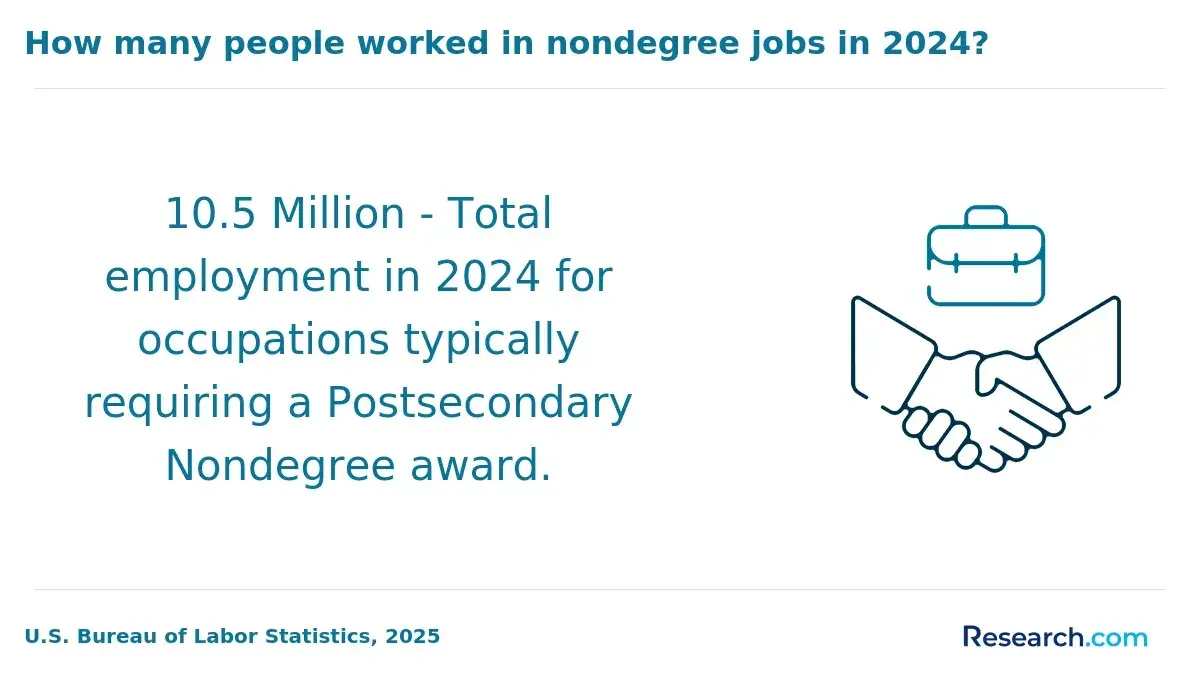
The job outlook for careers tied to a professional writing degree remains promising, supported by steady demand for skilled communicators across various sectors. As digital content continues to influence marketing, technical documentation, and organizational communication, professionals with writing expertise are increasingly sought after. Employment in related fields is expected to grow moderately; for instance, technical writing positions are projected to rise by about 6% between 2022 and 2032, matching the average pace for all occupations. The evolving workplace emphasizes adaptability, digital literacy, and nuanced communication skills, with opportunities expanding in areas influenced by technological advances and social media. This dynamic creates a favorable environment for those who keep pace with industry changes and emerging content needs.
When I spoke with a professional with a degree in professional writing about the job outlook, he shared how entering the field felt like navigating both exciting and uncertain terrain. He explained, "It took time to find roles that matched my skills because many employers look for candidates who combine writing with digital savvy." He described the challenge of continuously updating his toolkit to include SEO and content strategy knowledge, saying, "Adapting to new trends is part of the job, and it's rewarding but also demanding." His experience highlighted the importance of staying proactive and flexible to thrive in the shifting landscape of writing careers.
A professional writing degree equips graduates with versatile communication and research skills, preparing them for a variety of entry-level roles across industries. Approximately 61% of employers prioritize candidates with strong writing and communication proficiencies in their initial hiring decisions. This emphasizes the degree's importance in opening career opportunities.
Graduates can explore different paths suited to their talents and interests. Below are some common entry-level jobs linked to a professional writing degree:
- Content Writer: Responsible for producing articles, blog posts, and website copy that engage and inform readers. This role relies on the ability to adjust tone and perform thorough research, skills emphasized in a professional writing degree career opportunities.
- Copywriter: Focuses on creating persuasive marketing content such as advertisements and product descriptions. The degree's training in adapting messages for diverse audiences prepares graduates for these tasks.
- Editorial Assistant: Reviews and refines written materials for accuracy and clarity. Strong editing capabilities developed in the program are essential for success in this role.
- Technical Writing Assistant: Supports the development of manuals and instructional documents by simplifying complex information. A professional writing degree hones these precise communication skills.
- Social Media Coordinator: Manages content creation and strategy for social platforms to engage target audiences effectively. Graduates benefit from experience in digital communication nurtured during their studies.
For students interested in related fields, combining a professional writing degree with a game development degree online may expand their creative and technical career options.
A professional writing degree cultivates versatile communication skills tailored to diverse audiences and industries. With 82% of employers emphasizing strong communication when recruiting, graduates refine their ability to adjust writing style and tone effectively. These foundational skills span numerous contexts, from technology to marketing, enhancing career flexibility.
Key competencies developed through the program include:
- Technical Writing: This skill focuses on simplifying complex information into clear, accessible formats like manuals and reports. Coursework involves creating precise documentation suited for fields such as science and healthcare.
- Research Proficiency: Students learn how to collect, assess, and integrate information critically. Assignments encourage investigative thinking and fact-based content creation essential for credible writing.
- Editing and Revision: Emphasizing accuracy and coherence, this skill sharpens attention to detail. Peer reviews and iterative drafts help students polish their work to a professional standard.
- Digital Literacy: Graduates gain expertise in managing online content and multimedia tools. This competence is vital for engaging audiences across digital platforms and social media.
- Project Management: Collaborative projects and deadline-driven tasks build skills in organizing and prioritizing work. These abilities support efficient delivery within various professional environments.
A professional writing degree graduate shared that one of the most demanding aspects was adapting to diverse writing styles under tight deadlines. She recalled, "Balancing creativity with precision took time, but learning to revise repeatedly made my work stronger." The constant collaboration in group projects also taught her how to manage differing ideas and maintain focus, ultimately boosting her confidence in handling real-world assignments and complex communication challenges.
A bachelor's degree in professional writing can propel graduates into mid-level and advanced careers without the need for additional formal education or certification. Nearly 60% of bachelor's degree holders transition into professional or managerial roles within five years of workforce entry, highlighting the degree's effectiveness in promoting career growth. This foundation equips individuals with strong communication skills essential for various industries.
Several career paths are available that leverage the skills gained from a professional writing degree, focusing on increased responsibility and strategic functions:
- Technical Writer: Technical writers develop comprehensive documentation, manuals, and guides for sectors like technology, healthcare, or engineering. The degree hones the ability to simplify complex information for diverse audiences, a critical asset in this role.
- Content Strategist: These professionals design and implement content plans aligned with organizational goals. A background in professional writing enhances their capacity to craft persuasive messaging and oversee digital content effectiveness.
- Communications Specialist: This role involves managing both internal and external messaging through press releases, newsletters, and speeches. Graduates use their writing expertise to shape brand identity and maintain consistent corporate communication.
- Proposal Writer: Focused on business development or funding acquisition, proposal writers produce compelling documents tailored to clients or donors. The strategic writing skills developed in the degree program support the clear presentation of persuasive arguments.
These positions benefit from foundational competencies in writing techniques, audience engagement, and project coordination. Progression in these roles is often tied to practical experience and a strong portfolio, making a professional writing bachelor's a valuable credential for career advancement without extra certification.
Many careers tied to a professional writing degree often require more than a bachelor's education, with certifications or advanced degrees enhancing employability and career growth. Research shows that about 38% of positions in specialized professions mandate a master's degree or higher, reflecting the importance of further qualifications. These extra credentials validate expertise and prepare writers for roles demanding technical accuracy and strategic communication.
Below are key careers where additional certifications or advanced education play a critical role:
- Technical Writing: Professionals create detailed documentation for complex fields such as aerospace and software. Certifications like the Society for Technical Communication's Certified Professional Technical Communicator credential demonstrate proficiency in producing precise, user-friendly materials needed for these industries.
- Grant Writing: Experts in this area often pursue graduate studies in nonprofit management or public administration to better understand funding environments and enhance strategic proposal development. Advanced education equips grant writers with the skills to effectively communicate project value to stakeholders.
- Journalism: Positions in investigative or broadcast journalism frequently require a master's degree to provide rigorous training in ethics, multimedia storytelling, and research methods. This advanced coursework fosters professional standards essential for credibility and career advancement.
- Medical Writing: This field demands knowledge of biomedical sciences alongside strong writing skills. Medical writers often hold advanced degrees in life sciences or credentials such as the American Medical Writers Association's Medical Writer Certified certification to work on regulatory documents and clinical communication.
Graduates with a professional writing degree often explore alternative career options beyond traditional roles such as copywriting and editing. According to data from the National Association of Colleges and Employers, approximately 45% of graduates in communication-related fields transition into interdisciplinary or non-traditional careers within five years, demonstrating the versatility of this degree. This adaptability is due to the strong foundation in communication, critical thinking, and research skills that these graduates develop.
Below are several promising non-traditional career opportunities for professional writing graduates:
- Technical Communication: Professionals in this field create clear, concise documentation like user manuals, white papers, and software guides. The ability to translate complex technical information into accessible language makes this an ideal path for those skilled in organizing and producing reader-friendly content.
- Digital Marketing: This role involves crafting engaging narratives and managing content strategies across social media, websites, and email campaigns. Graduates leverage their writing skills to build audience engagement and enhance brand loyalty through compelling online messages.
- Instructional Design: Graduates develop educational materials, training manuals, and e-learning modules. Clear communication expertise ensures that complex ideas are presented effectively to optimize learning outcomes.
- Grant Writing: This specialized path uses persuasive writing skills to prepare funding proposals for nonprofits and research organizations. The structured approach and compelling narrative techniques acquired in a professional writing degree directly support success in grant writing.
For those considering further education, pursuing an online master degree can expand career prospects and enhance skill sets within these alternative fields.
Salary potential for professional writing graduates varies widely due to multiple professional and educational factors. For instance, technical writers, a common role for these graduates, earn a median annual wage of about $74,650, which often exceeds salaries in other fields. The job market trends affecting professional writing salaries reflect this broad variation across roles and industries.
Key factors influencing earnings include the following:
- Industry Choice: Salaries differ significantly depending on the sector. Positions in technology, advertising, or corporate communications generally offer higher pay compared to nonprofit or educational organizations where budgets are more constrained.
- Experience Level: Entry-level writers tend to earn less, but salary progression is common as writers move from junior roles to senior writer, editor, or content strategist positions, which come with increased responsibility and expertise.
- Geographic Location: Writers employed in major metropolitan areas like New York City or San Francisco typically receive higher salaries to offset the cost of living, whereas wages in smaller cities or rural areas tend to be lower.
- Specialization: Professionals with expertise in niches such as technical documentation, grant writing, or SEO copywriting often command premium salaries due to their specialized skills.
- Role Responsibility: Writers involved in project management, strategic planning, or leadership roles usually earn more than those focused on purely task-driven writing.
For students exploring career paths related to writing, considering complementary fields such as a bachelor applied artificial intelligence might also be beneficial, given the evolving intersections between AI and content creation.
Graduates with a professional writing degree typically follow several distinct paths after finishing their studies. According to the National Center for Education Statistics, about 65% of bachelor's degree recipients enter the workforce within a year of graduating. Many also consider continuing education or building professional experience to enhance long-term career success.
Common avenues after graduation include:
- Entering the Workforce: Many begin in entry-level roles such as content creation, technical writing, or copyediting, which provide valuable practical experience and help develop a professional portfolio.
- Further Specialization: Pursuing graduate degrees or certifications in fields like creative writing, digital communication, or publishing can open doors to advanced positions and demonstrate dedication to potential employers.
- Gaining Experience: Internships and freelance projects offer hands-on learning and opportunities to build industry contacts, often leading to permanent employment or expanding versatile skills.
- Professional Development: Attending workshops, joining writing organizations, and networking are essential strategies for mentorship, job leads, and professional growth.
- Exploring Related Fields: Graduates often apply their writing skills in areas such as marketing, public relations, or education, broadening career options and aligning work with diverse interests.
What Graduates Say About the Careers You Can Pursue With a Professional Writing Degree
- Jason: "Studying professional writing was a pivotal choice because it offered me the flexibility to explore various industries that value clear communication. Early on, I realized how versatile the degree is, from marketing to technical documentation. Today, I'm confident that my skills open doors to multiple career paths where effective writing is essential."
- Camilo: "Choosing a professional writing degree was driven by my passion for storytelling and precision. After graduating, I took time to reflect deeply on which field complemented my strengths best, ultimately finding fulfilling opportunities in content strategy and editing. Earning this degree has profoundly impacted my career by sharpening my ability to craft messages that resonate with diverse audiences."
- Alexander: "As a professional writer, the degree gave me a strong foundation to enter the corporate world with confidence. It helped me understand the importance of tailoring content to different stakeholders, which is invaluable in business communication roles. The impact of this education continues to shape my approach to clear, concise, and persuasive writing every day."
Other Things You Should Know About Professional Writing Degrees
The Association of Writers and Writing Programs, the Editorial Freelancers Association, and ACES: The Society for Editing offer networking, training, and job resources. Many employers also value certifications from organizations such as the American Medical Writers Association for specialized writing work.
Graduates with a professional writing degree often find opportunities in industries such as publishing, marketing, advertising, public relations, education, and technical communications. Many also work in healthcare, finance, and technology sectors where clear and effective written communication is essential. These industries value writers who can tailor content to specific audiences and purposes.
Many professional writers pursue freelance careers, offering flexibility and control over their projects. Freelancers should consider building strong client relationships, managing contracts, and maintaining consistent work quality. Developing networking skills and marketing oneself effectively are also important to sustain a steady flow of assignments.
In 2027, mastering digital tools is crucial for professional writing graduates, as these skills enable them to work efficiently across various platforms, engage effectively with digital audiences, and stay competitive in industries that increasingly rely on digital content creation and management.
- Découvrez ETX Daily Up ! https://dailyup.etxstudio.com/articles/rn/en/news_r0x43ne0/books/budding-authors-might-struggle-to-get-rich-or-even-get-by-from-a-writing-career
- Exploring Writing Careers: 13 Types of Writers | Skillshare Blog https://www.skillshare.com/en/blog/exploring-writing-careers-13-types-of-writers/
- Bored Of Writing Articles For A Living? Here Are Some Alternative Career Paths https://stuartdanker.com/2021/03/09/here-are-five-different-career-paths-you-can-take-as-a-writer/
- 15 different careers in writing - SEEK https://www.seek.com.au/career-advice/article/different-writing-careers-with-examples
- 9 High-Paying Writing Jobs for Word People: Editors, Writers, and Beyond | The Muse https://www.themuse.com/advice/high-paying-writing-jobs
- 6 Notable professional writing careers for newcomers and seasoned wordsmiths https://lpsonline.sas.upenn.edu/features/6-notable-professional-writing-careers-newcomers-and-seasoned-wordsmiths
- Careers for Writers that Aren’t Teaching or Publishing - Molly Christian Tyler https://mollychristiantyler.com/careers-for-writers/
- The Best Paying Jobs for People Who Are Great at Writing https://filthyrichwriter.com/best-paying-jobs-for-writers/
- Factors That Affect a Freelance Writer’s Income https://www.freedomwithwriting.com/freedom/uncategorized/factors-that-affect-a-freelance-writers-income/
- 20 Creative Writing Jobs for Graduates (+ Entry-Level Positions) https://reedsy.com/freelancer/creative-writing-jobs/