2027 Switching from General Business to Healthcare Administration During a BS in Business Administration: Credits and Timing
Audited and Verified:
Our Editorial and Data Verification Process
Research.com uses government datasets, official education statistics and primary institutional information to support its career and degree guides. Our review process checks factual accuracy, occupational definitions, source dates and the requirements associated with the credentials discussed.
How This Article Was Fact-Checked
Our editorial team verifies salary estimates, employment projections, education requirements and program information against original data providers and official organizations. Salary figures are checked against the relevant occupational definitions and reporting periods. Information about licensure, accreditation and required in-person training is reviewed separately.
Fact-checked and verified on:

Co-Founder and Chief Data Scientist
Switching from general business to healthcare administration can put your degree closer to a hospital or clinic career, but it can also change which courses count toward graduation. If you are already working on a BS in Business Administration, the deciding document is a side-by-side degree audit, not the number of credits on your transcript.
This guide explains how to assess credit applicability, course sequencing, time, cost, and career fit before you submit a change-of-major request or transfer to another school.
Key Things You Should Know
- Business courses may remain accepted while moving from major requirements to electives; only an approved healthcare administration degree audit shows what you still need.
- A missing prerequisite or healthcare course offered only in certain terms can delay graduation even when most of your credits apply.
- Healthcare administration does not automatically qualify a new graduate for management: the BLS reports a $114,130 May 2025 median for administrative services managers, an occupation-wide figure that reflects experienced workers as well as other industries.
What happens when you switch from business administration to healthcare administration?
First, establish what "switch" means at your school. You might change from a general business major to a healthcare administration major, select an official healthcare concentration within your existing BS, or transfer to a different institution that awards a separate degree. These paths can have different approval processes and graduation requirements.
A concentration may preserve more of the business core but offer less healthcare-specific coursework than a separate major.
A new major may add prerequisites, an internship, or a capstone. If your goal is a general administrative role in a health system rather than a healthcare-specific credential, compare the new audit with staying in business and gaining healthcare experience. Flexible business administration programs for career progression are another option if changing programs would disrupt work or delay completion.
How many business administration credits transfer to healthcare administration?
There is no reliable universal number. Within one institution, previously earned courses usually remain on your record, but their application to the new degree can change. At another institution, the receiving school must first accept the credits and then decide whether each satisfies general education, a business core, a healthcare requirement, or an elective.
This table shows why a credit total alone cannot predict your remaining workload. The registrar or transfer office determines equivalencies; the department and academic adviser confirm how they appear in the degree audit.
| Audit result | What it means for completion |
| Fulfills a required course | Removes that specific requirement, subject to the school's catalog and minimum-grade rules. |
| Counts as an elective | Adds to earned credits but may leave a healthcare or business-core requirement unmet. |
| Accepted but beyond the degree's elective capacity | Appears on the record without reducing the courses needed to graduate. |
| Not accepted or not eligible for substitution | May require an appeal, additional documentation, or another course. |
Ask for written evaluations of accounting, statistics, and other courses with close-but-not-identical titles. If you are comparing specialized alternatives, online HR degrees for transfer students illustrate the same essential distinction: accepting a business course is not the same as applying it to a new major.
How long does switching majors take during a business administration degree?
The answer depends more on remaining required courses and when they are offered than on total credits earned. Switching early may leave room to fit healthcare prerequisites into planned semesters. Switching near graduation can add terms if specialized courses must be taken in sequence or an internship requires advance approval.
Before changing your major, request a term-by-term plan under both options. Have an adviser check prerequisite chains, course rotation, minimum credits that must be completed at the institution, and whether any classes are available in summer or online. An accelerated calendar helps only if the courses you need are offered in the right order; accelerated study schedules for business majors provide a useful comparison when finishing general business sooner is a realistic alternative.
Accounting, finance, statistics, economics, organizational behavior, human resources, operations, information systems, and business communication are common candidates for overlap. Their placement is program-specific. A healthcare finance requirement, for example, may require sector-specific reimbursement and budgeting content that a general corporate finance course does not cover.
Compare course descriptions and learning outcomes, not just names. An adviser can identify whether a business course satisfies the healthcare degree's core, needs a departmental substitution, or counts only as an elective.
If your main interest is hospital purchasing and logistics rather than broader health services administration, compare the remaining curriculum with online colleges with accelerated supply chain bachelor's study; specialization is useful only when it matches the work you want to do.
Depending on the program, remaining major courses may address the US healthcare system, health policy, healthcare law and ethics, patient privacy, quality improvement, health information, reimbursement, and healthcare operations. These subjects explain why a largely transferable business core may still leave substantial major work.
Check whether the curriculum also requires a healthcare internship, practicum, or capstone, and when you become eligible to enroll. An existing hospital job does not automatically replace supervised academic work. If your intended work is primarily coordinating projects across industries, compare the healthcare requirements with online project management bachelor's programs accepting transfer credits before adding sector-specific courses.
Many online programs evaluate prior business coursework, but online delivery does not create a separate guarantee of transfer. Confirm the institution's credit limits, minimum grades, course equivalencies, and residency rules. Also ask whether required healthcare courses run every term and whether an internship needs a locally approved site.
Compare application costs only after checking academic fit. You can find online colleges with free admissions applications, but a waived application fee will not offset an unfavorable credit evaluation or an unavailable required course.
A change within your current university may require good academic standing, a minimum grade in prerequisite courses, or approval from the receiving department. A transfer to another university generally requires an admission application and official transcripts; admission to the university and admission to a restricted major may be separate decisions. Requirements vary, so do not assume that being enrolled in business guarantees a place in healthcare administration.
Ask admissions whether you can receive a preliminary credit review before committing, then have the department confirm major-specific requirements in writing. If you still need introductory quantitative or business courses, academic eligibility for business administration degree study offers a comparison point - not a substitute for the healthcare program's own rules.
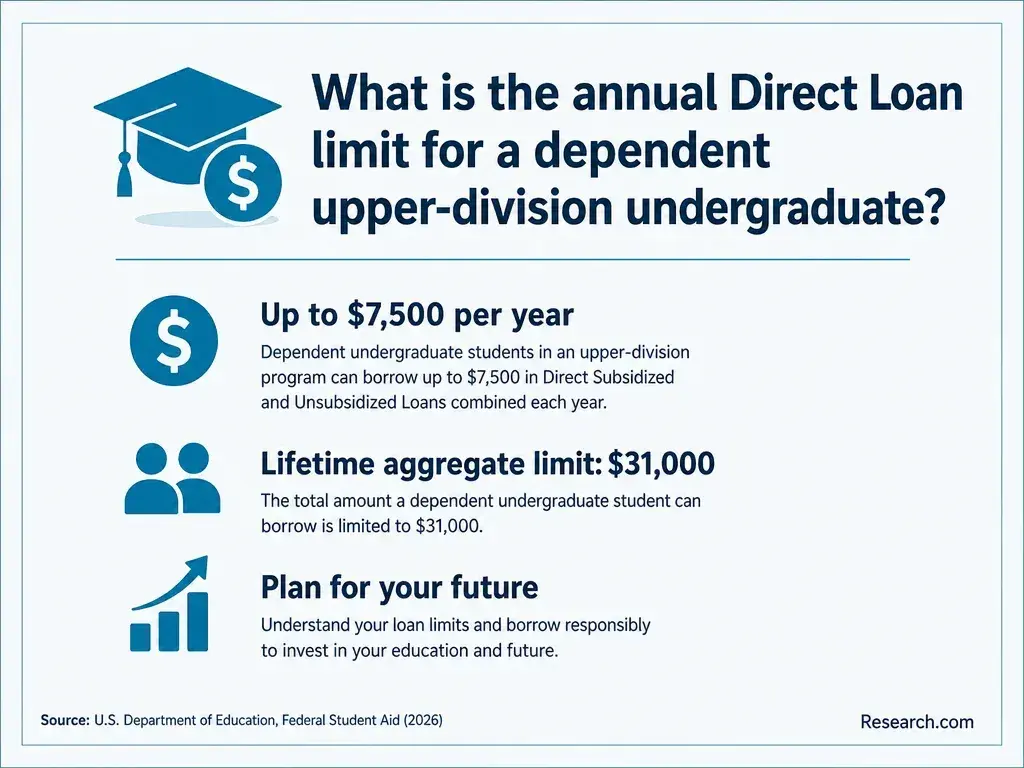
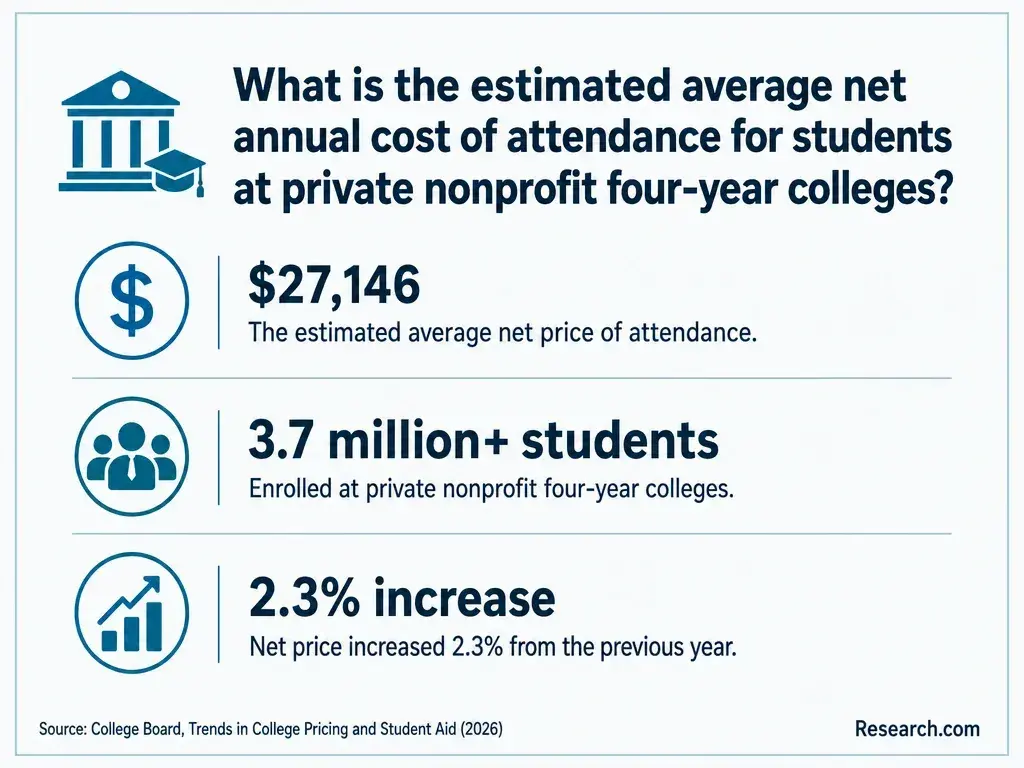
Calculate cost from the courses still required, not the credits a school says it accepts. Compare tuition and mandatory fees for each remaining term under both degree plans. Include an added term caused by course sequencing, internship travel or unpaid hours, books and technology, and any change in financial-aid eligibility. A transfer to a lower-priced school can still cost more overall if fewer courses apply to graduation.
Request an updated aid estimate alongside each official audit. For a baseline, compare online business colleges with competitive costs, but use your own remaining-course plan - not advertised program tuition - to judge whether switching pays off.
Potential starting points include patient services, clinic operations, scheduling, revenue-cycle support, and administrative coordination. A business student with relevant healthcare work experience may also pursue roles in procurement or HR. Responsibilities vary by employer, and a healthcare administration degree alone does not make someone ready to run a department.
For salary context, the US Bureau of Labor Statistics reports a $114,130 median annual wage in May 2025 for administrative services managers. That figure covers managers across industries and experience levels; it is not an entry-level offer or a healthcare administration graduate salary.
Evaluate postings for your target role and location, including their experience requirements. If healthcare procurement is your specific goal, shorter online supply chain degree pathways may be worth comparing with a healthcare administration major.
Do healthcare administrators need licenses or professional certifications?
There is no single license required for every healthcare administration job. Requirements depend on the position and state: nursing home administrators, for example, face state licensure rules that do not apply to a typical clinic administrative coordinator. Voluntary professional certifications have their own education and experience criteria; completing a healthcare administration major does not automatically award one.
Check the exact job title against the relevant state regulator and employer posting before choosing a degree for credential eligibility. If the work you want is nonlicensed business operations within a healthcare employer, economical business administration degrees with quicker study routes may be a more direct completion path - especially if you can build healthcare experience alongside the degree.
Other Things You Should Know About Business Administration
Often, yes. Graduate programs set their own admission and prerequisite rules, so a bachelor's in healthcare administration is not universally required. Compare those rules before changing your undergraduate major solely to prepare for graduate study.
Only if your institution offers an applicable prior-learning assessment or approves the work under a formal course requirement. Employment by itself does not award credit; ask what documentation and assessment the school requires.
Yes. Additional courses or a longer completion plan may affect satisfactory academic progress, aid limits, or scholarship conditions. Have the financial-aid office review both degree plans before you switch.
Usually you can request another major change, but catalog rules and course availability may have changed. Keep copies of both audits and ask an adviser how another switch would affect your graduation plan.
- Rule 3341-3-33 | Baccalaureate degree programs https://codes.ohio.gov/ohio-administrative-code/rule-3341-3-33
- Delayed Time-to-Degree and Post-college Earnings - PMC https://pmc.ncbi.nlm.nih.gov/articles/PMC7875953/
- Staying Eligible | Federal Student Aid https://studentaid.gov/understand-aid/eligibility/staying-eligible
- Sample Sequence of Courses: Allied Health - Healthcare Admin | Undergraduate Academic Programs https://undergraduate.cahnr.uconn.edu/ah-hadm-sample-sequence-of-courses/
- Transferring Credits to UT Dallas https://enroll.utdallas.edu/transfer/transferring-credits/
- Change of Major - Academic Advising - Cal Poly, San Luis Obispo https://advising.calpoly.edu/change-major
- Course Transferability - TCU Admission https://admissions.tcu.edu/apply/transfer/course-transferability.php
- Undergraduate Transfer Credit Policies | baylor.edu https://registrar.web.baylor.edu/records-services/undergraduate-transfer-credit/undergraduate-transfer-credit-policies
- MHA in Health Administration | University of Oklahoma Hudson College of Public Health https://publichealth.ouhsc.edu/academics/degree-programs/master-of-health-administration/mha-in-health-administration
- Internship Requirements - Health Care Management Program https://hcm.appstate.edu/academic-programs/bachelor-science-health-care-management/internship-requirements