2027 SNHU BS in Business Administration: Comparing an Online Business Degree with a Prior Unfinished Major
Audited and Verified:
Our Editorial and Data Verification Process
Research.com uses government datasets, official education statistics and primary institutional information to support its career and degree guides. Our review process checks factual accuracy, occupational definitions, source dates and the requirements associated with the credentials discussed.
How This Article Was Fact-Checked
Our editorial team verifies salary estimates, employment projections, education requirements and program information against original data providers and official organizations. Salary figures are checked against the relevant occupational definitions and reporting periods. Information about licensure, accreditation and required in-person training is reviewed separately.
Fact-checked and verified on:

Co-Founder and Chief Data Scientist
An unfinished business major does not mean you have to start your bachelor's degree over. But transferring to Southern New Hampshire University (SNHU) is worthwhile only if your earlier courses satisfy enough of its actual degree requirements to make completion practical. This guide is for returning students weighing SNHU's online BS in Business Administration against finishing at their former college. It explains how to compare credit applicability, scheduling, remaining cost, and career relevance - so you can choose a route based on a degree audit rather than an advertised transfer maximum.
Key Things You Should Know
- SNHU's BS in Business Administration is a 120-credit degree; its stated transfer allowance is up to 90 credits, but accepted credits may not satisfy every business requirement.
- Compare an official SNHU degree audit with a written completion plan from your former college. The better option is the one with fewer costly or hard-to-schedule requirements left - not necessarily the one accepting more credits.
- SNHU's online undergraduate courses commonly run in eight-week terms. Confirm course availability and your sustainable pace before translating remaining credits into a graduation date.
What Is an SNHU Business Administration Bachelor's Degree?
SNHU's Bachelor of Science in Business Administration is an undergraduate degree combining general education with business study. Its online format can let a returning student continue working while completing courses, but online does not mean self-paced: assignments follow course deadlines, and the work still requires regular time each week.
The degree is a broad business credential, not a substitute for an accounting license or experience managing employees. If you are also considering other institutions, ranked school options for studying business online can help you identify alternatives to evaluate with the same transfer-credit questions.
Is an SNHU Business Administration Degree Accredited?
SNHU holds institutional accreditation from the New England Commission of Higher Education (NECHE). SNHU also identifies Accreditation Council for Business Schools and Programs (ACBSP) accreditation for its business programs. Before relying on programmatic accreditation for a particular purpose, confirm that the online BS in Business Administration is within the accreditor's current listed scope.
Institutional accreditation and business-program accreditation answer different questions; neither establishes that your old courses will transfer or that an employer will prefer one degree. Apply the same scope check to a specialized alternative rather than assuming that "accredited" describes every program identically. For example, an accredited online project management tuition guide is a starting point for comparing options, not a replacement for checking each school's accreditor and covered program.
How Does SNHU Compare With an Unfinished Business Major?
The choice is not between a completed SNHU degree and an incomplete former major. It is between two possible completion plans: transferring to SNHU or returning to the institution where you began. Ask both schools to show what you must do from this point forward.
This comparison separates factors that are easy to conflate. In particular, a high count of accepted credits can still leave required business courses unfinished.
| Decision factor | Finish at your former college | Transfer to SNHU |
| Earlier coursework | Check whether old courses still meet the current catalog and major rules. | Check which courses satisfy general education, business core, concentration, or elective requirements. |
| Scheduling | Confirm whether required courses are offered when you can attend. | Confirm online course availability, deadlines, and a workable term-by-term pace. |
| Cost | Request a remaining-tuition and fees estimate, including any repeated courses. | Price only the courses SNHU says you still need, plus applicable materials and fees. |
| Career fit | Evaluate whether the original major still supports your target role. | Evaluate whether a general business degree or available concentration fits that role better. |
If your former college requires little more than a final sequence of courses, staying may be faster even if SNHU offers greater online flexibility. If returning would mean unavailable classes or substantial reentry requirements, SNHU may be stronger. Use online business colleges with competitive costs to widen the comparison, but judge each option by its remaining cost to you, not its published price alone.
Possibly. SNHU states that eligible undergraduate students may transfer up to 90 credits toward a 120-credit bachelor's degree. That is a ceiling, not a promise that your unfinished major will contribute 90 usable credits - or that only 30 credits will remain. The decisive document is the evaluation showing where each accepted course applies.
Gather official transcripts from every college attended, even if the courses seem unrelated. For disputed equivalencies, retain catalog descriptions and syllabi, especially for accounting, economics, statistics, and other courses whose content may determine whether they satisfy a business requirement. Ask SNHU's transfer-credit team and academic adviser to clarify:
- Which credits were accepted, and which specific degree requirements do they fulfill?
- Were any courses placed in electives while a similar business-core requirement remains open?
- Do course age, grading, repeat-course, or credit-conversion rules change the evaluation?
- What review or appeal process is available if a course appears to match a requirement?
Do not withdraw from another institution or register for replacement courses solely on a preliminary estimate. For a comparison of how policies can differ across business-adjacent programs, see compare credit acceptance at online HR schools; SNHU retains final authority over credits applied to its degree.
SNHU's business administration curriculum combines general education with areas such as accounting, finance, marketing, management, and quantitative business decision-making. The exact course titles, available concentrations, and requirements depend on the catalog applicable to your enrollment, so use your SNHU program evaluation - not a generic course list - to plan.
For a returning student, the important distinction is between exposure and requirement satisfied. An earlier marketing elective might transfer without replacing a designated core course; a course in management might fill an elective rather than an official concentration requirement. Check prerequisite order before scheduling upper-level work, and ask whether changing concentrations would add credits. If HR is your target function, compare human resources degree pathways before assuming a general business curriculum provides the same depth as an HR-focused degree.
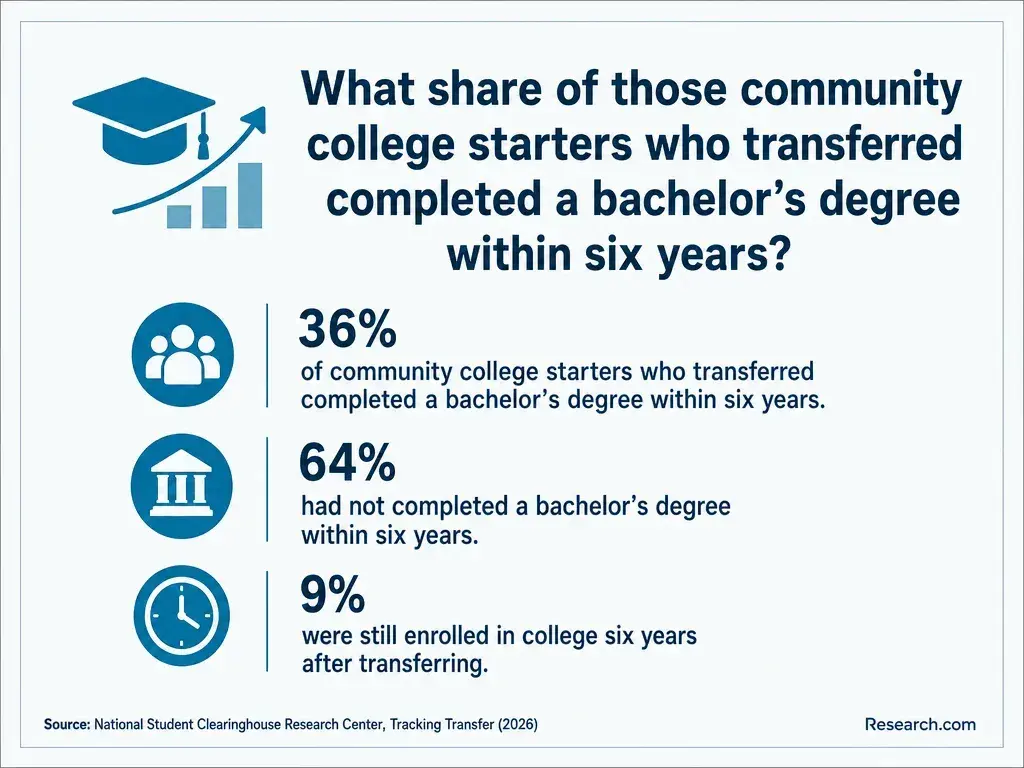
A prior unfinished major does not, by itself, prevent an application to SNHU's online undergraduate program. Expect the admissions process to require an application and documentation of previous education; SNHU must review your record under the policies in force when you apply. Admission, transfer-credit acceptance, and satisfaction of business-major requirements are separate decisions.
If you left college with a low GPA, a financial hold, or incomplete records, contact admissions before planning your first term. Ask what documentation is required, when an official transfer evaluation will be available, and whether any issue affects enrollment rather than credit applicability. Requirements at a specialized alternative may differ: compare transfer policies at online project management colleges only if that degree better matches your intended work.
Your timeline depends on the requirements left after evaluation, your course load, prerequisite order, and when required classes are offered. SNHU's online undergraduate courses commonly use eight-week terms, but a short term does not make a course take less work. Taking more courses at once may shorten the calendar while increasing the risk of withdrawing or having to repeat one.
Request a term-by-term plan that includes every remaining business, general education, and elective requirement. Then compare it with the next available completion plan at your former college. If speed is the main constraint, shorter routes to an online bachelor's may be worth examining - but only after checking how your credits apply and whether the pace is sustainable.
SNHU charges online undergraduate tuition by credit, so your relevant price is the cost of the remaining billable credits, not the cost of an entire degree. Because tuition and fees can change, obtain SNHU's rate for your enrollment term and an individualized estimate after your credit evaluation. Use the same method for your former college.
Build your comparison from these price components rather than an advertised total:
- Tuition: remaining required credits multiplied by the applicable per-credit rate at each school.
- Additional charges: required fees, books, course materials, and technology or software you do not already have.
- Financing cost: expected borrowing and interest after confirmed grants, employer benefits, and other aid.
Also account for the cash-flow effect of employer reimbursement, if available, and the cost of any course you must repeat. An apparently inexpensive alternative can cost more if fewer prior credits fulfill its requirements. Online supply chain programs balancing cost and completion time offer a useful alternative comparison if your goal is specifically supply chain work rather than general business preparation.
For someone with an unfinished business major, the degree's career value depends partly on experience already gained. A person who has handled scheduling, customer accounts, purchasing, or reporting may be able to pair that work with a completed degree when seeking an operations coordinator, sales operations, administrative, or HR support role. Employers may still require particular software skills, industry knowledge, or prior functional experience.
Choose a target role before choosing electives or a concentration. Compare job descriptions with your actual responsibilities, then seek a relevant work project, internship, or supervised assignment to address a gap. Do not assume an existing job earns academic credit without SNHU approval. If procurement or logistics is the goal, faster-paced online supply chain college study may be more directly aligned than broad business administration, provided its transfer evaluation supports completion.
What Are the Salary and Job Outlook for Business Graduates?
There is no single salary or job-growth figure for "business administration graduates." The U.S. Bureau of Labor Statistics reports occupation-wide wages, which include workers with different degrees and levels of experience. For example, its May 2025 median annual wage for human resources specialists was $75,940, with employment projected to grow 6% from 2025 to 2035. That median is not an expected starting salary for an SNHU graduate.
For your decision, compare pay and hiring requirements for a specific role in your location with the remaining cost of each degree plan. If completing sooner would let you apply for bachelor's-required positions earlier, that may matter - but a faster program is worthwhile only if it is affordable and completable. Quick-completion business degree pathways provide options to investigate, not evidence that accelerated study produces higher earnings.
Other Things You Should Know About Business Administration
It may complicate access to records. Contact your former college's registrar about its current transcript policy and any balance-resolution options; do not assume SNHU can complete an official evaluation without the required records.
Ask SNHU for a second-bachelor's evaluation before applying. Prior general education work may help, but second-degree rules and remaining business requirements determine whether another bachelor's is sensible.
Not automatically. Ask SNHU whether an approved prior-learning pathway applies and what documentation or assessment it requires. Regular employment alone is not a course equivalency.
You can discuss options with admissions first. Before enrolling in concentration courses, have an adviser confirm the official requirements and whether changing your choice later would add courses.
- Accreditation in the U.S. | ed.gov http://www.ed.gov/laws-and-policy/higher-education-laws-and-policy/college-accreditation/accreditation-in-the-us
- Online Business Administration Degree | snhu.edu https://www.snhu.edu/online-degrees/bachelors/bs-in-business-administration
- General Education and Common Curriculum Requirements | UConn School of Business https://undergrad.business.uconn.edu/academics/cc-gen-ed/
- E. J. Ourso College of Business - Louisiana State University https://catalog.lsu.edu/content.php
- Why Is Accreditation Important? | ACE Blog https://ace.edu/blog/why-is-accreditation-important/
- Breaking Down Online Course Workloads: What to Expect and How to Plan | Kent State Online https://onlinedegrees.kent.edu/blog/online-workload
- Transfer Credit Evaluation - University of Nebraska-Lincoln https://creditevaluation.unl.edu/transferring-credit/
- How Do Transfer Credits Work When You Go Back to School? | Whitworth Online https://online.whitworth.edu/news-articles/how-do-transfer-credits-work-when-you-go-back-to-school/
- Going the Distance: Why Online Learning Works | Harvard Extension School https://extension.harvard.edu/blog/going-the-distance-why-online-learning-works/
- Business Administration, B.S.: Degrees: Indiana University | iu.edu https://online.iu.edu/degrees/business-administration-bs-undergraduate.html