
2027 Return on Investment (ROI) of a History Degree Program

Co-Founder and Chief Data Scientist
Many prospective students wonder if investing time and money in a history degree will yield a worthwhile career payoff. A common challenge is uncertainty about job prospects, as only 68% of history graduates find employment in fields related to their degree within two years of graduation. This gap raises questions about whether the financial and time commitment is justified. This article examines the return on investment of a history degree program by analyzing cost factors, employment trends, and earning potential, helping readers make informed decisions about the practical value of pursuing history studies.
Key Things to Know About History Degree ROI
- Graduates with a history degree earn a median salary 15% higher than non-degree holders within five years, reflecting significant early earning potential.
- History degrees offer versatility, enabling careers in education, research, law, and public policy, which enhances job stability across diverse sectors.
- Long-term salary growth for history graduates is steady, with many advancing into leadership roles due to strong analytical and critical thinking skills.
How Is ROI Calculated for a History Degree Program?
Return on investment (ROI) in higher education quantifies the financial gains earned from completing a degree relative to the total costs and time invested. Evaluating ROI helps students compare whether a history degree provides a favorable balance between expenses, effort, and potential earnings over time.
Key factors are considered when calculating return on investment for history degrees, including:
- Tuition and Fees: This includes direct costs such as tuition, textbooks, and any academic expenses necessary to complete the degree. These upfront costs set the baseline for the total investment.
- Opportunity Cost: Time spent studying often means lost income from not working full-time. Factoring in this forgone salary is essential for an accurate history degree ROI cost versus earnings analysis.
- Time to Completion: Longer degree programs increase expenses and delay the point at which graduates can start earning in their chosen fields, impacting the overall ROI negatively.
- Post-Graduation Salary: Earnings immediately after graduation vary by career path, influencing how quickly students recoup their educational investments.
- Career Advancement and Long-Term Earnings: Potential promotions, salary growth, and job security add to the long-term financial benefits of a history degree, affecting total ROI.
Prospective students comparing degrees might also consider related options such as an ai degree online for alternative career paths with distinct ROI profiles.
How Much Does a History Degree Program Cost?
Evaluating the full cost of a history degree program is vital to determine its true return on investment (ROI), especially as the average student loan debt in the U.S. surpasses $30,000 per borrower. Factoring in all expenses beyond tuition ensures a realistic view of the financial commitment involved.
Key cost elements impacting ROI include:
- Tuition and fees: These often form the largest portion of expenses and can differ significantly depending on whether the school is public or private, affecting overall affordability.
- Books and materials: History students typically need several textbooks each semester along with access to specialized archives or subscription resources, which contribute several hundred dollars annually.
- Living and relocation costs: For those moving away for school, expenses such as housing, food, and transportation can substantially increase the total expenditures required to complete the degree.
- Opportunity cost: The income forgone while dedicating time to full-time study is a critical factor often overlooked when assessing the financial viability of a history degree.
- Indirect expenses: Additional charges can include technology fees, printing costs, memberships in academic organizations, and travel for research purposes or internships.
When I spoke with a recent history degree graduate about the question "How much does a history degree program cost?" he shared that the financial strain went beyond tuition. He recalled unexpected expenses like expensive archival reproductions and conference travel that weren't on his initial budget. "You think you're just paying for classes, but then there's tech fees, papers, even airfare for a summer internship," he explained.
Despite these hurdles, he emphasized the importance of factoring in these hidden costs early, noting that managing them required careful planning and sometimes tight sacrifices. His experience highlighted how the perceived cost can feel much higher when all real demands of the degree are accounted for.
What Financial Aid Is Available for History Degree Programs?
Financial aid reduces the initial expenses of pursuing a history degree, making the overall investment more manageable and potentially increasing long-term financial benefits. Nearly 85% of graduate students in the U.S. rely on some form of financial support, underscoring how essential aid is for controlling education costs and future debt.
Common types of financial aid that enhance the value of a history program include:
- Scholarships: These are merit- or need-based awards that don't require repayment, effectively lowering the total cost and improving the degree's ROI.
- Grants: Typically need-based and funded by federal or state programs, grants provide free financial resources that reduce the need to borrow money.
- Fellowships: Targeted mainly at graduate students, fellowships offer stipends or cover tuition costs, significantly decreasing debt accumulation.
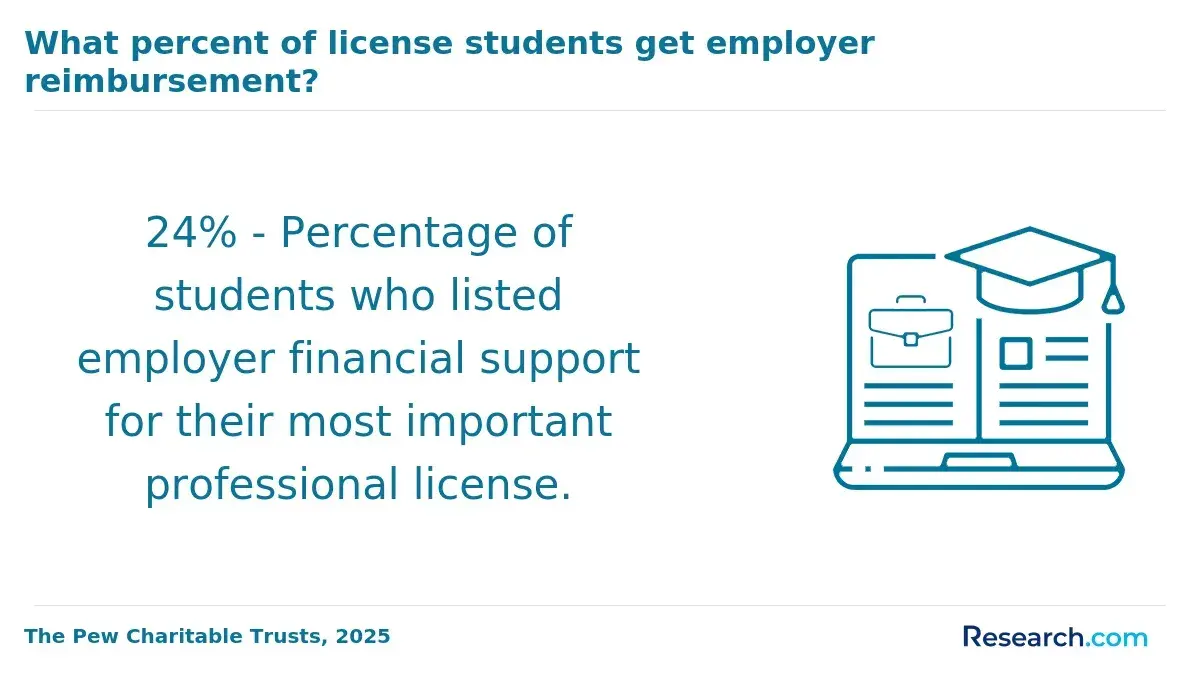
- Employer tuition assistance: Some employers subsidize continuing education, which lowers out-of-pocket expenses and enhances overall financial returns.
- Federal student loans: While loans require repayment, these often come with lower interest rates and flexible repayment options, helping students invest in their education more affordably.
Time to complete a history degree affects its return on investment by influencing opportunity costs, total expenses, and how soon graduates can begin earning. Longer programs increase overall costs and delay workforce entry, which may reduce financial benefits.
Several key factors shape how long it takes to finish a degree and thus impact its ROI:
- Enrollment Status: Attending full-time typically shortens completion time, enhancing ROI by accelerating career start, whereas part-time study often extends it to accommodate other commitments.
- Program Format: Online and accelerated courses provide flexibility and often allow for faster progress, helping students minimize tuition fees and begin earning sooner.
- Transfer Credits: Bringing in credits from prior coursework or institutions can significantly reduce remaining requirements, shortening time and costs.
- Internships and Thesis: While these experiences deepen knowledge and marketability, they may add months or semesters to the degree timeline and increase expenses.
- Scheduling Flexibility: Options like evening or weekend classes support students balancing work but may prolong degree completion.
When I asked a history degree graduate about her experience with program length, she reflected on the balancing act involved. "I initially planned to finish in four years, but working part-time and choosing a thesis option added an extra year. It was challenging managing deadlines and work, but the extended time allowed me to deeply explore topics I'm passionate about," she said.
She emphasized that despite the longer timeline, the skills and confidence gained ultimately made the investment worthwhile. "It felt like a marathon, not a sprint, and that pacing helped me prepare better for my career."
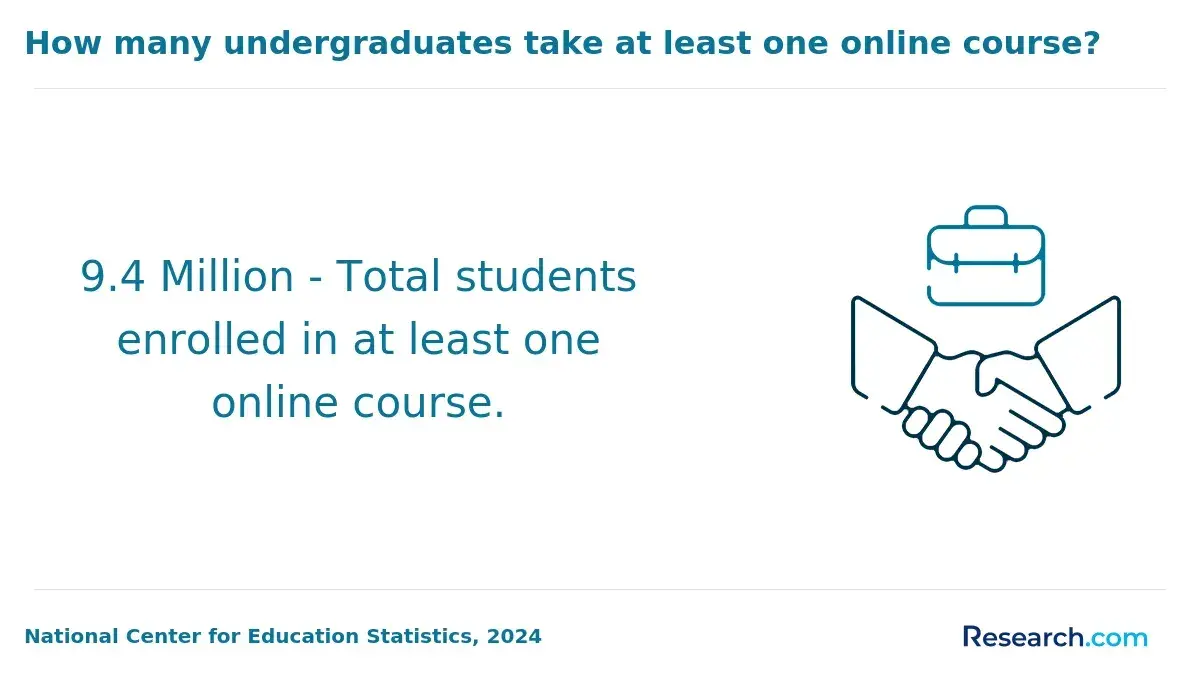
The delivery format of a history degree significantly impacts its return on investment (ROI) due to differences in cost, flexibility, and career outcomes. Online education has grown substantially, with online enrollment in U.S. higher education increasing by over 20% in the past decade, reflecting wider acceptance of online degrees. Evaluating ROI involves considering these factors carefully.
Key aspects that differentiate online versus on-campus history degree ROI include the following:
- Tuition and fees: Online history programs typically have lower tuition and fees compared to on-campus options, reducing upfront financial burden for students.
- Opportunity cost: Students enrolled online often maintain full-time employment while studying, minimizing lost income and shortening the overall time before returns materialize, which is critical in comparing online vs on-campus history degree ROI.
- Time to completion: Many online programs offer accelerated schedules, allowing learners to earn their degree faster and enter the workforce or advance their careers sooner.
- Networking and career services: On-campus programs may provide stronger face-to-face networking and career support, which can sometimes translate to better job placement and long-term earning potential.
- Employer perception: While acceptance of online degrees continues to improve, some employers may still prefer traditional degrees, potentially influencing career advancement.
For students seeking flexible, quicker paths to degree completion, exploring options such as an accelerated psychology degree program can provide insight into the benefits of accelerated online study that may also apply to history programs.
Post-graduation salary plays a critical role in determining the return on investment (ROI) for a history degree, as it affects how quickly graduates can recover expenses like tuition and lost income during their studies. On average, history graduates in the U.S. earn between $40,000 and $60,000 annually, though this figure varies widely. The average salary for history graduates is influenced by multiple factors that affect long-term financial outcomes.
Several key factors shape the history degree salary outlook and thus impact ROI:
- Industry: Graduates in education, museums, or research typically earn less than those in government, consulting, or business roles where salaries tend to be higher.
- Geographic location: Metropolitan areas and regions with higher living costs usually offer better salaries, which can improve overall ROI.
- Prior experience: Internships and relevant work during college enhance competitiveness for higher-paying jobs, increasing potential salary gains.
- Specialization: Focus areas like archival science or digital humanities can lead to niche roles with stronger financial prospects.
- Career level: Entry-level positions often provide modest income, but advancing to mid- or senior-level roles can markedly raise earnings over time.
For those comparing educational investments, considering alternatives such as an affordable online psychology masters program may also be part of effective financial planning.
Promotions contribute significantly to the return on investment (ROI) of a history degree by often resulting in salary increases, expanded responsibilities, and greater career mobility. These advancements enhance both the financial and professional benefits of holding the degree. A growing workforce trend emphasizes credential-based promotion, where many organizations prefer or require advanced degrees as a prerequisite for higher-level roles, positioning history graduates advantageously.
Key ways a history degree may impact promotion opportunities and ROI include:
- Credential Requirements: Many supervisory and managerial positions mandate formal degree credentials, and a history degree meets these essential criteria, facilitating eligibility for advancement.
- Leadership & Analytical Skills: The degree cultivates critical thinking and research abilities that prepare graduates for leadership roles and complex decision-making across diverse industries.
- Internal Promotion Competitiveness: Organizations often favor candidates with degrees during internal promotion processes, improving a history degree holder's likelihood of progression.
- Tuition Assistance Benefits: Employees leveraging employer tuition assistance programs may pursue degrees such as history to enhance their skill set and readiness for leadership responsibilities.
- Experience and Education Synergy: Combining relevant work experience with a history degree maximizes promotion prospects by balancing practical skills with demonstrated academic dedication.
Obtaining a history degree can be especially advantageous when paired with practical experience, boosting career advancement with a history degree and improving long-term ROI. For professionals considering flexible options, an accelerated bachelor's degree program may offer a time-efficient pathway to gaining these important credentials.
The return on investment (ROI) for history graduates varies significantly across industries due to differences in salary levels, career progression, and demand for specialized skills. Industries that value critical thinking, research abilities, and communication often offer better financial returns and advancement opportunities. Understanding the highest paying industries for history graduates includes recognizing sectors where these skills align with strong job prospects.
Several industries commonly provide high ROI for history degree holders:
- Government and public administration: This sector offers job stability and promotion potential. History graduates thrive in roles like policy analysis and archival management, benefiting from steady demand and clear career pathways.
- Education: Especially at secondary and postsecondary levels, education provides tenure opportunities and academic advancement. While entry salaries may be moderate, long-term benefits include professional development and curriculum design roles.
- Legal sector (with further qualification): Pursuing additional law qualifications enhances salary growth and career pathways. Skills in document analysis and historical precedents are highly valued in this field.
- Publishing and media: Growing demand for research-based content on digital platforms supports sustainable freelance income and career longevity for history graduates skilled in writing and research.
History graduates considering the best career paths for history degree holders should also explore online degree programs to efficiently develop complementary skills that boost ROI in these sectors.
Accreditation in history degree programs signifies that the curriculum meets specific quality standards set by recognized educational authorities. This endorsement is important for ROI because it ensures the degree is credible and valued by employers and graduate schools.
A notable workforce trend is the growing preference among employers for candidates who graduate from accredited programs, linking accreditation to verified skills and knowledge. Additionally, accreditation often determines whether students can access federal financial aid or meet requirements for professional licensure.
The long-term return on investment of a history degree is strongly affected by accreditation through increased employer confidence and improved career prospects. Degrees from accredited programs typically offer smoother credit transfers between schools, facilitating further education or career shifts.
Accreditation also supports eligibility for financial aid, reducing overall education costs and enhancing affordability. Ultimately, accredited programs provide stronger pathways to career advancement, greater job security, and potentially higher earnings over time.
Assessing the return on investment for a history degree requires weighing several financial and professional factors. The overall expense includes tuition, textbooks, and living costs, typically over a four-year bachelor's program.
Graduates often find jobs in education, research, public service, or archival work, where starting salaries usually range between $40,000 and $50,000 per year. While these initial earnings may be lower than those in STEM fields, there is potential for salary growth through experience and career development.
The value of a history degree varies depending on individual circumstances and goals. Prospects improve when graduates enter sectors with strong demand or pair their history studies with skills like digital literacy or data analysis.
Flexible program options, such as online or part-time formats, can reduce income loss during study, and scholarships or financial aid help offset costs. Ultimately, the degree is more rewarding for those prioritizing intellectual growth and versatile career paths rather than purely financial returns.
What Graduates Say About The ROI of Their History Degree
- Alfonso: "Choosing to pursue a history degree traditionally was a leap of faith for me, especially weighing the long-term return on investment. The average cost, around $25,000 per year, felt steep, but the critical thinking skills and deep contextual knowledge I gained have opened doors in archives and museums that I hadn't imagined. The degree was definitively worth every penny for my career growth."
- Eduardo: "As an online history student, I often questioned whether the financial commitment-averaging $15,000 annually-was justified, given the competitive job market. However, balancing work and study made it feasible, and the flexibility helped me maintain steady income. Reflecting on it now, the degree has significantly broadened my professional opportunities and solidified my expertise in cultural research."
- Thiago: "Opting for a part-time history degree was a strategic decision considering my budget and career goals. With tuition averaging approximately $20,000 per year, the cost was manageable alongside my job, and the program's depth truly enhanced my analytical abilities. Completing the degree has positively impacted my professional credibility and opened new avenues in education and consulting."
Other Things You Should Know About History Degrees
A history bachelor’s typically gains the strongest ROI from an accredited master’s in library science, public history, archival studies, or education. These programs usually require 30 to 45 credit hours and can raise access to museum, records-management, and teaching roles with higher median earnings than entry-level history jobs.
Work experience can significantly enhance the return on investment for history graduates. Internships, research projects, or part-time roles in related fields provide practical skills and professional networking opportunities. This experience often leads to better job prospects and higher starting salaries, improving long-term financial outcomes.
In 2027, pursuing a graduate degree can enhance career prospects for history majors. It can lead to specialized roles and higher earning potential, which positively affects ROI. The increased demand for niche historical expertise is a significant factor motivating these advancements.
- Career outlook https://clas.wayne.edu/history/programs/career-outlook
- Continuing Education Registration Software: Streamlining Enrollment to Maximize ROI https://moderncampus.com/blog/continuing-education-registration.html
- History Degree Jobs: A Career Guide for History Majors https://www.coursera.org/articles/history-degree-jobs
- The University Courses With The Highest Return On Investment - Here Student Living https://herestudents.com/the-university-courses-with-the-highest-return-on-investment/
- Should you major in history? https://www.cmich.edu/blog/all-things-higher-ed/should-you-major-in-history
- Is a History Degree Worth It? https://www.snhu.edu/about-us/newsroom/liberal-arts/is-a-history-degree-worth-it
- Accreditation and financial ROI | Woolf News & Updates https://woolf.university/news/accreditation-and-financial-roi
- Is College Worth it? | Return on Investment Analysis of College Degree https://educationdata.org/college-degree-roi
- Most Affordable Online Bachelor's In History https://thebestschools.org/rankings/bachelors/affordable/online-bachelors-history/
- Why ROI Matters https://agb.org/trusteeship-article/why-roi-matters/


