
2027 Do Employers Pay for History Degrees: Tuition Reimbursement and Sponsorship Options

Co-Founder and Chief Data Scientist
Many prospective students hesitate to pursue a history degree due to its average cost of $20, 000 per year and the burden of student debt, which averages over $30, 000 nationwide. This financial strain often forces working professionals to reconsider continuing education. Employer tuition reimbursement and sponsorship programs offer promising solutions but remain underutilized due to a lack of awareness. This article explores how employers can help fund history degrees through various tuition assistance options, clarifying eligibility criteria and benefits. Understanding these programs can empower students to reduce debt and balance work and study more effectively.
Key Benefits of Employers Paying for History Degrees
- Employers offering tuition reimbursement for history degrees reduce financial burdens, helping graduates avoid the average $30,000+ student debt commonly associated with humanities disciplines.
- Sponsorship programs often cover not only tuition but also related expenses, promoting employee retention and skill advancement in sectors valuing historical knowledge.
- Funding history education through employer support enhances research and critical thinking skills, crucial for roles in education, public policy, and cultural institutions.
Do Employers Pay for History Degrees?
Employer-sponsored education support, including tuition reimbursement and sponsorship, is available to about 34% of employees in the U.S., according to the National Center for Education Statistics. While this support varies widely, employers often prioritize funding degrees that align closely with their workforce needs. History degrees typically receive less direct support compared to fields like technology or business, but companies still invest in employees pursuing history when the skills gained-such as critical thinking and research-benefit their operations.
Prospective students should consider how company sponsorship programs for history majors may apply to their situation, especially if their employer values these competencies. For those exploring alternative education paths, reviewing options like EdD online programs can also be valuable for financing and career advancement.
Employer contributions toward history degrees tend to depend on several factors including industry type, role relevance, and workforce development goals. Public sector, nonprofit organizations, and institutions tied to education or cultural sectors are more likely to support liberal arts-related fields. Employees whose job responsibilities closely connect to the analytical and communication skills fostered by history studies have better chances of receiving education support.
Ultimately, understanding employer tuition reimbursement for history degrees helps students plan their academic and career paths more strategically, ensuring alignment with sectors and roles where sponsorship is more prevalent and sustainable.
What Types of Tuition Assistance Do Employers Offer for History Degrees?
Employer-provided tuition support is a vital resource for professionals pursuing a history degree, helping to lower out-of-pocket education costs and reduce financial risk. These benefits encourage continued learning and can enhance the return on investment in higher education.
Understanding the various types of employer tuition assistance enables history degree students to better navigate their financial options.
- Tuition reimbursement: Employers repay part or all tuition fees after employees successfully complete courses. This program often includes annual or per-credit-hour maximums, which vary widely, making it an attractive option for managing costs in history programs.
- Tuition sponsorship: Employers may pay tuition fees upfront or directly to the school, supporting workforce development efforts. This assistance can extend to cover textbooks and other educational expenses related to history degree studies.
- Scholarships or grants: Some companies offer scholarships or grants tailored to fields like history, providing funds that do not require repayment and reducing the financial burden of earning a degree.
- Flexible spending accounts and education stipends: These allow employees to allocate pre-tax income toward tuition and associated costs, offering additional financial flexibility for history degree pursuit.
For professionals interested in complementary academic opportunities, exploring accelerated psychology programs can also provide efficient pathways for career advancement.
More information is available about these programs at accelerated psychology programs. Awareness of employer tuition reimbursement programs for history degrees and corporate sponsorship options for history degree students can help maximize educational funding and reduce overall expense.
Who Is Eligible for Employer Tuition Reimbursement for History Degrees?
Employer tuition reimbursement can significantly reduce the cost of pursuing a history degree, but eligibility requirements play a critical role in planning your education path. These criteria affect when you can start your program, what courses or schools qualify for funding, and ultimately the return on investment (ROI) you can expect.
Knowing these factors helps align your studies with available employer support, ensuring smoother access to tuition assistance.
- Employment status: Most reimbursement programs require employees to be working full time, though some may accept part-time status. This ensures that funding supports individuals actively contributing to the company.
- Tenure: Employers often mandate a minimum length of service before tuition benefits kick in, typically ranging from six months to a year, to encourage employee retention.
- Program relevance: A history degree or related coursework usually must connect to your current role or support career advancement within the company. This relevance is essential for qualification in many employer-sponsored history degree programs.
- Academic standards: Maintaining a specified GPA or grade level is commonly required to retain reimbursement eligibility, emphasizing satisfactory academic performance throughout your studies.
- Pre-approval: Many companies require pre-approval of programs or individual courses to confirm alignment with business goals and eligibility for tuition reimbursement.
- Ongoing employment: Reimbursement may be contingent on remaining with your employer for a set period after course completion to avoid repayment obligations.
When exploring funding options, it may also be useful to compare benefits with programs in related fields, such as online masters psychology, which sometimes have differing eligibility rules.
By assessing employer tuition reimbursement eligibility for history degrees and related qualifications for employer-sponsored history degree programs, students can better navigate costs and maximize educational investment.
For students pursuing a history degree while working, knowing how employer tuition reimbursement programs operate can significantly ease financial worries. These programs often offset tuition costs but require understanding of specific procedures and requirements.
Below is a concise overview of typical features found in these employer-sponsored education benefits.
- Pre-approval process: Employees usually must obtain formal approval before enrolling in courses to confirm that classes fit company policies or career advancement goals.
- Payment and reimbursement: Tuition is typically paid upfront by the employee, with reimbursement occurring after course completion and submission of proper receipts.
- Required documentation: To receive reimbursement, individuals need to provide proof of payment, final grades, and sometimes certification of course completion to validate eligibility.
- Reimbursement limits: Annual maximum benefit amounts vary widely, so knowing the cap beforehand helps prevent unexpected out-of-pocket expenses.
- Academic criteria: Most employers mandate a minimum grade, often a C or higher, to qualify for reimbursement, ensuring satisfactory academic progress.
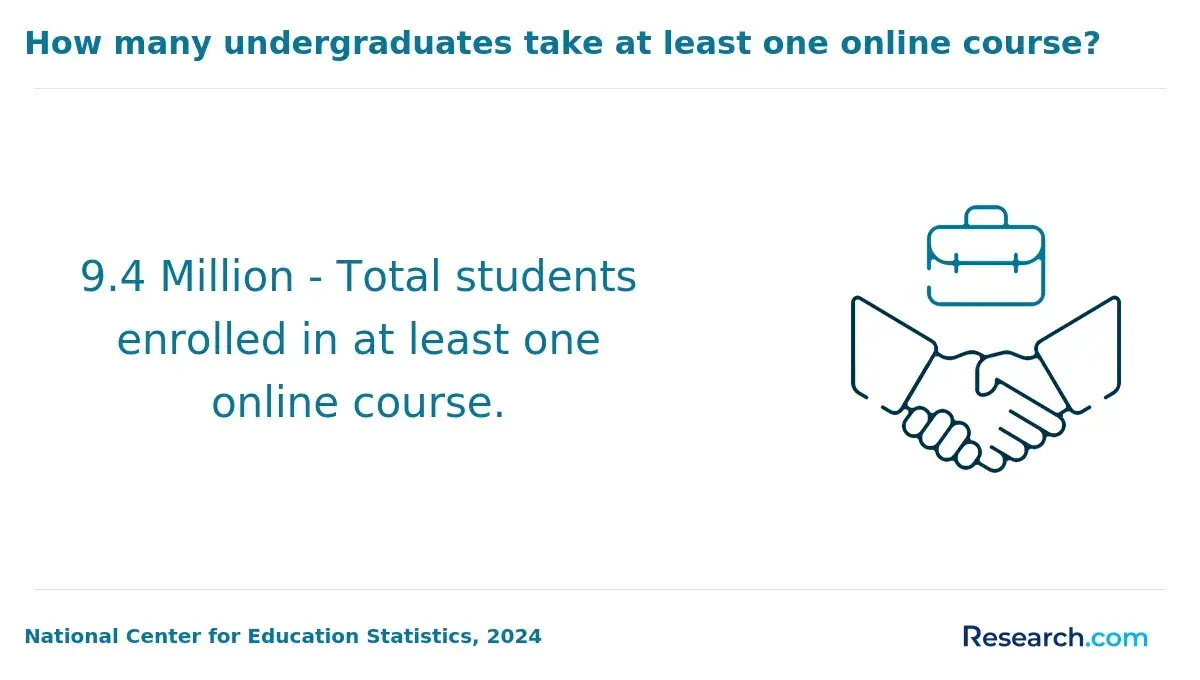
Increasingly, employers are open to supporting online history degrees as part of their tuition assistance programs, reflecting a broader shift in attitudes toward remote learning. One survey indicated that nearly 45% of employers provide tuition reimbursement encompassing online courses, although this varies across industries and roles.
Over the past decade, skepticism around online education has diminished significantly, accelerated by the pandemic's push for flexible work and learning arrangements. Still, employees should carefully check their company's policies to ensure eligibility and confirm the chosen program aligns with internal standards.
When deciding to back an online history degree, employers typically evaluate several critical criteria. Accreditation by recognized agencies is crucial, as it assures educational quality and legitimacy. They also look for degrees that enhance skills directly related to an employee's current or potential job responsibilities. Programs with rigorous curricula and measurable learning outcomes tend to gain favor, as do those that support broader organizational objectives like research capabilities, analytical thinking, or effective communication.
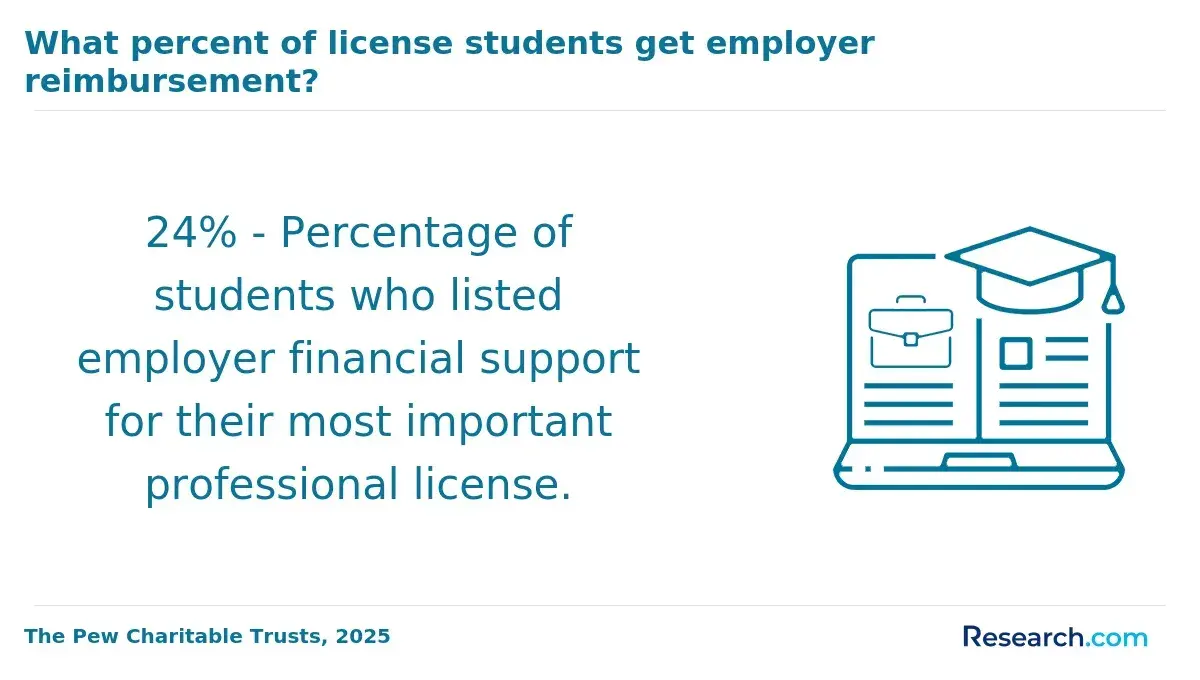
Tuition reimbursement limits significantly impact the affordability and return on investment of pursuing a history degree. About 58% of employers offer tuition assistance, which can reduce the out-of-pocket education costs for many working students. Knowing these limits helps students realistically plan for their expenses and understand the financial benefits of employer support. Without considering caps, prospective students might overestimate the aid available for their degree programs.
Employers commonly set annual reimbursement limits between $5,000 and $10,000, with lifetime caps often ranging from $25,000 to $50,000. These amounts vary based on factors such as the industry, company size, and how closely the degree aligns with the employee's role or career path. Additionally, federal tax regulations allow up to $5,250 per year in tax-free educational assistance; amounts beyond this may be taxable, influencing the actual value of the reimbursement without offering specific legal guidance.
Knowing about potential penalties before leaving an employer-sponsored history degree program is essential for avoiding unexpected financial setbacks. Nearly one-third of employers require employees to repay education benefits if they depart early, making it important to understand the consequences. Below are some common scenarios that illustrate how early exit might affect your tuition reimbursement.
- Tuition Repayment Obligations: Many employers require employees who leave before a set period to reimburse tuition fees they've already received. This repayment can be full or partial, depending on company policy and timing.
- Prorated Repayment Schedules: Some organizations use a sliding scale where the amount owed decreases the longer the employee remains after course completion. Leaving shortly after finishing a semester often means owing a larger share compared to departing later.
- Early Termination Clauses: Contracts may specify different penalty amounts based on when the employee exits the program or job, sometimes extending for months or years after course completion.
- Impact on Future Benefit Eligibility: Employees who break agreement terms might be restricted from participating in employer-sponsored tuition assistance programs again, limiting future educational support.
Evaluating the impact of employer-sponsored education on career earnings is crucial for working professionals considering a history degree. Research shows that workers receiving tuition reimbursement or sponsorship are about 15% more likely to advance faster in their careers than those funding their education independently.
Understanding how employer-paid history degrees affect long-term earning potential can help individuals make informed decisions about their education and professional development.
- Increased Promotion Opportunities: Employer-funded tuition removes financial barriers, enabling employees to focus on acquiring advanced skills. This often translates into greater competitiveness for promotions and leadership roles that come with higher salaries.
- Faster Career Progression: Studies indicate that tuition reimbursement accelerates career growth, making employees 15% more likely to progress quickly. This rapid advancement happens because enhanced credentials and education improve job performance and visibility.
- Access to Higher-Paying Roles: With a history degree supported by employer sponsorship, workers can pursue specialized positions in education, research, or public policy. Such roles typically offer compensation above entry-level jobs, improving overall earnings.
- Enhanced Skills and Qualifications: The skills gained from a history degree-critical analysis, complex social context understanding, and strong writing-equip professionals for diverse industries. Employer-paid education allows individuals to sharpen these abilities without incurring debt.
- Return on Investment: Reducing education costs through employer sponsorship increases the financial benefits of a history degree. Besides immediate tuition savings, this support strengthens job security and broadens career options, maximizing the long-term return on investment.
For those interested in understanding which fields offer the greatest financial rewards, examining college majors that make the most money can provide valuable context.
The impact of employer-paid history degrees on career growth and the long-term earning potential with tuition reimbursement for history majors illustrates the strategic advantage of employer-sponsored education.
Proactive communication and careful preparation are key when requesting employer support for education, especially for a history degree. Employees who receive tuition assistance are 56% more likely to remain with their employer, highlighting the mutual benefits of such investments.
With the right approach, you can increase the likelihood of tuition reimbursement approval by clearly demonstrating how the degree enhances your role and career growth.
- Research company tuition reimbursement policies: Begin by reviewing your employer's specific guidelines and limits on education benefits. Understanding these policies ensures your request aligns with company rules and maximizes your chances of approval.
- Prepare a business case: Develop a compelling explanation that links your history degree to your current job duties or long-term career goals. Emphasize skills gained-such as analytical thinking, research, and communication-that will improve your performance and add value to your team.
- Schedule a formal meeting: Arrange a discussion with the decision-maker, such as your manager or HR representative. Approach the meeting professionally and focus on how your education will benefit the organization as well as yourself.
- Demonstrate program relevance: Show how the history degree supports your job responsibilities or career development plans. Highlight connections between coursework and your role to build a strong case for employer investment.
- Follow up with documentation: Provide all necessary information promptly, including course descriptions, tuition costs, and timelines. Maintaining clear, proactive communication throughout the process reflects your commitment and professionalism.
If you're exploring options to reduce education costs, consider reviewing affordable online master's programs. This resource can help you find quality, cost-effective pathways to earning a history degree with employer sponsorship.
Understanding how to request employer tuition reimbursement for a history degree and following these steps to get employer sponsorship for a history degree can significantly improve access to valuable education while supporting career advancement.
When employer support for a history degree isn't available, finding other funding avenues becomes vital to avoid excessive financial strain. With tuition and fees at public four-year colleges rising over 25% in the past decade, controlling educational expenses is more important than ever. Below are practical ways to manage costs and finance your studies effectively.
- Federal and State Financial Aid: Completing the FAFSA early can open opportunities for grants and subsidized loans that don't require repayment until after graduation. These sources often provide the most affordable assistance for college expenses.
- Scholarships and Grants: Look for awards tailored to history students or those with demonstrated financial need. Unlike loans, this money does not have to be paid back, helping reduce overall debt.
- Personal Savings and Private Loans: Utilizing savings or carefully chosen private loans can cover any remaining tuition balance. Be sure to understand the interest rates and repayment obligations before borrowing privately.
- Income-Share Agreements: This alternative funding method involves repaying a portion of future income in exchange for upfront educational costs. It can align repayment with your earning capacity after graduation.
- Part-Time and Online Programs: Enrolling in flexible study options allows you to maintain employment while advancing your degree. This approach stretches out tuition payments and lowers living expenses.
Combining these strategies can help students without employer funding progress toward a history degree more affordably and with less financial pressure.
What Graduates Say About Employers Paying for Their History Degrees
- Wilder: "When I first looked into pursuing a history degree, the projected cost seemed daunting-around $40,000 for the full program. Thanks to my employer's tuition assistance, I was able to cover a significant portion of these expenses, which made advancing my education feasible. This sponsorship not only alleviated financial stress but also opened doors to leadership opportunities in my field that I hadn't imagined before."
- Thiago: "Pursuing a history degree was a major financial commitment, with average attendance costs nearing $35,000. Fortunately, my employer's sponsorship helped me manage these costs without incurring debt. Reflecting on this experience, I appreciate how this support empowered me to deepen my expertise and it directly enhanced my qualifications, which accelerated my career growth within the organization."
- Rion: "The total cost of my history degree was approximately $38,000, which initially felt overwhelming. However, employer tuition assistance significantly eased this burden, allowing me to focus fully on my studies. Professionally, the degree has been invaluable, improving my critical thinking and research skills, which have directly contributed to my success in a competitive job market. "
Other Things You Should Know About History Degrees
Employer tuition reimbursement programs often focus primarily on tuition costs, but coverage of additional fees such as textbooks, lab fees, or technology charges varies by company. For history degrees, non-tuition educational expenses may or may not be reimbursed depending on the specific employer policy.
Yes, some employers pay for history degrees through tuition reimbursement or sponsorship, but only when the degree is job-related or supports a defined career path. Many programs require approved schools, passing grades, and continued employment for 6 to 24 months after reimbursement.
Employers often require employees to remain with the company for a period after receiving tuition reimbursement for a history degree. This period is typically outlined in an agreement and can vary from one to several years, serving as a return on investment for the employer.
- Find a Center https://www.brighthorizons.com/employers/benefits/employer-tuition-assistance
- How Employer Tuition Assistance Helps Professionals Return to School https://www.apu.edu/articles/how-employer-tuition-assistance-helps-professionals-return-to-school/
- How to Ask Your Employer to Pay for Your Degree - Coursera Blog https://blog.coursera.org/how-to-ask-your-employer-to-pay-for-your-degree/
- 8 Tuition Reimbursement Questions to Ask Your Employer https://www.uagrantham.edu/blog/8-tuition-reimbursement-questions-to-ask-your-employer/
- What Can You Do With A History Degree? https://www.immerse.education/career-exploration/history/careers-for-history-majors/
- How I Make Money Using My Graduate History Degree (opinion) https://www.insidehighered.com/opinion/career-advice/2025/04/07/how-i-make-money-using-my-graduate-history-degree-opinion
- Jobs and employers that cover college tuition in 2025 | Earnest https://www.earnest.com/blog/jobs-that-pay-for-college
- The Earnings Potential of History Majors https://www.historians.org/perspectives-article/the-earnings-potential-of-history-majors-new-studies-detail-the-gender-gap-long-term-prospects-and-the-impact-of-graduate-degrees-december-2014/
- Combating Discrimination Since 1955 https://www.nyc.gov/site/cchr/media/fair-chance-employers.page
- Discover The Best Online Bachelor's In History Degrees 2025 https://www.accreditedschoolsonline.org/liberal-arts/bachelors/history/


