2027 Return on Investment of an Online Statistics Bachelor's Degree: Salary vs Cost

Co-Founder and Chief Data Scientist
Consider a working professional with a non-STEM background aiming to switch careers by earning an online statistics bachelor's degree. The key concern is whether the substantial time and financial investment will lead to meaningful salary growth post-graduation. National data shows that statistics degree holders earn a median annual wage about 25% higher than those with general bachelor's degrees in related fields.
This article examines the cost versus salary benefits of online statistics degrees, focusing on real-world returns on investment. Understanding these factors will help prospective students make informed decisions about pursuing this educational path for career advancement.
Key Things to Know About the Return on Investment of an Online Statistics Bachelor's Degree
- Average tuition for online statistics bachelor's degrees ranges from $15,000 to $40,000-significantly lower than traditional programs-enhancing affordability for budget-conscious students.
- Graduates report median starting salaries near $65,000, with potential growth exceeding 10% annually, positioning the degree as a strong financial investment.
- Non-financial returns include robust job security, accelerated career advancement, and access to continuous professional development in data-driven industries.
What Is the True Cost of Earning an Online Statistics Bachelor's Degree From Enrollment to Graduation?
Estimating the cost of earning an online statistics bachelor's degree requires considering all direct and indirect expenses beyond published tuition. Sticker prices vary widely, with public universities typically charging between $25,000 and $60,000 for the full degree, while private institutions can exceed $100,000. Many students pay less than the sticker price, as net tuition after financial aid and scholarships often falls 20 to 40 percent lower, according to IPEDS and net price calculators.
- Tuition Costs: These represent the largest expense, with average annual tuition for online programs reported by the National Center for Education Statistics ranging from $7,000 to $20,000, depending on institution type and residency.
- Technology Fees: Mandatory fees covering access to digital platforms, software, and technical support frequently add $500 to $1,500 annually, though amounts vary by program.
- Course Materials: Essential textbooks for statistics courses can cost $1,000 to $2,000 across the degree, but some programs use open educational resources to reduce this burden.
- Proctoring and Exam Fees: Secure proctoring services for online exams may cost $30 to $50 per exam, totaling several hundred dollars over the full program.
Indirect costs include reliable computers, stable internet access, and workspace setups-investment amounts vary widely. Taking all these factors into account, prospective students researching the cost of earning an online statistics bachelor's degree typically see total expenses ranging from $30,000 to $75,000 after aid. This range serves as a realistic baseline to evaluate educational investment against potential salary outcomes and career advancement. For those exploring similar online degrees, resources for an online MSW may offer useful comparisons in cost and value.
How Does the Starting Salary for Statistics Bachelor's Degree Graduates Compare to the Total Cost of the Degree?
The median annual starting salary for graduates with a bachelor's degree in statistics is approximately $65,000, according to the Bureau of Labor Statistics (BLS) Occupational Outlook Handbook data. This applies to common entry-level roles such as data analysts and statisticians. The starting salary figure varies by location, industry, and employer size, but it offers a solid baseline for assessing return on investment.
Total costs for earning an online statistics degree vary widely-from about $15,000 in low-tuition, high-aid scenarios up to $60,000 when accounting for higher tuition and fees without significant financial aid. When comparing total cost versus salary outcomes for online statistics degrees, in the best-case scenario, a graduate's starting salary covers those costs in less than three months of full-time work. For the worst case, with a $60,000 cost, it could take nearly 11 months of income just to break even. This highlights the critical importance of financial aid and selecting programs carefully.
Starting salary reflects the initial value of the degree, but it is only the beginning. BLS data forecasts a 35% growth rate over ten years for statistics-related roles, indicating strong projected salary growth and improved long-term earnings. Career advancement, specialized certifications, and gaining experience further enhance earning potential, reducing the effective payback period. Non-financial returns such as job security and professional development also contribute to the degree's overall value.
Students balancing career changes or professional advancement should research affordable pathways. Programs offering solid outcomes at reasonable costs are key. A useful resource for finding affordable options is this online MLISs list, which demonstrates how online education can be affordable and accessible.
- Median Starting Salary: Entry-level statisticians typically earn about $65,000 annually, which provides a strong income base relative to tuition costs.
- Cost Variability: Total tuition and fees for an online statistics degree range from $15,000 to $60,000, affecting the time needed to recoup expenses.
- Payback Period: Best-case scenarios offset degree costs in under three months of salary, while worst cases may take close to a year.
- Salary Growth Potential: Projected 35% industry growth over ten years suggests significant long-term earnings increases beyond starting pay.
- Beyond Finances: Degree holders gain improved job security, career advancement opportunities, and valuable professional development.
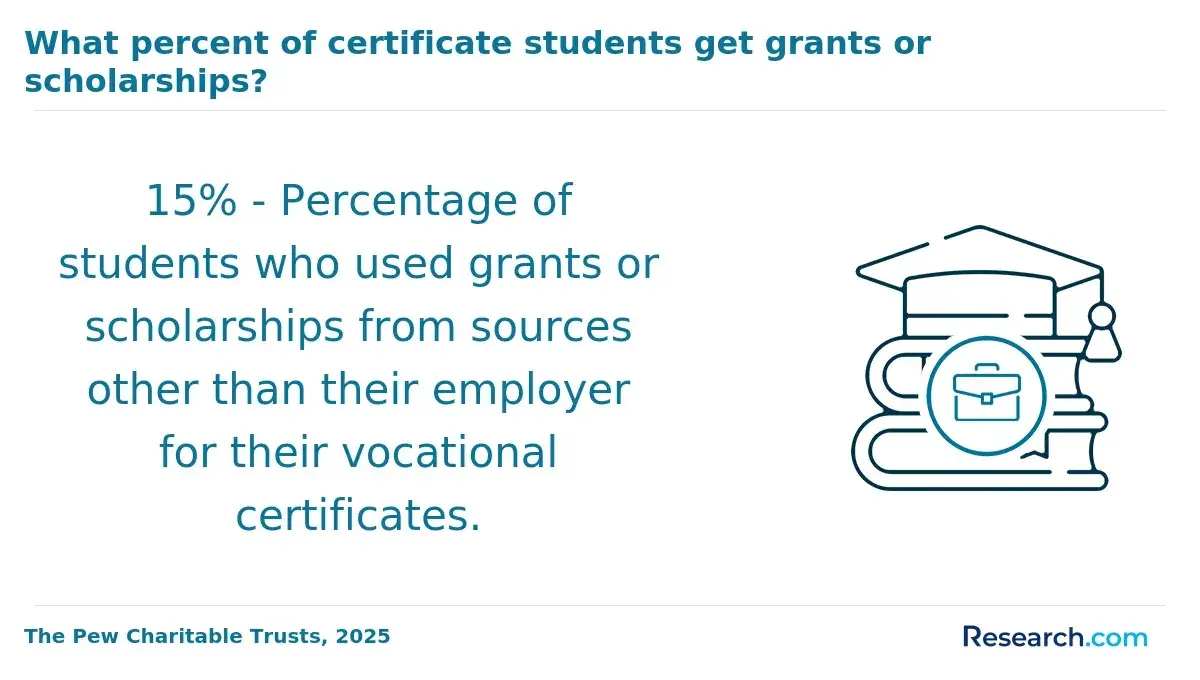
What Is the Average Return on Investment (ROI) for an Online Statistics Bachelor's Degree Over a 10-Year Career?
Return on investment (ROI) in higher education measures the total extra earnings a graduate gains over 10 years, after subtracting the total cost of their degree. This calculation compares the cumulative income of someone with a bachelor's degree in statistics versus a peer holding only a high school diploma or associate degree in a related area. According to Georgetown University Center on Education and the Workforce, degrees in fields like statistics provide substantial financial rewards compared to non-degree holders. PayScale's College ROI Report echoes these findings, highlighting STEM majors as among the most lucrative.
Using Bureau of Labor Statistics data, statisticians earn a median starting salary near $88,190 annually. Assuming a 3% yearly increase, their total earnings over a decade approach $1 million. In contrast, a high school graduate earns about $38,000 per year, totaling roughly $418,000 over the same period. Subtracting the average $40,000 tuition for an online statistics bachelor's program from the earnings differential yields an estimated positive ROI of $582,000.
- Clear ROI Definition: ROI represents the extra 10-year income earned by degree holders compared to high school or associate degree graduates, minus educational expenses.
- Salary Benchmarks: Median wages for statisticians significantly exceed earnings of less-educated workers, underscoring the degree's economic value.
- Sample Calculation: Projected earnings close to $1 million over 10 years remain strong even after tuition is deducted.
- National Comparison: The ROI for statistics graduates surpasses the average bachelor's degree ROI nationwide, which typically ranges from $400,000 to $500,000.
- Non-Financial Value: Graduates gain improvements in job security and career mobility, advantages that extend beyond salary alone.
A professional who pursued an online statistics bachelor's degree after carefully assessing its cost versus ROI described his experience as "a deliberate, sometimes challenging balancing act." He recounted managing work responsibilities while studying, often feeling uncertain if the upfront investment was justified. Yet, he emphasized, "Seeing gradual career progress and new opportunities validates the decision." Reflecting on his journey, he stated that evaluating ROI upfront gave him confidence, even during tough moments, reinforcing the importance of aligning financial planning with long-term career goals.
How Do Online Statistics Program Tuition Rates Compare Across Public, Private, and For-Profit Institutions?
Costs for online statistics degree tuition vary notably by institution type, affecting the overall return on investment. Public universities typically charge the lowest tuition for in-state students and often offer flat-rate online tuition that applies equally to out-of-state learners. These programs are recognized for maintaining solid academic reputations and comparatively higher graduation rates.
- Public Institutions: Affordable in-state tuition plus flat-rate online options provide great value. Strong graduation rates and broad employer recognition enhance long-term financial and career benefits.
- Private Nonprofit Institutions: Tuition can be two to three times higher than public in-state rates. These schools often compensate with improved student services, comprehensive career support, and influential alumni networks that boost professional advancement.
- For-Profit Colleges: Lowest advertised tuition and flexible scheduling appeal to working adults seeking convenience. However, these programs tend to have lower graduation rates and face skepticism among employers, which can weaken salary prospects and diminish long-term ROI despite the lower initial cost.
Students comparing cost comparison of public private for-profit statistics programs should look beyond sticker prices to include job placement, graduation outcomes, and career progression. Balancing tuition with these factors ensures wiser investment decisions. For those aiming to accelerate career growth while managing expenses, exploring the fastest online business degree programs may provide additional models of successful, condensed learning pathways.
What Long-Term Salary Growth Can Statistics Bachelor's Degree Holders Expect Over a 20- to 30-Year Career?
Salary growth for individuals with a statistics bachelor's degree generally follows a steady upward trend tied to experience and career steps. Early in the first five years, pay increases moderately as professionals build core skills and gain workplace familiarity. Between five and ten years, salaries typically rise more sharply with promotions into senior or analyst positions that involve expanded duties like project oversight and advanced data interpretation. Beyond 15 years, many attain senior specialist or leadership roles such as statistical consultant or biostatistician, which result in significant earnings gains due to heightened expertise and responsibility.
- Early Career Growth: Entry-level statisticians see steady but modest pay hikes as they learn foundational skills and acclimate to professional environments.
- Mid-Career Acceleration: Around 5 to 10 years, higher salaries correspond with role advancements including leadership in analysis projects and growing technical prowess.
- Experienced Professional Peak: Fifteen years and beyond often bring supervisory or niche expert roles that command premium salaries linked to greater domain knowledge and management tasks.
Research from the American Community Survey and PayScale shows a notable jump in median compensation during mid-career, often exceeding a 50% increase compared to starting salaries. This highlights both the rising market demand and the value of accumulated experience. Over a full 20- to 30-year timeline, the cumulative earnings premium for degree-holders surpasses those without similar education by several hundred thousand dollars, reflecting a robust return on investment.
- Career Milestones: Promotions to senior positions typically occur after 5 to 7 years.
- Advanced Roles: Transitioning to management or specialized expert positions usually happens between 10 and 15 years.
- Consultancy and Leadership: Major project oversight or consulting opportunities often begin after 15 years, boosting income further.
One professional who completed an online statistics bachelor's program shared how the journey required perseverance balancing work and study, but ultimately opened doors. She recalled, "At first, managing deadlines alongside a full-time job felt overwhelming, but the flexibility allowed me to keep progressing." Over time, gaining certifications and applying real-world projects deepened her confidence. "The steady salary bumps reflected not just the degree but the skills I developed," she said, highlighting how the program's structure prepared her for key promotions and long-term career growth.
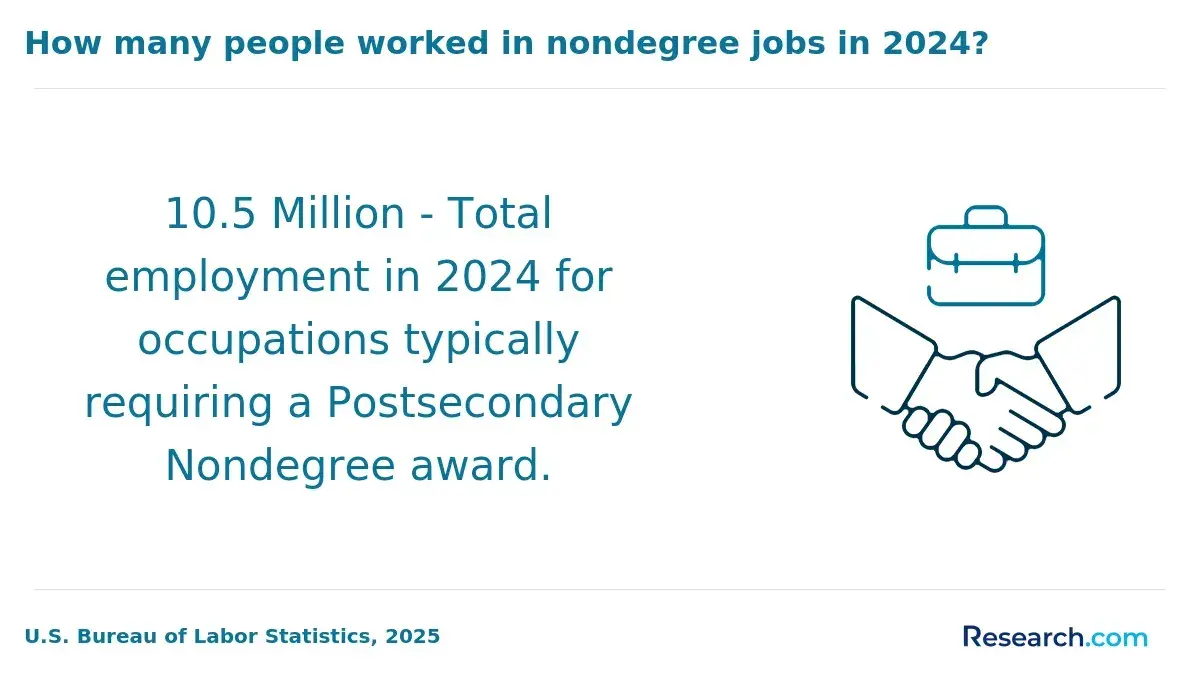
How Does the ROI of an Online Statistics Bachelor's Degree Compare to an Associate Degree or a Professional Certificate?
The return on investment (ROI) of an online statistics bachelor’s degree is typically higher than that of an associate degree or a professional certificate over the long term. Bachelor’s degree holders often access more advanced career opportunities, higher starting salaries, and greater potential for salary growth compared with those holding lower‑level credentials. When weighing costs and earnings, students should also consider factors like industry demand, career goals, and time to complete each credential.
- Cost-Per-Credential: Online bachelor's degrees in statistics generally demand a higher financial commitment, with tuition averaging between $20,000 and $40,000, according to data from the National Center for Education Statistics. Associate degrees cost significantly less, typically ranging from $6,000 to $15,000, while certificates often require an investment under $5,000, making them the most affordable option upfront.
- Median Salary Outcomes: Bureau of Labor Statistics figures reveal that individuals with a bachelor's degree in statistics earn roughly 30 to 50 percent more than those with associate degrees or certificates. Median annual salaries for bachelor's degree holders hover near $90,000, whereas those with lower-level credentials tend to earn between $55,000 and $65,000.
- Short-Term: For those seeking quick entry into the workforce or contending with limited finances, certificates or associate degrees offer faster completion times and reduced debt, enabling earlier earnings.
- Long-Term: Bachelor's degrees typically result in superior long-term financial rewards through higher salary progression, improved job security, and expanded career advancement possibilities.
Graduates holding bachelor's degrees often access specialized roles such as biostatistician, data analyst, or statistical consultant. Additionally, their unemployment rates tend to be lower compared to those with certificates or associate degrees in the same field.
For students balancing fiscal constraints and career timelines-such as first-generation college attendees or professionals considering a career change-certificates or associate degrees might serve short-term goals by easing immediate employment and cost concerns. Meanwhile, pursuing a bachelor's degree supports long-term earning potential and opportunities for professional growth. Evaluating personal circumstances, including time availability and eligibility for financial aid, is crucial in determining the most suitable path.
Which Online Statistics Specializations or Concentrations Yield the Highest Earning Potential After Graduation?
Choosing a specialization within an online statistics bachelor's degree can greatly affect your earning potential and return on investment. Data from the U.S. Bureau of Labor Statistics (BLS) highlights salary differences across focused career paths in statistics and data analysis compared to generalist roles.
- Data Science and Analytics: Graduates entering tech, finance, or healthcare sectors can expect median salaries between $95,000 and $120,000. This specialization commands a 15-25% salary premium over general statistics graduates due to high demand for advanced analytics.
- Biostatistics: Working with medical and public health data yields median salaries of about $88,000 to $110,000. Many roles require certifications or a master's degree, increasing educational expenses but also salary prospects.
- Actuarial Science: Known for top salary outcomes, entry-level actuarial analysts earn $70,000 to $90,000, with senior actuaries earning six-figure incomes. Passing rigorous actuarial exams takes time and resources but significantly improves job security and wages.
- Business Statistics and Quantitative Finance: Corporate roles here offer $85,000 to $115,000 in median salaries. Additional certifications in finance or risk management add to upfront costs but enhance compensation and job opportunities.
- Environmental Statistics: Typically lower starting salaries from $65,000 to $85,000 but faster entry into government or consulting roles that require fewer credentials.
Weigh the cost of certification and extended education alongside salary premiums when selecting a specialization. Career goals and prior experience are key-those seeking quick ROI might prefer data science or business statistics, while long-term stability can be achieved through actuarial science despite its higher initial investment.
How Do Employer Tuition Reimbursement and Financial Aid Reduce the Net Cost of an Online Statistics Bachelor's Degree?
Employer tuition reimbursement programs can sharply reduce the out-of-pocket cost of earning an online statistics bachelor's degree. Under IRS Section 127, employers may provide up to $5,250 annually in tax-free educational assistance. This incentive helps working professionals access skill development while directly cutting tuition expenses. According to the Society for Human Resource Management (SHRM), approximately 49% of U.S. employers offered tuition assistance before 2024, reflecting a strong trend toward supporting workforce education. Employer plans often vary-some reimburse after course completion, while others cover tuition upfront.
Beyond employer options, federal and institutional financial aid effectively lowers sticker prices for online statistics bachelor's degree programs. Grants and scholarships are especially valuable because they do not require repayment, reducing financial burden. Subsidized federal loans offer manageable repayment terms and lower interest, easing affordability. Many colleges award merit- and need-based scholarships tailored to online statistics students, further expanding aid access. Combining these resources plays a crucial role in reducing total educational costs.
For example, take a student with a $30,000 tuition total. Employer reimbursement could cover $5,250 annually for three years-$15,750 in total. Add a federal Pell Grant averaging $6,495 yearly for eligible students, and the student could receive roughly $19,485 in non-repayable aid. Even with subsidized loans covering remaining expenses, the debt burden diminishes significantly. Such strategic use of employer tuition reimbursement and financial aid options reducing online statistics bachelor's degree cost can lead to funding that totals less than half the sticker price, easing financial stress.
Working adults considering tuition support should also explore related fields and pathways. For instance, opportunities exist in online clinical mental health counseling programs, which share financial aid structures and employer benefits common across many online disciplines.
- Employer Reimbursement: IRS-qualified programs provide up to $5,250 yearly in tax-free assistance, a powerful tool for minimizing tuition costs for working students pursuing statistics.
- Prevalence Among Employers: Nearly half of U.S. companies offer tuition aid, highlighting expanding employer investment in employee education and retention.
- Federal and Institutional Aid: Grants, scholarships, and subsidized loans reduce net tuition dramatically, often eliminating the need for private loans for online statistics programs.
- Combined Impact: Utilizing employer benefits with federal aid can cut an online statistics degree cost by up to 70%, enabling more affordable pathways for first-generation and working students.
- Practical Example: A student facing $30,000 tuition can cover over half through reimbursement and grants, significantly reducing debt while advancing career goals.
What Hidden Costs Should Students Factor Into the Total Investment of an Online Statistics Bachelor's Degree?
When evaluating the return on investment (ROI) for an online statistics bachelor's degree, it's crucial to look beyond tuition to account for hidden costs that can significantly impact overall spending. These additional expenses often extend the time needed to recoup educational investments and can alter the degree's financial appeal.
Typical hidden fees include technology charges for maintaining online platforms, commonly ranging from $200 to $600 annually based on College Board data. Proctoring services used to verify exam integrity typically cost between $50 and $100 per exam, accumulating over multiple courses. Graduation fees, usually between $100 and $200, are another expense incurred during the final semester.
Course-specific software licenses are essential for hands-on learning and professional preparedness in statistics. Specialized programs like SAS, SPSS, or MATLAB may require annual licenses costing $100 to $500. Additionally, joining professional organizations such as the American Statistical Association often involves annual dues ranging from $50 to $150, which support career development and networking opportunities.
These hidden costs can add 5% to 10% or more on top of tuition, delaying the point at which salary gains surpass total educational spending. For first-generation college students on a tight budget or working professionals considering additional expenses, requesting a complete cost-of-attendance breakdown-not just tuition-is vital to accurately gauge the total financial commitment. This transparent budgeting prevents unexpected costs and supports smarter decision-making.
Prospective students interested in STEM fields may also compare costs with related programs, such as an online environmental engineering degree science and engineering, to evaluate career paths with comparable returns.
- Technology Fees: Annual costs from $200 to $600 cover online learning platforms and technical support critical for remote education.
- Proctoring Services: Exam monitoring fees of $50 to $100 each can increase total expenses significantly depending on course load.
- Software Licenses: Specialized statistics tools like SAS or MATLAB require licenses costing up to $500 annually, vital for skill acquisition.
- Graduation Fees: One-time fees between $100 and $200 account for degree completion processing at commencement.
- Professional Memberships: Optional statistical association dues from $50 to $150 annually provide networking and career resources.
How Does the Accreditation Status of an Online Statistics Program Affect Graduate Salary and Employability?
Regional accreditation evaluates an entire institution, ensuring comprehensive academic quality and rigor. In contrast, programmatic accreditation focuses narrowly on specific areas without guaranteeing overall institutional standards. This distinction significantly influences a graduate's marketability in statistics-related fields.
Surveys from the National Association of Colleges and Employers (NACE) and the Society for Human Resource Management (SHRM) show that employers consistently favor candidates holding degrees from regionally accredited schools. These graduates typically command higher starting salaries and enjoy stronger negotiating leverage. Degrees from nationally accredited or non-accredited programs often raise doubts about educational depth, which can hinder hiring and salary discussions.
Graduating from non-accredited or improperly accredited programs can seriously limit professional options. Such credentials may bar access to crucial licensure exams, restrict eligibility for advanced study, and disqualify candidates from key roles in government and healthcare sectors.
Before committing to an online statistics program, verify its accreditation status through trusted resources, including databases maintained by the U.S. Department of Education and the Council for Higher Education Accreditation (CHEA).
- Regional vs Programmatic Accreditation: Regional accreditation covers entire colleges or universities, signifying broad academic quality, while programmatic accreditation validates only specific fields, which may not reflect overall institutional rigor.
- Employer Preferences: Hiring managers trust degrees from regionally accredited institutions more, influencing job offers and salary negotiations in favor of those graduates.
- Professional Limitations: Lack of proper accreditation can block licensure exam eligibility, restrict graduate program admissions, and limit opportunities in public and healthcare sectors.
- Salary and Employability Impact: Accreditation status affects employers' perception of candidate qualifications, often resulting in higher salaries and better career prospects for those with regionally accredited degrees.
- Verification Tools: Prospective students should consult the U.S. Department of Education and CHEA databases to confirm a program's accreditation before enrolling.
What Entry-Level Job Titles and Salary Ranges Are Available to Graduates of Online Statistics Bachelor's Programs?
Graduates with a bachelor's degree in statistics often enter a range of entry-level positions, each with distinct salary prospects and industry demands. These roles provide varied pathways to recoup educational expenses through competitive pay and career growth.
- Data Analyst: Starting salaries typically range from $55,000 to $70,000, with tech and finance sectors offering the best pay. Internships and skills in analytics tools can increase earning potential.
- Business Intelligence Analyst: Entry salaries usually fall between $60,000 and $75,000. Healthcare and technology industries provide strong compensation, especially for those skilled in data visualization.
- Statistical Technician: Compensation at entry level ranges from $45,000 to $60,000, common in government and research settings. Certification in statistical software is a valuable salary booster.
- Actuarial Analyst: Offers median starting pay around $65,000 to $80,000, primarily in finance and insurance sectors. Completing preliminary actuarial exams elevates salary chances.
- Market Research Analyst: Salary spans $50,000 to $65,000, with marketing and consumer goods sectors leading. Expertise in survey design and data analysis adds value.
- Operations Research Analyst: Starting pay ranges from $60,000 to $78,000, with government and manufacturing roles paying well. Advanced study in optimization techniques can improve salary offers.
- Quality Analyst: Entry salaries usually lie between $50,000 and $65,000 in manufacturing and healthcare. Lean Six Sigma certification often leads to higher pay.
- Data Scientist (Junior): Although competitive, starting salaries can reach $70,000 to $90,000 in technology companies. Strong programming skills and relevant internships support entry into this higher bracket.
Internships, targeted certifications, and specialized tracks significantly influence salary growth soon after graduation. Graduates pursuing roles in sectors with strong demand and technical requirements are likely to experience quicker returns on their degree investment, alongside enhanced job security and advancement opportunities.
What Graduates Say About the Return on Investment of Their Online Statistics Bachelor's Degree
- Emiliano: "Choosing the online Statistics bachelor's degree was a strategic decision-I calculated the cost against potential salary gains and realized it offered an excellent ROI. Beyond finances, the program opened doors to promotions and expanded my professional network significantly. Pursuing this degree has truly elevated my career trajectory in ways I hadn't anticipated."
- Jared: "Reflecting on my experience, the non-financial returns of this online Statistics program stand out the most-greater job security and meaningful career growth opportunities have proven invaluable. I was initially skeptical about the investment, but seeing how it strengthened my skill set and marketability has confirmed it was worth every hour. The flexibility of online learning allowed me to balance work and study, which truly maximized my return."
- Amir: "Professionally, earning my online Statistics bachelor's degree dramatically improved my position and salary prospects. The cost was reasonable compared to traditional on-campus options, which made the ROI very favorable. I also appreciate how the program's rigorous curriculum prepared me for real-world challenges, giving me confidence and a competitive edge in the job market."
Other Things You Should Know About Statistics Degrees
On average, graduates with an online Statistics bachelor's degree can expect to recover their educational expenses within five to seven years of entering the workforce. This timeframe varies depending on tuition costs and starting salaries, which typically range from $60,000 to $75,000 annually. Faster recoupment is common in high-demand sectors like finance and tech, where entry-level salaries tend to be higher.
Employer surveys consistently indicate strong demand for statistics graduates due to their quantitative skills and ability to analyze large data sets. Labor market data from the Bureau of Labor Statistics project growth of around 33% in the statistics field over the next decade, one of the fastest-growing areas in STEM. This demand supports a positive return on investment for graduates holding this degree.
Beyond salary, an online Statistics degree offers non-financial benefits like greater job security, opportunities for career advancement, and enhanced analytical skills. Graduates often experience increased professional recognition and access to specialized roles in data science, research, and policymaking. These factors contribute significantly to the overall value of the degree, especially for individuals seeking long-term career growth.
References
- Bachelor’s Degrees Offering the Highest and Lowest Return on Investment Revealed https://www.investopedia.com/bachelors-degrees-offering-the-highest-and-lowest-return-on-investment-revealed-11929932
- The Hidden Cost of Online Education https://www.accessmba.com/articles/view/the-hidden-cost-of-online-education
- Online college courses are popular, why do they still cost so much? https://hechingerreport.org/as-online-higher-education-hits-a-milestone-why-does-it-still-cost-so-much/
- Cost of Online Education vs. Traditional Education [2025]: Comparison https://educationdata.org/cost-of-online-education-vs-traditional-education
- The Hidden Costs of Paying for Higher Education https://www.futurityinvest.com.au/insights/futurity-blog/2025/02/11/the-hidden-costs-of-paying-for-higher-education
- The Hidden Costs of Higher Education http://perspectives.acct.org/stories/the-hidden-costs-of-higher-education-0
- The Real Bachelor’s Degree Earnings Story https://encoura.org/resources/wake-up-call/the-real-bachelors-degree-earnings-story
- College Pricing in the U.S. https://livehandbook.org/higher-education/college-finance-resources/the-cost-and-price-of-college/
- ROI of Online Degrees in 2025: Cost, Benefits, Career Impact https://www.pwmedharthi.com/blogs/guide/roi-of-online-degrees