2027 Return on Investment of an Online Philosophy Bachelor's Degree: Salary vs Cost

Co-Founder and Chief Data Scientist
Consider a working professional seeking career advancement through an online philosophy bachelor's degree. The challenge lies in balancing tuition costs against potential salary gains-a critical decision amid rising education expenses. Recent data shows that graduates with an online philosophy degree see a 10% higher median salary compared to those with only a high school diploma, yet the degree's cost varies widely.
Understanding this return on investment is vital for those weighing flexible online options. This article analyzes the salary outcomes relative to tuition fees and offers insights to help readers assess the financial practicality of pursuing an online philosophy bachelor's degree.
Key Things to Know About the Return on Investment of an Online Philosophy Bachelor's Degree
- Tuition for online philosophy bachelor's degrees averages $15,000 to $30,000-significantly lower than many traditional programs-offering affordable access for budget-conscious students.
- Graduates earn median annual salaries around $60,000 within five years, reflecting competitive outcomes in fields valuing critical thinking and ethical reasoning.
- Beyond salary, alumni report improved career advancement rates, increased job security, and opportunities for ongoing professional development in diverse sectors.
What Is the True Cost of Earning an Online Philosophy Bachelor's Degree From Enrollment to Graduation?
Direct and indirect costs play a critical role when assessing the cost breakdown of an online philosophy bachelor's degree. Tuition is the primary expense, with public universities typically charging between $10,000 and $25,000 per year, and private schools ranging from $20,000 to $40,000 annually. However, many students pay significantly less due to scholarships, grants, and federal aid, resulting in net prices that can be 30% to 50% lower than published rates.
- Tuition Costs: Public institutions usually offer lower tuition for in-state students, while out-of-state and private colleges have higher rates. These fees make up the largest portion of expenses for online philosophy degree programs, but financial aid can substantially reduce the burden.
- Technology Fees: Online learners often encounter mandatory fees that cover digital platform maintenance, IT support, and software access. These typically range from $200 to $800 per year and are essential for sustaining remote learning environments.
- Textbooks and Materials: Courses require textbooks, eBooks, and other materials, costing about $500 to $1,200 annually. Some programs offset these expenses by providing free or open educational resources.
- Proctoring Fees: To uphold academic integrity, many programs charge remote proctoring fees totaling up to $300 across the entire degree, varying with the number of examinations.
Combining these elements, the estimated total cost of completing an online philosophy bachelor's degree ranges from roughly $40,000 at affordable public institutions after aid to more than $100,000 at private colleges without substantial scholarships. This range helps students create a realistic financial baseline when evaluating the tuition and fees for online philosophy degree programs and comparing those with potential salary outcomes and career advancement opportunities.
Those looking for degrees you can get online that pay well should carefully weigh these costs against long-term benefits, including job security and professional growth.
How Does the Starting Salary for Philosophy Bachelor's Degree Graduates Compare to the Total Cost of the Degree?
Graduates holding a philosophy bachelor's degree typically begin their careers in roles such as postsecondary teachers or market research analysts, with median annual salaries near $50,000 according to the Bureau of Labor Statistics (BLS). Comparing this starting salary for online philosophy degree graduates against the average total cost versus salary for philosophy bachelor's degree highlights key financial considerations. The total cost of earning an online philosophy degree generally ranges from $15,000 to $40,000, depending largely on tuition rates and financial aid availability.
In a best-case scenario with low tuition and ample financial aid reducing costs to $15,000, it would take about 3.6 months of a $50,000 starting salary to recoup the degree's cost. In contrast, a worst-case scenario with a $40,000 cost requires roughly 9.6 months of salary to break even. These figures provide a clear framework for understanding the investment needed and emphasize the importance of financial planning before committing to an online philosophy program or any other degree, such as an online engineering degree.
However, starting salary is only part of the story. The BLS projects an average salary growth of about 3% annually in many careers related to philosophy majors, improving the financial outlook over time. Beyond earnings, philosophy graduates gain critical thinking and communication skills that offer significant career advancement opportunities, job security, and professional development that are not reflected in initial salary data.
- Median Starting Salary: Philosophy graduates entering education and research roles start with median salaries near $50,000, providing a solid foundation to offset degree expenses.
- Total Degree Cost Range: Online philosophy programs vary widely in cost from $15,000 to $40,000 based on tuition and financial aid availability, impacting how quickly graduates can recover their investment.
- Break-Even Time Frame: It takes between 3.6 and 9.6 months of starting salary to cover degree costs, highlighting the importance of evaluating cost versus potential income carefully.
- Salary Growth Potential: Expected salary increases averaging 3% per year mean graduates' financial positions typically improve steadily over their careers.
- Beyond Financials: The degree develops valuable skills that enhance career advancement and job stability, representing important returns beyond monetary gains.
What Is the Average Return on Investment (ROI) for an Online Philosophy Bachelor's Degree Over a 10-Year Career?
Return on investment (ROI) in higher education compares the total extra earnings a graduate gains over 10 years to the overall cost of their degree. For an online philosophy bachelor's degree, this means subtracting all tuition and fees from the increased salary a graduate earns compared to someone with only a high school diploma or associate degree in a related field. Data from the Georgetown University Center on Education and the Workforce and PayScale's College ROI Report provide reliable reference points for this calculation.
The U.S. Bureau of Labor Statistics indicates that entry-level philosophy graduates typically earn about $55,000 annually. With an assumed 3% yearly salary increase, their total income over a decade can reach approximately $610,000. By contrast, high school graduates in similar fields earn roughly $35,000 per year with slower wage growth, accumulating around $385,000 over 10 years. Deducting this lower figure from the philosophy graduate's earnings results in an added $225,000 in income. After factoring in about $40,000 in degree expenses-generally lower for online programs-the net ROI stands near $185,000 over 10 years.
- Clear Definition: ROI means total additional income from a degree over 10 years minus its full expenses, reflecting actual financial gain.
- Philosophy Earnings: Graduates start around $55,000 annually, increasing income by 3% each year, leading to roughly $610,000 in earnings over a decade.
- Cost Factors: Online philosophy bachelor's programs typically cost about $40,000, less than many traditional on-campus degrees.
- Incremental Income: Philosophy degree holders earn approximately $225,000 more in 10 years than non-degree counterparts, highlighting increased earning potential.
- National Comparison: The philosophy degree ROI of $185,000 is slightly below the $200,000 national average for bachelor's degrees but remains a strong investment choice.
A professional who enrolled in the online philosophy bachelor's degree program after carefully weighing costs against expected returns shared his experience. He recalled how he initially hesitated because managing work, family, and studies felt overwhelming. "I spent many late nights balancing assignments and job demands, always keeping the ROI numbers in mind to stay motivated," he explained. Despite the challenges, the flexibility of the online format allowed him to progress steadily. Reflecting on the decision, he said, "Knowing the financial benefit made it easier to push through tough weeks-ultimately, it was worth the investment both personally and professionally."
Online philosophy program tuition rates can vary widely across public, private, and for-profit institutions. Public universities generally offer the most affordable options—especially for in-state students—while private institutions tend to charge higher tuition but may provide additional academic resources and support. For-profit schools often have flexible pricing structures but can be more expensive overall, making it important for students to compare cost, value, and financial aid options when choosing a program.
- Public Institutions: In-state public colleges often present the most affordable costs for an online philosophy degree, typically charging $150 to $400 per credit hour depending on location. Many also offer flat-rate tuition models that permit unlimited credits during a set period, making them cost-effective for determined students. These institutions tend to have higher graduation rates and stronger employer recognition, enhancing long-term return on investment.
- Private Nonprofit Schools: These schools generally charge between $400 and $800 per credit hour, which is notably higher than public options. Nevertheless, they frequently provide substantial financial aid and scholarships. Their strong academic support services and extensive alumni networks can improve career prospects and salary potential despite greater upfront costs.
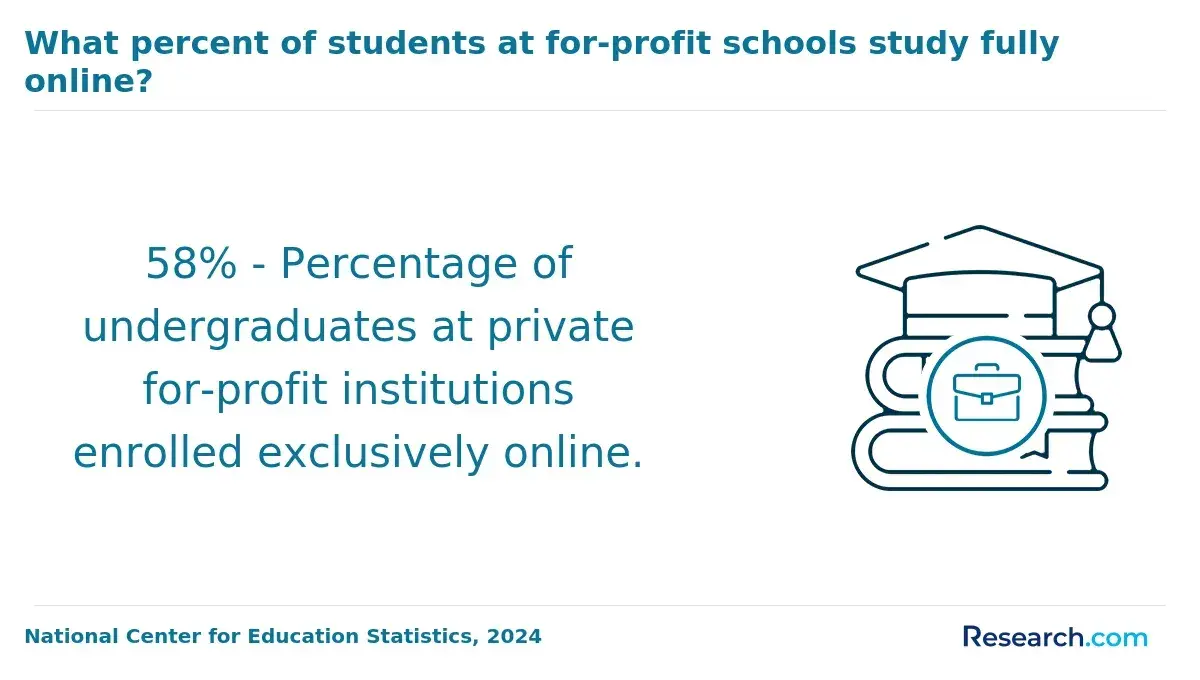
- For-Profit Colleges: These institutions usually have the lowest advertised tuition, sometimes below $10,000 for a complete online philosophy bachelor's degree. However, data from IPEDS indicates that for-profit programs often suffer from lower graduation rates and employer doubts about degree rigor, which may limit salary benefits and career advancement, ultimately reducing overall ROI.
When conducting an online philosophy degree tuition comparison, it is vital to consider more than just sticker price. Evaluating accredited online philosophy programs cost analysis alongside workforce outcomes ensures that prospective students weigh immediate affordability against long-term career value. This balanced approach benefits those weighing choices between public, private nonprofit, and for-profit options, including first-generation students and working professionals seeking advancement. For additional insights on related fields, such as social work, see available online MSW programs.
Philosophy bachelor's degree holders typically see steady salary increases aligned with their growing expertise and responsibilities over a 20- to 30-year career. Entry-level roles, often in education, research, or policy, start with modest pay as individuals build foundational skills.
- Early Career Growth: The first five years feature moderate salary gains reflecting skill development and increased role independence. Graduates move from basic positions to more analytical tasks.
- Mid-Career Acceleration: Between five and ten years, salary growth speeds up as professionals often secure promotions into specialist or management roles like curriculum developers or junior policy advisors. Surveys from the American Community Survey and PayScale show pay markedly rises above similar roles held by non-degree workers during this phase.
- Experienced Professional Peak: After 15 years, salary growth steadies as professionals reach senior or leadership positions, such as senior analysts or consultants, leveraging deep knowledge and strategic skills. This stage represents the highest earning potential before eventual plateauing.
- Cumulative Lifetime Earnings Premium: Over a full career, those with a philosophy degree earn an estimated 20% to 30% more in total lifetime compensation compared to non-degree counterparts.
- This increase offsets the initial time and cost investment in education and supports sustained career advancement and job security.
A professional who progressed in their career after completing an online philosophy bachelor's degree shared how challenging early years demanded balancing work and study, often feeling uncertain about long-term prospects. However, they emphasized how the rigorous curriculum broadened critical thinking and communication skills vital for leadership roles. "It wasn't just about landing a job," they reflected, "but about growth that kept opening doors years later." Their experience demonstrates how patience and perseverance during the early phases lead to meaningful financial and professional rewards down the line.
Return on investment varies widely when comparing an online philosophy bachelor's degree with associate degrees and industry certificates in related areas. Tuition for a philosophy bachelor's generally ranges from $20,000 to $40,000, while associate degrees typically cost between $6,000 and $15,000, and certificates run from $1,000 to $5,000.
- Median Salary: Data from the Bureau of Labor Statistics indicates that those holding a bachelor's degree in philosophy-related fields earn about 20% to 30% more annually than individuals with an associate degree. Certificate holders usually earn less but may gain employment faster due to specialized skills.
- Short-Term Investment: For individuals with limited budgets or who want to start working quickly, certificates and associate degrees offer affordable and timely alternatives.
- Certificates are well-suited for quick skill development, especially for technical roles requiring specific expertise.
- Associate degrees provide a wider academic foundation and generally lead to higher wages than certificates within two years.
- Long-Term Benefits: Earning a bachelor's degree in philosophy can yield better financial returns over a career span because of greater salary growth, increased job security, and access to leadership or interdisciplinary roles.
- Graduates with bachelor's degrees often access diverse career pathways including teaching, research, and consulting.
- The upfront investment in tuition is offset by higher cumulative earnings over time.
- Non-Monetary Advantages: A bachelor's degree also fosters critical thinking, professional growth, and networking-attributes highly valued in numerous industries.
- Decision Framework:
- Choose certificates or associate degrees if immediate employment and low upfront cost are priorities or if technical proficiency is needed.
- Opt for an online philosophy bachelor's degree when targeting long-term career advancement, improved earning potential, and roles needing complex analytical skills.
Graduates of online philosophy bachelor's programs with specialized concentrations tend to earn significantly more than those with general philosophy degrees, according to Bureau of Labor Statistics data and academic research. While general graduates often see median salaries near $60,000 in education, writing, and research sectors, certain specializations offer clear economic advantages.
- Ethics and Applied Philosophy: Focused on corporate compliance, healthcare ethics, and public policy advisory roles, these graduates can earn median salaries exceeding $75,000. Additional certifications in clinical ethics are common in healthcare and may increase total educational costs but improve career stability.
- Philosophy of Science and Technology: Aligning with technology firms and research institutions, this track commands median salaries around $80,000, especially when paired with data analysis or science communication skills.
- Logic and Critical Thinking: Valued in law, software development, and artificial intelligence, logic specialists often secure salaries above $85,000 due to their problem-solving abilities. This track often offers quicker returns on investment for professionals seeking advancement.
- Political Philosophy: Median earnings near $70,000 come from roles in government, NGOs, and political consulting. Supplementary training in public administration or policy analysis increases earning potential but adds to time and expense.
- Religious and Comparative Philosophy: Though typically yielding lower median salaries from $55,000 to $65,000, this specialization opens avenues in academia and interfaith organizations, often requiring further graduate study or ordination.
Choosing a specialization depends on balancing salary prospects with the cost and duration of additional certifications or degrees. Those prioritizing fast return-on-investment may lean toward logic or applied philosophy, while others with longer-term academic goals might accept lower initial earnings for potential growth. Considering prior experience and career aspirations is crucial to maximize job security and professional development in philosophy-related fields.
Employer tuition reimbursement programs play a crucial role in lowering the out-of-pocket expenses for students pursuing an online philosophy bachelor's degree. Under IRS Section 127, employers can provide up to $5,250 per year in tax-free educational assistance, directly reducing the student's tuition costs. According to the Society for Human Resource Management (SHRM), about 68% of U.S. employers offer some form of tuition assistance, highlighting its significance as a financial resource for working students.
In addition to employer benefits, federal and institutional financial aid also contribute substantially to reducing tuition costs. Federal grants like the Pell Grant, along with college scholarships, reduce the financial burden, while subsidized federal loans provide low-interest options that do not accrue interest during enrollment. This layered financial support structure can lower the net tuition far below the published rate, an important consideration for those comparing program affordability and value, including students evaluating online philosophy degrees against options like UI UX degree programs.
For example, a working professional enrolled in an online philosophy program with an annual tuition of $20,000 could receive $5,250 through employer tuition reimbursement, $4,000 in federal grants, and $2,500 in institutional scholarships. These combined aid sources lower the yearly net cost to approximately $8,250 before factoring in subsidized loans. Over four years, this can amount to tens of thousands in savings, significantly improving the return on investment.
- Employer Tuition Reimbursement Benefits for Online Philosophy Degrees: Many employers offer up to $5,250 yearly in tax-free tuition assistance under IRS Section 127, cutting direct education expenses.
- Prevalence of Tuition Assistance: Around 68% of U.S. employers provide such benefits, making tuition reimbursement widely accessible for working students.
- Financial Aid Impact on Net Cost of Philosophy Bachelor's Programs: Grants, scholarships, and subsidized loans from federal and educational institutions further reduce the total tuition burden beyond employer aid.
- Layered Financial Support: Combining employer benefits with federal and institutional aid often cuts net tuition by over half, easing financial pressure.
- Worked Cost Reduction Example: A student paying $20,000 annually in tuition might reduce net expenses to about $8,250 through combined employer reimbursement and financial aid, illustrating notable savings over a degree program.
Regional accreditation evaluates an institution's overall quality and is the most widely respected standard in higher education. Programmatic accreditation, in contrast, focuses on specific academic fields, but it is uncommon for bachelor's degrees in philosophy. Employers place far greater trust in degrees from regionally accredited schools, as these programs demonstrate consistent academic rigor and reliable assessment methods.
Data from the National Association of Colleges and Employers (NACE) reveals that hiring managers prefer candidates who graduated from regionally accredited institutions. These degrees improve a graduate's job prospects and boost salary negotiation power. Conversely, degrees from nationally accredited or non-accredited schools often face skepticism, which can limit access to higher-paying roles and professional growth.
Choosing a program lacking proper accreditation can restrict eligibility for licensure exams, admission to reputable graduate programs, and employment in government or healthcare sectors where certification requirements are strict. Prospective students should confirm accreditation status before enrolling by consulting the U.S. Department of Education's accreditation database or the Council for Higher Education Accreditation (CHEA).
- Regional vs Programmatic Accreditation: Regional accreditation ensures comprehensive institutional quality; programmatic accreditation targets specialized fields but is rare for philosophy undergraduate degrees.
- Employer Evaluation: Surveys indicate employers highly favor degrees from regionally accredited schools, associating them with stronger academic preparation and reliability.
- Consequences of Poor Accreditation: Graduates from unaccredited or nationally accredited-only programs face obstacles in licensure, graduate school entry, and public sector employment.
- Verification Resources: Students should use official government and accreditation organization databases to confirm program legitimacy prior to enrollment.
Graduates with an online philosophy bachelor's degree often enter a variety of entry-level roles, each with differing salary expectations influenced by the industry and location. Typical positions include Research Assistant, with starting pay between $38,000 and $50,000-academic and nonprofit sectors lead compensation, while government research grants offer higher wages. Technical Writer roles start around $45,000 to $60,000, especially well-paid in technology and healthcare fields due to the need for precise, technical communication.
- Paralegal or Legal Assistant: Entry salaries typically run from $40,000 to $55,000; government and corporate law offices provide top-tier pay, particularly for those with internships or relevant certifications.
- Human Resources Assistant: Median pay ranges from $38,000 to $48,000, with finance and tech companies showing strong salary growth potential.
- Editorial Assistant: Usually earning between $35,000 and $45,000, publishing and media offer varied wages, with larger firms paying more.
- Social Services Coordinator: Starting compensation lies between $37,000 and $50,000, highest in government and healthcare sectors.
- Marketing Coordinator: Starting salaries of $40,000 to $55,000 are common, with tech and finance businesses leading compensation.
- Education Program Assistant: Median entry wages range from $35,000 to $47,000, primarily in nonprofits and public education.
Completing internships, obtaining certifications, or specializing in areas like ethics or digital humanities can accelerate entry into higher pay brackets. These factors also influence how quickly graduates recover their educational investment. Considering this range of career options and salaries helps students strategically choose online philosophy programs that align with their financial and professional goals.
What Graduates Say About the Return on Investment of Their Online Philosophy Bachelor's Degree
- Riggs: "Choosing the online philosophy bachelor's degree was a strategic decision for me after analyzing the ROI versus the cost. The affordable tuition paired with flexible scheduling made it possible to continue working full-time, which was essential for maintaining my financial stability. Beyond monetary gains, this program sharpened my critical thinking skills and expanded my career options, leading to a promotion within six months of graduation."
- Curtis: "Reflecting on my journey through the online philosophy degree, I recognize how much the non-financial returns truly stand out. The program helped me build impressive analytical abilities and a deeper understanding of ethics that improved my decision-making at work. These skills not only enhanced my job security but also opened doors to leadership roles I hadn't considered before."
- Waylon: "Professionally, pursuing the online philosophy bachelor's degree was transformative. It was a calculated investment that paid off by elevating my profile in the competitive job market. The program's emphasis on logic and argumentation gave me a distinct advantage in problem-solving roles, proving that the ROI extends well beyond initial salary increases-it's about long-term career growth."
Other Things You Should Know About Philosophy Degrees
On average, graduates with an online Philosophy bachelor's degree may take between 7 to 10 years to fully recoup their tuition costs through higher earnings. This timeframe varies depending on the cost of the program and the graduate's career path. Philosophy graduates often begin in entry-level roles in education, law, or business, where salary growth can be gradual but steady over time.
Employer surveys and labor market data for 2027 indicate that graduates with an online Philosophy bachelor's degree often enter diverse fields. While specific roles may not directly relate to philosophy, skills such as critical thinking and communication are highly valued, potentially leading to roles with competitive salaries.
It should come from a school accredited by a U.S. regional or national accreditor recognized by the U.S. Department of Education. For ROI, that matters because federal aid, graduate school admission, and employer screening often require accredited degrees.
Prospective students can use cost-benefit analysis tools to compare tuition fees, program length, expected salaries, and career outcomes of online Philosophy programs. These tools often incorporate data from government education statistics and alumni earnings to estimate the time to break-even and long-term financial benefits. Using such analysis helps students make informed decisions aligned with their budget and career goals, minimizing financial risks.
- 12 Careers for Philosophy Graduates (with Responsibilities & Sal… https://au.gradconnection.com/career-advice/article/12-careers-for-philosophy-graduates-with-responsibilities-and-salaries/
- Philosophy majors are smarter than others — and tend to make more money https://bigthink.com/thinking/philosophy-majors-smarter-make-more-money/
- ROI of Online Degrees in 2025: Cost, Benefits, Career Impact https://www.pwmedharthi.com/blogs/guide/roi-of-online-degrees
- Measuring the Return on Investment of Higher Education: Breaking Down the Complexity https://bipartisanpolicy.org/explainer/measuring-the-return-on-investment-of-higher-education-breaking-down-the-complexity/
- Public vs. Private vs. Non-Profit Colleges | Goodwin University https://www.goodwin.edu/enews/choosing-a-college-public-private-non-profit-schools/
- Cost of Online College vs. Traditional | Champlain College Online https://online.champlain.edu/blog/cost-of-online-education-vs-traditional-education
- Pursue an Online B.A. in Philosophy: Flexible, Affordable, and Future-Ready https://differ.blog/p/pursue-an-online-b-a-in-philosophy-flexible-affordable-and-future-ready-5913a1
- Estimated Costs for Degrees and Certificates https://www.aims.edu/node/10829
- How to Get Your Employer to Pay for College With Tuition Assistance Programs https://www.umassglobal.edu/blog-news/get-your-employer-pay-college-tuition-assistance-programs